
Best Wireless In-Ear Systems for Complete Iem Solution 2026
So, you're ready to ditch the wedge monitors and go full IEM? Smart move - it's a game-changer for hearing yourself and the band, especially in tricky venues. But a wireless IEM system isn't just about cutting down on stage volume; it's a complete monitoring solution, and getting it wrong can lead to frustration and a muddy mix in your ears. Let's break down what to look for in a wireless IEM system that'll actually deliver the goods, not just empty promises.
Last updated: July 15, 2026 • Next update: July 22, 2026
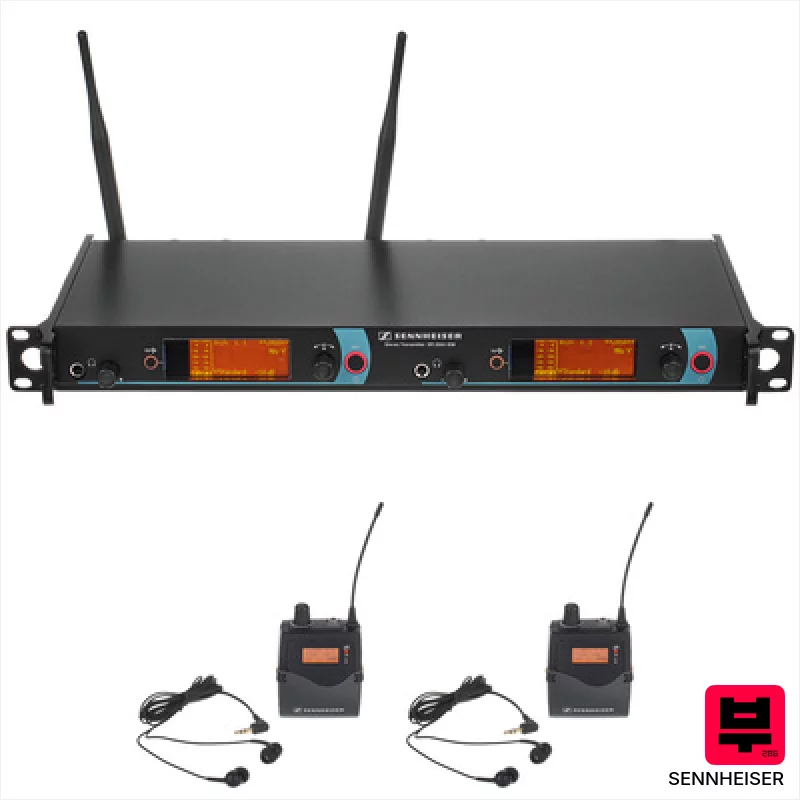
Sennheiser IEM 2000 BW Twin Bundle
- • Rock-solid 2050 transmitter build; HDX compander delivers excellent audio clarity.
- • EK 2000 receivers offer reliable, low-latency performance on stage.
- • B-Band frequency range provides ample channel availability in most regions.
- • IE 4 earphones are a solid, balanced starting point for in-ear monitoring.
- • Premium-priced system, a significant investment for smaller bands or solo artists.
- • IE 4 earphones, while decent, aren't audiophile-grade; upgrades are likely.
- • Transmitter’s 1U rack height can be restrictive in tight setups.
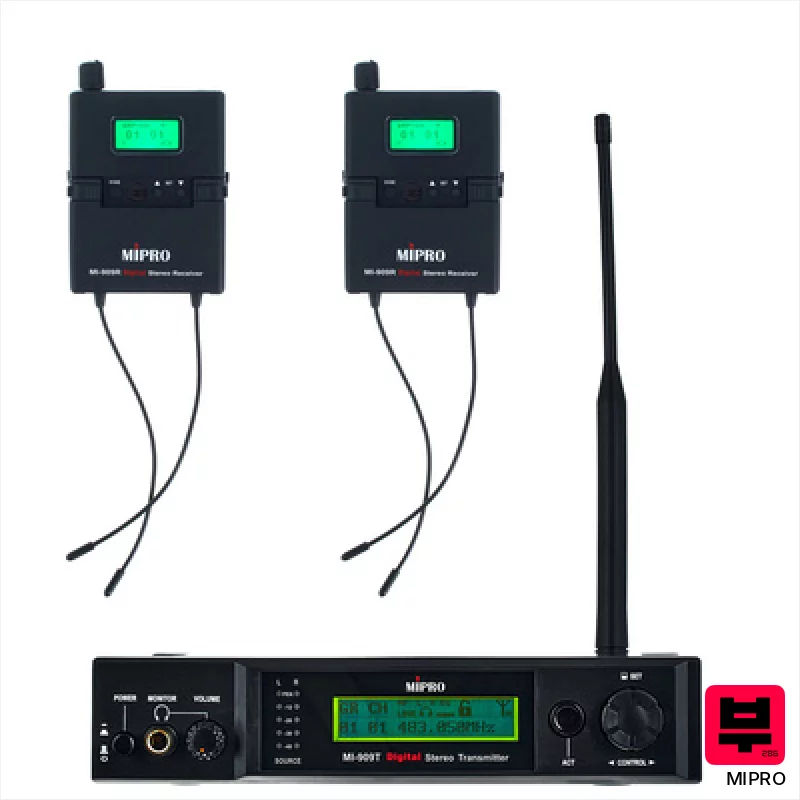
Mipro MI-909RT 5E Twin Set
- • Magnesium housing provides excellent durability for stage use.
- • PLL synthesizer ensures stable, clean signal transmission with minimal drift.
- • Auto Channel Targeting simplifies setup, crucial for busy performances.
- • Digital diversity receiver drastically reduces dropouts in challenging RF environments.
- • The included earphones are basic and may need upgrading for discerning audiophiles.
- • Limited frequency band (480-544 MHz) restricts channel availability in congested areas.
- • Higher price point places it beyond budget for casual or beginner IEM users.
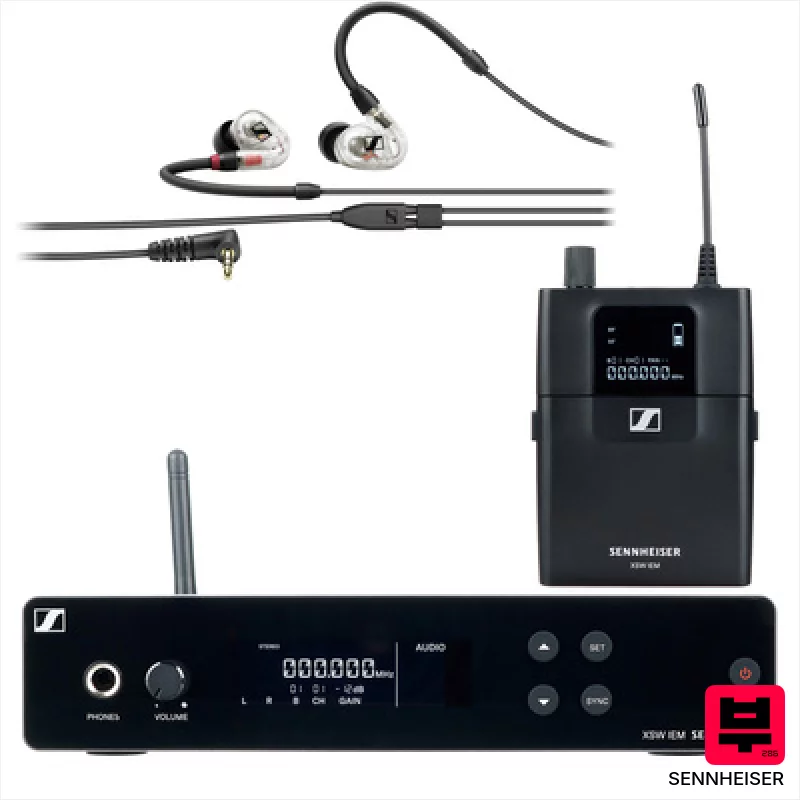
Sennheiser XSW IEM B-Band + IE100Pro Set
- • Robust B-Band frequency range minimizes interference on crowded stages.
- • IE100Pro earphones deliver Sennheiser’s signature clarity and detail.
- • Infrared sync simplifies channel setup and eliminates frustrating manual adjustments.
- • Compact receiver design makes it comfortable for extended performance use.
- • B-Band availability can be limited in certain geographic regions.
- • IE100Pro earphones, while excellent, lack advanced noise isolation features.
- • Transmitter's build, while solid, feels a bit plasticky for the price.
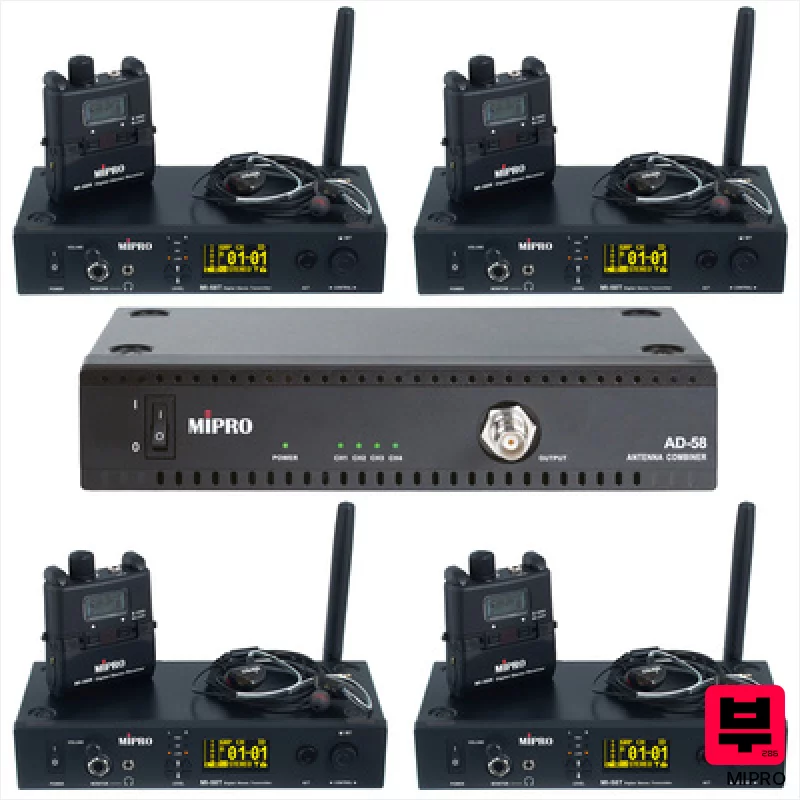
Mipro MI-58 4 CH Set
- • Excellent antenna combiner boosts signal strength for reliable performance.
- • Digital transmission minimizes interference, crucial for noisy stages.
- • MI-58RT receivers offer low latency, vital for stage monitoring clarity.
- • Included MP8 charging tray simplifies battery management and workflow.
- • The AD-58 combiner's size might be restrictive in very tight setups.
- • The E-8S earphones are functional but lack premium audio isolation.
- • 4-channel system might be limiting for larger bands needing more frequencies.
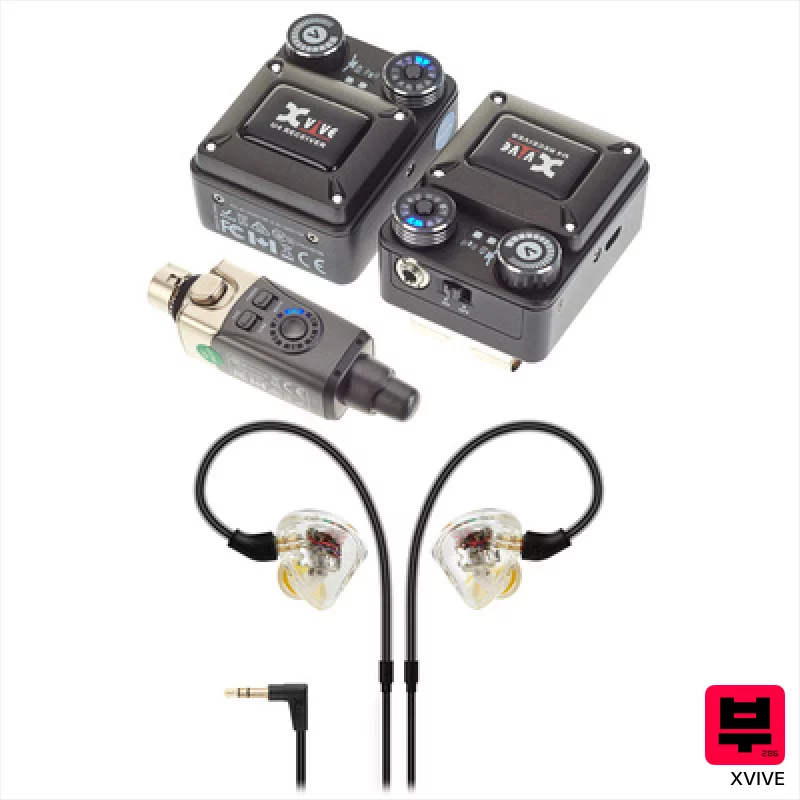
XVive U4 Wireless System Bund Bundle
- • Compact bodypacks offer excellent portability for stage or rehearsal.
- • 2.4 GHz band provides reliable global operation avoiding interference.
- • 6 switchable channels offer flexibility in crowded RF environments.
- • AUX/Line switch caters to diverse audio source levels.
- • The included earphones are likely basic and may benefit from an upgrade.
- • 27.5m range is respectable, but can be impacted by venue construction.
- • Bodypack battery life may require mid-set charging for extended performances.
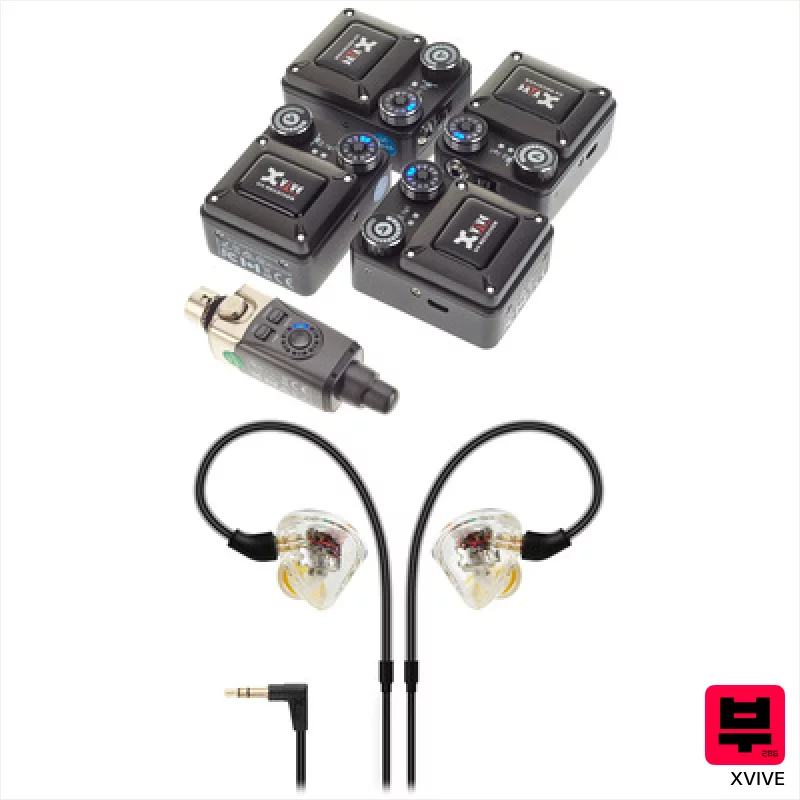
XVive U4 Wireless System Bund Bundle
- • 2.4GHz band avoids common interference, crucial for live performance environments.
- • Compact bodypacks are genuinely lightweight and comfortable for extended stage use.
- • Integrated rechargeable batteries simplify setup and eliminate battery changes mid-show.
- • Excellent 107dB SNR ensures clean, clear audio even in noisy settings.
- • 27.5m range is adequate but might be limiting for very large stages or complex setups.
- • The included earphones are likely a basic model; serious IEM users will want to upgrade.
- • Limited channel count (6) could pose a challenge in densely populated RF environments.
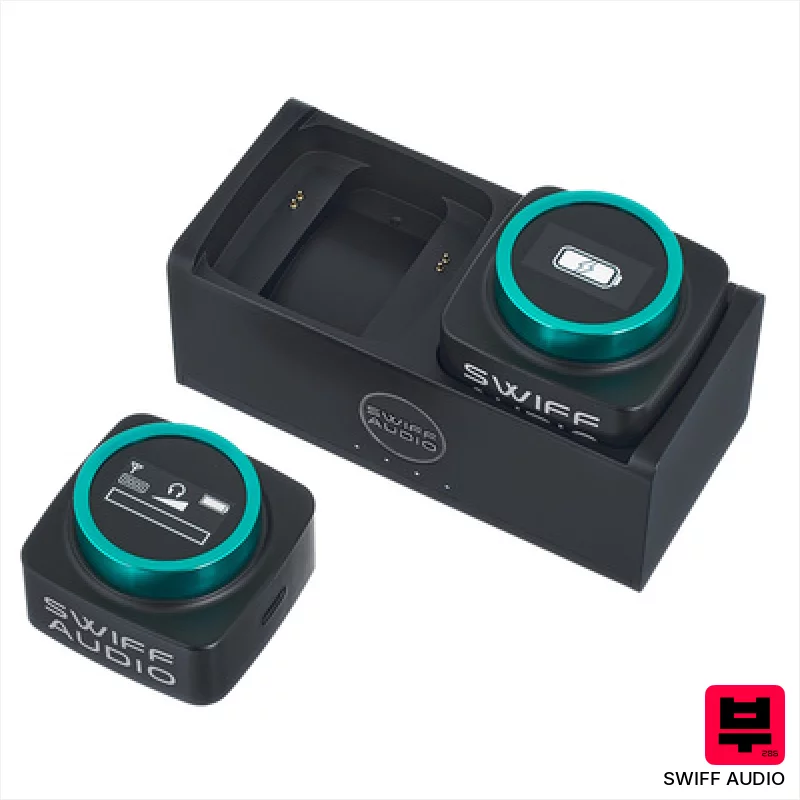
Swiff Audio WX510 Monitor Wireless System
- • Compact charging case offers convenient portability and battery top-ups.
- • 5.8 GHz ISM band ensures broad global usability without licensing issues.
- • Decent 30m range is sufficient for most stage setups and rehearsals.
- • Integrated lithium batteries simplify power management, eliminating external power needs.
- • Build quality feels noticeably budget-focused, plastic components may not withstand heavy gigging.
- • Audio clarity likely limited by the 5.8GHz band, expect some digital artifacts.
- • Receiver battery life of 6 hours might necessitate charging during longer performances.

Mipro MI-58 Twin Set
- • Excellent low latency (<2.2ms) crucial for stage monitoring.
- • OLED display provides clear, real-time feedback on settings.
- • Dual-channel operation offers flexibility for stereo or mix-mono.
- • Rack-mountable design simplifies integration into existing PA systems.
- • E-8S earphones are serviceable, but audiophiles will likely upgrade.
- • 5.8GHz band can be susceptible to interference in crowded RF environments.
- • Limited frequency band compared to more expansive systems.
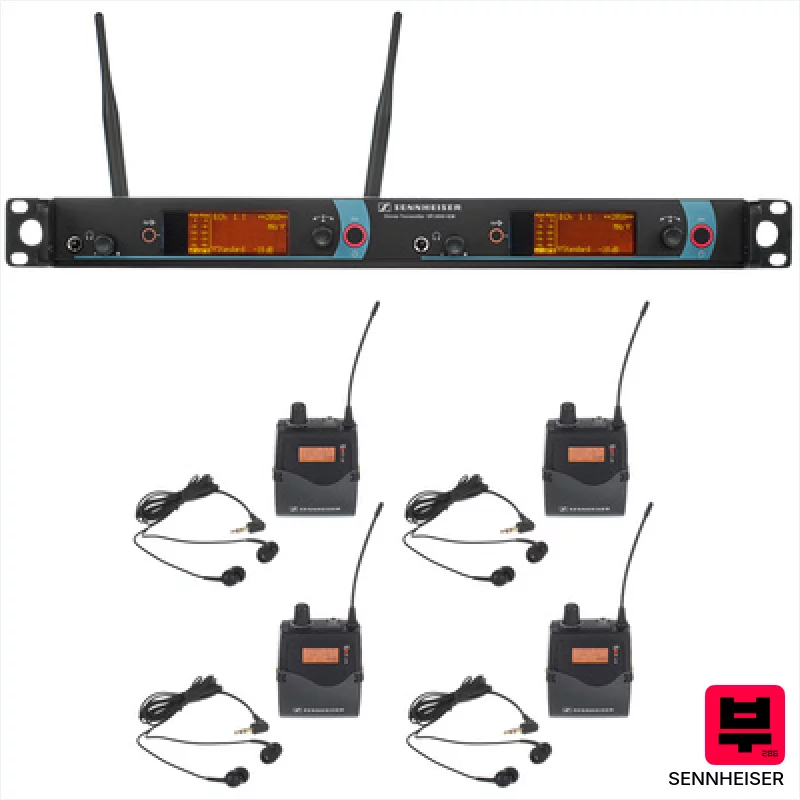
Sennheiser IEM 2000 BW Quattro Bundle
- • Rock-solid SR 2050 transmitter offers exceptional RF stability.
- • EK 2000 receivers provide reliable, low-latency performance onstage.
- • HDX compander significantly reduces noise and interference.
- • IE 4 earphones deliver a balanced, detailed sound signature.
- • The Quattro bundle is a premium-priced investment for serious performers.
- • Receiver battery life necessitates carrying spares or a charger.
- • The B-Band frequency range may require coordination in crowded RF environments.
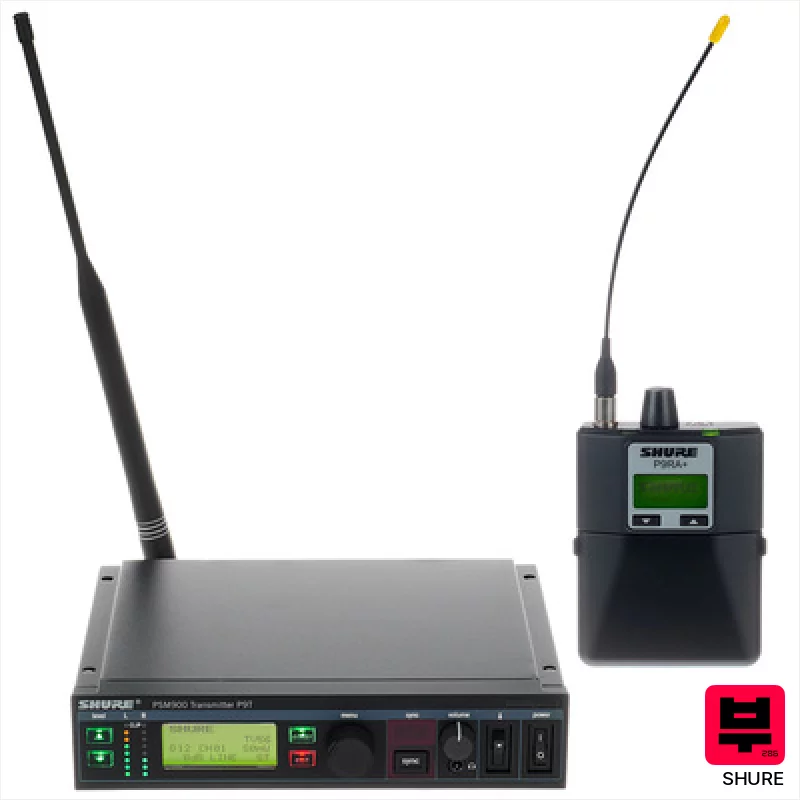
Shure PSM 900 G6E Bundle
- • Robust metal chassis offers exceptional durability for stage use.
- • Shure's Audio Reference Companding delivers remarkably clear and detailed audio.
- • The improved scan and sync simplifies frequency management, saving valuable time.
- • Rackmount included provides professional integration into existing PA systems.
- • The bundle's weight (850g) can be cumbersome for extended handheld operation.
- • G6E frequency band availability varies geographically, limiting usability in some regions.
- • Premium-priced, representing a significant investment for smaller bands or solo artists.
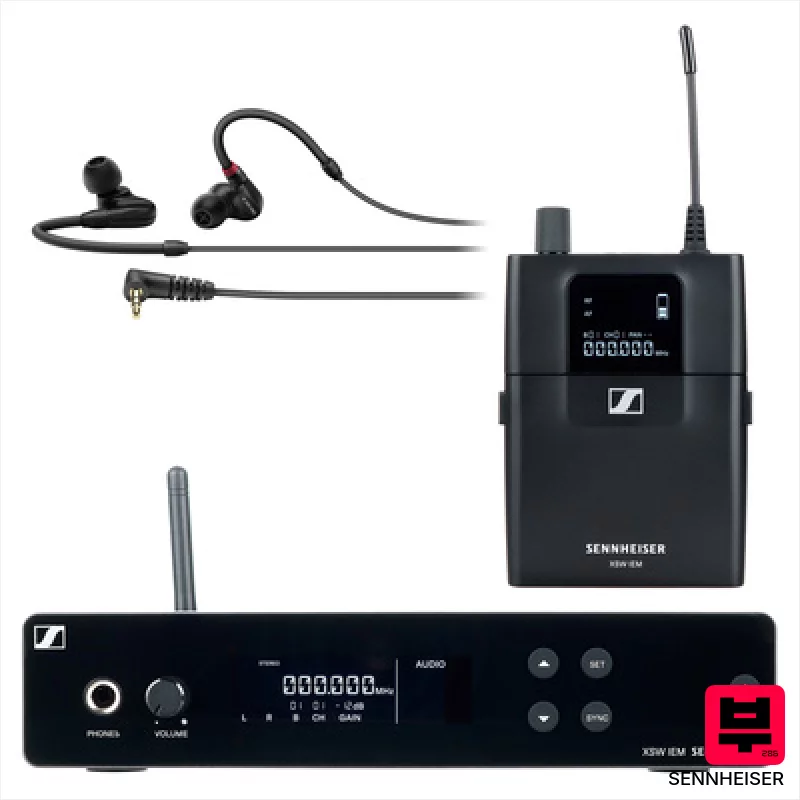
Sennheiser XSW IEM A-Band + IE100Pro Set
- • Rock-solid Sennheiser build quality; feels durable for stage use.
- • Excellent frequency response clarity for IEMs; vocals shine.
- • Infrared sync simplifies channel setup; quick and reliable.
- • IE100Pro provides balanced sound; comfortable for extended wear.
- • The A-band frequency range is limited; potential interference in crowded areas.
- • Transmitter is a bit bulky; could be more streamlined for portability.
- • IE100Pro lacks noise isolation; ambient noise can be an issue.
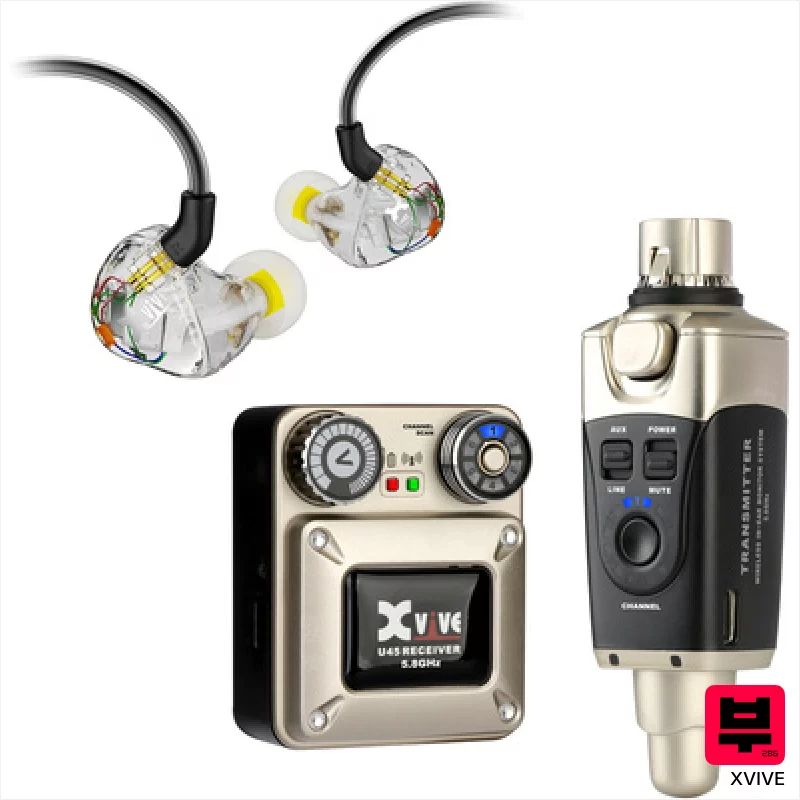
XVive U45T9 In-Ear Monitor Bundle T9
- • Simple plug-and-play operation reduces setup time significantly.
- • 5.8 GHz frequency band offers broad international compatibility.
- • Solid build quality for a budget-friendly wireless IEM system.
- • Decent 110dB SNR minimizes unwanted noise and interference.
- • Range of 30m is realistic *only* with perfect conditions; expect less.
- • Mono audio limits stereo imaging for critical listening applications.
- • Bodypack's lightweight design might feel flimsy for heavier instruments.
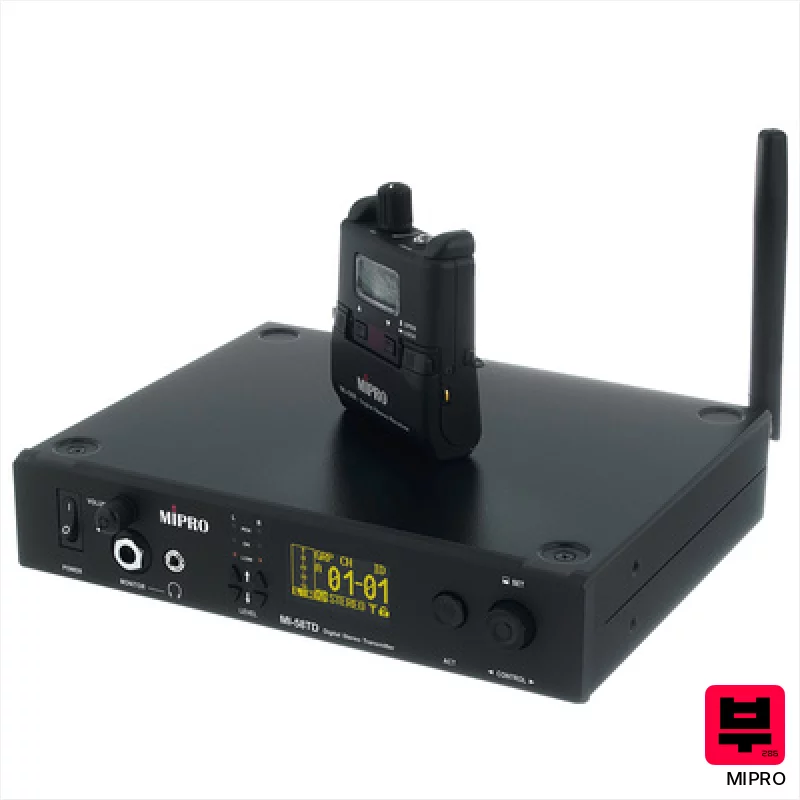
Mipro MI-58RT-DNT
- • Dante integration simplifies complex audio routing and workflows.
- • 5.8GHz digital transmission offers clean, interference-free audio.
- • OLED display provides clear, real-time information on settings.
- • Pocket receiver offers portability and discreet monitoring options.
- • E-8S earphones are basic; audiophiles will likely want to upgrade.
- • Rackmount format demands space and potentially extra hardware.
- • Limited channel count might be restrictive for large ensembles.
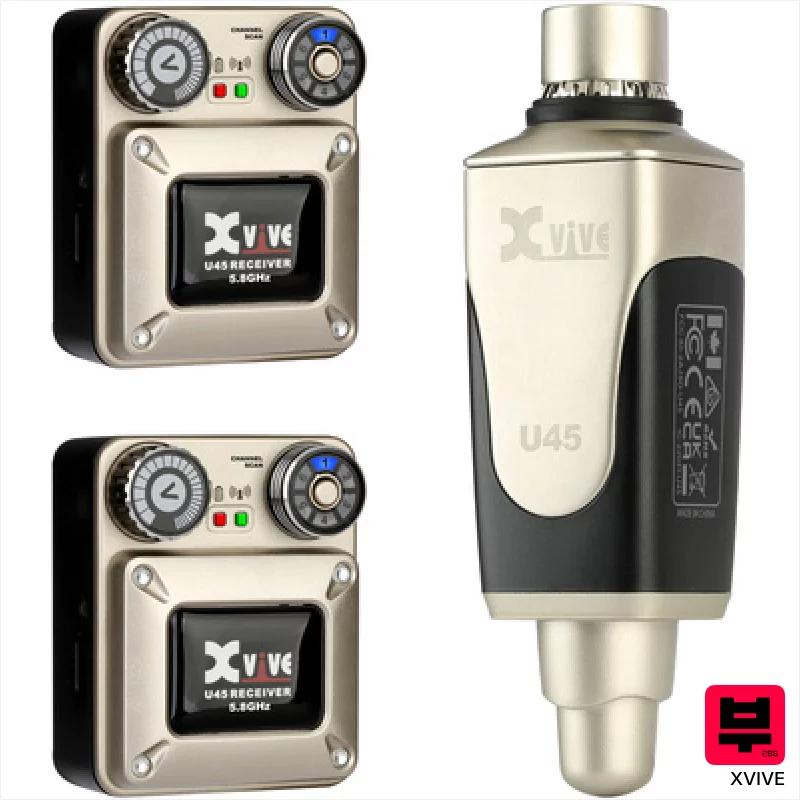
XVive U45 In-Ear Monitor Bundle 2R
- • Simple plug-and-play operation minimizes setup time onstage.
- • 5.8 GHz band offers broader global compatibility than many systems.
- • Integrated rechargeable batteries remove the hassle of constant replacements.
- • Aux/Line switch provides flexibility for various mixer outputs.
- • 30m range is realistic only with minimal interference; expect less in dense environments.
- • Bodypack's light design might be flimsy for heavier instrument rigs.
- • Mono audio signal limits stereo monitoring capabilities.
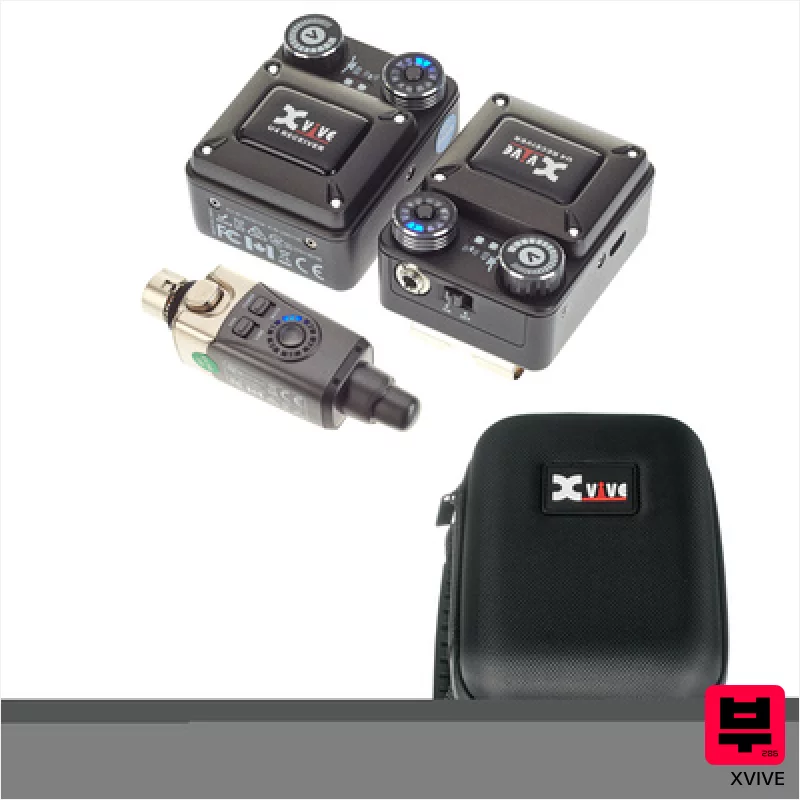
XVive U4 Wireless System Bund Bundle
- • Compact bodypack design offers excellent portability and discreet stage presence.
- • 2.4 GHz band provides reliable operation globally, minimizing interference.
- • Integrated rechargeable batteries simplify operation and eliminate external power needs.
- • AUX/Line switch offers versatility for various sound sources and mixing scenarios.
- • The included earphones are likely basic and may benefit from an upgrade for critical listening.
- • 27.5m range can be reduced by physical obstructions and signal interference.
- • While generally robust, the plastic construction feels less premium compared to higher-end systems.
How to Choose the Best Wireless In-Ear Systems
Tonal Transparency
It's not about 'warmth' or 'brightness,' it's about accurate reproduction. You need to hear what you're actually playing, not a colored version of it. A system that adds its own EQ is a liability, especially for critical monitoring applications.
Latency
This is the killer. Even a few milliseconds of lag between your instrument and what you hear can throw off your timing and feel. We're talking sub-2ms here, consistently. Anything higher is noticeable and disruptive.
Dynamic Range & Headroom
IEMs need to handle everything from quiet acoustic passages to a full-on rock band. A system with limited headroom will compress and muddy the mix when things get loud - you'll lose articulation and dynamics.
Frequency Response & Clarity
A wide, flat frequency response is crucial for hearing the nuances in your sound. Look for systems that don't roll off the low end prematurely or have a harsh, ice-picky high-end. It's about clarity, not just loudness.
RF Stability & Range
A system that drops out or gets plagued by interference is useless. Solid RF performance, especially in crowded environments, is paramount, and a longer usable range means less fiddling with transmitter placement on stage.
Buying Guide
Don't chase the cheapest option - you'll pay for it in frustration. Entry-level systems often compromise on latency or dynamic range. Paying more gets you better RF stability, lower latency, and a more transparent sound. Factor in the cost of decent IEMs themselves, too; a great transmitter paired with cheap earbuds won't sound amazing.
Our Methodology
We're not about spec sheets here. We've spent countless hours playing these systems live, in rehearsal rooms, and even tracking in studios - A/B'ing them against known good monitor setups. Our evaluations focus on real-world performance: clarity, latency, range, and how they handle the chaos of a gig, not just theoretical numbers.

