
Best Vox Wah Pedals 2026
Alright, so you're looking at a Vox wah? Smart move. Vox has a unique place in wah history, bridging that classic Fender vibe with a British sensibility - a little more grit, a little less ice. They aren't always the first name that comes to mind, but their wahs offer something different, especially if you're chasing that mid-range honk and a more vocal quality. Let's break down what makes Vox wah pedals tick.
Last updated: October 8, 2026
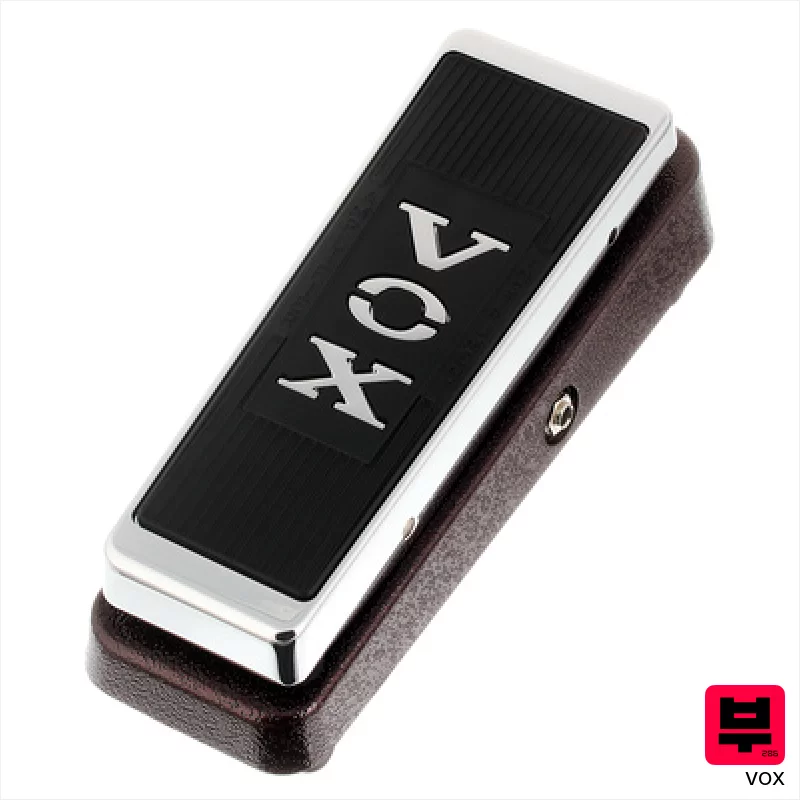
Vox V863-CA Semi-Auto Wah
- • Unique semi-auto functionality offers expressive, evolving wah tones.
- • Vox's voicing delivers a warm, vocal-like character, distinct from Cry Baby.
- • Attack and Decay controls allow precise shaping of auto-wah response.
- • Robust, all-metal construction suggests durability for gigging musicians.
- • Heavier than most wah pedals, potentially affecting pedalboard stability.
- • Limited control over the auto-wah’s rhythmic complexity; more basic than dedicated auto-wahs.
- • Polarity switch's effect may be subtle, not always noticeable in all playing scenarios.

Vox V846 Vintage Wah-Wah
- • Faithful recreation captures the original's aggressive, scooped mid-range tone.
- • Robust, heavy-duty construction feels incredibly solid and durable.
- • Extended frequency response provides clarity and nuanced expression.
- • 3D-scanned exterior perfectly replicates the vintage aesthetic and details.
- • Limited versatility; excels in rock but less suited for modern, clean tones.
- • Significant weight makes it less ideal for pedalboard travel or smaller setups.
- • Battery-powered operation can be inconvenient for frequent use.
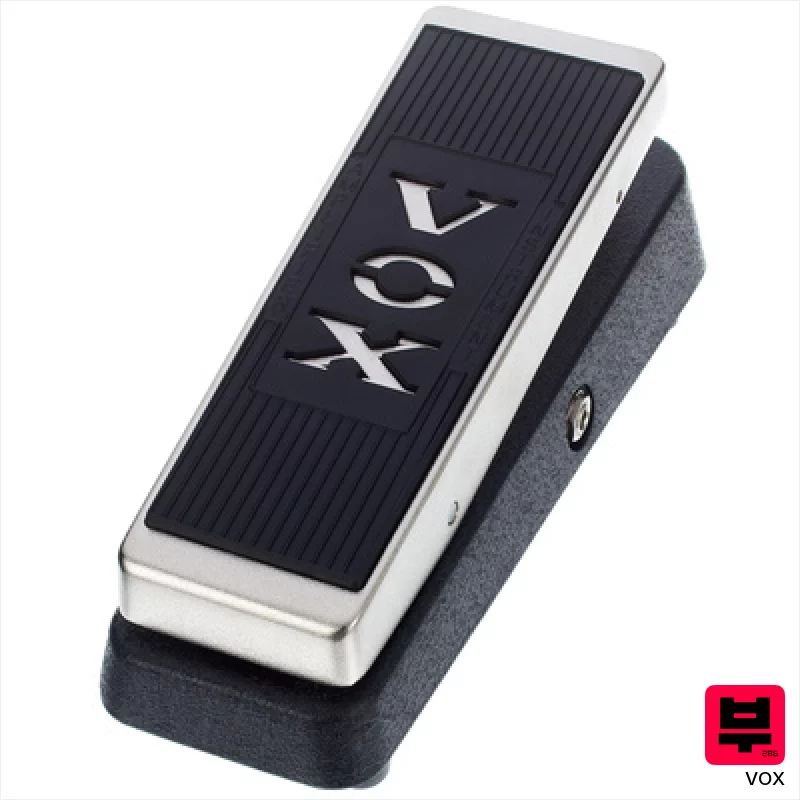
Vox V846HW Wah Wah
- • Hand-wired turret board construction ensures exceptional signal integrity.
- • New Vox potentiometer provides a smooth, responsive, and vocal wah action.
- • Switchcraft jacks and Carling footswitch guarantee reliable performance and durability.
- • Low-noise carbon resistors minimize unwanted hum and interference for a clean tone.
- • The wah's voicing leans towards a more classic, vocal style, limiting modern, percussive applications.
- • While well-built, the enclosure feels a bit lightweight compared to some premium wah pedals.
- • The fixed wah range might require some adjustment for players seeking extreme low or high frequencies.

Vox V845 Wah-Wah
- • Faithful recreation of a classic Vox wah sound, very distinctive.
- • Solid, substantial build quality with a robust metal enclosure.
- • Simple, straightforward design – easy to dial in a good tone.
- • Surprisingly affordable price point for a vintage-inspired pedal.
- • Can be a little dark sounding; lacks some of the brighter 'funk' tones.
- • The larger size might be an issue for very small pedalboards.
- • Limited control options compared to modern wahs.
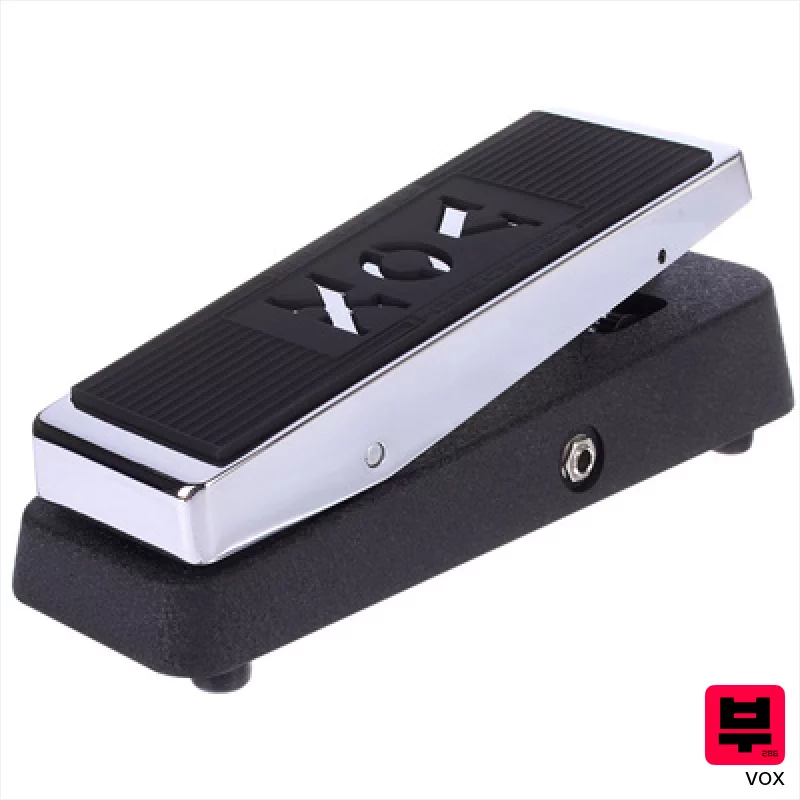
Vox VX V847A Wah
- • Compact size ideal for pedalboards, even smaller ones
- • Vox's signature 'wah' voicing, warm and vocal-like
- • Simple controls make it incredibly easy to dial in a tone
- • Vinyl bag provides basic protection and a touch of Vox branding
- • Plastic construction feels noticeably less robust than metal wahs
- • Limited tonal range; not as versatile as higher-end models
- • True bypass isn't present; slight coloration when bypassed
Wah Pedals by the numbers
Measured across all 73 models in this category, so «wide», «short» or «expensive» mean something you can check.
How to Choose the Best Wah Pedals
Tone Character
Vox wahs tend to have a more pronounced mid-range than a typical Fender Cry Baby. This isn't necessarily bad; it gives your sound more 'vocal' character and helps it cut through a dense mix, especially with humbuckers. It's a different flavor - less sparkly, more honky and expressive.
Vox V-Wah Sound
The V-Wah, with its unique sweeping motion, creates a truly distinctive, almost vocal-like sound. It's a commitment, though; the wider sweep isn't for everyone, but when it works, it's very cool - think early Van Halen or those psychedelic funk tones.
Build Quality
Generally solid, but not quite as robust as a vintage Cry Baby. The pots and switches are decent, but the construction feels a little less premium. This usually translates to a slightly shorter lifespan under heavy gigging conditions.
Expression and Response
Vox wahs can feel a little stiffer than some of the more fluid options out there. The pedal action isn't as smooth, requiring a bit more effort to get those subtle nuances. This isn't a dealbreaker, but it's something to be aware of.
Price Point
Vox wahs often fall in a sweet spot - more affordable than some of the boutique options, but still offering a distinct character. You're getting a unique sound without breaking the bank, but be prepared for some compromises in build quality.
Buying Guide
If you're after that classic, scooped wah sound, a Vox might not be your first choice. However, if you want a more vocal, mid-focused tone that cuts through the mix, they're definitely worth a look. Don't expect the same buttery smooth action as a top-end Cry Baby - the stiffer feel is part of the Vox character. And if you're gigging regularly, consider swapping out the pots down the line; it'll extend its life.
How This List Is Built
We don't play these instruments — we're a catalog, not a review desk, and we'd rather say so than pretend otherwise. This page covers 5 of 73 wah pedals from the Thomann catalogue, which is the largest single source of specification data in this category: 5 in detail, the rest listed with their specifications.
Position is computed, not curated. We parse the manufacturer's own description into actual values — nut width, scale, fret count, fingerboard radius, size, alloy — and rank on them: how many specifications a model has published, how many of them are measurable numbers, and how precisely it meets this page's criterion. A product image adds a little. Price is not a ranking signal: it tells you nothing about whether a neck fits your hand. The same inputs always produce the same order, so nothing here is shuffled to look fresh.
What this list is good for: narrowing a category down to a shortlist by spec and budget. What it isn't: a substitute for hearing an instrument. Before you buy, read hands-on reviews and, where you can, play it. Full methodology.

