
Best Morley Wah Pedals 2026
Alright, let's talk Morley wahs. They're not the first brand that pops into everyone's head these days, but if you're chasing a specific vibe - that smooth, vocal-like wah - Morley's got a serious legacy. We're not talking about the harsh, gated cries of some other pedals; Morley's signature is a warmer, more expressive response, and for a long time, they were the go-to for players wanting a sophisticated wah tone. Whether you're chasing a Stevie Ray Vaughan vibe or just want a wah that sits well in a modern mix, Morley deserves a closer look.
Last updated: October 8, 2026
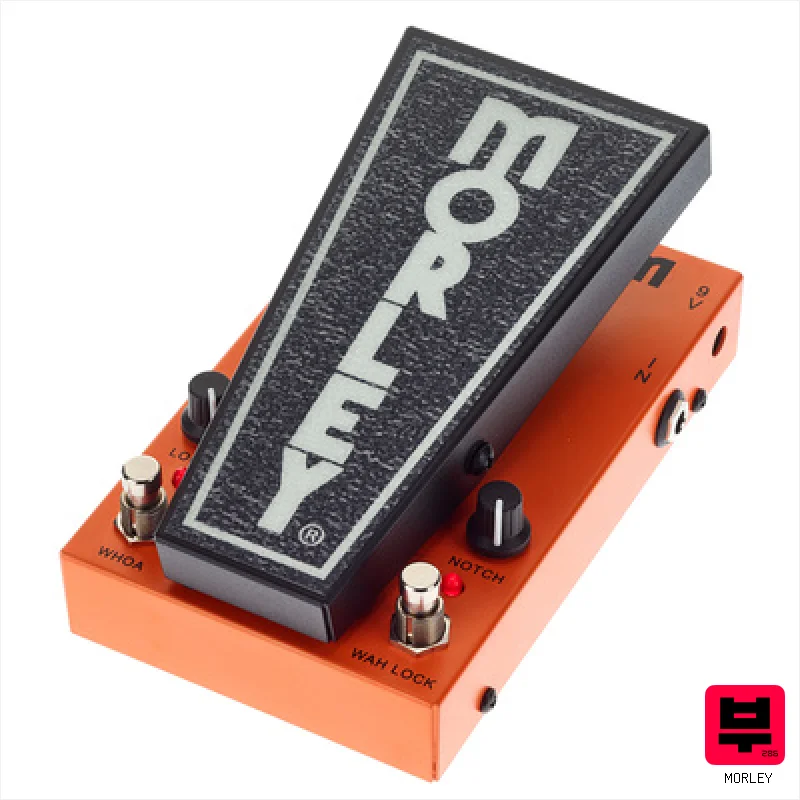
Morley MTG3 - 20/20 Wah Lock
- • Silent switches prevent accidental clicks during performance.
- • 20 dB boost is strong enough for most guitar needs.
- • Optical circuit ensures signal never gets lost.
- • Cold-rolled steel housing feels solid and durable.
- • Power cord is not included in the box.
- • Battery cover design makes changing batteries hard.
- • No manual or online documentation available.

Morley MTLW2 - 20/20 Lead Wah Boost
- • Optical circuit provides incredibly smooth, responsive wah action.
- • Cold-rolled steel housing feels robust and built to withstand gigging.
- • Integrated 20/20 buffer preserves signal integrity, crucial for long cable runs.
- • Adjustable boost allows for subtle thickening or aggressive lead enhancement.
- • Switchless design can be unpredictable for players needing immediate wah engagement.
- • Limited control over the wah’s tone beyond the sweep range; lacks EQ shaping.
- • The wide sweep might be too extreme for players seeking a more traditional wah sound.
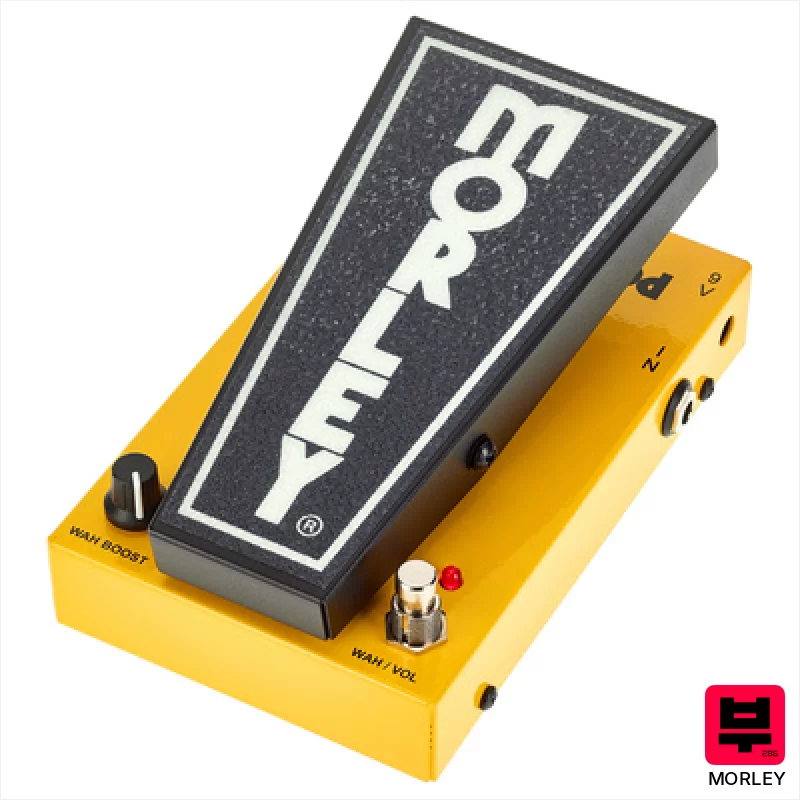
Morley 20/20 Power Wah Volume
- • Solid steel housing provides excellent durability and roadworthiness.
- • Optical circuitry ensures exceptionally quiet operation, a Morley hallmark.
- • Integrated 20/20 buffer preserves signal integrity, especially crucial in long rigs.
- • Versatile volume control offers a useful alternative to wah functionality.
- • The sweep range, while vintage-voiced, may feel a little narrow for modern wah styles.
- • Battery power can be limiting for stage use; external power supply highly recommended.
- • Cold-rolled steel housing, while robust, contributes to a somewhat heavier pedal.
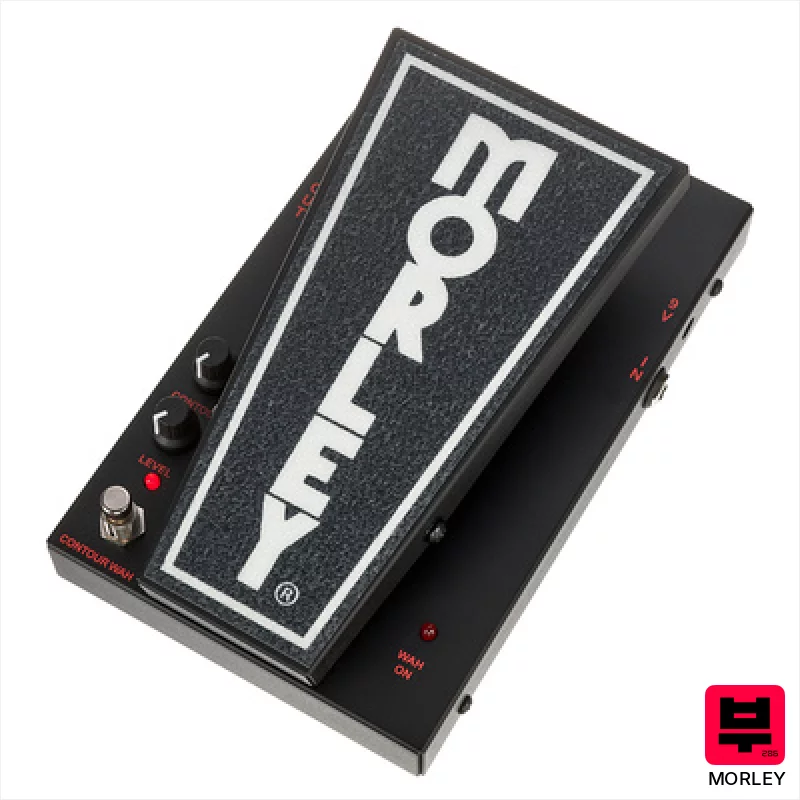
Morley BH 2 Bad Horsie Wah
- • Solid cold-rolled steel housing provides excellent durability for gigging.
- • Electro-optical circuit delivers a smooth, vocal-like wah response.
- • Integrated buffer preserves signal integrity, crucial for long cable runs.
- • Switchable modes offer versatility beyond typical wah functionality.
- • The mini size can feel cramped for players with larger feet.
- • Contour mode’s subtle effect may not satisfy those wanting extreme wah.
- • Battery power is convenient but less reliable than a dedicated power supply.
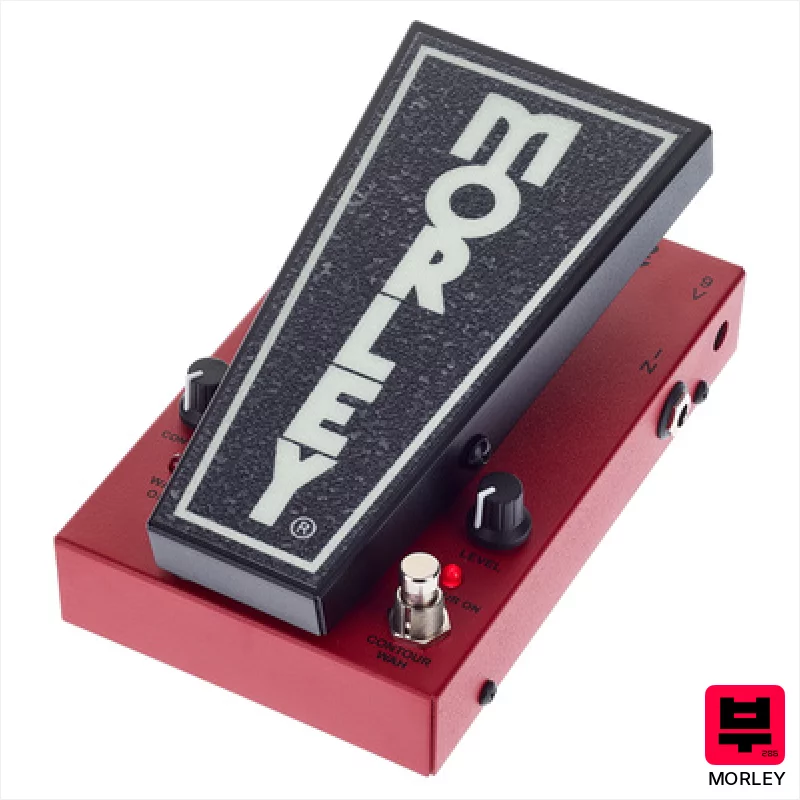
Morley 20/20 Bad Horsie Wah
- • Optical circuit delivers exceptionally smooth, vocal-like wah response
- • Cold-rolled steel housing provides robust build quality and roadworthiness
- • Integrated 20/20 buffer maintains signal integrity, even with long cable runs
- • Switchless design offers a unique, expressive wah control experience
- • The 'Bad Horsie' mode can be overly aggressive for subtle playing styles
- • Limited control over the wah's range; shaping is less flexible than some competitors
- • Battery operation can be inconvenient for frequent gigging; power adapter is separate
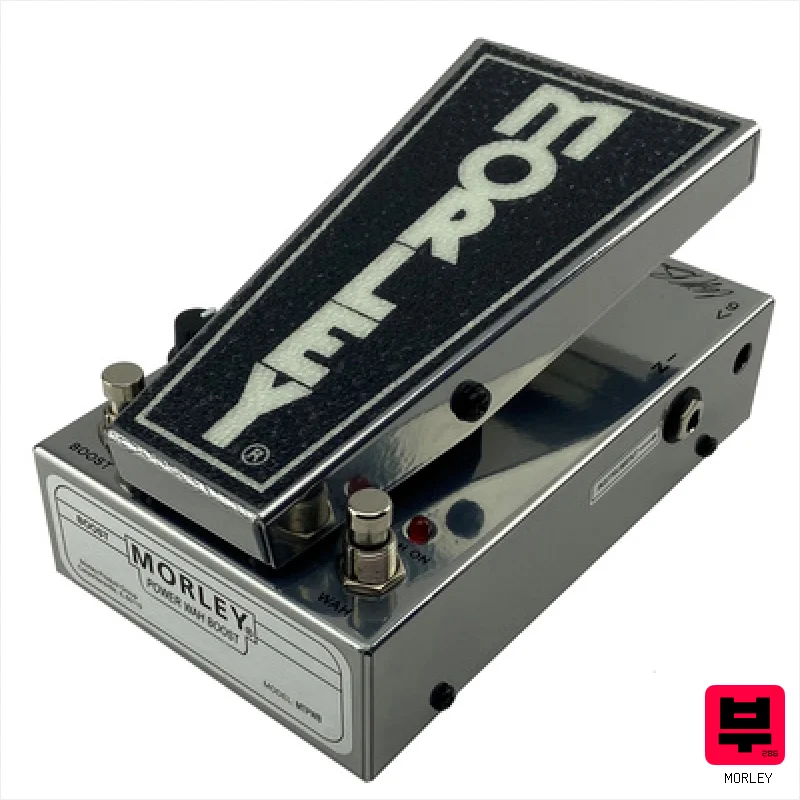
Morley MTPWB Cliff Burton Wah Boost
- • Wear-free optical circuit ensures long-lasting durability
- • Cold-rolled steel housing with a chrome finish
- • Glow-in-the-dark treadle grip for night use
- • Raised base fits perfectly on any pedalboard
- • No power adapter included in the box
- • Does not specify exact pedalboard weight
- • Separate switches limit simultaneous wah and boost use
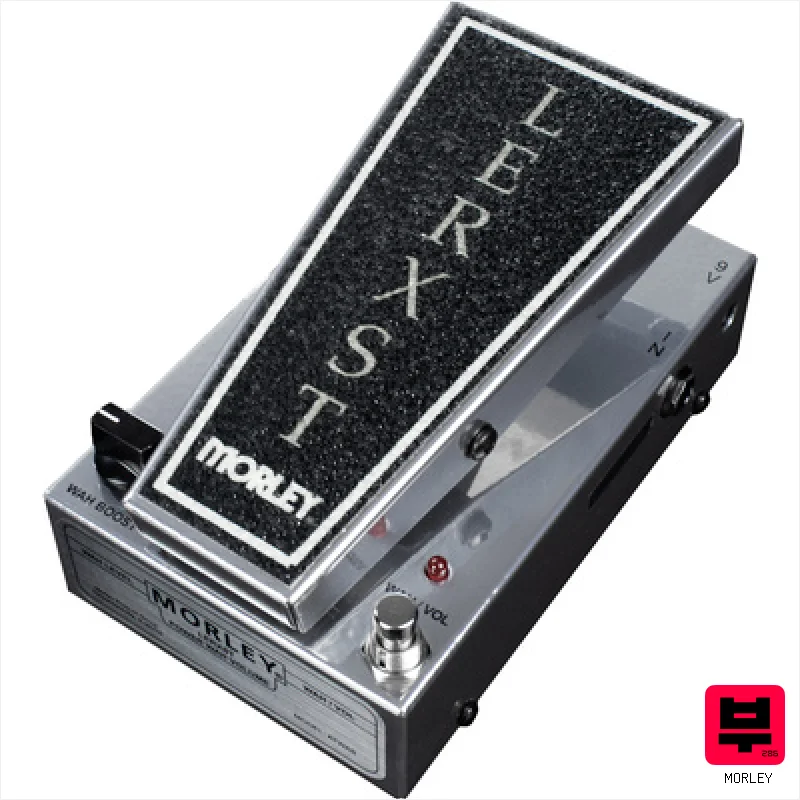
Morley Lerxst ATWAS Wah Volume
- • High-quality buffer circuit keeps signal strong and clear
- • Special inductor ensures true wah tone without coloration
- • Silent switching stops clicking noises and hissing sounds
- • Glow-in-the-dark treadle grip helps visibility in dark rooms
- • Dimensions are very large at nearly one meter tall
- • No specific weight listed makes it feel heavy without proof
- • Description lacks details on boost type or wah curve shape
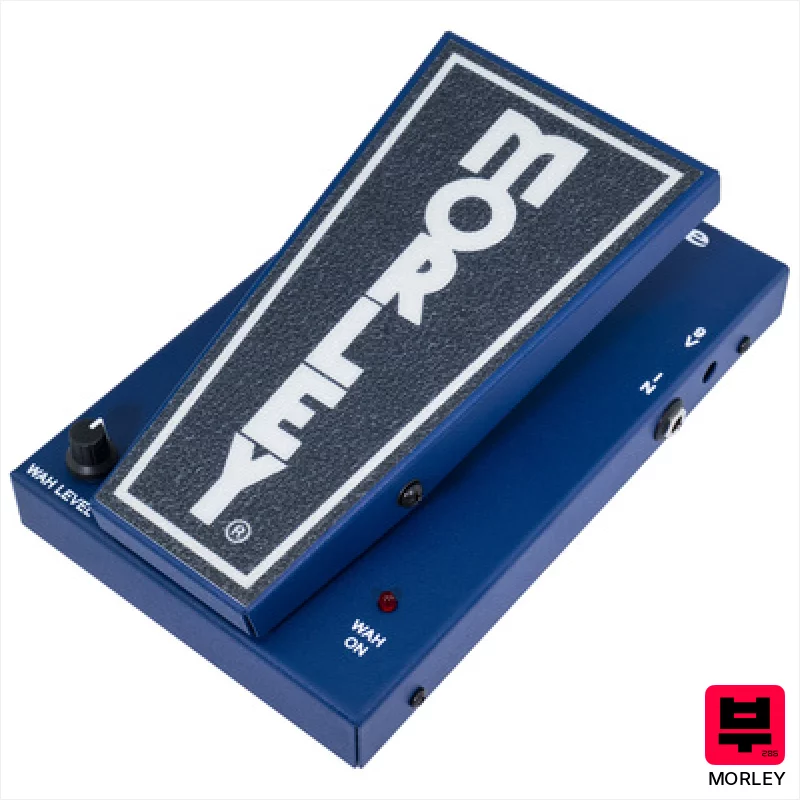
Morley PBA-92 Rex Brown Old Blue Wah
- • Electro-optical design eliminates potentiometer wear for reliability.
- • 15dB level control offers nuanced wah depth adjustment.
- • Premium buffer circuit maintains signal integrity and clarity.
- • Glow-in-the-dark pedal rubber improves low-light visibility.
- • Morley's electro-optical action can feel less 'organic' than vintage potentiometers.
- • Signature model means limited availability and potentially higher price.
- • Size (23.19 x 14.94 x 6.99 cm) can be bulky on smaller pedalboards.
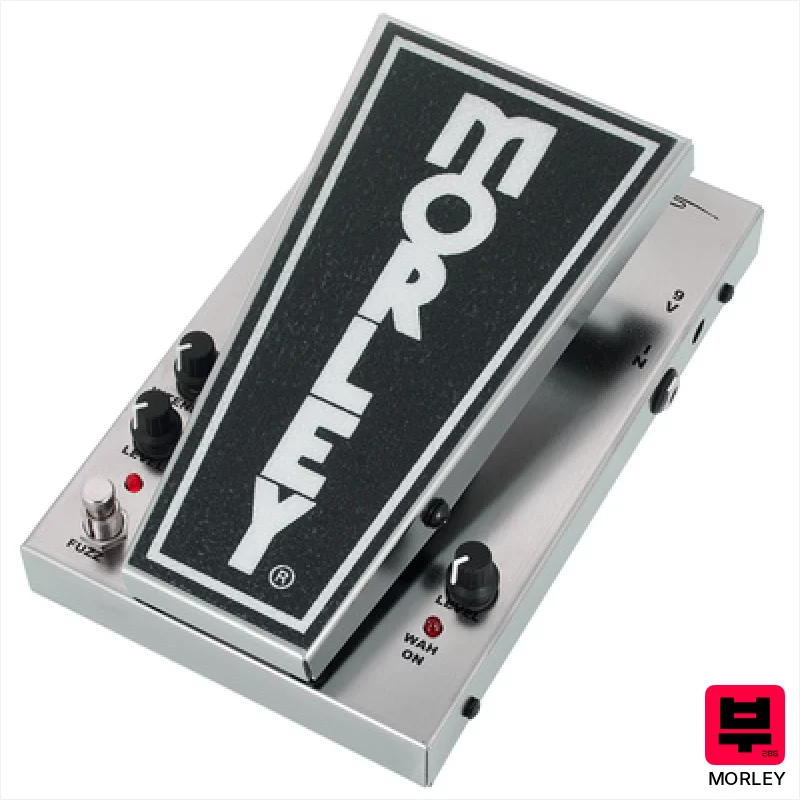
Morley Cliff Burton Power Fuzz Wah
- • Robust cold-rolled steel housing offers excellent durability for stage use.
- • Electro-optical design eliminates potentiometer wear, ensuring consistent performance.
- • 15dB level control adds significant fuzz saturation and tonal shaping.
- • Premium buffer circuit preserves signal integrity, avoiding tone loss.
- • Distressed finish might not appeal to players preferring a pristine aesthetic.
- • Fuzz character is very specific, limiting versatility for cleaner tones.
- • Size can be a constraint for players with smaller pedalboards.
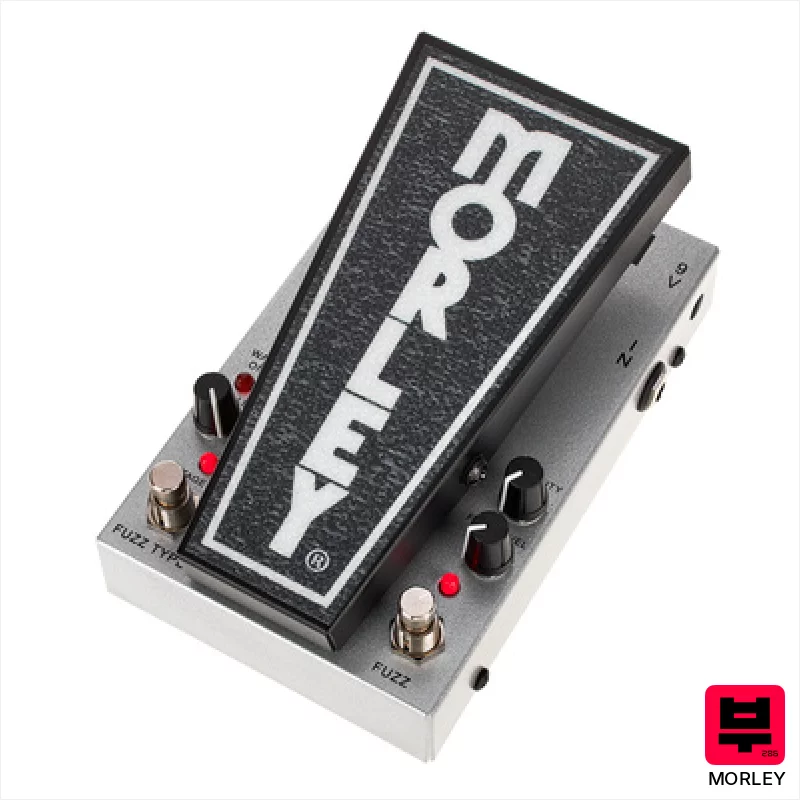
Morley MTPFW 20/20 Power Fuzz Wah
- • Optical circuit ensures exceptionally quiet operation, even with high gain.
- • Cold-rolled steel housing feels robust and durable for gigging.
- • Integrated buffer preserves signal clarity and eliminates tone suck.
- • Dual fuzz modes offer flexibility, from vintage warmth to modern aggression.
- • The compact size can be a challenge for players with larger feet.
- • Fuzz character might be too aggressive for players seeking subtle overdrive.
- • Weight, while not excessive, might be noticeable on pedalboards.
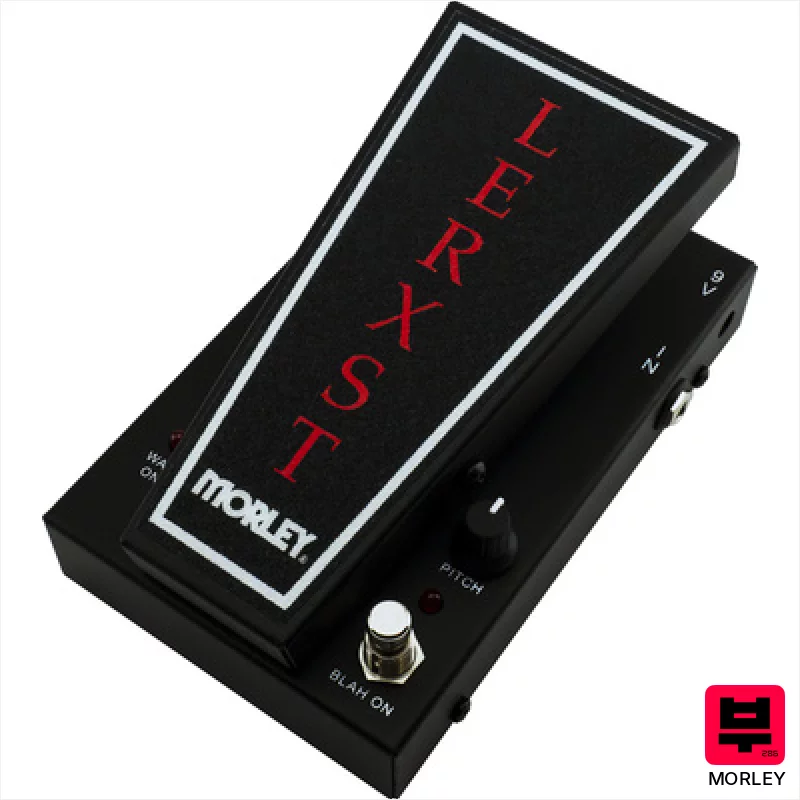
Morley LBB Lerxst Blah Blah Wah
- • Optical circuit delivers exceptionally smooth, vocal-like wah tones
- • Cold-rolled steel housing provides robust, roadworthy durability
- • Switchable Blah Blah circuit offers unique, expressive filter sweeps
- • Premium buffer maintains signal integrity, preserving tone clarity
- • The 'Blah Blah' mode can be a bit unpredictable for subtle expression
- • Limited control over the wah range – fixed Q factor
- • Larger footprint compared to some mini wah pedals, impacting pedalboard space
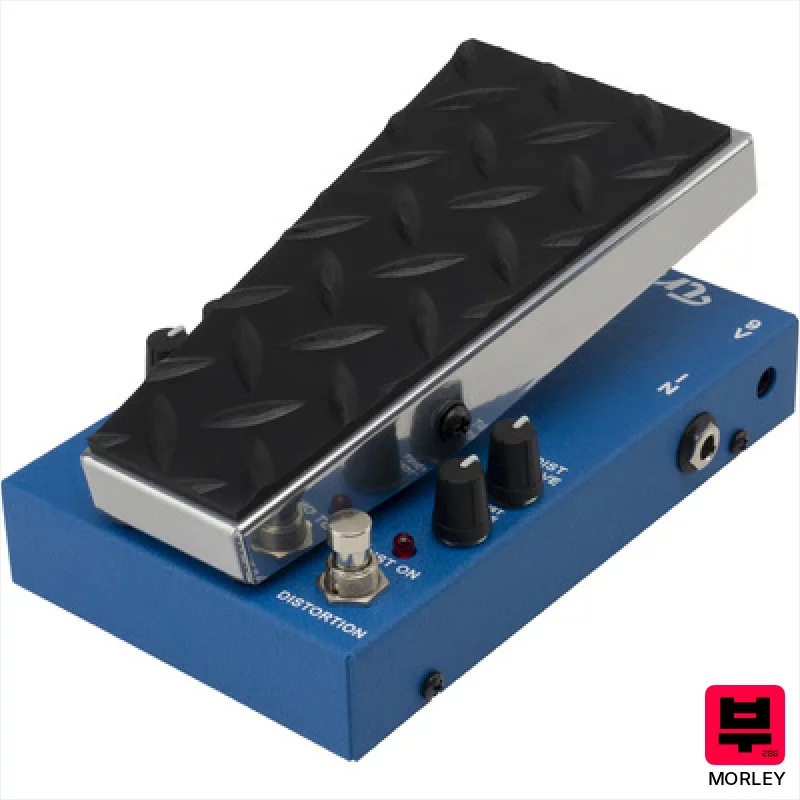
Morley MTPBA3 Tye Trujillo Wah
- • Switchless operation eliminates mechanical wear and noise issues.
- • Trujillo’s signature drive circuit adds aggressive, modern distortion.
- • Cold-rolled steel housing provides excellent durability for gigging.
- • Premium buffer circuit preserves tone and signal strength, vital for long cable runs.
- • The 'always-on' drive may not suit players seeking pristine clean tones.
- • The size, while pedalboard-friendly, can still be a squeeze on smaller boards.
- • Limited tonal flexibility compared to wahs with adjustable parameters.
Wah Pedals by the numbers
Measured across all 73 models in this category, so «wide», «short» or «expensive» mean something you can check.
How to Choose the Best Wah Pedals
Tone
Morley's tone is its defining characteristic - a smoother, more vocal-like sweep compared to the more aggressive, often ice-picky, response of other wahs. This warmth works incredibly well with humbuckers and can tame harsh high frequencies, but it might lack the extreme top-end articulation some players crave. It's about that fat midrange honk, not a squealing top end.
Expression/Feel
The Morley wah pedals are known for their expressive feel. They're not just on or off; the sweep is incredibly responsive to subtle foot movements, allowing for nuanced control - essential for that vocal-like quality. This is where they really shine over simpler, more abrupt designs.
Build Quality
Historically, Morley built like a tank. The older units, especially the Classic series, are legendary for their robustness. Newer models, while still decent, sometimes show slight cost-cutting measures in the potentiometers, which can lead to a little noise or scratchiness, but nothing catastrophic.
Auto-Wah Functionality
Many Morley pedals have an auto-wah mode, which is a unique feature. It creates a rhythmic pulsing effect, great for funk or adding a subtle rhythmic element to your playing. It's a cool trick, but it's also a potential source of unwanted noise if your signal chain isn't clean.
Noise
While generally quieter than some of the more aggressive wahs, Morley pedals can be a bit more prone to noise, especially in high-gain scenarios. A good power supply and careful attention to your signal chain are crucial to minimizing any hum or hiss.
Buying Guide
Don't chase the newest model just for the sake of it. The older 'Classic' series Morley wahs are often considered the pinnacle, but they command a premium on the used market. Newer pedals are fine, but be aware that the pots and switches might not be quite as bombproof. If you're gigging regularly, a fresh set of internal components every few years is a good idea - a relatively simple repair if you're comfortable with basic electronics.
How This List Is Built
We don't play these instruments — we're a catalog, not a review desk, and we'd rather say so than pretend otherwise. This page covers 12 of 73 wah pedals from the Thomann catalogue, which is the largest single source of specification data in this category: 12 in detail, the rest listed with their specifications.
Position is computed, not curated. We parse the manufacturer's own description into actual values — nut width, scale, fret count, fingerboard radius, size, alloy — and rank on them: how many specifications a model has published, how many of them are measurable numbers, and how precisely it meets this page's criterion. A product image adds a little. Price is not a ranking signal: it tells you nothing about whether a neck fits your hand. The same inputs always produce the same order, so nothing here is shuffled to look fresh.
What this list is good for: narrowing a category down to a shortlist by spec and budget. What it isn't: a substitute for hearing an instrument. Before you buy, read hands-on reviews and, where you can, play it. Full methodology.

