
Best Mooer Wah Pedals 2026
Alright, let's talk Mooer wah pedals. For years, the wah market was dominated by the big names, but Mooer's stepped up with some surprisingly capable options, especially considering the price point. They've carved out a niche by offering a lot of functionality in a small, often digital package-which always raises a flag for tone purists. But are they just a budget compromise, or can they actually deliver the vocal sweep and expressive dynamics you need for funk, rock, or beyond?
Last updated: April 11, 2026
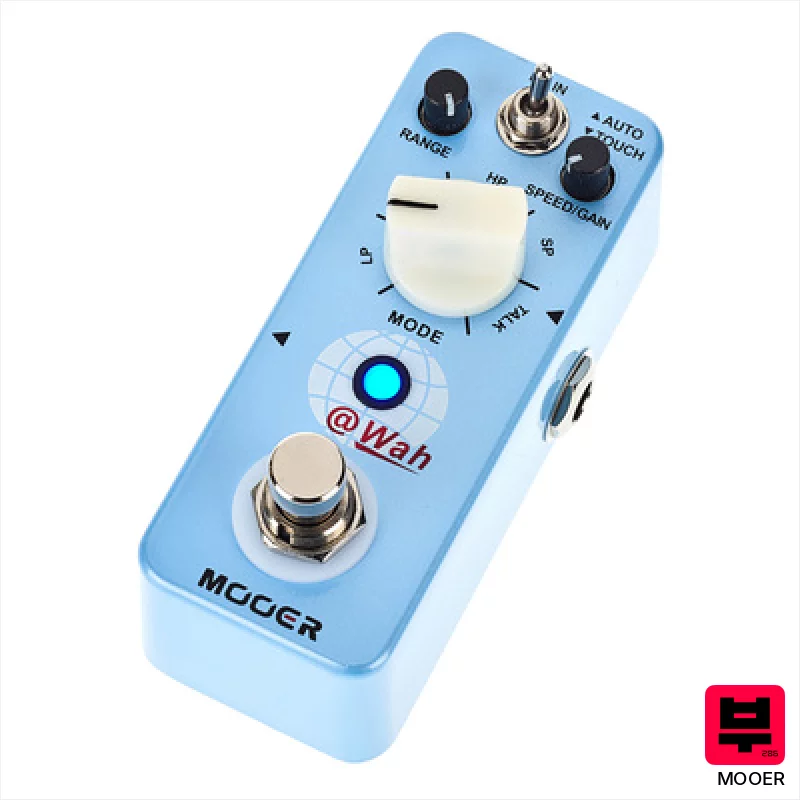
Mooer @Wah Digital Auto Wah Pedal
- • Compact size makes it pedalboard-friendly for gigging musicians
- • Five distinct wah filter types offer surprising tonal flexibility
- • Auto mode is genuinely usable and responsive to playing dynamics
- • Metal housing feels surprisingly robust for its budget-friendly price
- • Sound leans digital; lacks the organic feel of a vintage wah
- • Limited control over the auto-wah’s sensitivity can be frustrating
- • Power supply not included, a common but annoying omission
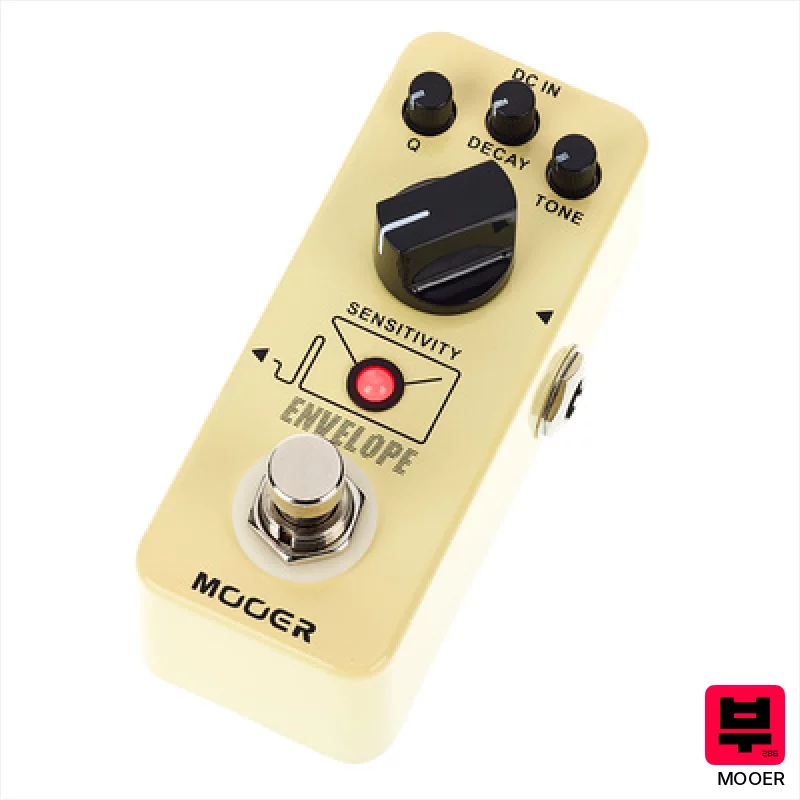
Mooer Envelope Analog Auto Wah
- • Analog circuitry delivers a warm, responsive, and organic wah character
- • Compact size makes it pedalboard-friendly for gigging musicians
- • Metal housing provides a surprisingly robust build for its price point
- • Adjustable decay control allows for subtle filtering or more pronounced vocal-like sweeps
- • The tone control is somewhat limited in its range, lacking extreme tonal shaping
- • Envelope sensitivity can be finicky, requiring careful adjustment for optimal response
- • Power supply not included, a common frustration for budget-friendly pedals

Mooer The Wahter Classic Wah Pedal
- • Compact size ideal for pedalboard space constraints
- • Robust metal housing provides good protection during gigging
- • Pressure sensors offer a surprisingly responsive and nuanced wah action
- • True bypass preserves your signal when the effect is disengaged
- • Limited control options compared to more feature-rich wah pedals
- • Smaller pedal surface might feel cramped for players with larger feet
- • Sound leans towards a Vox-style wah, less versatile for modern tones
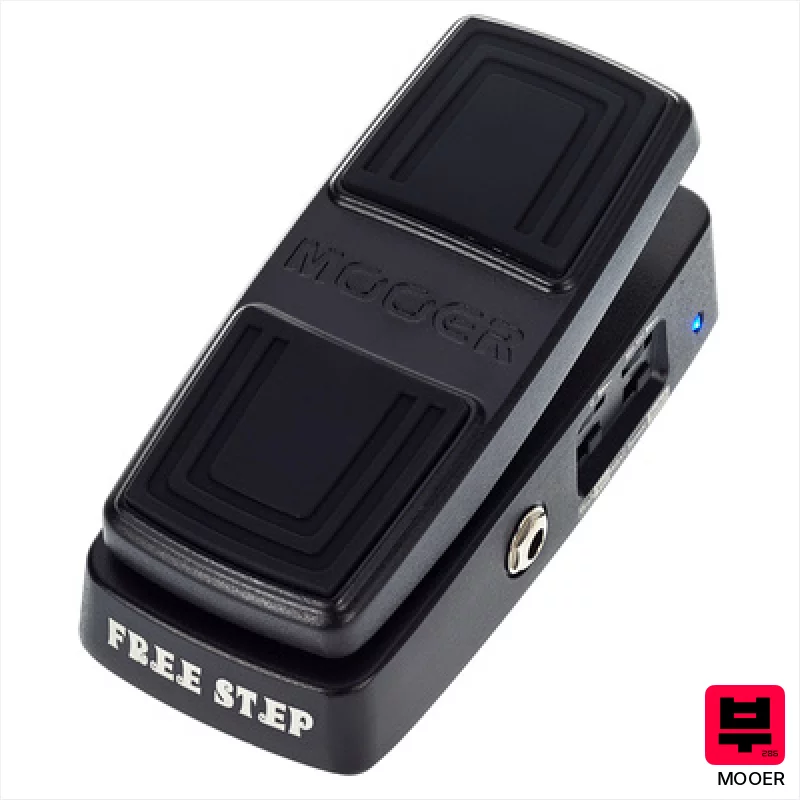
Mooer Free Step
- • Metal housing provides a reassuringly solid, gig-ready feel.
- • Custom inductor delivers surprisingly wide and vocal wah tones.
- • Pressure-sensitive activation offers nuanced, expressive control.
- • Compact size makes it ideal for pedalboard space-constrained players.
- • Limited control range compared to full-sized wah pedals.
- • No battery operation restricts power source options.
- • Plastic toe offers a less premium feel than traditional metal.
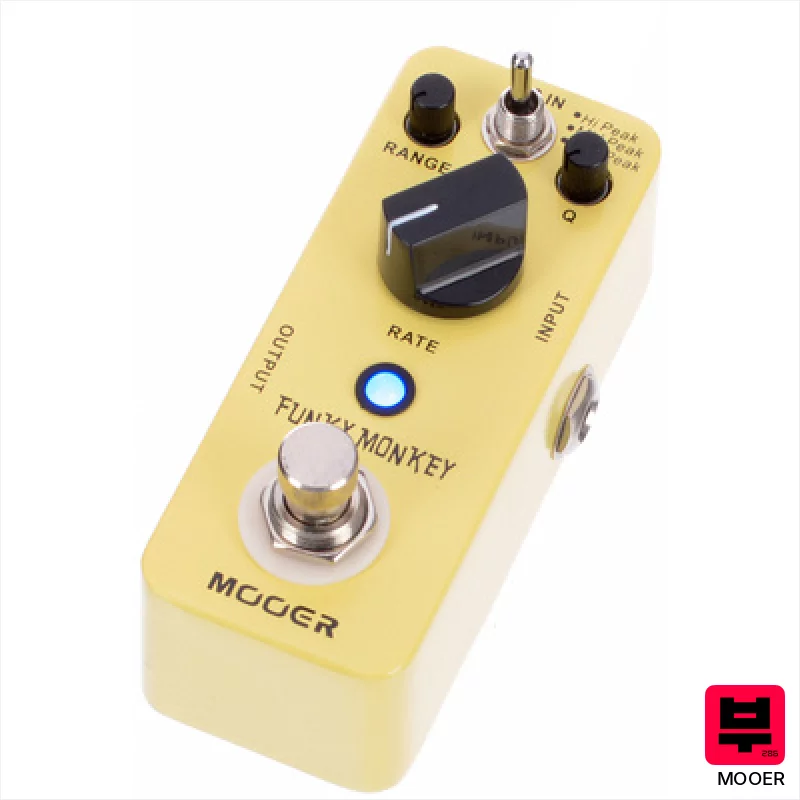
Mooer Funky Monkey
- • Metal housing offers surprisingly robust protection for the price.
- • Three peak modes provide a decent range of wah sounds.
- • Compact size makes it pedalboard-friendly for smaller setups.
- • Range and Q controls allow for some basic tonal shaping.
- • Auto-wah sound leans towards the synthetic, lacks organic feel.
- • Limited control options compared to more expensive wah pedals.
- • 9V power supply not included, a common but frustrating omission.
How to Choose the Best Wah Pedals
Tone Modeling
Mooer's strength is their ability to recreate classic wah sounds digitally. While it won't perfectly replicate the organic feel of a vintage Cry Baby, the modeling is surprisingly convincing, capturing the core character - the vocal inflection, the mid-range bump - especially with good amp settings.
Size and Portability
These are tiny! Seriously, they're a game-changer for gigging musicians who are constantly hauling gear. That compact footprint means less clutter on your pedalboard and easier transport, a huge win for smaller club gigs or festival runs.
Expression Control
Many Mooer wah pedals offer expression pedal input, letting you modulate the wah's sweep for even more dynamic possibilities. This opens up some serious creative avenues for ambient textures and experimental soundscapes, a feature many analog pedals lack at this price.
Build Quality
Let's be honest - this is where Mooer sometimes falls short. The enclosures are generally sturdy enough for gigging, but the potentiometers and footswitch feel a little less robust than higher-end units. It's not a dealbreaker, but be mindful of how you treat them.
Dynamic Response
While the modeling is good, the dynamic response isn't always as nuanced as a vintage wah. You might notice a slight compression or a less immediate response to subtle foot movements, which can affect your ability to really 'sing' with the pedal.
Buying Guide
If you're on a tight budget and need a wah that's small and versatile, Mooer's a solid choice. Don't expect the nuanced feel of a $200 Cry Baby, but the modeling can get you surprisingly close. The expression control is a huge bonus if you like experimenting, but be aware that the build quality isn't quite as bombproof-treat it with a little more care than you would a tank.
How This List Is Built
We don't play these instruments — we're a catalog, not a review desk, and we'd rather say so than pretend otherwise. This page ranks 5 wah pedals from the Thomann catalogue, which is the largest single source of specification data in this category.
Position is computed, not curated. Four signals, in order of weight: how completely the manufacturer documents the instrument (number of published specifications), where it sits in the price range, how specific the model designation is — which filters out generic accessories — and whether a product image exists. The same inputs always produce the same order, so nothing here is shuffled to look fresh.
What this list is good for: narrowing a category down to a shortlist by spec and budget. What it isn't: a substitute for hearing an instrument. Before you buy, read hands-on reviews and, where you can, play it. Full methodology.

