
Best Wah Pedals for Lead Guitar 2026
Alright, so you're a lead guitarist looking for a wah that'll really sing, huh? It's more than just a gimmick; a good wah is a dynamic tool for adding expression, funk, and those soaring vocal-like bends. Finding the right one for lead work isn't just about a 'cool sound' - it's about responsiveness, tone, and how it interacts with your amp and pickups. Let's break down the best wah pedals for lead guitarists who actually play.
Last updated: July 15, 2026 • Next update: July 22, 2026
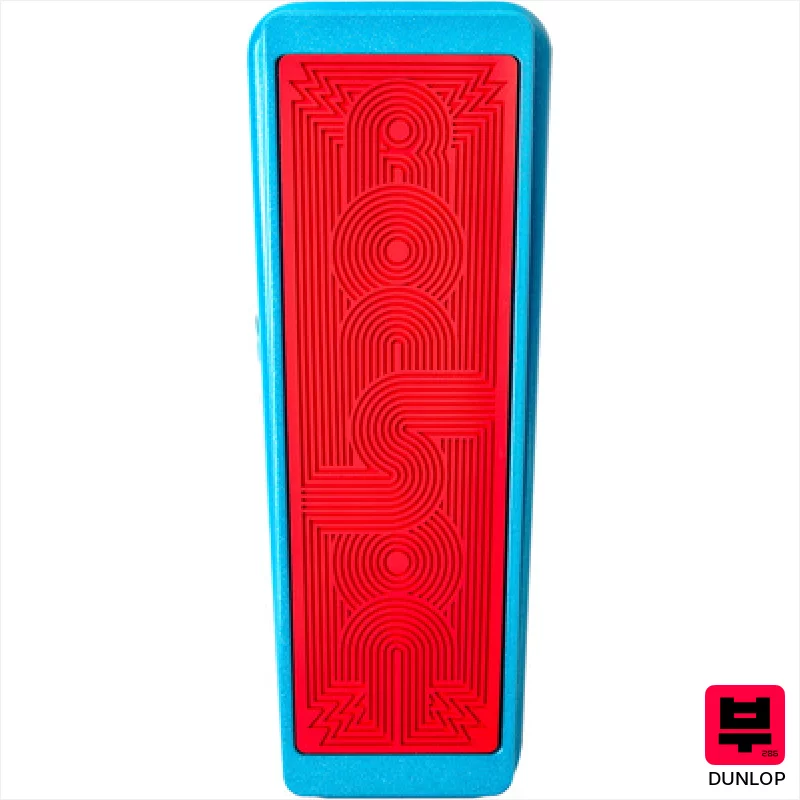
Dunlop Mick Ronson Cry Baby Wah
- • Fixed wah voicing nails Ronson's signature tones perfectly.
- • Custom inductor delivers a uniquely bright, vocal-like wah quality.
- • Period-compliant components offer authentic vintage Cry Baby character.
- • Robust build quality and USA manufacturing ensure lasting reliability.
- • Limited versatility; designed primarily for Ronson-esque sounds.
- • Higher price point compared to standard Cry Baby wah pedals.
- • Fixed wah design may not appeal to players seeking broad sweep customization.
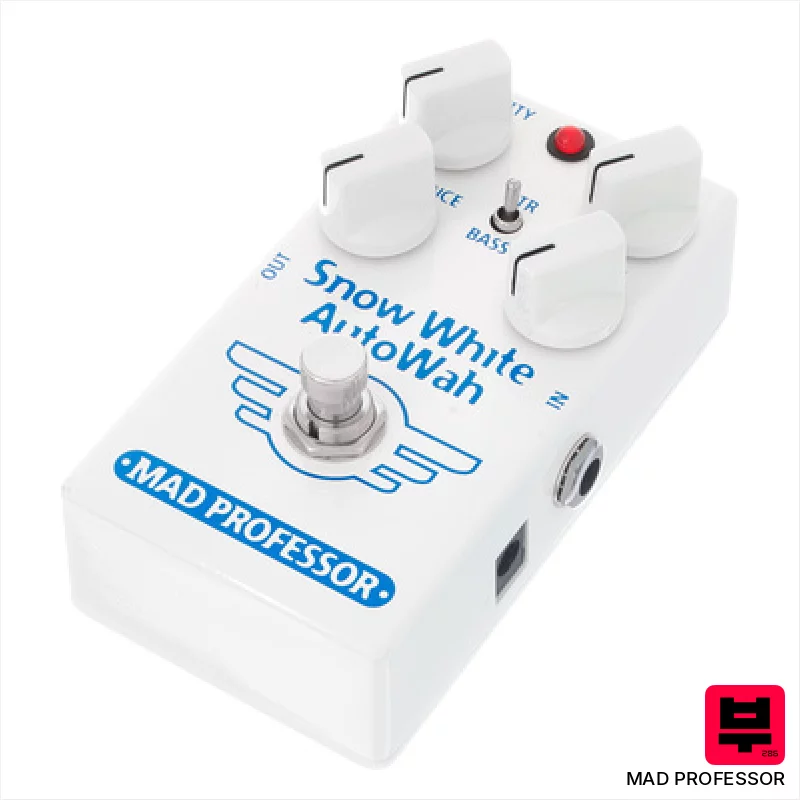
Mad Professor Snow White Auto Wah GB
- • Unique decay control offers nuanced rhythmic textures.
- • Mad Professor’s analog circuitry delivers a warm, organic wah tone.
- • GTR/Bass switch provides tailored response for both instruments.
- • Compact size and solid build quality inspire confidence onstage.
- • Limited tonal palette compared to more versatile wah pedals.
- • Power supply not included, adding to the overall cost.
- • The 'Bias' control can be tricky to dial in initially.
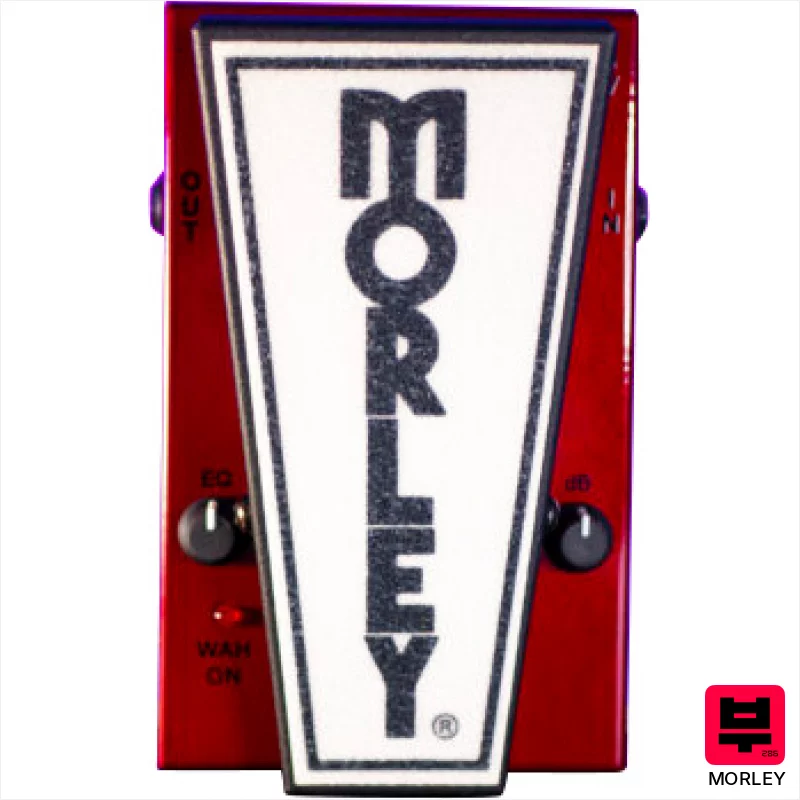
Morley MTTW Tone Questor Wah
- • Switchless operation is genuinely intuitive and responsive; feels natural underfoot.
- • Morley's buffer circuitry preserves signal integrity, preventing tone suck.
- • Cold-rolled steel housing provides a reassuringly robust and durable build.
- • Ruby Red prismatic finish looks slick and the glow-in-the-dark pad is a fun, practical touch.
- • The wah range feels a little constrained compared to some vintage-style pedals.
- • The dB boost, while useful, can be a bit harsh for subtle applications.
- • The compact size can make precise footwork challenging for players with larger feet.
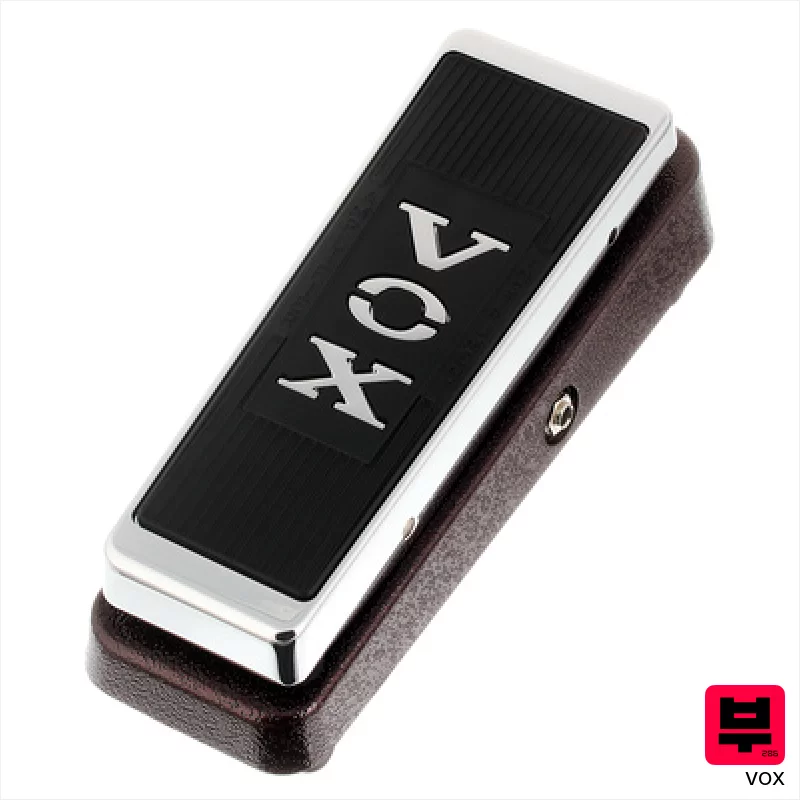
Vox V863-CA Semi-Auto Wah
- • Unique semi-auto functionality offers expressive, evolving wah tones.
- • Vox's voicing delivers a warm, vocal-like character, distinct from Cry Baby.
- • Attack and Decay controls allow precise shaping of auto-wah response.
- • Robust, all-metal construction suggests durability for gigging musicians.
- • Heavier than most wah pedals, potentially affecting pedalboard stability.
- • Limited control over the auto-wah’s rhythmic complexity; more basic than dedicated auto-wahs.
- • Polarity switch's effect may be subtle, not always noticeable in all playing scenarios.
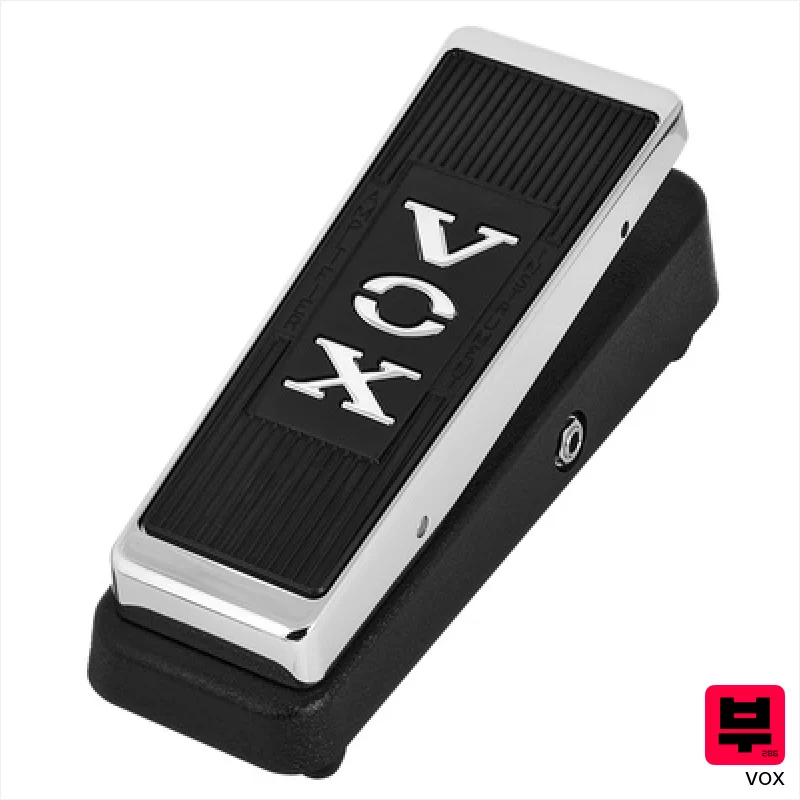
Vox VXVRM1 Real McCoy Wah
- • Authentic vintage wah tone, remarkably close to the original McCoy
- • 3D-scanned housing replicates the classic look and feel precisely
- • Solid, weighty construction feels durable and roadworthy
- • Excellent battery life ensures reliable performance on stage
- • Limited control options restrict tonal shaping versatility
- • Heavy weight makes extended gigging potentially cumbersome
- • Power supply dependency can be inconvenient for some users
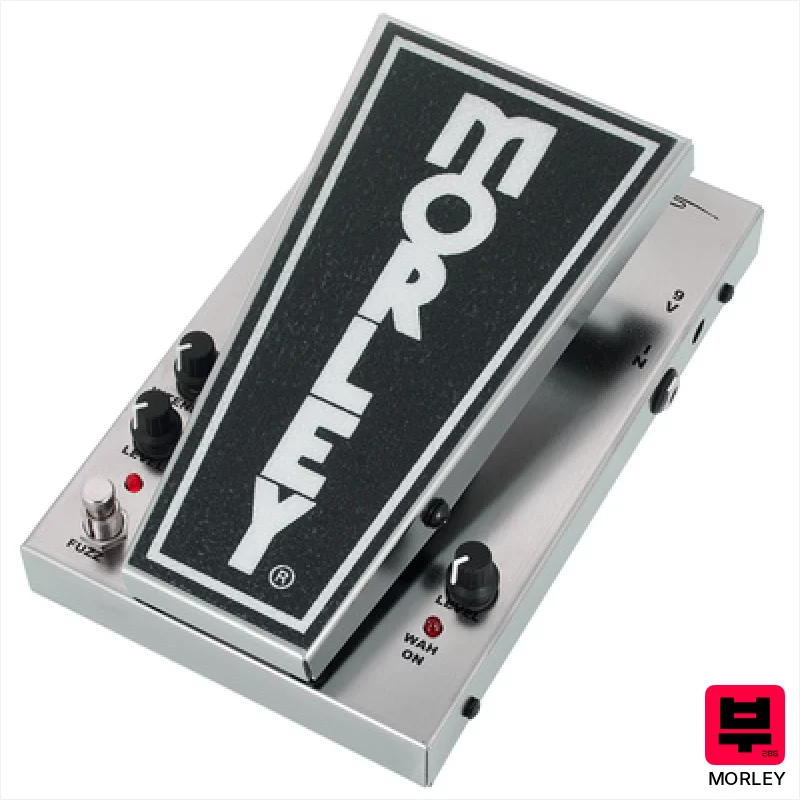
Morley Cliff Burton Power Fuzz Wah
- • Robust cold-rolled steel housing offers excellent durability for stage use.
- • Electro-optical design eliminates potentiometer wear, ensuring consistent performance.
- • 15dB level control adds significant fuzz saturation and tonal shaping.
- • Premium buffer circuit preserves signal integrity, avoiding tone loss.
- • Distressed finish might not appeal to players preferring a pristine aesthetic.
- • Fuzz character is very specific, limiting versatility for cleaner tones.
- • Size can be a constraint for players with smaller pedalboards.

Dunlop JTC95 Justin Chancellor Wah
- • Unique U.K. Filter mode delivers Chancellor's signature vocal-like bass tones.
- • The fuzz circuit adds a surprisingly usable, gritty warmth and sustain.
- • Wah Select/Fuzz Select footswitch offers quick, seamless switching between modes.
- • Robust metal enclosure and quality components suggest long-term durability.
- • The fuzz can be a bit muddy if gain and tone aren't carefully adjusted.
- • Limited versatility; excels in specific Tool-esque tones, less so for others.
- • Power adapter not included, a common but still frustrating omission.
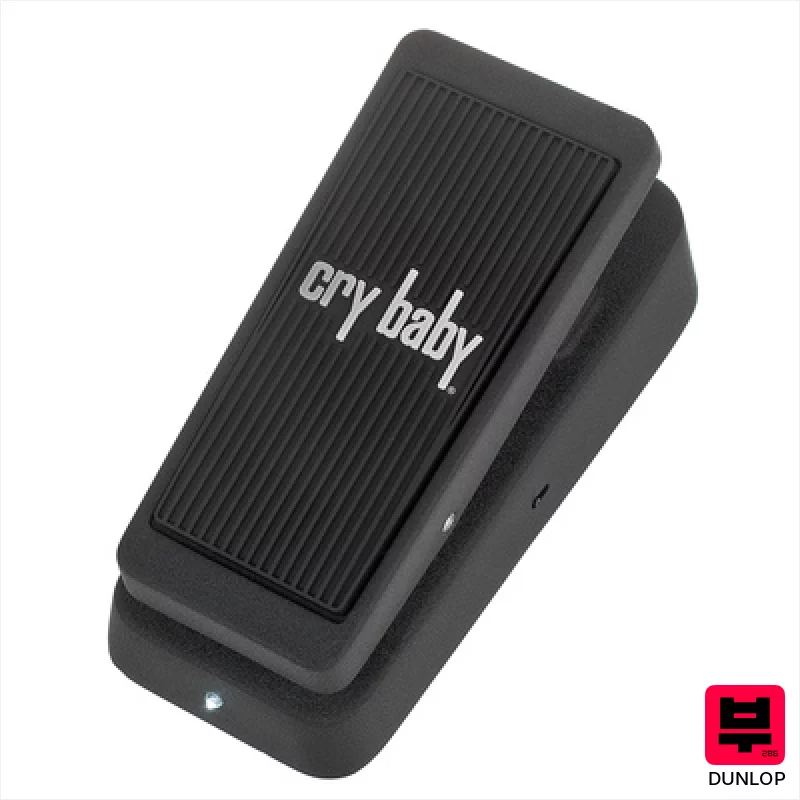
Dunlop CBJ95 Cry Baby Junior Wah
- • Solid metal housing provides excellent durability for gigging musicians.
- • 3-way voicing switch offers tonal flexibility across a range of styles.
- • Compact Junior size is pedalboard-friendly, saving valuable space.
- • Cry Baby legacy delivers that instantly recognizable, classic wah sound.
- • Weight (840g) can be a factor on smaller, portable pedalboards.
- • Lack of expression control limits nuanced wah manipulation.
- • Power supply not included; adds to the initial investment.

Fulltone Custom Shop Supa-Wah
- • Exceptional sweep range, surpassing typical Clyde Wah designs.
- • Hand-wired construction ensures robust reliability and tonal clarity.
- • Five distinct voicing modes offer versatile wah textures.
- • Solid steel enclosure and premium components contribute to lasting durability.
- • Premium-priced, a significant investment for many players.
- • Weight can be cumbersome for pedalboard travel or smaller setups.
- • Limited low-end response compared to some bass-focused wahs.
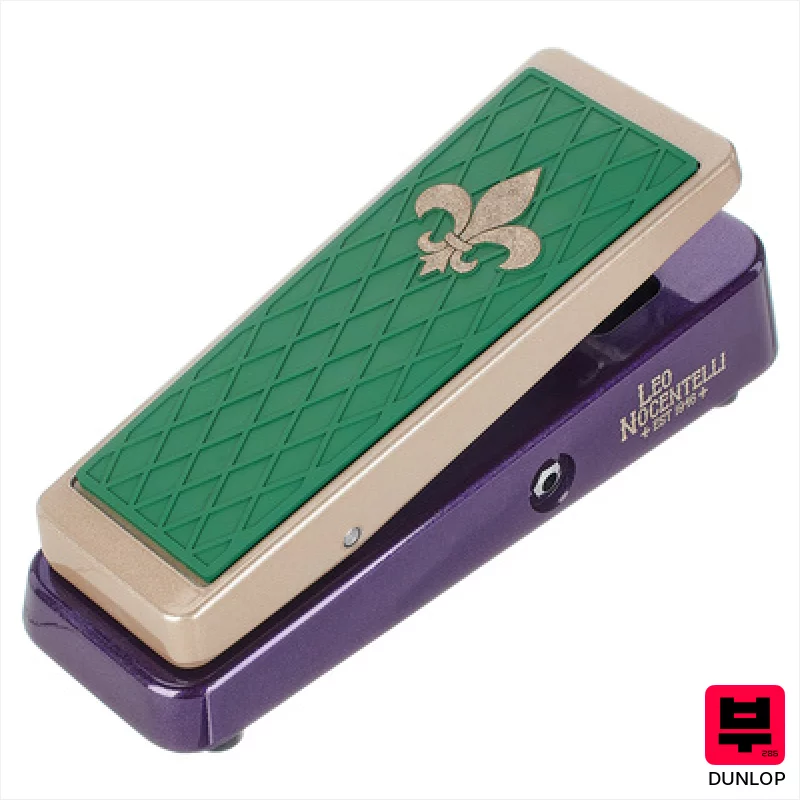
Dunlop LN95 Leo Nocentelli Mardi Gras
- • Leo’s signature voicing delivers a uniquely percussive, funky wah tone.
- • Robust Crybaby construction ensures long-term reliability and road-worthiness.
- • The Mardi Gras color scheme is visually striking and instantly recognizable.
- • Expression pedal input allows for dynamic control over wah range.
- • The fixed voicing might limit versatility for players seeking broader wah sounds.
- • Lacks true bypass, potentially coloring the signal even when disengaged.
- • Power supply not included; adds to the overall acquisition cost.
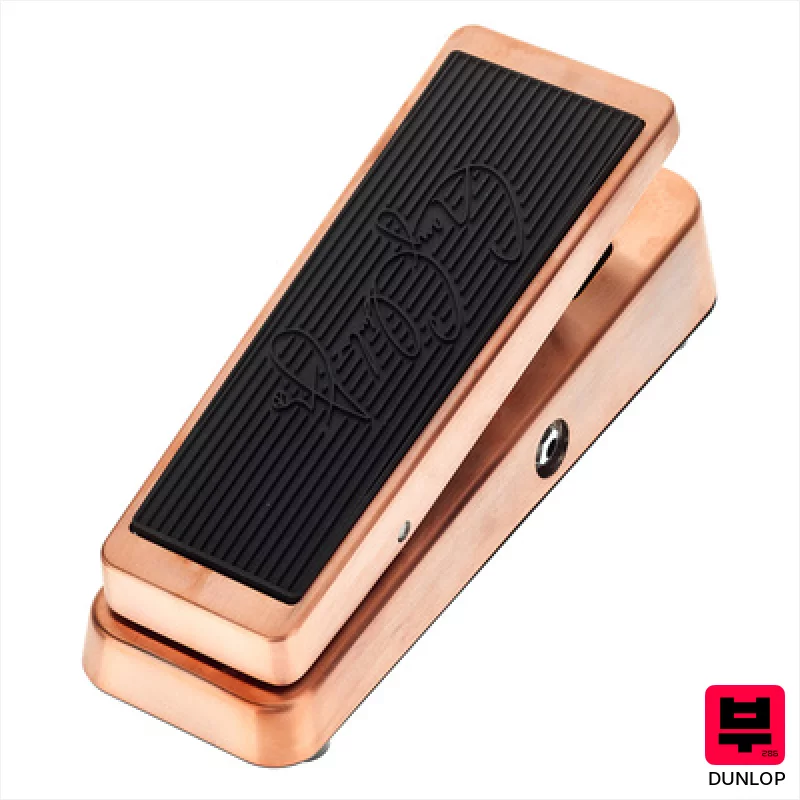
Dunlop Gary Clark Jr. Cry Baby Wah
- • Brushed copper finish looks stunning on pedalboards, adding a premium aesthetic.
- • Narrow sweep excels at percussive rhythms, a signature Clark style.
- • Lower frequency range delivers a uniquely smooth and warm blues tone.
- • Robust metal housing ensures exceptional durability for gigging musicians.
- • Limited sweep range might not suit players wanting extreme wah effects.
- • The weight (1.72 kg) can be cumbersome, especially for smaller pedalboards.
- • Requires a 9V DC power supply (sold separately) for extended use.
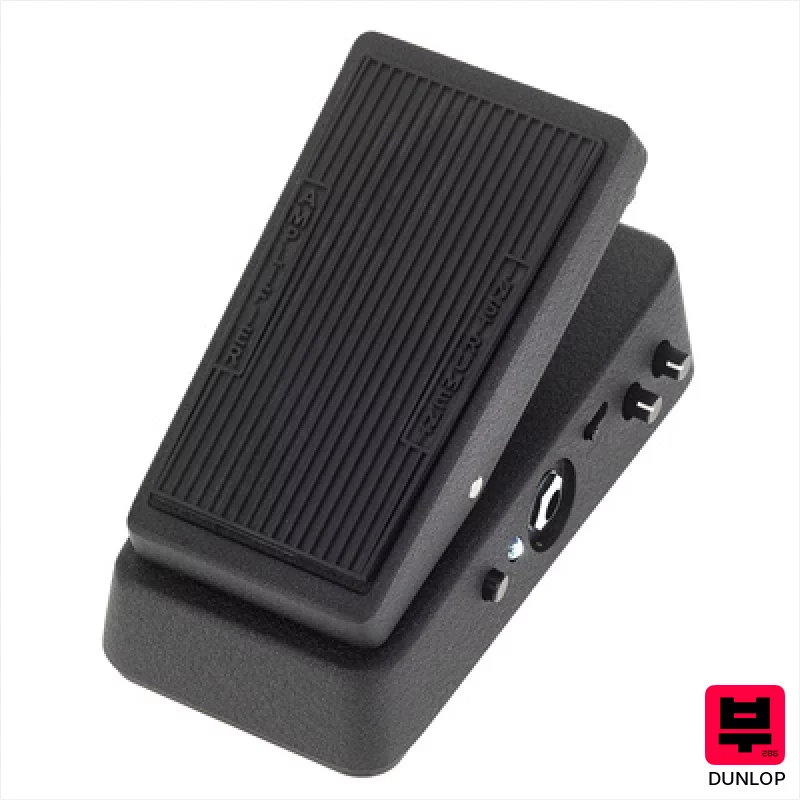
Dunlop Cry Baby Mini 535Q Auto Return
- • Fasel inductor delivers classic Cry Baby tone and warmth
- • Mini size is genuinely useful for pedalboard space saving
- • Auto-return function offers creative rhythmic possibilities
- • Boost circuit adds significant volume and sustain when engaged
- • Miniature size can make precise control adjustments tricky
- • Limited frequency range compared to full-size models restricts tonal sculpting
- • Auto-return delay control can be finicky to dial in perfectly
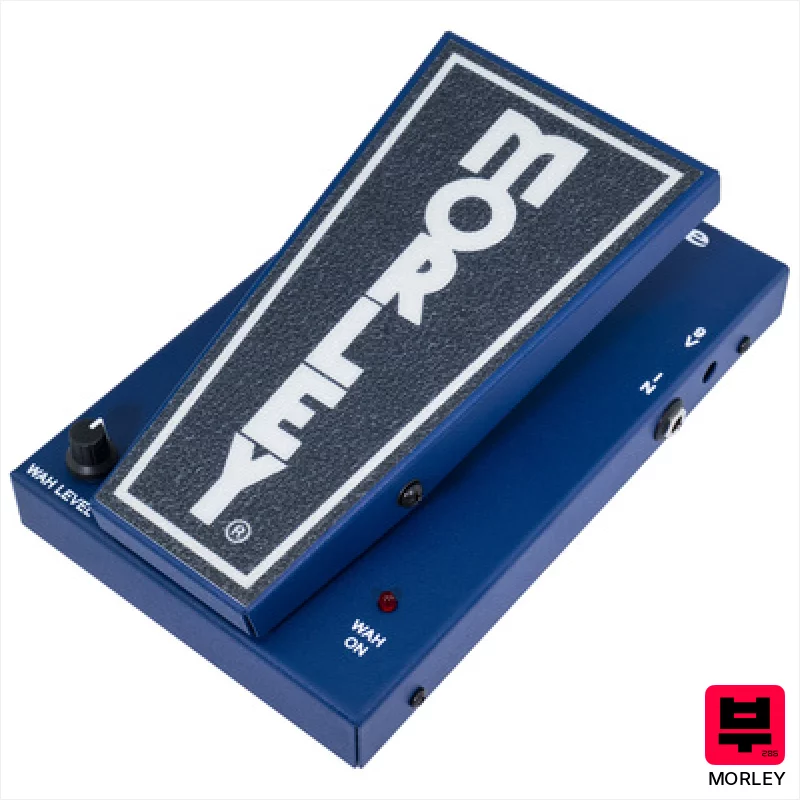
Morley PBA-92 Rex Brown Old Blue Wah
- • Electro-optical design eliminates potentiometer wear for reliability.
- • 15dB level control offers nuanced wah depth adjustment.
- • Premium buffer circuit maintains signal integrity and clarity.
- • Glow-in-the-dark pedal rubber improves low-light visibility.
- • Morley's electro-optical action can feel less 'organic' than vintage potentiometers.
- • Signature model means limited availability and potentially higher price.
- • Size (23.19 x 14.94 x 6.99 cm) can be bulky on smaller pedalboards.
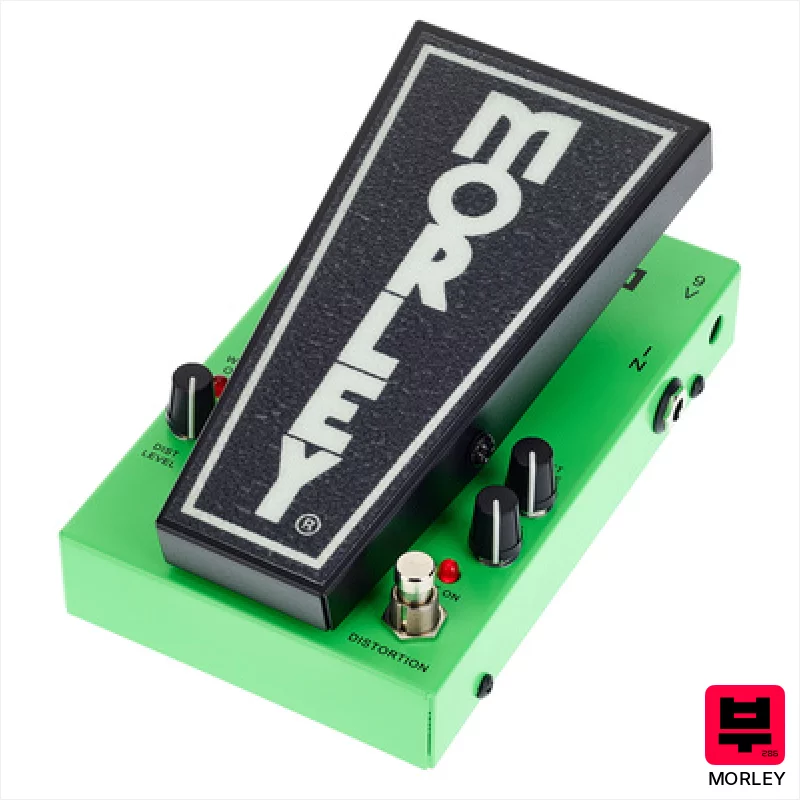
Morley MTPDW 20/20 Distortion Wah
- • Optical circuit delivers exceptionally smooth, responsive wah action.
- • Integrated 20/20 buffer maintains signal integrity and avoids tone suck.
- • Cold-rolled steel housing feels robust and durable for gigging.
- • Silent distortion footswitch is a huge benefit for stage use.
- • The distortion isn't as versatile as a dedicated distortion pedal.
- • Size, while compact, can still be a constraint on smaller pedalboards.
- • The tone controls can feel a little limited for extensive shaping.
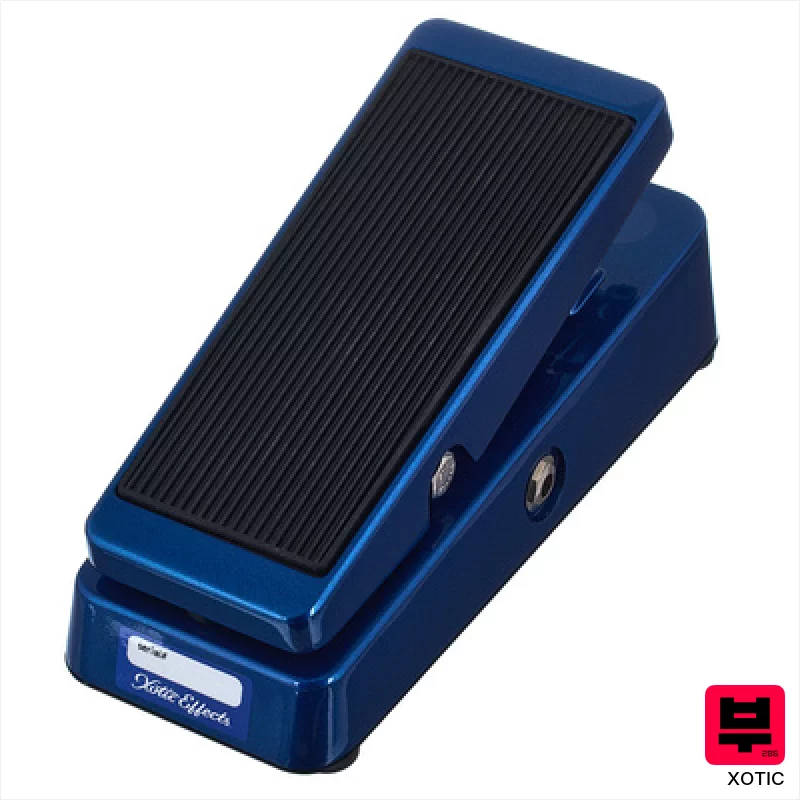
Xotic XW-2 Wah Metallic Blue
- • Robust enclosure provides excellent protection during gigging.
- • Classic Vox-style wah sound with a tighter, more defined response.
- • Metallic blue finish is visually striking and resists scratches well.
- • True bypass preserves your signal integrity when the effect is off.
- • Heavier than many wah pedals, potentially affecting pedalboard balance.
- • Limited control options compared to some more complex wah designs.
- • The metallic finish can show fingerprints and smudges easily.
How to Choose the Best Wah Pedals
Responsiveness
A lead guitarist needs a wah that reacts instantly to foot movements. Lag or a 'mushy' feel kills articulation and makes it hard to nail those precise vocal-like bends. We're talking about a snappy, immediate response, especially crucial when you're digging into those high-gain tones.
Tone
Forget that ice-picky, brittle top end some cheap wahs have. We want a warm, vocal-like tone, with a good balance of mid-range and lows. It needs to complement your guitar's voice, whether you're playing searing blues or shredding metal.
Q Factor
A higher Q factor means a more pronounced, focused peak in the frequency response. This is what gives the wah its vocal quality. Too low, and it's just a filter; too high, and it can become narrow and harsh. It's a sweet spot you need to find.
Versatility
A wah that only sounds good with a Strat and a tweed amp isn't versatile. We're looking for something that works well with humbuckers, single coils, different amp voicings, and even in more modern, high-gain scenarios.
Durability/Build Quality
Gigs happen. Pedals get kicked. A flimsy pot or a poorly constructed enclosure won't last. We're talking about robust construction that can handle the rigors of the road - and a pedal that won't cut out mid-set.
Buying Guide
Don't fall for the hype. A lot of wah pedals sound similar until you really push them. Spending more can get you better components and a more refined feel, but it's not a guarantee. Pay attention to the potentiometer quality - scratchy pots are a real pain. Also, consider the inductance - a higher inductance often leads to a more vocal-like tone, but it can also introduce noise if your signal chain isn't clean.
Our Methodology
We're not relying on spec sheets here. We've spent countless hours playing these wahs through a variety of amps - from clean Fender Twins to cranked Marshall stacks - with different guitars and pickup configurations. We're looking for things you'll notice on stage, in the studio, and even in your bedroom: how it feels under your foot, how it responds to subtle movements, and whether it cuts through the mix without sounding harsh.

