
Best Wah Pedals for Metal 2026
Alright, let's talk wah for metal. It's not just about that funky Hendrix vibe anymore. We're talking about using a wah to carve out space in a dense mix, add percussive accents, or even create a screaming vocal-like effect. Finding the right wah for metal isn't about the prettiest chrome, it's about how it responds and how it sits with high-gain amps and aggressive pickup voicings.
Last updated: October 8, 2026

Dunlop Dimebag Cry Baby Wah
- • Skate-grip pedal surface provides exceptional grip, even with sweaty feet.
- • Extended sweep range caters to a wider variety of wah tones and playing styles.
- • Adjustable 'toe-down' frequency allows for fine-tuning of the wah's lower end.
- • Integrated boost provides significant signal amplification for solos or adding sustain.
- • The black camo aesthetic might not appeal to all players' tastes.
- • The complex controls, while powerful, can be overwhelming for wah beginners.
- • Power supply not included adds to the overall cost and setup complexity.
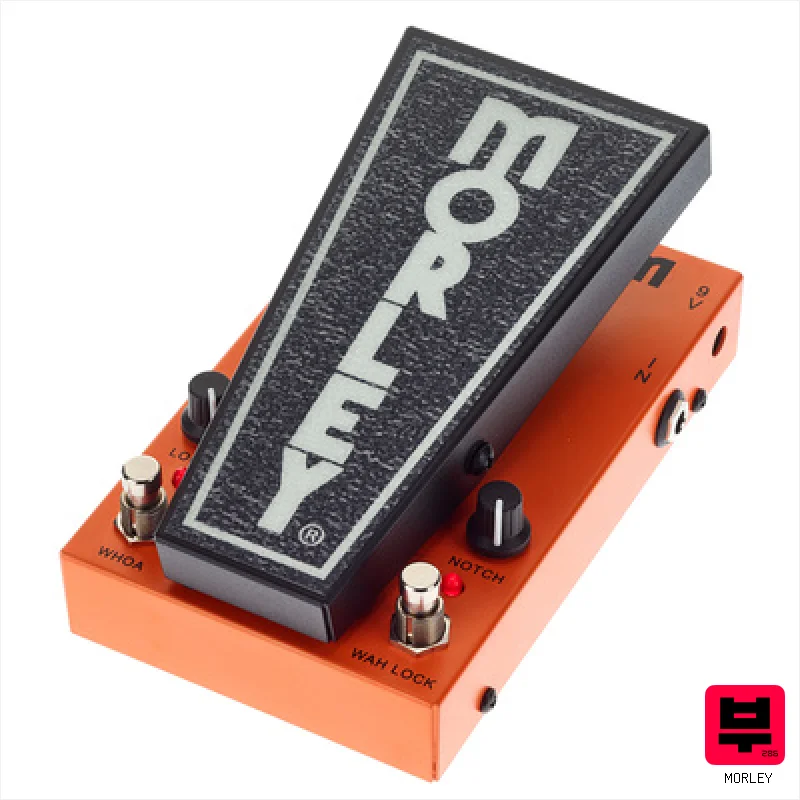
Morley MTG3 - 20/20 Wah Lock
- • Silent switches prevent accidental clicks during performance.
- • 20 dB boost is strong enough for most guitar needs.
- • Optical circuit ensures signal never gets lost.
- • Cold-rolled steel housing feels solid and durable.
- • Power cord is not included in the box.
- • Battery cover design makes changing batteries hard.
- • No manual or online documentation available.

Morley MTLW2 - 20/20 Lead Wah Boost
- • Optical circuit provides incredibly smooth, responsive wah action.
- • Cold-rolled steel housing feels robust and built to withstand gigging.
- • Integrated 20/20 buffer preserves signal integrity, crucial for long cable runs.
- • Adjustable boost allows for subtle thickening or aggressive lead enhancement.
- • Switchless design can be unpredictable for players needing immediate wah engagement.
- • Limited control over the wah’s tone beyond the sweep range; lacks EQ shaping.
- • The wide sweep might be too extreme for players seeking a more traditional wah sound.
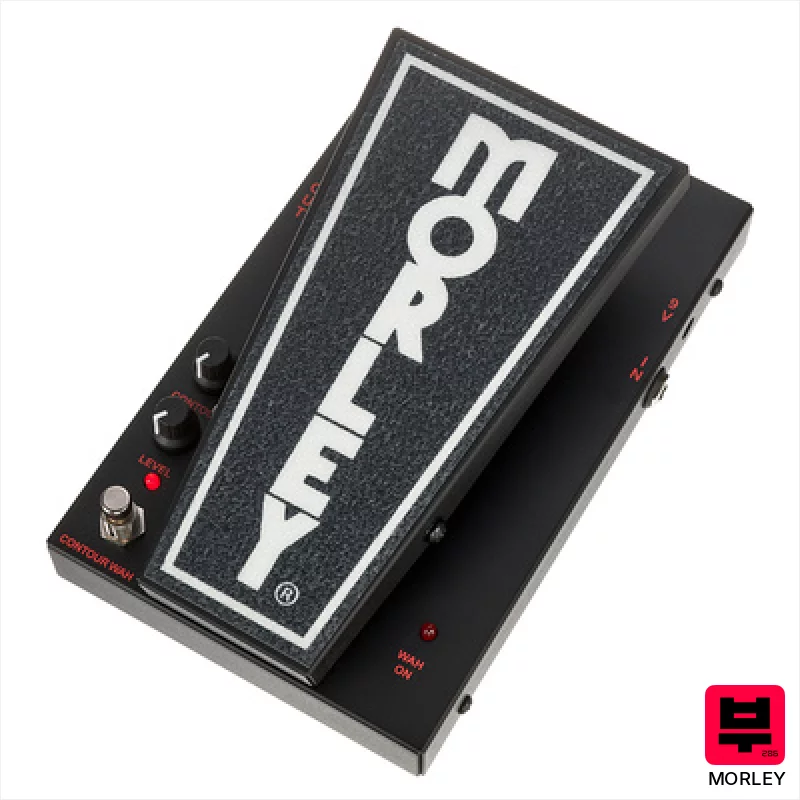
Morley BH 2 Bad Horsie Wah
- • Solid cold-rolled steel housing provides excellent durability for gigging.
- • Electro-optical circuit delivers a smooth, vocal-like wah response.
- • Integrated buffer preserves signal integrity, crucial for long cable runs.
- • Switchable modes offer versatility beyond typical wah functionality.
- • The mini size can feel cramped for players with larger feet.
- • Contour mode’s subtle effect may not satisfy those wanting extreme wah.
- • Battery power is convenient but less reliable than a dedicated power supply.
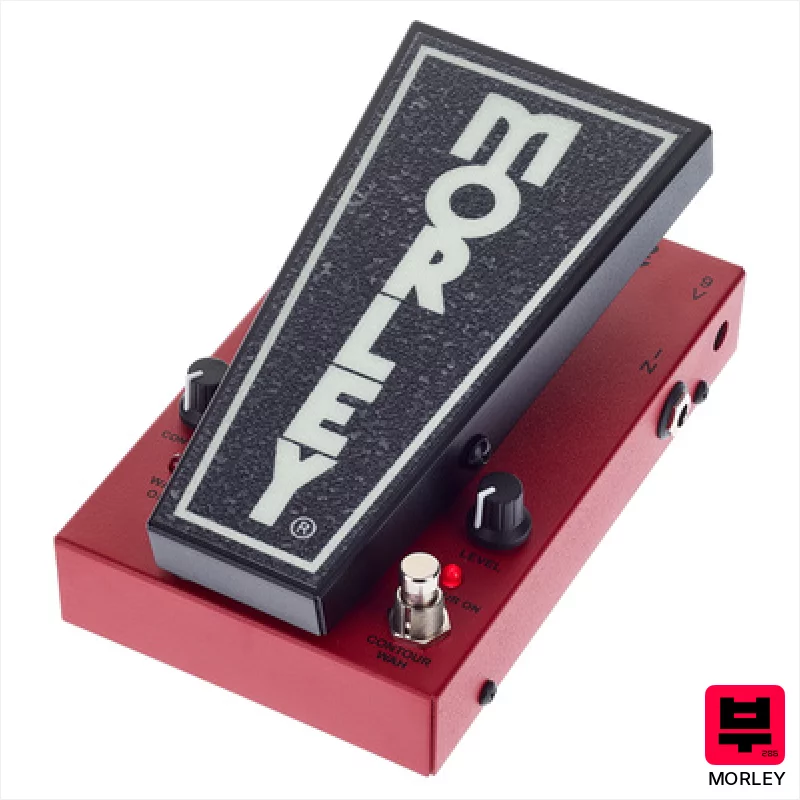
Morley 20/20 Bad Horsie Wah
- • Optical circuit delivers exceptionally smooth, vocal-like wah response
- • Cold-rolled steel housing provides robust build quality and roadworthiness
- • Integrated 20/20 buffer maintains signal integrity, even with long cable runs
- • Switchless design offers a unique, expressive wah control experience
- • The 'Bad Horsie' mode can be overly aggressive for subtle playing styles
- • Limited control over the wah's range; shaping is less flexible than some competitors
- • Battery operation can be inconvenient for frequent gigging; power adapter is separate
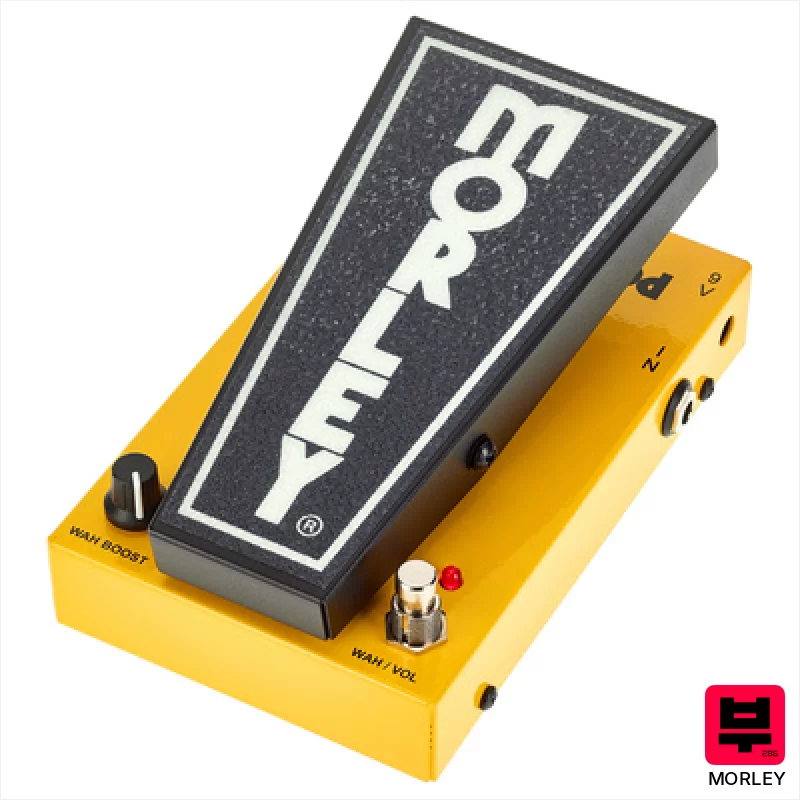
Morley 20/20 Power Wah Volume
- • Solid steel housing provides excellent durability and roadworthiness.
- • Optical circuitry ensures exceptionally quiet operation, a Morley hallmark.
- • Integrated 20/20 buffer preserves signal integrity, especially crucial in long rigs.
- • Versatile volume control offers a useful alternative to wah functionality.
- • The sweep range, while vintage-voiced, may feel a little narrow for modern wah styles.
- • Battery power can be limiting for stage use; external power supply highly recommended.
- • Cold-rolled steel housing, while robust, contributes to a somewhat heavier pedal.
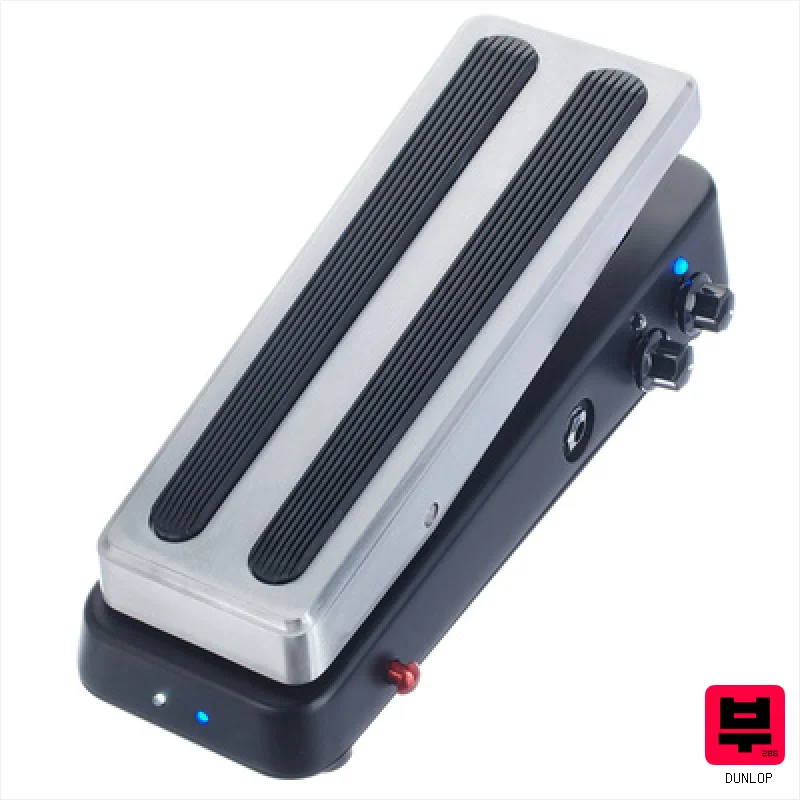
Dunlop Cry Baby Custom Badass GCB65
- • Delivers two distinct legendary wah sounds from single pedals
- • Throaty midrange from the Halo Inductor coil
- • Crisp, clear sound with rich harmonics from Red Fasel Inductor
- • Metal housing ensures durability for daily use
- • Weight is not specified in the provided description
- • Lacks a dedicated volume control knob for output level
- • Requires a specific 9V power supply that is not included
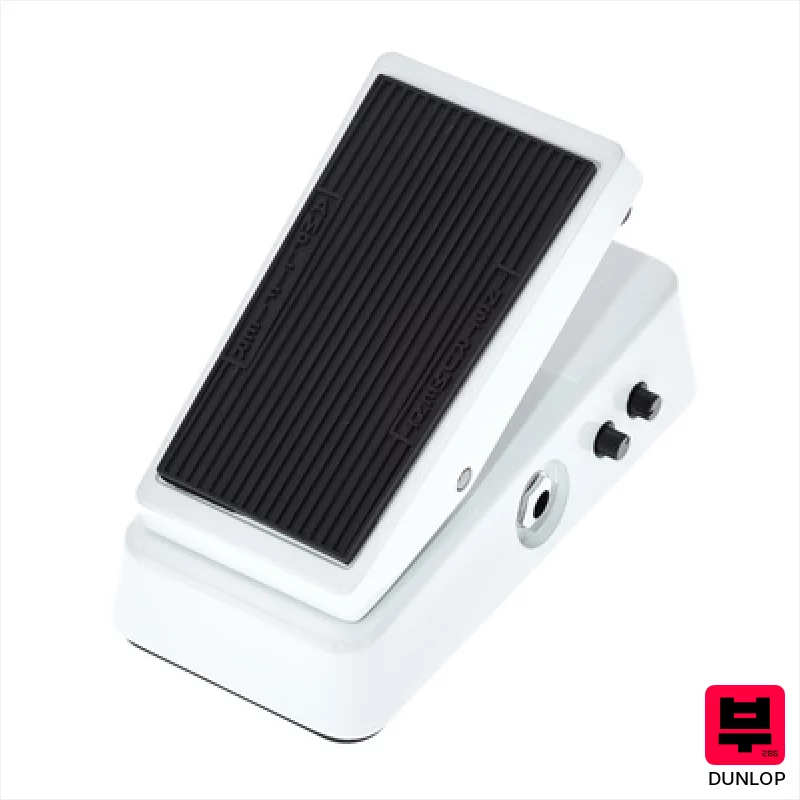
Dunlop Bass Mini Wah
- • Aluminum housing provides robust protection and a premium feel.
- • Volume and Q controls allow for tonal shaping beyond basic wah.
- • Buffered bypass maintains signal strength, crucial for bass clarity.
- • Compact size is ideal for pedalboards with limited space.
- • Miniature size can make the rocking motion less precise.
- • Auto-off feature might frustrate players preferring constant wah availability.
- • Limited tonal range compared to full-size, more complex wah pedals.
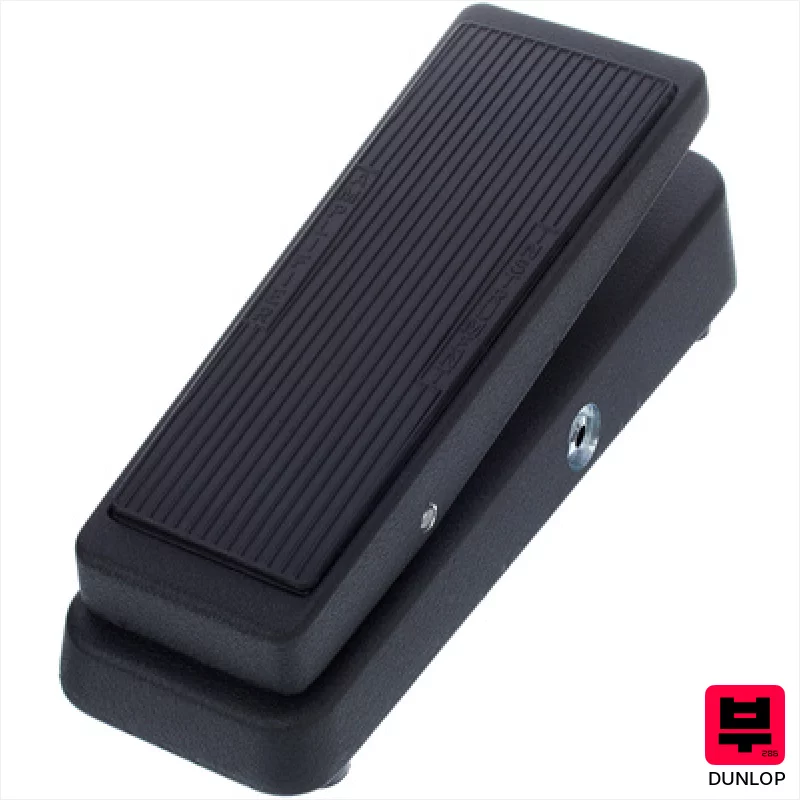
Dunlop Crybaby Classic GCB95 F
- • Fasel inductor delivers a classic, vocal wah tone
- • Hot Potz pots offer smooth, consistent sweep and long-term reliability
- • Die-cast aluminum housing provides robust durability for gigging
- • Ribbed, non-slip surface improves pedalboard stability and ease of use
- • Can be a bit noisy with high-gain pickups, requiring careful EQing
- • Limited tonal versatility compared to more modern, feature-rich wah pedals
- • Relatively heavy, potentially impacting pedalboard ergonomics
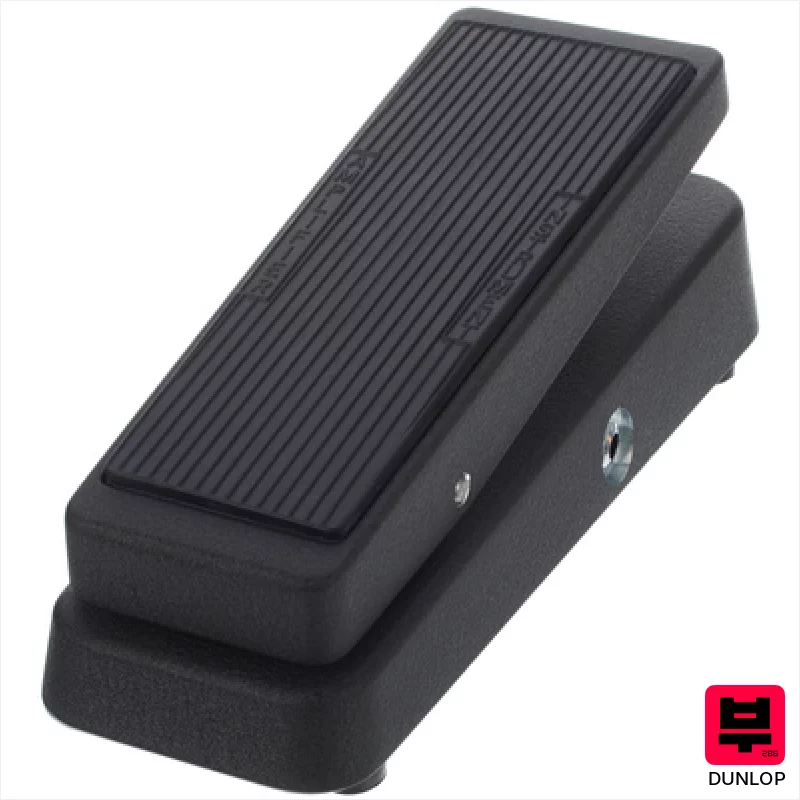
Dunlop Crybaby GCB95
- • Fasel inductor delivers that classic, vocal-like wah tone.
- • Hot Potz potentiometer ensures incredibly responsive and smooth wah action.
- • Hardwire bypass eliminates unwanted noise and signal loss.
- • Robust metal housing and solid build quality guarantee lasting durability.
- • Can be a bit bulky and heavy for pedalboard travel.
- • Limited tonal versatility compared to more modern, programmable wahs.
- • Requires a 9V power supply or battery – not included, adding to the cost.
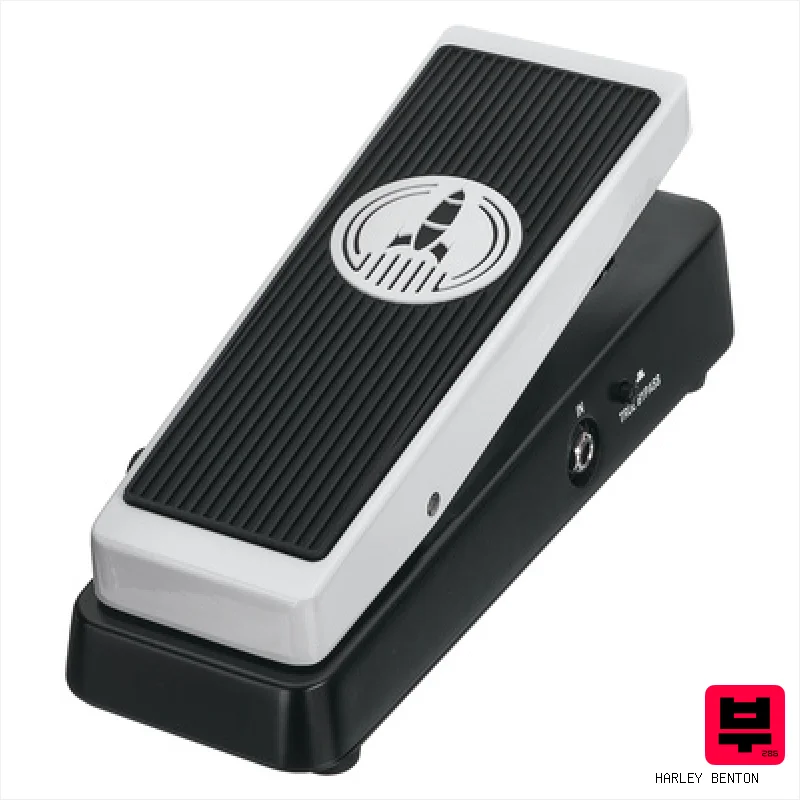
Harley Benton Space Wah / Volume
- • Combines wah and volume effects in one compact unit
- • Built with a strong aluminium body for durability
- • Features a classic 1960s wah frequency sweep
- • Includes adjustable rocker for easy resistance tuning
- • Lacks built-in power adapter requiring external supply
- • Does not show exact weight in the provided text
- • Missing detailed dimensions for shelf planning
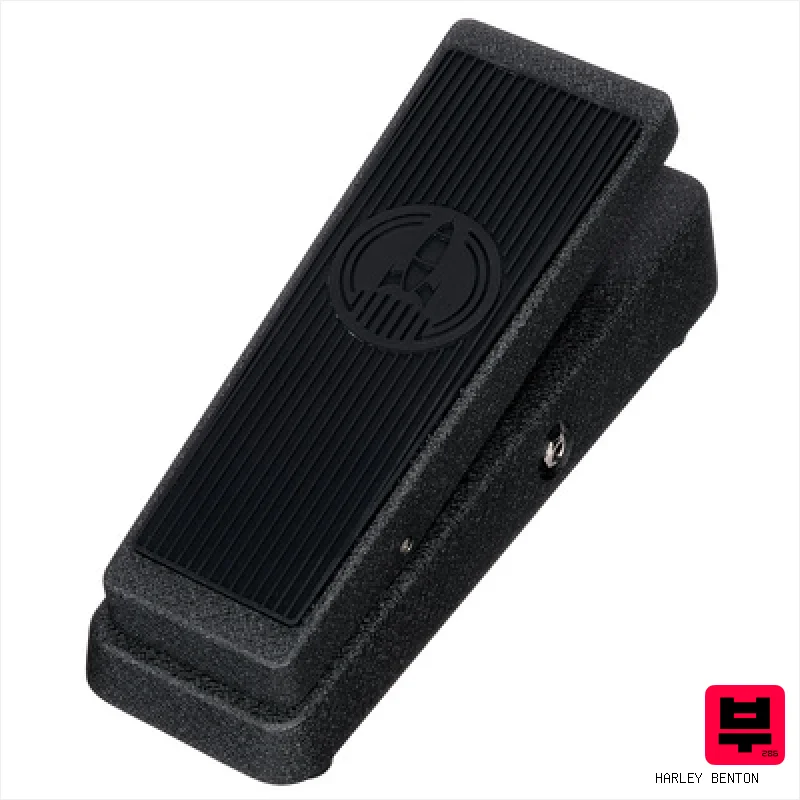
Harley Benton Space Wah
- • Modern recreation of classic 1960s wah sound
- • True bypass circuitry for clean signal path
- • Heavy duty housing built for long life
- • Uses vintage potentiometers for smooth tone
- • No built-in power adapter required
- • Dimensions are quite tall for a pedal
- • No LED indicator for on/off status

Fulltone Custom Shop Supa-Wah
- • Exceptional sweep range, surpassing typical Clyde Wah designs.
- • Hand-wired construction ensures robust reliability and tonal clarity.
- • Five distinct voicing modes offer versatile wah textures.
- • Solid steel enclosure and premium components contribute to lasting durability.
- • Premium-priced, a significant investment for many players.
- • Weight can be cumbersome for pedalboard travel or smaller setups.
- • Limited low-end response compared to some bass-focused wahs.
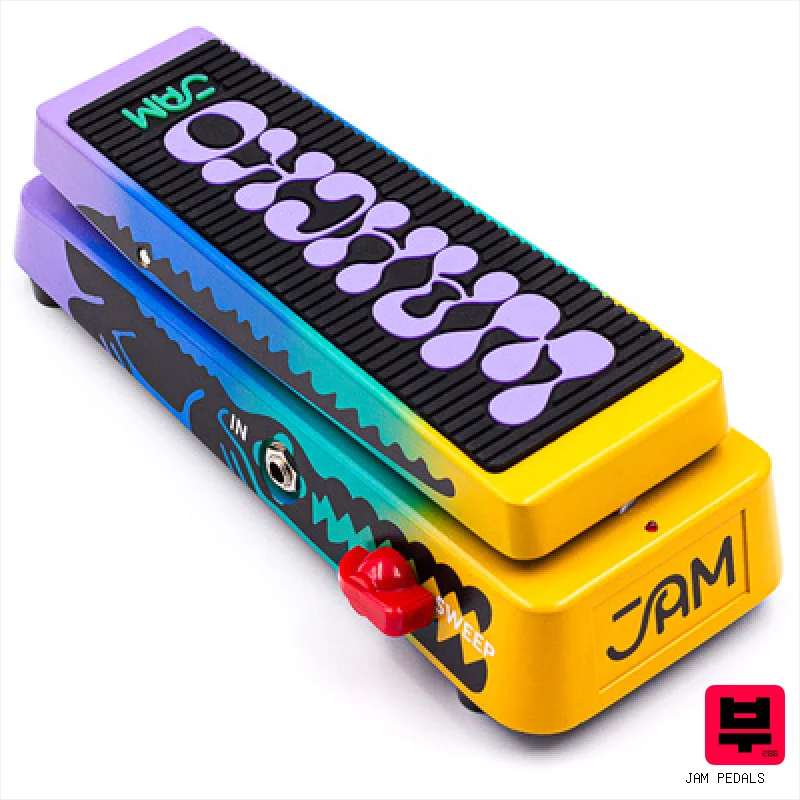
JAM pedals Wahcko mk.2
- • Custom-made JAM coil inspired by historic TDK designs
- • Six selectable frequency ranges via rotary sweep switch
- • Internal Q-trimmer adjusts character and response intensity
- • True bypass circuit preserves signal when pedal is off
- • No external control knobs for Q or gain settings
- • DIP switches handle guitar and bass mode instead
- • Power supply requires a separate barrel connector
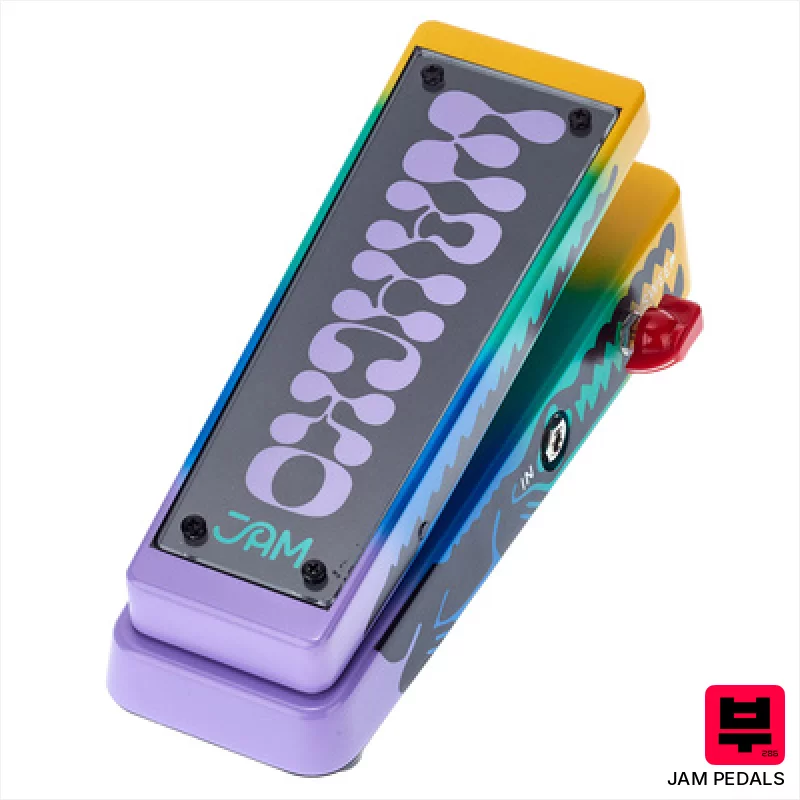
JAM pedals Wahcko
- • InRed Faselin coil delivers a vocal, expressive wah tone.
- • 6-way sweep switch provides impressive tonal versatility and customization.
- • Handmade in Greece ensures meticulous build quality and attention to detail.
- • True bypass preserves your signal integrity when the effect is off.
- • Lacks battery operation, requiring a dedicated power supply.
- • Relatively large footprint might be an issue for smaller pedalboards.
- • Premium-priced compared to more basic wah pedal options.
Every wah pedals that matches
73 models match this page. The 15 above are covered in detail; the rest are listed here with their published specifications.
Wah Pedals by the numbers
Measured across all 73 models in this category, so «wide», «short» or «expensive» mean something you can check.
How to Choose the Best Wah Pedals
Responsiveness
Metal demands tight, immediate response. A sluggish wah will feel like it's fighting you, especially when trying to nail those syncopated rhythms. We're looking for a pedal that reacts instantly to your foot movement, not one that feels like it's wading through molasses.
Frequency Range
A lot of wahs get dark and muddy in the lower frequencies, which is a no-go for metal. You want a pedal that opens up the mids and highs without becoming brittle. That sweet spot between a vocal-like sweep and a clear, articulate tone is the goal.
Gain/Headroom
High-gain amps and distortion can really expose a wah's weaknesses. A cheap wah will likely compress and sound fizzy when pushed hard. We're after pedals with enough headroom to maintain clarity and dynamics even when cranked.
Build Quality
Gigging is rough. A flimsy wah pedal won't last. Look for solid construction, robust pots, and a reliable action that won't develop a weird quirk mid-set.
Versatility
While metal is the focus, a wah that can also do other styles is a bonus. Being able to dial back the aggression and get a usable clean tone is always a plus, especially if you're a multi-genre player.
Buying Guide
Don't fall for the hype. A lot of wahs sound great in a YouTube demo but fall apart when you throw a high-gain amp and a drummer at them. Budget wahs often use cheaper potentiometers that get scratchy and inconsistent. Spending a little more on a pedal with a solid build and a wider frequency range will pay off in the long run - it'll sound better, last longer, and be less frustrating to use. Ultimately, feel is king - try before you buy if you can.
How This List Is Built
We don't play these instruments — we're a catalog, not a review desk, and we'd rather say so than pretend otherwise. This page covers 73 wah pedals from the Thomann catalogue, which is the largest single source of specification data in this category: 15 in detail, the rest listed with their specifications.
Position is computed, not curated. We parse the manufacturer's own description into actual values — nut width, scale, fret count, fingerboard radius, size, alloy — and rank on them: how many specifications a model has published, how many of them are measurable numbers, and how precisely it meets this page's criterion. A product image adds a little. Price is not a ranking signal: it tells you nothing about whether a neck fits your hand. The same inputs always produce the same order, so nothing here is shuffled to look fresh.
What this list is good for: narrowing a category down to a shortlist by spec and budget. What it isn't: a substitute for hearing an instrument. Before you buy, read hands-on reviews and, where you can, play it. Full methodology.

