
Best Thunderbolt Audio Interfaces for Professional 2026
Alright, let's talk Thunderbolt audio interfaces for players who actually need them. We're not talking about bedroom recording here; this is for tracking bands, running multiple synths, and needing rock-solid stability on stage. A USB interface just won't cut it when you're dealing with a full kit and a screaming vocalist - latency becomes a real problem, and dropouts are the death of a good take. This guide will break down the best options, focusing on what matters for serious musicians.
Last updated: September 28, 2026
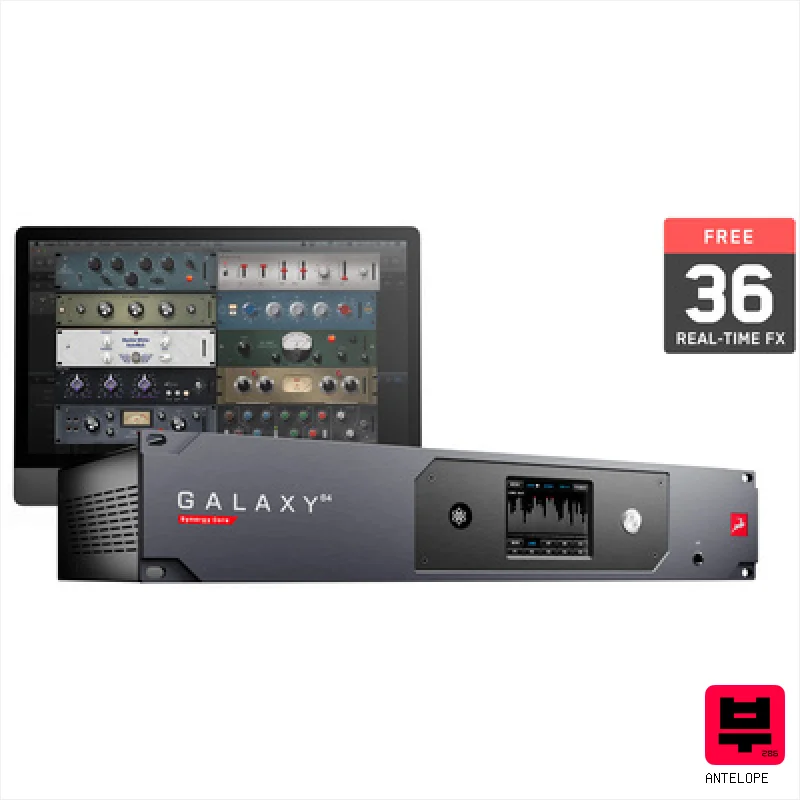
Antelope Galaxy 64 Synergy Core
- • 64 analog input channels with massive 124 dB headroom
- • Built-in 36 analog modeling effects for channel strips
- • Dual Thunderbolt 3 ports for flexible computer control
- • Native support for Pro Tools HDX at 192 kHz
- • Heavy weight due to 64-channel analog I/O density
- • Requires expensive TASCAM standard D-Sub 25 connectors
- • High price point limits it to large studios
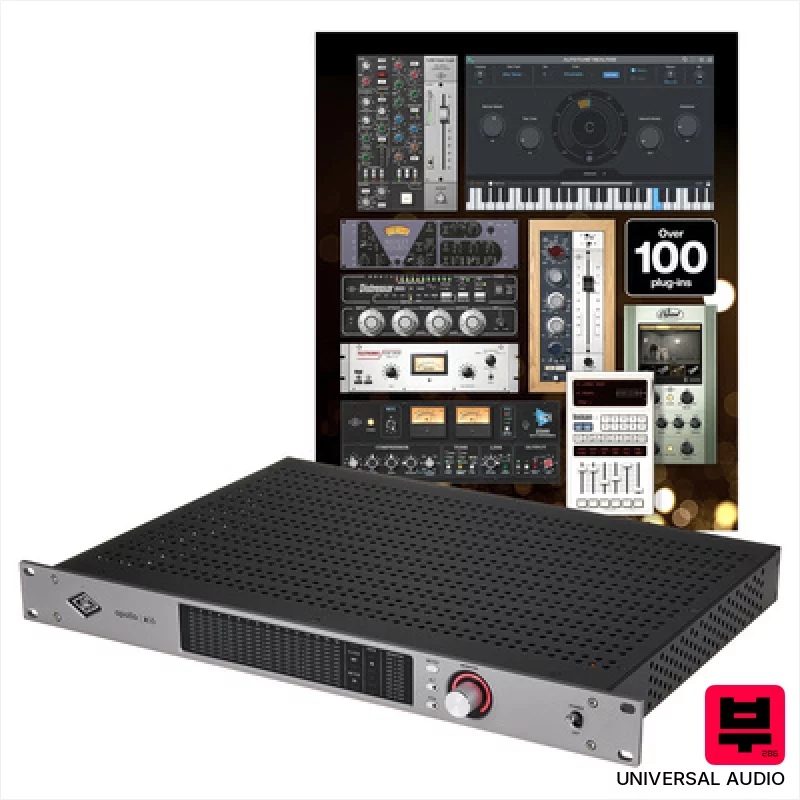
Universal Audio Apollo x16 Gen2 Ultimate+
- • Exceptional SHARC DSP offers real-time UAD processing power for complex workflows.
- • Dual Crystal Clocking drastically reduces jitter, improving stereo imaging clarity.
- • The Sub-D25 connector simplifies massive I/O routing and patching.
- • Ultimate+ bundle provides immediate, high-quality processing options for recording.
- • Premium-priced, making it a significant investment for smaller studios.
- • The Sub-D25 connector can be a hurdle for users unfamiliar with its format.
- • Cascading multiple Apollos adds complexity and requires careful Thunderbolt management.
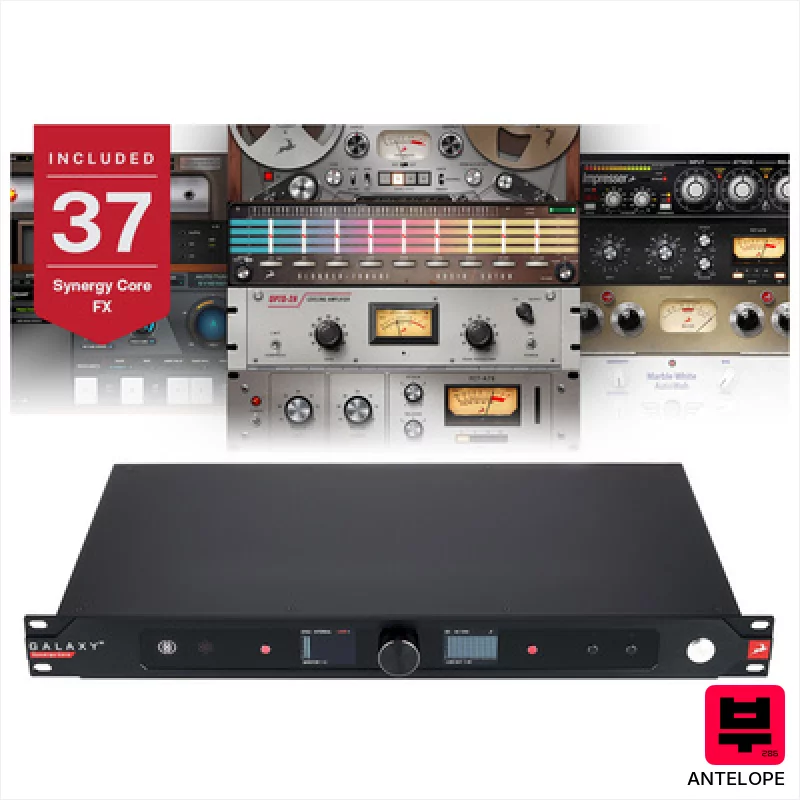
Antelope Galaxy 32 Synergy Core
- • Exceptional conversion with 130dB headroom delivers pristine audio clarity
- • Synergy Core processing offers real-time effects, reducing latency and CPU load
- • Comprehensive I/O options (Dante, HDX, MADI, ADAT) provide unparalleled routing flexibility
- • DC-coupled D-Sub connectors offer extended dynamic range and low noise performance
- • Premium-priced, making it a significant investment for smaller studios
- • The D-Sub connector format can be cumbersome and requires custom cabling
- • Steep learning curve for mastering all its features and routing capabilities
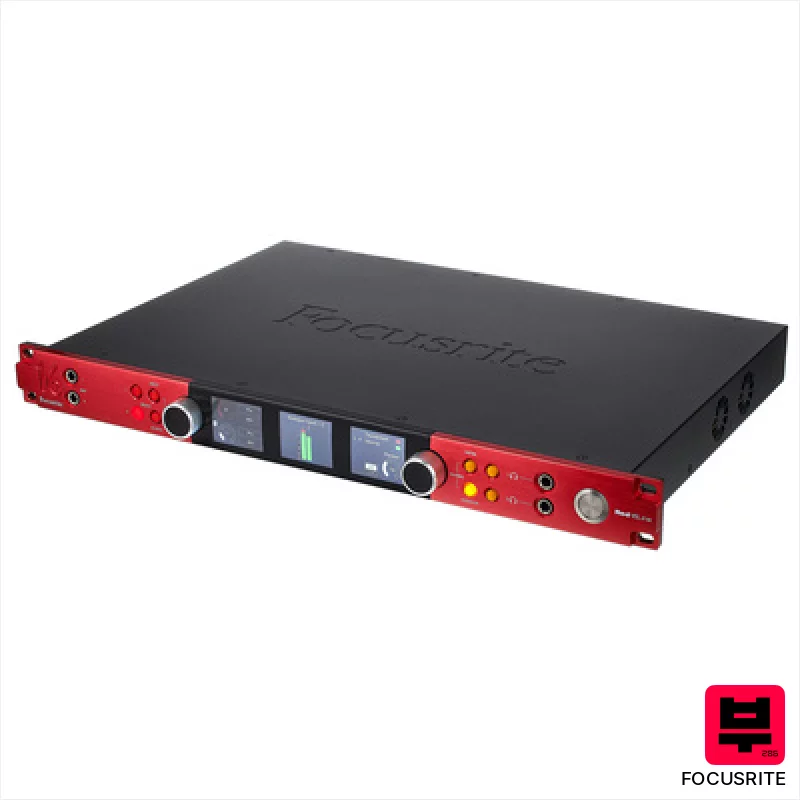
Focusrite Red 16 Line
- • Exceptional dynamic range (118dB AD, 121dB DA) delivers pristine clarity.
- • Red Evolution preamps offer clean gain with a characteristic Focusrite warmth.
- • Dante connectivity provides flexible network integration for complex setups.
- • Pro Tools HD connectors streamline workflows for Avid users.
- • Premium-priced, representing a significant investment for most studios.
- • Size and weight (5.04 kg) make it less portable; rackmount only.
- • Limited number of mic preamps (2) may restrict large-scale recording needs.

Antelope Orion 32+ | Gen 4
- • Exceptional 130dB dynamic range provides pristine clarity and headroom.
- • Antelope's 64-bit clocking minimizes jitter for incredibly tight timing.
- • Flexible routing matrix simplifies complex recording and mixing workflows.
- • Comprehensive I/O options (Thunderbolt, USB, MADI, ADAT, S/PDIF) offer versatility.
- • The sheer number of I/O options can be overwhelming for less experienced users.
- • Premium-priced, representing a significant investment for smaller studios.
- • Physical size and weight make it less ideal for mobile or portable setups.
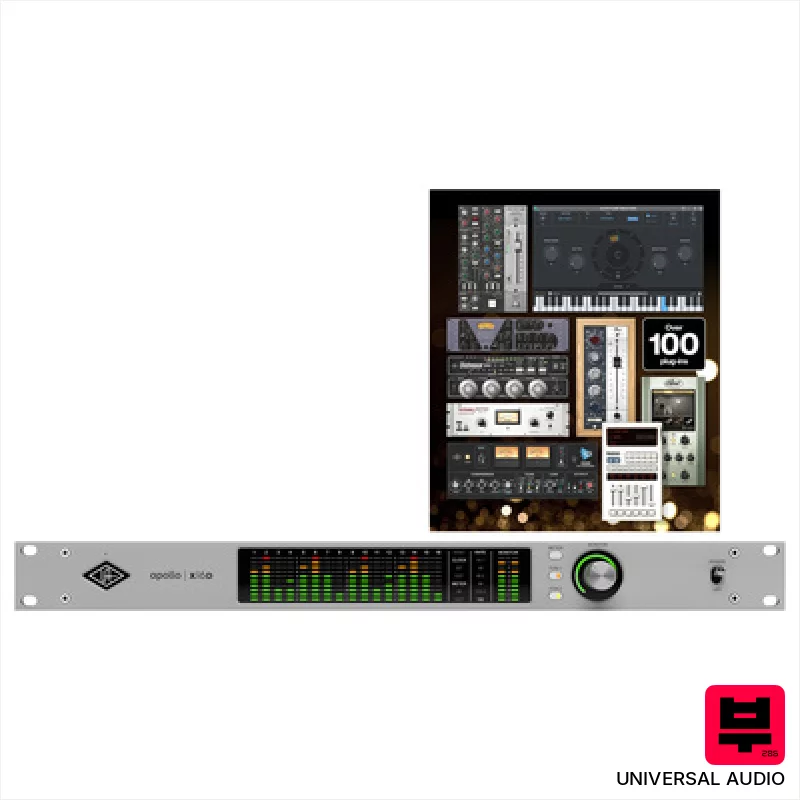
Universal Audio Apollo x16D Ultimate
- • Exceptional UAD DSP power for real-time processing and minimal latency.
- • Dante connectivity provides unparalleled flexibility for large studio setups.
- • Robust build quality with a solid, rack-mountable chassis and premium connectors.
- • Immersive audio capabilities offer a significant advantage for modern music production.
- • Premium-priced, representing a substantial investment for most home studios.
- • Thunderbolt 3 connectivity limits compatibility with older systems.
- • The sheer number of features can be overwhelming for less experienced users.

Universal Audio Apollo x16 Gen2 Essentials+
- • Exceptional UAD DSP power for real-time processing, minimizing latency.
- • Crystal clocking provides remarkably clean, low-jitter audio reproduction.
- • Robust 19” rackmount design, built to withstand studio environments.
- • Essentials+ bundle offers immediate creative utility and value.
- • High-end price point makes it a significant investment for smaller studios.
- • Sub-D25 connector is becoming increasingly less common and can be a hassle.
- • Thunderbolt 2 adapter is required for older systems, adding to the cost.
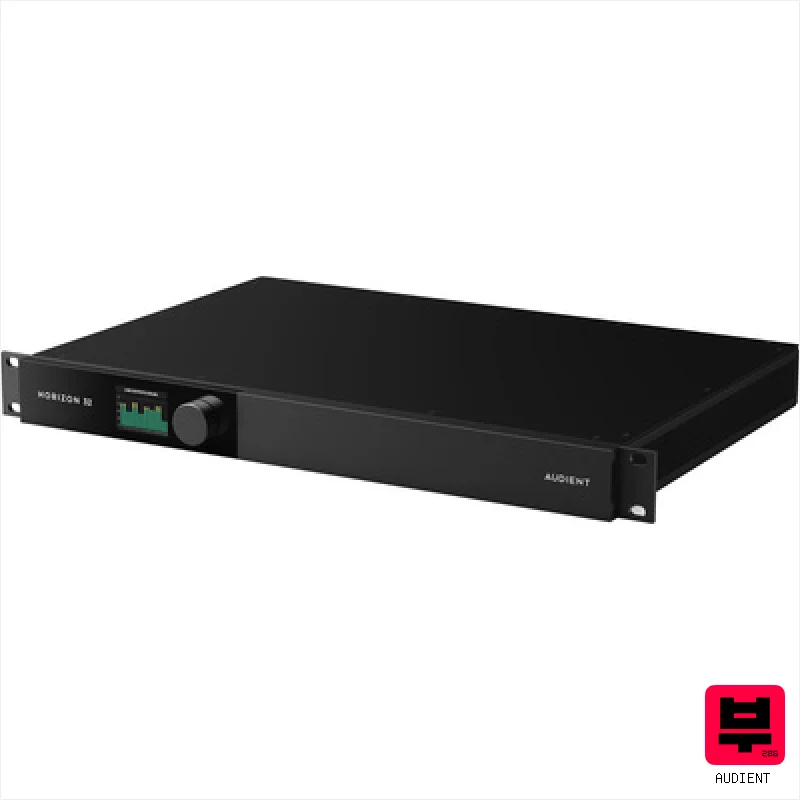
Audient Horizon 32
- • 50 inputs and 50 outputs for massive tracking needs
- • Dedicated stereo mix bus records the final master directly
- • Supports up to four units cascading for huge capacity
- • Hardware monitor controls let you adjust levels physically
- • DB25 connectors feel dated compared to modern XLR
- • No dedicated USB-C power brick mentioned in specs
- • Lacks built-in A/D converters for external mic recording
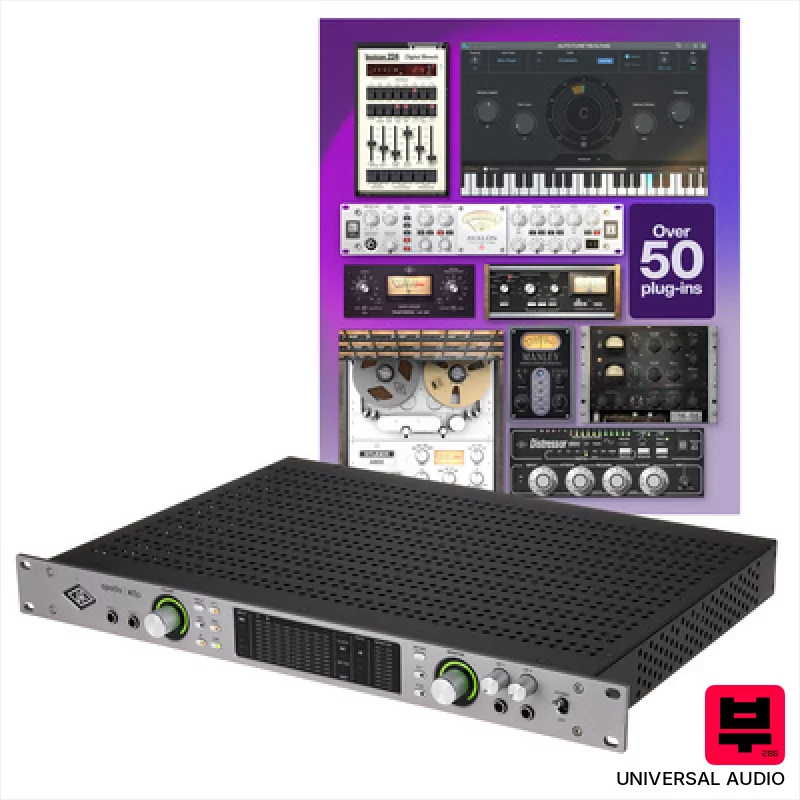
Universal Audio Apollo x8p Gen2 Studio+
- • Unison preamps authentically model classic amp circuits for superb tone.
- • 6-core SHARC DSP enables zero-latency UAD processing, a huge workflow boost.
- • Dual crystal clocking delivers exceptionally clean, low-jitter audio performance.
- • Comprehensive Studio+ plug-in bundle offers immediate, high-quality recording options.
- • Premium-priced, a significant investment for smaller studios or home recordists.
- • Thunderbolt 2 adapter is an extra expense for older systems.
- • Physical size (1U rackmount) might be restrictive for some setups.
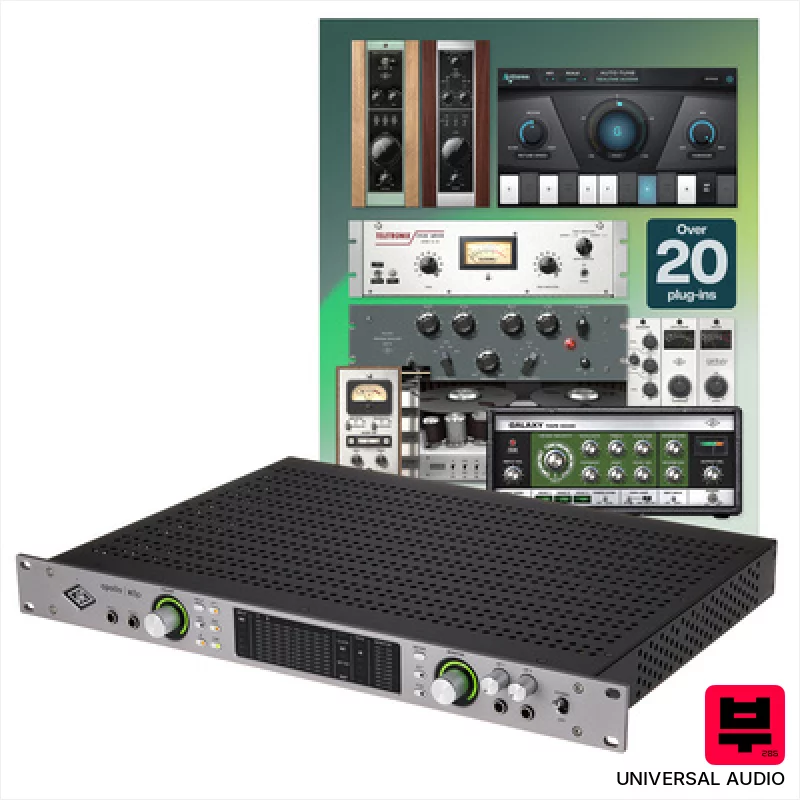
Universal Audio Apollo x8p Gen2 Essentials+
- • Unison preamps authentically model classic amp sounds and circuits.
- • SHARC DSP provides near-zero latency UAD processing for real-time effects.
- • Dual Crystal Clocking delivers exceptionally clean audio with pristine stereo imaging.
- • Essentials+ bundle offers immediate value with high-quality UAD plugins.
- • Premium-priced, representing a significant investment for home studios.
- • Thunderbolt 2 adapter is an additional expense for older systems.
- • The physical footprint (1U) might pose challenges in smaller, space-constrained setups.
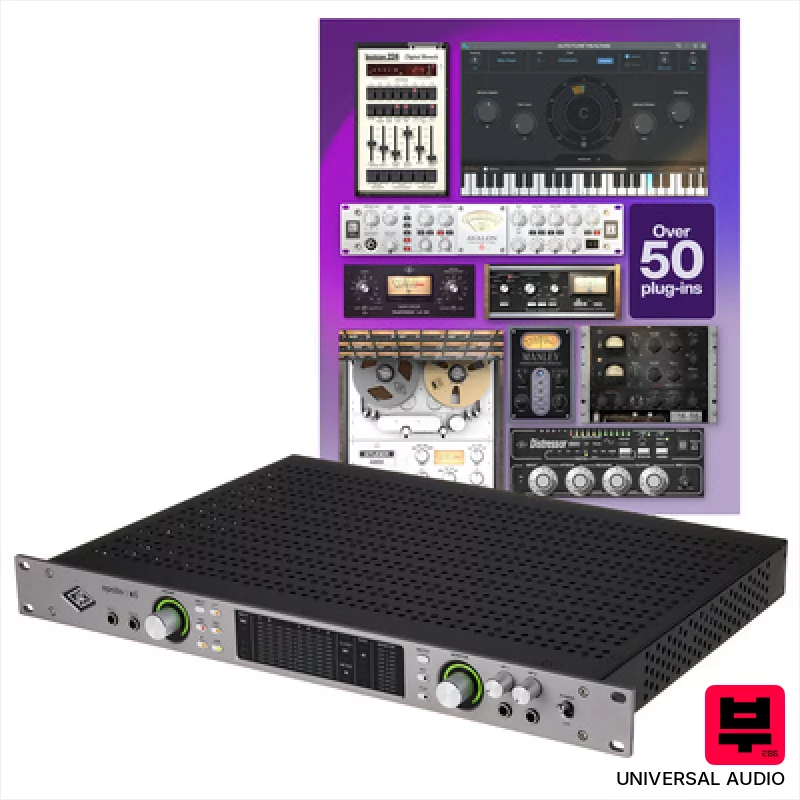
Universal Audio Apollo x8 Gen2 Studio+
- • Unison preamps authentically model classic analog gear
- • 6-core SHARC DSP enables near-zero latency UAD processing
- • Excellent build quality; feels rock solid on the rack
- • Dual crystal clocking provides exceptionally clean, stable audio
- • Premium-priced, a significant investment for most studios
- • Thunderbolt 2 adapter adds extra cost and potential compatibility issues
- • Limited physical I/O compared to some competing interfaces
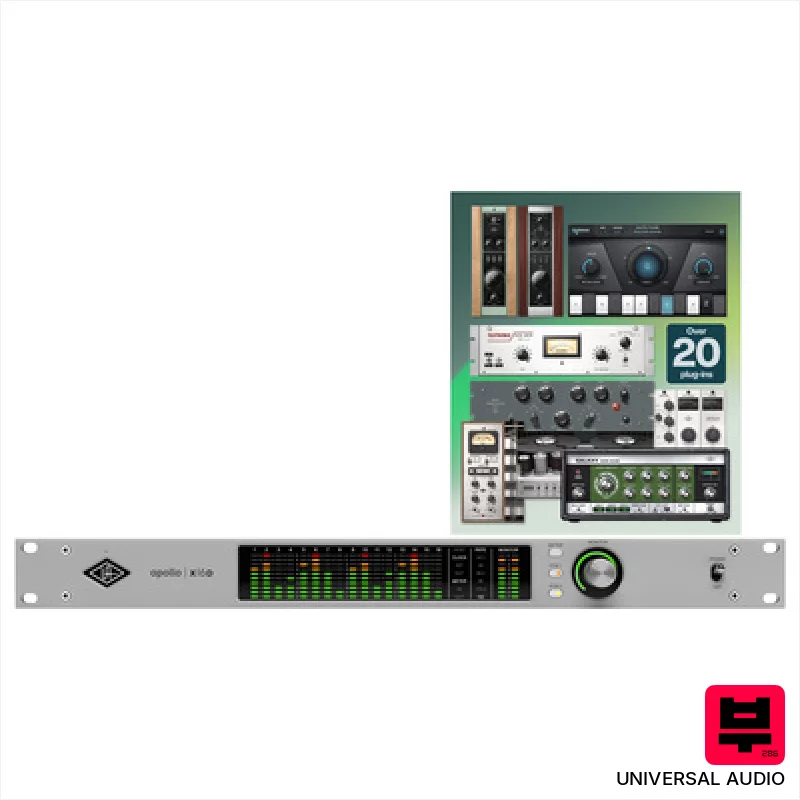
Universal Audio Apollo x16D Essentials
- • Exceptional SHARC DSP enables powerful, real-time UAD processing.
- • Dante connectivity vastly expands routing and flexibility options.
- • Robust build quality with a solid 1U rack chassis and reliable connectors.
- • Immersive audio mixing capabilities are genuinely impressive and production-ready.
- • Premium-priced, represents a significant investment for smaller studios.
- • Thunderbolt 3 dependency limits compatibility with older systems.
- • The sheer number of features can be overwhelming for novice users.
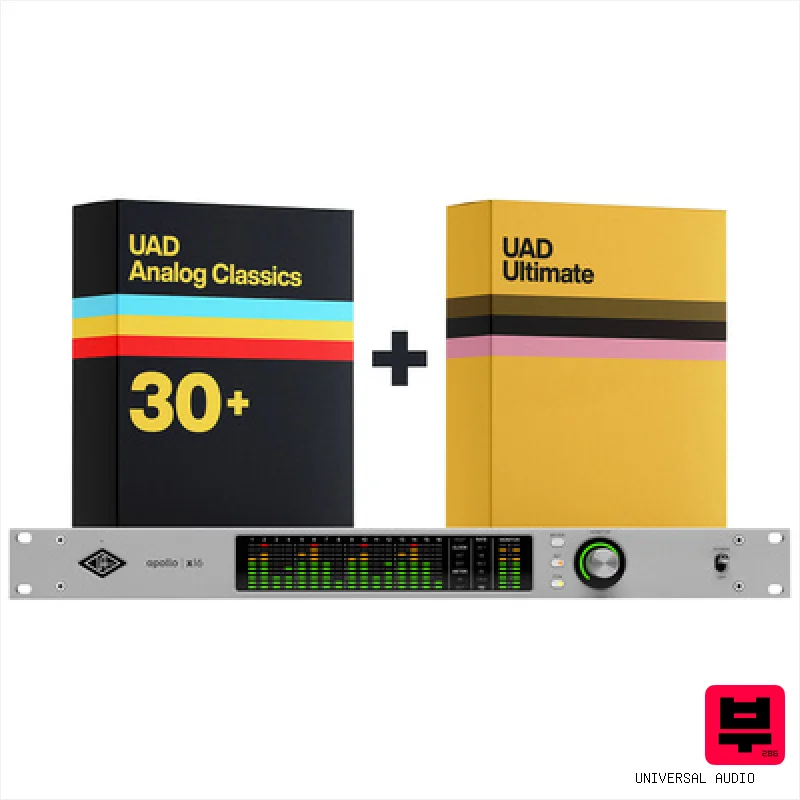
Universal Audio Apollo x16 Gen2 Ultimate Bund.
- • Includes the full Apollo x16 Gen2 AC interface in the bundle.
- • Adds UAD Ultimate 14 Bundle for extensive DSP processing power.
- • Provides a complete setup for recording and mixing without extra purchases.
- • Delivers high-end audio performance ready for professional studio work.
- • Lacks explicit details on input count or specific output types.
- • No stated weight or physical build material information provided.
- • Missing clear data on maximum sample rate and bit depth capabilities.
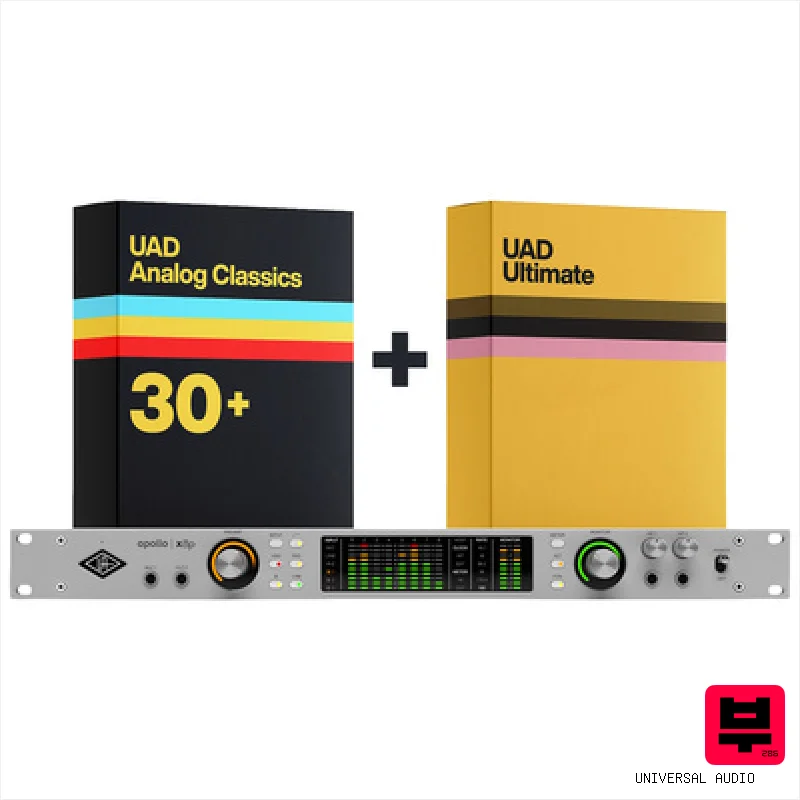
Universal Audio Apollo x8p Gen2 Ultimate Bundl
- • Includes the full Apollo x8p Gen2 AC interface in the bundle
- • Adds the UAD Ultimate 14 Bundle UG for software access
- • Combines hardware and software for a complete studio solution
- • Offers a unified bundle price for better value
- • No specific I/O count listed in the provided text
- • Sample rate and bit depth details are missing from the description
- • Does not list the number of preamps included in this set
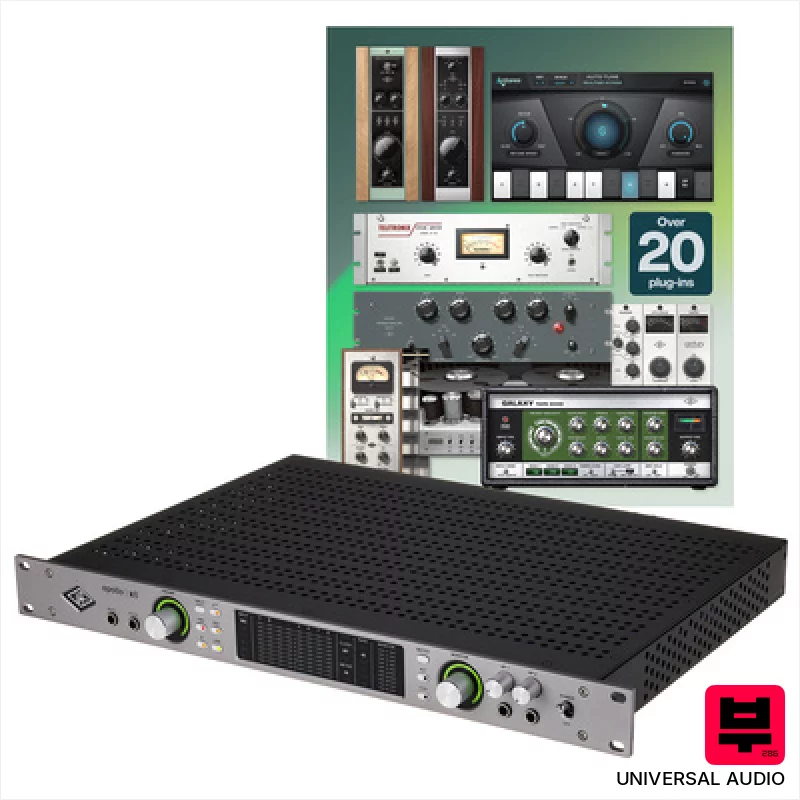
Universal Audio Apollo x8 Gen2 Essentials+
- • Unison preamps authentically model classic analog hardware
- • 6-core SHARC DSP enables near-zero latency UAD processing
- • Dual Crystal Clocking minimizes jitter for pristine recordings
- • Robust 19” 1U rackmount chassis feels exceptionally well-built
- • Premium-priced, a significant investment for most home studios
- • Thunderbolt 2 adapter adds cost and potential compatibility issues
- • Limited expandability beyond four Apollos in a chain
Every thunderbolt audio interfaces that matches
35 models match this page. The 15 above are covered in detail; the rest are listed here with their published specifications.
Thunderbolt Audio Interfaces by the numbers
Measured across all 35 models in this category, so «wide», «short» or «expensive» mean something you can check.
How to Choose the Best Thunderbolt Audio Interfaces
Preamps & Dynamic Range
Clean gain is key, but a little bit of character can be nice. We're looking for preamps that handle hot signals without clipping and retain detail at lower levels. That subtle string noise in a clean acoustic recording? You need to hear it. Headroom is paramount.
Latency Performance
This is the reason you're going Thunderbolt. We measure latency with various buffer settings and plugin loads to see how well they handle real-time processing. Dropped notes are unacceptable.
Connectivity & Routing
How many inputs/outputs do you actually need? Beyond that, flexible routing options - aux sends, monitor mixes, and the ability to re-assign I/O - are crucial for complex setups. Think band rehearsals and multiple engineers.
Driver Stability
A beautiful interface is useless if the drivers crash constantly. We evaluate driver stability across different operating systems and plugin combinations - because your session isn't going to pause for a driver update mid-take.
Workflow & Build Quality
Let's be honest, you're paying a premium. The build needs to be solid enough to withstand gigging, and the software/hardware controls need to be intuitive, not a frustrating maze of menus.
Buying Guide
Don't get caught up in the number of I/O - think about your actual needs. That 32-input interface might look impressive, but if you're mostly tracking vocals and guitars, it's overkill. Thunderbolt interfaces are an investment; cheaping out often means compromised preamps, flimsy build, and potentially buggy drivers. Look for interfaces with solid reputations for driver stability and good preamp character, and be prepared to pay for it. Consider future-proofing too - can you expand the I/O later if needed?
How This List Is Built
We don't play these instruments — we're a catalog, not a review desk, and we'd rather say so than pretend otherwise. This page covers 35 thunderbolt audio interfaces from the Thomann catalogue, which is the largest single source of specification data in this category: 15 in detail, the rest listed with their specifications.
Position is computed, not curated. We parse the manufacturer's own description into actual values — nut width, scale, fret count, fingerboard radius, size, alloy — and rank on them: how many specifications a model has published, how many of them are measurable numbers, and how precisely it meets this page's criterion. A product image adds a little. Price is not a ranking signal: it tells you nothing about whether a neck fits your hand. The same inputs always produce the same order, so nothing here is shuffled to look fresh.
What this list is good for: narrowing a category down to a shortlist by spec and budget. What it isn't: a substitute for hearing an instrument. Before you buy, read hands-on reviews and, where you can, play it. Full methodology.

