
Best Thunderbolt Audio Interfaces for Pro Tools 2026
Alright, let's talk Thunderbolt audio interfaces for Pro Tools. If you're running Pro Tools, you're likely chasing that pristine, low-latency recording experience - the kind where your guitar amp's subtle nuances translate perfectly, or your drum kit feels like it's breathing in the room. Thunderbolt is the key to unlocking that, but not all interfaces are created equal. Let's break down which ones will actually get you there and which ones are just pretty boxes with fancy connectors.
Last updated: July 15, 2026 • Next update: July 22, 2026

Universal Audio Apollo Solo TB3 Heritage Ed.
- • Heritage Edition finish exudes a premium, classic studio aesthetic
- • Unison technology realistically emulates vintage amp circuits
- • SHARC DSP offloads processing, preserving CPU resources for your DAW
- • Excellent preamps offer clean gain with a pleasing, musical character
- • Requires Thunderbolt 3, limiting compatibility with older systems
- • Limited input/output count restricts complex routing scenarios
- • The single headphone output can be inconvenient for collaborative sessions
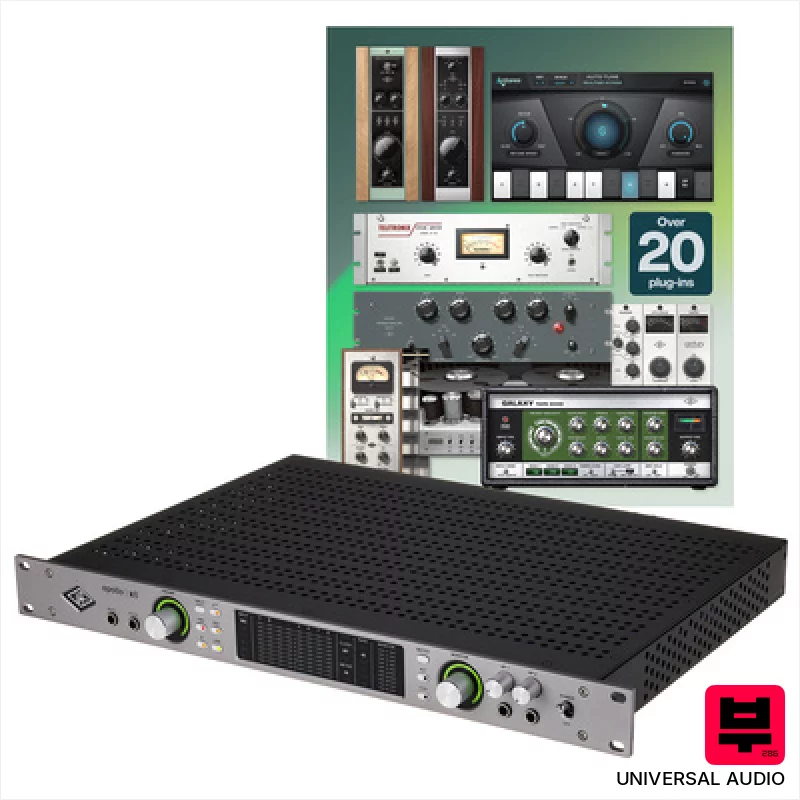
Universal Audio Apollo x8 Gen2 Essentials+
- • Unison preamps authentically model classic analog hardware
- • 6-core SHARC DSP enables near-zero latency UAD processing
- • Dual Crystal Clocking minimizes jitter for pristine recordings
- • Robust 19” 1U rackmount chassis feels exceptionally well-built
- • Premium-priced, a significant investment for most home studios
- • Thunderbolt 2 adapter adds cost and potential compatibility issues
- • Limited expandability beyond four Apollos in a chain
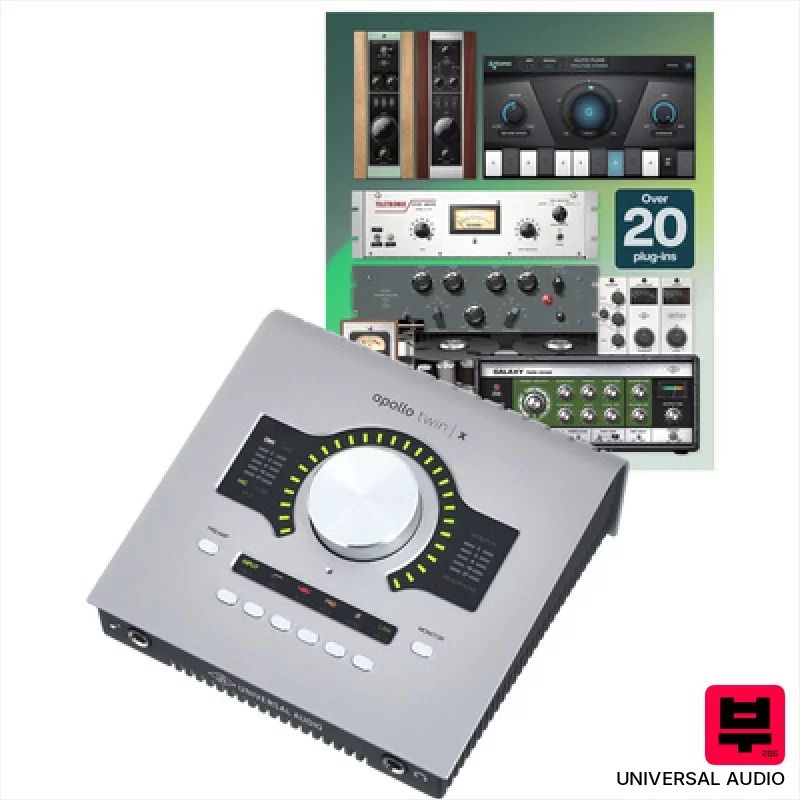
Universal Audio Apollo Twin X Duo Gen2 Ess+
- • Unison preamps authentically model classic UA hardware, a huge advantage.
- • Low-latency performance with UAD plugins is genuinely impressive and usable.
- • The Essentials+ bundle offers immediate value and a solid starting point.
- • Desktop form factor makes it exceptionally convenient for home studio setups.
- • Limited I/O compared to larger Apollo models restricts complex recording scenarios.
- • Thunderbolt cable not included feels like a cost-cutting measure at this price point.
- • The built-in talkback mic is serviceable, but not a primary vocal mic.
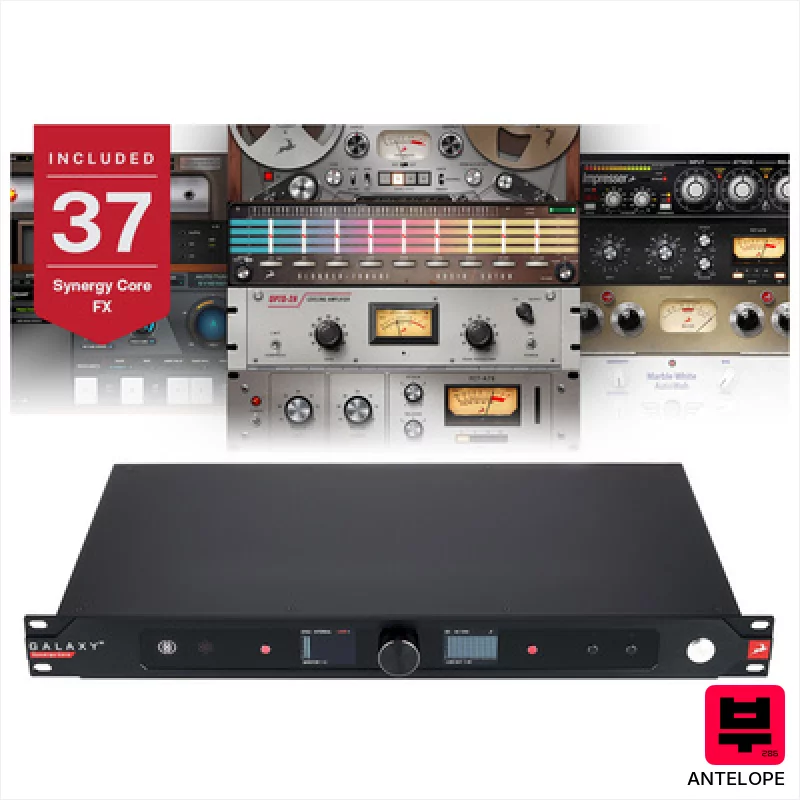
Antelope Galaxy 32 Synergy Core
- • Exceptional conversion with 130dB headroom delivers pristine audio clarity
- • Synergy Core processing offers real-time effects, reducing latency and CPU load
- • Comprehensive I/O options (Dante, HDX, MADI, ADAT) provide unparalleled routing flexibility
- • DC-coupled D-Sub connectors offer extended dynamic range and low noise performance
- • Premium-priced, making it a significant investment for smaller studios
- • The D-Sub connector format can be cumbersome and requires custom cabling
- • Steep learning curve for mastering all its features and routing capabilities
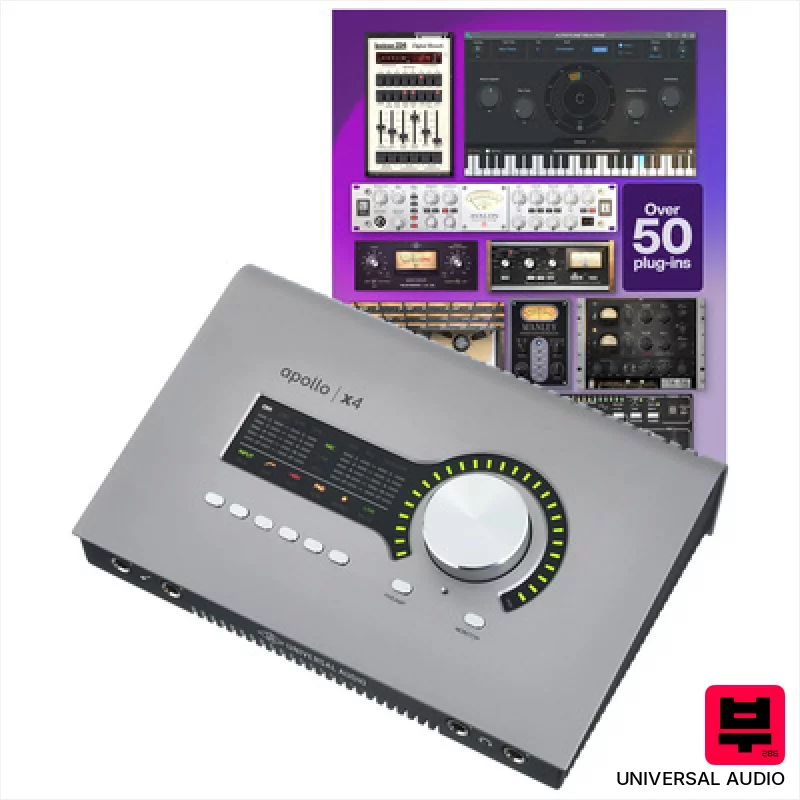
Universal Audio Apollo X4 Gen2 Studio+
- • Unison preamps authentically model classic UA mic preamps' sonic character.
- • Excellent AD/DA conversion provides pristine audio fidelity and headroom.
- • Integrated talkback mic streamlines recording workflows and communication.
- • Thunderbolt 3 connectivity offers low latency and robust bandwidth for demanding projects.
- • Premium-priced, represents a significant investment for home studios.
- • Desktop design may not be ideal for mobile or space-constrained environments.
- • Limited expandability compared to rackmount Apollo options.

Antelope Zen Tour Synergy Core
- • Exceptional clocking delivers pristine audio, minimizing jitter.
- • Synergy Core DSP drastically reduces CPU load for complex projects.
- • Discrete preamps offer clean gain with a subtle warmth.
- • Comprehensive I/O options cater to large recording setups.
- • Premium-priced, a significant investment for home studios.
- • Thunderbolt connectivity limits portability for some users.
- • Learning curve with Synergy Core’s extensive processing options.
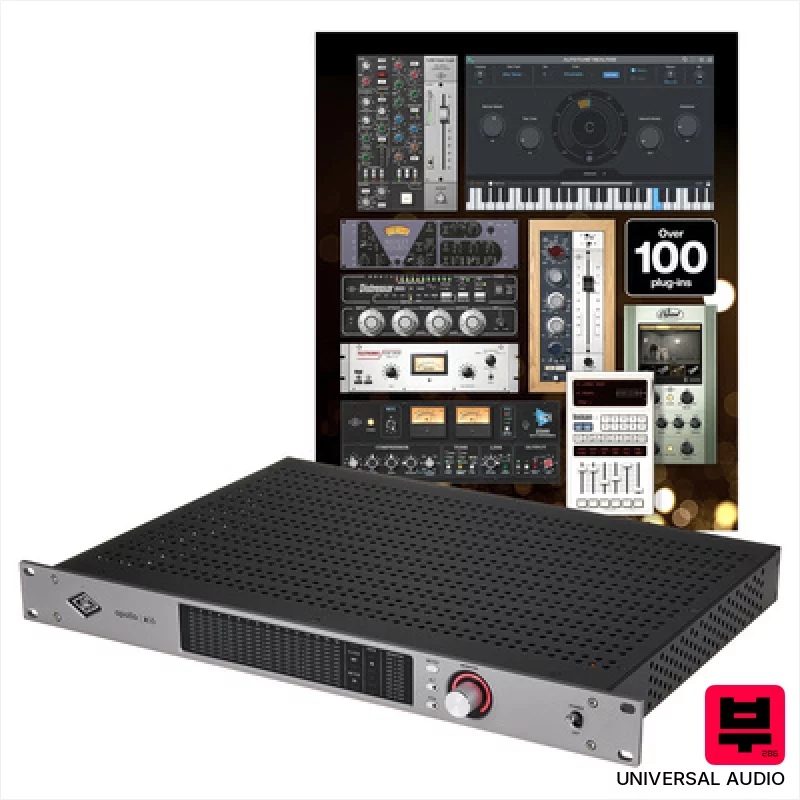
Universal Audio Apollo x16 Gen2 Ultimate+
- • Exceptional SHARC DSP offers real-time UAD processing power for complex workflows.
- • Dual Crystal Clocking drastically reduces jitter, improving stereo imaging clarity.
- • The Sub-D25 connector simplifies massive I/O routing and patching.
- • Ultimate+ bundle provides immediate, high-quality processing options for recording.
- • Premium-priced, making it a significant investment for smaller studios.
- • The Sub-D25 connector can be a hurdle for users unfamiliar with its format.
- • Cascading multiple Apollos adds complexity and requires careful Thunderbolt management.
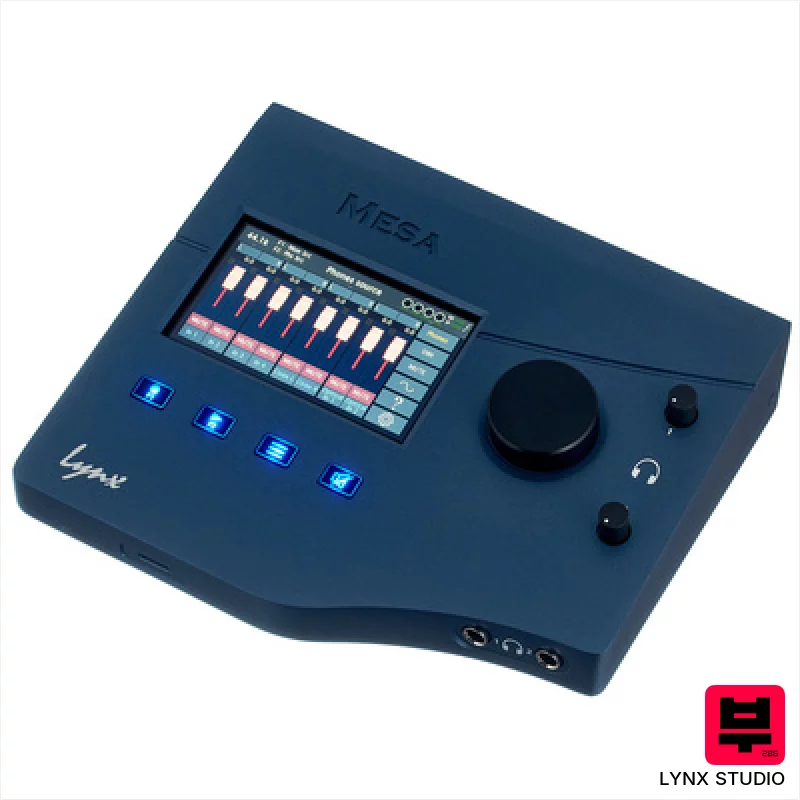
Lynx Studio Mesa TB3
- • Exceptional conversion clarity; truly transparent signal path.
- • SynchroLock 2 clocking minimizes jitter for pristine recordings.
- • Intuitive touchscreen simplifies complex routing and monitor setups.
- • Robust build quality; feels substantial and well-engineered.
- • Premium-priced; a significant investment for most home studios.
- • Physical size and weight limit portability; not ideal for travel.
- • Limited preamp gain range may require external preamps for some mics.
Universal Audio Apollo x16D Essentials
- • Exceptional SHARC DSP enables powerful, real-time UAD processing.
- • Dante connectivity vastly expands routing and flexibility options.
- • Robust build quality with a solid 1U rack chassis and reliable connectors.
- • Immersive audio mixing capabilities are genuinely impressive and production-ready.
- • Premium-priced, represents a significant investment for smaller studios.
- • Thunderbolt 3 dependency limits compatibility with older systems.
- • The sheer number of features can be overwhelming for novice users.

Universal Audio Apollo x16 Gen2 Essentials+
- • Exceptional UAD DSP power for real-time processing, minimizing latency.
- • Crystal clocking provides remarkably clean, low-jitter audio reproduction.
- • Robust 19” rackmount design, built to withstand studio environments.
- • Essentials+ bundle offers immediate creative utility and value.
- • High-end price point makes it a significant investment for smaller studios.
- • Sub-D25 connector is becoming increasingly less common and can be a hassle.
- • Thunderbolt 2 adapter is required for older systems, adding to the cost.

Antelope Orion Studio Synergy Core
- • Exceptional preamp clarity with Antelope's signature warmth and detail
- • Synergy Core processing offers incredible real-time effect possibilities
- • Robust build quality with discrete components and reliable connectivity
- • Comprehensive I/O options cater to complex recording setups
- • Premium-priced, making it a significant investment for most studios
- • Thunderbolt 3 dependency limits compatibility with older systems
- • Synergy Core effects, while powerful, require a learning curve
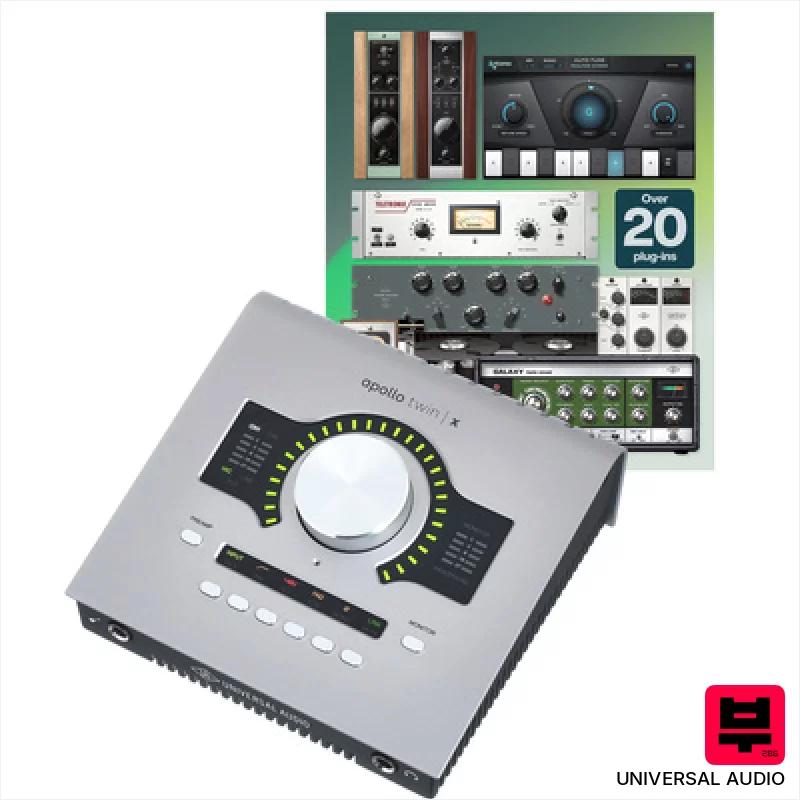
Universal Audio Apollo Twin X Quad Gen2 Ess+
- • Unison preamps authentically model classic UA mic pre designs.
- • Excellent AD/DA conversion delivers pristine, low-noise audio.
- • Integrated UAD processing unlocks a vast library of premium plugins.
- • Compact desktop design maximizes space without sacrificing performance.
- • Limited I/O compared to larger Apollo interfaces; may bottleneck complex setups.
- • Thunderbolt cable not included – another expense to consider.
- • Premium-priced, represents a significant investment for home studios.
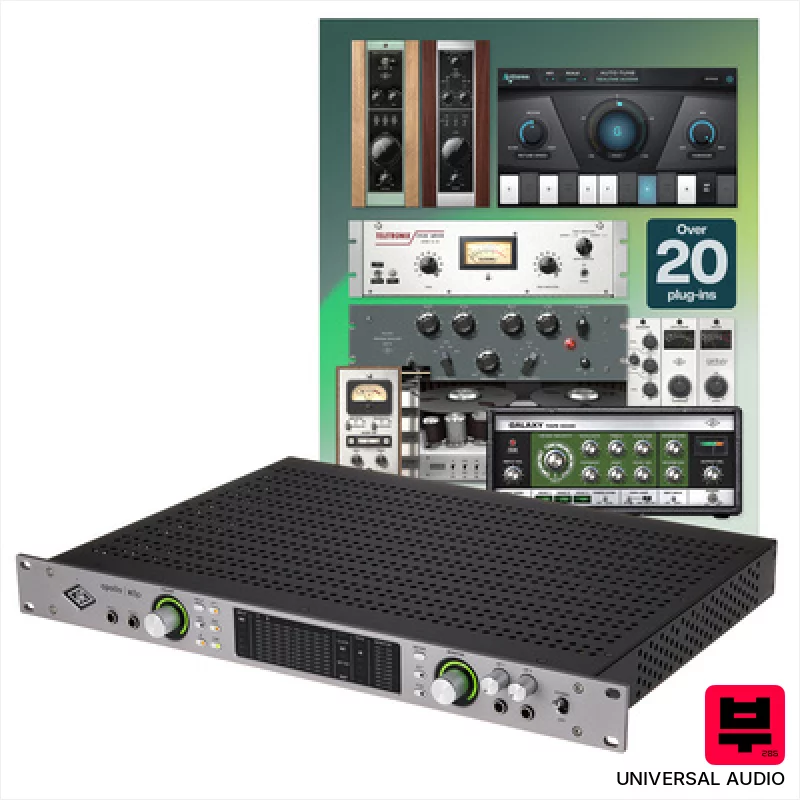
Universal Audio Apollo x8p Gen2 Essentials+
- • Unison preamps authentically model classic amp sounds and circuits.
- • SHARC DSP provides near-zero latency UAD processing for real-time effects.
- • Dual Crystal Clocking delivers exceptionally clean audio with pristine stereo imaging.
- • Essentials+ bundle offers immediate value with high-quality UAD plugins.
- • Premium-priced, representing a significant investment for home studios.
- • Thunderbolt 2 adapter is an additional expense for older systems.
- • The physical footprint (1U) might pose challenges in smaller, space-constrained setups.

Presonus Quantum 2626
- • Excellent preamps deliver clean, transparent gain for diverse sources
- • Rock-solid Thunderbolt 3 connectivity ensures ultra-low latency performance
- • Flexible I/O options (ADAT, S/PDIF, MIDI) expand routing possibilities
- • Studio One Artist and Magic Plug-In Suite offer immediate creative workflow
- • Rackmount format demands space; not ideal for desktop setups
- • Limited routing flexibility compared to higher-end interfaces
- • The included Studio One Artist is a good start, but may feel restrictive
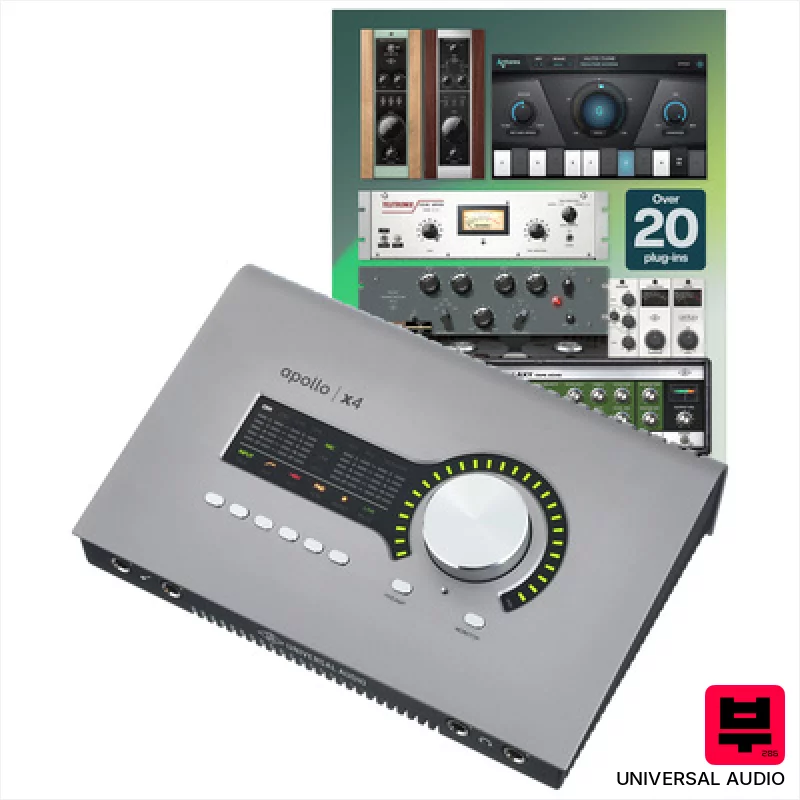
Universal Audio Apollo X4 Gen2 Essentials+
- • Unison preamps authentically model classic analog gear
- • Excellent AD/DA conversion delivers pristine, transparent audio
- • Built-in talkback simplifies recording sessions significantly
- • Thunderbolt 3 connectivity provides rock-solid, low-latency performance
- • Premium-priced, a significant investment for home studios
- • Desktop design may not suit all studio setups, limited portability
- • Plugin bundle, while substantial, requires learning curve.
How to Choose the Best Thunderbolt Audio Interfaces
Low Latency Performance
This isn't just about numbers; it's about feel. You need to be able to track without feeling like you're playing through molasses. Pro Tools users demand rock-solid latency, especially when monitoring through plugins - that's where a good Thunderbolt interface shines.
Preamps & Converter Quality
Those preamps are the first point of contact for your sound. A muddy preamp can ruin even the best guitar tone, and subpar converters will flatten your dynamic range. We're listening for that natural sustain, that articulate transient response - the stuff that makes a recording feel real.
Driver Stability (Crucial for Pro Tools)
Pro Tools is notoriously picky about its drivers. An interface that works great on paper might be a nightmare in a Pro Tools session. We're looking for interfaces with a history of rock-solid stability and consistent performance under heavy Pro Tools plugin loads.
I/O Count & Routing Flexibility
Do you record a full band? Need multiple mic preamps for drums? The more I/O you have, the more versatile your interface will be. Pro Tools users often need complex routing options for sending signals to external gear or creating monitor mixes.
Headroom & Dynamic Range
It's not just about clean recordings. You want an interface that can handle hot signals without clipping, and still retain detail when you're pushing things to get some grit. That headroom is essential for capturing those nuanced performances and avoiding digital distortion.
Buying Guide
Don't fall for the marketing hype. Thunderbolt interfaces can get expensive, and the extra money isn't always justified. Look closely at the preamps - some cheaper interfaces use generic chips that just don't have that musicality. Pay attention to driver updates and community feedback - a shaky driver can derail an entire project. Consider your workflow; if you're mostly recording vocals and acoustic guitar, you don't need a massive I/O count.
Our Methodology
We aren't just looking at spec sheets here. We've spent countless hours A/B'ing these interfaces through Pro Tools, tracking everything from acoustic guitars to full drum kits, and even running them live for band rehearsals. The goal is to see how they actually perform in real-world scenarios - the kind of situations you face when you're trying to capture a great performance.

