
Best Thunderbolt Audio Interfaces for Low Latency 2026
Latency. It's the silent killer of feel, especially when you're laying down blistering guitar tracks, tracking drums with a click, or just trying to jam along with a backing track without it sounding like a train wreck. Thunderbolt interfaces were the promise of finally escaping those dreaded audible delays, but not all of them deliver equally. Let's break down the best Thunderbolt audio interfaces for low latency, so you can actually feel what you're playing.
Last updated: July 22, 2026 • Next update: July 29, 2026
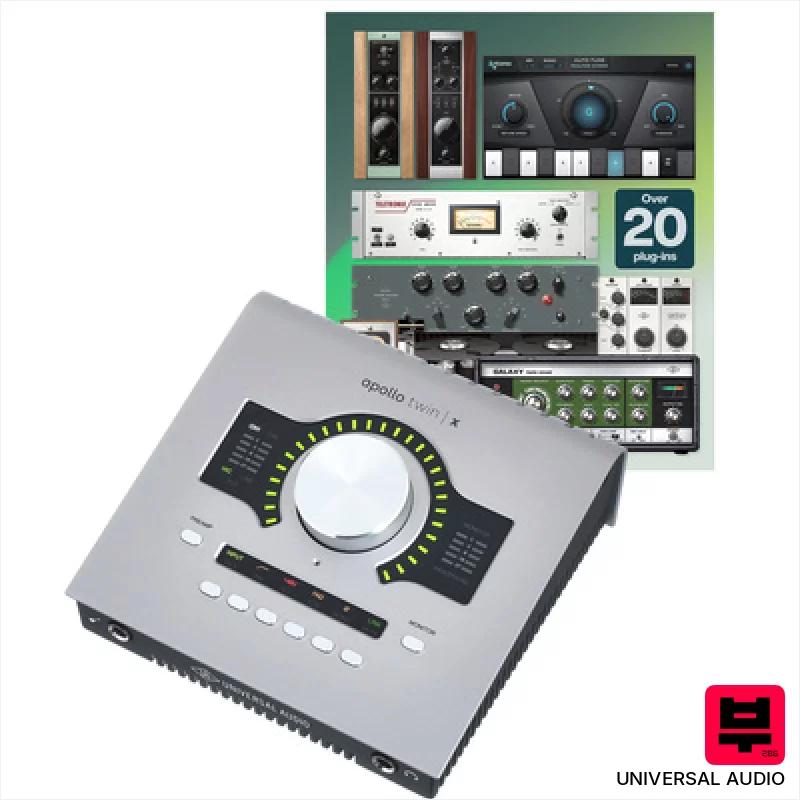
Universal Audio Apollo Twin X Quad Gen2 Ess+
- • Unison preamps authentically model classic UA mic pre designs.
- • Excellent AD/DA conversion delivers pristine, low-noise audio.
- • Integrated UAD processing unlocks a vast library of premium plugins.
- • Compact desktop design maximizes space without sacrificing performance.
- • Limited I/O compared to larger Apollo interfaces; may bottleneck complex setups.
- • Thunderbolt cable not included – another expense to consider.
- • Premium-priced, represents a significant investment for home studios.
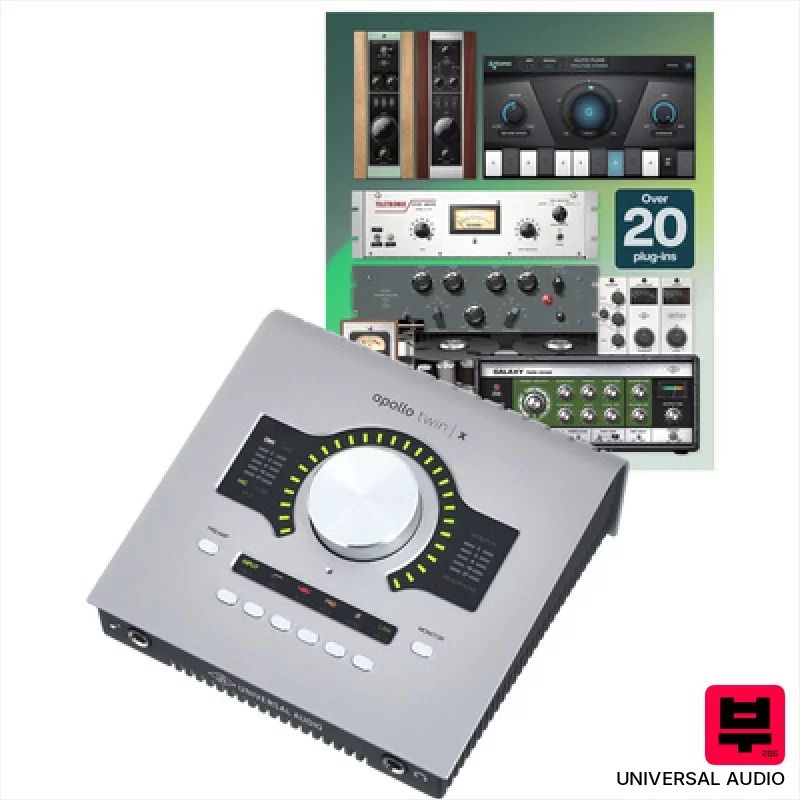
Universal Audio Apollo Twin X Duo Gen2 Ess+
- • Unison preamps authentically model classic UA hardware, a huge advantage.
- • Low-latency performance with UAD plugins is genuinely impressive and usable.
- • The Essentials+ bundle offers immediate value and a solid starting point.
- • Desktop form factor makes it exceptionally convenient for home studio setups.
- • Limited I/O compared to larger Apollo models restricts complex recording scenarios.
- • Thunderbolt cable not included feels like a cost-cutting measure at this price point.
- • The built-in talkback mic is serviceable, but not a primary vocal mic.
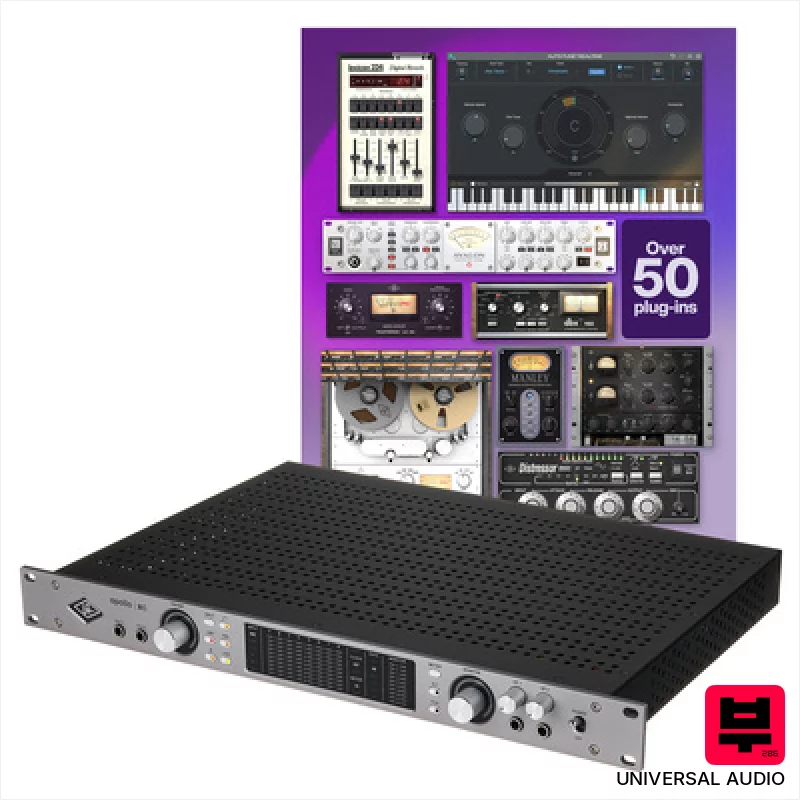
Universal Audio Apollo x6 Gen2 Studio+
- • Unison preamps authentically model classic console/mic preamp tones.
- • SHARC DSP offers incredible real-time processing power, minimizing latency.
- • Dual Crystal Clocking provides exceptionally clean, stable audio signals.
- • Built-in talkback simplifies recording vocal sessions with ease.
- • Premium-priced, represents a significant investment for many home studios.
- • Thunderbolt 2 adapter is an additional expense for older systems.
- • Limited physical I/O compared to larger Apollo models; may require expansion.
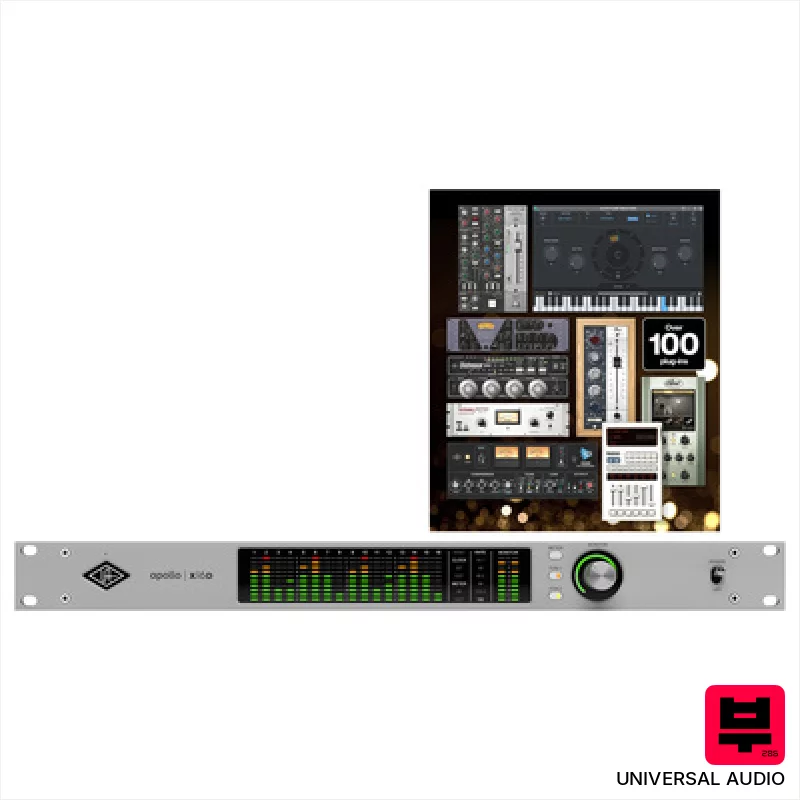
Universal Audio Apollo x16D Ultimate
- • Exceptional UAD DSP power for real-time processing and minimal latency.
- • Dante connectivity provides unparalleled flexibility for large studio setups.
- • Robust build quality with a solid, rack-mountable chassis and premium connectors.
- • Immersive audio capabilities offer a significant advantage for modern music production.
- • Premium-priced, representing a substantial investment for most home studios.
- • Thunderbolt 3 connectivity limits compatibility with older systems.
- • The sheer number of features can be overwhelming for less experienced users.
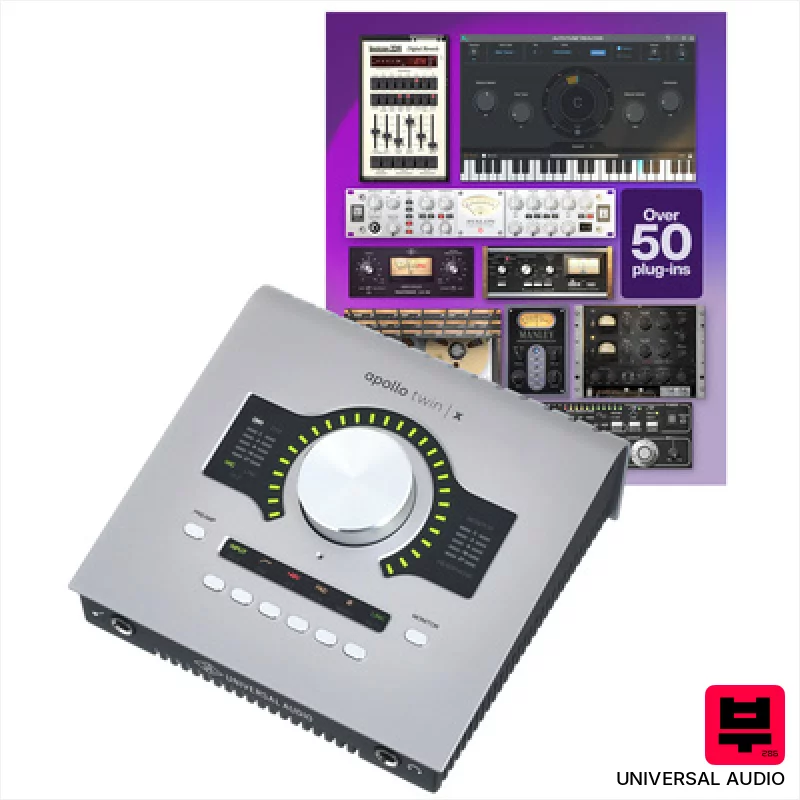
Universal Audio Apollo Twin X Quad Gen2 Stud+
- • Unison preamps authentically model classic UA mic preamps.
- • The included Studio+ plugin bundle offers substantial immediate value.
- • Thunderbolt 3 connectivity provides incredibly low latency performance.
- • Desktop design and compact footprint makes it ideal for smaller studios.
- • Price point places it firmly in the premium-priced category.
- • Limited number of inputs might restrict larger recording setups.
- • Thunderbolt cable is not included, adding to the overall investment.
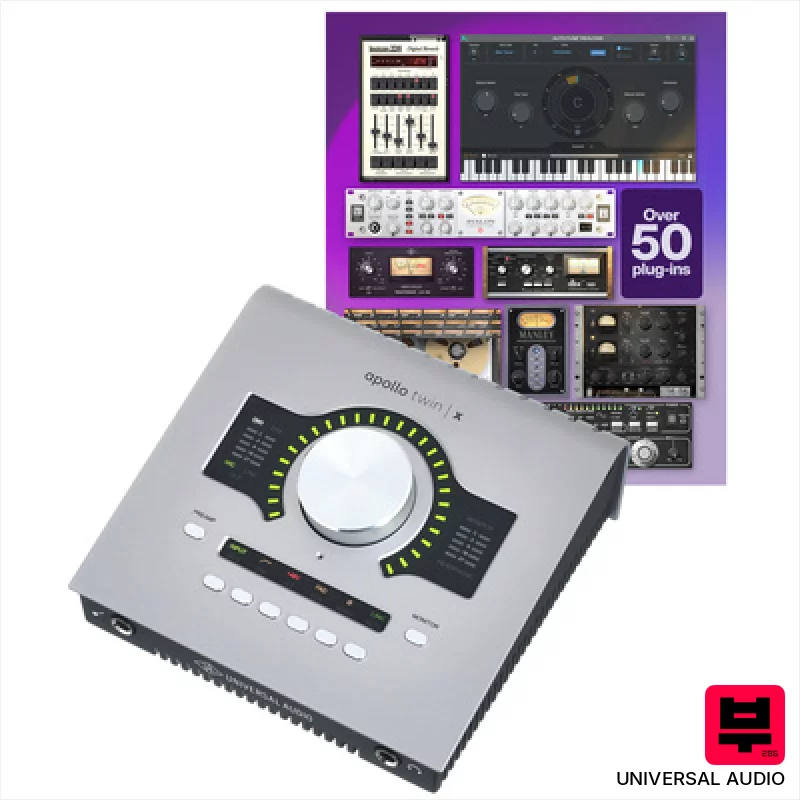
Universal Audio Apollo Twin X Duo Gen2 Studio+
- • Unison preamps authentically model classic UA hardware
- • Low-latency performance enables real-time UAD plugin use
- • Desktop design offers a surprisingly compact and professional footprint
- • Excellent AD/DA conversion delivers transparent, detailed audio
- • Thunderbolt cable not included – a frustrating omission at this price point
- • Limited input count can be restrictive for larger recording setups
- • Duo processor offers less processing power than higher-end Apollo models
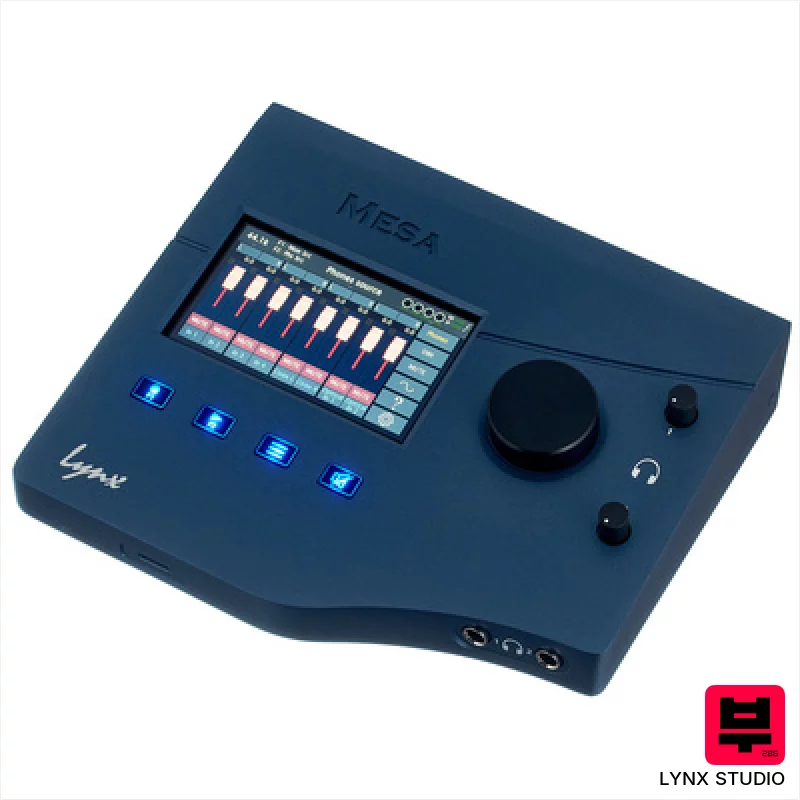
Lynx Studio Mesa TB3
- • Exceptional conversion clarity; truly transparent signal path.
- • SynchroLock 2 clocking minimizes jitter for pristine recordings.
- • Intuitive touchscreen simplifies complex routing and monitor setups.
- • Robust build quality; feels substantial and well-engineered.
- • Premium-priced; a significant investment for most home studios.
- • Physical size and weight limit portability; not ideal for travel.
- • Limited preamp gain range may require external preamps for some mics.
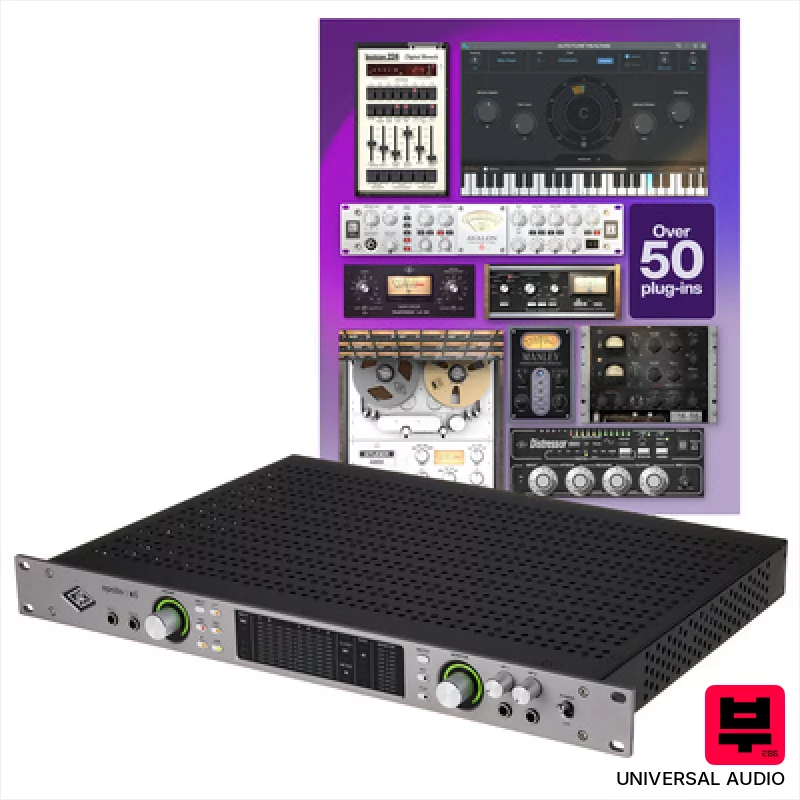
Universal Audio Apollo x8 Gen2 Studio+
- • Unison preamps authentically model classic analog gear
- • 6-core SHARC DSP enables near-zero latency UAD processing
- • Excellent build quality; feels rock solid on the rack
- • Dual crystal clocking provides exceptionally clean, stable audio
- • Premium-priced, a significant investment for most studios
- • Thunderbolt 2 adapter adds extra cost and potential compatibility issues
- • Limited physical I/O compared to some competing interfaces

Presonus Quantum 2626
- • Excellent preamps deliver clean, transparent gain for diverse sources
- • Rock-solid Thunderbolt 3 connectivity ensures ultra-low latency performance
- • Flexible I/O options (ADAT, S/PDIF, MIDI) expand routing possibilities
- • Studio One Artist and Magic Plug-In Suite offer immediate creative workflow
- • Rackmount format demands space; not ideal for desktop setups
- • Limited routing flexibility compared to higher-end interfaces
- • The included Studio One Artist is a good start, but may feel restrictive
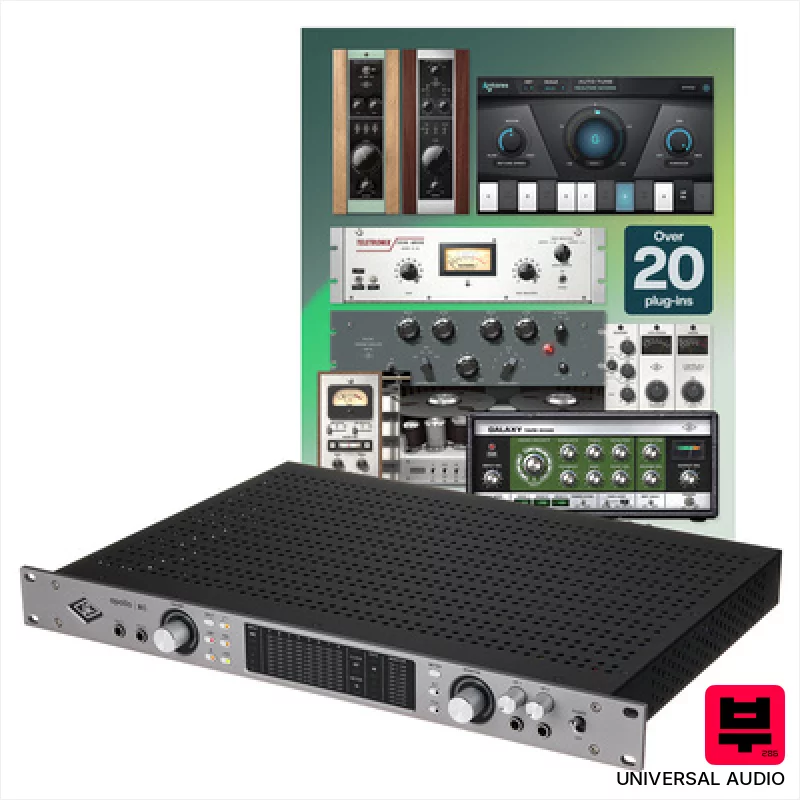
Universal Audio Apollo x6 Gen2 Essentials+
- • Unison preamps nail classic amp tones with incredible accuracy.
- • SHARC DSP enables real-time UAD processing, easing CPU load.
- • Dual Crystal Clocking provides exceptionally clean and stable audio.
- • Essentials+ bundle offers immediate, high-quality plugin functionality.
- • Premium-priced, making it a significant investment for smaller studios.
- • Thunderbolt 2 adapter adds extra cost and potential compatibility issues.
- • Limited physical I/O compared to larger Apollo interfaces.
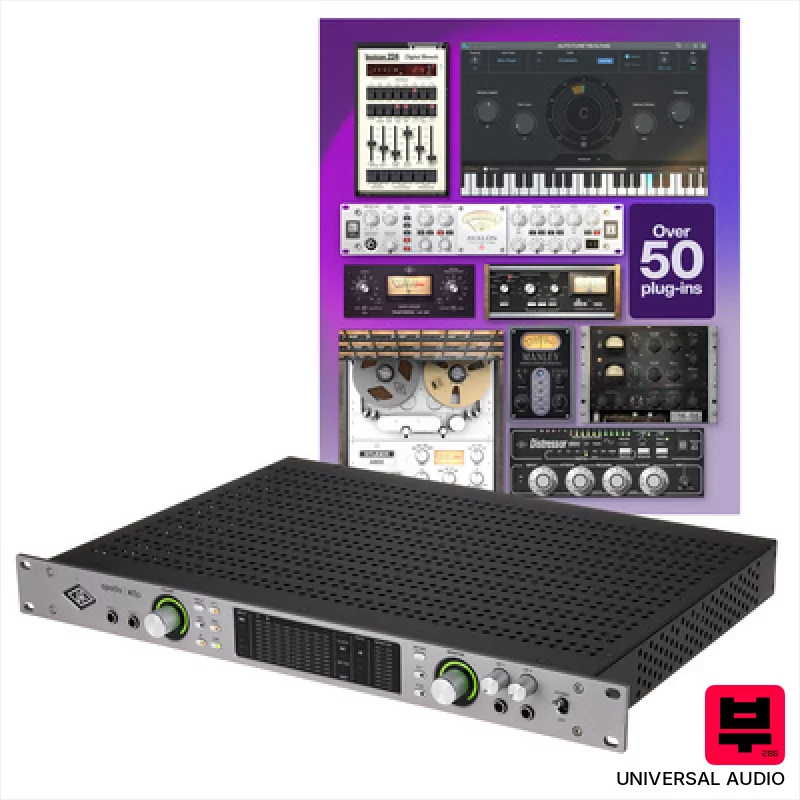
Universal Audio Apollo x8p Gen2 Studio+
- • Unison preamps authentically model classic amp circuits for superb tone.
- • 6-core SHARC DSP enables zero-latency UAD processing, a huge workflow boost.
- • Dual crystal clocking delivers exceptionally clean, low-jitter audio performance.
- • Comprehensive Studio+ plug-in bundle offers immediate, high-quality recording options.
- • Premium-priced, a significant investment for smaller studios or home recordists.
- • Thunderbolt 2 adapter is an extra expense for older systems.
- • Physical size (1U rackmount) might be restrictive for some setups.
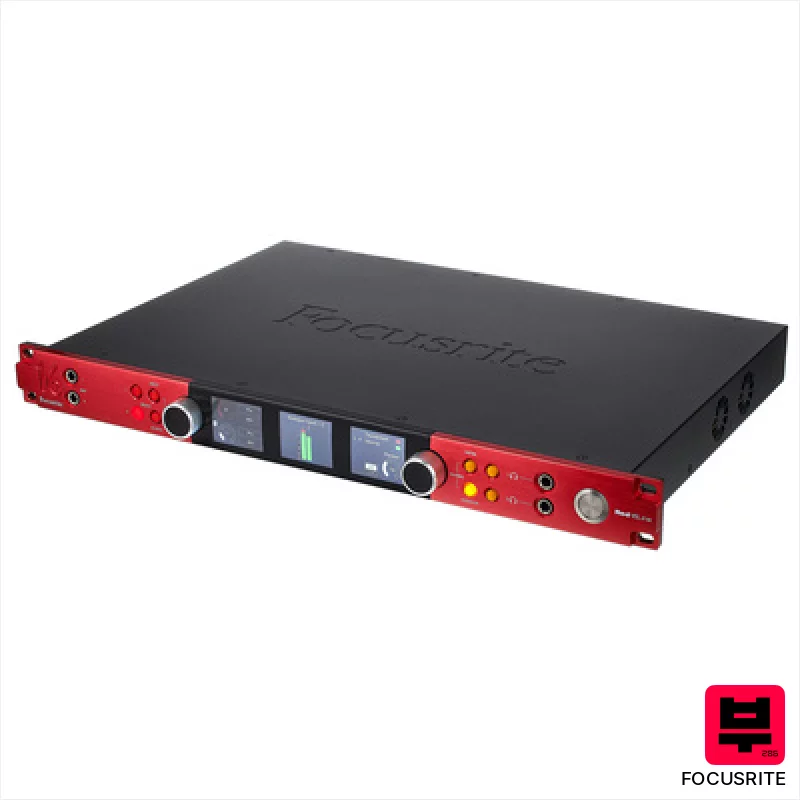
Focusrite Red 16 Line
- • Exceptional dynamic range (118dB AD, 121dB DA) delivers pristine clarity.
- • Red Evolution preamps offer clean gain with a characteristic Focusrite warmth.
- • Dante connectivity provides flexible network integration for complex setups.
- • Pro Tools HD connectors streamline workflows for Avid users.
- • Premium-priced, representing a significant investment for most studios.
- • Size and weight (5.04 kg) make it less portable; rackmount only.
- • Limited number of mic preamps (2) may restrict large-scale recording needs.
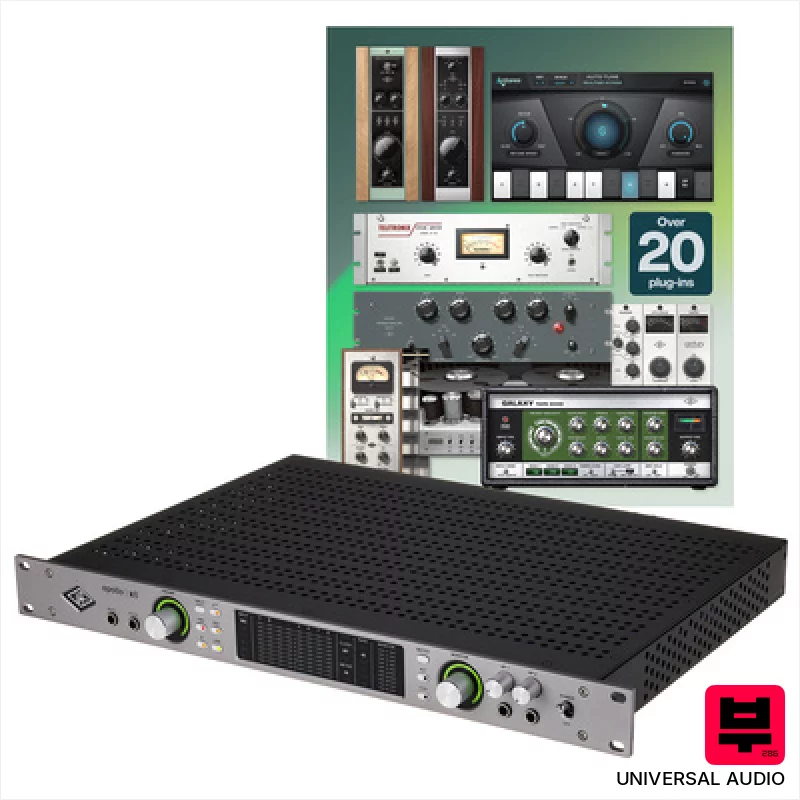
Universal Audio Apollo x8 Gen2 Essentials+
- • Unison preamps authentically model classic analog hardware
- • 6-core SHARC DSP enables near-zero latency UAD processing
- • Dual Crystal Clocking minimizes jitter for pristine recordings
- • Robust 19” 1U rackmount chassis feels exceptionally well-built
- • Premium-priced, a significant investment for most home studios
- • Thunderbolt 2 adapter adds cost and potential compatibility issues
- • Limited expandability beyond four Apollos in a chain

Universal Audio Apollo Solo TB3 Heritage Ed.
- • Heritage Edition finish exudes a premium, classic studio aesthetic
- • Unison technology realistically emulates vintage amp circuits
- • SHARC DSP offloads processing, preserving CPU resources for your DAW
- • Excellent preamps offer clean gain with a pleasing, musical character
- • Requires Thunderbolt 3, limiting compatibility with older systems
- • Limited input/output count restricts complex routing scenarios
- • The single headphone output can be inconvenient for collaborative sessions
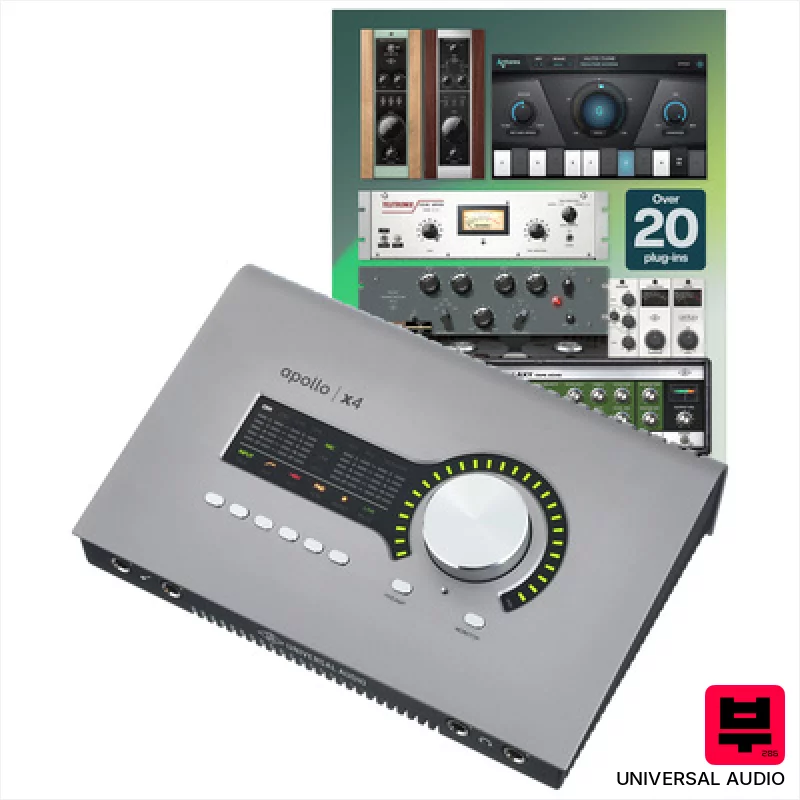
Universal Audio Apollo X4 Gen2 Essentials+
- • Unison preamps authentically model classic analog gear
- • Excellent AD/DA conversion delivers pristine, transparent audio
- • Built-in talkback simplifies recording sessions significantly
- • Thunderbolt 3 connectivity provides rock-solid, low-latency performance
- • Premium-priced, a significant investment for home studios
- • Desktop design may not suit all studio setups, limited portability
- • Plugin bundle, while substantial, requires learning curve.
How to Choose the Best Thunderbolt Audio Interfaces
Clock Jitter
This is the biggest culprit in latency headaches. Lower jitter means more stable timing, allowing you to run lower buffer sizes without audible clicks and pops. It's not always listed, but it's the key. A jittery clock will ruin your day, no matter how fast the Thunderbolt port is.
Driver Stability
A fast interface is useless with flaky drivers. We're looking for rock-solid performance across different DAWs and operating systems - no random crashes or dropouts during a crucial take.
Preamp Quality & Headroom
Low latency doesn't excuse weak preamps. You need clean headroom for dynamic performances and a pleasing tonal character to capture the nuances of your instruments. A preamp that introduces noise or distorts prematurely will kill your signal, regardless of how fast your latency is.
Connectivity & Routing
Beyond just mic preamps, consider the I/O options. Multiple outputs for sending signals to different monitors or amps, ADAT expansion for more channels - these become crucial as your setup grows. Flexible routing is a massive time saver in complex recording scenarios.
DSP Processing
Some interfaces offer onboard DSP like EQ, compression, and reverb. While it can lighten the load on your computer's CPU (and thus potentially reduce latency), poorly implemented DSP can introduce its own sonic artifacts. It's a bonus, not a necessity, and quality varies wildly.
Buying Guide
Don't get blinded by marketing buzzwords. Thunderbolt interfaces can be expensive, and you're paying for stability and performance, not just features. Cheaper Thunderbolt interfaces often cut corners on clocking and driver development - that's where you'll feel the latency issues creeping back in. If you're gigging, reliability is paramount; a sudden interface crash mid-show is a career-ender. Prioritize a proven brand with a solid reputation for driver support.
Our Methodology
We're not just looking at spec sheets here. We've spent countless hours tracking guitars, synths, and drums through each interface, dialing in various buffer sizes, and A/B'ing against other interfaces in both tracking and monitoring situations. Our focus is on real-world performance - how these boxes actually sound and feel when you're in the trenches, whether it's a packed club or a bedroom studio.

