
Best Thunderbolt Audio Interfaces for Mobile Recording 2026
So, you're chasing that elusive vibe - recording a killer blues jam in a dusty bar, laying down a drum track in a rehearsal space, or capturing a singer's raw emotion under a bridge. Thunderbolt interfaces are the key to unlocking that mobile recording dream, letting you ditch the latency and noise of a laptop's built-in audio. But not all Thunderbolt interfaces are created equal when you're hauling gear and demanding serious performance on the go. Let's break down what you really need.
Last updated: July 22, 2026 • Next update: July 29, 2026

Universal Audio Apollo x16 Gen2 Essentials+
- • Exceptional UAD DSP power for real-time processing, minimizing latency.
- • Crystal clocking provides remarkably clean, low-jitter audio reproduction.
- • Robust 19” rackmount design, built to withstand studio environments.
- • Essentials+ bundle offers immediate creative utility and value.
- • High-end price point makes it a significant investment for smaller studios.
- • Sub-D25 connector is becoming increasingly less common and can be a hassle.
- • Thunderbolt 2 adapter is required for older systems, adding to the cost.
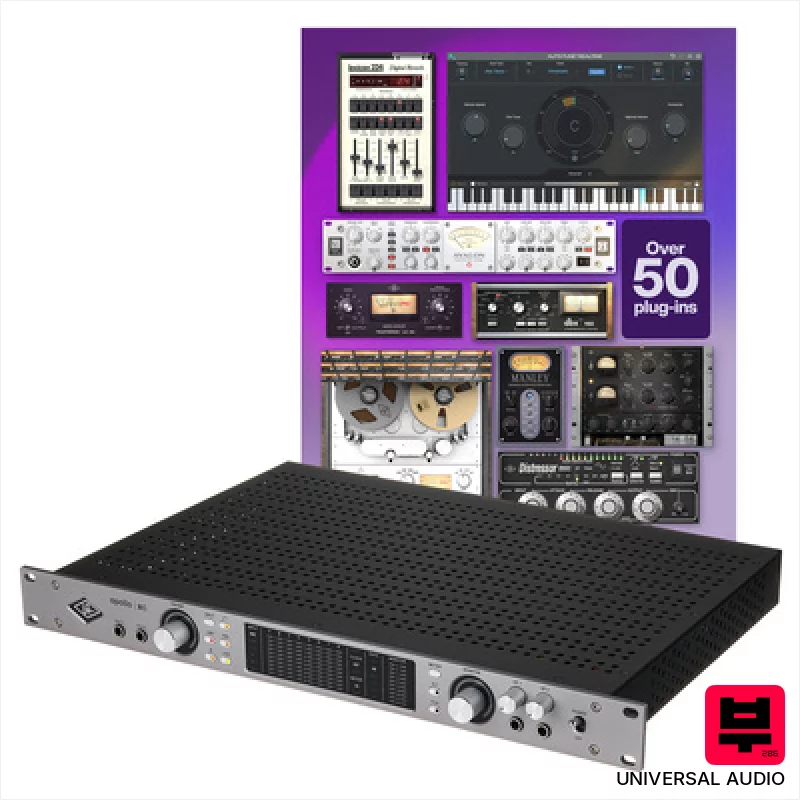
Universal Audio Apollo x6 Gen2 Studio+
- • Unison preamps authentically model classic console/mic preamp tones.
- • SHARC DSP offers incredible real-time processing power, minimizing latency.
- • Dual Crystal Clocking provides exceptionally clean, stable audio signals.
- • Built-in talkback simplifies recording vocal sessions with ease.
- • Premium-priced, represents a significant investment for many home studios.
- • Thunderbolt 2 adapter is an additional expense for older systems.
- • Limited physical I/O compared to larger Apollo models; may require expansion.
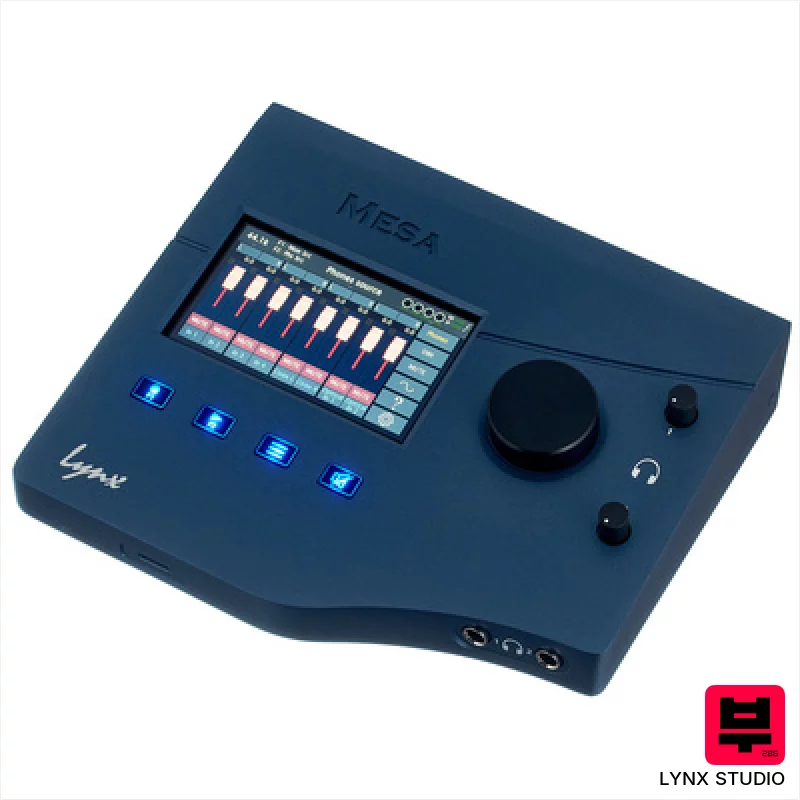
Lynx Studio Mesa TB3
- • Exceptional conversion clarity; truly transparent signal path.
- • SynchroLock 2 clocking minimizes jitter for pristine recordings.
- • Intuitive touchscreen simplifies complex routing and monitor setups.
- • Robust build quality; feels substantial and well-engineered.
- • Premium-priced; a significant investment for most home studios.
- • Physical size and weight limit portability; not ideal for travel.
- • Limited preamp gain range may require external preamps for some mics.
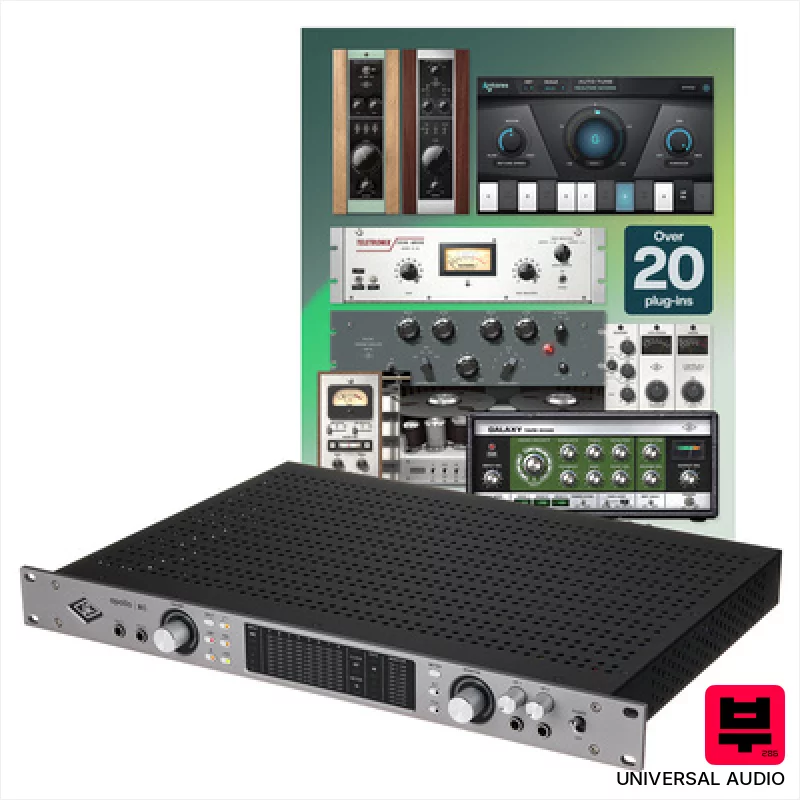
Universal Audio Apollo x6 Gen2 Essentials+
- • Unison preamps nail classic amp tones with incredible accuracy.
- • SHARC DSP enables real-time UAD processing, easing CPU load.
- • Dual Crystal Clocking provides exceptionally clean and stable audio.
- • Essentials+ bundle offers immediate, high-quality plugin functionality.
- • Premium-priced, making it a significant investment for smaller studios.
- • Thunderbolt 2 adapter adds extra cost and potential compatibility issues.
- • Limited physical I/O compared to larger Apollo interfaces.
Universal Audio Apollo x16D Essentials
- • Exceptional SHARC DSP enables powerful, real-time UAD processing.
- • Dante connectivity vastly expands routing and flexibility options.
- • Robust build quality with a solid 1U rack chassis and reliable connectors.
- • Immersive audio mixing capabilities are genuinely impressive and production-ready.
- • Premium-priced, represents a significant investment for smaller studios.
- • Thunderbolt 3 dependency limits compatibility with older systems.
- • The sheer number of features can be overwhelming for novice users.
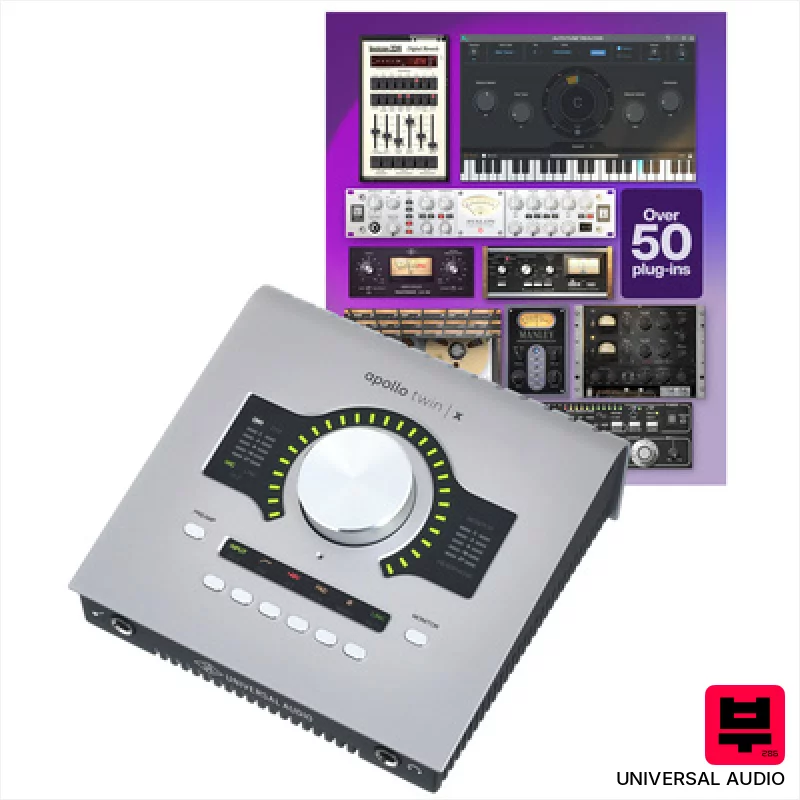
Universal Audio Apollo Twin X Quad Gen2 Stud+
- • Unison preamps authentically model classic UA mic preamps.
- • The included Studio+ plugin bundle offers substantial immediate value.
- • Thunderbolt 3 connectivity provides incredibly low latency performance.
- • Desktop design and compact footprint makes it ideal for smaller studios.
- • Price point places it firmly in the premium-priced category.
- • Limited number of inputs might restrict larger recording setups.
- • Thunderbolt cable is not included, adding to the overall investment.
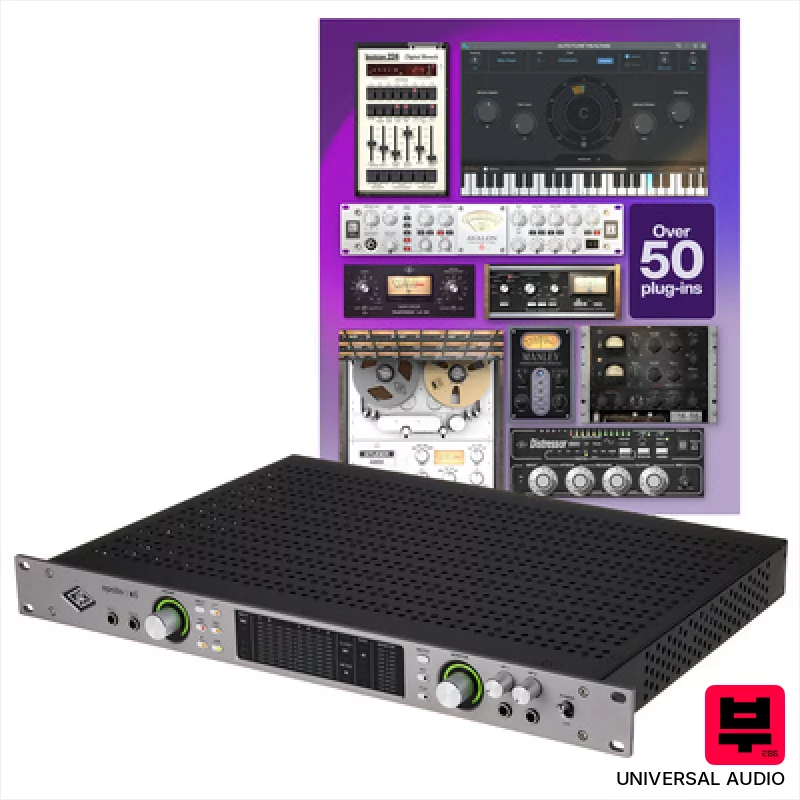
Universal Audio Apollo x8 Gen2 Studio+
- • Unison preamps authentically model classic analog gear
- • 6-core SHARC DSP enables near-zero latency UAD processing
- • Excellent build quality; feels rock solid on the rack
- • Dual crystal clocking provides exceptionally clean, stable audio
- • Premium-priced, a significant investment for most studios
- • Thunderbolt 2 adapter adds extra cost and potential compatibility issues
- • Limited physical I/O compared to some competing interfaces
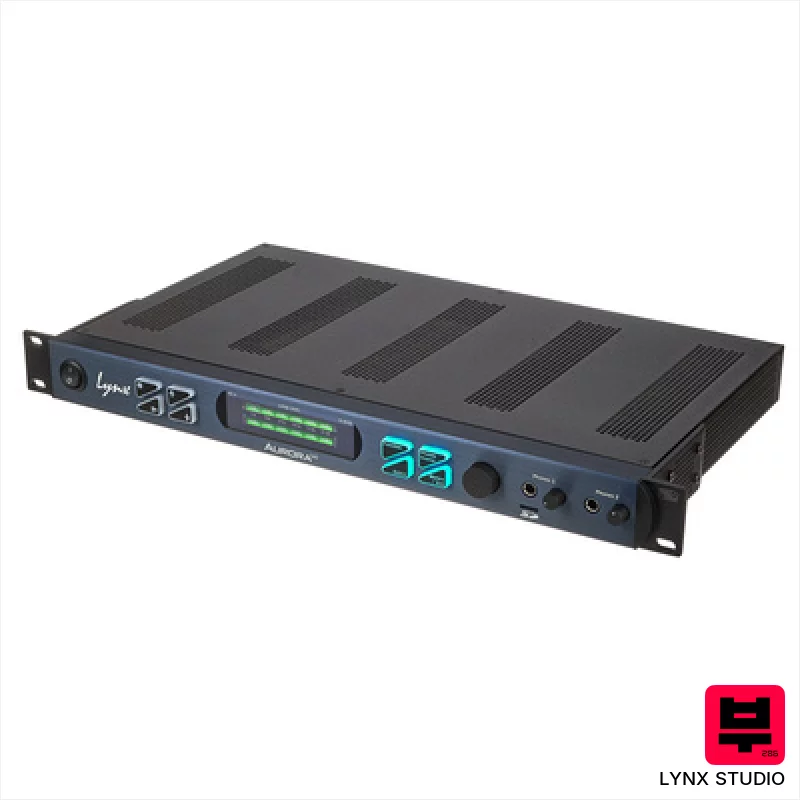
Lynx Studio Aurora(n) 24 TB3
- • Unmatched AD/DA conversion delivers exceptional clarity and detail.
- • Lynx SynchroLock 2 ensures rock-solid clocking, crucial for complex setups.
- • Robust, road-ready chassis inspires confidence for studio or location work.
- • NControl software provides intuitive, comprehensive remote control.
- • The Sub-D25 connector is archaic and limits cable options.
- • Premium-priced, representing a significant investment for most studios.
- • Limited preamp options necessitate external mic preamps for optimal results.
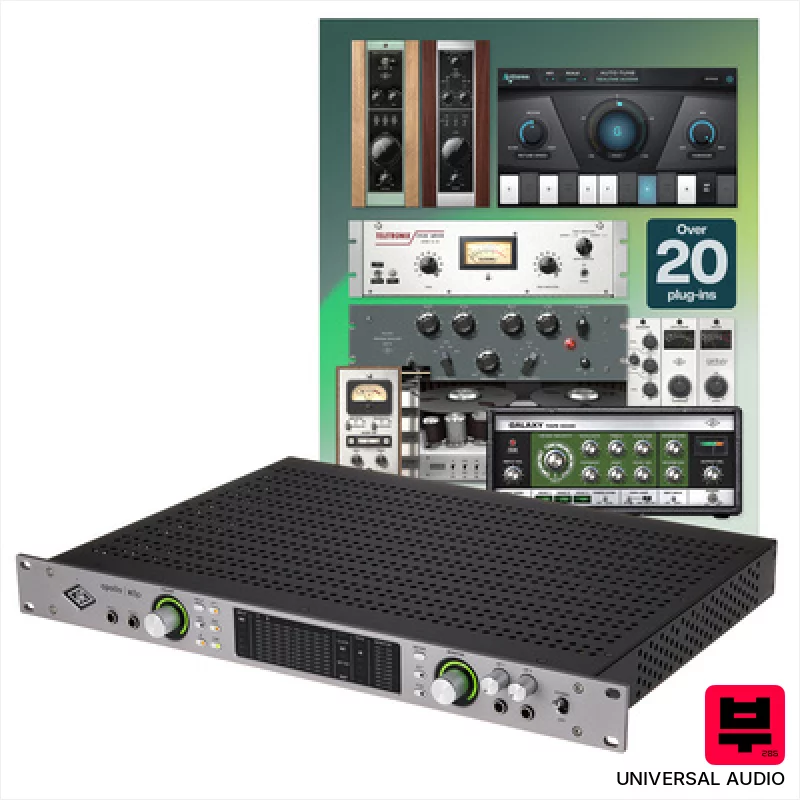
Universal Audio Apollo x8p Gen2 Essentials+
- • Unison preamps authentically model classic amp sounds and circuits.
- • SHARC DSP provides near-zero latency UAD processing for real-time effects.
- • Dual Crystal Clocking delivers exceptionally clean audio with pristine stereo imaging.
- • Essentials+ bundle offers immediate value with high-quality UAD plugins.
- • Premium-priced, representing a significant investment for home studios.
- • Thunderbolt 2 adapter is an additional expense for older systems.
- • The physical footprint (1U) might pose challenges in smaller, space-constrained setups.
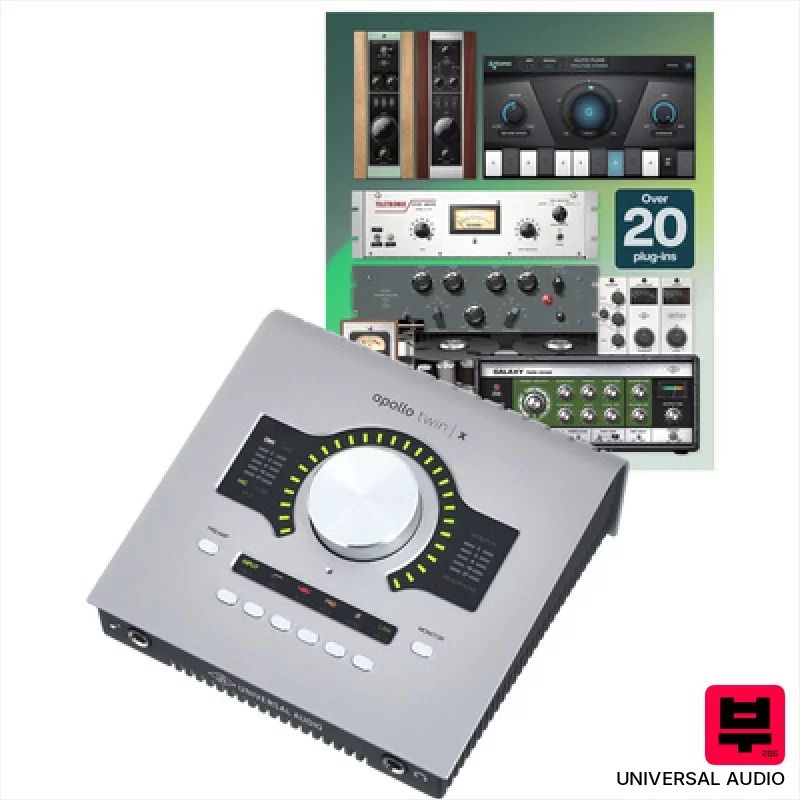
Universal Audio Apollo Twin X Duo Gen2 Ess+
- • Unison preamps authentically model classic UA hardware, a huge advantage.
- • Low-latency performance with UAD plugins is genuinely impressive and usable.
- • The Essentials+ bundle offers immediate value and a solid starting point.
- • Desktop form factor makes it exceptionally convenient for home studio setups.
- • Limited I/O compared to larger Apollo models restricts complex recording scenarios.
- • Thunderbolt cable not included feels like a cost-cutting measure at this price point.
- • The built-in talkback mic is serviceable, but not a primary vocal mic.
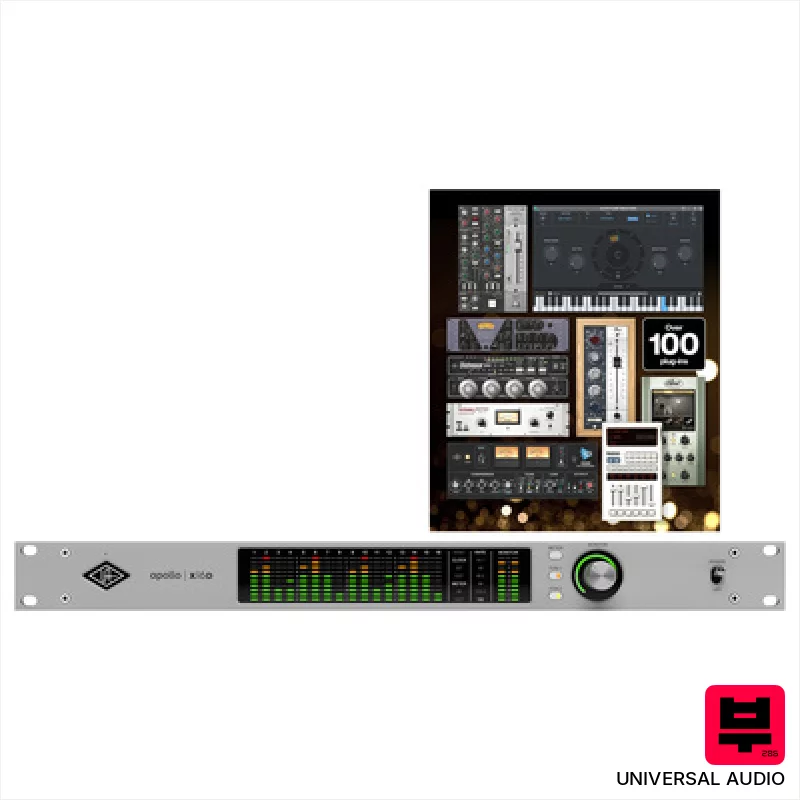
Universal Audio Apollo x16D Ultimate
- • Exceptional UAD DSP power for real-time processing and minimal latency.
- • Dante connectivity provides unparalleled flexibility for large studio setups.
- • Robust build quality with a solid, rack-mountable chassis and premium connectors.
- • Immersive audio capabilities offer a significant advantage for modern music production.
- • Premium-priced, representing a substantial investment for most home studios.
- • Thunderbolt 3 connectivity limits compatibility with older systems.
- • The sheer number of features can be overwhelming for less experienced users.
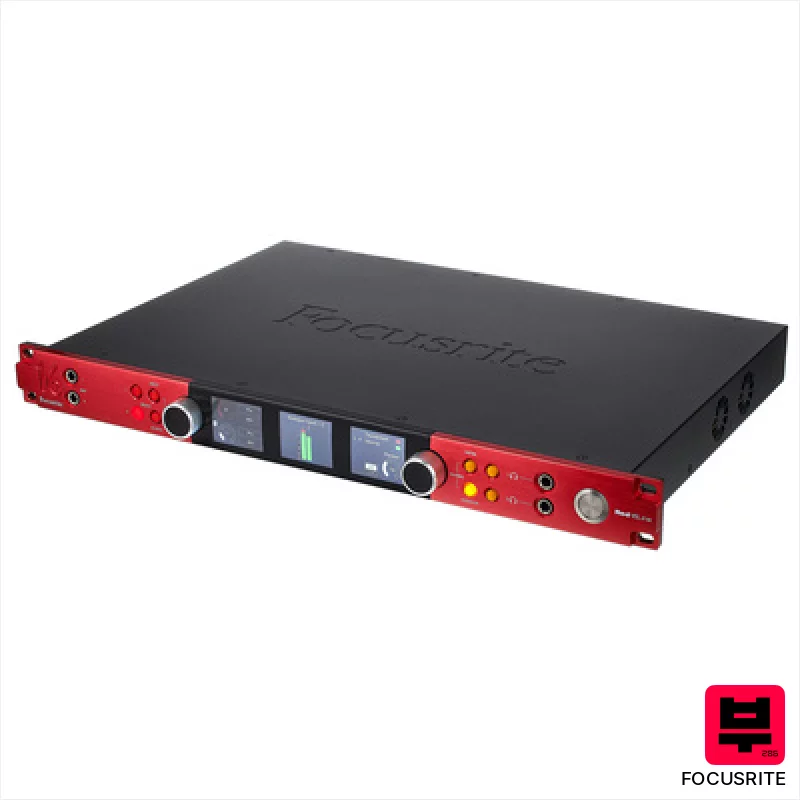
Focusrite Red 16 Line
- • Exceptional dynamic range (118dB AD, 121dB DA) delivers pristine clarity.
- • Red Evolution preamps offer clean gain with a characteristic Focusrite warmth.
- • Dante connectivity provides flexible network integration for complex setups.
- • Pro Tools HD connectors streamline workflows for Avid users.
- • Premium-priced, representing a significant investment for most studios.
- • Size and weight (5.04 kg) make it less portable; rackmount only.
- • Limited number of mic preamps (2) may restrict large-scale recording needs.

Antelope Orion Studio Synergy Core
- • Exceptional preamp clarity with Antelope's signature warmth and detail
- • Synergy Core processing offers incredible real-time effect possibilities
- • Robust build quality with discrete components and reliable connectivity
- • Comprehensive I/O options cater to complex recording setups
- • Premium-priced, making it a significant investment for most studios
- • Thunderbolt 3 dependency limits compatibility with older systems
- • Synergy Core effects, while powerful, require a learning curve
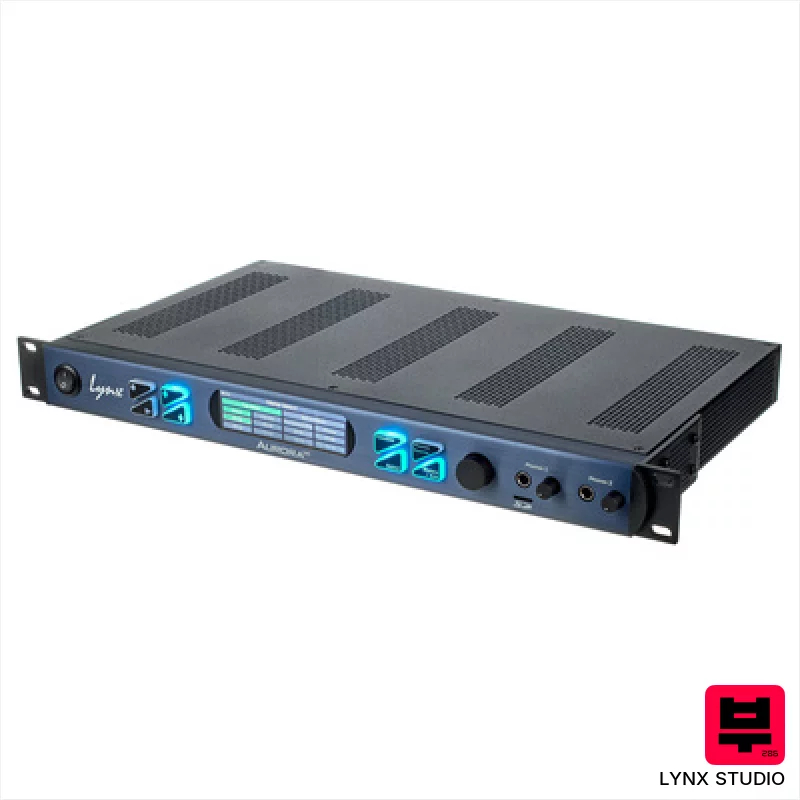
Lynx Studio Aurora(n) 16 TB3
- • Robust Sub-D25 connectivity offers reliable, professional I/O.
- • Lynx SynchroLock-2 ensures rock-solid clocking, critical for complex setups.
- • nControl software provides comprehensive remote control and routing flexibility.
- • Onboard microSD recorder enables convenient direct recording and playback.
- • The Sub-D25 connector can be a limiting factor for modern workflows.
- • Premium-priced, representing a significant investment for most studios.
- • Reinforced chassis, while roadworthy, adds considerable weight.
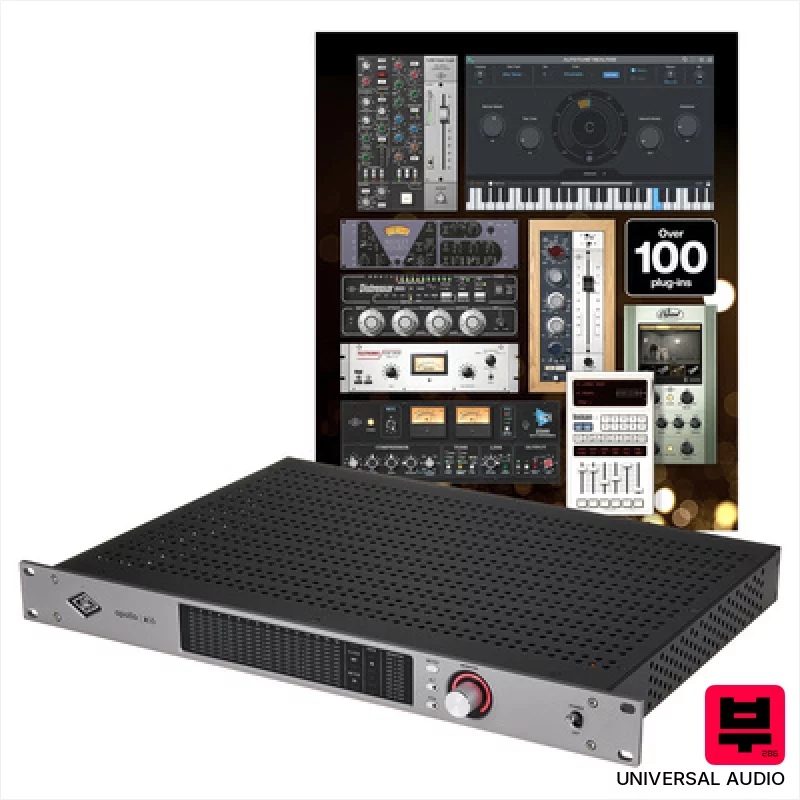
Universal Audio Apollo x16 Gen2 Ultimate+
- • Exceptional SHARC DSP offers real-time UAD processing power for complex workflows.
- • Dual Crystal Clocking drastically reduces jitter, improving stereo imaging clarity.
- • The Sub-D25 connector simplifies massive I/O routing and patching.
- • Ultimate+ bundle provides immediate, high-quality processing options for recording.
- • Premium-priced, making it a significant investment for smaller studios.
- • The Sub-D25 connector can be a hurdle for users unfamiliar with its format.
- • Cascading multiple Apollos adds complexity and requires careful Thunderbolt management.
How to Choose the Best Thunderbolt Audio Interfaces
Preamps
Forget 'clean' - we want preamps with character. A little grit can add warmth to vocals or punch to a bass DI, but too much noise is a dealbreaker. The Apogee Symphony I/O series has a reputation for that 'expensive' sonic sheen, while Focusrite's Clarett+ range offers a more neutral, transparent sound, great for capturing what's actually there.
Low Latency
This is non-negotiable for mobile recording. You need to hear what you're playing in real time, especially when tracking with a band or monitoring through headphones. Thunderbolt's speed is your friend here, but driver stability and buffer settings are equally crucial. Anything over 10ms roundtrip latency is noticeable and frustrating.
Portability & Build Quality
You're carrying this thing around. A flimsy plastic chassis isn't going to cut it. Road-worthy build quality, compact size (without sacrificing too many I/O), and decent power supply are essential. The Universal Audio Volt series strikes a nice balance between portability and durability, but be aware of its limited I/O.
Connectivity & Routing
Mobile recording often means improvising. Multiple mic preamps, line inputs/outputs, MIDI I/O, and flexible routing options give you the ability to adapt to any situation - recording a full band, patching synths, or sending monitor mixes. Interfaces like the RME Babyface Pro FS offer incredible routing flexibility in a small package.
Driver Stability
A beautiful interface is useless if it crashes constantly. Driver stability is paramount, especially when you're relying on it for critical recordings. RME consistently wins in this category, but Universal Audio and Apogee have also made significant improvements in recent years. Read user reviews carefully - particularly about your specific operating system.
Buying Guide
Don't fall for the hype. Thunderbolt interfaces can get expensive fast, and a lot of the price is marketing. Prioritize low latency and stable drivers over a boatload of features you won't use. Cheaper interfaces often cut corners on preamp quality and build, which translates to more noise and less reliability on stage. Spend your money on the things that actually impact your sound and workflow - preamps, converters, and a solid build.
Our Methodology
We're not just looking at spec sheets here. We've spent countless hours putting these interfaces through their paces - tracking drums in basements, recording acoustic guitars in living rooms, and even running live rigs to see how they handle real-world pressure. Our evaluations are based on subjective listening tests, A/B comparisons against industry standards, and frankly, whether the interface can survive a gigging musician's lifestyle.

