
Best Thunderbolt Audio Interfaces for Intermediate 2026
So, you're past the USB 2.0 interface stage and ready to unlock some serious recording potential - welcome to the Thunderbolt club. It's a jump, but a worthwhile one if you're serious about capturing a nuanced performance, tracking multiple mics for drums, or just wanting that pristine, low-latency feel. This isn't about chasing the absolute top-tier, though; we're focusing on interfaces that give you pro-level performance without drowning you in complexity or emptying your bank account.
Last updated: September 28, 2026
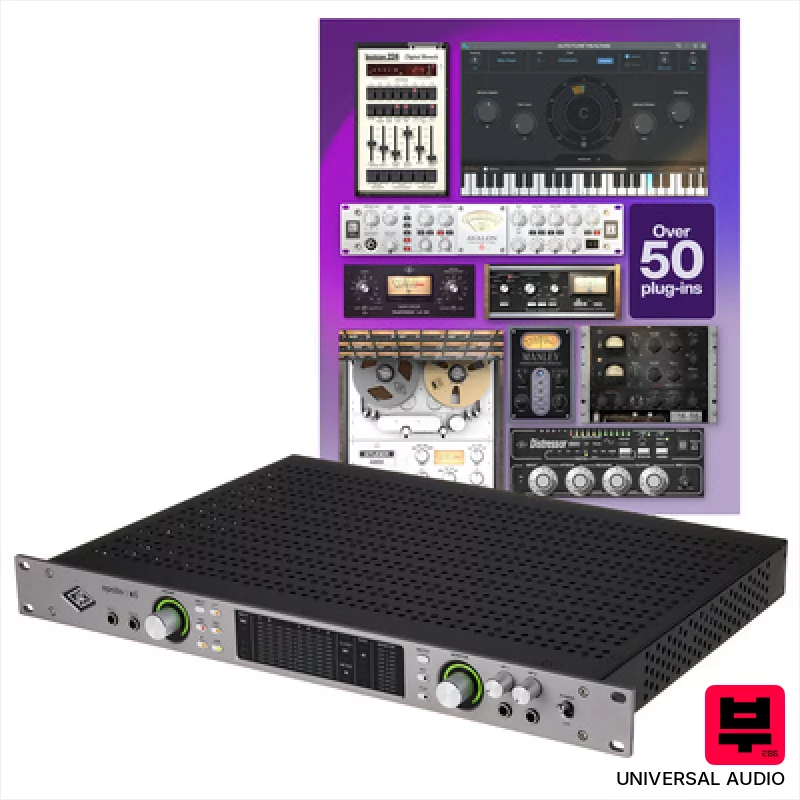
Universal Audio Apollo x8 Gen2 Studio+
- • Unison preamps authentically model classic analog gear
- • 6-core SHARC DSP enables near-zero latency UAD processing
- • Excellent build quality; feels rock solid on the rack
- • Dual crystal clocking provides exceptionally clean, stable audio
- • Premium-priced, a significant investment for most studios
- • Thunderbolt 2 adapter adds extra cost and potential compatibility issues
- • Limited physical I/O compared to some competing interfaces
Universal Audio Apollo x16D Essentials
- • Exceptional SHARC DSP enables powerful, real-time UAD processing.
- • Dante connectivity vastly expands routing and flexibility options.
- • Robust build quality with a solid 1U rack chassis and reliable connectors.
- • Immersive audio mixing capabilities are genuinely impressive and production-ready.
- • Premium-priced, represents a significant investment for smaller studios.
- • Thunderbolt 3 dependency limits compatibility with older systems.
- • The sheer number of features can be overwhelming for novice users.
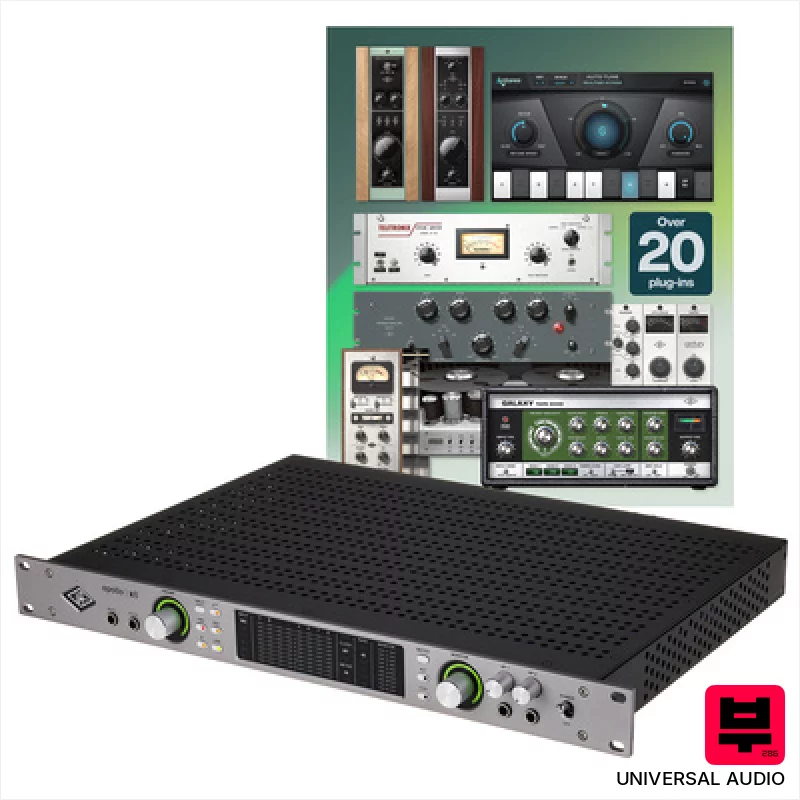
Universal Audio Apollo x8 Gen2 Essentials+
- • Unison preamps authentically model classic analog hardware
- • 6-core SHARC DSP enables near-zero latency UAD processing
- • Dual Crystal Clocking minimizes jitter for pristine recordings
- • Robust 19” 1U rackmount chassis feels exceptionally well-built
- • Premium-priced, a significant investment for most home studios
- • Thunderbolt 2 adapter adds cost and potential compatibility issues
- • Limited expandability beyond four Apollos in a chain
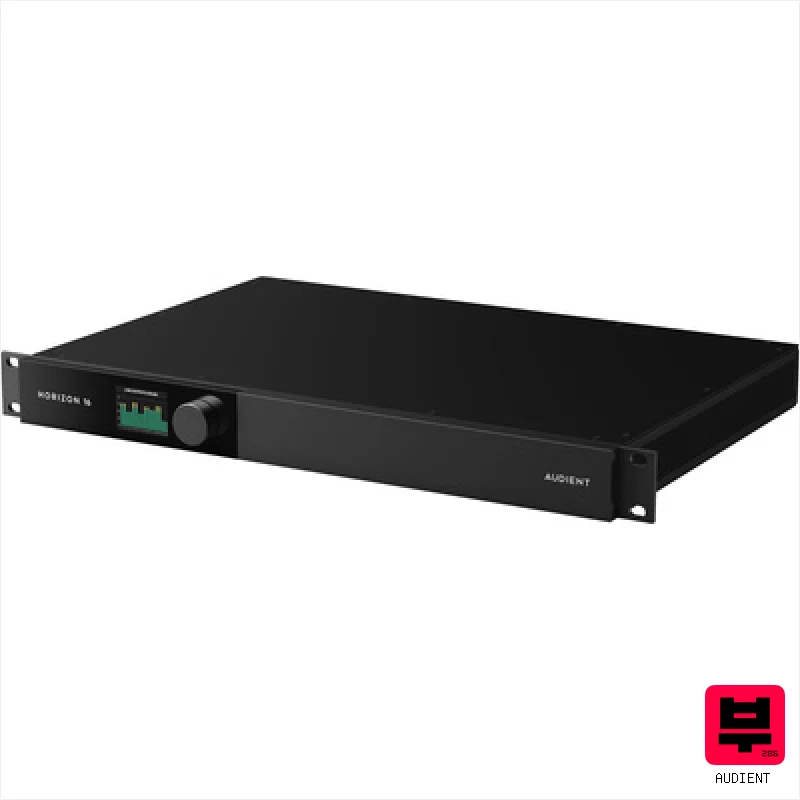
Audient Horizon 16
- • 34 total inputs and outputs for huge mixing needs
- • Dedicated stereo mix bus records the final master directly
- • 32-bit conversion up to 192 kHz for studio quality
- • Cascadable up to 4 units for massive system capacity
- • Heavy 1U rack unit may be tough to move
- • No dedicated preamp gain control knobs listed
- • Lacks USB connectivity requiring Thunderbolt 3 only
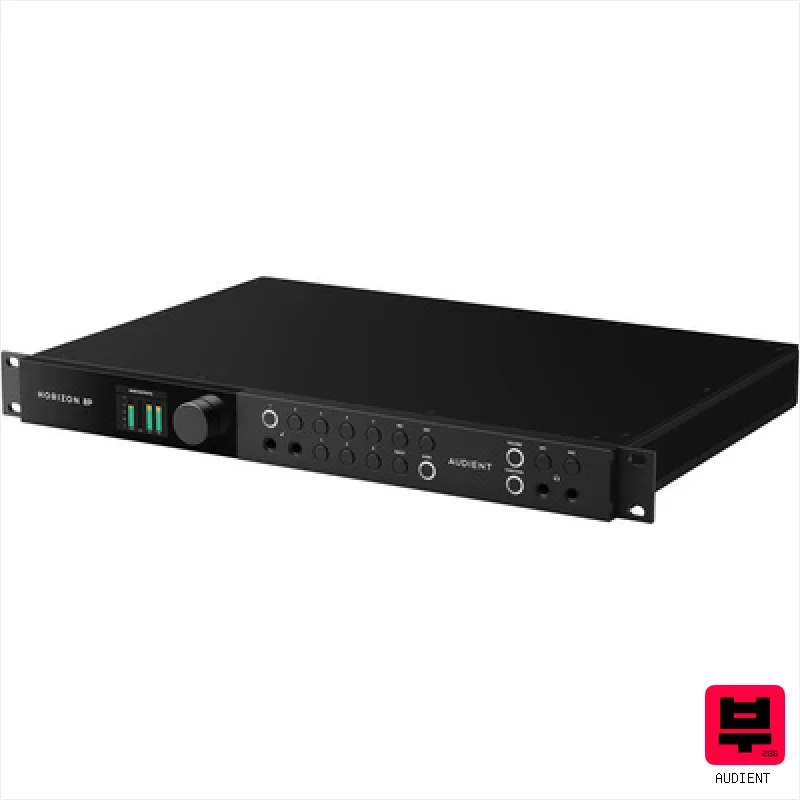
Audient Horizon 8P
- • Eight console-grade preamps with SmartGain technology for instant clarity
- • Supports up to 200 inputs and outputs in a cascaded system
- • Three variable impedance settings for perfect microphone matching
- • High dynamic range of 133 dB ensures clean recording levels
- • No specific weight or size details provided in the description
- • Lacks built-in mixing console with faders or physical knobs
- • Requires Thunderbolt 3 connection which adds complexity to setup

Antelope Orion Studio Synergy Core
- • Exceptional preamp clarity with Antelope's signature warmth and detail
- • Synergy Core processing offers incredible real-time effect possibilities
- • Robust build quality with discrete components and reliable connectivity
- • Comprehensive I/O options cater to complex recording setups
- • Premium-priced, making it a significant investment for most studios
- • Thunderbolt 3 dependency limits compatibility with older systems
- • Synergy Core effects, while powerful, require a learning curve
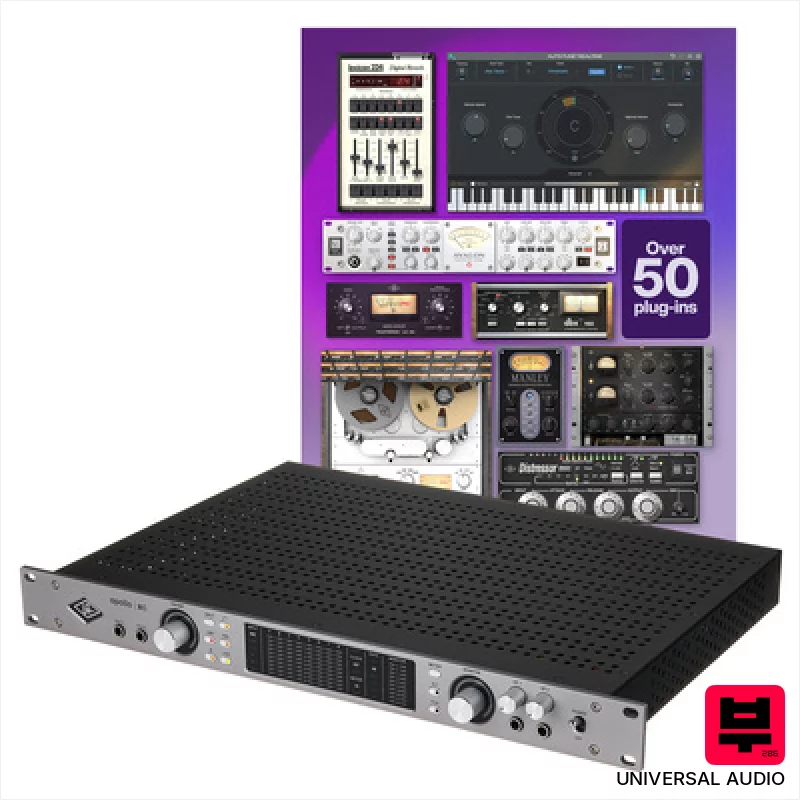
Universal Audio Apollo x6 Gen2 Studio+
- • Unison preamps authentically model classic console/mic preamp tones.
- • SHARC DSP offers incredible real-time processing power, minimizing latency.
- • Dual Crystal Clocking provides exceptionally clean, stable audio signals.
- • Built-in talkback simplifies recording vocal sessions with ease.
- • Premium-priced, represents a significant investment for many home studios.
- • Thunderbolt 2 adapter is an additional expense for older systems.
- • Limited physical I/O compared to larger Apollo models; may require expansion.
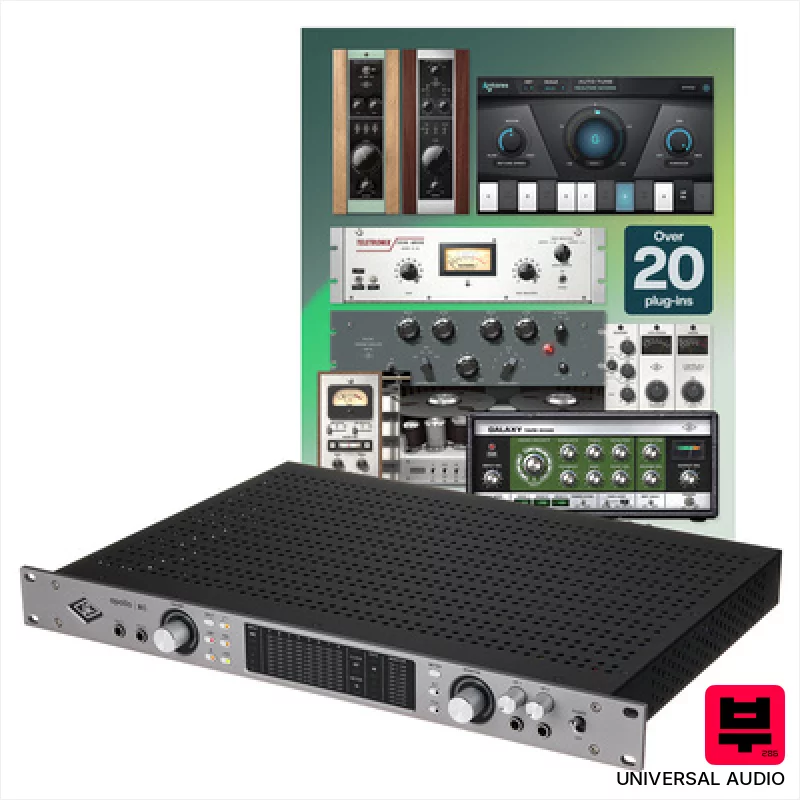
Universal Audio Apollo x6 Gen2 Essentials+
- • Unison preamps nail classic amp tones with incredible accuracy.
- • SHARC DSP enables real-time UAD processing, easing CPU load.
- • Dual Crystal Clocking provides exceptionally clean and stable audio.
- • Essentials+ bundle offers immediate, high-quality plugin functionality.
- • Premium-priced, making it a significant investment for smaller studios.
- • Thunderbolt 2 adapter adds extra cost and potential compatibility issues.
- • Limited physical I/O compared to larger Apollo interfaces.
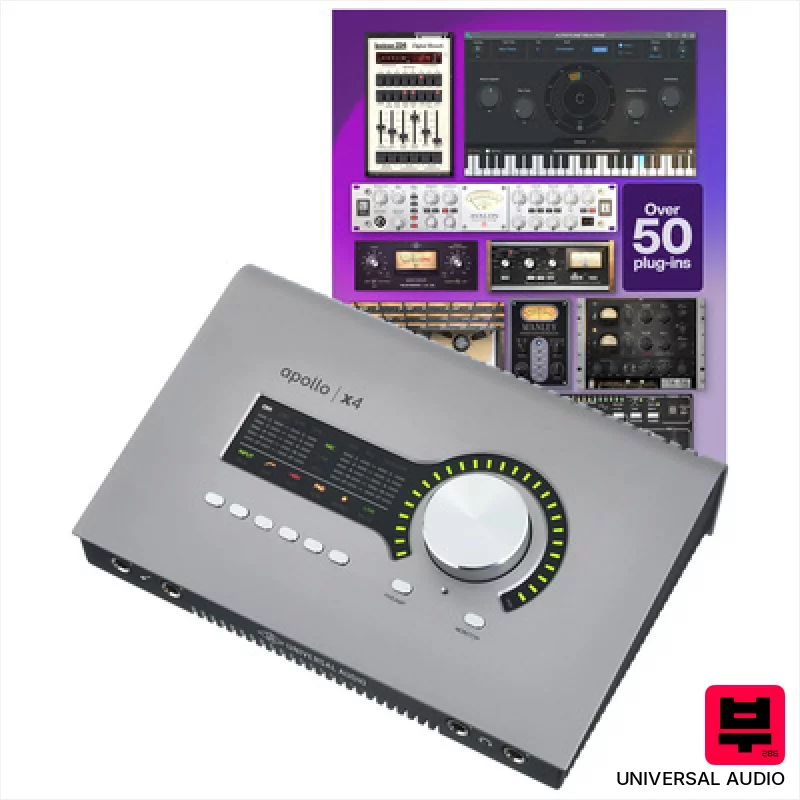
Universal Audio Apollo X4 Gen2 Studio+
- • Unison preamps authentically model classic UA mic preamps' sonic character.
- • Excellent AD/DA conversion provides pristine audio fidelity and headroom.
- • Integrated talkback mic streamlines recording workflows and communication.
- • Thunderbolt 3 connectivity offers low latency and robust bandwidth for demanding projects.
- • Premium-priced, represents a significant investment for home studios.
- • Desktop design may not be ideal for mobile or space-constrained environments.
- • Limited expandability compared to rackmount Apollo options.
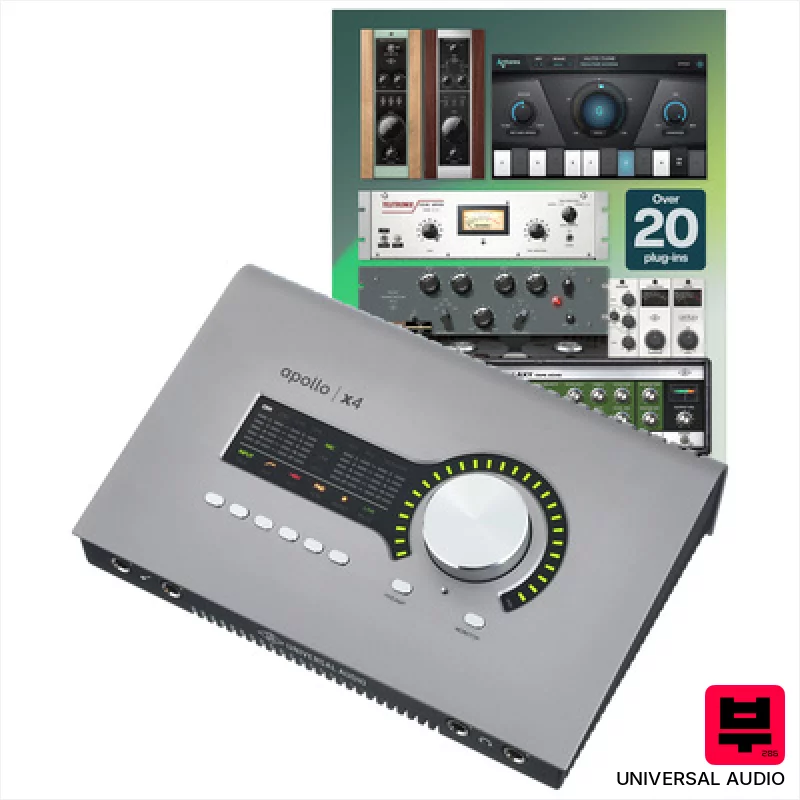
Universal Audio Apollo X4 Gen2 Essentials+
- • Unison preamps authentically model classic analog gear
- • Excellent AD/DA conversion delivers pristine, transparent audio
- • Built-in talkback simplifies recording sessions significantly
- • Thunderbolt 3 connectivity provides rock-solid, low-latency performance
- • Premium-priced, a significant investment for home studios
- • Desktop design may not suit all studio setups, limited portability
- • Plugin bundle, while substantial, requires learning curve.
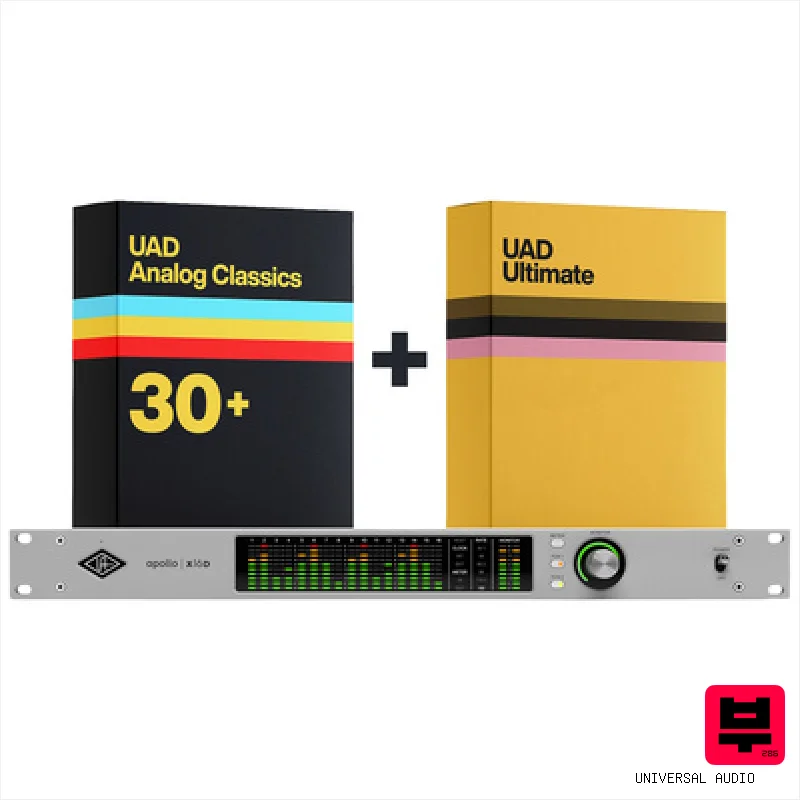
Universal Audio Apollo x16D Gen2 Ultimat Bundl
- • Includes essential AC interface for flexible setup choices
- • Comes with UAD Ultimate 14 Bundle for extensive software
- • Designed for professional studio recording environments
- • Offers high-quality audio conversion for critical work
- • Bundle components are separate physical units
- • Missing specific input/output count details
- • No weight information provided in description
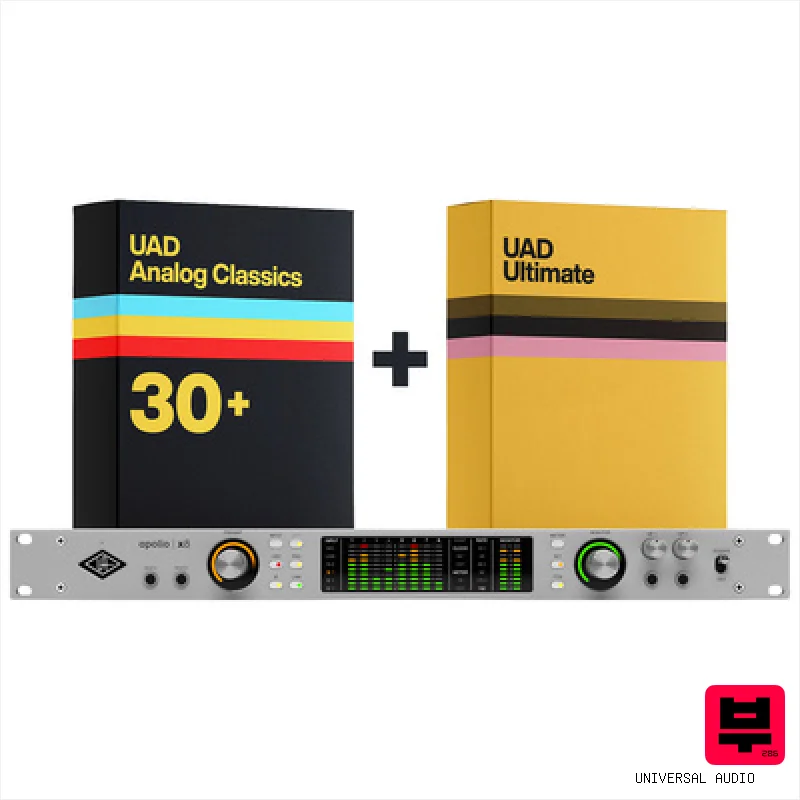
Universal Audio Apollo x8 Gen2 Ultimate Bundle
- • Includes the essential Apollo x8 Gen2 AC hardware unit for immediate use.
- • Adds the UAD Ultimate 14 Bundle for powerful DSP audio processing.
- • Provides a complete package to start recording or mixing right away.
- • Combines hardware performance with extensive software algorithm capabilities.
- • Does not list specific input or output connector types in the text.
- • No stated weight or physical dimensions for the hardware unit.
- • Missing explicit maximum sample rate and bit depth numbers.
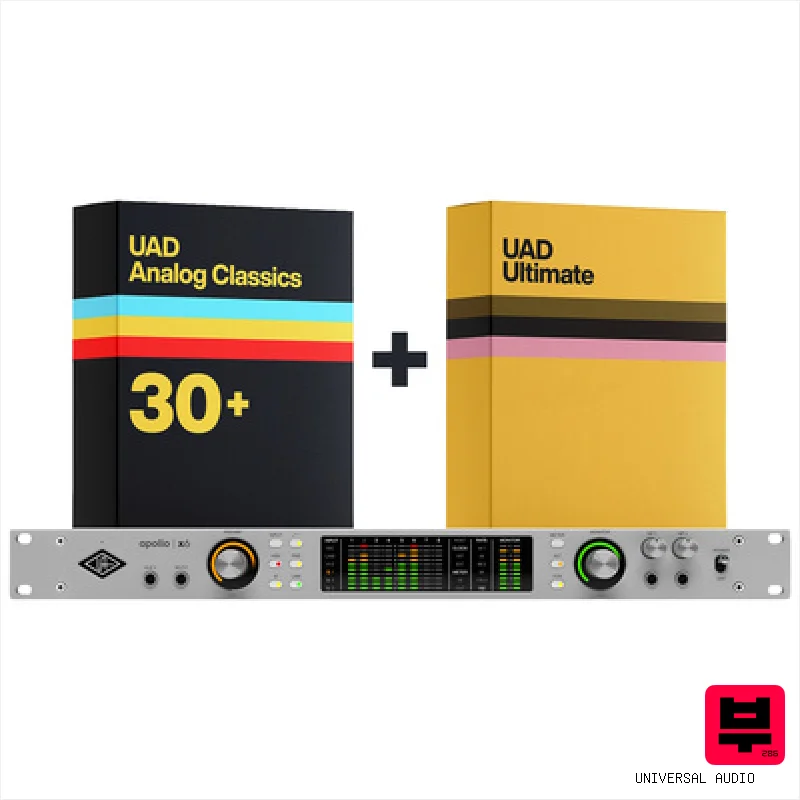
Universal Audio Apollo x6 Gen2 Ultimate Bundle
- • Includes the Apollo x6 Gen2 AC interface for instant recording
- • Adds the UAD Ultimate 14 Bundle for powerful digital modeling
- • Provides a complete setup for professional studio recording
- • Offers high-end audio quality with Universal Audio's signature sound
- • Bundle price is very high compared to buying parts separately
- • No information on specific input/output counts in the text
- • Missing details on weight, sample rate, and bit depth specs
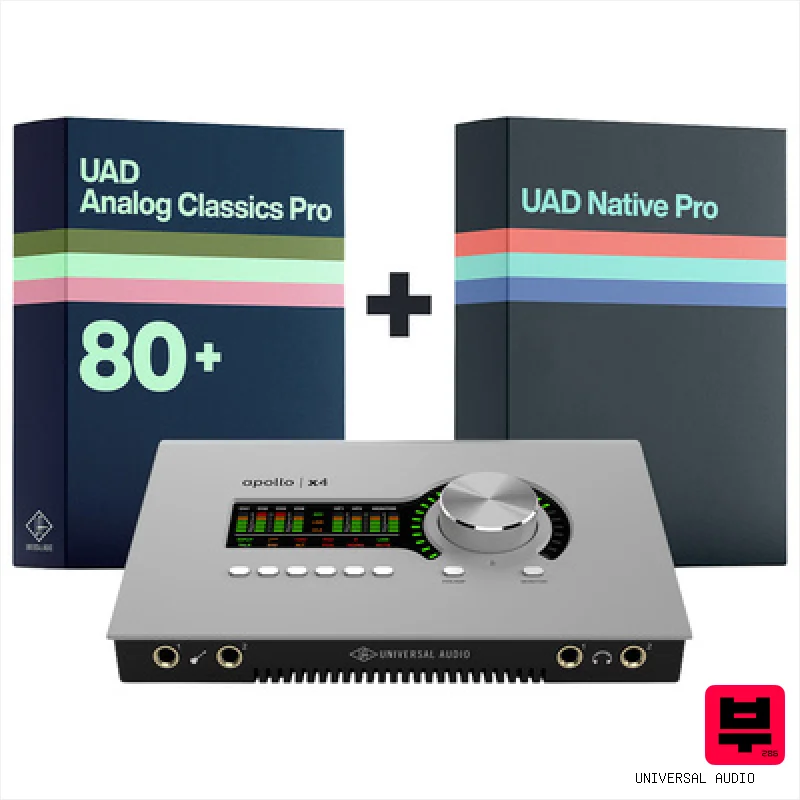
Universal Audio Apollo X4 Gen2 Native Pro Bund
- • Includes high-quality Apollo X4 Gen2 AC Pro hardware
- • Adds UAD Native Pro Apollo Desk UG software suite
- • Combines physical interface with powerful digital processing
- • Offers bundled Native Instruments plugins for mixing
- • Does not list specific input or output jack counts
- • No stated maximum sample rate or bit depth values
- • Missing details on preamp model names or weight
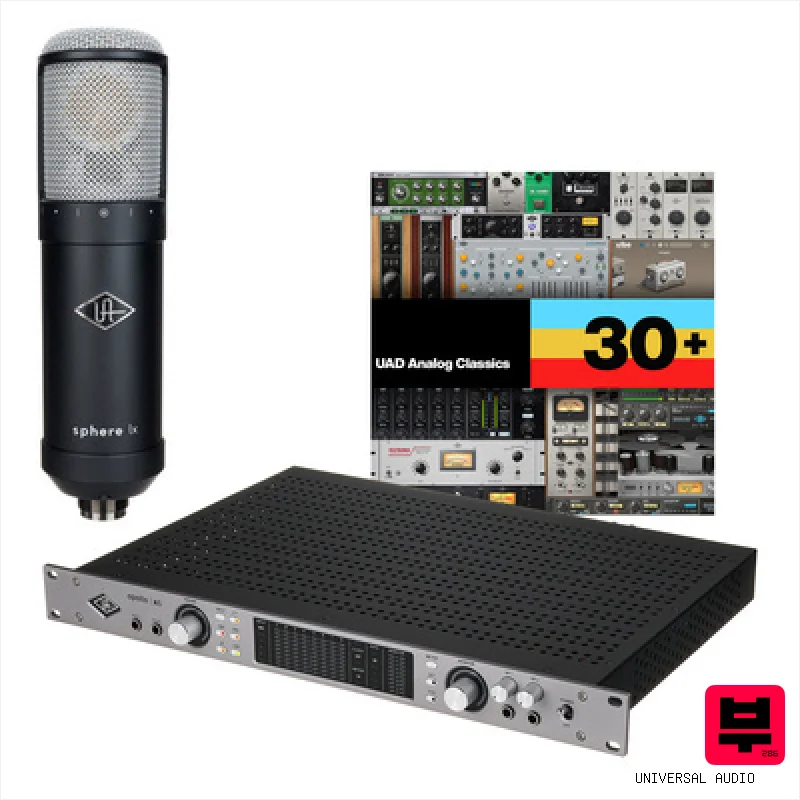
Universal Audio Apollo x6 Gen2 AC Sphere Bundl
- • Includes both Apollo x6 Gen2 AC and Sphere LX in one deal
- • AC Series offers natural sound with low noise and high quality
- • Sphere LX provides versatile pickup options for guitar recording
- • Bundle saves money compared to buying each unit separately
- • Heavy total weight makes transport less convenient
- • Lacks built-in mixing console controls for immediate adjustments
- • Requires external power supply to operate properly
Every thunderbolt audio interfaces that matches
35 models match this page. The 15 above are covered in detail; the rest are listed here with their published specifications.
Thunderbolt Audio Interfaces by the numbers
Measured across all 35 models in this category, so «wide», «short» or «expensive» mean something you can check.
How to Choose the Best Thunderbolt Audio Interfaces
Latency
This is the big one. Thunderbolt's low latency is the main draw, so we're looking for interfaces that consistently deliver sub-10ms latency at reasonable buffer settings - crucial for real-time monitoring while recording, especially with virtual instruments. Anything higher than that and you'll start fighting the interface, not the music.
Preamps & Instrument Inputs
Cheap preamps sound... cheap. We're listening for that subtle harmonic richness, the ability to handle hot signals without distorting harshly, and how well they handle dynamic instruments like acoustic guitars. A decent preamp can make a huge difference in capturing the character of your source.
I/O Count & Routing
As an intermediate player, you're likely expanding your setup - more mics, more synths, more outboard gear. We're looking at interfaces with enough inputs and outputs to handle a small band rehearsal or a multi-mic'd drum kit, with flexible routing options for sending signals to external effects.
Software & Drivers
Thunderbolt interfaces can be notoriously finicky with drivers. We're evaluating stability, ease of use, and the quality of any included software - a clunky interface can kill your workflow faster than a bad pickup voicing.
Build Quality & Form Factor
Let's be real, gear gets knocked around. We're assessing how well these interfaces are built to withstand the rigors of gigging and studio life, and whether the form factor is practical for your space - a desktop unit versus a rackmount solution.
Buying Guide
Don't get seduced by the sheer number of inputs if you don't need them. More isn't always better, especially if it means sacrificing preamp quality or driver stability. Look for a balance - enough I/O for your current needs with a little headroom for future expansion. And seriously, read user reviews about driver performance before you drop a grand.
How This List Is Built
We don't play these instruments — we're a catalog, not a review desk, and we'd rather say so than pretend otherwise. This page covers 35 thunderbolt audio interfaces from the Thomann catalogue, which is the largest single source of specification data in this category: 15 in detail, the rest listed with their specifications.
Position is computed, not curated. We parse the manufacturer's own description into actual values — nut width, scale, fret count, fingerboard radius, size, alloy — and rank on them: how many specifications a model has published, how many of them are measurable numbers, and how precisely it meets this page's criterion. A product image adds a little. Price is not a ranking signal: it tells you nothing about whether a neck fits your hand. The same inputs always produce the same order, so nothing here is shuffled to look fresh.
What this list is good for: narrowing a category down to a shortlist by spec and budget. What it isn't: a substitute for hearing an instrument. Before you buy, read hands-on reviews and, where you can, play it. Full methodology.

