AudioFu
AudioFu Chart · October 2026
Best Synthesizer Peripherals Under $200 2026
The top pick is Dreadbox Kinematic ($199). Otamatone Melody Black gives you the most for the money at $21. Ranked by the AudioFu Index from 19 models across 7 brands, prices checked every night.
Last updated: October 15, 2026
Top 10
Full detail for the 10 highest AudioFu Index scores. Every other model is listed below.
-
- Weight0.5 kg
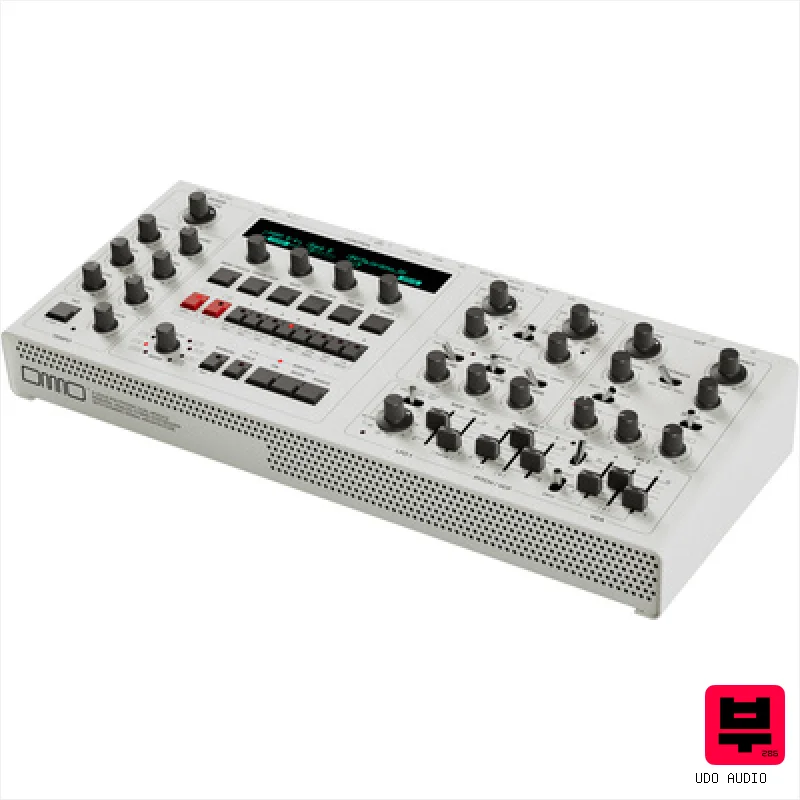
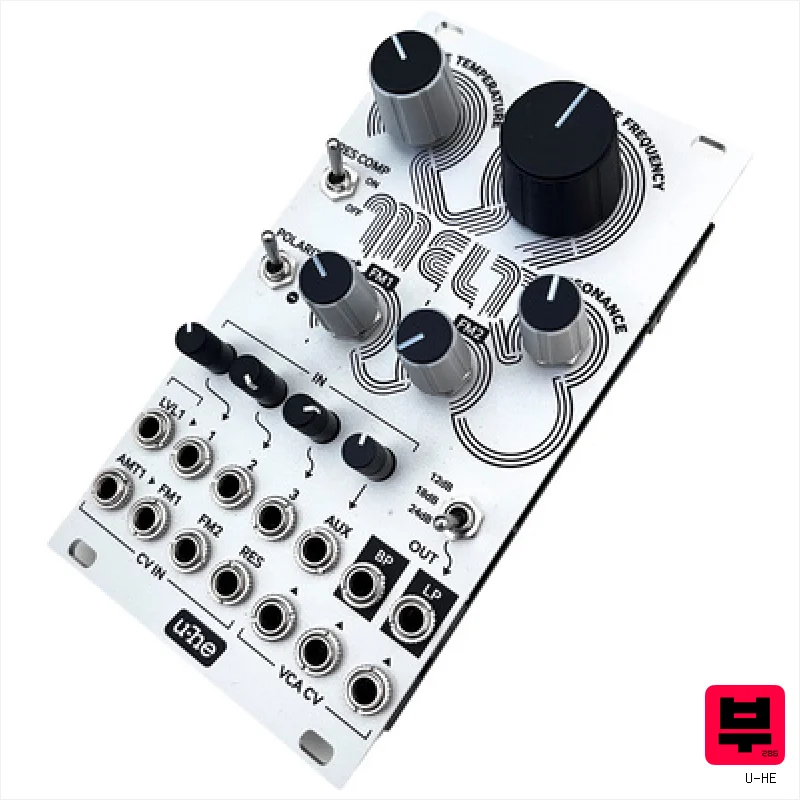
The Kinematic is a seriously cool little box from Dreadbox, offering a surprising amount of sonic flexibility. It’s a fantastic way to add some grit and movement to your synth lines or drum tracks, especially if you're already dipping your toes into modular territory. This is a great tool for experimental electronic musicians and sound designers looking for a compact, character-rich processing option.
Pros
- Dreadbox’s signature analog warmth adds serious character.
- Versatile operation caters to compression, filtering, and envelope effects.
- Patch points unlock modular integration for complex sound design.
Cons
- Limited input gain range can be restrictive for weak signals.
- Power supply not included adds to the overall investment.
55AudioFu
IndexStableno change since Aug 14Aug 14$199 now$199€178 at Thomann · in stockCheck price ↗ -
The Otamatone Classic Black is a quirky, fun gadget, more of a novelty instrument than a serious synthesizer. It's perfect for kids, casual music lovers, or anyone looking for a silly, interactive way to make some noise – just don't expect studio-quality sounds or complex control.
Pros
- Unique, expressive sound creation via neck pressure and 'mouth' movement.
- Simple, intuitive operation – surprisingly easy to produce recognizable melodies.
- Durable ABS plastic construction feels sturdier than its price suggests.
Cons
- Limited pitch range restricts complex musical arrangements and nuanced playing.
- The 'mouth' action can feel unpredictable and requires practice to master.
-
This tiny black toy sings eleven familiar tunes when you tap its neck and blow into it. It runs on a single battery and is perfect for kids or anyone wanting a quick laugh. Forget mixing or connecting it to other gear, but the instant fun is hard to beat.
Pros
- Includes CR2032 battery for immediate play
- Pre-recorded classic songs included in kit
- Operates via sound surface on neck
Cons
- No input or output jacks for external gear
- Only single pre-recorded song per track
-
Teenage Engineering EP-40 Riddim Supertone with EP-2350 Ting FX…
EP-2350 FX MIC · Teenage Engineering
2 for sale on Reverb1 finish at Thomann
- Weight0.13 kg
This tiny mic adds instant texture to any track with four built-in samples and live effect tweaks. It is perfect for quick jams or recording ideas on the go. While it needs batteries or a USB connection, its small size makes it a great portable tool.
Pros
- Four distinct effect voices for instant mood changes
- Live adjustment of every single effect parameter
- Built-in sample library with four unique sounds
Cons
- Requires AAA batteries unless USB-C is used
- No built-in storage for custom user presets
-
The SQ-1 is a seriously clever little box. It’s fantastic for adding rhythmic interest to a synth voice or driving a modular system, especially if you’re on a budget. Perfect for experimental musicians and those wanting to explore sequencing beyond basic patterns.
Pros
- Compact size maximizes desk space for modular setups
- Volca-style step edit buttons are intuitive and responsive
- Multiple sequencer modes offer surprising rhythmic complexity
Cons
- Limited step count (2x8) restricts complex patterns
- Mini-jack connections feel a bit fragile for heavy use
-
This clear instrument lets you play by touching the neck and moving your mouth. It sounds different every time because the pitch can be adjusted. It is a great portable choice for anyone who likes playing without keys.
Pros
- Transparent crystal surface glows visually on stage.
- Adjustable pitch allows unique sound shaping.
- Included batteries ready for immediate use.
Cons
- No external connection options listed.
- Single battery type limits power choices.
-
The Otamatone Neo Black is a delightfully oddball instrument – a perfect gateway for kids and anyone looking for a unique, instantly gratifying musical experience. It's not a serious synth replacement, but its playful design and app integration make it a fun conversation starter and a surprisingly expressive little gadget.
Pros
- Improved neck design offers better playability compared to older models
- The black finish gives a sleeker, more professional aesthetic
- Studio app unlocks extra tonal possibilities and customization options
Cons
- The limited two-level volume control can be restrictive in certain environments
- The plastic construction, while lightweight, feels somewhat fragile
-
The Otamatone Deluxe Black is a fun, quirky instrument perfect for those seeking a unique musical experience or a playful gift. Its larger size makes it slightly easier to manipulate than the original, and the headphone jack is a nice touch for discreet practice. Don't expect serious synthesis capabilities, but it's guaranteed to bring smiles and silly sounds.
Pros
- Larger size offers improved ergonomics and pitch control.
- Black finish provides a more refined aesthetic than the classic model.
- External power option eliminates battery dependency for extended play.
Cons
- The unique playing method has a steep learning curve for traditional musicians.
- Sound quality, while quirky, is limited compared to dedicated synthesizers.
-
The Otamatone Techno Black is a quirky and fun instrument, especially for those who enjoy experimental sounds and aren't afraid of a learning curve. Its larger size makes it more manageable, and the iOS app unlocks a surprising range of tones. It's a great conversation starter and a unique creative outlet, especially appealing to younger players or those looking for something completely different.
Pros
- Larger size improves playability compared to the classic model
- iOS app integration expands tonal possibilities significantly
- Stereo headphone jack enables private practice and monitoring
Cons
- iOS-only app limits accessibility for Android users
- The 'neck' action can feel somewhat unpredictable for precise pitch bending
-
This little Hello Kitty instrument makes noise when you press its neck or move its mouth. It runs on three AAAs and comes with batteries, so it works right away. It is great for kids or beginners who want to make music without cables. Just remember to keep those batteries fresh.
Pros
- Distinct sound created by pressing the neck surface
- Mouth opening and closing changes pitch instantly
- Different pitches available for various musical needs
Cons
- No cables or external connections mentioned
- Uses standard AAA batteries which drain quickly
All 19 synthesizer peripherals
Same index, same nightly prices — compact. Colour options of one model share a row. Tap a photo to zoom.
- 11
Otamatone Classic Pac-ManOtamatone37Stable$50€45$50€45Check ↗
- 12
Korg Nu:Tekt NTS-3Korg35↓ 6.6%$174€155$174€155Check ↗
- 13
TEControl USB MIDI Pedal ControllerTEControl33Stable$92€82$92€82Check ↗
- 14
Leaf Audio Microphonic PlaygroundLeaf Audio33Stable$111€99$111€99Check ↗
- 15
TEControl Analog Breath ControllerTEControl33Stable$156€139$156€139Check ↗
- 16
TEControl USB MIDI Breath ControllerTEControl33Stable$196€175$196€175Check ↗
- 17
Roland WC-1 Wireless AdapterRoland30Stable$111€99$111€99Check ↗
- 18
Leaf Audio Add-On Pack 2Leaf Audio20Stable$22€20$22€20Check ↗
- 19
Leaf Audio Add-On Pack 1Leaf Audio20Stable$28€25$28€25Check ↗
Synthesizer Peripherals by the numbers
Measured across all 30 models we track, not a sample.
Median $50 — half of all synthesizer peripherals here cost less.
How to choose the best synthesizer peripherals
Build Quality
Let's be honest, at this price point, things won't be battleship-grade. We're looking for something that won't fall apart after a few gigs, though. Plastic feels cheap, but functional plastic is okay. Metal accents are a bonus.
Latency
Especially important for MIDI controllers. Anything over 10ms noticeable latency is a deal-breaker, particularly when playing fast lines or trying to get tight timing.
Connectivity & Compatibility
Does it play nice with your gear? USB-MIDI is pretty standard, but check for DIN MIDI if that's your thing. Make sure it works with your DAW and OS - compatibility issues are a massive headache.
Ergonomics & Feel
A controller that's uncomfortable to play will kill your creativity. Key feel, knob responsiveness, and overall layout all matter. Does it inspire you to play?
Feature Set vs. Price
Some peripherals pack a ton of features, while others are more stripped down. We're judging based on what you get for the money - is that extra knob really worth the extra twenty bucks?
Buying guide
Alright, so you're deep in the synth rabbit hole but your bank account's looking a little thin? That's a feeling we all know. Getting the most out of your synth isn't always about dropping five grand on a new oscillator; sometimes it's about the little things - the peripherals. Let's look at some solid options under $200 that'll actually improve your workflow and sound.
At this budget, expect some compromises. You're not getting premium materials or boutique craftsmanship. Focus on functionality - a solid MIDI controller with good key feel or a decent expression pedal is going to add more value than a flashy, feature-bloated gadget that feels cheap and unresponsive.
Read reviews carefully, especially from other musicians who gig regularly. Don't expect professional-grade headroom from audio interfaces or effects processors, either. You're getting a boost, not a complete replacement for your core gear.
How the AudioFu Index works
Five measured signals and nothing else — no stars from strangers, no “tested by experts” we didn’t do. The weights are fixed and public. We don’t play these instruments; we measure the market around them.
This chart covers 30 synthesizer peripherals from the Thomann catalogue. Before you buy, read hands-on reviews and, where you can, play it. Full methodology.
AudioFu earns a commission when you buy through our Thomann links. It never changes the order — the index does.
- Demand40%
How many of this exact model are for sale on Reverb right now — what musicians actually buy and resell.
- Lineup20%
How many finishes Thomann stocks — makers expand the models that sell.
- Price15%
Where the price has moved since we started tracking in August.
- Specs15%
How completely the maker documents it.
- Maker10%
How deep the brand’s range is in this category.
Questions
What's the best MIDI controller I can get for under $200?
Arturia MiniLab 3 is a consistently good choice - it's compact, has decent key feel for the price, and comes with some useful software. Akai MPK Mini MK3 is another strong contender, especially if you need drum pads.
Are expression pedals worth it?
Absolutely. They add so much nuance to your sounds - think swells on pads, wah effects on leads, or controlling filter cutoff. A decent Morley or Ernie Ball Brown Foot pedal can be found in this range, though expect a little more noise than higher-end models.
Can I get a decent audio interface for recording synths under $200?
You can, but manage your expectations. Focusrite Scarlett Solo or Behringer UMC202HD are solid entry points, but don't expect pristine audio quality. Headroom will be limited, so keep your levels in check to avoid clipping. A simple interface will work for basic tracking, but don't expect studio-grade preamps.
What about sustain pedals?
A basic Yamaha-style sustain pedal will do the trick for piano sounds. Don't expect continuous control like you'd get with a more expensive expression pedal, though. It's an on/off switch - nothing fancy.
I saw a USB-to-MIDI converter for $50. Is that a good deal?
Probably not. Most modern synths and controllers have native USB-MIDI. Unless you're dealing with very old gear, a converter is usually unnecessary and adds another potential point of failure.