
Best Roland Synthesizer Peripherals 2026
Okay, so you've got a Roland synth - a Juno, a Jupiter, maybe a System-8 - and you're looking to squeeze every last drop of sonic goodness out of it. Roland's peripherals aren't just accessories; they're an extension of that classic Roland sound. We're talking foot controllers, expression pedals, sustain units - the stuff that takes your playing from functional to expressive, from recreation to performance. Let's dive into what makes Roland's peripherals special, and what you should be looking for.
Last updated: April 11, 2026
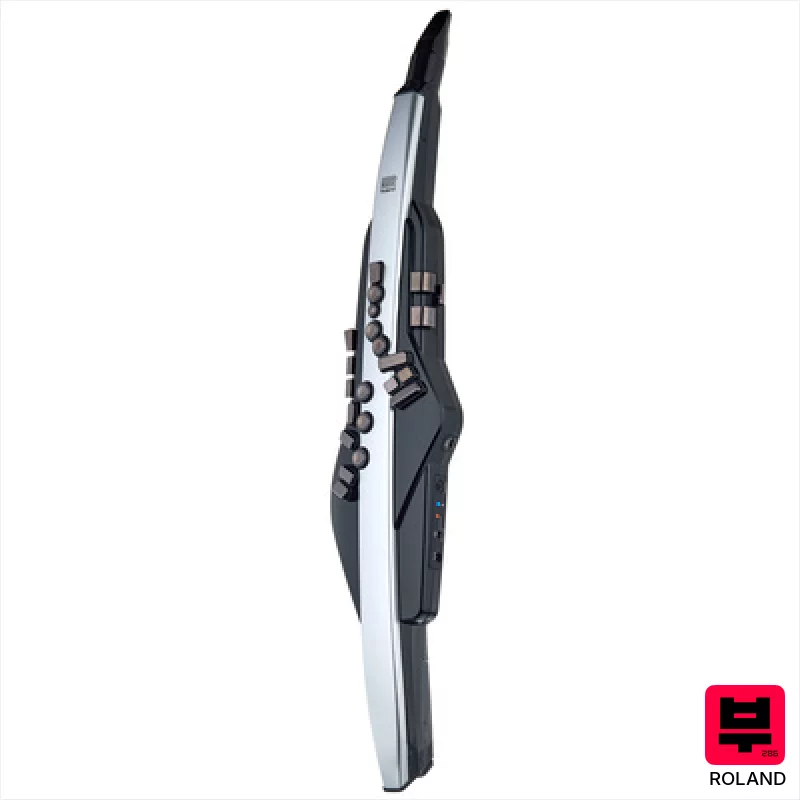
Roland Aerophone Pro AE-30
- • SuperNATURAL sound engine delivers remarkably realistic acoustic instrument emulations
- • ZEN-Core engine offers extensive sound design possibilities beyond pre-loaded sounds
- • Slim, lightweight aluminum body feels premium and is surprisingly durable for travel
- • Responsive breath and pressure sensors allow for nuanced expressive control.
- • Battery life is limited, requiring frequent replacements or external power
- • The OLED display, while clear, can be a little small for extensive editing
- • Learning curve can be steep for players unfamiliar with digital wind instruments.
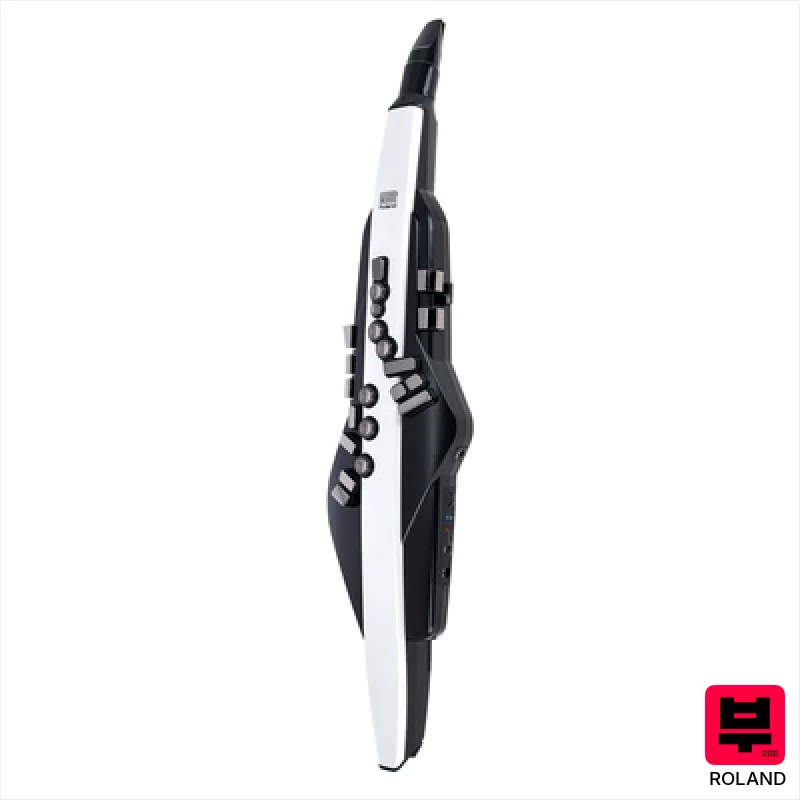
Roland Aerophone AE-20
- • SuperNATURAL sound engine delivers remarkably realistic acoustic instrument emulations.
- • ZEN-Core engine unlocks a vast palette of electronic sounds and creative possibilities.
- • Configurable fingering system allows adaptation for various wind instruments and custom setups.
- • Bluetooth connectivity simplifies integration with mobile devices and digital audio workstations.
- • Limited physical expression compared to acoustic instruments; nuances require practice.
- • Battery life can be a constraint for extended performance or practice sessions.
- • The OLED display, while functional, could be brighter and more easily readable in bright light.
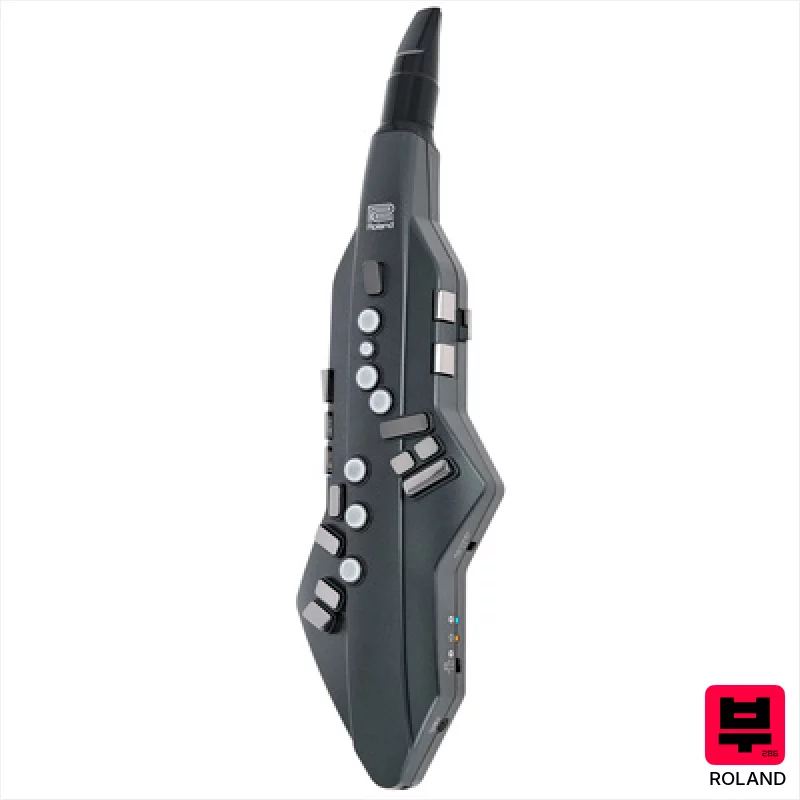
Roland Aerophone GO AE-05
- • Compact and lightweight design for ultimate portability
- • Saxophone fingering provides familiar feel for wind players
- • Integrated speaker offers decent sound for practice and casual play
- • Aerophone GO Plus app expands sound library significantly
- • Bluetooth 4.2 feels dated; impacts latency and stability
- • Plastic construction, while lightweight, lacks premium feel
- • Limited expression compared to higher-end wind controllers

Roland Aerophone mini AE-01
- • Compact size makes it exceptionally portable for practice and travel
- • Recorder-based fingering provides a gentle learning curve for beginners
- • Integrated speaker is surprisingly decent for casual playing and monitoring
- • Bluetooth MIDI opens doors to expand sounds and control with apps
- • Limited breath control and expression compared to full-sized wind instruments
- • Plastic construction feels somewhat flimsy, though surprisingly durable
- • Sound library, while decent, lacks depth for serious professional use
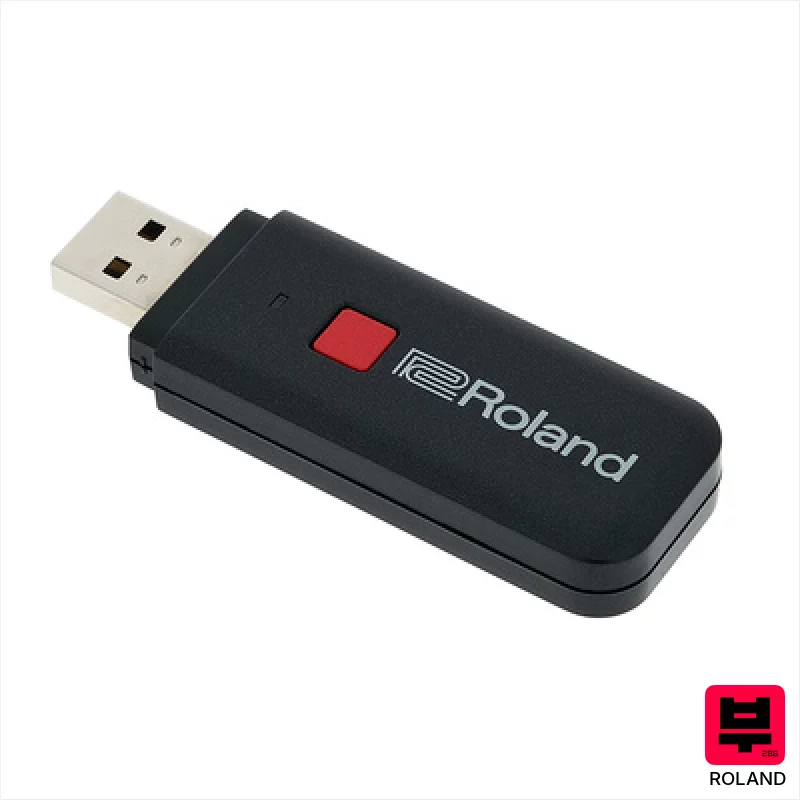
Roland WC-1 Wireless Adapter
- • Seamlessly integrates with Roland Cloud for sound expansion.
- • Simplifies sound previews directly on your mobile device.
- • Provides access to Roland's vast sound library (30,000+).
- • One-year Roland Cloud Pro membership adds significant value.
- • Relies heavily on the Roland Cloud ecosystem; less flexible for other apps.
- • Adds another layer of digital dependency to your setup.
- • Potential for latency issues depending on network conditions.
How to Choose the Best Synthesizer Peripherals
Expression Pedals
Roland's expression pedals (EV-5, etc.) offer a smooth, nuanced control - crucial for swells on pads, vibrato on leads, or dialing in subtle filter changes. The resistance isn't icy like some other pedals; it's got a natural feel that responds well to dynamics.
Foot Controllers
The FC-300 and FC-4A are workhorses. Roland's foot controllers are known for their solid build and reliable tracking, essential when you're needing to switch patches mid-song or trigger effects - no dropped notes or missed cues. The FC-300's continuous pedal functionality is a major upgrade over simple on/off switches.
Sustain Pedals
Roland's DP-20 and similar units aren't just on/off. They often offer half-pedaling capability, which is a game-changer for piano and organ sounds, adding a level of realism you just don't get from a cheap, plastic pedal. It's about recreating that acoustic instrument feel.
Connectivity & Compatibility
Roland peripherals are generally excellent with Roland synths. That said, check compatibility lists for older models - some older units might not support all features of newer synths. It's usually straightforward, but it's worth a quick look.
Build Quality & Reliability
Roland has a history of building gear that lasts. Their pedals aren't the cheapest, but that's because they use better components and more robust construction - less likely to fail on you in the middle of a gig.
Buying Guide
Don't cheap out on these. A flimsy expression pedal that jumps around or a foot controller with unreliable tracking will kill your performance. While some third-party options exist, Roland's peripherals are often the best choice for seamless integration and reliable performance. Consider your playing style - if you're a heavy-handed player, invest in a pedal with a robust build; if you're primarily using it for subtle swells, a lighter action might be preferable.
How This List Is Built
We don't play these instruments — we're a catalog, not a review desk, and we'd rather say so than pretend otherwise. This page ranks 5 synthesizer peripherals from the Thomann catalogue, which is the largest single source of specification data in this category.
Position is computed, not curated. Four signals, in order of weight: how completely the manufacturer documents the instrument (number of published specifications), where it sits in the price range, how specific the model designation is — which filters out generic accessories — and whether a product image exists. The same inputs always produce the same order, so nothing here is shuffled to look fresh.
What this list is good for: narrowing a category down to a shortlist by spec and budget. What it isn't: a substitute for hearing an instrument. Before you buy, read hands-on reviews and, where you can, play it. Full methodology.

