
Best Sustain Pedals for Piano Playing 2026
Alright, so you're looking for a sustain pedal for your digital piano or stage piano? It's not just about making the notes linger; it's about how that sustain feels and how it interacts with your touch. A cheap pedal can sound muddy and unresponsive, totally killing the expressiveness of a Rachmaninoff passage or even a simple blues vamp. Let's cut through the noise and find a pedal that'll actually elevate your playing.
Last updated: July 22, 2026 • Next update: July 29, 2026
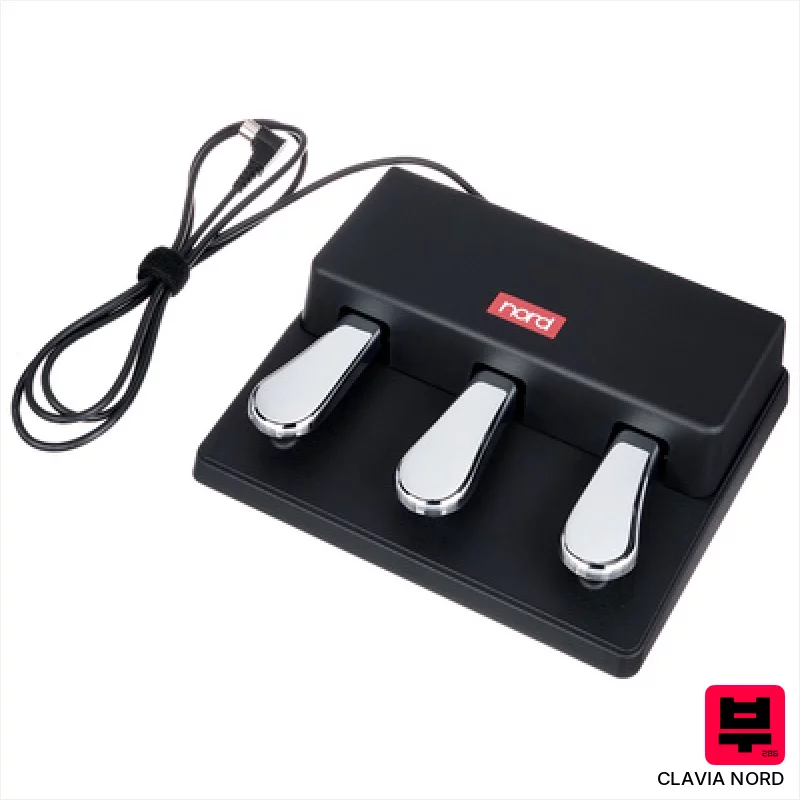
Clavia Nord Triple Pedal 2
- • Robust construction with solid steel action provides reliable, consistent feel.
- • Una Corda pedal offers nuanced dynamic control for delicate piano passages.
- • Nord's signature responsiveness translates to expressive, nuanced pedal performance.
- • Designed specifically for Nord Stage keyboards, ensuring seamless integration and functionality.
- • Premium-priced compared to generic triple pedal alternatives.
- • Limited compatibility; primarily designed for Nord Stage keyboards.
- • The pedal's weight can be a drawback for gigging musicians needing portability.
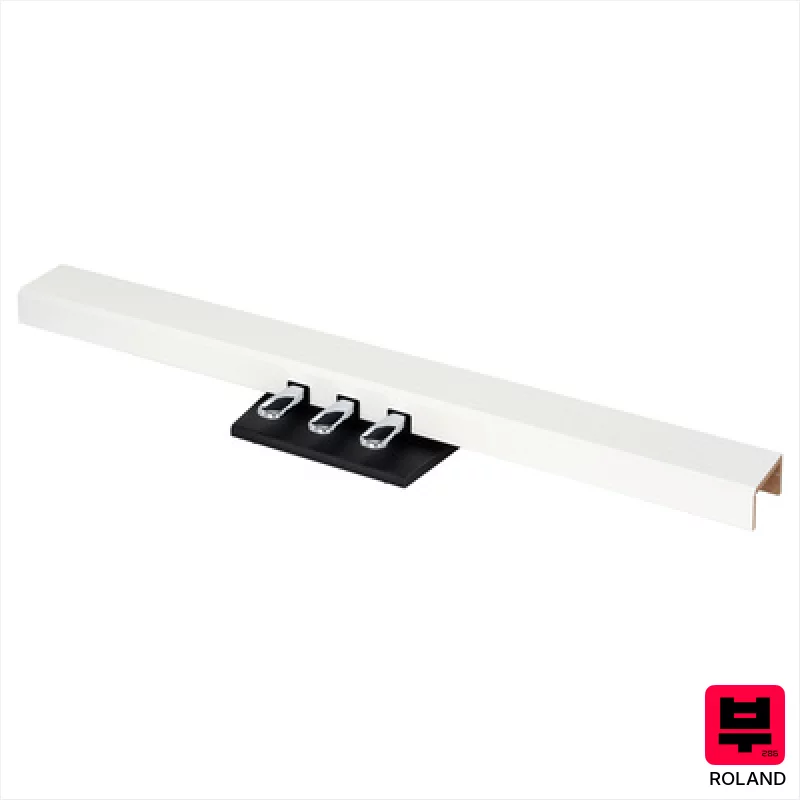
Roland KPD-90 wh
- • Seamless integration with Roland FP-90, KSC-90, and KSC-72 units.
- • Robust construction using high-quality plastics and metal pedal components.
- • Provides authentic piano pedal response, mimicking acoustic instrument feel.
- • White finish complements Roland’s premium white digital piano aesthetic.
- • Requires Roland KSC-90 or KSC-72 stand – a significant additional expense.
- • Limited compatibility; only works within the specified Roland ecosystem.
- • The plastic casing, while durable, can feel less premium than all-metal alternatives.

Kawai GFP-3
- • Optical sensors offer exceptionally nuanced dynamic response.
- • Half-damper control provides a wide expressive range.
- • Robust construction with a solid steel core ensures durability.
- • Designed specifically for Kawai’s MP series for seamless integration.
- • Limited compatibility; primarily designed for MP11SE and MP7SE models.
- • The gloss finish can be prone to fingerprints and smudges.
- • The pedal action, while smooth, might feel slightly lighter than some professional-grade pedals.
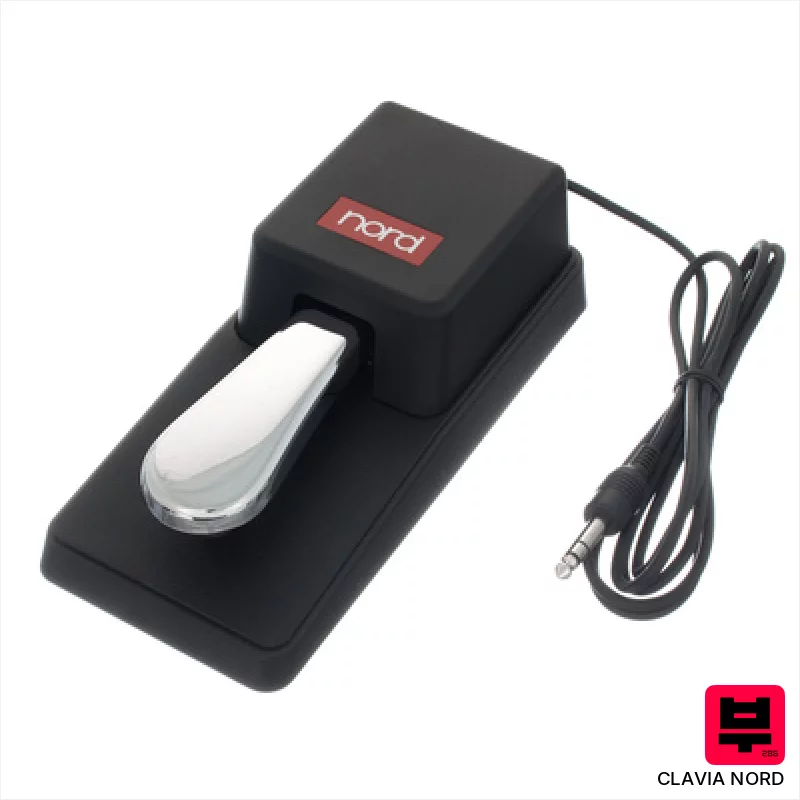
Clavia Nord Single Pedal 2
- • Solid, weighted action provides a predictable, responsive sustain feel.
- • Robust construction using high-quality polymers ensures long-term durability.
- • Nord's fixed polarity design guarantees reliable connectivity with their Stage series.
- • Compact footprint minimizes floor space, ideal for smaller keyboard setups.
- • Fixed polarity limits compatibility with some keyboards outside the Nord ecosystem.
- • Lacks half-pedal functionality, restricting nuanced expressive possibilities.
- • Plastic construction, while durable, doesn't offer the premium feel of metal pedals.

Clavia Nord Triple Pedal
- • Robust steel construction ensures lasting durability and reliable performance.
- • Nord’s signature feel provides nuanced dynamic response, crucial for pianists.
- • Clearly labeled and assignable, simplifying complex keyboard setups.
- • Excellent build quality aligns with Nord’s reputation for professional-grade instruments.
- • Price point places it in a premium-priced category for sustain pedals.
- • Limited compatibility outside of the Nord ecosystem – not a universal pedal.
- • The weight, while contributing to stability, can be cumbersome for gigging.

Yamaha FC35
- • Solid steel action provides a responsive, realistic piano feel.
- • Three-pedal functionality expands expressive possibilities beyond basic sustain.
- • Durable ABS plastic construction ensures longevity and resists gigging wear.
- • Half-pedal support adds nuance for subtle dynamic control.
- • The weight (2kg) makes it less portable than lighter, single-pedal options.
- • Limited compatibility; primarily designed for Yamaha digital pianos.
- • Plastic construction, while durable, lacks the premium feel of all-metal pedals.
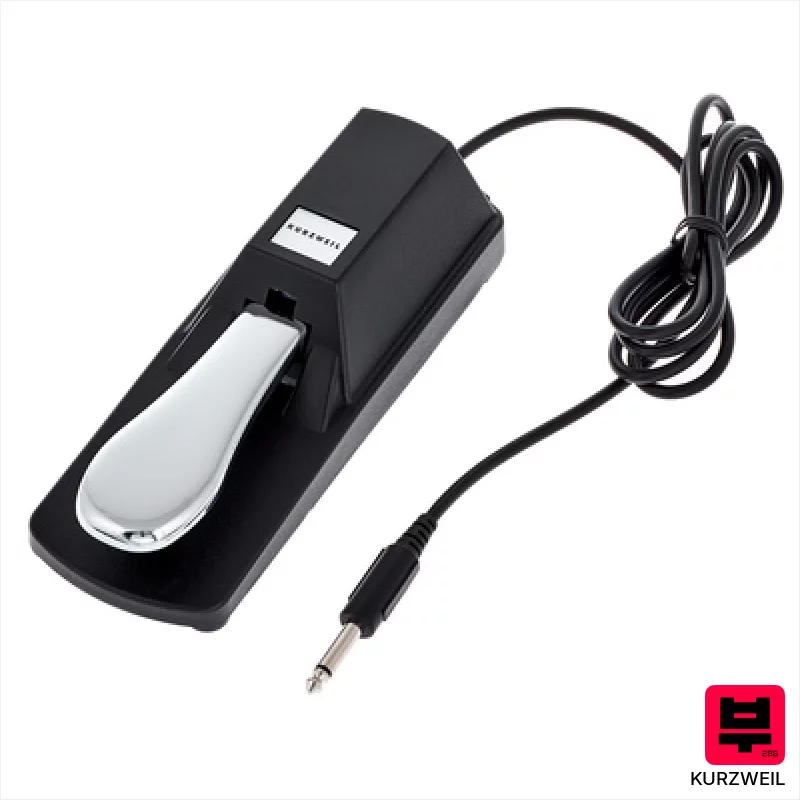
Kurzweil KP-3
- • Solid, dependable action provides consistent sustain.
- • Switchable polarity offers broad compatibility with various keyboards.
- • Durable ABS plastic construction ensures longevity.
- • Compact design makes it easy to transport and store.
- • Basic plastic construction lacks premium feel compared to metal pedals.
- • Half-pedal functionality is absent, limiting expressive control.
- • Cable length is somewhat short for larger studio setups.
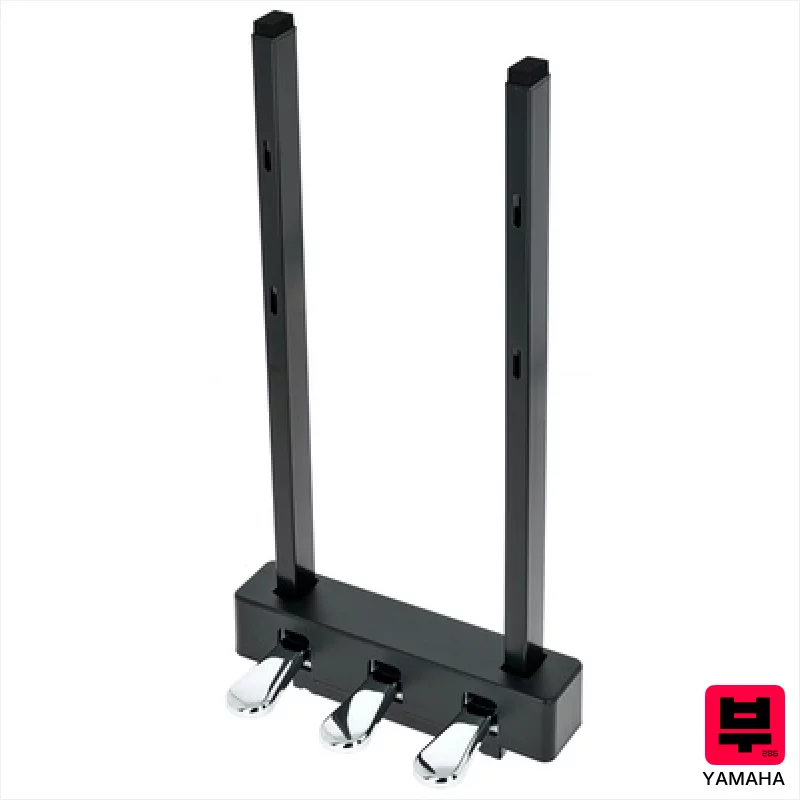
Yamaha LP-1 BK
- • Solid, reliable damper action mimicking acoustic pianos
- • Durable ABS plastic construction ensures longevity
- • Compact design allows for easy portability and storage
- • Compatible with a wide range of Yamaha digital pianos
- • Plastic construction feels less premium than metal alternatives
- • Limited functionality – primarily a damper pedal
- • No adjustable tension for nuanced playing feel

Casio SP-20 Sustain Pedal
- • Solid, dependable action for basic sustain functionality
- • Reasonably long cable provides stage flexibility
- • Lightweight and portable for easy transport
- • Durable ABS plastic construction feels surprisingly robust
- • Plastic construction lacks the premium feel of metal pedals
- • Limited half-pedal response, not suitable for nuanced playing
- • Basic design offers no aesthetic flair or advanced features

Yamaha LP-1 WH
- • Solid, reliable Yamaha build quality ensures longevity.
- • Provides damper, sostenuto, and soft pedal functionality.
- • White finish seamlessly integrates with modern digital pianos.
- • Compact design minimizes footprint, ideal for smaller spaces.
- • Plastic construction feels a bit budget-oriented.
- • Lacks the nuanced response of higher-end continuous pedals.
- • Cable length might be restrictive for some studio setups.

Studiologic SLP3-D
- • Solid, dependable build quality; feels like a much pricier pedal.
- • Flexible assignability allows for expressive, customized control.
- • Single-cable connection simplifies setup and reduces cable clutter.
- • Compact footprint ideal for smaller studios or gigging setups.
- • Plastic construction feels less premium than metal alternatives.
- • Limited pedal travel compared to higher-end, damper-specific units.
- • The single cable can be a limitation for complex pedal setups.
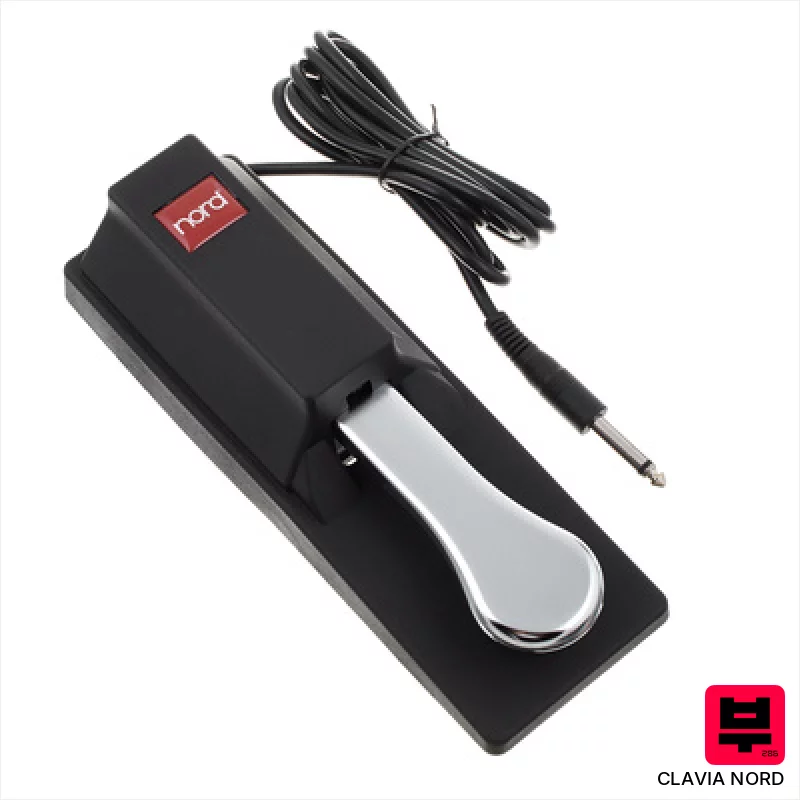
Clavia Nord Single Sustain Pedal
- • Solid construction; feels robust and dependable underfoot for gigging.
- • Nord-specific design ensures seamless integration with all Nord keyboards.
- • The anti-slip rubber mat provides excellent stability on various surfaces.
- • Simple, reliable single-sustain functionality – no unnecessary complexity.
- • Lacks half-pedal functionality, limiting expressive dynamic control.
- • The plastic casing feels somewhat basic compared to premium alternatives.
- • 6.3mm jack connection limits compatibility with instruments using different connectors.
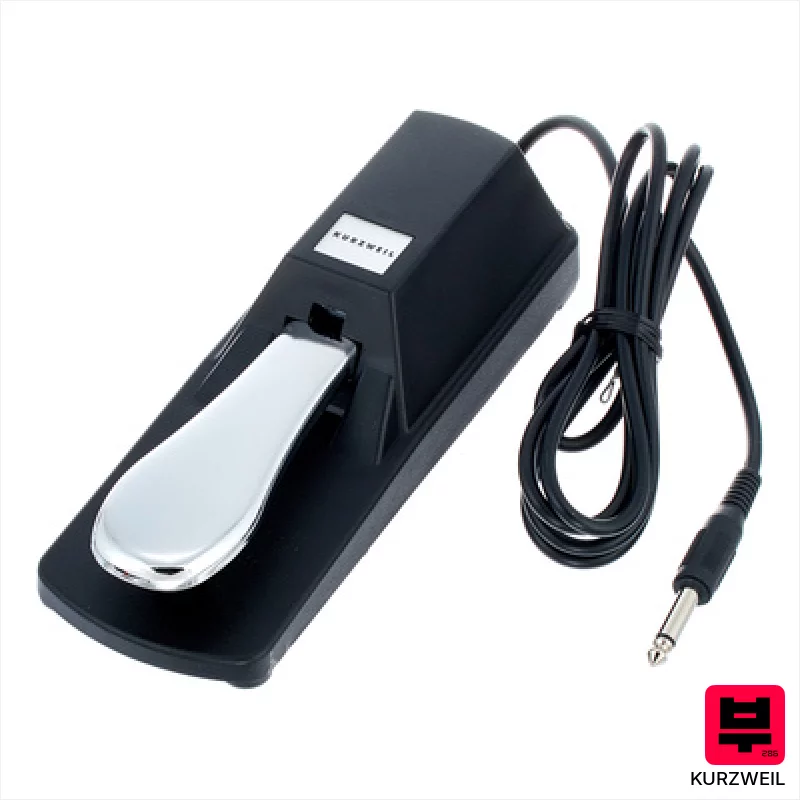
Kurzweil KP-2
- • Solid rubberized base prevents slipping during performance
- • Reliable normally closed contact ensures consistent pedal response
- • 6.3mm mono jack provides universal compatibility with most keyboards
- • Lightweight and portable, ideal for gigging musicians
- • The rubberized base, while functional, lacks a premium feel
- • Plastic construction limits overall durability for heavy use
- • No half-pedal functionality restricts expressive control
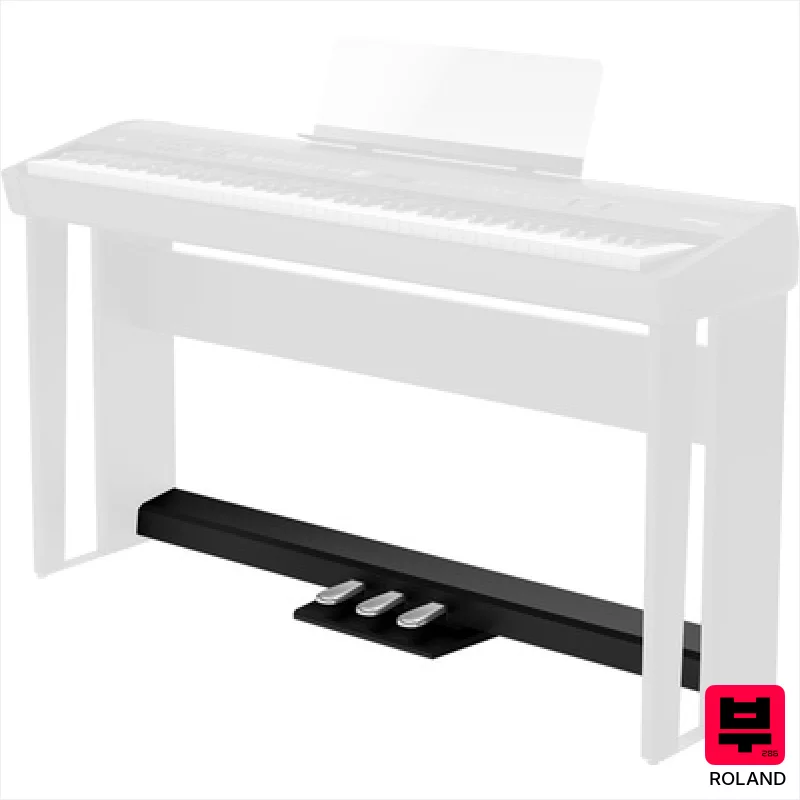
Roland KPD-90 bk
- • Robust construction with a solid steel frame for dependable use
- • Designed specifically for Roland’s higher-end stage pianos, ensuring seamless integration
- • Three-way functionality offers nuanced expression for piano and organ sounds
- • Durable rubber pedal surfaces provide comfortable, responsive playability
- • Requires Roland KSC-90 or KSC-72 stand, adding to overall cost and complexity
- • Limited compatibility; won't work with non-Roland keyboards easily
- • The black finish, while stylish, is prone to showing dust and scuff marks
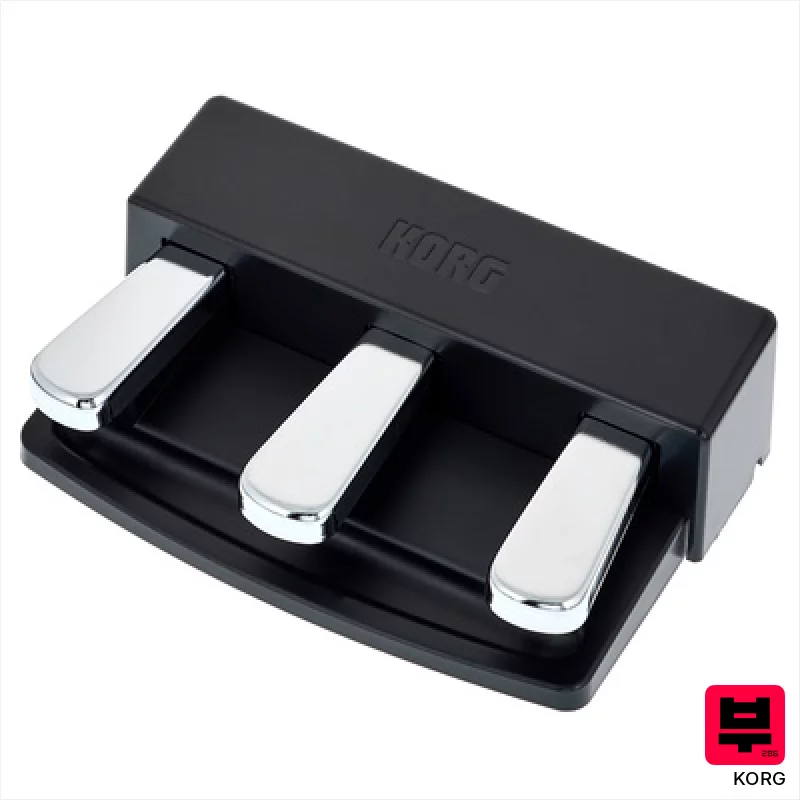
Korg PU-2
- • Solid, dependable action mimicking acoustic piano pedal feel
- • Durable ABS plastic construction provides reasonable longevity
- • Compatible with Korg’s older digital piano line – a boon for owners
- • Three distinct pedal functions offer expressive playing options
- • Plastic construction feels less premium than metal alternatives
- • Cable length is somewhat restrictive for larger setups
- • Limited compatibility outside of specifically mentioned Korg models
How to Choose the Best Sustain Pedals
Sustain Curve & Release
This is everything. A good piano pedal shouldn't just hold notes; it should respond to your foot pressure. A linear curve is generally preferred for a natural piano feel, avoiding that abrupt on/off that some pedals have. A slow release is vital for lush chords and a more expressive legato.
Dynamic Response
Can the pedal accurately reflect your touch? A pedal with poor dynamic response will flatten your playing, making everything sound the same. We're looking for a pedal that lets you control the sustain intensity with your foot - a subtle heel press for a gentle sustain, a firm press for a full, resonant hold.
Noise & Signal Integrity
Hum, buzz, or a digital 'click' when engaging or disengaging the sustain is a deal-breaker. Piano relies on subtle tones, and any unwanted noise will be amplified. Clean signal path is essential, especially if you're recording.
Build Quality & Durability
Gigging musicians know that gear takes a beating. A flimsy plastic pedal will fail quickly under the constant pressure of a gig. Look for a pedal with a solid, weighted action and a robust construction - something that can handle the abuse.
Versatility & Compatibility
While most pedals are 1/4" TRS, compatibility with different keyboards and amplifiers is important. Some pedals offer adjustable sensitivity or curve settings, which can be a big plus for tailoring the feel to your specific instrument and playing style.
Buying Guide
Don't fall for the 'cheaper is better' trap. A $30 pedal might work for casual practice, but it'll quickly reveal its limitations when you need it to perform. Investing in a decent pedal - something in the $75-$150 range - will give you a much more natural feel, better dynamics, and a longer lifespan. Pay attention to the sustain curve; a non-linear curve will almost always feel unnatural for piano. And seriously, read reviews - a reliable pedal is worth its weight in gold when you're trying to nail a performance.
Our Methodology
We're not looking at spec sheets here. We've spent hours playing these pedals through various setups - bedroom practice, band rehearsals, and even a few gigs - comparing them directly to the 'industry standard' Yamaha FC3A. We're listening for nuance, responsiveness, and how well they translate the subtle dynamics of a piano performance. It's about feel, tone, and reliability under pressure.

