
Best Sustain Pedals for All Keyboard Playing 2026
Alright, let's talk sustain pedals. As keyboard players, we need that continuous note action - that wash of sound that lets us create movement and atmosphere. A cheap, unresponsive pedal can kill your vibe faster than a blown speaker, but shelling out for top-tier gear isn't always the answer either. This guide will cut through the noise and help you find a sustain pedal that actually enhances your playing, whether you're laying down pads in the studio or gigging a smoky bar.
Last updated: July 22, 2026 • Next update: July 29, 2026

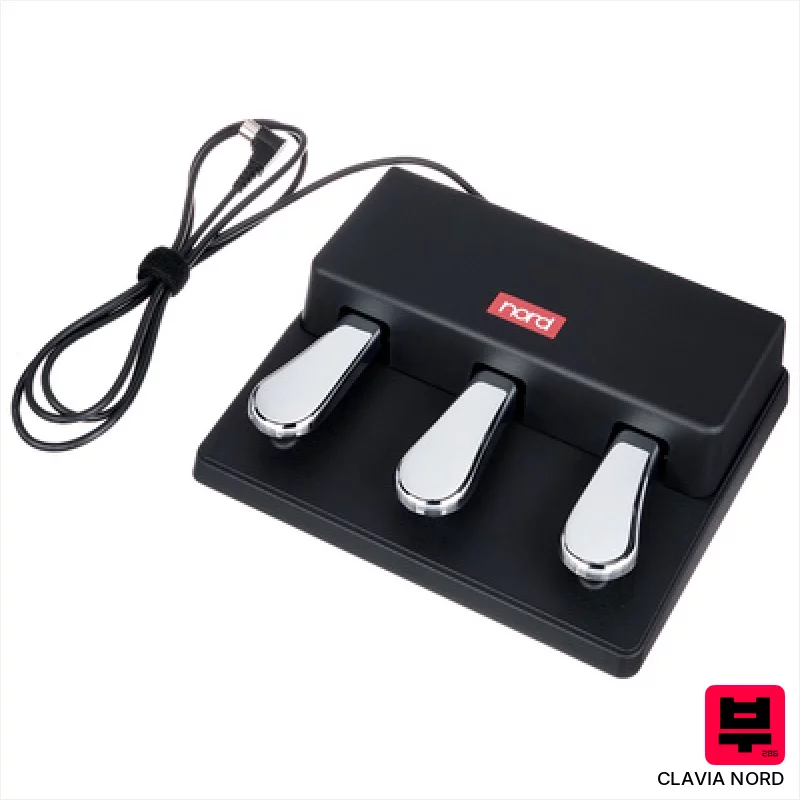
Clavia Nord Triple Pedal
- • Robust steel construction ensures lasting durability and reliable performance.
- • Nord’s signature feel provides nuanced dynamic response, crucial for pianists.
- • Clearly labeled and assignable, simplifying complex keyboard setups.
- • Excellent build quality aligns with Nord’s reputation for professional-grade instruments.
- • Price point places it in a premium-priced category for sustain pedals.
- • Limited compatibility outside of the Nord ecosystem – not a universal pedal.
- • The weight, while contributing to stability, can be cumbersome for gigging.
Clavia Nord Triple Pedal 2
- • Robust construction with solid steel action provides reliable, consistent feel.
- • Una Corda pedal offers nuanced dynamic control for delicate piano passages.
- • Nord's signature responsiveness translates to expressive, nuanced pedal performance.
- • Designed specifically for Nord Stage keyboards, ensuring seamless integration and functionality.
- • Premium-priced compared to generic triple pedal alternatives.
- • Limited compatibility; primarily designed for Nord Stage keyboards.
- • The pedal's weight can be a drawback for gigging musicians needing portability.

Studiologic SLP3-D
- • Solid, dependable build quality; feels like a much pricier pedal.
- • Flexible assignability allows for expressive, customized control.
- • Single-cable connection simplifies setup and reduces cable clutter.
- • Compact footprint ideal for smaller studios or gigging setups.
- • Plastic construction feels less premium than metal alternatives.
- • Limited pedal travel compared to higher-end, damper-specific units.
- • The single cable can be a limitation for complex pedal setups.
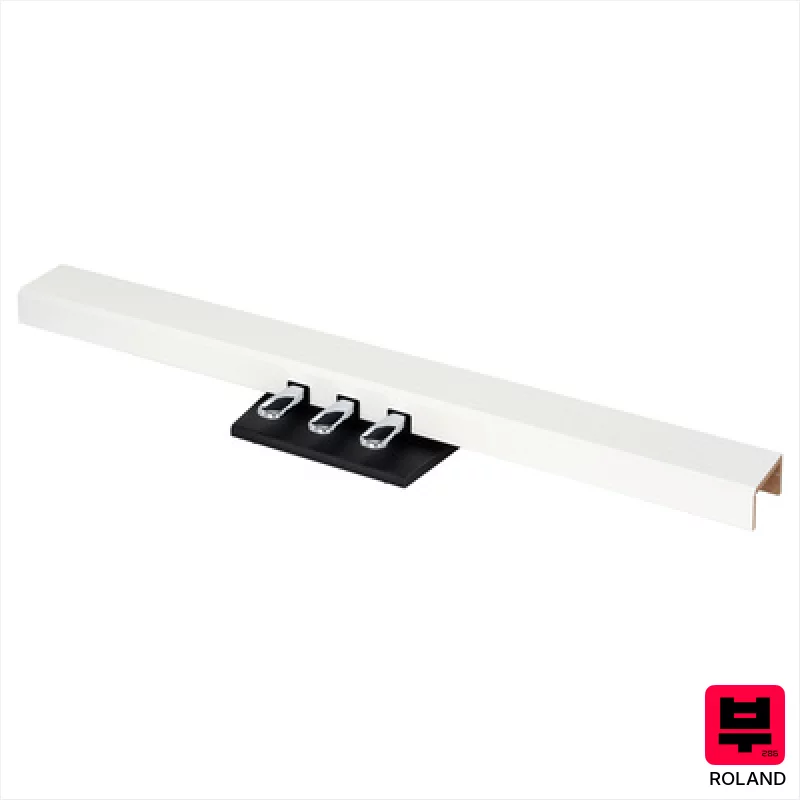
Roland KPD-90 wh
- • Seamless integration with Roland FP-90, KSC-90, and KSC-72 units.
- • Robust construction using high-quality plastics and metal pedal components.
- • Provides authentic piano pedal response, mimicking acoustic instrument feel.
- • White finish complements Roland’s premium white digital piano aesthetic.
- • Requires Roland KSC-90 or KSC-72 stand – a significant additional expense.
- • Limited compatibility; only works within the specified Roland ecosystem.
- • The plastic casing, while durable, can feel less premium than all-metal alternatives.
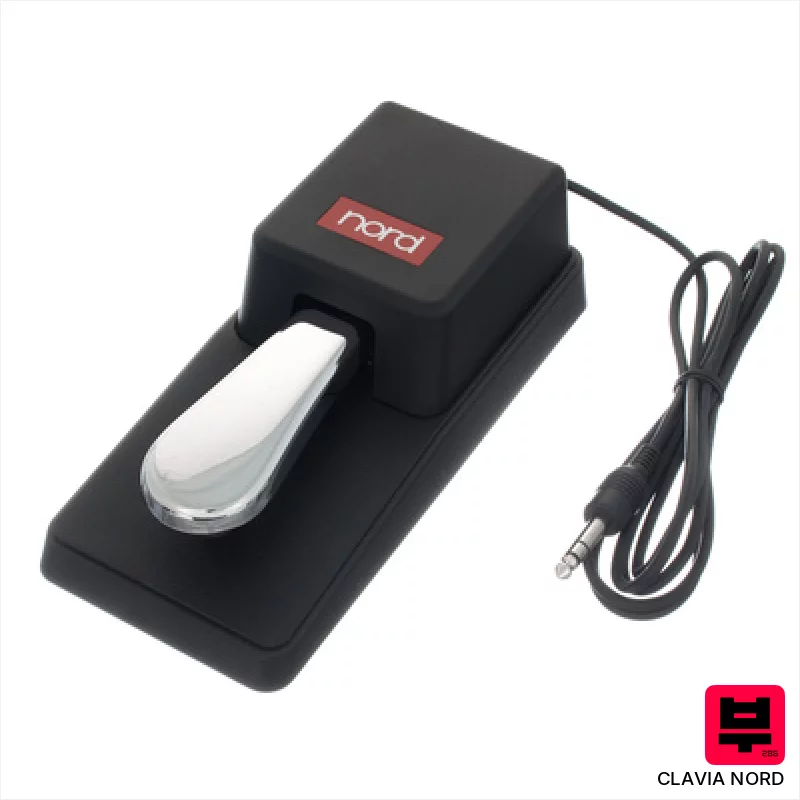
Clavia Nord Single Pedal 2
- • Solid, weighted action provides a predictable, responsive sustain feel.
- • Robust construction using high-quality polymers ensures long-term durability.
- • Nord's fixed polarity design guarantees reliable connectivity with their Stage series.
- • Compact footprint minimizes floor space, ideal for smaller keyboard setups.
- • Fixed polarity limits compatibility with some keyboards outside the Nord ecosystem.
- • Lacks half-pedal functionality, restricting nuanced expressive possibilities.
- • Plastic construction, while durable, doesn't offer the premium feel of metal pedals.
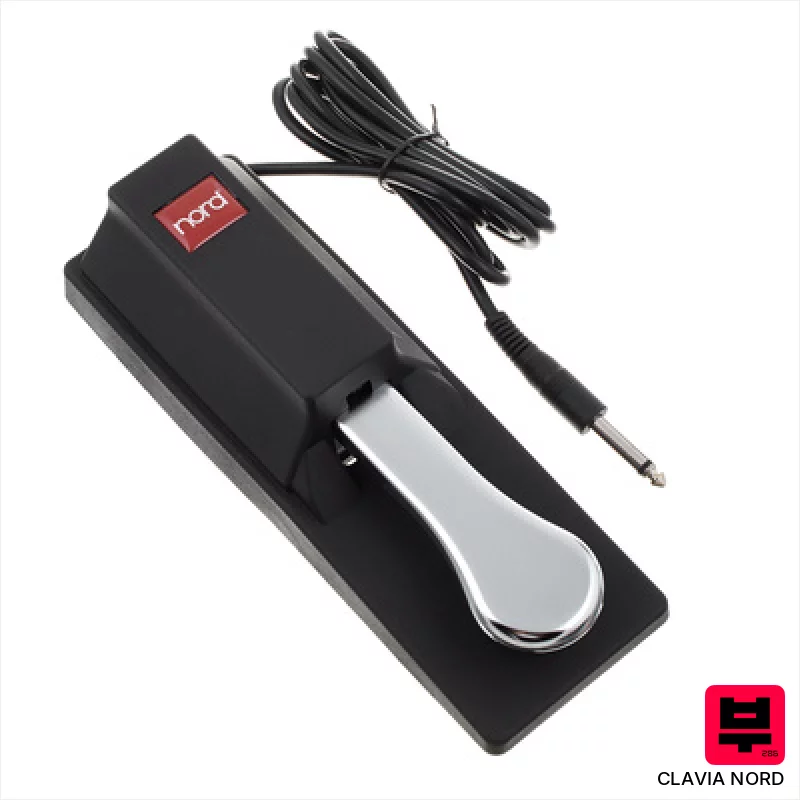
Clavia Nord Single Sustain Pedal
- • Solid construction; feels robust and dependable underfoot for gigging.
- • Nord-specific design ensures seamless integration with all Nord keyboards.
- • The anti-slip rubber mat provides excellent stability on various surfaces.
- • Simple, reliable single-sustain functionality – no unnecessary complexity.
- • Lacks half-pedal functionality, limiting expressive dynamic control.
- • The plastic casing feels somewhat basic compared to premium alternatives.
- • 6.3mm jack connection limits compatibility with instruments using different connectors.
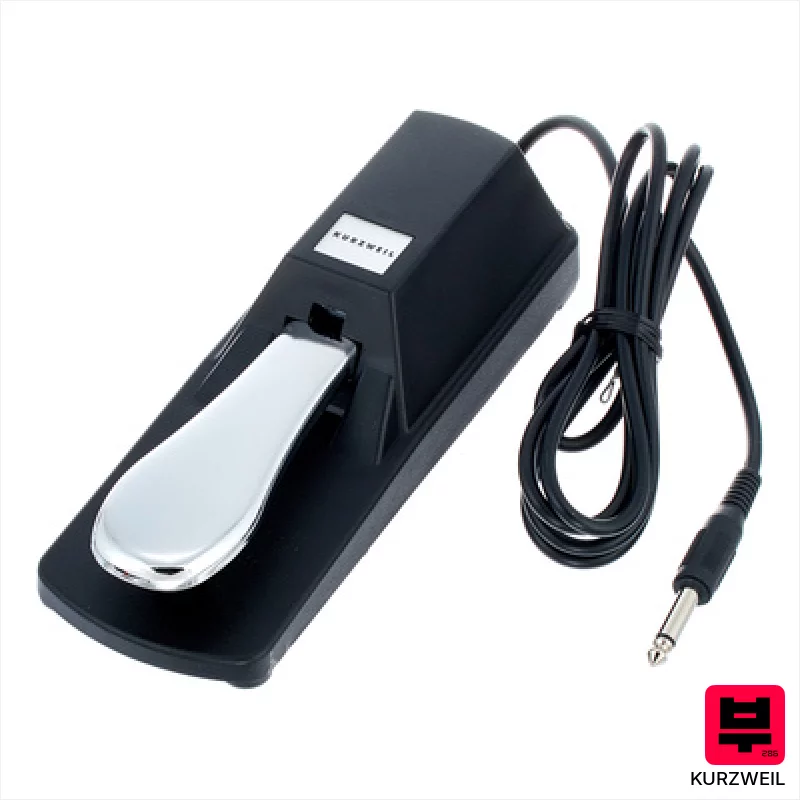
Kurzweil KP-2
- • Solid rubberized base prevents slipping during performance
- • Reliable normally closed contact ensures consistent pedal response
- • 6.3mm mono jack provides universal compatibility with most keyboards
- • Lightweight and portable, ideal for gigging musicians
- • The rubberized base, while functional, lacks a premium feel
- • Plastic construction limits overall durability for heavy use
- • No half-pedal functionality restricts expressive control
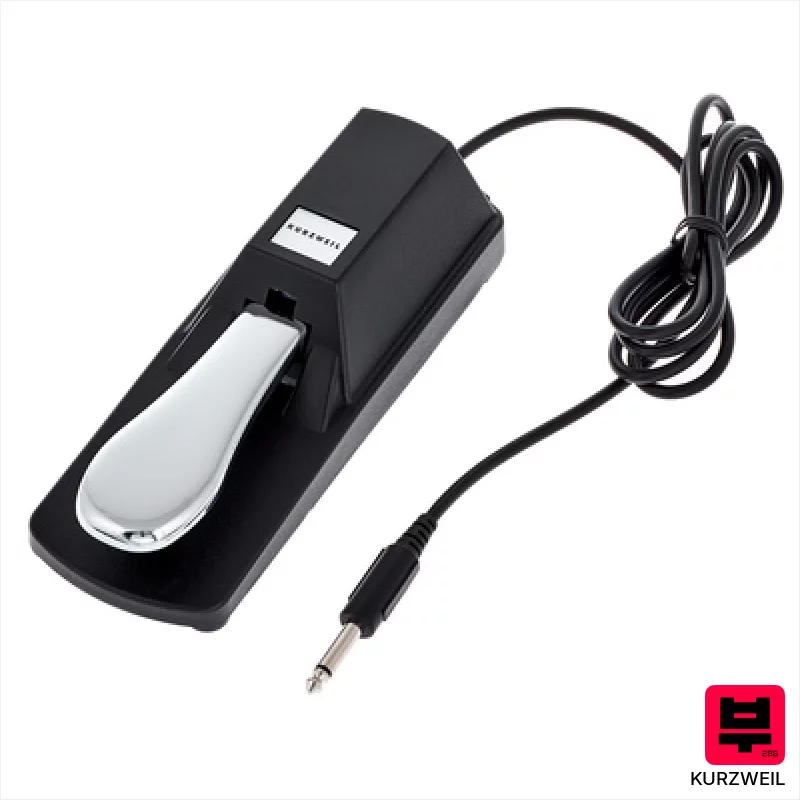
Kurzweil KP-3
- • Solid, dependable action provides consistent sustain.
- • Switchable polarity offers broad compatibility with various keyboards.
- • Durable ABS plastic construction ensures longevity.
- • Compact design makes it easy to transport and store.
- • Basic plastic construction lacks premium feel compared to metal pedals.
- • Half-pedal functionality is absent, limiting expressive control.
- • Cable length is somewhat short for larger studio setups.

Miditech MP-1
- • Reliable action, consistent contact for legato playing
- • Switchable polarity ensures compatibility with diverse keyboards
- • 1.8m cable offers generous reach, avoiding cable clutter
- • Solid plastic construction feels surprisingly robust for the price
- • Plastic construction lacks premium feel; may show wear over time
- • No half-pedal functionality limits expressive control
- • Basic design; lacks features like adjustable tension

Yamaha FC35
- • Solid steel action provides a responsive, realistic piano feel.
- • Three-pedal functionality expands expressive possibilities beyond basic sustain.
- • Durable ABS plastic construction ensures longevity and resists gigging wear.
- • Half-pedal support adds nuance for subtle dynamic control.
- • The weight (2kg) makes it less portable than lighter, single-pedal options.
- • Limited compatibility; primarily designed for Yamaha digital pianos.
- • Plastic construction, while durable, lacks the premium feel of all-metal pedals.
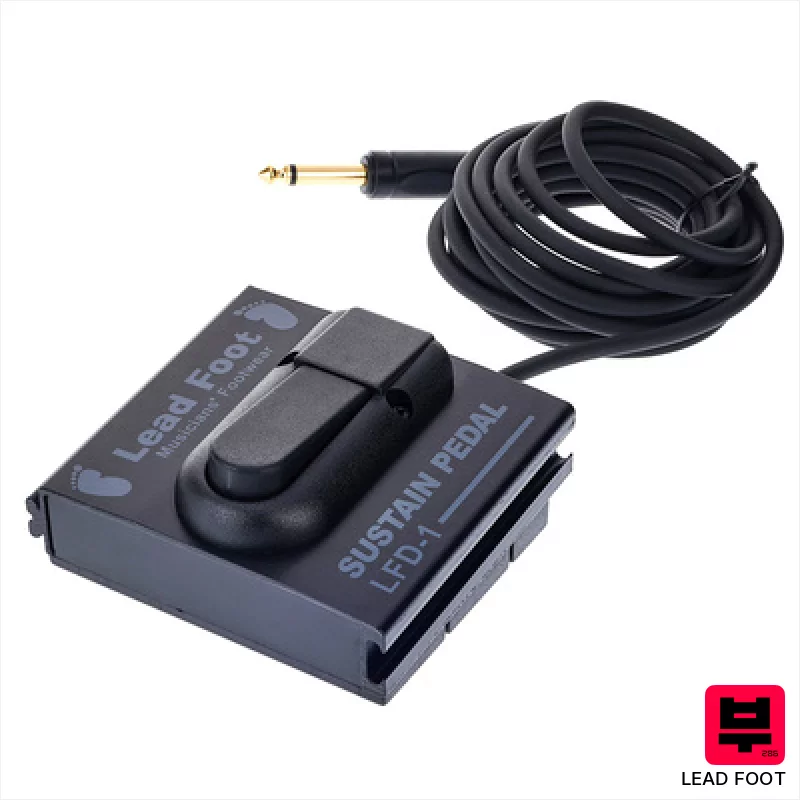
Lead Foot LFD-1 MKII
- • Robust plastic construction handles heavy gigging abuse
- • Switchable polarity provides broad compatibility with various keyboards
- • Generous 3.5m cable eliminates stage clutter
- • Simple, reliable design avoids complex failure points
- • Plastic construction lacks premium feel of metal pedals
- • Limited to on/off functionality; no half-pedal nuance
- • Basic design offers no advanced features like adjustable travel

Kawai GFP-3
- • Optical sensors offer exceptionally nuanced dynamic response.
- • Half-damper control provides a wide expressive range.
- • Robust construction with a solid steel core ensures durability.
- • Designed specifically for Kawai’s MP series for seamless integration.
- • Limited compatibility; primarily designed for MP11SE and MP7SE models.
- • The gloss finish can be prone to fingerprints and smudges.
- • The pedal action, while smooth, might feel slightly lighter than some professional-grade pedals.
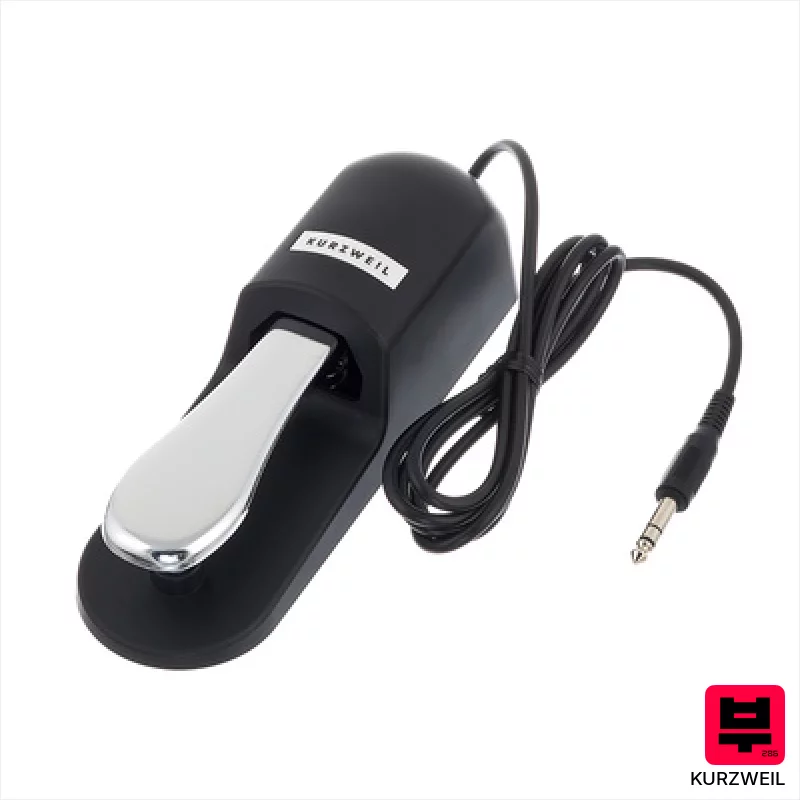
Kurzweil KP-1H
- • Solid, reliable action for consistent sustain response
- • Durable plastic construction stands up to regular use
- • Simple, straightforward design avoids unnecessary complexity
- • Affordable price point makes it accessible for budget-conscious players
- • Plastic construction lacks the premium feel of metal pedals
- • Normally open design doesn’t offer true half-pedal functionality
- • Cable length is somewhat restrictive for larger pedalboard setups
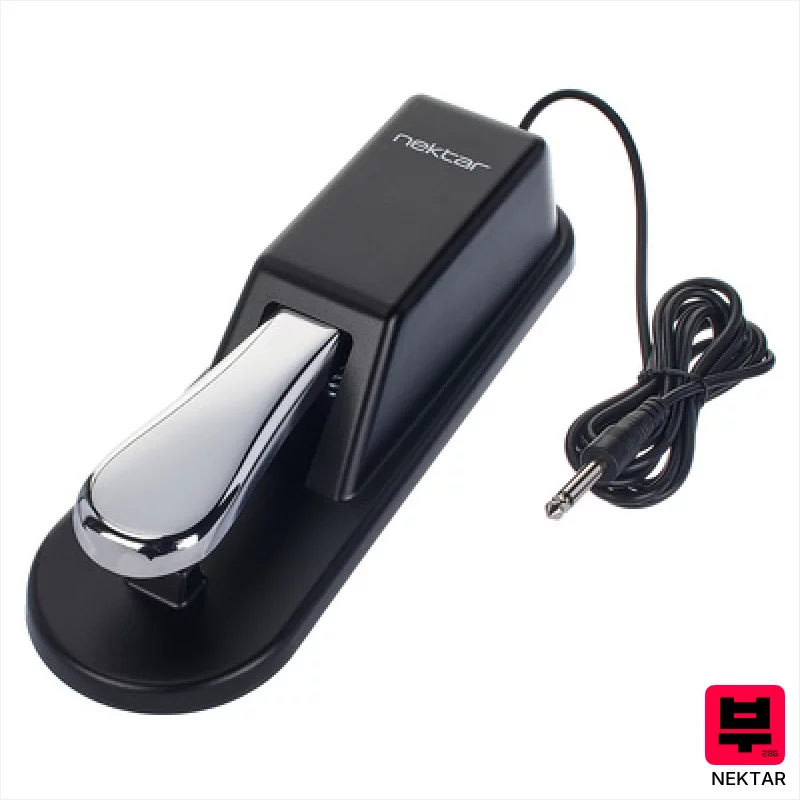
Nektar NP-2
- • Rubberized base provides excellent grip, preventing pedal slippage during performance.
- • Switchable polarity offers broad compatibility across various keyboard brands and models.
- • 180cm cable length provides ample reach, reducing cable clutter and limitations.
- • Durable plastic construction ensures longevity and resilience for gigging musicians.
- • Plastic construction lacks the premium feel of metal sustain pedals.
- • No half-pedaling functionality limits expressive dynamic control.
- • Basic design lacks aesthetic flair compared to more expensive alternatives.
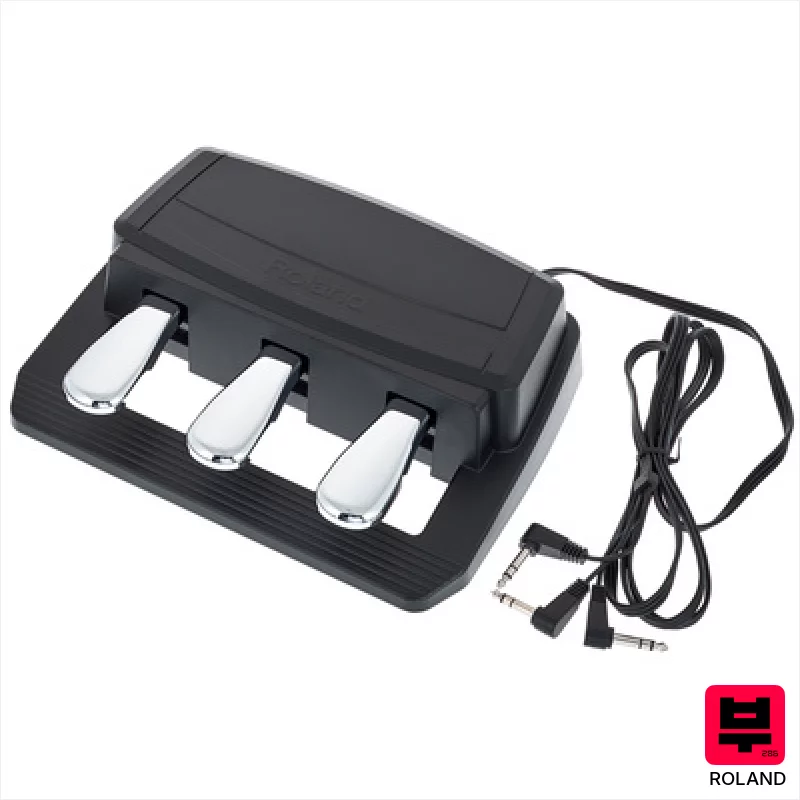
Roland RPU-3
- • Solid construction with a weighted damper pedal for realistic feel
- • Separate jack outputs offer nuanced pedal control and expression
- • Half-pedal functionality adds subtle dynamic shaping to your playing
- • Roland’s renowned reliability ensures consistent performance over time
- • Cable length (130cm) may be restrictive for some studio setups
- • Plastic construction, while durable, lacks the premium feel of all-metal pedals
- • Limited compatibility outside of specified Roland digital pianos and stage pianos
How to Choose the Best Sustain Pedals
Action & Response
This is the big one. A good sustain pedal should feel natural underfoot - not too mushy, not too clicky. Instant response is key, especially for nuanced playing or tight, rhythmic parts. A sluggish pedal will make everything feel disconnected.
Tonal Impact
Some pedals subtly alter the tone of your keyboard, adding a warmth or a slight compression. While this isn't always desirable, a pedal that introduces unwanted noise or a harshness is a dealbreaker. We're looking for transparency, or a pleasing coloration if it's intentional.
Durability & Build Quality
Gigging keyboards takes a beating. A flimsy plastic pedal won't last a year on the road. Look for robust construction, solid hinges, and a pedal face that can withstand constant use without warping or cracking.
Versatility
Different genres demand different responses. A subtle, nuanced sustain is crucial for classical or jazz, while a more aggressive, immediate response might work better for rock or electronic music. Consider the range of sounds you need to cover.
Expression Control
Some higher-end pedals offer half-pedaling - the ability to control volume or other parameters based on how far you press the pedal. This adds a whole new dimension to your playing, but it's a more advanced feature to consider.
Buying Guide
Don't be fooled by flashy features or inflated price tags. A lot of cheap pedals use low-quality potentiometers that wear out quickly, leading to intermittent signal loss and frustrating performance issues. The sweet spot often lies in the mid-range - pedals that offer solid construction, reliable action, and a neutral tonal character. Paying extra for half-pedaling is only worth it if you actively plan to use it; otherwise, it's just a marketing gimmick.
Our Methodology
We're not just looking at specs here. We've spent countless hours plugging these pedals into a variety of keyboard setups - Rhodes, synths, pianos, you name it - through different amps and interfaces. Our testing involves A/B comparisons against known good pedals and, most importantly, seeing how they perform in real-world scenarios: live gigs, recording sessions, and even just messing around in the practice room. It's about feel, response, and how they integrate into a musical context.

