
Best Sustain Pedals for Classical Music 2026
Alright, so you're a classical keyboardist looking for a sustain pedal. It's not like plugging into a Marshall - the nuances are way more critical. We're talking about conveying the emotion, the legato, the subtle decays of notes that make a Chopin nocturne or a Debussy prelude truly breathe. A cheap, plasticky pedal just isn't going to cut it; you need something that responds with sensitivity and a touch of class.
Last updated: July 22, 2026 • Next update: July 29, 2026
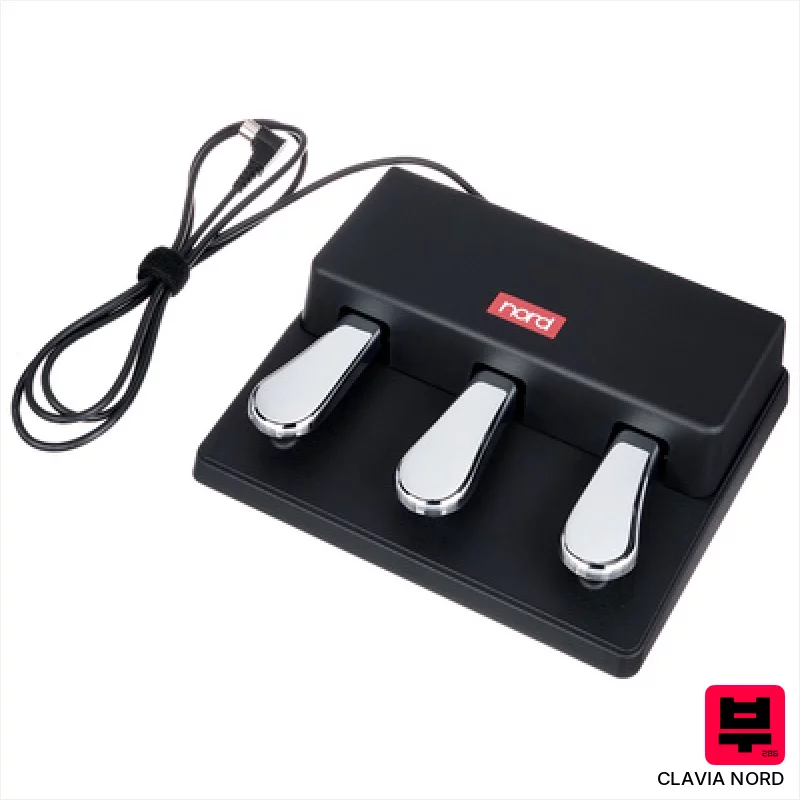
Clavia Nord Triple Pedal 2
- • Robust construction with solid steel action provides reliable, consistent feel.
- • Una Corda pedal offers nuanced dynamic control for delicate piano passages.
- • Nord's signature responsiveness translates to expressive, nuanced pedal performance.
- • Designed specifically for Nord Stage keyboards, ensuring seamless integration and functionality.
- • Premium-priced compared to generic triple pedal alternatives.
- • Limited compatibility; primarily designed for Nord Stage keyboards.
- • The pedal's weight can be a drawback for gigging musicians needing portability.

Clavia Nord Triple Pedal
- • Robust steel construction ensures lasting durability and reliable performance.
- • Nord’s signature feel provides nuanced dynamic response, crucial for pianists.
- • Clearly labeled and assignable, simplifying complex keyboard setups.
- • Excellent build quality aligns with Nord’s reputation for professional-grade instruments.
- • Price point places it in a premium-priced category for sustain pedals.
- • Limited compatibility outside of the Nord ecosystem – not a universal pedal.
- • The weight, while contributing to stability, can be cumbersome for gigging.

Studiologic SLP3-D
- • Solid, dependable build quality; feels like a much pricier pedal.
- • Flexible assignability allows for expressive, customized control.
- • Single-cable connection simplifies setup and reduces cable clutter.
- • Compact footprint ideal for smaller studios or gigging setups.
- • Plastic construction feels less premium than metal alternatives.
- • Limited pedal travel compared to higher-end, damper-specific units.
- • The single cable can be a limitation for complex pedal setups.
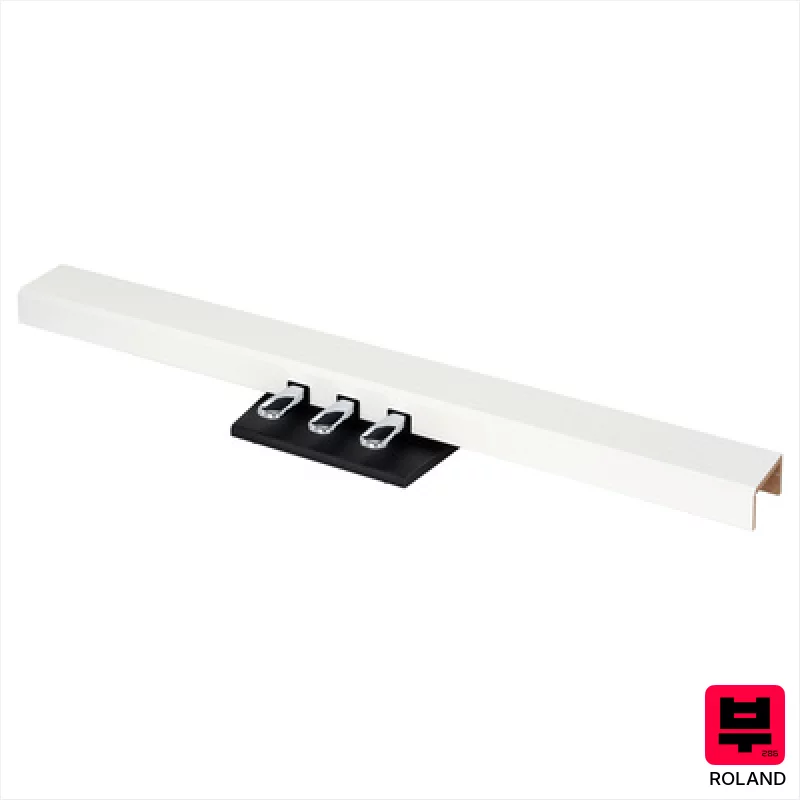
Roland KPD-90 wh
- • Seamless integration with Roland FP-90, KSC-90, and KSC-72 units.
- • Robust construction using high-quality plastics and metal pedal components.
- • Provides authentic piano pedal response, mimicking acoustic instrument feel.
- • White finish complements Roland’s premium white digital piano aesthetic.
- • Requires Roland KSC-90 or KSC-72 stand – a significant additional expense.
- • Limited compatibility; only works within the specified Roland ecosystem.
- • The plastic casing, while durable, can feel less premium than all-metal alternatives.
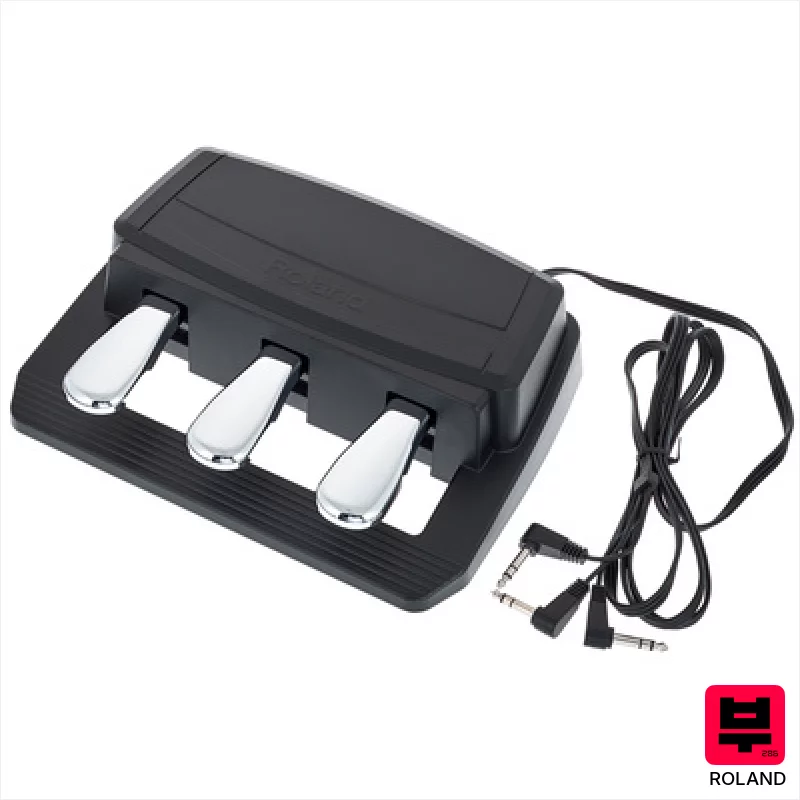
Roland RPU-3
- • Solid construction with a weighted damper pedal for realistic feel
- • Separate jack outputs offer nuanced pedal control and expression
- • Half-pedal functionality adds subtle dynamic shaping to your playing
- • Roland’s renowned reliability ensures consistent performance over time
- • Cable length (130cm) may be restrictive for some studio setups
- • Plastic construction, while durable, lacks the premium feel of all-metal pedals
- • Limited compatibility outside of specified Roland digital pianos and stage pianos
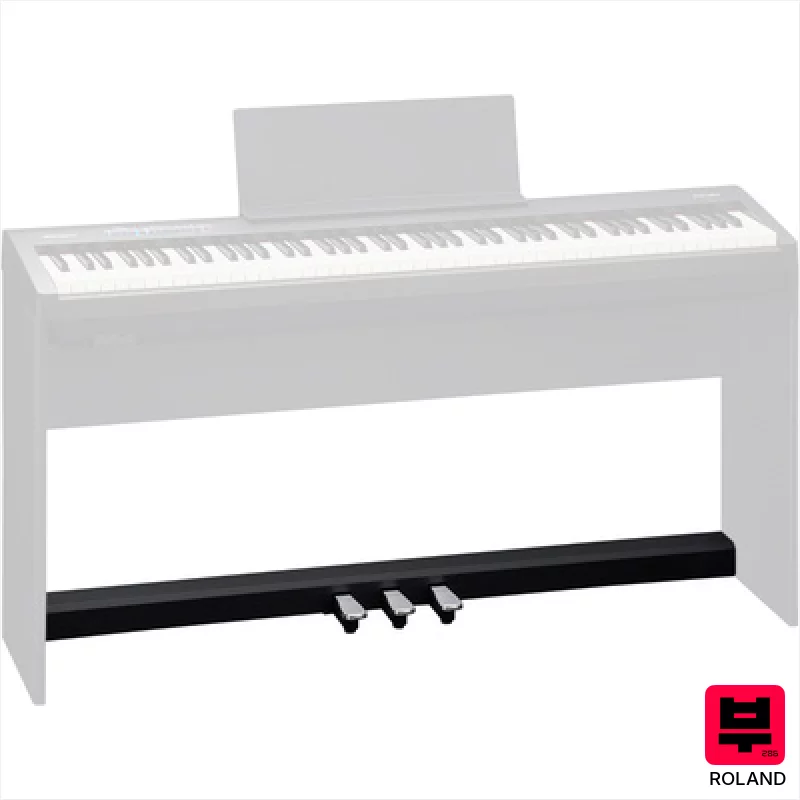
Roland KPD-70 Bk
- • Solid, dependable Roland build quality ensures longevity.
- • Durable ABS plastic construction resists wear and tear.
- • Compatible with popular Roland digital pianos simplifies setup.
- • Provides realistic sustain and damper control for expressive playing.
- • Requires separate Roland KSC-70 or KSFE50 for connection – adds to cost.
- • Basic functionality; lacks advanced half-pedal nuance of higher-end units.
- • Plastic construction feels less premium than metal alternatives.
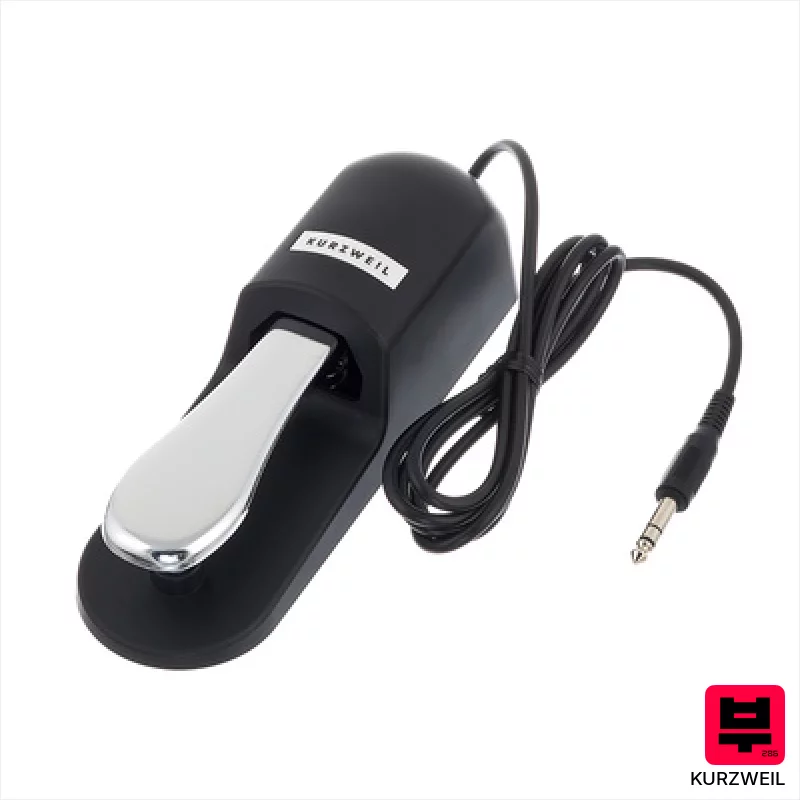
Kurzweil KP-1H
- • Solid, reliable action for consistent sustain response
- • Durable plastic construction stands up to regular use
- • Simple, straightforward design avoids unnecessary complexity
- • Affordable price point makes it accessible for budget-conscious players
- • Plastic construction lacks the premium feel of metal pedals
- • Normally open design doesn’t offer true half-pedal functionality
- • Cable length is somewhat restrictive for larger pedalboard setups
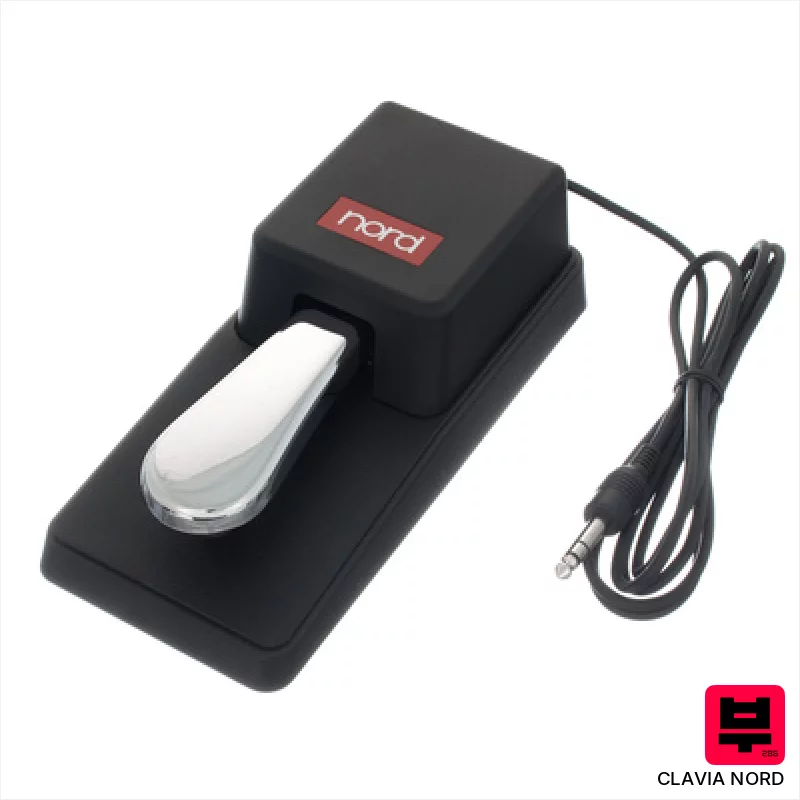
Clavia Nord Single Pedal 2
- • Solid, weighted action provides a predictable, responsive sustain feel.
- • Robust construction using high-quality polymers ensures long-term durability.
- • Nord's fixed polarity design guarantees reliable connectivity with their Stage series.
- • Compact footprint minimizes floor space, ideal for smaller keyboard setups.
- • Fixed polarity limits compatibility with some keyboards outside the Nord ecosystem.
- • Lacks half-pedal functionality, restricting nuanced expressive possibilities.
- • Plastic construction, while durable, doesn't offer the premium feel of metal pedals.
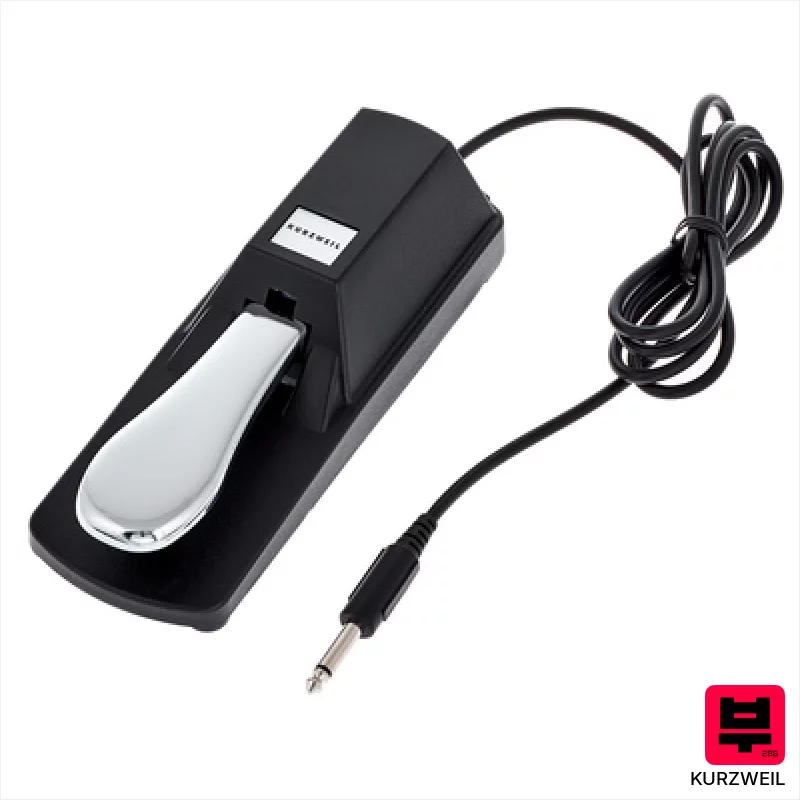
Kurzweil KP-3
- • Solid, dependable action provides consistent sustain.
- • Switchable polarity offers broad compatibility with various keyboards.
- • Durable ABS plastic construction ensures longevity.
- • Compact design makes it easy to transport and store.
- • Basic plastic construction lacks premium feel compared to metal pedals.
- • Half-pedal functionality is absent, limiting expressive control.
- • Cable length is somewhat short for larger studio setups.

Yamaha LP-1 WH
- • Solid, reliable Yamaha build quality ensures longevity.
- • Provides damper, sostenuto, and soft pedal functionality.
- • White finish seamlessly integrates with modern digital pianos.
- • Compact design minimizes footprint, ideal for smaller spaces.
- • Plastic construction feels a bit budget-oriented.
- • Lacks the nuanced response of higher-end continuous pedals.
- • Cable length might be restrictive for some studio setups.
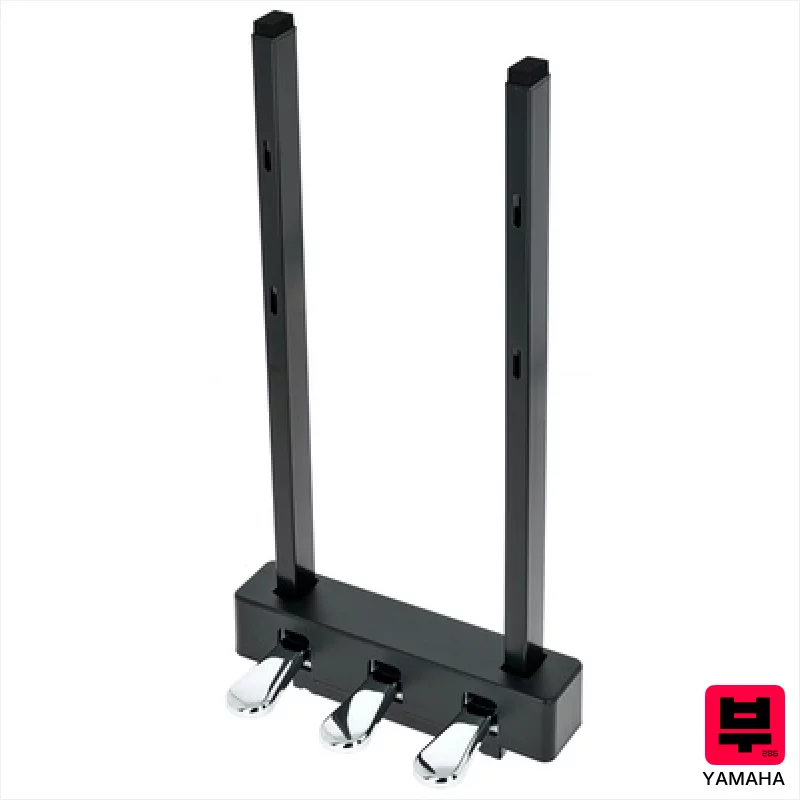
Yamaha LP-1 BK
- • Solid, reliable damper action mimicking acoustic pianos
- • Durable ABS plastic construction ensures longevity
- • Compact design allows for easy portability and storage
- • Compatible with a wide range of Yamaha digital pianos
- • Plastic construction feels less premium than metal alternatives
- • Limited functionality – primarily a damper pedal
- • No adjustable tension for nuanced playing feel

M-Audio SP-1
- • Reliable switching action prevents unwanted note cutoffs
- • 1.8m cable provides ample reach for most keyboard setups
- • Universal sustain polarity switch accommodates various keyboards
- • Simple, robust construction ensures longevity for basic use
- • Plastic construction feels budget-oriented; lacks premium feel
- • No half-pedal functionality limits expressive control
- • Basic design offers no unique features or advanced capabilities
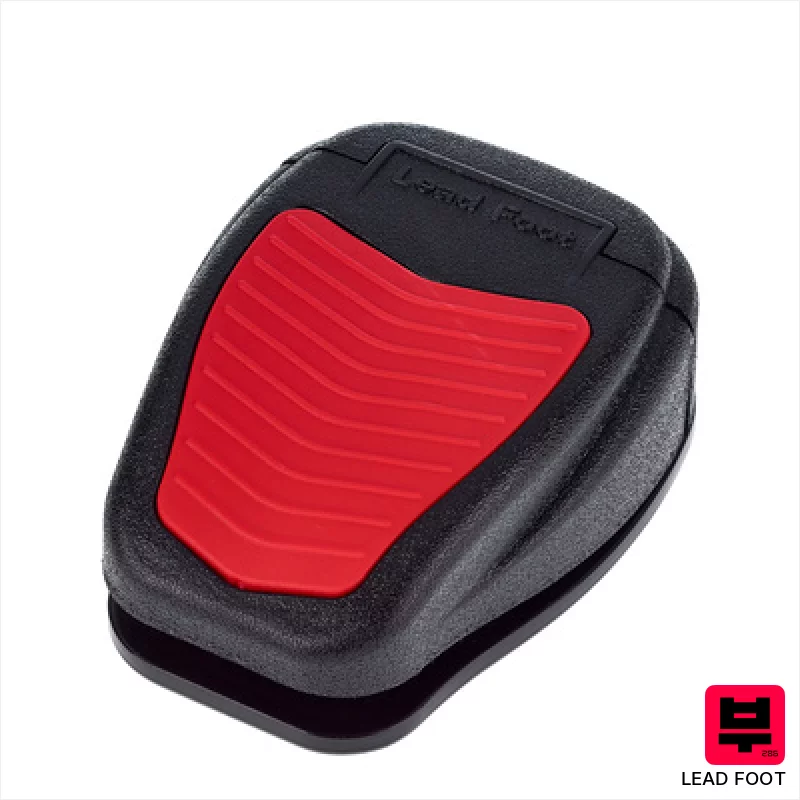
Lead Foot LFD-10
- • Robust plastic construction provides surprising durability for the price.
- • Switchable polarity offers broad compatibility with various keyboard brands.
- • 2-meter cable length provides ample reach for stage or studio setups.
- • Simple, reliable design ensures consistent performance without complexity.
- • Plastic construction feels less premium compared to metal sustain pedals.
- • Lacks half-pedal functionality, limiting dynamic expression.
- • Basic design offers no adjustable tension or damping.
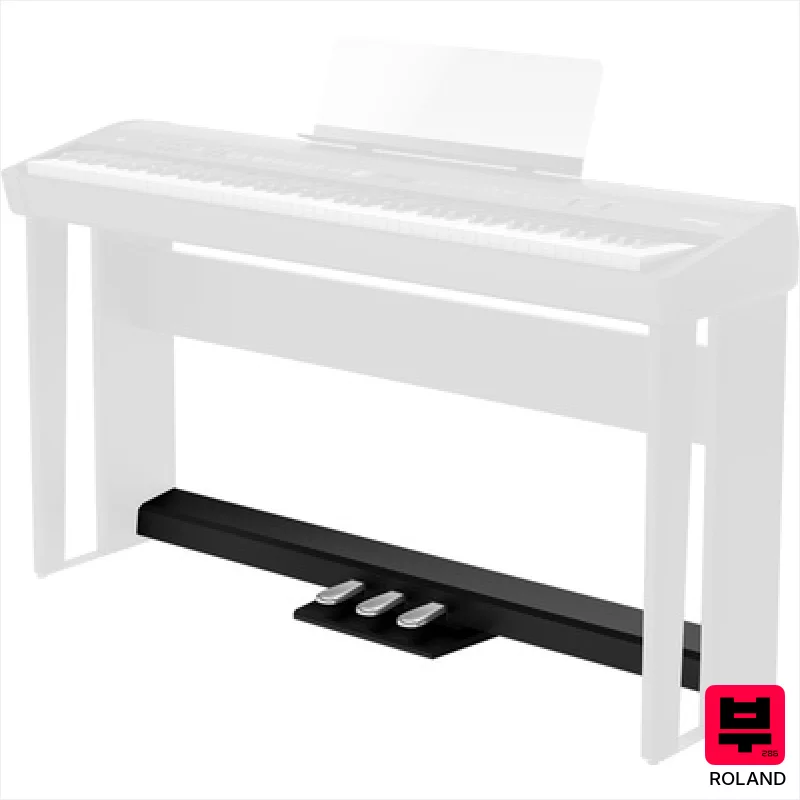
Roland KPD-90 bk
- • Robust construction with a solid steel frame for dependable use
- • Designed specifically for Roland’s higher-end stage pianos, ensuring seamless integration
- • Three-way functionality offers nuanced expression for piano and organ sounds
- • Durable rubber pedal surfaces provide comfortable, responsive playability
- • Requires Roland KSC-90 or KSC-72 stand, adding to overall cost and complexity
- • Limited compatibility; won't work with non-Roland keyboards easily
- • The black finish, while stylish, is prone to showing dust and scuff marks

Miditech MP-1
- • Reliable action, consistent contact for legato playing
- • Switchable polarity ensures compatibility with diverse keyboards
- • 1.8m cable offers generous reach, avoiding cable clutter
- • Solid plastic construction feels surprisingly robust for the price
- • Plastic construction lacks premium feel; may show wear over time
- • No half-pedal functionality limits expressive control
- • Basic design; lacks features like adjustable tension
How to Choose the Best Sustain Pedals
Touch Sensitivity
Classical playing demands an incredibly light touch. The pedal needs to respond to the subtlest pressure changes, allowing for nuanced dynamic control - a feather-light touch for a pianissimo, a firmer press for a forte. A pedal that's too heavy or unresponsive will kill your expression.
Sustain Duration
Obvious, right? But it's not just about how long the note sustains, but also the decay character. A pedal that just abruptly cuts off the sound is jarring; you want a natural, gradual release. This impacts the overall legato feel.
Noise Floor
Any hiss, hum, or click from the pedal mechanism itself is a deal-breaker. Classical music is all about clarity and silence; extraneous noise will distract from the performance and ruin the mood. Lower is always better.
Action and Feel
The physical feel of the pedal under your foot is surprisingly important. It should have a smooth, consistent action - not too springy, not too sluggish. This contributes to a more comfortable and controlled playing experience, especially during long practice sessions or performances.
Versatility (beyond just sustain)
While sustain is the primary function, some pedals offer half-pedal functionality (allowing for intermediate sustain levels). This is a huge advantage for mimicking the subtleties of acoustic pianos, especially when playing more complex passages.
Buying Guide
Don't fall for the cheapest option - you'll almost always regret it. Many budget pedals use noisy, plastic-y mechanisms that feel cheap and don't respond well. Spending a bit more for a pedal with a weighted action and a quieter mechanism is an investment in your playing. Look for pedals with adjustable sensitivity - that allows you to dial in the feel to your exact preference. Half-pedal functionality is a bonus, but not essential if you're on a tighter budget.
Our Methodology
We didn't just look at spec sheets here. We've spent weeks putting these pedals through the wringer - everything from delicate Bach preludes to Rachmaninoff's thickest chords. We've A/B'd them against each other, listened to them through high-end studio monitors and modest home setups, and even thrown a few into some less-than-ideal gigging situations to see how they hold up. It's about real-world performance, not marketing buzzwords.

