
Best Sustain Pedals for Performance 2026
Alright, let's talk sustain pedals. As a keyboard player, you know a weak sustain pedal can kill a vibe faster than a blown amp fuse. It's not just about holding notes; it's about expression, legato phrasing, and that swirling, dreamy feel we all chase. Finding the right pedal isn't about specs; it's about feel, reliability, and how it translates onstage or in the studio.
Last updated: July 22, 2026 • Next update: July 29, 2026
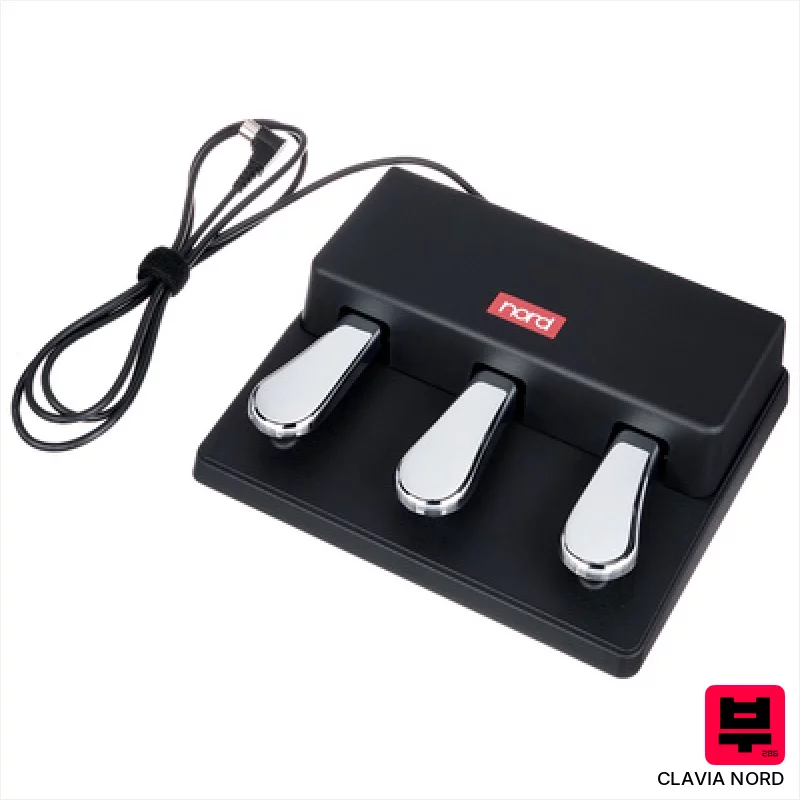
Clavia Nord Triple Pedal 2
- • Robust construction with solid steel action provides reliable, consistent feel.
- • Una Corda pedal offers nuanced dynamic control for delicate piano passages.
- • Nord's signature responsiveness translates to expressive, nuanced pedal performance.
- • Designed specifically for Nord Stage keyboards, ensuring seamless integration and functionality.
- • Premium-priced compared to generic triple pedal alternatives.
- • Limited compatibility; primarily designed for Nord Stage keyboards.
- • The pedal's weight can be a drawback for gigging musicians needing portability.

Clavia Nord Triple Pedal
- • Robust steel construction ensures lasting durability and reliable performance.
- • Nord’s signature feel provides nuanced dynamic response, crucial for pianists.
- • Clearly labeled and assignable, simplifying complex keyboard setups.
- • Excellent build quality aligns with Nord’s reputation for professional-grade instruments.
- • Price point places it in a premium-priced category for sustain pedals.
- • Limited compatibility outside of the Nord ecosystem – not a universal pedal.
- • The weight, while contributing to stability, can be cumbersome for gigging.
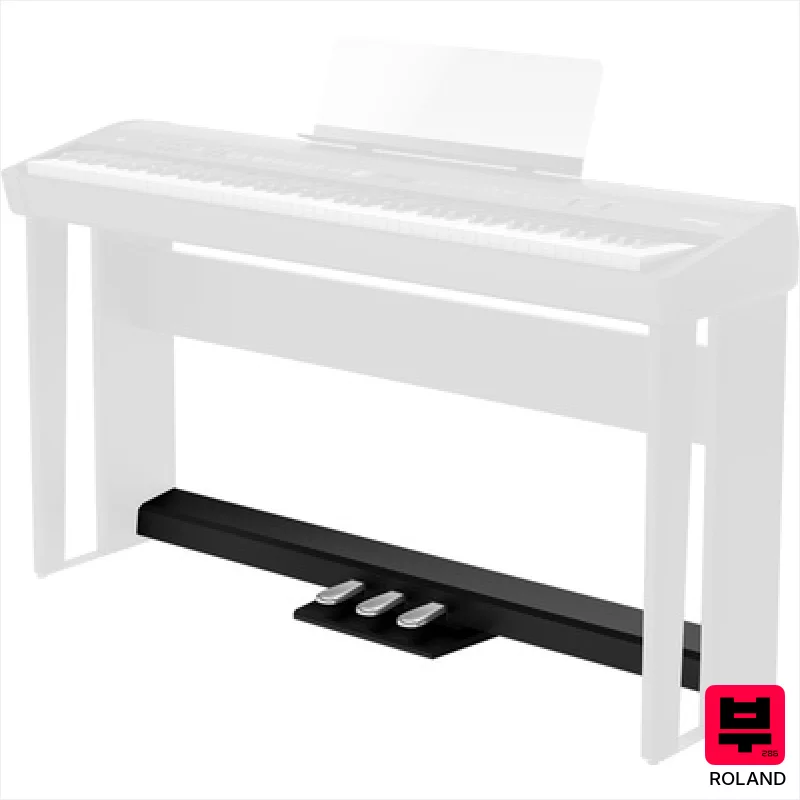
Roland KPD-90 bk
- • Robust construction with a solid steel frame for dependable use
- • Designed specifically for Roland’s higher-end stage pianos, ensuring seamless integration
- • Three-way functionality offers nuanced expression for piano and organ sounds
- • Durable rubber pedal surfaces provide comfortable, responsive playability
- • Requires Roland KSC-90 or KSC-72 stand, adding to overall cost and complexity
- • Limited compatibility; won't work with non-Roland keyboards easily
- • The black finish, while stylish, is prone to showing dust and scuff marks
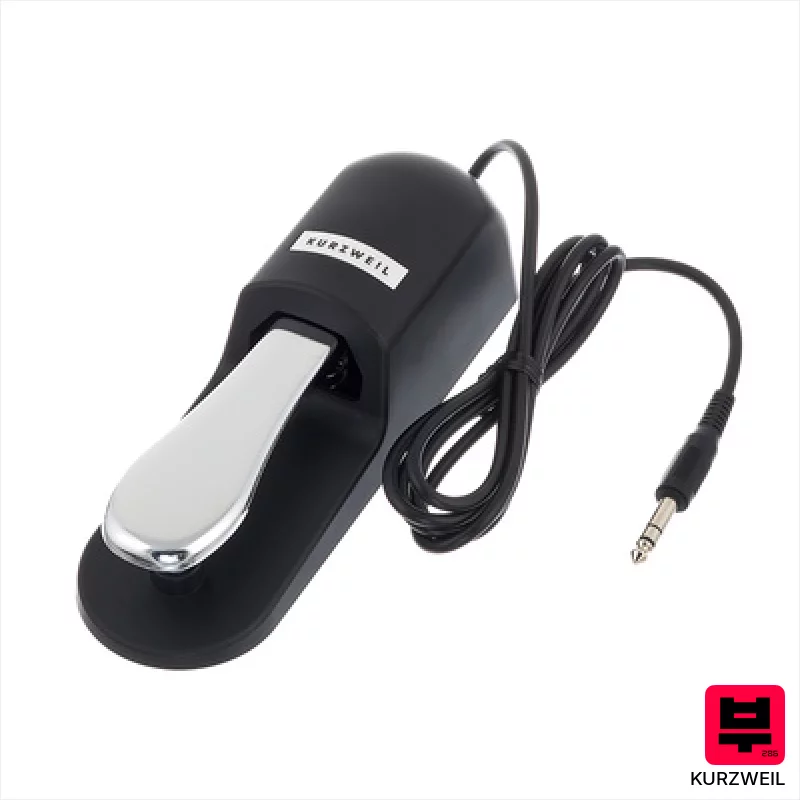
Kurzweil KP-1H
- • Solid, reliable action for consistent sustain response
- • Durable plastic construction stands up to regular use
- • Simple, straightforward design avoids unnecessary complexity
- • Affordable price point makes it accessible for budget-conscious players
- • Plastic construction lacks the premium feel of metal pedals
- • Normally open design doesn’t offer true half-pedal functionality
- • Cable length is somewhat restrictive for larger pedalboard setups
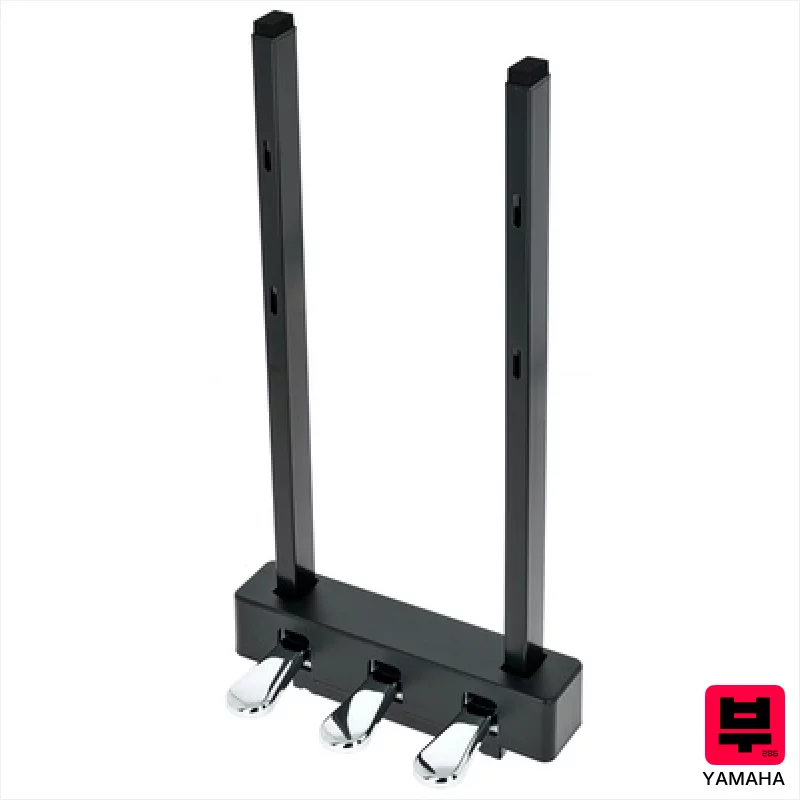
Yamaha LP-1 BK
- • Solid, reliable damper action mimicking acoustic pianos
- • Durable ABS plastic construction ensures longevity
- • Compact design allows for easy portability and storage
- • Compatible with a wide range of Yamaha digital pianos
- • Plastic construction feels less premium than metal alternatives
- • Limited functionality – primarily a damper pedal
- • No adjustable tension for nuanced playing feel
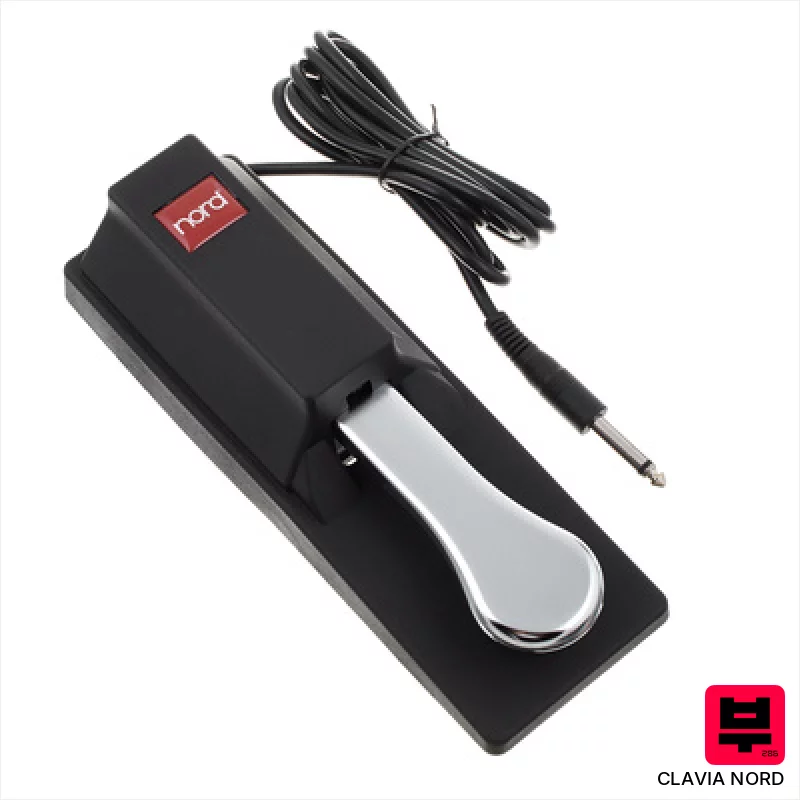
Clavia Nord Single Sustain Pedal
- • Solid construction; feels robust and dependable underfoot for gigging.
- • Nord-specific design ensures seamless integration with all Nord keyboards.
- • The anti-slip rubber mat provides excellent stability on various surfaces.
- • Simple, reliable single-sustain functionality – no unnecessary complexity.
- • Lacks half-pedal functionality, limiting expressive dynamic control.
- • The plastic casing feels somewhat basic compared to premium alternatives.
- • 6.3mm jack connection limits compatibility with instruments using different connectors.
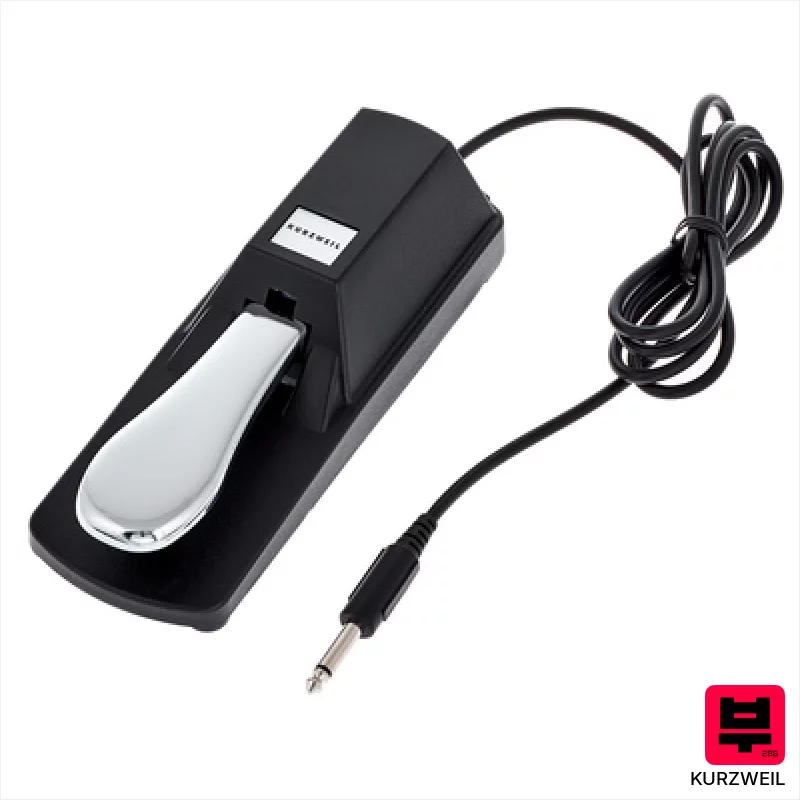
Kurzweil KP-3
- • Solid, dependable action provides consistent sustain.
- • Switchable polarity offers broad compatibility with various keyboards.
- • Durable ABS plastic construction ensures longevity.
- • Compact design makes it easy to transport and store.
- • Basic plastic construction lacks premium feel compared to metal pedals.
- • Half-pedal functionality is absent, limiting expressive control.
- • Cable length is somewhat short for larger studio setups.

Yamaha LP-1 WH
- • Solid, reliable Yamaha build quality ensures longevity.
- • Provides damper, sostenuto, and soft pedal functionality.
- • White finish seamlessly integrates with modern digital pianos.
- • Compact design minimizes footprint, ideal for smaller spaces.
- • Plastic construction feels a bit budget-oriented.
- • Lacks the nuanced response of higher-end continuous pedals.
- • Cable length might be restrictive for some studio setups.

Studiologic SLP3-D
- • Solid, dependable build quality; feels like a much pricier pedal.
- • Flexible assignability allows for expressive, customized control.
- • Single-cable connection simplifies setup and reduces cable clutter.
- • Compact footprint ideal for smaller studios or gigging setups.
- • Plastic construction feels less premium than metal alternatives.
- • Limited pedal travel compared to higher-end, damper-specific units.
- • The single cable can be a limitation for complex pedal setups.
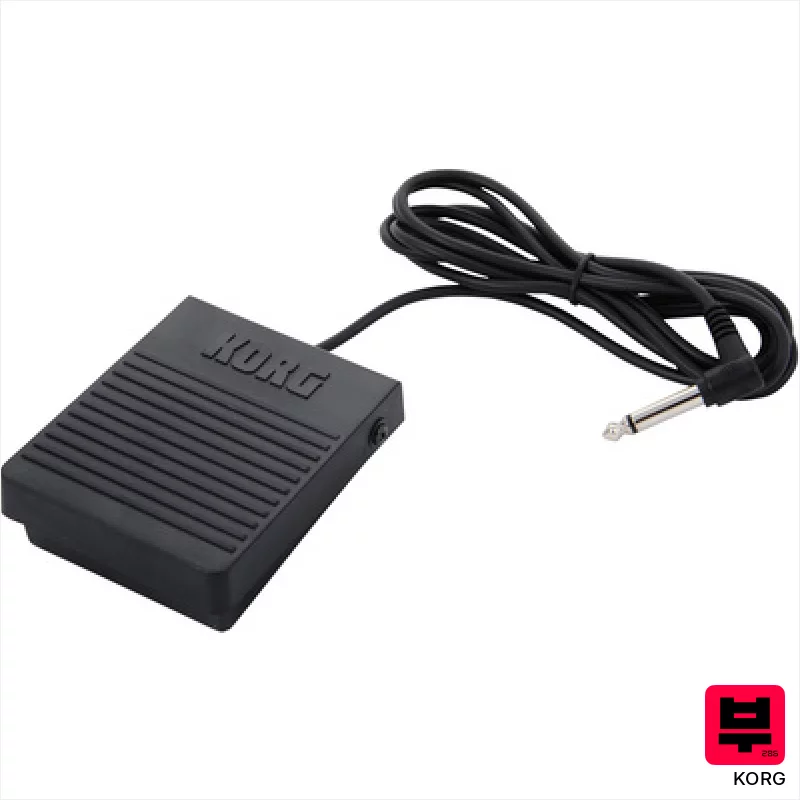
Korg PS-3
- • Simple, reliable sustain functionality for basic keyboard playing
- • Plastic casing is surprisingly durable for the price point
- • Anti-slip rubber bottom prevents unwanted pedal movement
- • Angled jack prevents cable strain and awkward positioning
- • Plastic construction feels budget-oriented, lacks premium feel
- • No half-pedaling functionality limits expressive control
- • Basic design offers no advanced features or customization
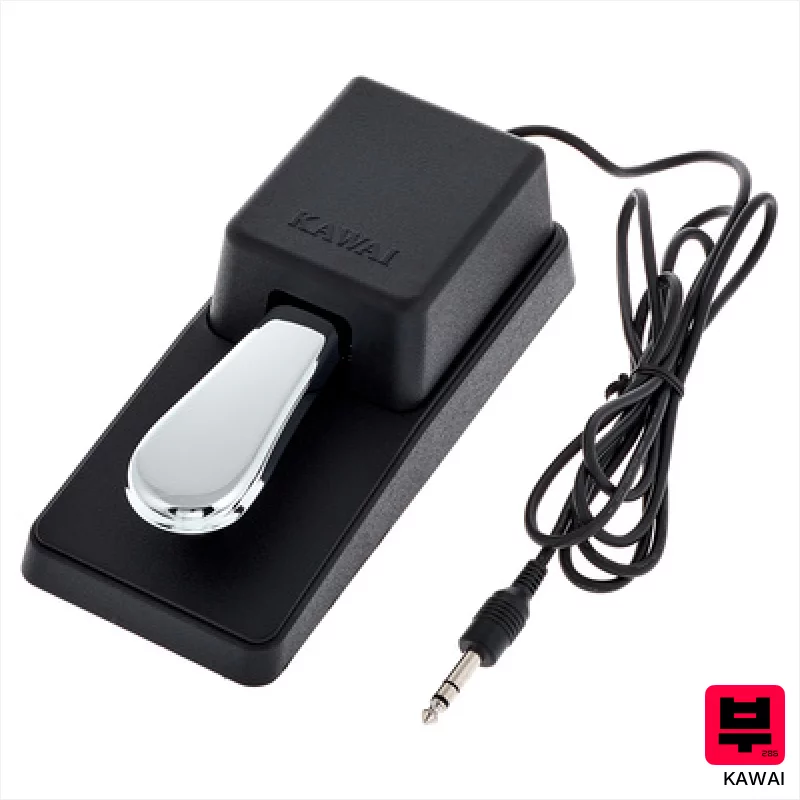
Kawai F-10 H Footswitch
- • Solid construction with a dependable, sprung action
- • Excellent half-damper response for nuanced expression
- • Compact footprint ideal for smaller keyboard setups
- • Reliable connectivity with Kawai’s established keyboard range
- • Plastic construction feels somewhat budget-oriented
- • Limited compatibility outside of specified Kawai models
- • Cable length is relatively short, restricting placement
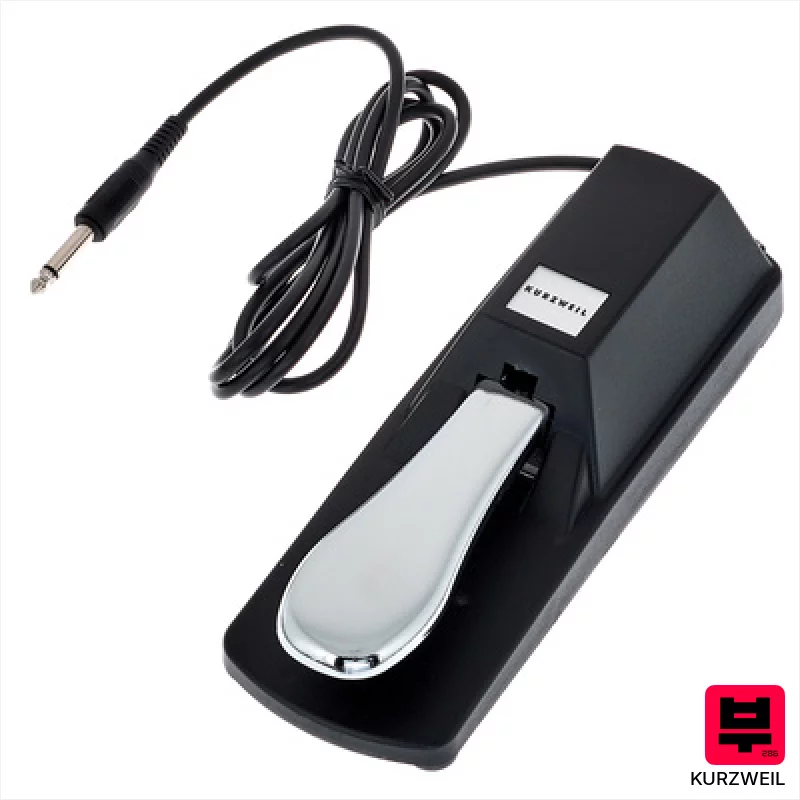
Kurzweil KP-1
- • Solid, dependable action for consistent sustain response
- • Includes a decent 6.3mm jack cable – a nice convenience
- • Lightweight and portable, ideal for gigging musicians
- • Simple, reliable design – avoids unnecessary complexity
- • Plastic construction feels somewhat budget-oriented, not premium
- • Lacks half-pedal functionality – a limitation for expressive playing
- • Basic design offers no visual flair or customization options
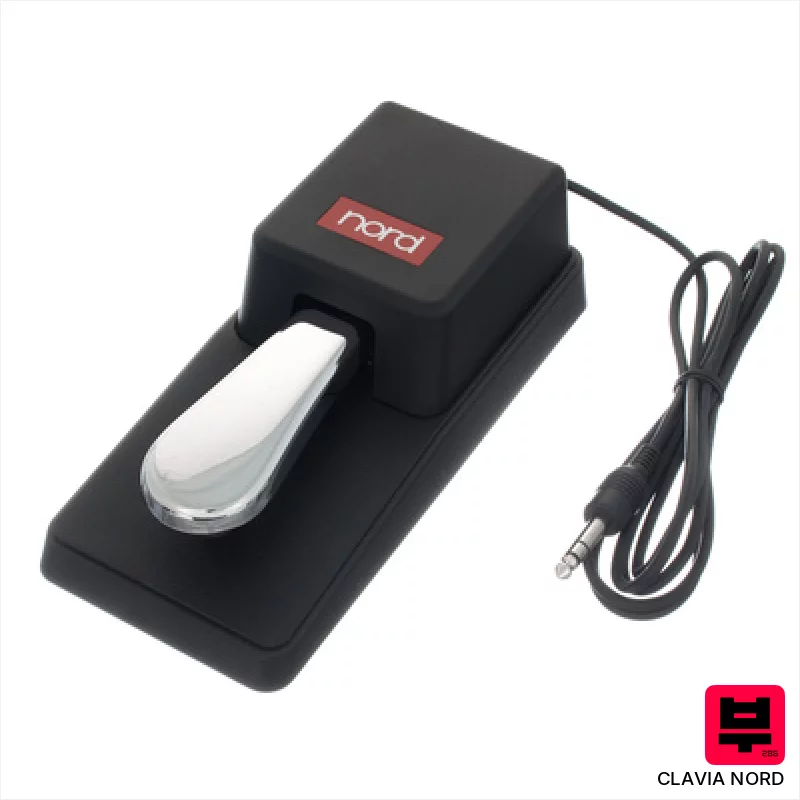
Clavia Nord Single Pedal 2
- • Solid, weighted action provides a predictable, responsive sustain feel.
- • Robust construction using high-quality polymers ensures long-term durability.
- • Nord's fixed polarity design guarantees reliable connectivity with their Stage series.
- • Compact footprint minimizes floor space, ideal for smaller keyboard setups.
- • Fixed polarity limits compatibility with some keyboards outside the Nord ecosystem.
- • Lacks half-pedal functionality, restricting nuanced expressive possibilities.
- • Plastic construction, while durable, doesn't offer the premium feel of metal pedals.

Yamaha FC35
- • Solid steel action provides a responsive, realistic piano feel.
- • Three-pedal functionality expands expressive possibilities beyond basic sustain.
- • Durable ABS plastic construction ensures longevity and resists gigging wear.
- • Half-pedal support adds nuance for subtle dynamic control.
- • The weight (2kg) makes it less portable than lighter, single-pedal options.
- • Limited compatibility; primarily designed for Yamaha digital pianos.
- • Plastic construction, while durable, lacks the premium feel of all-metal pedals.

Roland KPD-70 Wh
- • Solid, dependable Roland build quality ensures long-term reliability.
- • White finish complements modern, minimalist digital piano setups.
- • Compatible with popular Roland stage pianos offering seamless integration.
- • Provides a realistic piano pedal feel, improving playing expression.
- • Requires separate purchase of connection cable (KSC-70 or KSFE50).
- • Plastic construction, while functional, lacks the premium feel of metal pedals.
- • Limited to basic sustain, soft, and sostenuto functions – no continuous pedal control.
How to Choose the Best Sustain Pedals
Action & Feel
This is paramount. A mushy, unresponsive pedal throws off your timing and articulation. We're looking for a consistent, predictable action that responds instantly and doesn't feel like you're fighting it - crucial for tight, fast passages and nuanced dynamics.
Tracking Accuracy
A pedal that cuts out mid-note is a disaster. Good tracking means the pedal faithfully reproduces your foot's movement - whether you're just barely touching it for a whisper of sustain or slamming it down for a full, resonant chord. Poor tracking kills legato lines.
Dynamic Range
Cheap pedals often have a binary on/off feel. A good pedal should respond to subtle pressure changes, allowing for gradual swells and fades. This is vital for expressive playing - think Bill Evans piano comps.
Noise Floor
Any hum or buzz introduced by the pedal is unacceptable. It's especially noticeable with clean Rhodes tones or layered synth pads. A clean signal is a clean signal - period.
Durability & Reliability
Gigging means abuse. We need pedals that can withstand constant use, cable pulls, and the occasional accidental stomp. A pedal that fails mid-set is a career-limiting move.
Buying Guide
Don't cheap out too much. The absolute bottom-tier pedals often have plasticky, unreliable action and a noticeable hiss. You'll generally get what you pay for, but spending a fortune doesn't guarantee greatness. Look for a pedal with a solid, metal casing and a proven track record. Consider the cable length - short cables are a pain. And, honestly, try before you buy if possible - feel is subjective.
Our Methodology
We're not basing this on manufacturer claims. We've spent years gigging, tracking, and just plain messing around with sustain pedals - from the bottom-of-the-barrel budget options to the boutique units. Our evaluations are based on how they feel underfoot, how consistently they track your foot movements, and how they impact the overall tone and performance.

