
Best Sustain Pedals for Expression 2026
So, you're chasing that piano-like sustain and nuance on your keyboard rig? It's not just about holding a note longer - it's about expression. A good sustain pedal isn't just an on/off switch; it's a dynamic controller for your sound, letting you shape the decay, add subtle swells, and unlock a whole new level of feel. Let's break down what to look for in a sustain pedal if you're serious about expressive playing, whether it's for lush pads, delicate piano work, or even adding a touch of drama to your synths.
Last updated: July 22, 2026 • Next update: July 29, 2026
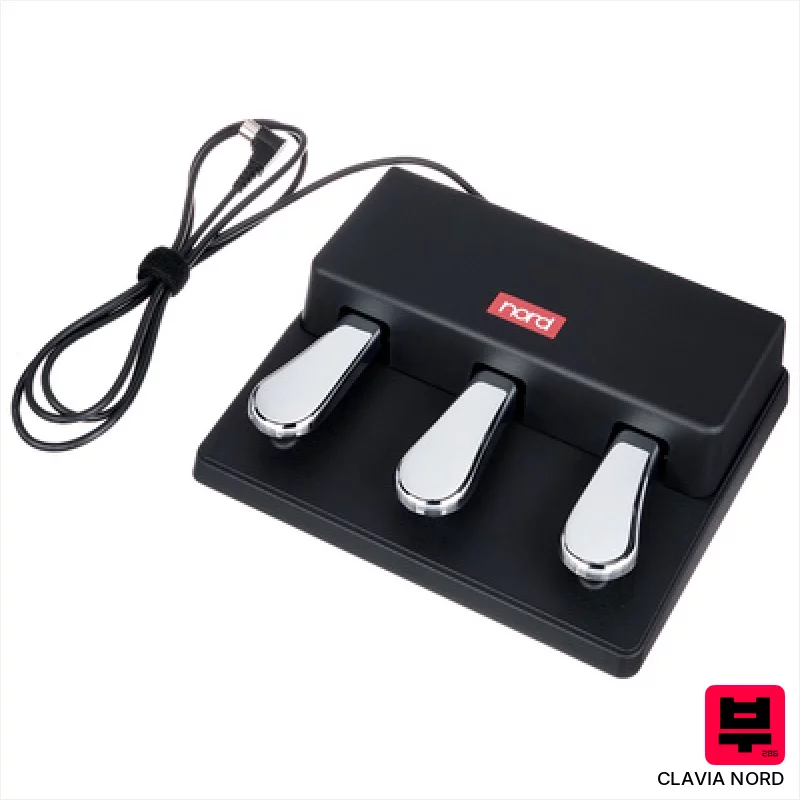
Clavia Nord Triple Pedal 2
- • Robust construction with solid steel action provides reliable, consistent feel.
- • Una Corda pedal offers nuanced dynamic control for delicate piano passages.
- • Nord's signature responsiveness translates to expressive, nuanced pedal performance.
- • Designed specifically for Nord Stage keyboards, ensuring seamless integration and functionality.
- • Premium-priced compared to generic triple pedal alternatives.
- • Limited compatibility; primarily designed for Nord Stage keyboards.
- • The pedal's weight can be a drawback for gigging musicians needing portability.

Clavia Nord Triple Pedal
- • Robust steel construction ensures lasting durability and reliable performance.
- • Nord’s signature feel provides nuanced dynamic response, crucial for pianists.
- • Clearly labeled and assignable, simplifying complex keyboard setups.
- • Excellent build quality aligns with Nord’s reputation for professional-grade instruments.
- • Price point places it in a premium-priced category for sustain pedals.
- • Limited compatibility outside of the Nord ecosystem – not a universal pedal.
- • The weight, while contributing to stability, can be cumbersome for gigging.

Studiologic SLP3-D
- • Solid, dependable build quality; feels like a much pricier pedal.
- • Flexible assignability allows for expressive, customized control.
- • Single-cable connection simplifies setup and reduces cable clutter.
- • Compact footprint ideal for smaller studios or gigging setups.
- • Plastic construction feels less premium than metal alternatives.
- • Limited pedal travel compared to higher-end, damper-specific units.
- • The single cable can be a limitation for complex pedal setups.
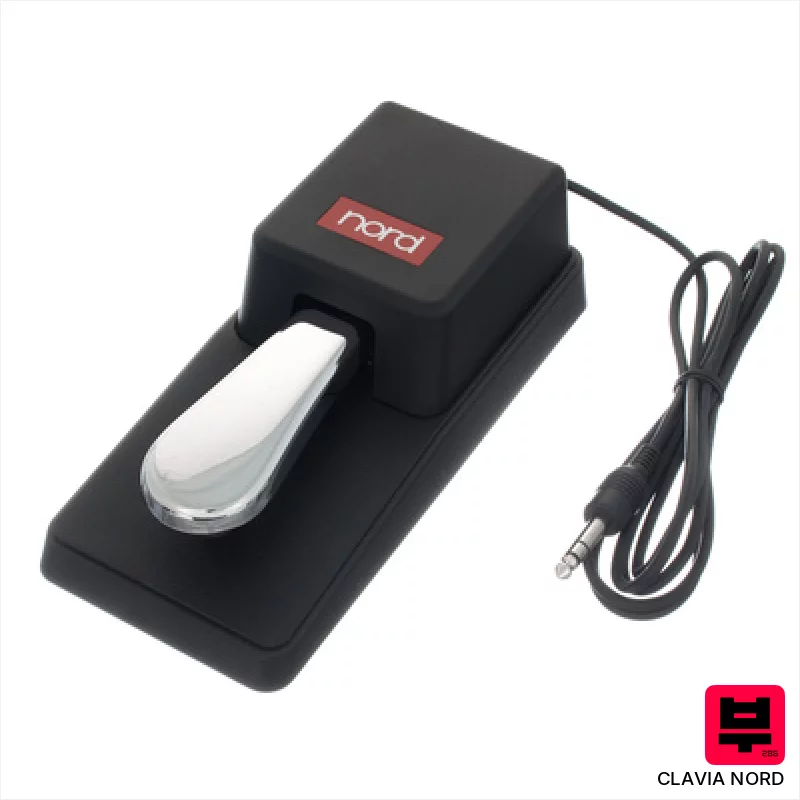
Clavia Nord Single Pedal 2
- • Solid, weighted action provides a predictable, responsive sustain feel.
- • Robust construction using high-quality polymers ensures long-term durability.
- • Nord's fixed polarity design guarantees reliable connectivity with their Stage series.
- • Compact footprint minimizes floor space, ideal for smaller keyboard setups.
- • Fixed polarity limits compatibility with some keyboards outside the Nord ecosystem.
- • Lacks half-pedal functionality, restricting nuanced expressive possibilities.
- • Plastic construction, while durable, doesn't offer the premium feel of metal pedals.
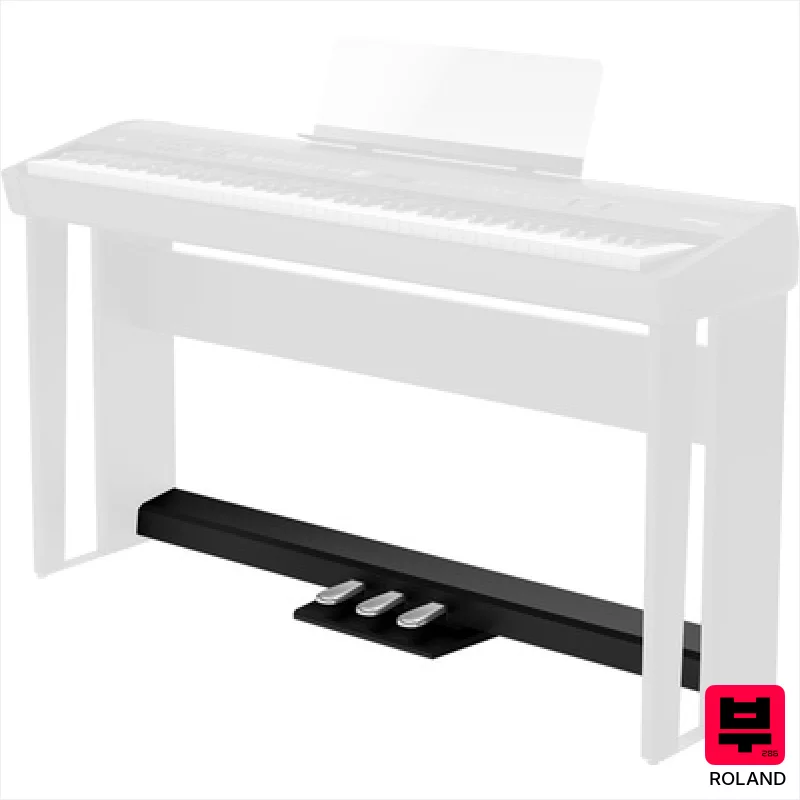
Roland KPD-90 bk
- • Robust construction with a solid steel frame for dependable use
- • Designed specifically for Roland’s higher-end stage pianos, ensuring seamless integration
- • Three-way functionality offers nuanced expression for piano and organ sounds
- • Durable rubber pedal surfaces provide comfortable, responsive playability
- • Requires Roland KSC-90 or KSC-72 stand, adding to overall cost and complexity
- • Limited compatibility; won't work with non-Roland keyboards easily
- • The black finish, while stylish, is prone to showing dust and scuff marks

Yamaha LP-1 WH
- • Solid, reliable Yamaha build quality ensures longevity.
- • Provides damper, sostenuto, and soft pedal functionality.
- • White finish seamlessly integrates with modern digital pianos.
- • Compact design minimizes footprint, ideal for smaller spaces.
- • Plastic construction feels a bit budget-oriented.
- • Lacks the nuanced response of higher-end continuous pedals.
- • Cable length might be restrictive for some studio setups.
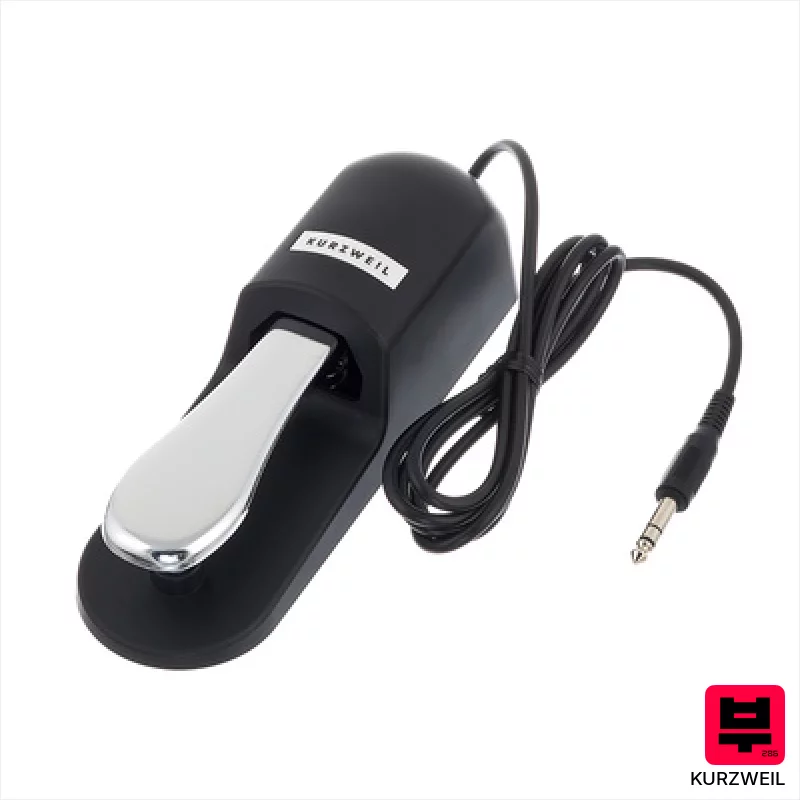
Kurzweil KP-1H
- • Solid, reliable action for consistent sustain response
- • Durable plastic construction stands up to regular use
- • Simple, straightforward design avoids unnecessary complexity
- • Affordable price point makes it accessible for budget-conscious players
- • Plastic construction lacks the premium feel of metal pedals
- • Normally open design doesn’t offer true half-pedal functionality
- • Cable length is somewhat restrictive for larger pedalboard setups

Kawai GFP-3
- • Optical sensors offer exceptionally nuanced dynamic response.
- • Half-damper control provides a wide expressive range.
- • Robust construction with a solid steel core ensures durability.
- • Designed specifically for Kawai’s MP series for seamless integration.
- • Limited compatibility; primarily designed for MP11SE and MP7SE models.
- • The gloss finish can be prone to fingerprints and smudges.
- • The pedal action, while smooth, might feel slightly lighter than some professional-grade pedals.
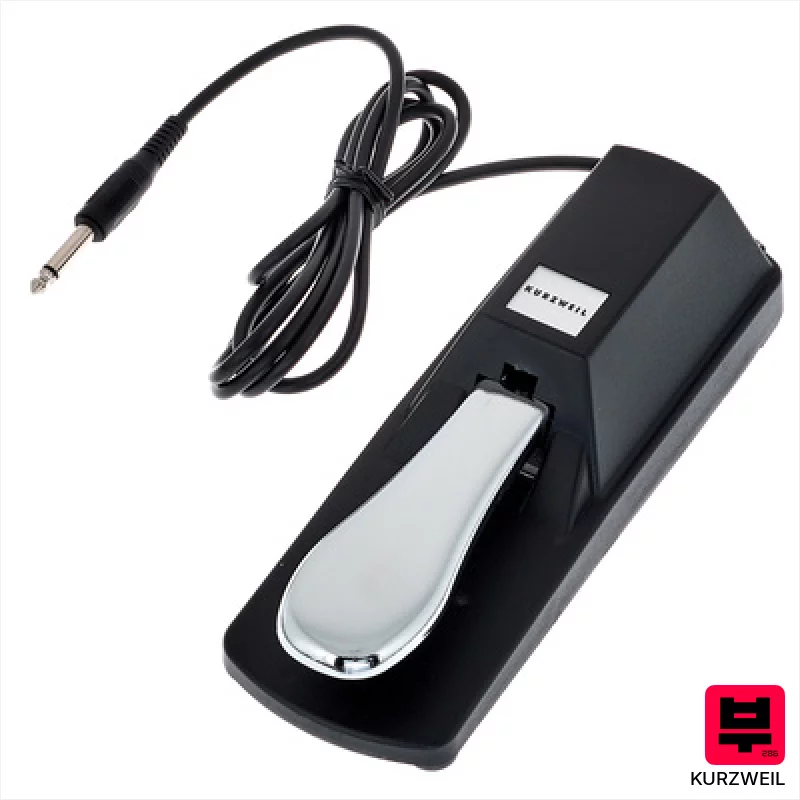
Kurzweil KP-1
- • Solid, dependable action for consistent sustain response
- • Includes a decent 6.3mm jack cable – a nice convenience
- • Lightweight and portable, ideal for gigging musicians
- • Simple, reliable design – avoids unnecessary complexity
- • Plastic construction feels somewhat budget-oriented, not premium
- • Lacks half-pedal functionality – a limitation for expressive playing
- • Basic design offers no visual flair or customization options

Roland KPD-70 Wh
- • Solid, dependable Roland build quality ensures long-term reliability.
- • White finish complements modern, minimalist digital piano setups.
- • Compatible with popular Roland stage pianos offering seamless integration.
- • Provides a realistic piano pedal feel, improving playing expression.
- • Requires separate purchase of connection cable (KSC-70 or KSFE50).
- • Plastic construction, while functional, lacks the premium feel of metal pedals.
- • Limited to basic sustain, soft, and sostenuto functions – no continuous pedal control.
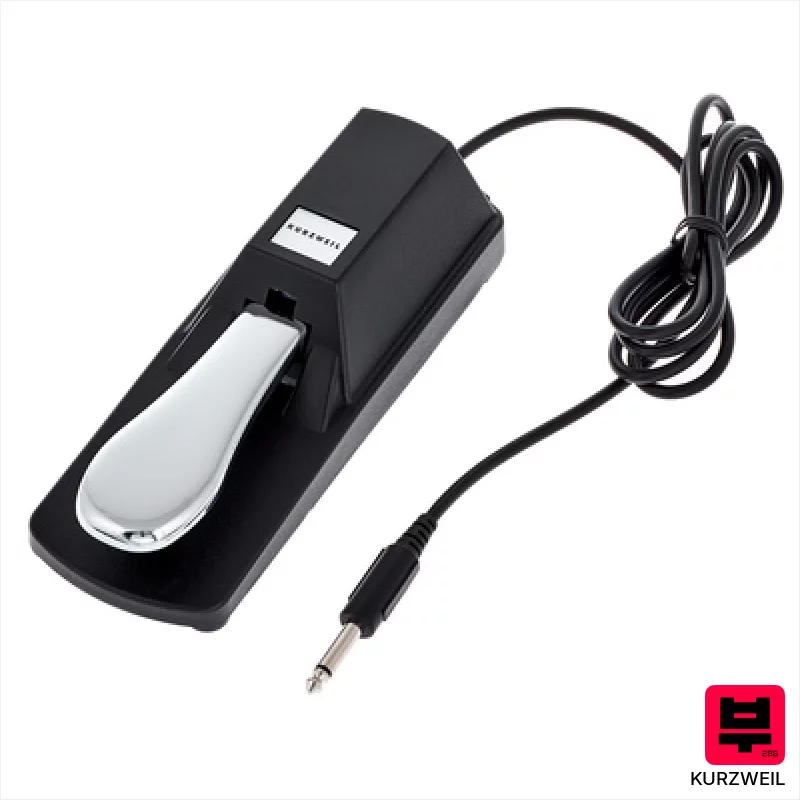
Kurzweil KP-3
- • Solid, dependable action provides consistent sustain.
- • Switchable polarity offers broad compatibility with various keyboards.
- • Durable ABS plastic construction ensures longevity.
- • Compact design makes it easy to transport and store.
- • Basic plastic construction lacks premium feel compared to metal pedals.
- • Half-pedal functionality is absent, limiting expressive control.
- • Cable length is somewhat short for larger studio setups.
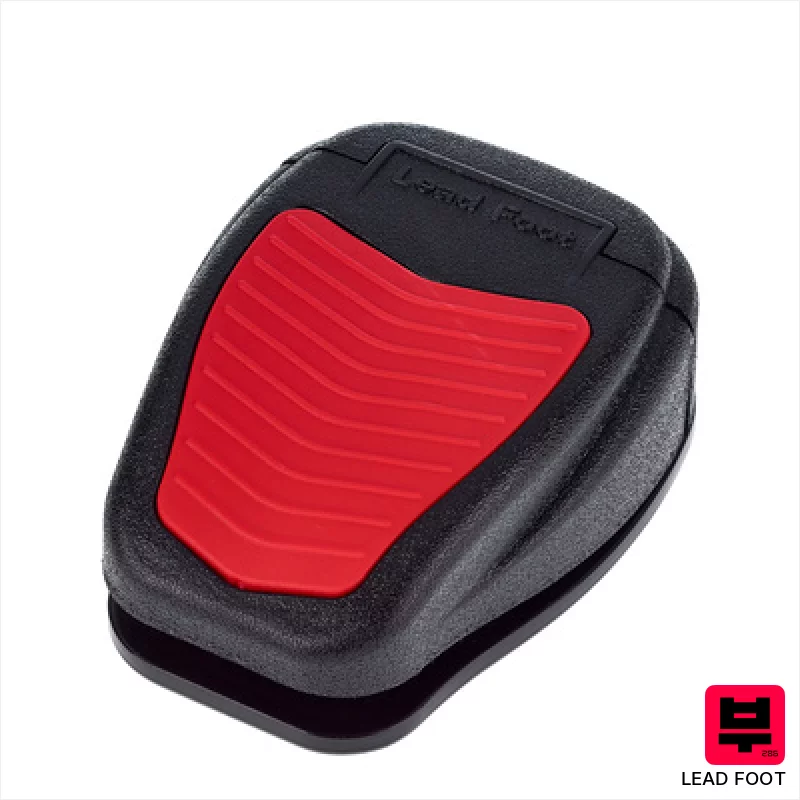
Lead Foot LFD-10
- • Robust plastic construction provides surprising durability for the price.
- • Switchable polarity offers broad compatibility with various keyboard brands.
- • 2-meter cable length provides ample reach for stage or studio setups.
- • Simple, reliable design ensures consistent performance without complexity.
- • Plastic construction feels less premium compared to metal sustain pedals.
- • Lacks half-pedal functionality, limiting dynamic expression.
- • Basic design offers no adjustable tension or damping.
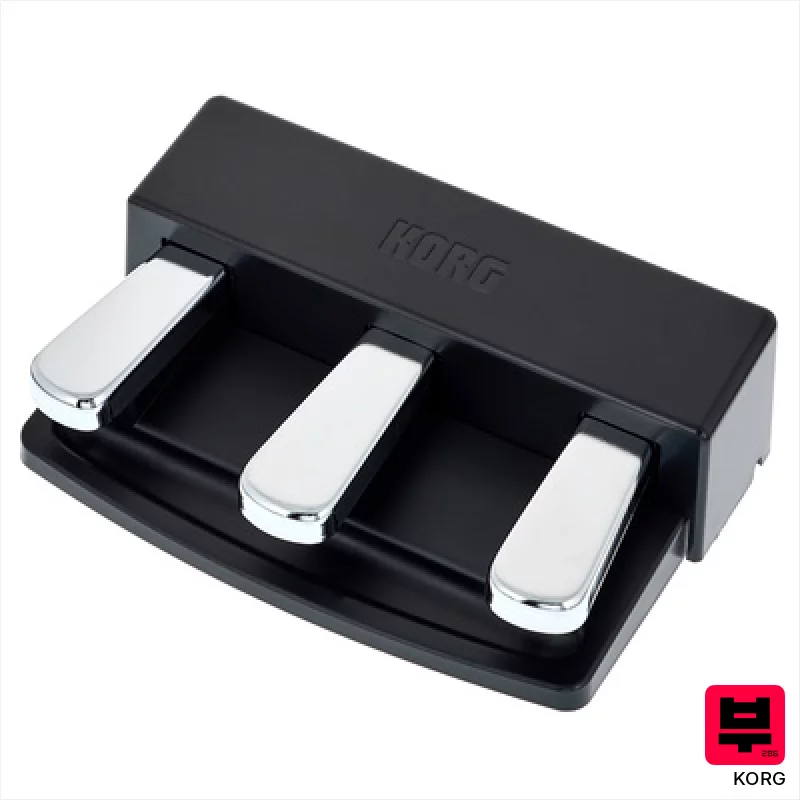
Korg PU-2
- • Solid, dependable action mimicking acoustic piano pedal feel
- • Durable ABS plastic construction provides reasonable longevity
- • Compatible with Korg’s older digital piano line – a boon for owners
- • Three distinct pedal functions offer expressive playing options
- • Plastic construction feels less premium than metal alternatives
- • Cable length is somewhat restrictive for larger setups
- • Limited compatibility outside of specifically mentioned Korg models
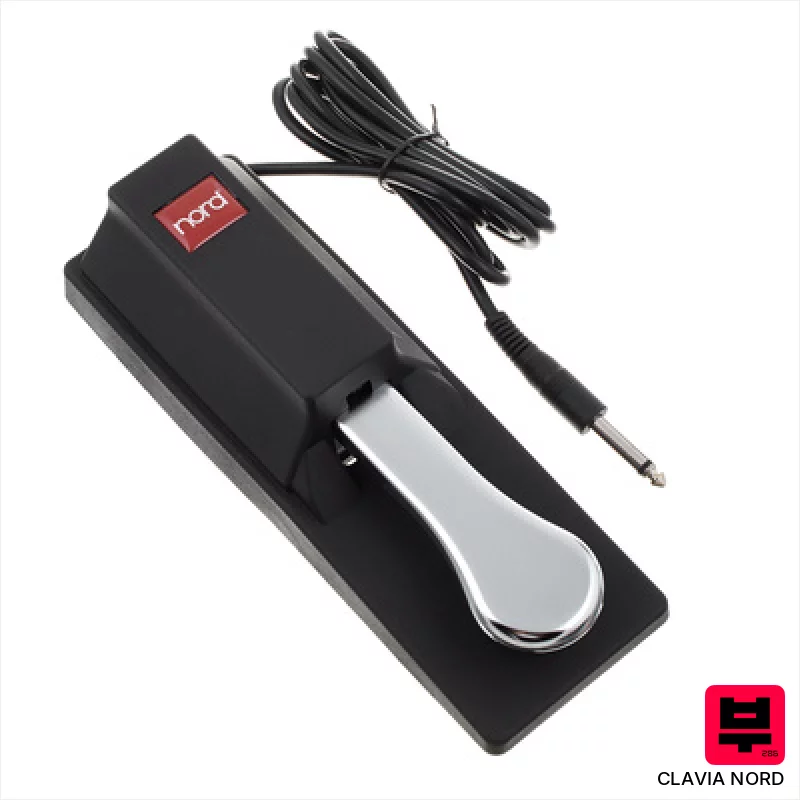
Clavia Nord Single Sustain Pedal
- • Solid construction; feels robust and dependable underfoot for gigging.
- • Nord-specific design ensures seamless integration with all Nord keyboards.
- • The anti-slip rubber mat provides excellent stability on various surfaces.
- • Simple, reliable single-sustain functionality – no unnecessary complexity.
- • Lacks half-pedal functionality, limiting expressive dynamic control.
- • The plastic casing feels somewhat basic compared to premium alternatives.
- • 6.3mm jack connection limits compatibility with instruments using different connectors.
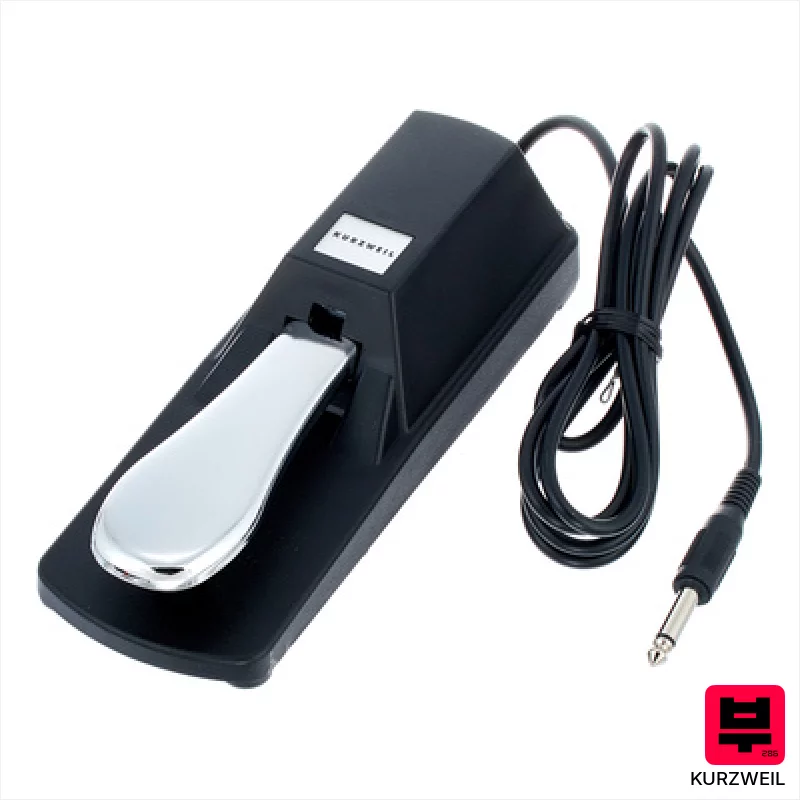
Kurzweil KP-2
- • Solid rubberized base prevents slipping during performance
- • Reliable normally closed contact ensures consistent pedal response
- • 6.3mm mono jack provides universal compatibility with most keyboards
- • Lightweight and portable, ideal for gigging musicians
- • The rubberized base, while functional, lacks a premium feel
- • Plastic construction limits overall durability for heavy use
- • No half-pedal functionality restricts expressive control
How to Choose the Best Sustain Pedals
Action & Feel
The most crucial aspect. You want a pedal with a smooth, consistent action - not too stiff, not too mushy. A good pedal should feel like a natural extension of your foot, allowing for subtle pressure changes to influence the sustain. A cheap pedal's action often feels gritty or inconsistent, killing that nuanced control.
Continuous Control
Many 'sustain' pedals are actually just on/off switches. What we want are pedals with continuous control - meaning the level of sustain changes based on how far you press the pedal down. This is vital for swells, subtle dynamic shifts, and really capturing that piano-like decay.
Sensitivity Curve
Some pedals have a linear response, others are more sensitive at the beginning of the pedal travel. A tailored sensitivity curve can make a huge difference in how easy it is to control the sustain, especially for quieter passages or more aggressive swells. It's a matter of personal preference, but worth experimenting with.
Noise Floor
A noisy pedal can ruin a quiet recording or distract during a gig. We're looking for pedals with a low noise floor, especially when using them with sensitive synth patches or recording delicate piano performances. Any unwanted hiss or click is a dealbreaker.
Durability & Build
Let's be honest, these get stomped on. A flimsy plastic pedal won't last long in a gigging situation. Look for a solid build, a reliable mechanism, and a pedal surface that can withstand repeated use without wearing down.
Buying Guide
Don't fall for the cheapest option - you'll be replacing it soon. A mid-range pedal with continuous control is a worthwhile investment. While expensive, boutique pedals often offer extremely refined feel and customizability, but the price jump might not be justified for everyone. Pay attention to reviews regarding pedal noise; a quiet pedal is paramount for recording.
Our Methodology
We don't just look at specs here. We've spent countless hours gigging with these pedals, recording everything from acoustic pianos to evolving synthscapes, and A/B'ing them against each other. We're focused on feel, responsiveness, and how a pedal translates your intentions into sound - not just whether it technically meets a minimum voltage threshold.

