
Best Studio Headphones for Audio Mixing 2026
Alright, let's talk studio headphones for mixing. It's not just about slapping on a pair and calling it a day; your headphone choice directly impacts how your mixes translate. We're chasing a reference sound here, something that reveals the nuances and potential problems in your tracks, not coloring them. Forget the bass-boosted consumer stuff - we need accuracy, detail, and a fatigue-free listening experience during those long mix sessions.
Last updated: July 15, 2026 • Next update: July 22, 2026
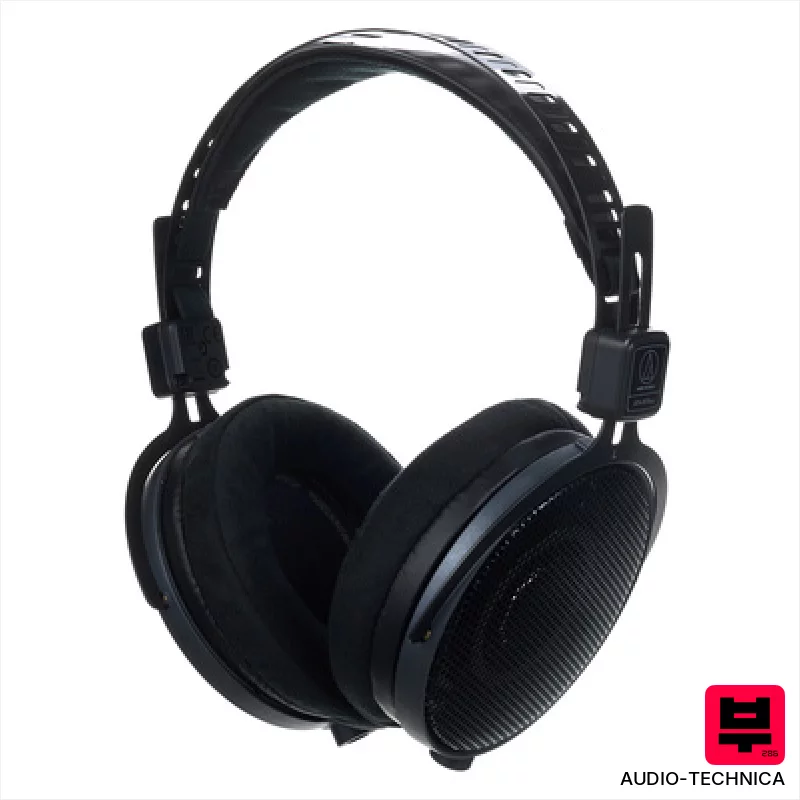
Audio-Technica ATH-R70xa
- • Exceptional detail retrieval thanks to the 45mm drivers.
- • Carbon-magnesium build offers surprising lightness and rigidity.
- • Open-back design delivers a remarkably wide and natural soundstage.
- • Detachable cable simplifies transport and allows for easy replacement.
- • High impedance demands a powerful amplifier for optimal performance.
- • Open-back design leaks sound, unsuitable for quiet environments.
- • Bass response, while present, lacks the impactful thump of closed-back alternatives.
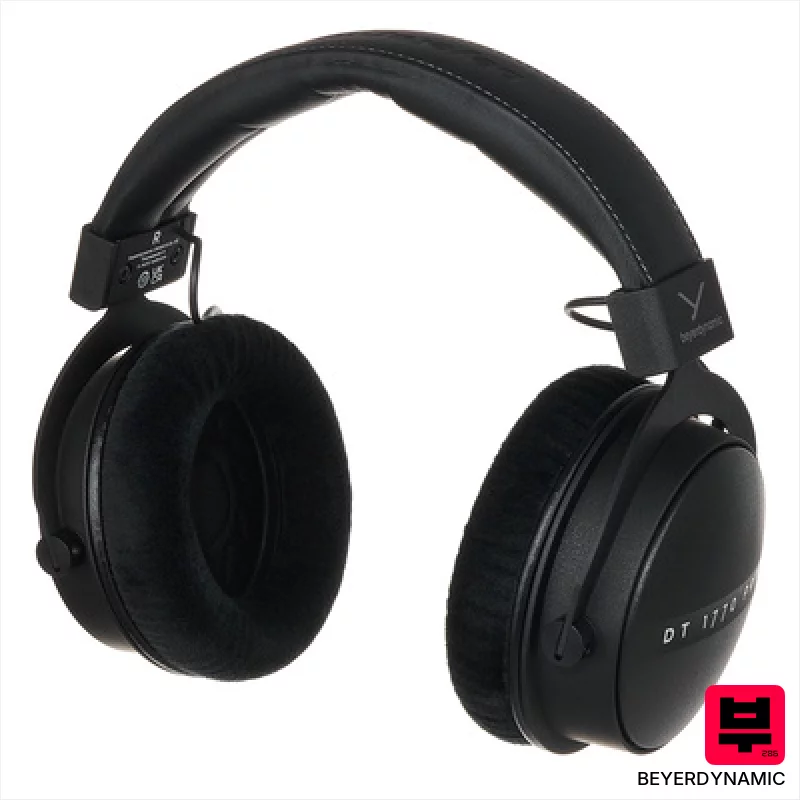
beyerdynamic DT 1770 Pro MKII
- • Exceptional detail retrieval across the entire frequency spectrum.
- • Tesla drivers deliver impactful bass without muddiness or distortion.
- • Velour ear pads offer enhanced comfort for extended monitoring sessions.
- • Robust German engineering ensures long-term durability and reliability.
- • The 443g weight can become fatiguing during long listening periods.
- • Closed-back design limits soundstage compared to open-back alternatives.
- • 30 Ohm impedance may require a dedicated headphone amplifier for optimal performance.
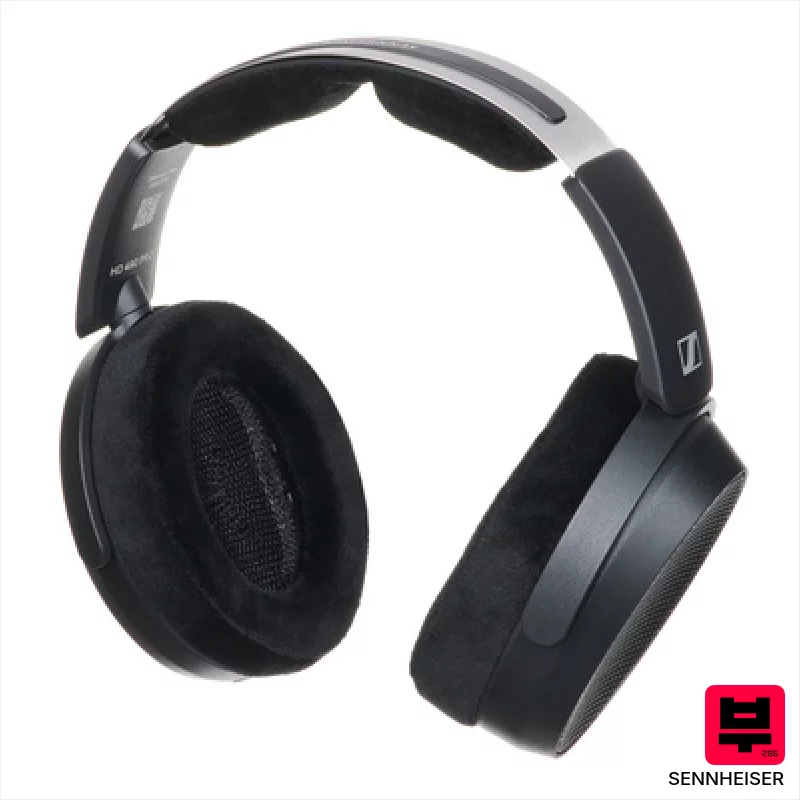
Sennheiser HD-490 PRO Plus
- • Velour earpads offer exceptional comfort for extended mixing sessions.
- • The 38mm drivers deliver a remarkably neutral and detailed sound signature.
- • Included producer/mixing earpads allow for tailored frequency response.
- • Detachable cable and extra headband enhance durability and customization.
- • The 260g weight can become fatiguing during very long listening periods.
- • Open-back design leaks sound, making them unsuitable for noisy environments.
- • 130 Ohm impedance requires a decent headphone amplifier for optimal performance.

Fostex T60RPmk2 Headphone
- • Exceptional detail retrieval across the frequency spectrum.
- • Black walnut earcups offer a premium aesthetic and subtle sonic warmth.
- • Orthodynamic drivers provide incredibly fast transient response and clarity.
- • Detachable cable offers convenience and potential for easy upgrades.
- • Relatively heavy build can cause fatigue during extended listening sessions.
- • Half-open design leaks sound and offers limited isolation.
- • Requires a powerful amplifier to truly shine; can sound anemic with weaker sources.
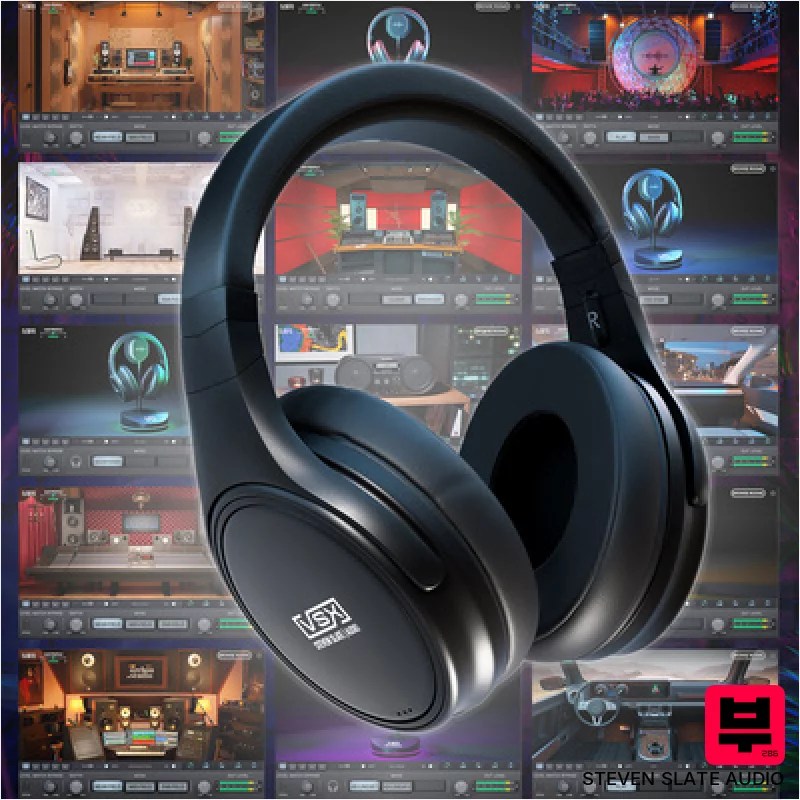
Steven Slate Audio VSX Platinum Edition
- • Beryllium drivers deliver exceptional clarity and transient response.
- • Modeling software recreates accurate, immersive listening environments.
- • Closed-back design provides excellent isolation for critical tracking.
- • SX headphones offer a surprisingly neutral and balanced tonality.
- • The price point puts it firmly in the premium-priced category.
- • Modeling plugin integration adds complexity for some users.
- • Beryllium drivers can be fatiguing in extended listening sessions.
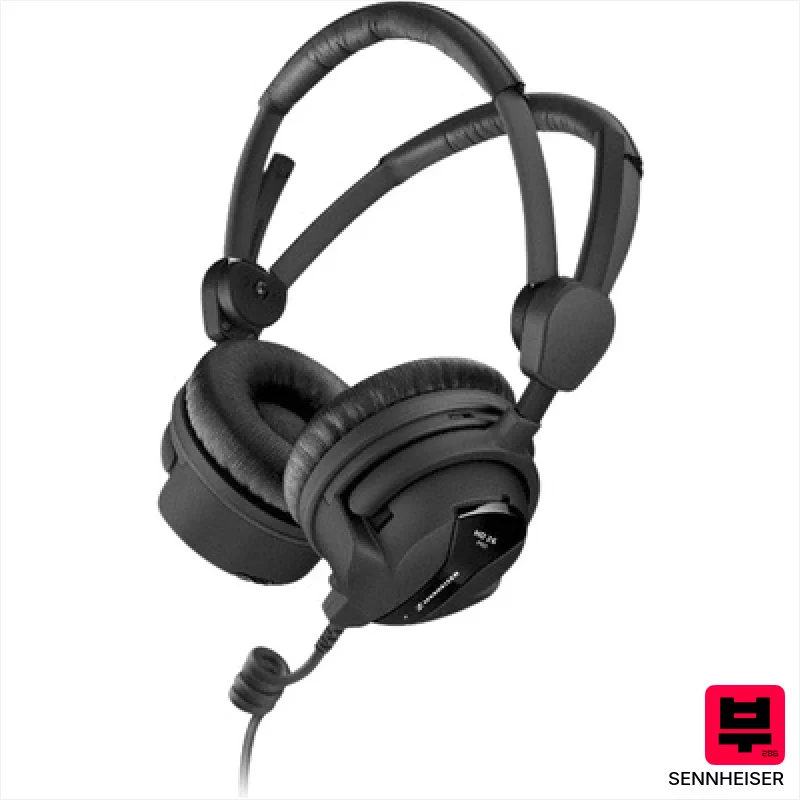
Sennheiser HD-26
- • Robust build quality with durable plastic and metal headband.
- • Effective ActiveGard protection prevents sudden, damaging volume spikes.
- • Closed-back design provides decent isolation for broadcast environments.
- • Lightweight design (180g) minimizes fatigue during long monitoring sessions.
- • Soundstage is noticeably narrow; lacks spaciousness for critical mixing.
- • Treble response can be slightly harsh, fatiguing over extended use.
- • On-ear design may not be comfortable for all head shapes.
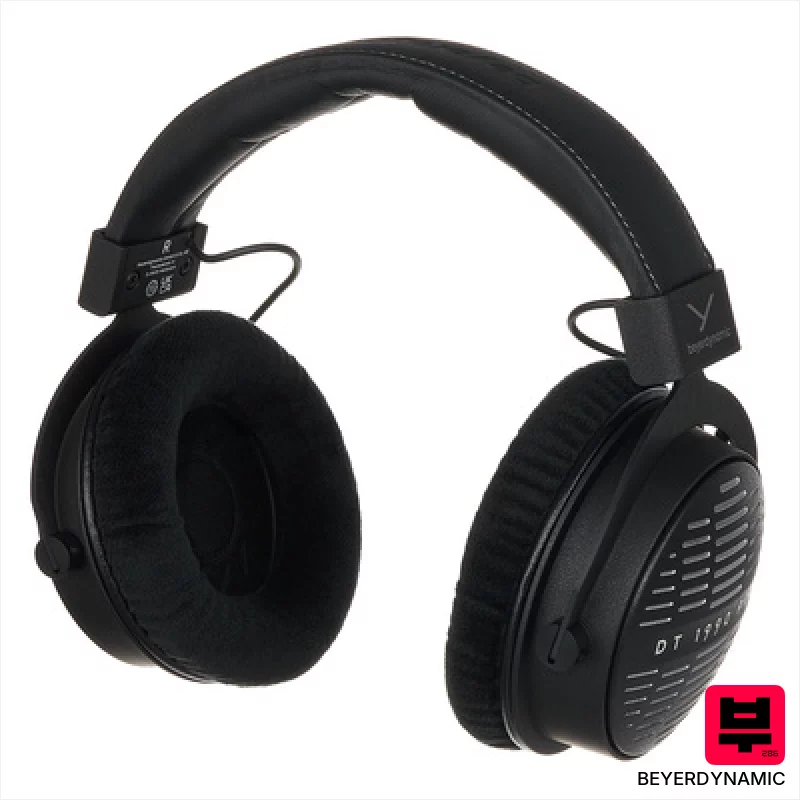
beyerdynamic DT 1990 Pro MKII
- • Exceptional detail retrieval thanks to the Tesla drivers.
- • Velour ear pads offer a comfortable, premium listening experience.
- • The included cables provide flexibility for studio and mobile use.
- • German engineering ensures robust build quality and long-term reliability.
- • Relatively heavy, which can cause fatigue during extended listening sessions.
- • Open-back design isn't ideal for noisy environments or critical monitoring.
- • 30-ohm impedance requires a decent headphone amp for optimal performance.

AIAIAI TMA-2 Studio Wireless
- • Modular design allows for easy ear pad and headband replacement.
- • W+ Link offers exceptionally low latency for tracking and mixing.
- • 40mm drivers deliver a surprisingly balanced and detailed sound signature.
- • Bluetooth 5.3 provides a stable connection and broad device compatibility.
- • The 225g weight can become fatiguing during extended listening sessions.
- • While versatile, the sound lacks the outright 'wow' factor of high-end studio headphones.
- • The AIAIAI app, while functional, feels somewhat basic compared to competitors.
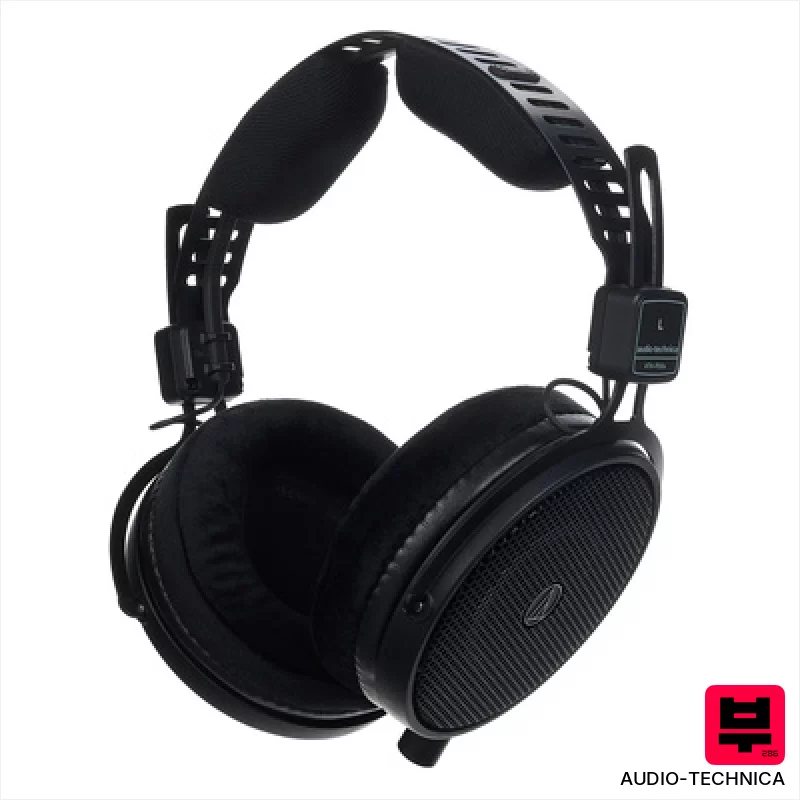
Audio-Technica ATH-R50x
- • Velour earcups offer exceptional comfort for extended tracking sessions.
- • Carbon-magnesium build provides a surprisingly robust and lightweight feel.
- • 50-ohm impedance makes them easily driven by most audio interfaces and laptops.
- • Open-back design delivers a wide, natural soundstage for accurate monitoring.
- • Open-back design leaks sound, unsuitable for noisy environments or critical listening.
- • While comfortable, velour earcups can retain moisture and require more frequent cleaning.
- • The 45mm drivers lack the ultimate low-end extension of more premium models.
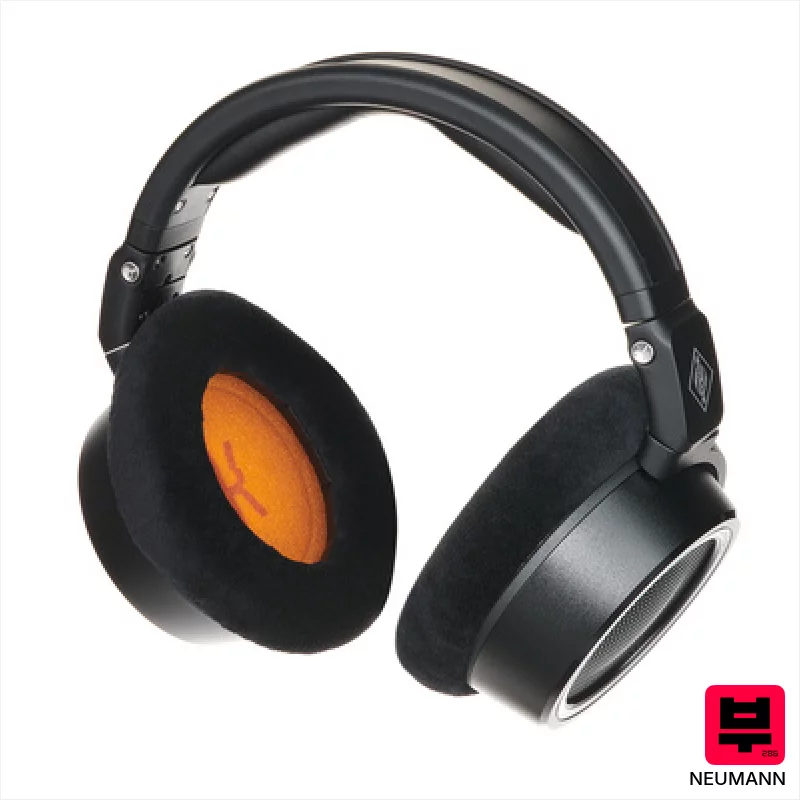
Neumann NDH 30 Black Edition
- • Exceptional transient response delivers incredibly detailed, accurate audio.
- • Neodymium drivers provide a remarkably balanced frequency response, avoiding harshness.
- • Robust build quality with replaceable ear pads and cable for longevity.
- • Open-back design creates a wide, natural soundstage uncommon in studio headphones.
- • The 352g weight can lead to listening fatigue during extended sessions.
- • Open-back design isn't suitable for environments needing sound isolation.
- • Premium-priced, limiting accessibility for budget-conscious users.
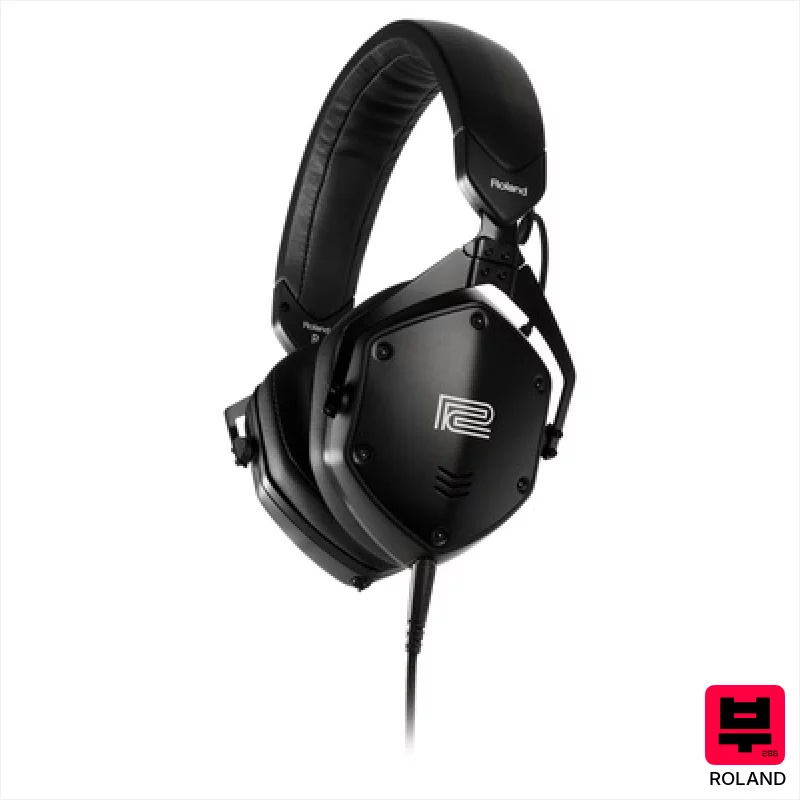
Roland VMH-S100
- • Roland's driver tech delivers a surprisingly neutral and detailed soundstage.
- • The interchangeable ear pads offer comfort customization for extended sessions.
- • Detachable cables provide convenience and protect against accidental damage.
- • The included 3m cable is a thoughtful addition for studio flexibility.
- • At 295g, they're noticeably heavier than many competing studio headphones.
- • 30-ohm impedance may require a dedicated headphone amplifier for optimal volume.
- • While versatile, the closed-back design isn't ideal for critical acoustic monitoring.
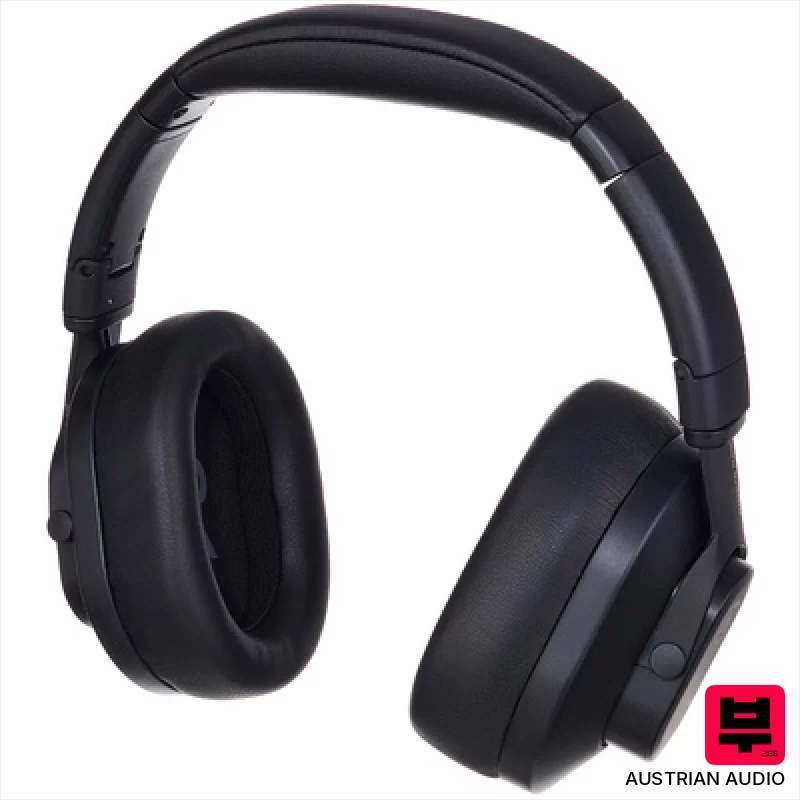
Austrian Audio Hi-X20
- • Robust metal hinges and headband offer exceptional long-term durability.
- • Closed-back design provides excellent isolation for critical tracking and mixing.
- • Memory foam ear cushions ensure comfortable extended listening sessions.
- • Neutral sound signature provides accurate monitoring for detailed audio work.
- • 255g weight can feel fatiguing during prolonged use.
- • 25 Ohm impedance might require a dedicated headphone amplifier for optimal power.
- • Limited versatility; not ideal for casual listening or bass-heavy genres.

Audeze MM-100
- • Exceptional detail retrieval thanks to the 90mm planar drivers.
- • Robust magnesium/aluminum/steel construction feels premium and durable.
- • Comfortable for extended sessions with gel-infused leather earpads.
- • Open-back design delivers a wide, natural soundstage for critical listening.
- • Low impedance requires a powerful amplifier for optimal performance.
- • Open-back design leaks sound, unsuitable for quiet environments.
- • Can be fatiguing for some listeners due to its analytical sound signature.
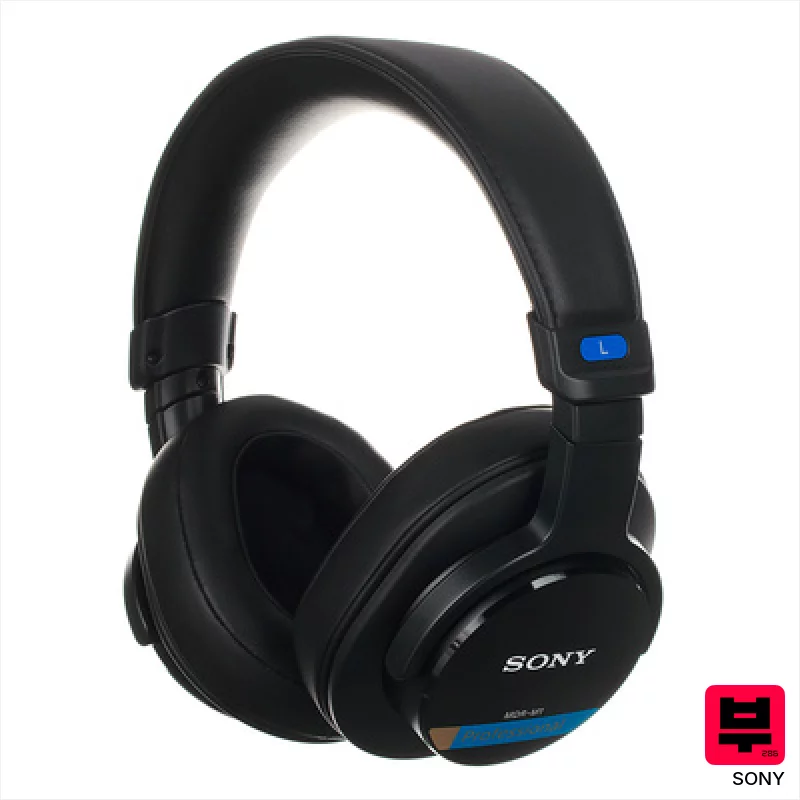
Sony MDR-M1
- • Excellent transient response for detailed mixing work.
- • Comfortable clamping force for extended studio sessions.
- • Neutral frequency response avoids coloration during mastering.
- • Robust build quality with durable metal headband construction.
- • 50-ohm impedance requires a decent headphone amp for optimal volume.
- • Closed-back design can feel isolating during long listening periods.
- • Bass response, while accurate, lacks significant low-end impact for casual listening.
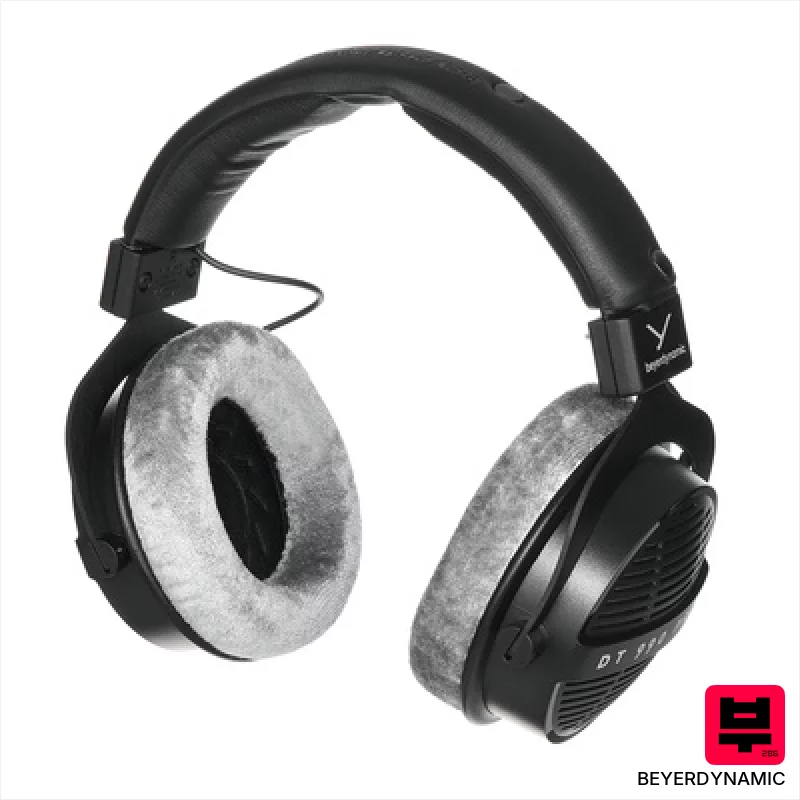
beyerdynamic DT 990 PRO X
- • STELLAR.45 driver delivers impressively detailed and balanced soundstage.
- • Improved ergonomics offer significantly better comfort than previous 990 models.
- • Detachable mini XLR cable adds durability and upgrade potential.
- • Robust build quality with metal hinges and headband construction.
- • Open-back design leaks sound, not ideal for quiet environments.
- • 48 Ohm impedance requires a decent amp for optimal performance.
- • Bass response, while present, lacks the deep rumble of some competitors.
How to Choose the Best Studio Headphones
Frequency Response
It's not about perfectly flat (though that's a good starting point), it's about consistency. We're looking for minimal peaks or dips that could fool you into making incorrect EQ decisions. A slight emphasis in the low-mids can be helpful for perceived warmth, but anything drastic is a red flag.
Transient Response
This is HUGE. Can the headphones accurately reproduce the attack of a snare drum or the pluck of a bass string? Sloppy transient response makes everything sound muddy and indistinct, and you'll be chasing phantom frequencies trying to compensate.
Soundstage & Imaging
A wider, more accurate soundstage helps you place instruments in the stereo field with precision. Poor imaging collapses the mix, making it feel claustrophobic and difficult to work with. It's about more than just left/right; it's about depth and placement.
Comfort & Isolation
You're going to be wearing these for hours. Uncomfortable headphones become a barrier to critical listening. Good isolation keeps outside noise out so you can really focus on what's in the mix, especially crucial if you're tracking or mixing in a less-than-ideal acoustic space.
Detail Retrieval
This is the ability to hear subtle nuances - the breath noise on a vocal, the subtle harmonic distortion on a guitar amp. It's what separates a passable mix from a truly polished one. It's the stuff you don't know you're hearing, but that makes the final product feel more real.
Buying Guide
Don't fall for the hype. Expensive doesn't always equal better. Many 'audiophile' headphones are colored and misleading. Look for headphones marketed towards mixing and mastering engineers - these tend to prioritize accuracy over pure consumer appeal. Open-backs are generally preferred for mixing (better soundstage), but closed-backs are essential for tracking or noisy environments. Be prepared to spend at least $300 to get something genuinely useful; cheaper options often cut corners on driver quality and build.
Our Methodology
We don't just look at frequency response charts. We put these headphones through the wringer: A/B comparisons against known reference mixes, critical listening in different acoustic environments, and even throwing them into the chaos of band rehearsals to see how they hold up. We're assessing how they reveal details, how they handle dynamic range, and whether they'll leave your ears ringing after a few hours.

