
Best String Instrument Microphones for Violin 2026
So, you're looking to mic your violin? It's a surprisingly tricky beast - nailing the right mic can be the difference between a breathy, lifeless recording and a violin that sings with warmth and clarity. Forget those generic 'instrument mic' recommendations; we're diving into what really works for violin, considering everything from solo recording to cutting through a full orchestra. It's about capturing that complex, nuanced tone, not just getting something vaguely resembling a violin sound.
Last updated: May 6, 2026 • Next update: May 13, 2026
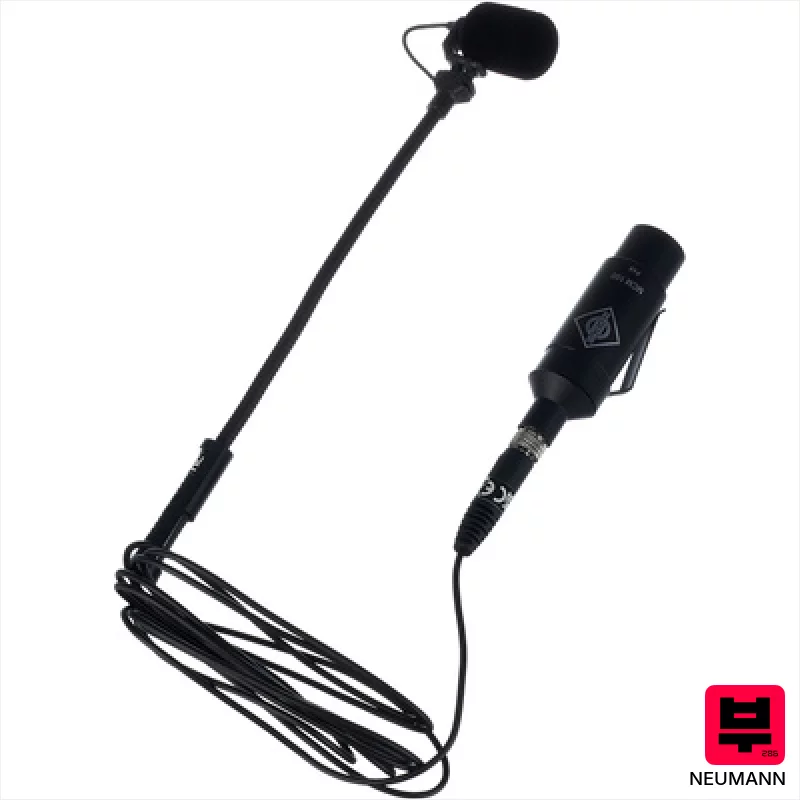
Neumann MCM 114 Set High Strings
- • KK 14 capsule delivers Neumann's signature clarity and detail.
- • SH 100 gooseneck provides precise mic placement flexibility.
- • MC 1 mounting clip secures firmly without instrument damage.
- • AC 31 cable ensures clean, low-noise signal transmission.
- • Limited to high-frequency string instruments; not a general-purpose mic.
- • Gooseneck can be slightly unwieldy for some playing styles.
- • The MCM 100 output stage requires phantom power – a potential limitation.
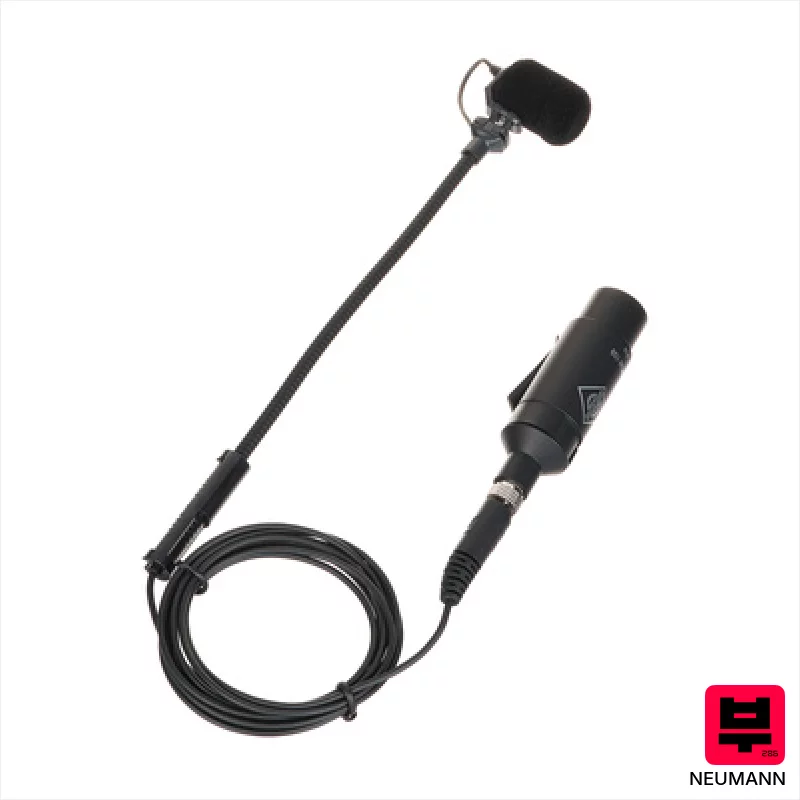
Neumann MCM 114 Set Bass
- • Exceptional transient response captures double bass nuances
- • KK 14 capsule delivers Neumann’s signature warmth and detail
- • SH 150 gooseneck offers precise mic placement flexibility
- • Robust construction ensures reliability for demanding gigging environments
- • Gooseneck can be a bit unwieldy in tight performance spaces
- • Limited polar pattern options restrict certain recording scenarios
- • Output stage requires phantom power, increasing complexity
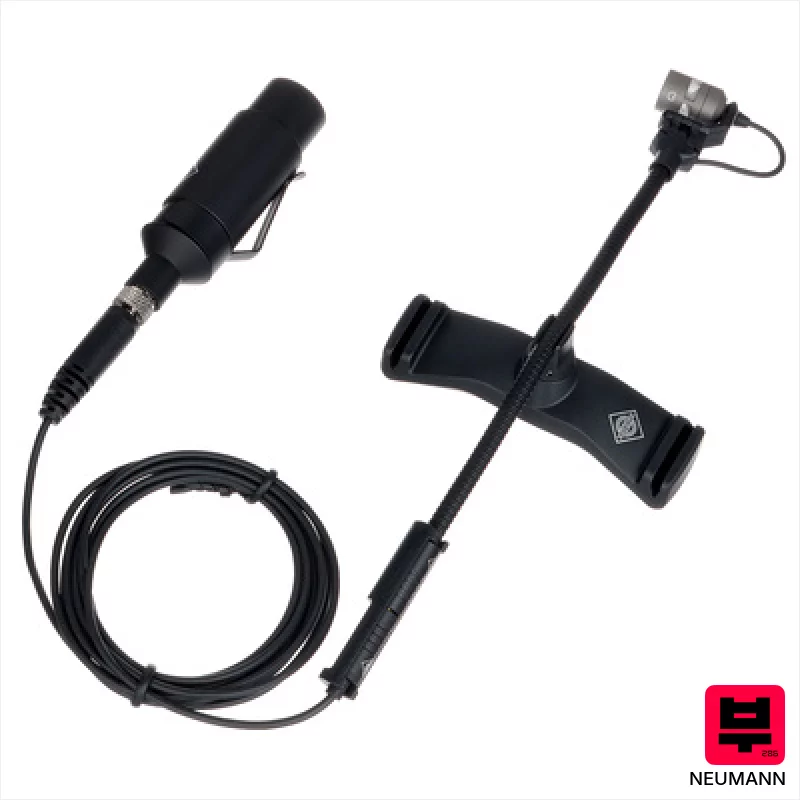
Neumann MCM 114 Set Cello
- • KK 14 capsule delivers Neumann's renowned clarity and detail for cello.
- • SH 150 gooseneck provides precise mic placement and stability on the instrument.
- • MC 2 mounting clip is robust and secure, minimizing unwanted vibrations.
- • MCM 100 output stage offers clean gain and minimal noise coloration.
- • Limited polar pattern options restrict flexibility for various recording scenarios.
- • The mini-jack connector can be a fragility point, requiring careful handling.
- • The set is premium-priced, potentially prohibitive for budget-conscious users.

DPA 4099-DP-1-201-C
- • Exceptional clarity and detail across the cello's tonal range
- • Supercardioid pattern isolates beautifully, minimizing stage bleed
- • Robust Micro Lock connector ensures reliable, secure connection
- • DPA’s renowned build quality; feels incredibly solid and durable
- • High-end price point puts it out of reach for many budget-conscious players
- • Supercardioid pattern demands precise mic placement for optimal results
- • Gooseneck length may be limiting for certain cello playing styles
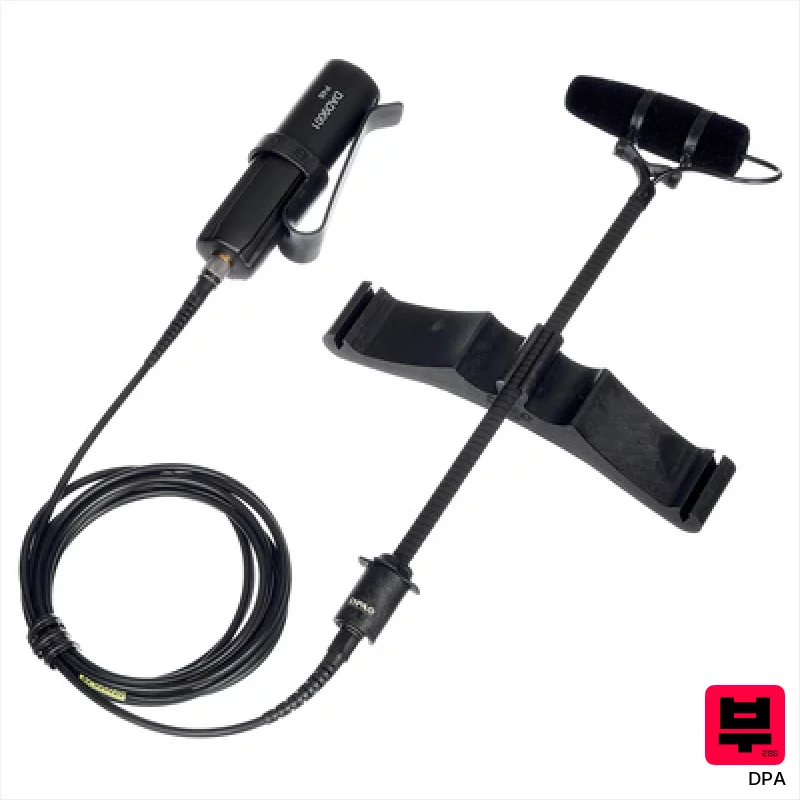
DPA 4099-DP-1-201-B
- • Exceptional clarity and detail capture for double bass recordings.
- • The Micro Lock connector provides secure, reliable connection and easy cable management.
- • Supercardioid pattern effectively rejects stage bleed and unwanted noise.
- • Robust construction with high-quality materials ensures durability for gigging musicians.
- • The gooseneck, while functional, can be prone to accidental bumps on stage.
- • Supercardioid pattern requires careful mic placement for optimal results.
- • Premium-priced, making it a significant investment for budget-conscious players.
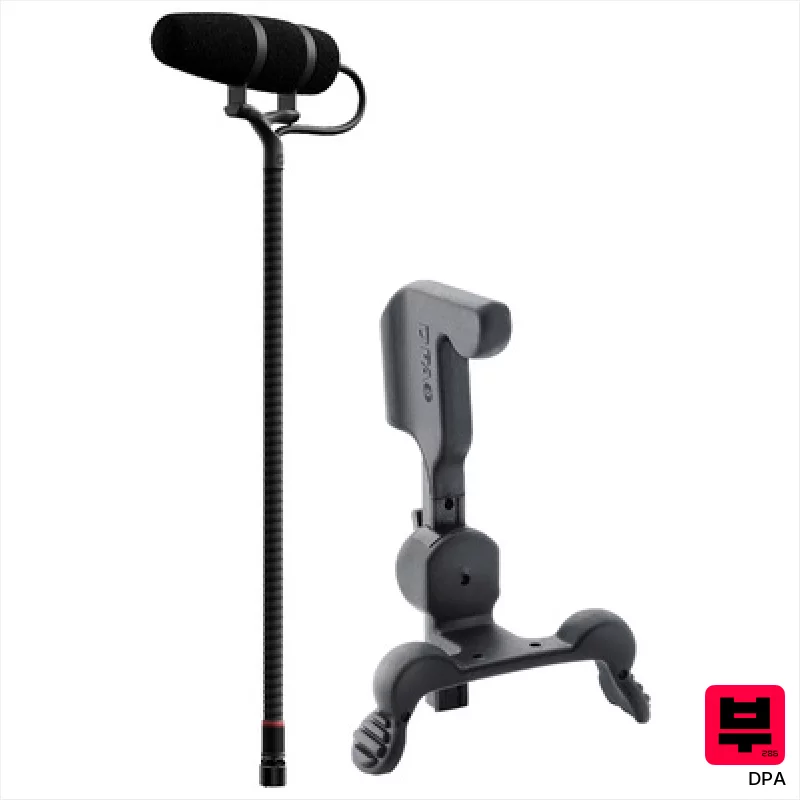
DPA 4099-DP-1-199-V
- • Exceptional clarity and detail, captures subtle nuances
- • Robust Micro Lock connector ensures reliable stage performance
- • Gooseneck provides precise mic positioning flexibility
- • Custom violin holder guarantees secure and stable attachment
- • Supercardioid pattern demands careful performer placement
- • Premium-priced, a significant investment for many musicians
- • Cable length might be limiting for some stage setups
- • Gooseneck can be fragile if mishandled
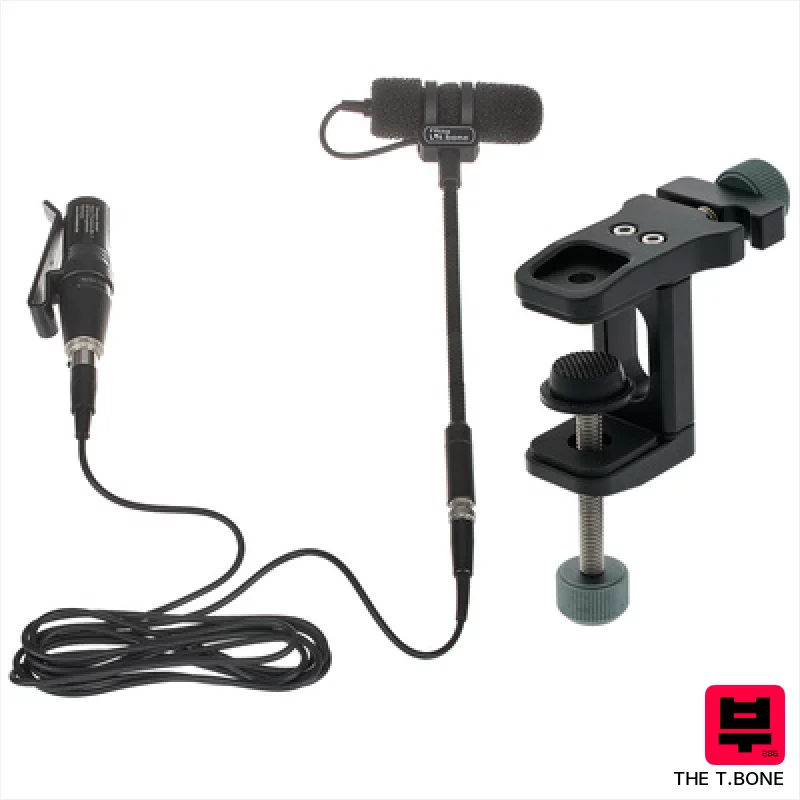
the t.bone Lucan System Multi Clip Bundle
- • Excellent value for a condenser instrument mic system
- • Gooseneck provides precise mic placement flexibility
- • Mini XLR compatibility expands wireless system options
- • Includes essential accessories like windscreen and hard case
- • Cardioid pattern limits stereo imaging possibilities
- • Lower sensitivity may require preamp gain adjustments
- • Plastic construction feels less robust than higher-end models
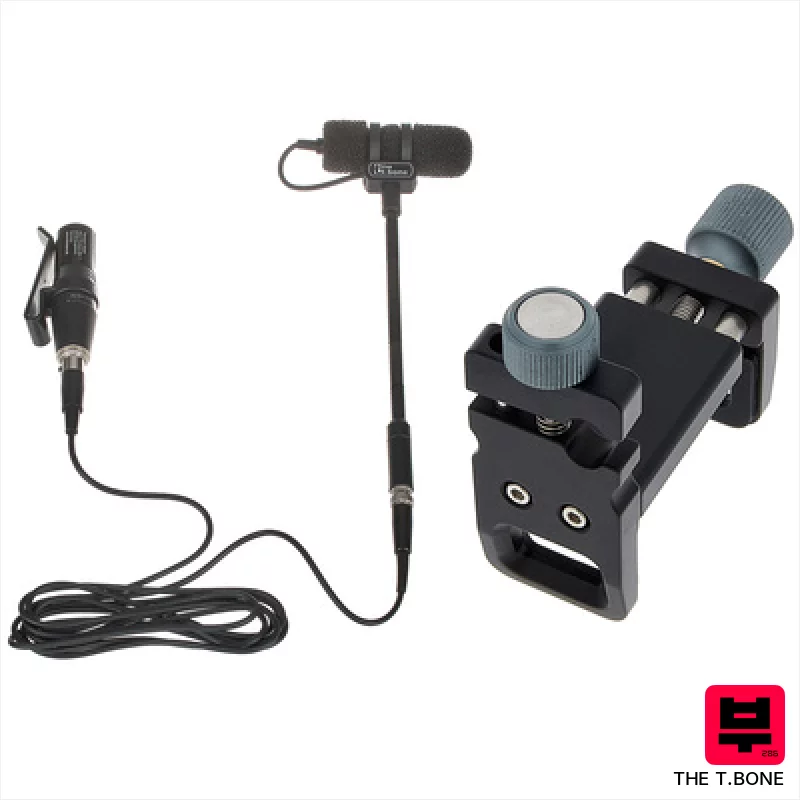
the t.bone Lucan System Violin Bundle
- • Affordable entry into dedicated violin mic'ing
- • Cardioid pattern rejects room noise effectively
- • Gooseneck provides precise instrument placement
- • Included phantom power adapter adds convenience
- • Plastic housing feels somewhat fragile for frequent gigging
- • Sound quality is decent, not a high-end studio mic
- • Limited holder options require separate purchase
How to Choose the Best String Instrument Microphones
Polar Pattern
Cardioid is your bread and butter for most violin work, minimizing room noise and feedback onstage. Figure-8 can be interesting for stereo recordings, capturing a wider soundstage, but requires careful placement. Omni mics are rarely ideal for violin due to their sensitivity to room reflections.
Frequency Response
Violin needs a smooth, balanced response. Avoid mics with a harsh upper-midrange 'ice-pick' quality that will accentuate unwanted shrillness. A slight emphasis in the lower-mids (250-500Hz) can add body and warmth, while a controlled high-end is crucial for capturing the violin's delicate harmonics.
Transient Response
This is huge. A sluggish mic will muddy the violin's articulation and make it sound blurry. You want a mic that can accurately capture those quick, percussive attacks - the snap of the bow against the strings. This is what gives the violin its character.
Sensitivity & Self-Noise
Violin is a quiet instrument; a noisy mic will mask the subtleties. Lower self-noise figures are vital, especially for quieter passages and intimate recordings. High sensitivity is also desirable to capture the full dynamic range without needing excessive preamp gain.
Handling Noise
Let's be honest, you're going to move the mic. A noisy mic stand or mic body will become a major annoyance. The less handling noise, the better - especially if you're performing live or recording with a less-than-perfect setup.
Buying Guide
Don't fall for the hype. A lot of 'instrument mics' are just repurposed vocal mics, and they often fail to capture the nuances of a violin. Spending a little more on a mic specifically designed for strings is almost always worthwhile. Be wary of mics that promise 'warmth' - that often translates to muddy low-mids that bury the violin in a mix. Ultimately, your ears are the best judge; try before you buy if possible.
Our Methodology
We're not relying on spec sheets here. We've spent countless hours A/B-ing mics in various scenarios - from tracking solo violin in a treated bedroom to micing a string section for a live recording. Our evaluations are based on how the mics sound through headphones, how they translate to a mix, and how they handle the violin's dynamic range and articulation. We've also gigged with these mics, so we know how they hold up to the road.

