AudioFu Chart · October 2026
Best String Instrument Microphones 2026
The top pick is DPA 4099-DP-1-201-C ($607). the t.bone Lucan System Multi Clip Bundle gives you the most for the money at $96. Ranked by the AudioFu Index from 5 models across 2 brands, prices checked every night.
Last updated: October 19, 2026
Top 5
Full detail for the 5 highest AudioFu Index scores. Every other model is listed below.
-
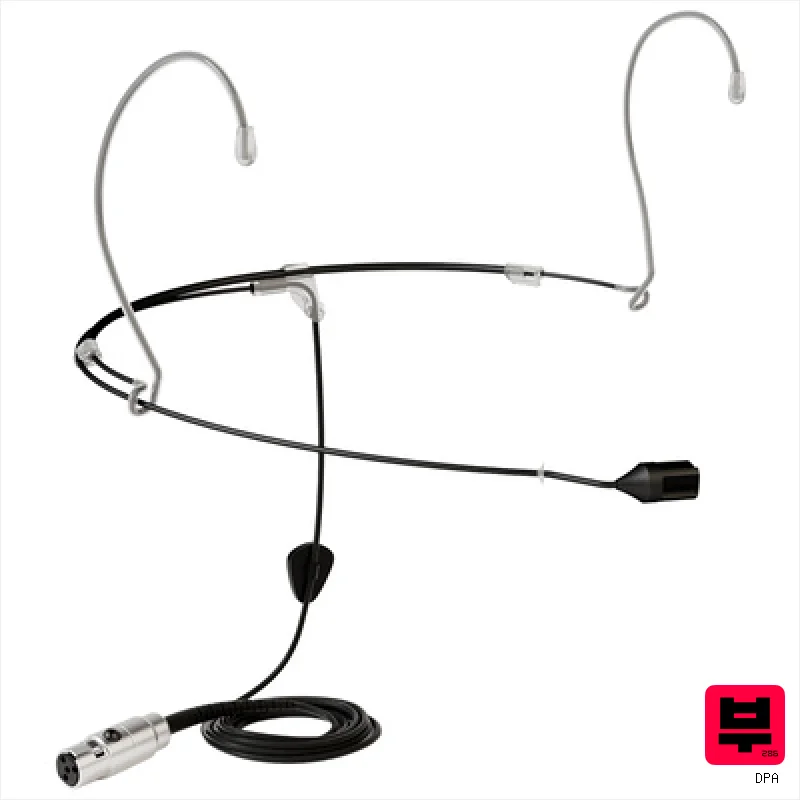
This DPA 4099 is a serious step up for any cellist seeking pristine, focused sound. It’s ideal for studio recording, concert performance, or any situation where isolation and detail are paramount—the slight 2 dB boost in the upper mids really helps it cut through. If you're a professional or a dedicated student, this mic is a game changer.
Pros
- Exceptional clarity and detail across the cello's tonal range
- Supercardioid pattern isolates beautifully, minimizing stage bleed
- Robust Micro Lock connector ensures reliable, secure connection
Cons
- High-end price point puts it out of reach for many budget-conscious players
- Supercardioid pattern demands precise mic placement for optimal results
58AudioFu
IndexStableno change since Aug 17Aug 17$607 now$607€539 at Thomann · in stockCheck price ↗ -
The DPA 4099 is a game-changer for violinists seeking pristine, detailed sound. It’s incredibly accurate, translating the instrument's character beautifully, but the supercardioid pickup means you’ll need to be mindful of stage volume and bleed. This is a top-tier choice for professional soloists and recording situations where ultimate clarity is paramount.
Pros
- Exceptional clarity and detail, captures subtle nuances
- Robust Micro Lock connector ensures reliable stage performance
- Gooseneck provides precise mic positioning flexibility
Cons
- Supercardioid pattern demands careful performer placement
- Premium-priced, a significant investment for many musicians
58AudioFu
IndexStableno change since Aug 17Aug 17$663 now$663€589 at Thomann · in stockCheck price ↗ -
This DPA 4099 is a game-changer for serious double bass players needing pristine, focused sound. The clarity and rejection of stage noise are remarkable, especially in challenging live environments or for detailed studio recordings. It's an investment for those prioritizing top-tier sound quality and professional results.
Pros
- Exceptional clarity and detail capture for double bass recordings.
- The Micro Lock connector provides secure, reliable connection and easy cable management.
- Supercardioid pattern effectively rejects stage bleed and unwanted noise.
Cons
- The gooseneck, while functional, can be prone to accidental bumps on stage.
- Supercardioid pattern requires careful mic placement for optimal results.
-
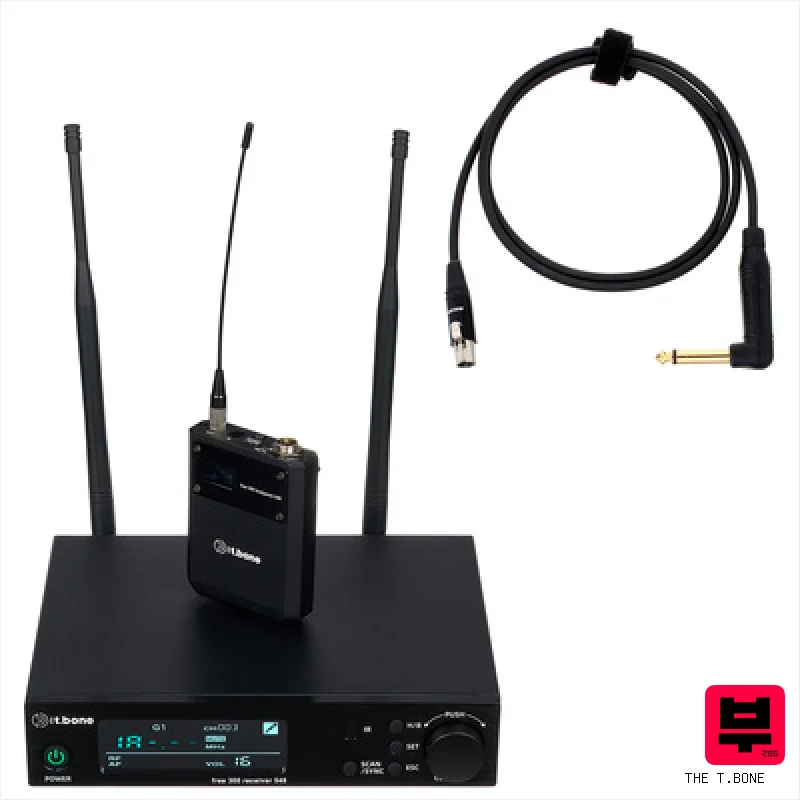
The t.bone Lucan System is a surprisingly capable little bundle for the price. It's ideal for gigging acoustic players, home recording of stringed instruments, or anyone needing a discreet and affordable clip-on mic. Don't expect studio-grade performance, but it’s a solid choice for capturing decent sound on a budget.
Pros
- Excellent value for a condenser instrument mic system
- Gooseneck provides precise mic placement flexibility
- Mini XLR compatibility expands wireless system options
Cons
- Cardioid pattern limits stereo imaging possibilities
- Lower sensitivity may require preamp gain adjustments
-
The t.bone Lucan System is a surprisingly capable mic bundle for violin, especially for beginners or those needing a budget-friendly option for live performance or simple recordings. It's not going to replace a Neumann, but it delivers respectable sound and flexibility for the price, making it a solid choice for student ensembles or amateur recordings.
Pros
- Affordable entry into dedicated violin mic'ing
- Cardioid pattern rejects room noise effectively
- Gooseneck provides precise instrument placement
Cons
- Plastic housing feels somewhat fragile for frequent gigging
- Sound quality is decent, not a high-end studio mic
How to choose the best string instrument microphones
Polar Pattern
Cardioid is the workhorse for most situations, offering good rejection of stage bleed and room noise. Figure-8 can be killer for stereo imaging and capturing more room tone, but requires careful mic placement. Omni mics are super sensitive to everything - room acoustics become everything - so be warned.
Frequency Response
Don't chase flat. What you're looking for is a mic that complements the instrument's natural character. A mic that emphasizes the low-mids on an acoustic bass can add that much-needed thump, while a slight boost in the upper mids on an acoustic guitar can add clarity and cut. Be wary of mics that sound overly hyped or colored - it rarely translates well.
Sensitivity & Self-Noise
Lower sensitivity means you'll need more preamp gain, which can introduce noise. Self-noise is a real killer for quiet instruments like nylon-string guitars or pizzicato bass - you don't want hiss masking your performance. This is a big factor for recording quiet parts at home.
Transient Response
This is crucial for capturing the percussive attack of a string instrument. A mic with a slow transient response will muddy up the articulation and make things sound sluggish. Look for mics that feel 'punchy' and retain clarity even when played hard.
Handling Noise
Let's be honest, you're going to bump the mic on stage. Excessive handling noise is a dealbreaker. It's a tiny detail, but it'll creep into your recordings and drive you crazy during live sound checks.
Buying guide
So, you're looking for that perfect string instrument mic, huh? It's not just about slapping something on a guitar or upright bass - getting the right mic can be the difference between a recording that sounds thin and lifeless and one that captures the real warmth and complexity of your instrument. The right mic can unlock sustain, reveal nuances in your playing, and honestly, make you sound better than you think you do. Let's break down what to look for.
Don't fall for marketing hype. A 'vintage' ribbon mic might sound amazing in a studio, but if you're gigging regularly, durability and feedback rejection are paramount. Cheaper mics often cut corners on the capsule or preamp, leading to a dull, lifeless sound or excessive noise.
Spending a bit more on a mic designed for the specific instrument - like a small-diaphragm condenser for acoustic guitar or a large-diaphragm dynamic for bass - will almost always pay off.
How the AudioFu Index works
Five measured signals and nothing else — no stars from strangers, no “tested by experts” we didn’t do. The weights are fixed and public. We don’t play these instruments; we measure the market around them.
This chart covers 5 string instrument microphones from the Thomann catalogue. Before you buy, read hands-on reviews and, where you can, play it. Full methodology.
AudioFu earns a commission when you buy through our Thomann links. It never changes the order — the index does.
- Demand40%
How many of this exact model are for sale on Reverb right now — what musicians actually buy and resell.
- Lineup20%
How many finishes Thomann stocks — makers expand the models that sell.
- Price15%
Where the price has moved since we started tracking in August.
- Specs15%
How completely the maker documents it.
- Maker10%
How deep the brand’s range is in this category.
Questions
What's the best mic for recording acoustic guitar at home?
A small-diaphragm condenser like an AKG C414 or a Neumann KM184 is a solid choice. They're sensitive, accurate, and capture a lot of detail. Just be mindful of room acoustics - a little acoustic treatment goes a long way.
Can I use a vocal mic on my bass?
Sure, but most vocal mics aren't designed to handle the low-end frequencies of a bass. You'll likely lose a lot of that low-end thump and the mic might sound thin. A dynamic mic like an Electro-Voice RE20 is a much better option.
What's the difference between a large-diaphragm and small-diaphragm condenser?
Large-diaphragm mics are generally more sensitive and can capture a wider frequency range, but they can also be more prone to picking up room noise. Small-diaphragm mics are often more accurate and have a tighter polar pattern, making them better for isolating instruments.
I'm getting a lot of feedback on stage. What can I do?
First, check your gain staging. Too much preamp gain is a common culprit. Then, experiment with mic placement - moving the mic further away from the amp or adjusting the angle can help. A hypercardioid pattern can also help with feedback rejection, but they're trickier to position.
Is ribbon mic fragile?
Yes, generally. Vintage ribbons especially. They're sensitive to strong air pressure - avoid blasting them with a loud amp or using them in environments with a lot of wind. Modern ribbons are a bit more robust, but still treat them with respect.