
Best String Instrument Microphones for Intermediate 2026
So you're past the built-in amp and want to mic your acoustic guitar or upright bass? Smart move - it opens up a world of tonal possibilities. But wading through the mic options can be overwhelming. This isn't about the top-shelf Neumanns; we're looking at mics that'll give you a serious upgrade without breaking the bank and without sending you down a rabbit hole of complex mixing techniques.
Last updated: April 11, 2026
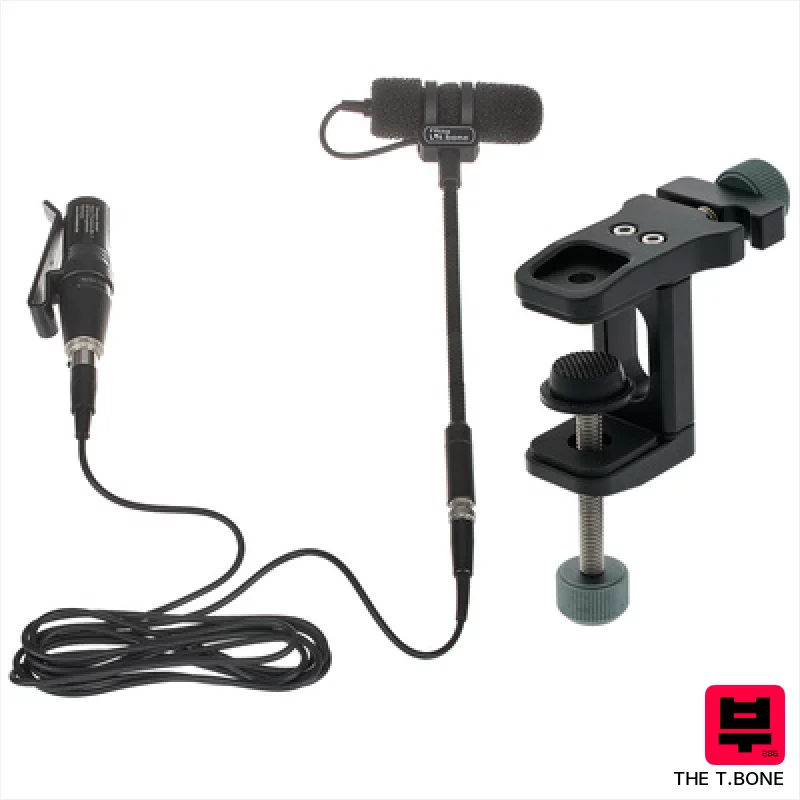
the t.bone Lucan System Multi Clip Bundle
- • Excellent value for a condenser instrument mic system
- • Gooseneck provides precise mic placement flexibility
- • Mini XLR compatibility expands wireless system options
- • Includes essential accessories like windscreen and hard case
- • Cardioid pattern limits stereo imaging possibilities
- • Lower sensitivity may require preamp gain adjustments
- • Plastic construction feels less robust than higher-end models
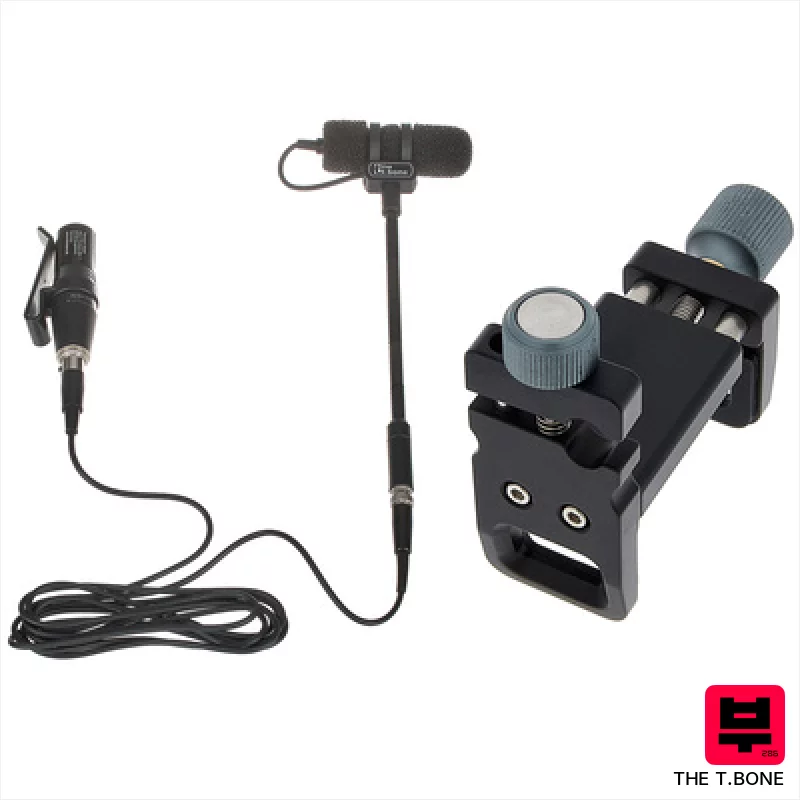
the t.bone Lucan System Violin Bundle
- • Affordable entry into dedicated violin mic'ing
- • Cardioid pattern rejects room noise effectively
- • Gooseneck provides precise instrument placement
- • Included phantom power adapter adds convenience
- • Plastic housing feels somewhat fragile for frequent gigging
- • Sound quality is decent, not a high-end studio mic
- • Limited holder options require separate purchase
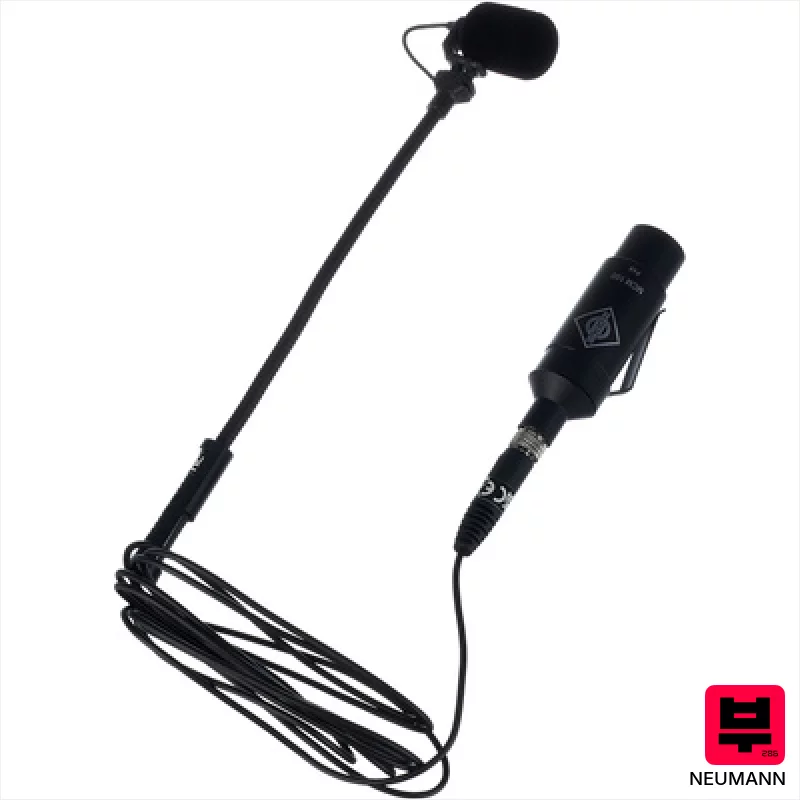
Neumann MCM 114 Set High Strings
- • KK 14 capsule delivers Neumann's signature clarity and detail.
- • SH 100 gooseneck provides precise mic placement flexibility.
- • MC 1 mounting clip secures firmly without instrument damage.
- • AC 31 cable ensures clean, low-noise signal transmission.
- • Limited to high-frequency string instruments; not a general-purpose mic.
- • Gooseneck can be slightly unwieldy for some playing styles.
- • The MCM 100 output stage requires phantom power – a potential limitation.
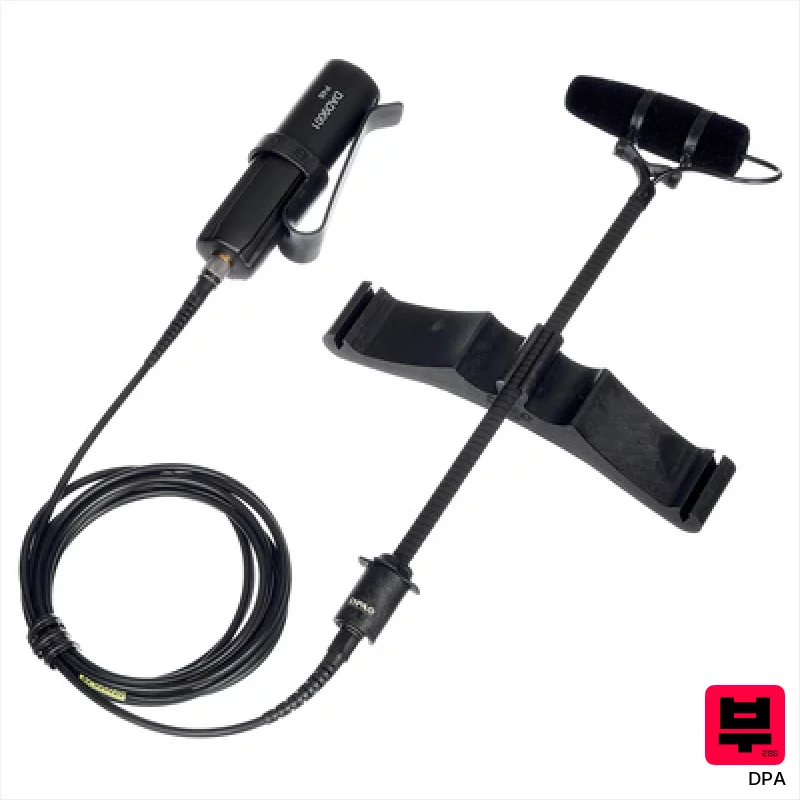
DPA 4099-DP-1-201-B
- • Exceptional clarity and detail capture for double bass recordings.
- • The Micro Lock connector provides secure, reliable connection and easy cable management.
- • Supercardioid pattern effectively rejects stage bleed and unwanted noise.
- • Robust construction with high-quality materials ensures durability for gigging musicians.
- • The gooseneck, while functional, can be prone to accidental bumps on stage.
- • Supercardioid pattern requires careful mic placement for optimal results.
- • Premium-priced, making it a significant investment for budget-conscious players.
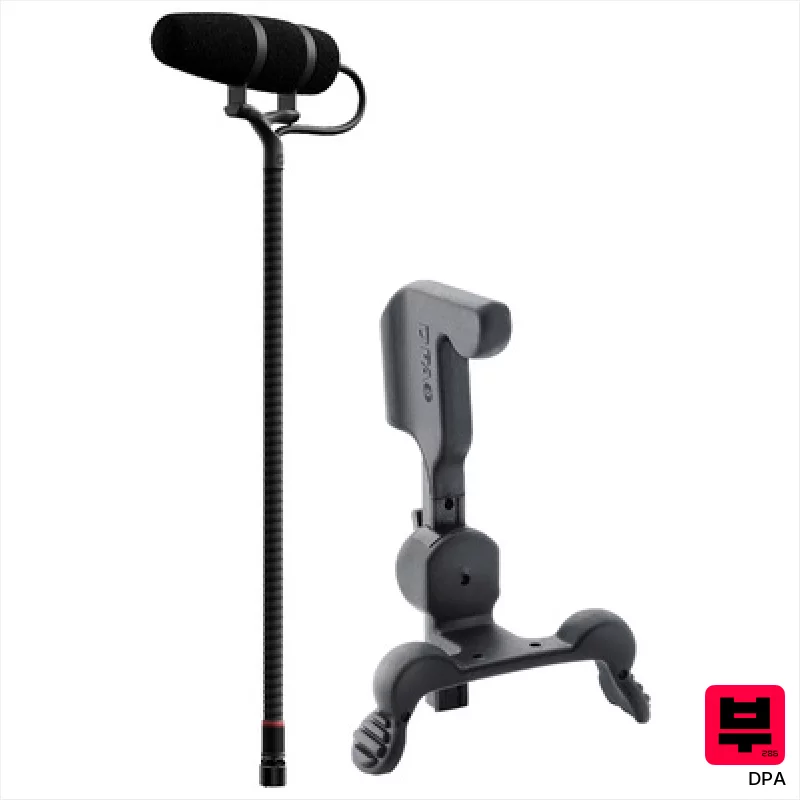
DPA 4099-DP-1-199-V
- • Exceptional clarity and detail, captures subtle nuances
- • Robust Micro Lock connector ensures reliable stage performance
- • Gooseneck provides precise mic positioning flexibility
- • Custom violin holder guarantees secure and stable attachment
- • Supercardioid pattern demands careful performer placement
- • Premium-priced, a significant investment for many musicians
- • Cable length might be limiting for some stage setups
- • Gooseneck can be fragile if mishandled

DPA 4099-DP-1-201-C
- • Exceptional clarity and detail across the cello's tonal range
- • Supercardioid pattern isolates beautifully, minimizing stage bleed
- • Robust Micro Lock connector ensures reliable, secure connection
- • DPA’s renowned build quality; feels incredibly solid and durable
- • High-end price point puts it out of reach for many budget-conscious players
- • Supercardioid pattern demands precise mic placement for optimal results
- • Gooseneck length may be limiting for certain cello playing styles
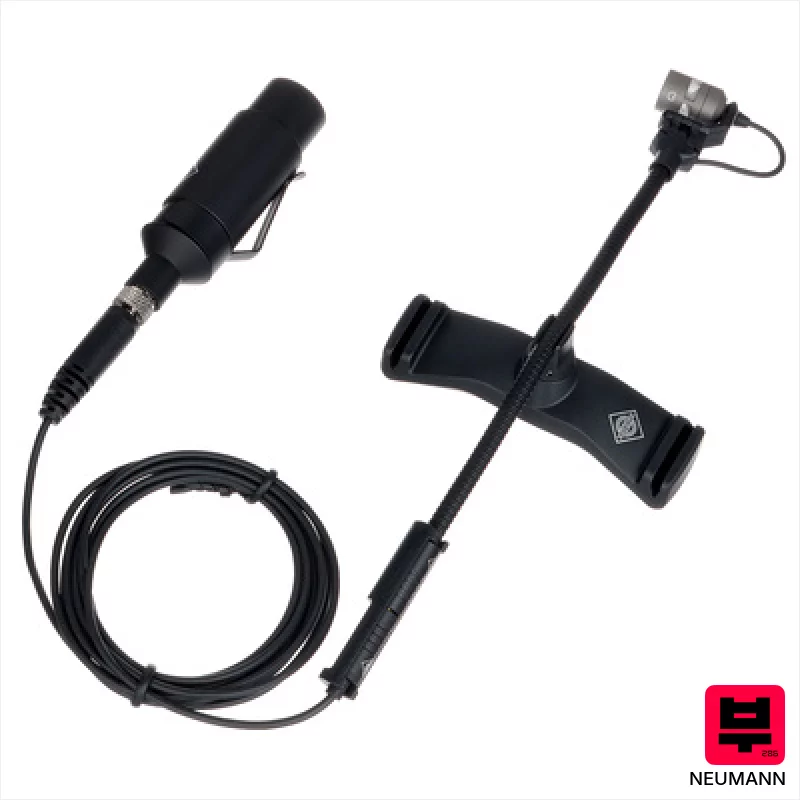
Neumann MCM 114 Set Cello
- • KK 14 capsule delivers Neumann's renowned clarity and detail for cello.
- • SH 150 gooseneck provides precise mic placement and stability on the instrument.
- • MC 2 mounting clip is robust and secure, minimizing unwanted vibrations.
- • MCM 100 output stage offers clean gain and minimal noise coloration.
- • Limited polar pattern options restrict flexibility for various recording scenarios.
- • The mini-jack connector can be a fragility point, requiring careful handling.
- • The set is premium-priced, potentially prohibitive for budget-conscious users.
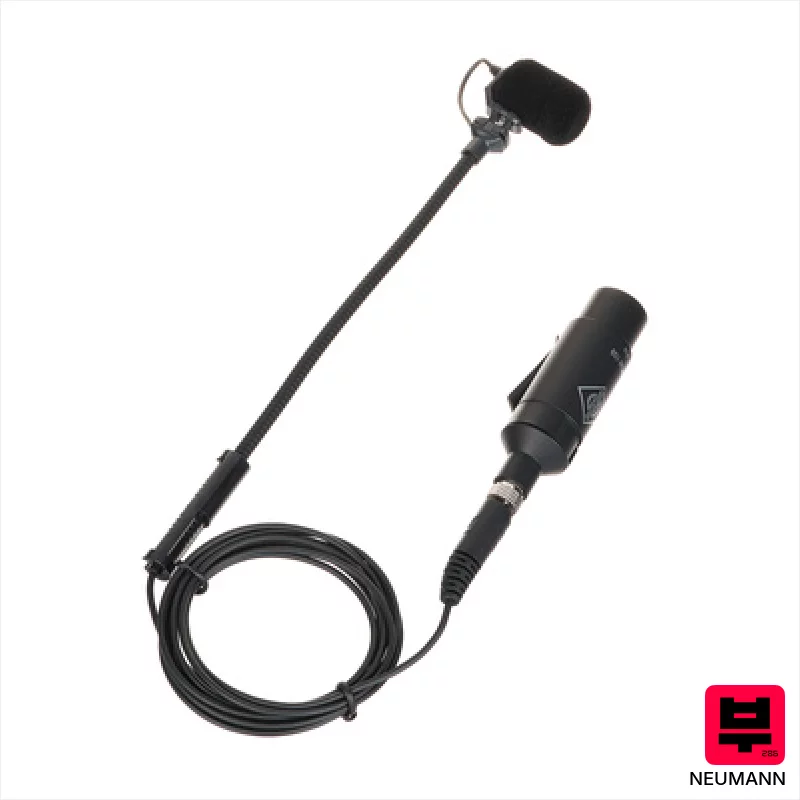
Neumann MCM 114 Set Bass
- • Exceptional transient response captures double bass nuances
- • KK 14 capsule delivers Neumann’s signature warmth and detail
- • SH 150 gooseneck offers precise mic placement flexibility
- • Robust construction ensures reliability for demanding gigging environments
- • Gooseneck can be a bit unwieldy in tight performance spaces
- • Limited polar pattern options restrict certain recording scenarios
- • Output stage requires phantom power, increasing complexity
How to Choose the Best String Instrument Microphones
Frequency Response
A flat response is great, but for acoustics, a slight lift in the upper mids can really help articulation and clarity - especially when playing with a full band. Too much, though, and you'll get that harsh, ice-picky top end. We're looking for a balance.
Polar Pattern
Cardioid is your friend for most gigging situations - it rejects room noise and feedback. Omni mics are beautiful for capturing natural ambience, but require a very controlled recording environment, which isn't always realistic for an intermediate player.
Sensitivity & Self-Noise
Lower sensitivity means you'll need more gain, which can introduce noise. Self-noise is just the mic's inherent hiss - it's not something you want bleeding into a quiet acoustic recording. Finding a mic with decent sensitivity and low self-noise is crucial for cleaner recordings.
Build Quality & Durability
Let's be honest, gear gets abused. A mic that can handle a few bumps and bruises is worth its weight in gold, especially if you're hauling it to gigs regularly. Cheap mics often use flimsy clips and brittle capsules - those are trouble waiting to happen.
Off-Axis Response
How does the mic sound when you're not directly in front of it? A good mic will maintain a relatively even tone even when someone walks past, which is important for band rehearsals and live performance.
Buying Guide
At this level, you're making trade-offs. You won't get studio-grade detail, but you can get a mic that sounds significantly better than what's built into your amp. Don't chase the 'perfect' frequency response - listen for a mic that complements your instrument's natural tone. Spend a little more on a mic with a robust clip and a decent shock mount - it'll save you headaches later. And remember, a good preamp can often do more for your sound than the mic itself.
How This List Is Built
We don't play these instruments — we're a catalog, not a review desk, and we'd rather say so than pretend otherwise. This page ranks 8 string instrument microphones from the Thomann catalogue, which is the largest single source of specification data in this category.
Position is computed, not curated. Four signals, in order of weight: how completely the manufacturer documents the instrument (number of published specifications), where it sits in the price range, how specific the model designation is — which filters out generic accessories — and whether a product image exists. The same inputs always produce the same order, so nothing here is shuffled to look fresh.
What this list is good for: narrowing a category down to a shortlist by spec and budget. What it isn't: a substitute for hearing an instrument. Before you buy, read hands-on reviews and, where you can, play it. Full methodology.

