
Best Stereo Microphones for Nature Sounds 2026
So, you're chasing those pristine field recordings - the rustling leaves, the distant bird calls, the gentle rain. Forget your typical studio condensers; capturing natural soundscapes demands a different approach. A good stereo mic setup isn't just about 'recording sound'; it's about creating an immersive sonic image, and that requires careful consideration. Let's talk about stereo mics that'll actually get you closer to the real deal.
Last updated: July 22, 2026 • Next update: July 29, 2026
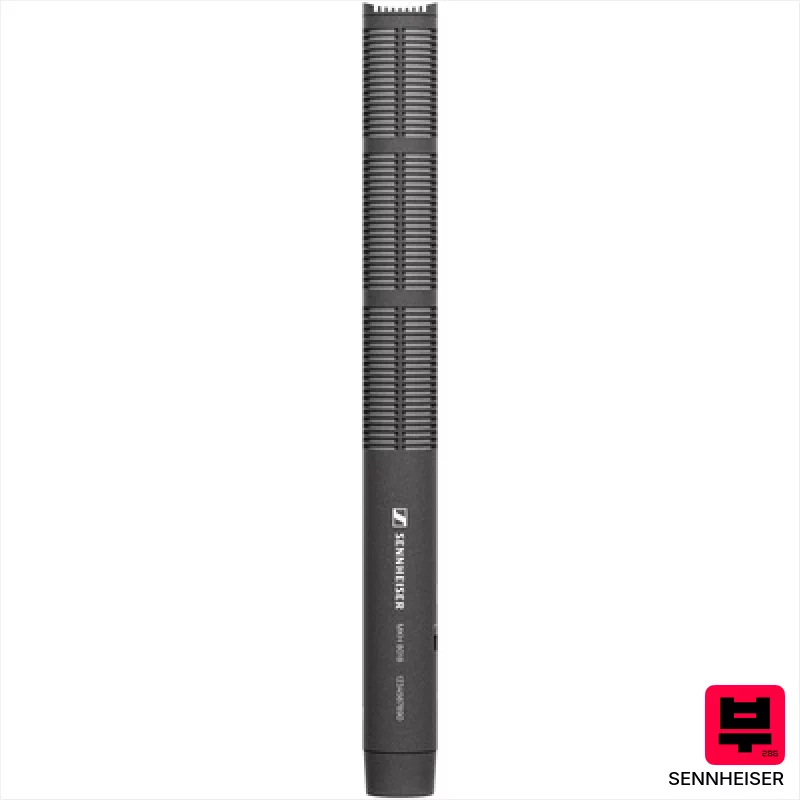
Sennheiser MKH 8018
- • Exceptional transient response captures subtle nuances beautifully
- • Robust metal housing guarantees reliability in demanding environments
- • Versatile stereo switching caters to diverse recording scenarios
- • Low-cut filter effectively tames low-frequency rumble
- • Premium-priced investment, limiting accessibility for some users
- • Can be bulky for very tight camera mounting situations
- • Limited flexibility for mono applications compared to single mics
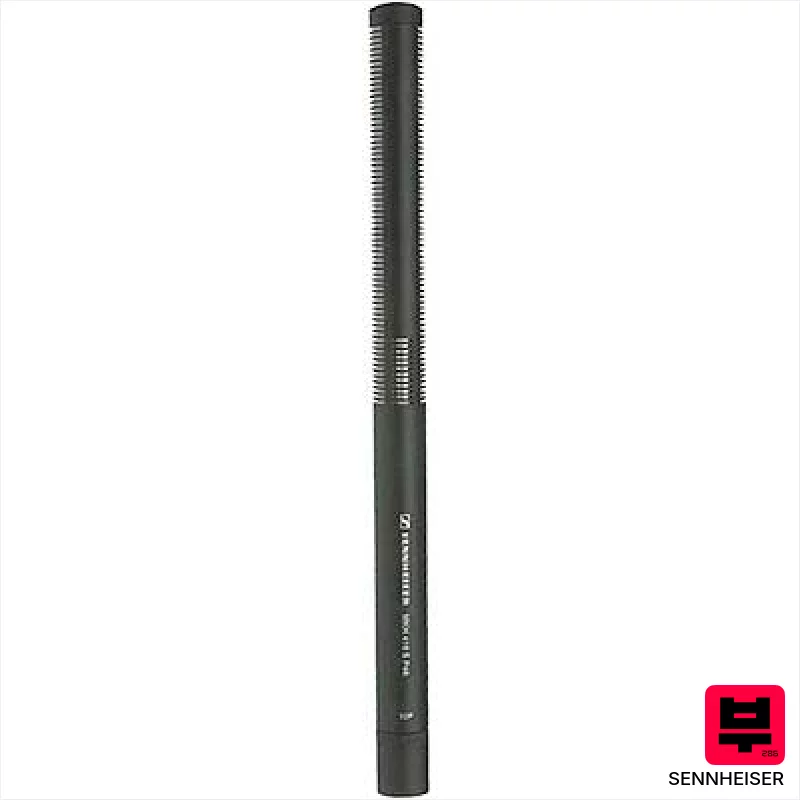
Sennheiser MKH 418-s
- • Exceptional off-axis rejection minimizes unwanted room noise.
- • Robust metal housing provides excellent durability for location work.
- • Supercardioid pattern offers precise sound capture and focused imaging.
- • Extended frequency response delivers detailed, natural-sounding audio.
- • High-end price point makes it a significant investment.
- • Directional nature requires careful mic placement and monitoring.
- • Can be unwieldy for single-operator situations due to its size and weight.
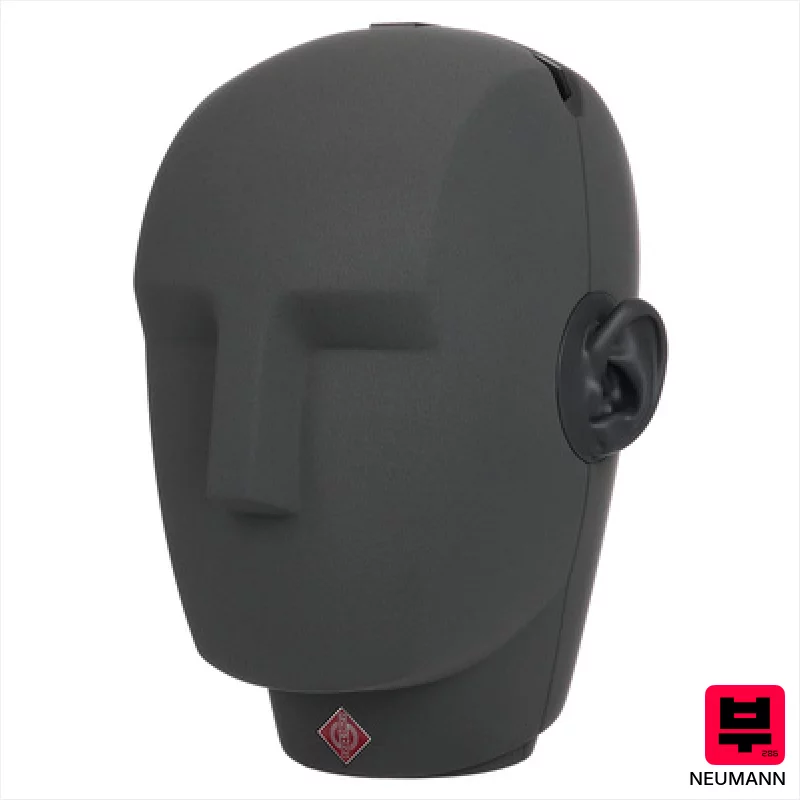
Neumann KU100
- • Exceptional head-related stereophony for immersive recordings.
- • Robust, all-metal construction ensures long-term reliability.
- • Subsonic filter effectively tames low-frequency rumble.
- • Versatile power options—phantom, battery, or AC adapter.
- • Extremely premium-priced, a significant investment for most studios.
- • Limited polar pattern choices; strictly binaural/HRTF focused.
- • Bulky and heavy, not ideal for mobile or overhead placement.
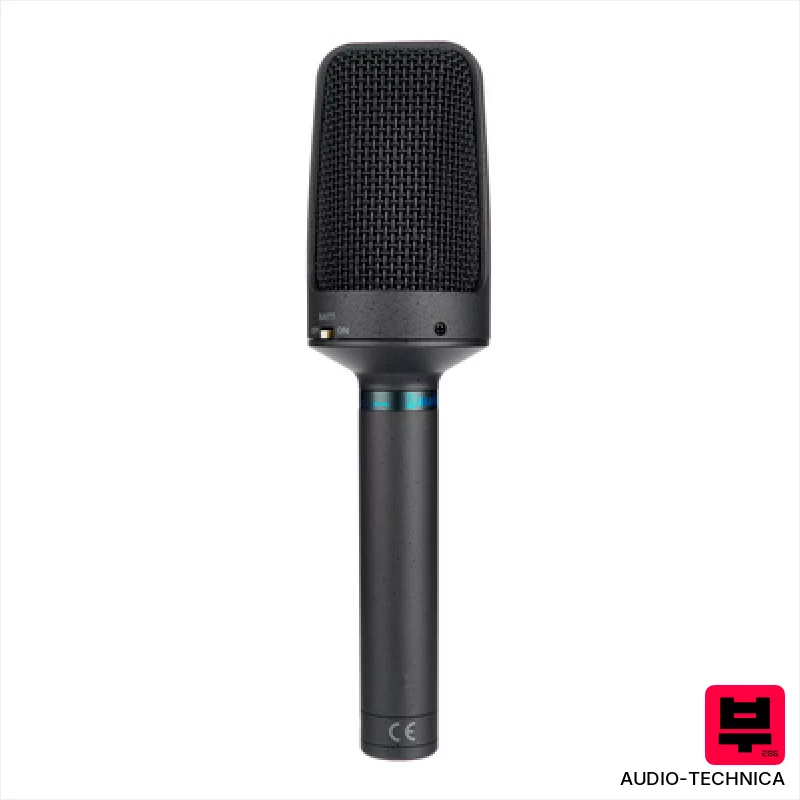
Audio-Technica AT8022
- • Excellent stereo imaging thanks to precise X/Y capsule alignment
- • Robust metal housing provides surprising durability for the price point
- • Battery power offers incredible flexibility for location recording
- • Low-cut filter effectively tames proximity effect and rumble
- • The included cables feel a little flimsy and could be upgraded
- • Cardioid pattern limits flexibility for some recording scenarios
- • Can be a bit sensitive to handling noise without careful technique
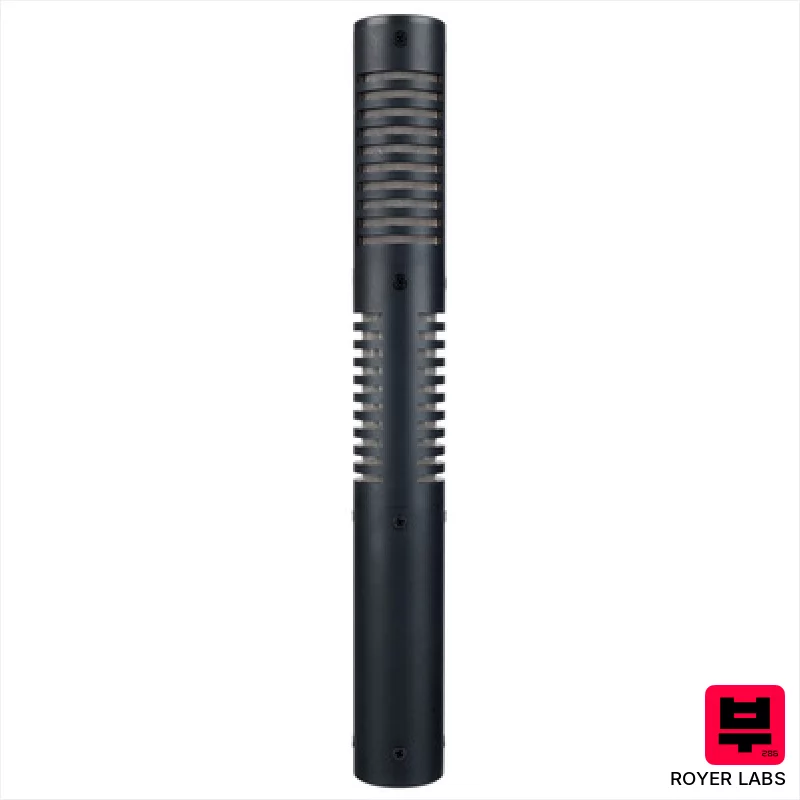
Royer Labs SF-12
- • Exceptional stereo imaging thanks to the precise X/Y and M/S configurations
- • Royer’s ribbon design delivers a warm, natural sound with impressive detail
- • Robust all-metal construction ensures durability for studio and stage use
- • Handles high SPLs effortlessly, ideal for loud sources like drums and brass
- • Significant weight makes it less practical for handheld use or mounting on lightweight stands
- • The 300-ohm output impedance may require a high-quality preamp for optimal performance
- • Ribbon mics are generally more delicate and require careful handling to avoid damage

Warm Audio WA-CX24
- • CK12 capsules deliver a remarkably authentic vintage tube mic tone.
- • Rotatable capsule offers unparalleled stereo imaging flexibility.
- • AMI transformers provide a robust, clean signal with pleasing saturation.
- • Solid build quality with Gotham cable; feels substantial and professional.
- • High inherent noise (22 dBA) might be limiting for quiet vocal recordings.
- • Heavy (1.4kg) making it less ideal for mounting on lightweight stands.
- • Limited versatility for certain modern recording styles; leans toward classic sounds.
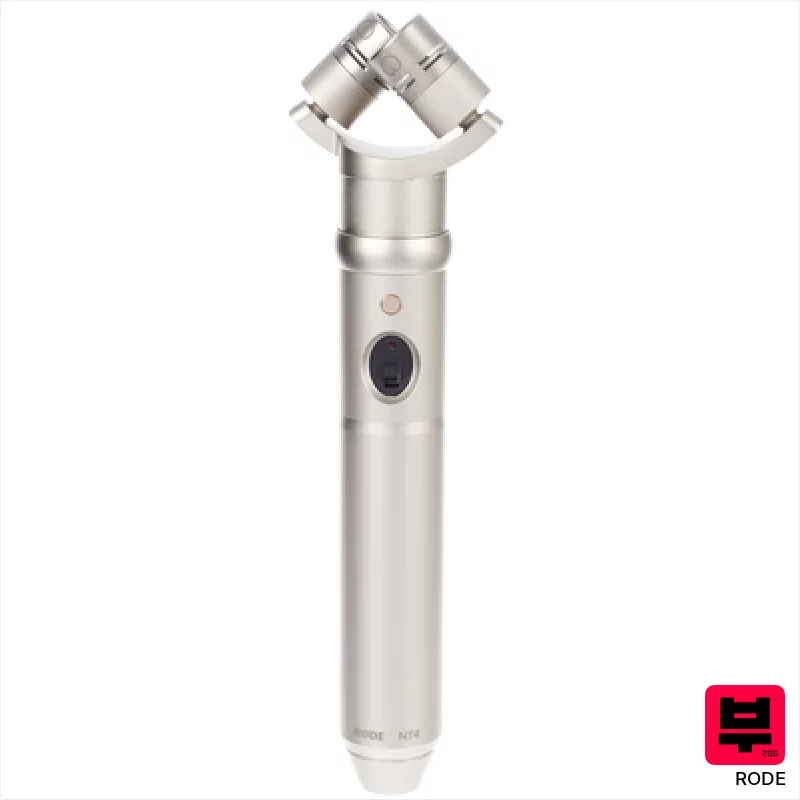
Rode NT4
- • Excellent stereo imaging thanks to precise X/Y capsule design
- • JFET preamps deliver a clean, low-noise signal path
- • Robust metal housing offers good protection for the capsules
- • Compact and lightweight for easy mounting on stands or booms
- • Cardioid pattern limits versatility for certain recording environments
- • Sensitivity is relatively low, requiring a decent preamp for optimal gain
- • Can exhibit slight capsule proximity effect at close distances
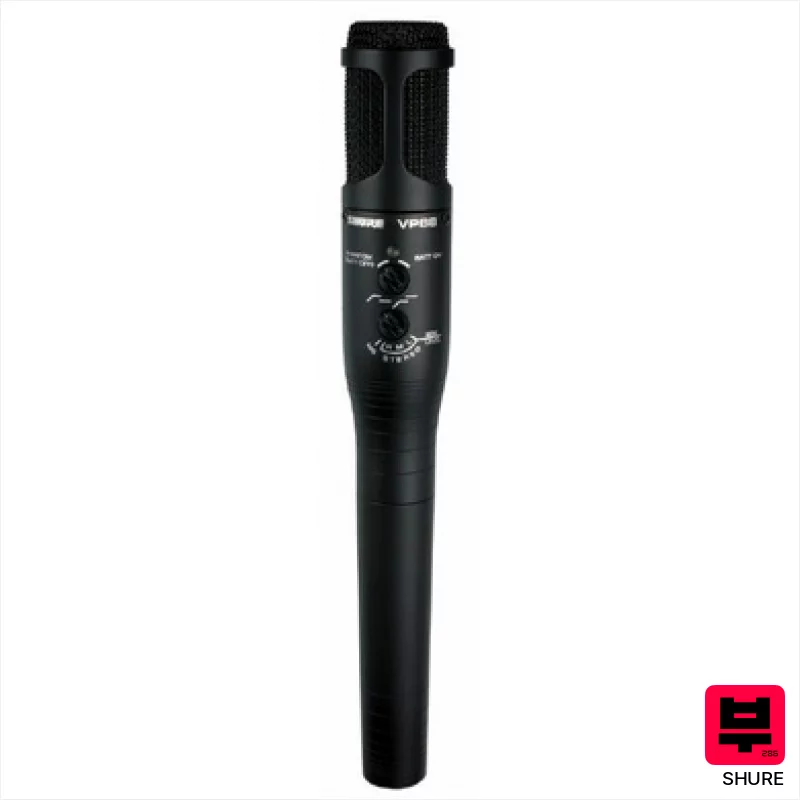
Shure VP 88
- • Excellent MS stereo imaging; natural and balanced sound character
- • Robust, all-metal construction feels incredibly durable for field use
- • Flexible 3-stage MS matrix simplifies stereo width adjustments
- • Convenient battery operation allows for remote recording flexibility
- • Can be a bit bulky for extremely cramped recording environments
- • MS encoding requires understanding and potentially extra processing
- • Premium-priced compared to simpler stereo condenser options
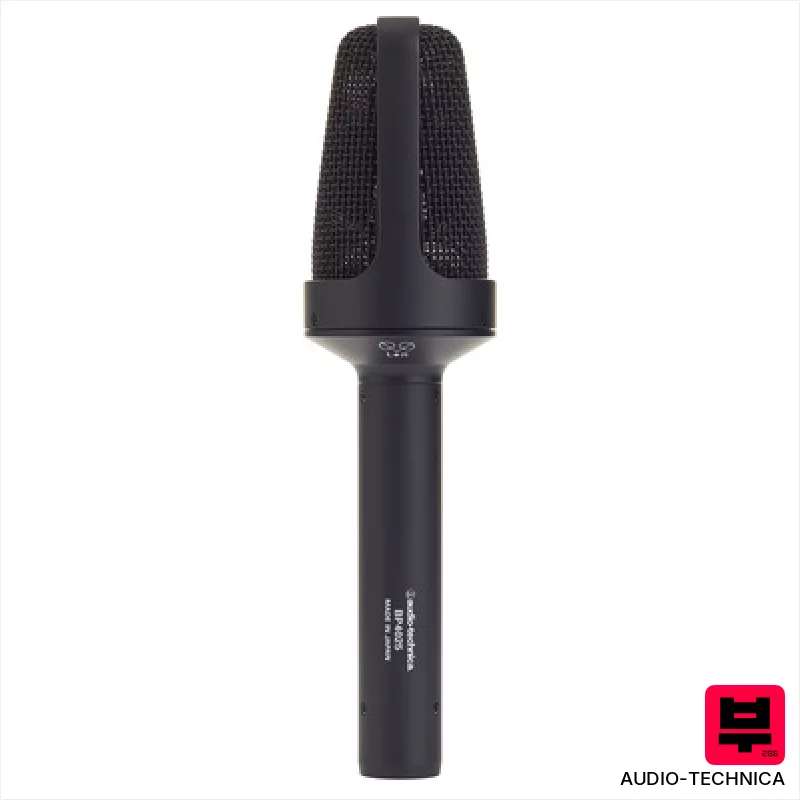
Audio-Technica BP4025
- • Excellent stereo imaging with tight, natural sound
- • Robust metal body feels durable and well-constructed
- • Switchable low-cut effectively handles proximity effect
- • Versatile X/Y configuration simplifies stereo recording setups
- • Limited pickup patterns restrict application flexibility
- • Can be a bit bulky for some mounting situations
- • High sensitivity requires careful gain staging to avoid overload

Soundman OKM II Classic/Studio A3
- • Excellent natural soundstage, captures spaciousness exceptionally well
- • Robust electret capsules offer surprising durability for the price
- • A3 adaptor provides crucial flexibility for various preamp setups
- • Compact size and lightweight design enable discreet placement
- • Electret mics can be noisier than true condenser alternatives
- • Omnidirectional pickup is not ideal for isolating sound sources
- • Limited frequency response compared to higher-end stereo pairs
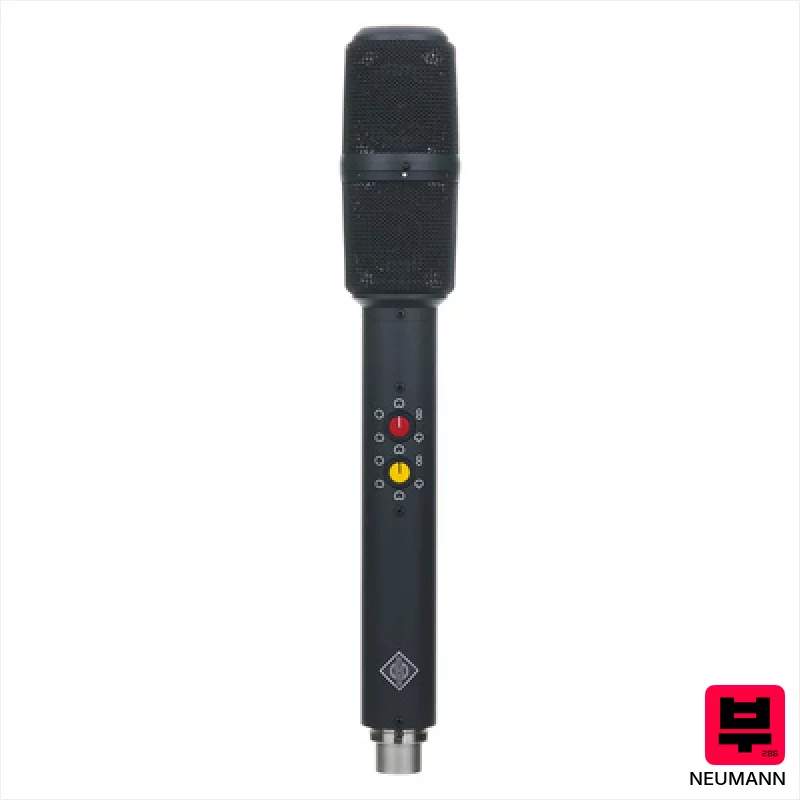
Neumann USM 69I mt
- • Exceptional transient response for detailed acoustic recordings
- • Transformer-balanced circuit delivers a warm, full-bodied sound
- • Versatile directional options allow for precise stereo imaging
- • Robust construction ensures longevity and reliable performance
- • High-end price point puts it out of reach for many studios
- • Significant weight makes it less ideal for mobile recording
- • Limited low-frequency extension compared to some dedicated bass mics
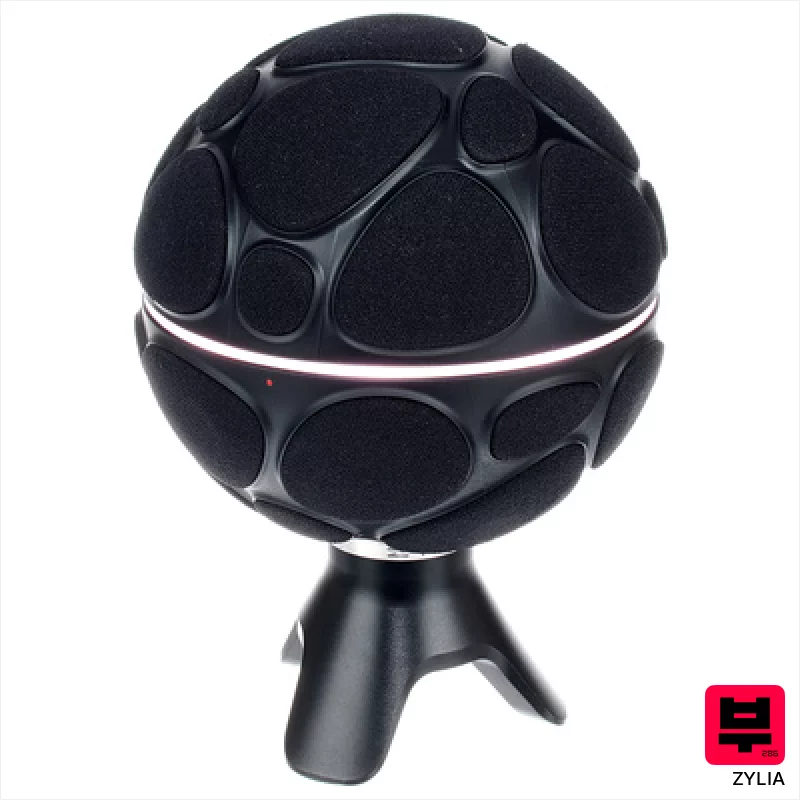
Zylia Pro Have it all
- • Exceptional 360° capture with true Ambisonics decoding
- • ZM-1 microphone array provides impressive spatial resolution
- • Zylia Studio Pro offers intuitive real-time processing
- • Versatile format support caters to diverse VR/AR workflows
- • Premium-priced, represents a significant investment for many users
- • USB connectivity limits mobility compared to wireless options
- • Steep learning curve for those unfamiliar with Ambisonics
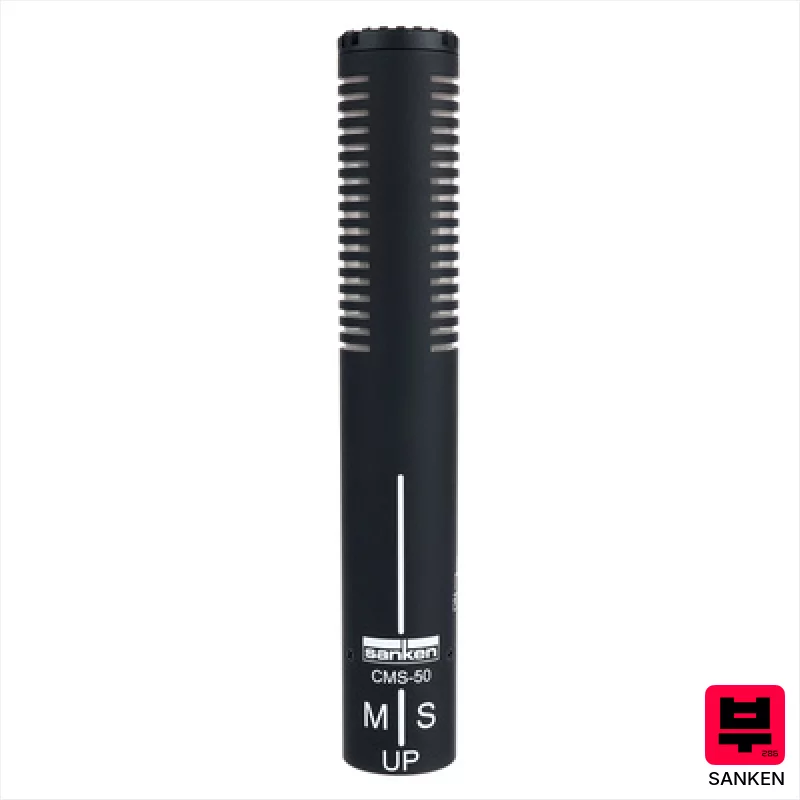
Sanken CMS-50
- • Exceptional transient response for capturing fast acoustic instruments
- • Remarkably low self-noise, ideal for quiet sources
- • Compact and lightweight, minimizes boom stand strain
- • Robust matte black finish, resists handling marks well
- • High output impedance requires a preamp with ample gain
- • Cardioid/Figure-8 pattern limits mono recording flexibility
- • Premium-priced, a significant investment for budget users
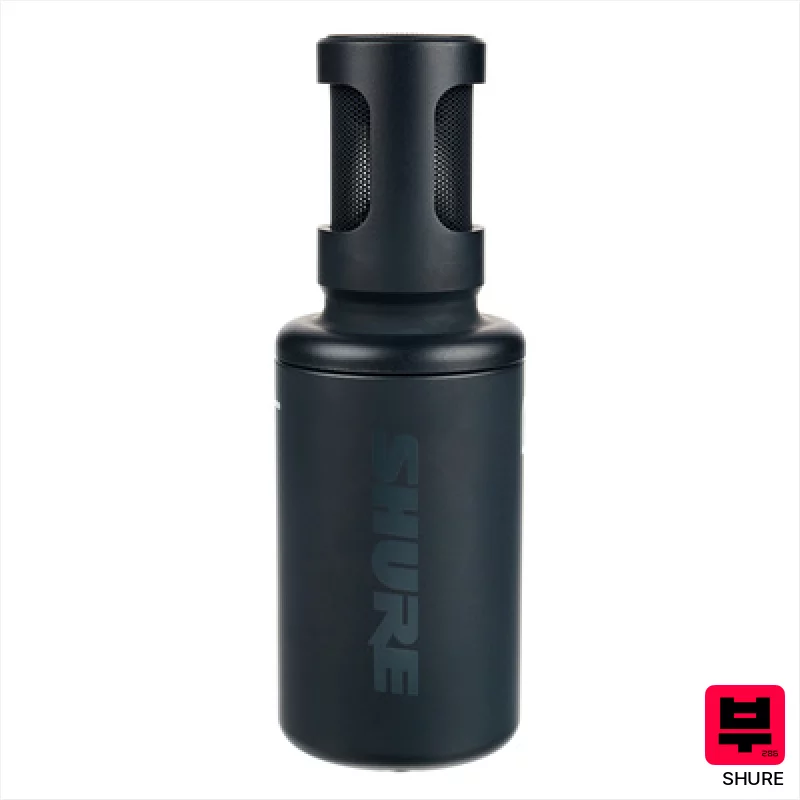
Shure MV88+Stereo USB Mic
- • Excellent stereo imaging for capturing immersive soundscapes.
- • ShurePlus MOTIV app offers surprisingly deep control over sound shaping.
- • Compact and lightweight design makes it ideal for mobile recording.
- • Robust metal housing feels durable and well-built for its size.
- • USB-C/Micro-USB reliance can be limiting with modern setups.
- • Limited frequency response compared to dedicated studio condenser mics.
- • Stereo field width can be narrow, requiring careful placement.

Soundman OKM II Classic/Studio Solo
- • Excellent natural sound, remarkably clean for electrets
- • Compact size facilitates discreet, close-proximity placement
- • Robust construction; feels durable despite its light weight
- • Artificial head stereophony creates convincing spatial imaging
- • Limited frequency response compared to higher-end studio mics
- • Electret capsule means less transient detail than condenser mics
- • Omnidirectional pickup can be problematic in noisy environments
How to Choose the Best Stereo Microphones
Polar Pattern Options
Nature isn't predictable. Having options like X/Y, ORTF, and Mid-Side is crucial to adapt to different sound sources and acoustic environments - a tight X/Y for focused sounds, ORTF for a wider, more natural perspective.
Transient Response
Those sudden chirps and rustles? You need a mic that can accurately capture them without smearing or adding unwanted coloration. A slow transient response will make everything sound muddy and indistinct - and that's a killer for subtle details.
Self-Noise
Nature is quiet. A noisy mic will bury the delicate sounds you're trying to capture. Anything above 15 dBA noise floor is going to be a problem, especially when you're trying to get that ultra-low rumble of a distant storm.
Frequency Response
A flat, extended frequency response is vital. You want to hear the full spectrum of natural sounds, from the deep rumble of thunder to the high-frequency shimmer of leaves. Avoid mics with overly hyped highs or scooped mids; they'll color the sound in unnatural ways.
Durability & Weather Resistance
Let's be honest, you're taking these mics outdoors. A robust build and some degree of weather resistance are non-negotiable - a sudden downpour can ruin a good mic (and a good day of recording).
Buying Guide
Don't fall for the 'cheap stereo mic' trap. Those often use poorly matched capsules, leading to phase issues and a weird, unnatural stereo image. You're better off with a quality single-point stereo mic than a budget pair of omnis. Spend a little more for capsules that are properly aligned and a body that can take a bit of abuse - your recordings will thank you. Consider a mic with phantom power, it'll make life a lot easier out in the field.
Our Methodology
We're not looking at spec sheets here. We've spent countless hours A/B'ing these mics in various outdoor environments - forests, fields, even a surprisingly noisy city park. We've compared them against each other, and against binaural recordings, to really dig into how they translate those natural sounds into something usable and, more importantly, something that feels real.

