
Rode NT4
Professional music gear - detailed information and where to buy
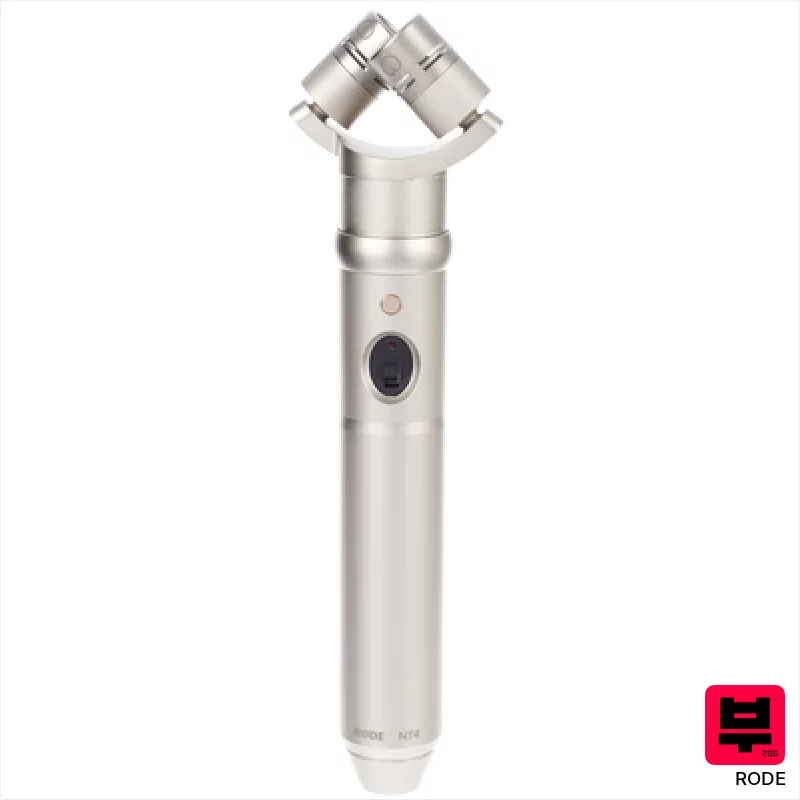
Rode
NT4
Product Info
* Prices may vary. Check retailer for current pricing and availability.
The Rode NT4 is a solid, reliable stereo mic – a workhorse for location recording and basic stereo field capture. Its compact size and built-in stereo mounting make it incredibly convenient. It's a great option for podcasters, YouTubers, and anyone needing a quick and easy stereo solution without a ton of fuss.
Product Description
- Rode NT4
- Stereo Microphone
- Stereo microphone with 90° X/Y arrangement - one small diaphragm condenser microphone on each side
- Capsule size: 0.5" (13mm)
- Active electronics: JFET impedance converter
- Pickup pattern: Cardioid per capsule
- Output impedance: 200 Ohm per side
- Frequency range: 20 Hz - 20 kHz
- Sensitivity: -38 dB re 1v/Pa +/- 2 dB or 12mV/Pa at 1 Pa = 94 dBSPL
- Signal-to-noise ratio: <16 dB SPL
- (A-weighted per IEC268-15)
- Max. output: +13.9 dBu @ 1% THD into 1k
- Dynamic range: > 128 dB
- Max. sound pressure SPL: 143 dB @ 1% THD into 1k
- Signal-to-noise ratio: 78 dB
- Power supply: 4 mA
- P48 (38V-52V) 2 mA
- P24 (20V-26V) 2.8 mA
- P12 (10.8V-13.2V) 2.4 mA uses 9V battery
- Weight: 480 g
- Incl. stand holder
- windscreen and 2 adapter cables (2x XLR or stereo mini jack - cable length XLR 5pin to 2x XLR 3pin: 2.3 m)
- • Excellent stereo imaging thanks to precise X/Y capsule design
- • JFET preamps deliver a clean, low-noise signal path
- • Robust metal housing offers good protection for the capsules
- • Compact and lightweight for easy mounting on stands or booms
- • Cardioid pattern limits versatility for certain recording environments
- • Sensitivity is relatively low, requiring a decent preamp for optimal gain
- • Can exhibit slight capsule proximity effect at close distances
Product Video
Key Features
Similar Products
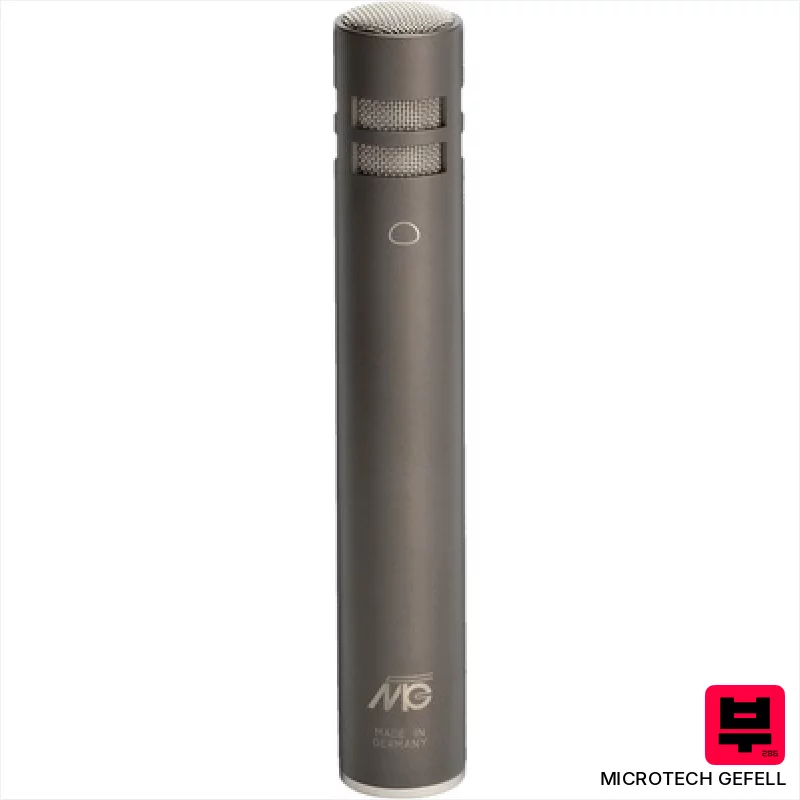
Microtech Gefell M 330
Small Diaphragm Condenser Microphones
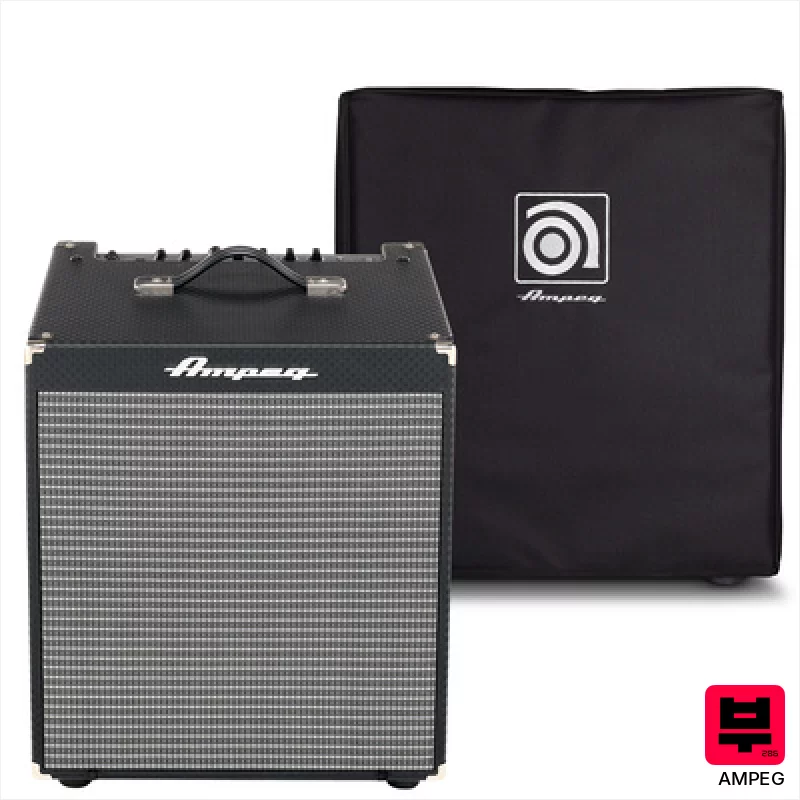
Ampeg RB-112 Bundle
Solid-State Bass Combos
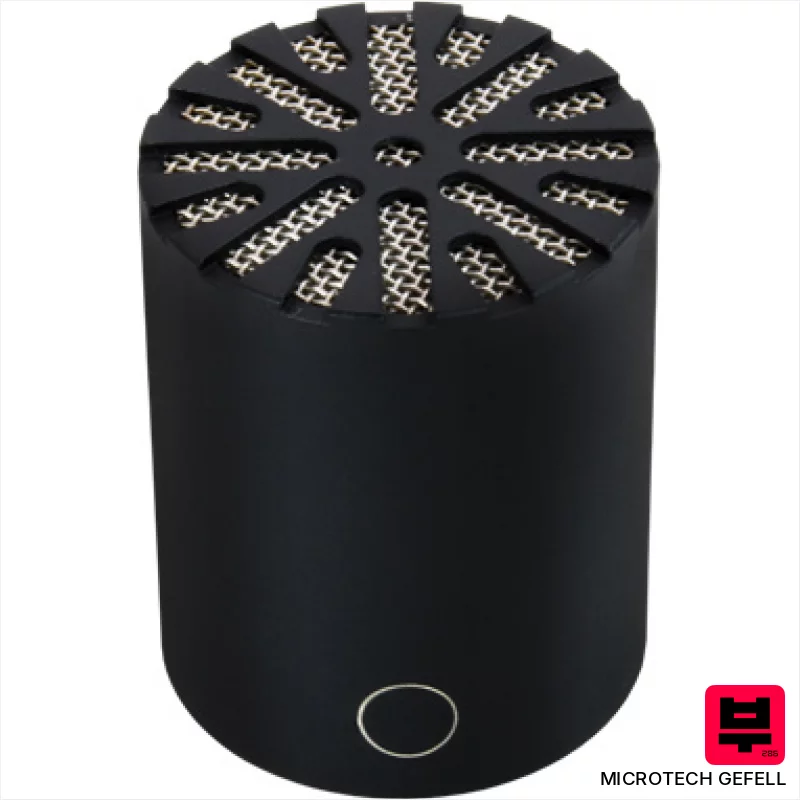
Microtech Gefell M 42
Modular Microphone Systems
Behringer WING Compact Flyht Pro Bundle
Digital Mixers
Microtech Gefell M 43
Modular Microphone Systems
Microtech Gefell M 990 Satin Nickel
Large Diaphragm Microphones

Microtech Gefell M 40
Modular Microphone Systems
Kawai K-200 ATX 4 WDB Piano
Pianos

