
Best Ring Modulator, Crossfade Modules Under $100 2026
Alright, so you're chasing that alien wobble and swirling textures, but your bank account isn't cooperating? Ring modulators and crossfade modules can be absolute game-changers, adding movement and unexpected timbres to everything from pads to leads. We're diving into the best options you can snag for under $100 - because sonic weirdness shouldn't require a second mortgage.
Last updated: September 29, 2026

Doepfer A-114 Vintage Edition
- • Distinctive, clangorous ring modulation character for unique textures
- • Vintage Edition offers a warmer, slightly less aggressive tone than newer versions
- • Compact 4HP footprint makes it ideal for dense modular systems
- • Dual ring modulators allow for complex modulation possibilities and stereo effects
- • Can be difficult to tame, producing harsh or unpredictable results easily
- • Limited input level adjustment; susceptible to clipping with strong signals
- • Vintage components may exhibit slight variations in performance between units
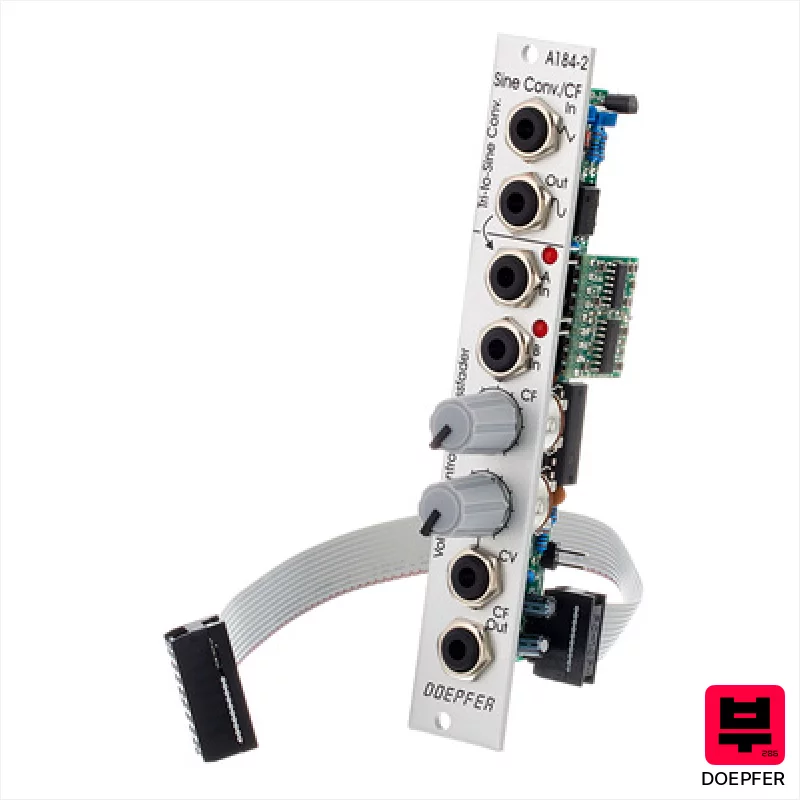
Doepfer A-184-2
- • Excellent triangle-to-sine conversion, remarkably clean and smooth
- • The crossfader is precise and responds well to subtle CV changes
- • Doepfer’s robust build quality ensures long-term reliability
- • Compact 4HP footprint maximizes space in tight Eurorack setups
- • Limited functionality compared to dedicated sine converters or crossfaders
- • The sine conversion can be a bit sterile for some applications
- • Power draw, while not excessive, adds up in a large system
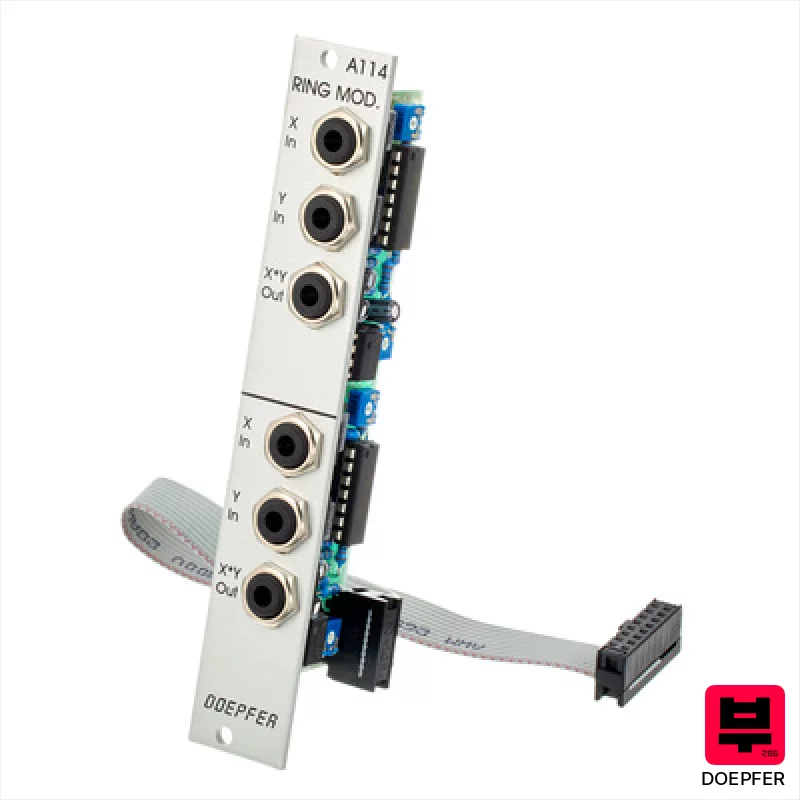
Doepfer A-114
- • Unique 4-quadrant multiplication for complex timbres
- • Dense, clangorous ring modulation tones are instantly usable
- • Excellent build quality typical of Doepfer's Euro modules
- • Compact 8 HP footprint maximizes modular space efficiency
- • Ring modulation inherently produces harsh, potentially unusable sounds
- • Limited modulation options beyond the basic ring modulation process
- • Can be noisy if gain staging isn't carefully managed
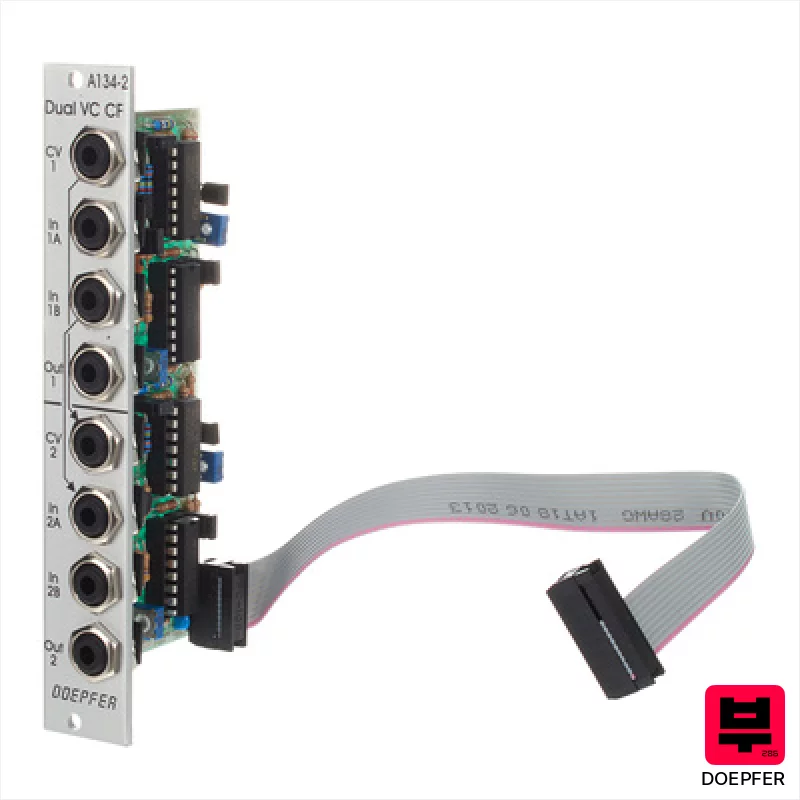
Doepfer A-134-2 Dual Vc Crossfader
- • Rock-solid Doepfer build quality, feels exceptionally durable
- • Smooth, precise crossfading action with minimal noise
- • Versatile for both audio and CV signals, expands modular possibilities
- • Compact 4HP footprint, ideal for dense modular setups
- • Limited attenuation on CV inputs, requires external attenuation
- • Plastic knobs feel a little cheap compared to other Doepfer modules
- • Can introduce unwanted clicks/pops if signal levels aren't managed
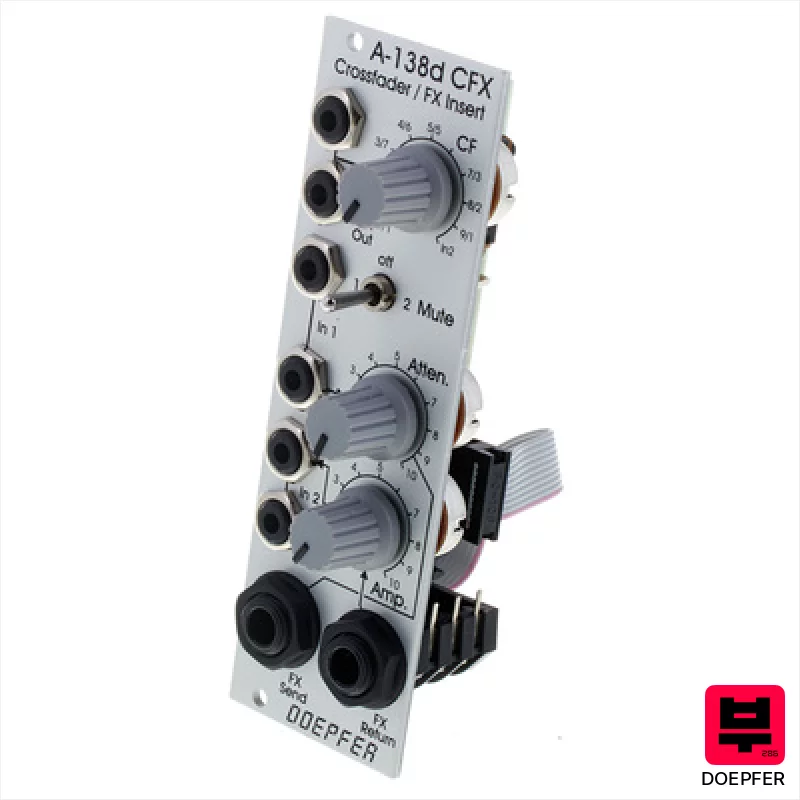
Doepfer A-138D
- • Solid Doepfer build quality, feels robust and reliable
- • Versatile crossfading and FX insert functionality
- • Compact 8HP footprint, ideal for dense racks
- • Simple, intuitive controls for immediate manipulation
- • Limited modulation options compared to more complex modules
- • Basic crossfader curve – lacks finer adjustment
- • Power draw is a bit higher than some alternatives
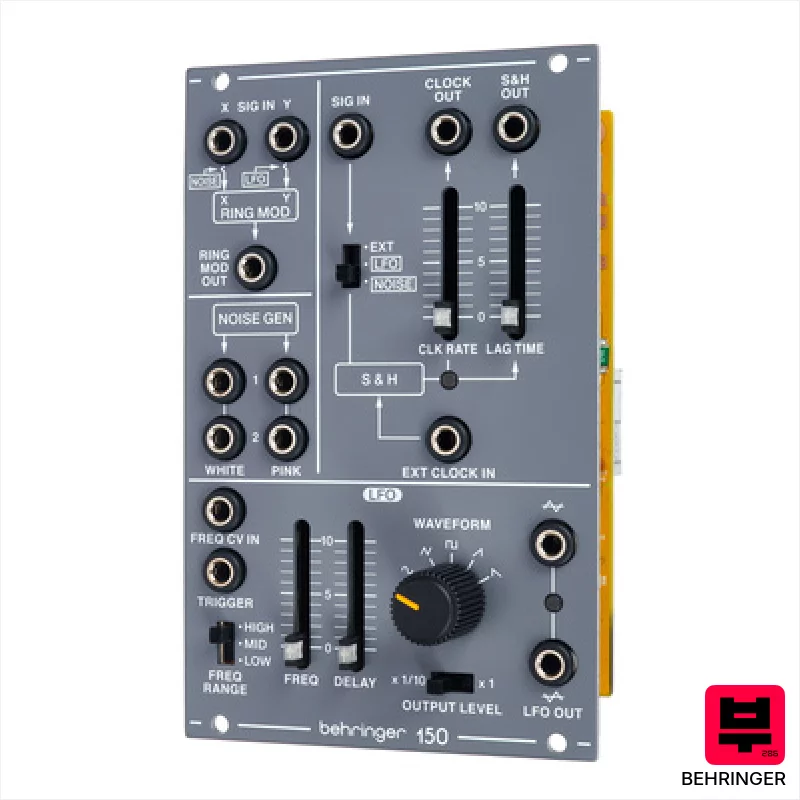
Behringer 150 Ring Mod/Noise/S&H/LFO
- • Excellent value for the feature set offered.
- • Ring modulation delivers a unique, metallic sonic character.
- • Noise generator provides versatile textures for sound design.
- • LFO’s five waveforms offer a broad range of modulation possibilities.
- • Plastic construction feels less robust than higher-end modules.
- • Limited routing options compared to more complex modules.
- • The fader feels a little cheap and imprecise.
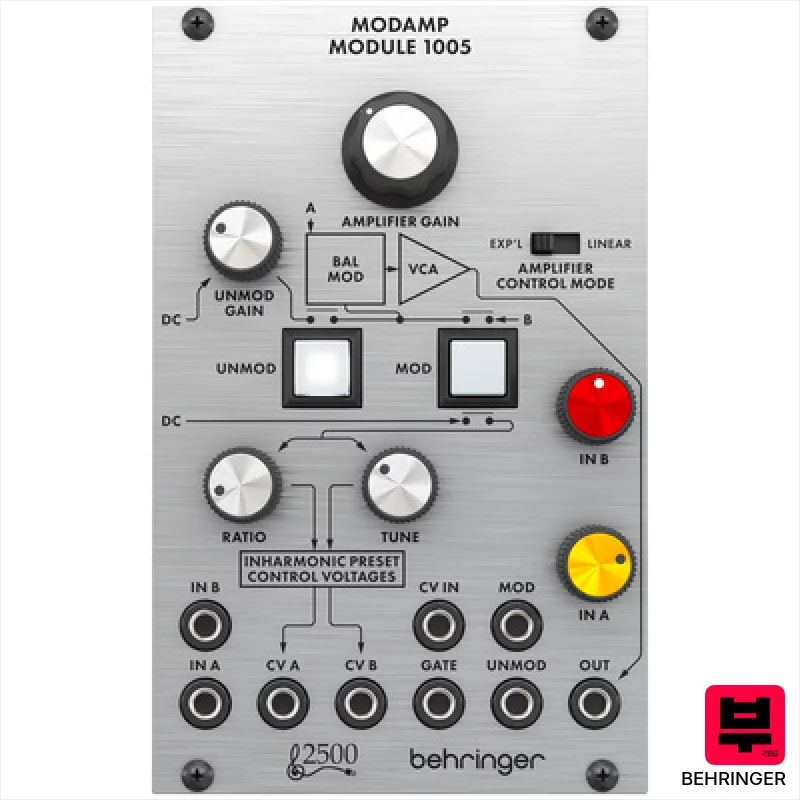
Behringer Modamp Module 1005
- • Ring modulation offers surprisingly rich, metallic timbres.
- • Integrated VCA simplifies patching and gain staging.
- • Compact 16HP footprint maximizes space in Eurorack cases.
- • Gate-controlled modulation mode expands creative possibilities.
- • Plastic knobs feel a bit cheap and lack precise adjustment.
- • Ring modulation can be harsh; requires careful level balancing.
- • Limited CV input options restrict advanced modulation routing.
Ring Modulator, Crossfade Modules by the numbers
Measured across all 7 models in this category, so «wide», «short» or «expensive» mean something you can check.
How to Choose the Best Ring Modulator, Crossfade Modules
Sound Quality
This is the big one. We're looking for that characteristic ring modulation grit - a metallic, clangorous tone - or a smooth, musical crossfade without excessive noise or distortion. Cheap modules often have a harsh, brittle quality; we're prioritizing those with a more usable sonic palette.
Noise Floor
Ring modulators, especially, can be noisy beasts. A low noise floor is crucial, especially if you're recording. We're listening for hiss, hum, and unwanted artifacts that can muddy your mix.
Modulation Options
Does it just ring modulate or crossfade? Can you control the rate or depth? More flexibility means more creative possibilities, even on a budget.
Build Quality
Let's be real, under $100 means compromises. We're assessing the robustness of the pots, jacks, and overall construction - how likely it is to survive gigging or frequent patching.
Ease of Use
A complex interface can be frustrating, especially when you're just trying to dial in a cool sound. We're favoring modules that are intuitive and easy to integrate into your existing setup.
Buying Guide
At this price point, expect some trade-offs. You're unlikely to get pristine audio or premium components. Many will have plastic enclosures or slightly scratchy pots. The biggest compromise will be in modulation options - don't expect LFOs or complex routing. Focus on finding a module with a usable sound, even if it's not the absolute cleanest. A little noise can be part of the character, but it shouldn't be overwhelming.
How This List Is Built
We don't play these instruments — we're a catalog, not a review desk, and we'd rather say so than pretend otherwise. This page covers 7 ring modulator, crossfade modules from the Thomann catalogue, which is the largest single source of specification data in this category: 7 in detail, the rest listed with their specifications.
Position is computed, not curated. We parse the manufacturer's own description into actual values — nut width, scale, fret count, fingerboard radius, size, alloy — and rank on them: how many specifications a model has published, how many of them are measurable numbers, and how precisely it meets this page's criterion. A product image adds a little. Price is not a ranking signal: it tells you nothing about whether a neck fits your hand. The same inputs always produce the same order, so nothing here is shuffled to look fresh.
What this list is good for: narrowing a category down to a shortlist by spec and budget. What it isn't: a substitute for hearing an instrument. Before you buy, read hands-on reviews and, where you can, play it. Full methodology.

