
Best Piano Microphones for Studio 2026
Alright, so you're serious about capturing that piano sound, not just slapping a mic on and hoping for the best. Studio piano recording demands a different approach than live sound; we're chasing nuance, detail, and a vibe. Choosing the right mic(s) is half the battle - a bad mic will bury that gorgeous sustain and leave you with a lifeless, boxy recording. Let's break down some mics that'll actually get you closer to that dream piano tone.
Last updated: July 1, 2026 • Next update: July 8, 2026
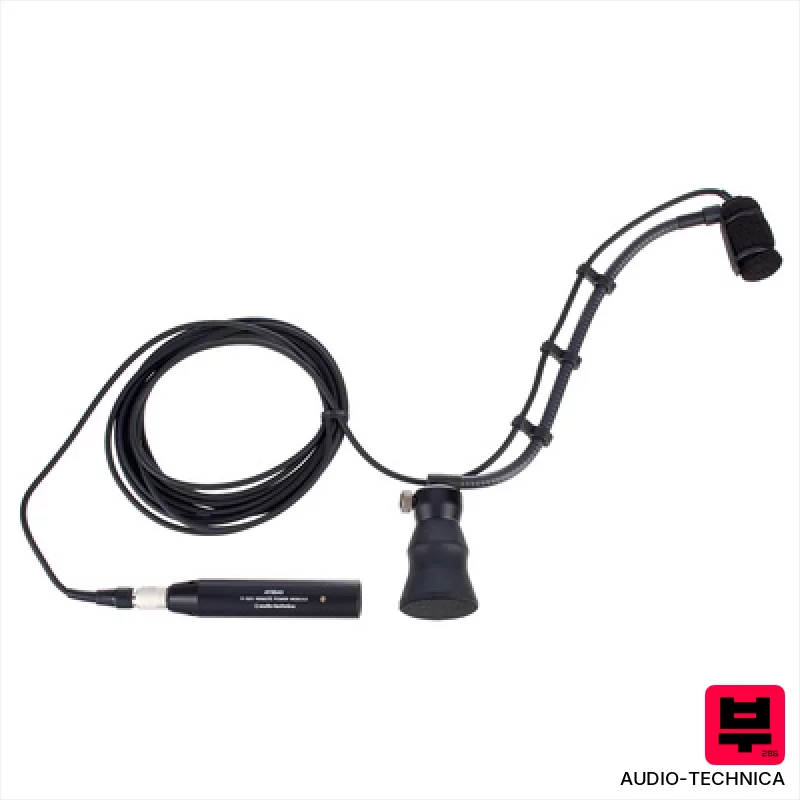
Audio-Technica ATM350PL
- • Excellent transient response captures piano detail beautifully
- • Modular design allows for capsule swaps and flexible mounting
- • Included piano mount simplifies setup and minimizes resonance
- • Lightweight capsule minimizes impact on piano's natural vibration
- • Cardioid pattern limits stereo imaging possibilities
- • Requires phantom power, potentially needing an external adapter
- • Higher end models offer even more nuanced sonic character
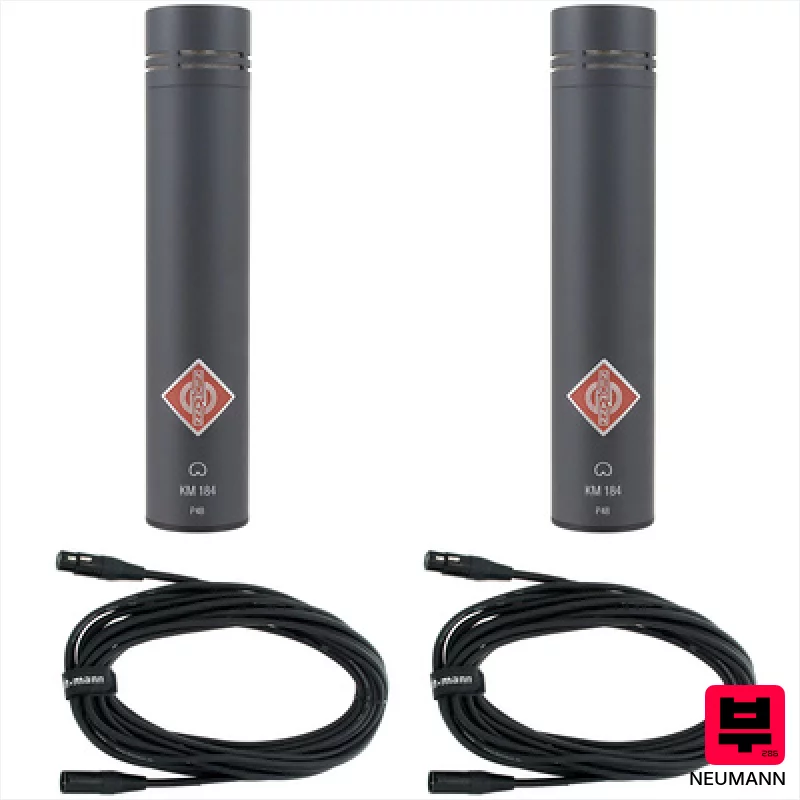
Neumann KM184 MT Stereo Set Bundle
- • Exceptional transient response captures subtle piano nuances brilliantly.
- • Matched pair guarantees consistent stereo imaging and phase coherence.
- • Neutrik Rean XLR cables provide pristine, reliable signal transfer.
- • Durable matte black finish resists wear and maintains professional aesthetic.
- • Cardioid pattern limits flexibility in less-controlled acoustic environments.
- • Relatively high self-noise might be noticeable with very quiet sources.
- • Premium-priced, representing a significant investment for home studios.
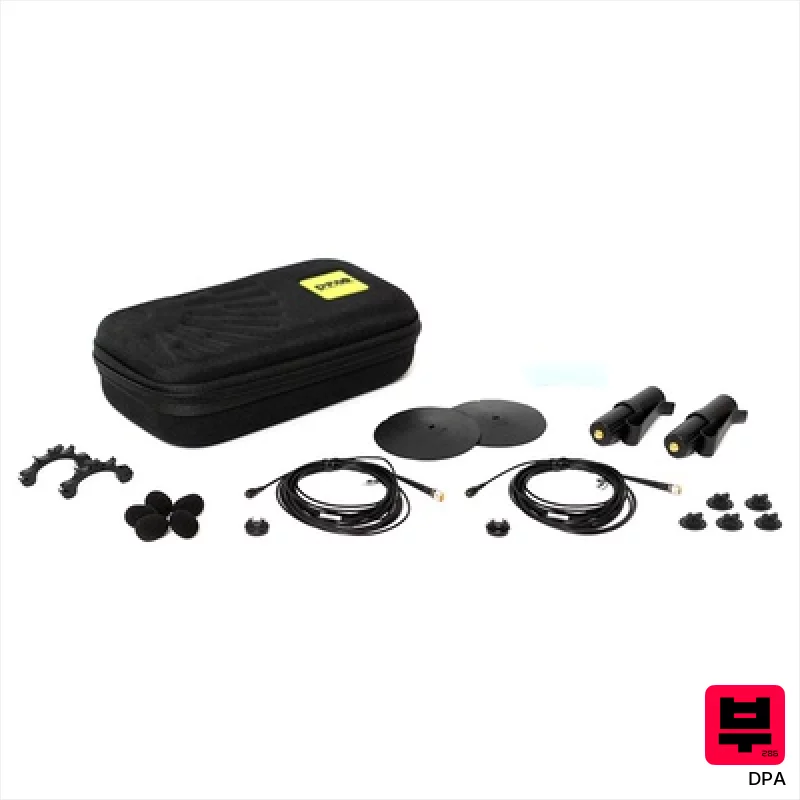
DPA KIT-4060-OP-SMK
- • Exceptional DPA clarity and transient response for detailed recordings
- • Versatile boundary layer mounts handle various instrument surfaces effectively
- • Robust, miniature design allows for discreet and flexible placement
- • DAD 6001 adapters provide phantom and XLR options for maximum compatibility
- • Premium-priced, represents a significant investment for most musicians
- • Omnidirectional pickup can be problematic in untreated rooms with reflections
- • Small capsule size limits low-frequency extension compared to larger mics
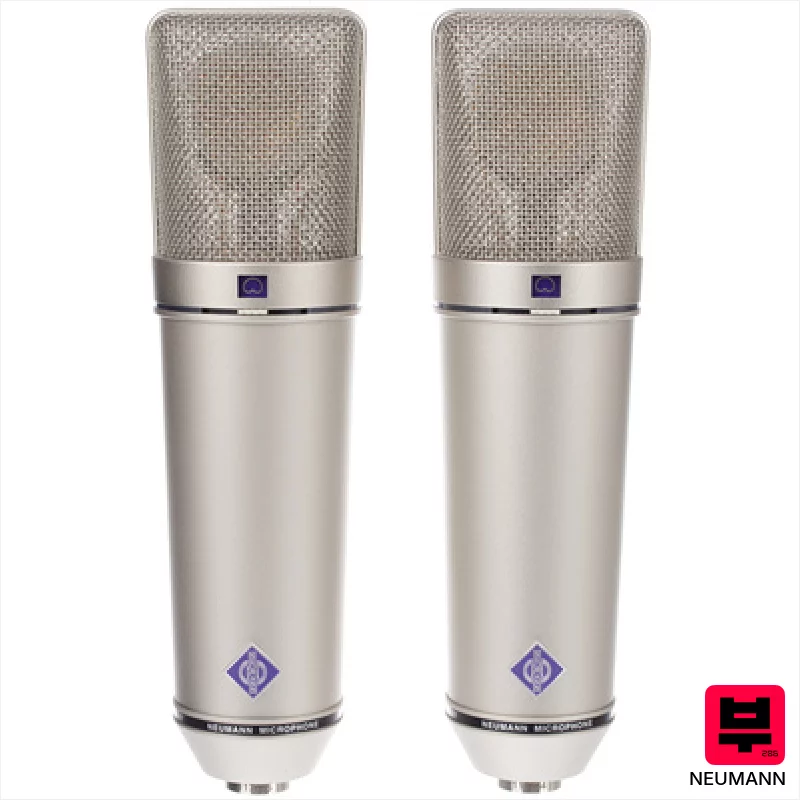
Neumann U87 Ai Stereo Set
- • Exceptional transient response captures subtle piano nuances
- • Classic U87 Ai sound: balanced, detailed, and flattering
- • Durable Ni shock mounts minimize handling noise and vibrations
- • Aluminum case provides robust protection and professional presentation
- • Premium-priced, a significant investment for most studios
- • Can be somewhat sterile for some genres needing more character
- • Relatively heavy, potentially requiring sturdy mic stands
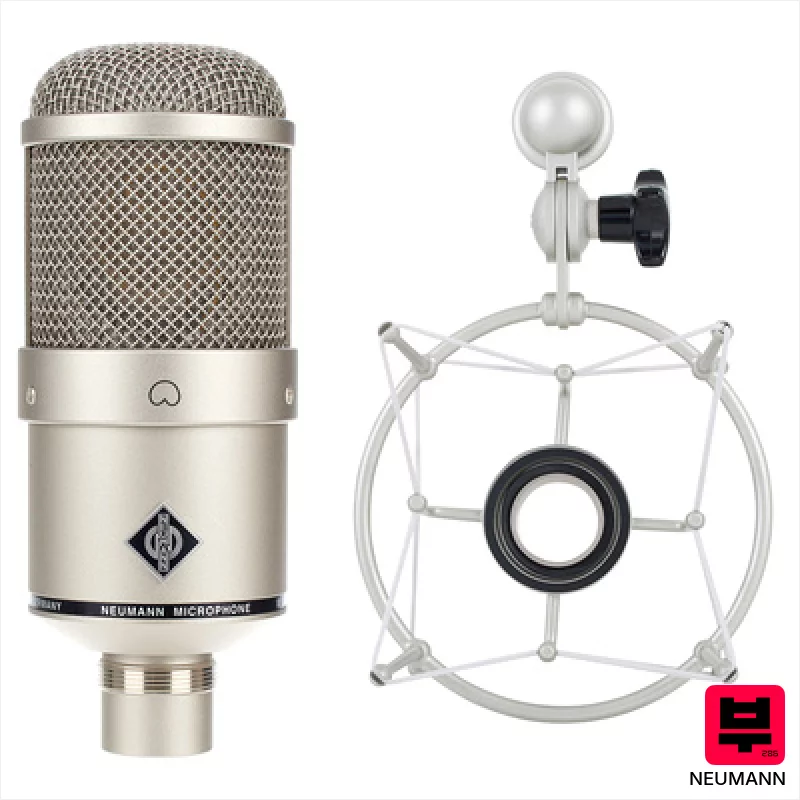
Neumann M147 Tube Set mit EA 1
- • Shares capsule heritage with U47/M49, delivering classic Neumann tone
- • EA 1 shock mount isolates mic from vibrations, crucial for piano
- • Robust all-metal construction ensures longevity and roadworthiness
- • Includes universal power supply, simplifying setup and international use
- • High sensitivity demands careful gain staging and noise floor management
- • Cardioid-only pattern limits versatility for certain recording scenarios
- • Premium-priced investment, may exceed budgets for some users
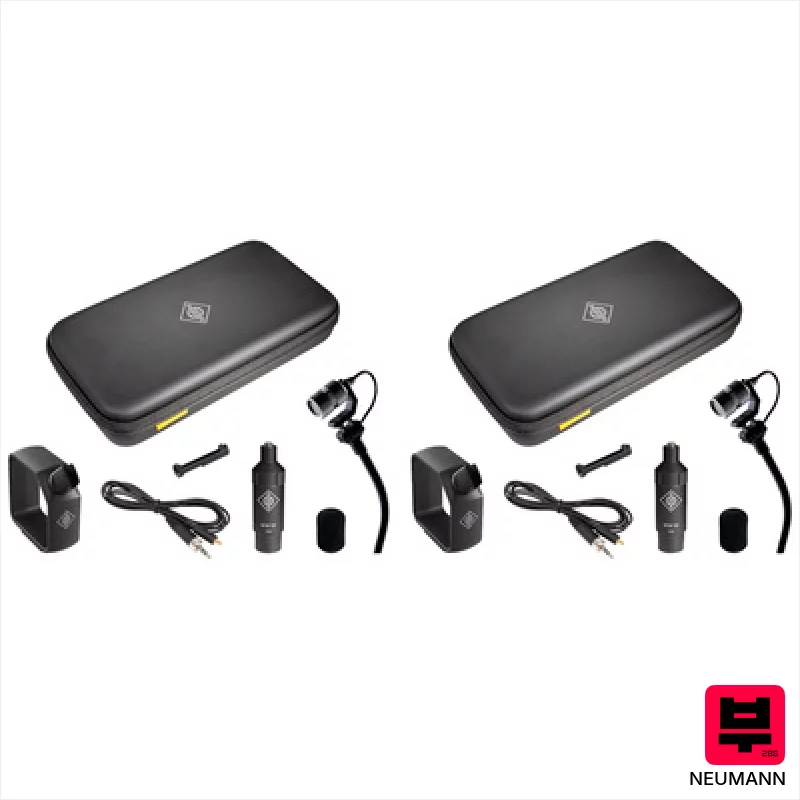
Neumann MCM 114 Set Piano
- • KK 14 capsule delivers exceptionally natural, detailed piano tone.
- • Gooseneck design allows precise mic placement for nuanced capture.
- • AC 31 mini-jack connection offers clean, low-noise signal transfer.
- • MC 8 mounting clip provides secure and stable instrument attachment.
- • Limited polar pattern options restrict versatility for unusual recording techniques.
- • Mini-jack connector requires an adapter for standard mixing consoles.
- • The system's weight, while manageable, can be a factor on large grands.
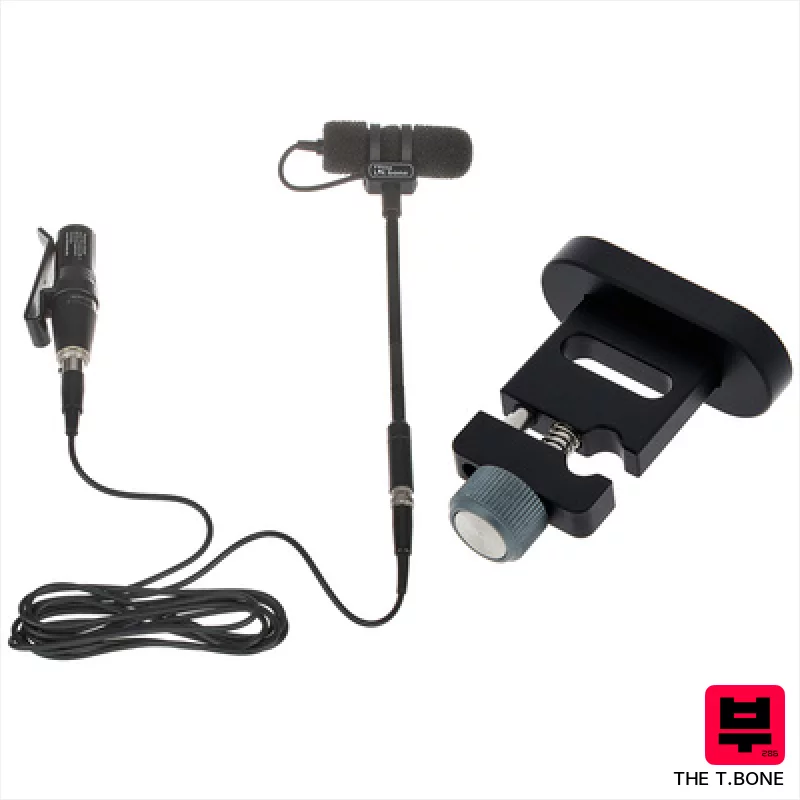
the t.bone Lucan System Piano Bundle
- • Surprisingly robust construction for the price point
- • Cardioid pattern isolates piano well in untreated rooms
- • Included phantom power adapter adds convenience for beginners
- • Detachable cable and mini XLR offer future wireless expansion
- • Gooseneck flexibility can be a bit flimsy under heavier mics
- • Sensitivity is relatively low, requiring preamp gain
- • Frequency response lacks some high-end sparkle for modern recordings
How to Choose the Best Piano Microphones
Tonal Character
A piano's got a wide frequency range, from that low-end thump to the shimmering highs. We're looking for mics that capture that breadth without exaggerating anything - no harshness, no muddy lows. A mic that brings out the woodiness of the soundboard is gold.
Polar Pattern Options
Cardioid is standard, but omni can be magical for capturing room tone and a more natural sound. Figure-8 can be useful for stereo micing techniques. Having multiple patterns gives you more flexibility.
Self-Noise
Low self-noise is critical when dealing with the quietest nuances of a piano. You don't want to have to crank up the gain and introduce hiss - that ruins the dynamic range.
Transient Response
A piano's attack is key to its articulation. A mic with a slow transient response will smear the sound and make it feel sluggish. We want something that responds quickly and accurately.
Versatility
While we're focusing on piano, a good mic should also be usable on other instruments - vocals, acoustic guitars, drums. That expands its value and makes it a worthwhile investment.
Buying Guide
Don't fall for the hype. A $2000 mic won't magically transform a mediocre piano or recording space. What you do pay for with higher-end mics is usually better transient response, lower self-noise, and more subtle tonal nuances. Often, a pair of decent small-diaphragm condensers is a better starting point than one really expensive mic. Be realistic about your budget and your skill level - a great mic in the wrong hands won't sound great.
Our Methodology
We're not just looking at spec sheets here. We've spent countless hours A/B'ing these mics against each other, recording everything from solo piano ballads to full-band tracks. We've tested them on a variety of pianos - uprights, grands, even a slightly out-of-tune player piano - to see how they handle different source material and how they sit in a mix. It's about real-world performance, not just numbers on a page.

