AudioFu Chart · October 2026
Best Piano Microphones for Professional 2026
The top pick is Neumann U 87 Ai Studio Set ($7,640). the t.bone Lucan System Piano Bundle gives you the most for the money at $96. Ranked by the AudioFu Index from 8 models across 4 brands, prices checked every night.
Last updated: October 19, 2026
Top 8
Full detail for the 8 highest AudioFu Index scores. Every other model is listed below.
-
The U87 Ai Stereo Set is the industry standard for a reason. It's incredibly versatile, delivering a clean and detailed sound that works beautifully on a wide range of instruments and vocals. Ideal for professional recording studios and serious home recordists who demand top-tier performance and that iconic Neumann character.
Pros
- Exceptional transient response captures subtle piano nuances
- Classic U87 Ai sound: balanced, detailed, and flattering
- Durable Ni shock mounts minimize handling noise and vibrations
Cons
- Premium-priced, a significant investment for most studios
- Can be somewhat sterile for some genres needing more character
79AudioFu
IndexStableno change since Aug 17Aug 17$7,640 now$7,640€6,789 at Thomann · in stockCheck price ↗ -
Neumann M 147 Large Diaphragm Cardioid Tube Condenser Microphone
M147 Tube Set mit EA 1 · Neumann
20 for sale on Reverb1 finish at Thomann
This M147 is a serious contender for anyone chasing that vintage Neumann warmth and detail, particularly for piano, acoustic instruments, or vocals needing a touch of classic character. It’s got the pedigree of the U47 and M49, but in a more compact and accessible package. Be prepared to work with its sensitivity to really unlock its potential.
Pros
- Shares capsule heritage with U47/M49, delivering classic Neumann tone
- EA 1 shock mount isolates mic from vibrations, crucial for piano
- Robust all-metal construction ensures longevity and roadworthiness
Cons
- High sensitivity demands careful gain staging and noise floor management
- Cardioid-only pattern limits versatility for certain recording scenarios
81AudioFu
IndexStableno change since Aug 17Aug 17$3,679 now$3,679€3,269 at Thomann · in stockCheck price ↗ -
This kit gives you two tiny mics that fit in tight corners without picking up too much room noise. The wide cardioid shape keeps the piano sound full while the high dynamic range stops you from losing quiet notes. It needs phantom power and comes with a boom, making it ready to use right out of the box.
Pros
- Wide cardioid pattern captures full piano depth
- 132 dB dynamic range handles loud passages well
- Includes lightweight boom and foam windscreens
Cons
- Requires P48 phantom power to operate
- No built-in gain control or EQ features
58AudioFu
IndexStableno change since Sep 29Sep 29$2,632 now$2,632€2,339 at Thomann · in stockCheck price ↗ -
Neumann KM 184 Small Diaphragm Cardioid Condenser Microphone Matched…
KM184 MT Stereo Set Bundle · Neumann
47 for sale on Reverb1 finish at Thomann
This KM184 stereo set is a serious step up for piano recording – the clarity and detail are just stunning. The matched pair really shines when you want a wide, natural stereo image. Ideal for recording engineers and serious musicians needing a high-quality, reliable piano mic setup.
Pros
- Exceptional transient response captures subtle piano nuances brilliantly.
- Matched pair guarantees consistent stereo imaging and phase coherence.
- Neutrik Rean XLR cables provide pristine, reliable signal transfer.
Cons
- Cardioid pattern limits flexibility in less-controlled acoustic environments.
- Relatively high self-noise might be noticeable with very quiet sources.
91AudioFu
IndexStableno change since Aug 17Aug 17$1,687 now$1,687€1,499 at Thomann · in stockCheck price ↗ -
This DPA kit is a serious upgrade for anyone wanting pristine, detailed instrument recordings. The tiny mics are incredibly versatile thanks to the boundary layer mounts, and the DAD adapters make them usable with virtually any interface. It’s ideal for studio engineers, session players, and anyone who demands the absolute best in mic reproduction.
Pros
- Exceptional DPA clarity and transient response for detailed recordings
- Versatile boundary layer mounts handle various instrument surfaces effectively
- Robust, miniature design allows for discreet and flexible placement
Cons
- Premium-priced, represents a significant investment for most musicians
- Omnidirectional pickup can be problematic in untreated rooms with reflections
63AudioFu
Index↓ 8.6%since Aug 17 · lowest so far$1,394 · Aug 17$1,275 now$1,275€1,133 at Thomann · in stockCheck price ↗ -
This mic eats loud piano without breaking up, thanks to its massive SPL rating. A gentle bump in the highs keeps the sound clear and lively. It's incredibly light for the job, making it perfect for touring pianists who need reliability.
Pros
- Captures huge piano volume without distortion
- Boosts high frequencies for bright sound
- Lightweight design for easy handling
Cons
- No specific piano tuning mentioned in text
- Lack of cardioid pattern for side isolation
58AudioFu
IndexStableno change since Aug 17Aug 17$517 now$517€459 at Thomann · in stockCheck price ↗ -
Audio-Technica ATM350PL Cardioid Small Diaphragm Condenser Microphone
ATM350PL · Audio-Technica
7 for sale on Reverb1 finish at Thomann
The ATM350PL is a smart choice for pianists needing a reliable, detailed instrument mic. It's fantastic for solo piano recordings, smaller ensembles, or live performance where focused pickup is key. The included mounting system makes it a breeze to get a great sound quickly.
Pros
- Excellent transient response captures piano detail beautifully
- Modular design allows for capsule swaps and flexible mounting
- Included piano mount simplifies setup and minimizes resonance
Cons
- Cardioid pattern limits stereo imaging possibilities
- Requires phantom power, potentially needing an external adapter
64AudioFu
IndexStableno change since Aug 17Aug 17$404 now$404€359 at Thomann · in stockCheck price ↗ -
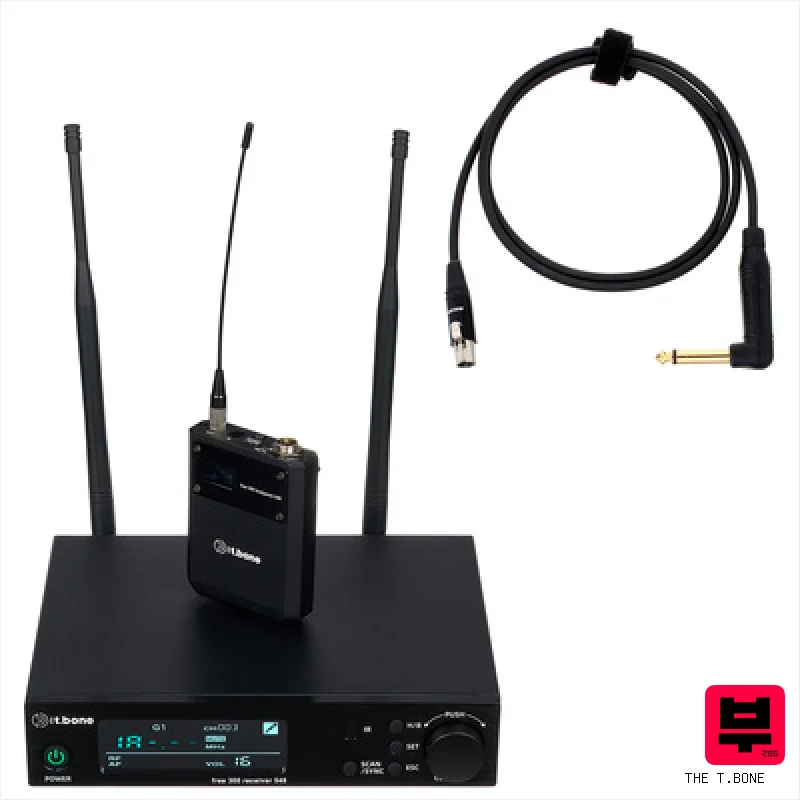
The t.bone Lucan System Piano Bundle is a remarkable value for budget-conscious musicians or those just starting out with instrument miking. While it won't compete with high-end studio mics, it provides surprisingly decent results for practice, home recording, or capturing a basic piano sound. It’s an ideal entry point for those wanting to experiment with multi-mic piano setups without a huge investment.
Pros
- Surprisingly robust construction for the price point
- Cardioid pattern isolates piano well in untreated rooms
- Included phantom power adapter adds convenience for beginners
Cons
- Gooseneck flexibility can be a bit flimsy under heavier mics
- Sensitivity is relatively low, requiring preamp gain
Piano Microphones by the numbers
Measured across all 8 models we track, not a sample.
Median $1,687 — half of all piano microphones here cost less.
How to choose the best piano microphones
Transient Response
A slow mic will muddy your attack, blurring the clarity of each note. Professionals need a mic that captures the percussive element of the piano action without sounding harsh or brittle - that's crucial for cutting through a mix.
Low-Frequency Handling
That fundamental low-end is the heart of a grand piano. The mic needs to handle it without becoming boomy or losing definition. We're listening for that solid foundation without the muddy overhang.
Off-Axis Response
Miking a piano isn't just about the sweet spot. You need a mic that sounds consistent even when you're experimenting with placement or dealing with reflections in the room. A sudden change in tone as you move slightly is a dealbreaker.
Sensitivity & Noise Floor
Pro recordings demand a quiet mic. A noisy mic adds unwanted hiss and muddies the detail. You want headroom to work with, especially when layering or adding effects.
Polar Pattern Versatility
Cardioid is great for isolation, but a multi-pattern mic (like omni or figure-8) gives you flexibility for stereo miking techniques and capturing the piano's natural ambience.
Buying guide
So, you're serious about your piano sound? Forget those cheesy, generic mic packs - capturing a real grand's nuance requires something more refined. We're talking about mics that reveal the hammer action, the subtle resonances, and that low-end thump that fills a room. Let's dive into mics that'll actually make your recordings and live performances shine, not just sound like a piano.
Don't chase the 'cheapest' option; you'll pay for it in sonic compromises. Cheap mics often lack detail in the midrange, giving the piano a hollow or thin sound. Investing in a pair of matched mics from a reputable brand is almost always worth it.
Look for mics with a proven track record in studio and live settings - those are the ones that have been battle-tested.
How the AudioFu Index works
Five measured signals and nothing else — no stars from strangers, no “tested by experts” we didn’t do. The weights are fixed and public. We don’t play these instruments; we measure the market around them.
This chart covers 8 piano microphones from the Thomann catalogue. Before you buy, read hands-on reviews and, where you can, play it. Full methodology.
AudioFu earns a commission when you buy through our Thomann links. It never changes the order — the index does.
- Demand40%
How many of this exact model are for sale on Reverb right now — what musicians actually buy and resell.
- Lineup20%
How many finishes Thomann stocks — makers expand the models that sell.
- Price15%
Where the price has moved since we started tracking in August.
- Specs15%
How completely the maker documents it.
- Maker10%
How deep the brand’s range is in this category.
Questions
What's the best mic placement for a grand piano?
There's no single 'best' spot. Start with a crossed pair of cardioids around the midsection, about 3-4 feet away. Experiment! Small shifts in position can drastically alter the tone - listen critically.
Do I need a stereo miking technique?
Not necessarily, but it's a huge upgrade. X/Y, spaced pair, or even a blend of cardioid and omni patterns can add width and realism that a single mic simply can't provide.
What's the difference between a piano mic and a vocal mic?
While you can use a vocal mic, piano mics are often designed to handle the wider frequency range and dynamic peaks of a piano. Vocal mics often have a tailored response that emphasizes the human voice, which isn't ideal for a piano's full spectrum.
I'm on a budget. What's a good starting point?
Look at the AKG C414 B-SL. It's a classic for a reason - versatile, reliable, and offers a decent balance of performance and price. Just be mindful of its slightly bright top end - you might need to EQ it depending on your piano.
How important is mic pre quality?
Extremely. A great mic paired with a cheap pre will still sound mediocre. Invest in a decent preamp with enough clean gain to handle the piano's dynamic range - a cloudy or noisy preamp will ruin your recordings.