
Best Piano Microphones for Recording 2026
So, you're trying to capture the soul of your piano? Forget those stock drum mics - getting a great piano recording is all about the right microphone setup. It's not just about picking up the sound; it's about translating the nuances of the hammers, the sustain of the strings, and that low-end thump into something that sounds incredible in the mix. Let's break down the best mics to get you there, whether you're tracking a grand in a studio or mic'ing an upright for a live recording.
Last updated: July 22, 2026 • Next update: July 29, 2026
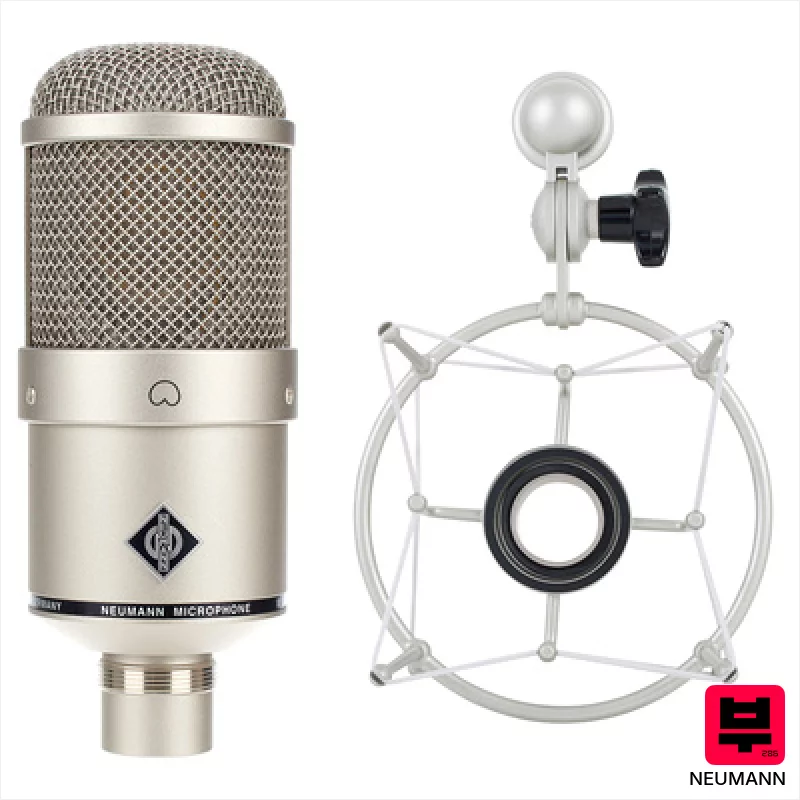
Neumann M147 Tube Set mit EA 1
- • Shares capsule heritage with U47/M49, delivering classic Neumann tone
- • EA 1 shock mount isolates mic from vibrations, crucial for piano
- • Robust all-metal construction ensures longevity and roadworthiness
- • Includes universal power supply, simplifying setup and international use
- • High sensitivity demands careful gain staging and noise floor management
- • Cardioid-only pattern limits versatility for certain recording scenarios
- • Premium-priced investment, may exceed budgets for some users
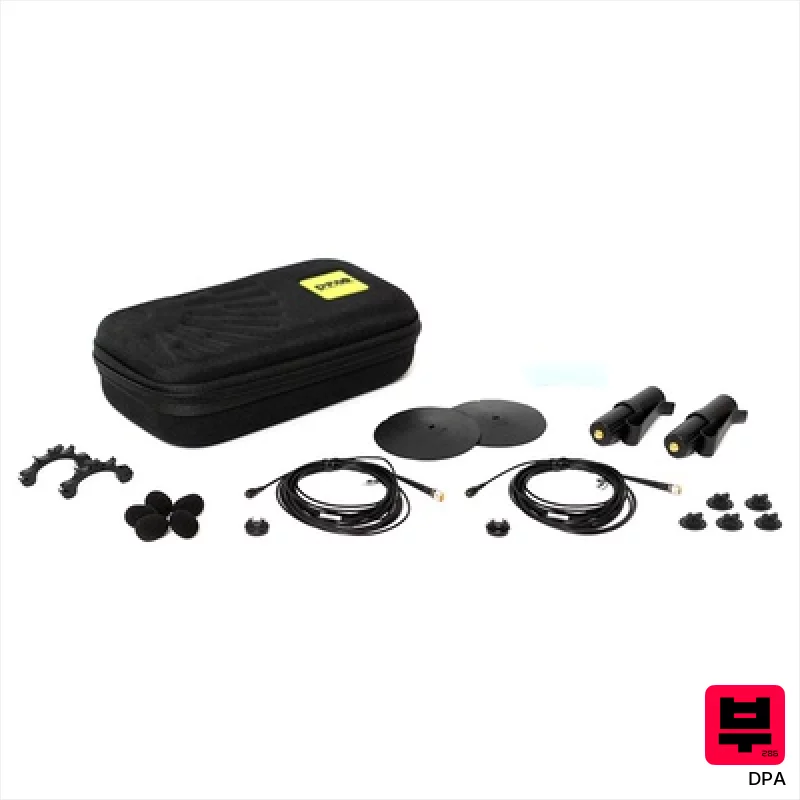
DPA KIT-4060-OP-SMK
- • Exceptional DPA clarity and transient response for detailed recordings
- • Versatile boundary layer mounts handle various instrument surfaces effectively
- • Robust, miniature design allows for discreet and flexible placement
- • DAD 6001 adapters provide phantom and XLR options for maximum compatibility
- • Premium-priced, represents a significant investment for most musicians
- • Omnidirectional pickup can be problematic in untreated rooms with reflections
- • Small capsule size limits low-frequency extension compared to larger mics
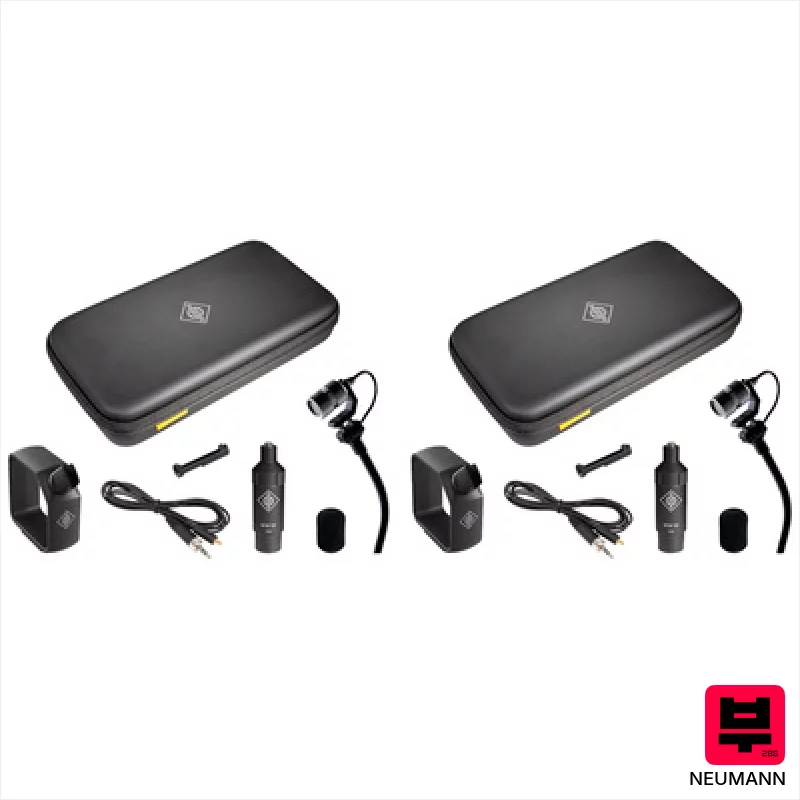
Neumann MCM 114 Set Piano
- • KK 14 capsule delivers exceptionally natural, detailed piano tone.
- • Gooseneck design allows precise mic placement for nuanced capture.
- • AC 31 mini-jack connection offers clean, low-noise signal transfer.
- • MC 8 mounting clip provides secure and stable instrument attachment.
- • Limited polar pattern options restrict versatility for unusual recording techniques.
- • Mini-jack connector requires an adapter for standard mixing consoles.
- • The system's weight, while manageable, can be a factor on large grands.
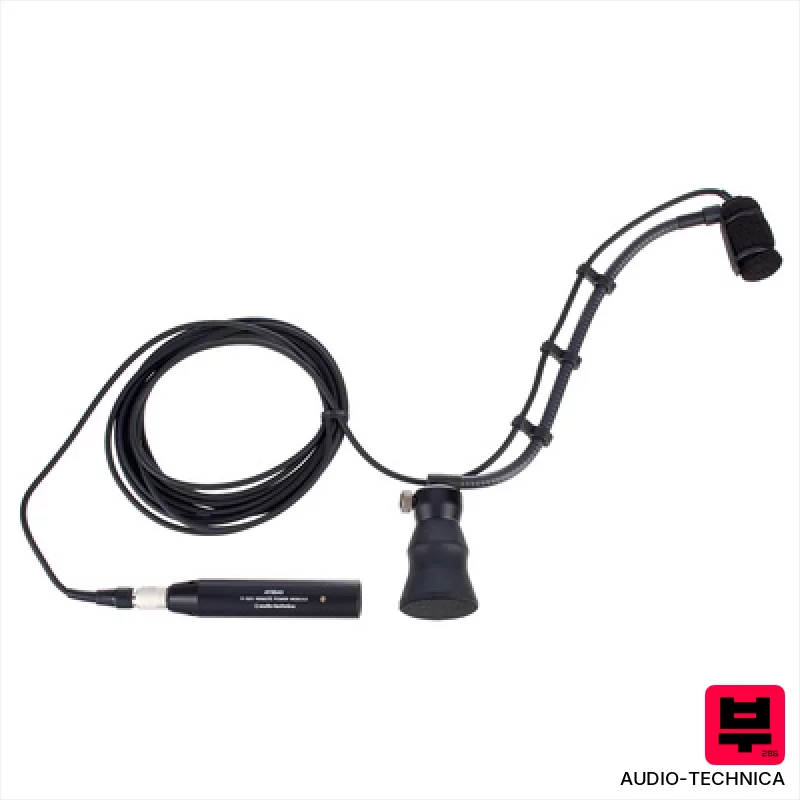
Audio-Technica ATM350PL
- • Excellent transient response captures piano detail beautifully
- • Modular design allows for capsule swaps and flexible mounting
- • Included piano mount simplifies setup and minimizes resonance
- • Lightweight capsule minimizes impact on piano's natural vibration
- • Cardioid pattern limits stereo imaging possibilities
- • Requires phantom power, potentially needing an external adapter
- • Higher end models offer even more nuanced sonic character
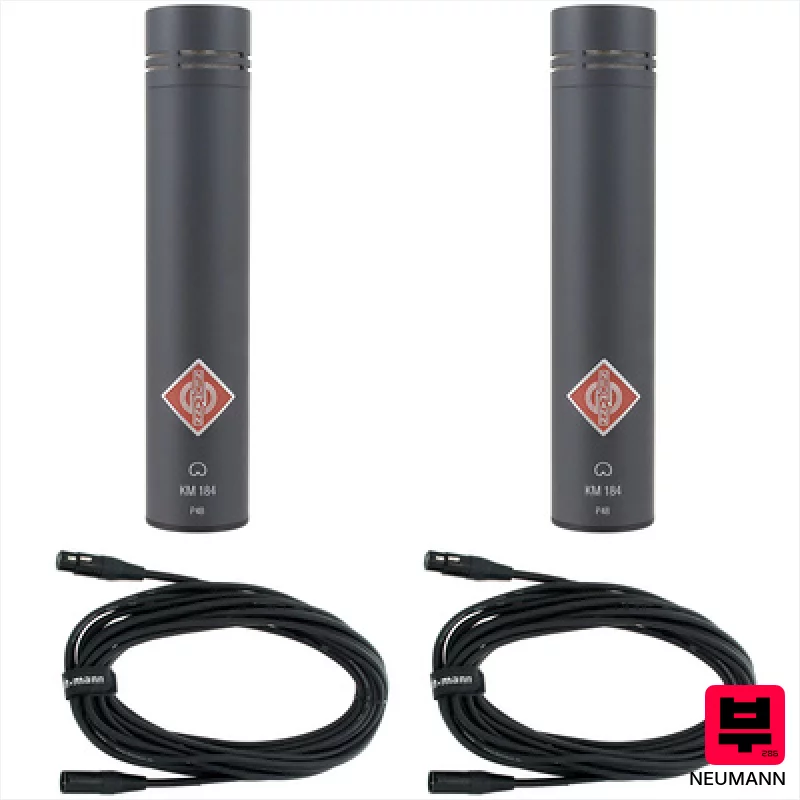
Neumann KM184 MT Stereo Set Bundle
- • Exceptional transient response captures subtle piano nuances brilliantly.
- • Matched pair guarantees consistent stereo imaging and phase coherence.
- • Neutrik Rean XLR cables provide pristine, reliable signal transfer.
- • Durable matte black finish resists wear and maintains professional aesthetic.
- • Cardioid pattern limits flexibility in less-controlled acoustic environments.
- • Relatively high self-noise might be noticeable with very quiet sources.
- • Premium-priced, representing a significant investment for home studios.
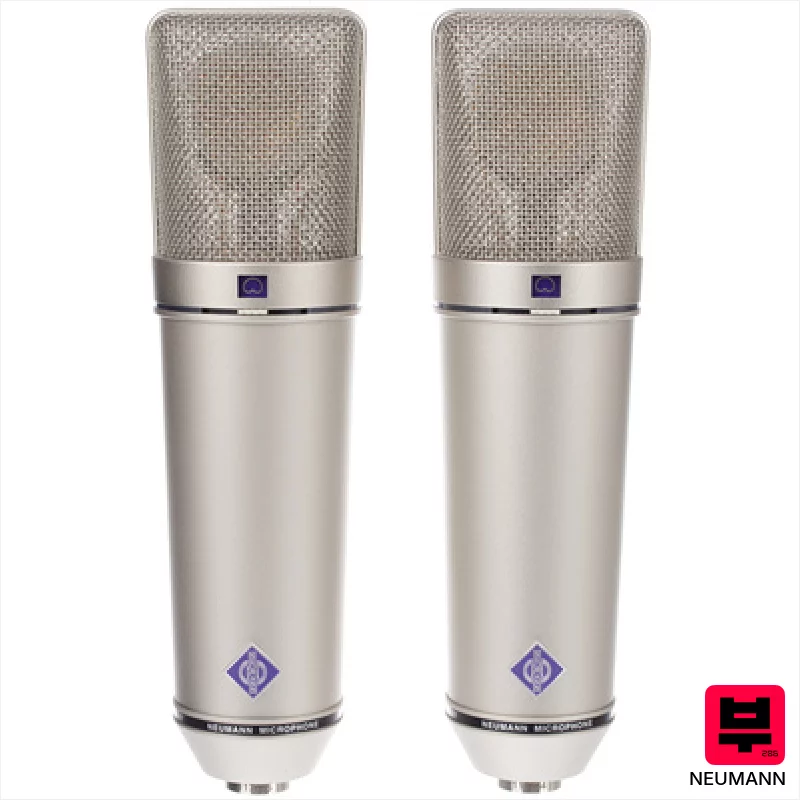
Neumann U87 Ai Stereo Set
- • Exceptional transient response captures subtle piano nuances
- • Classic U87 Ai sound: balanced, detailed, and flattering
- • Durable Ni shock mounts minimize handling noise and vibrations
- • Aluminum case provides robust protection and professional presentation
- • Premium-priced, a significant investment for most studios
- • Can be somewhat sterile for some genres needing more character
- • Relatively heavy, potentially requiring sturdy mic stands
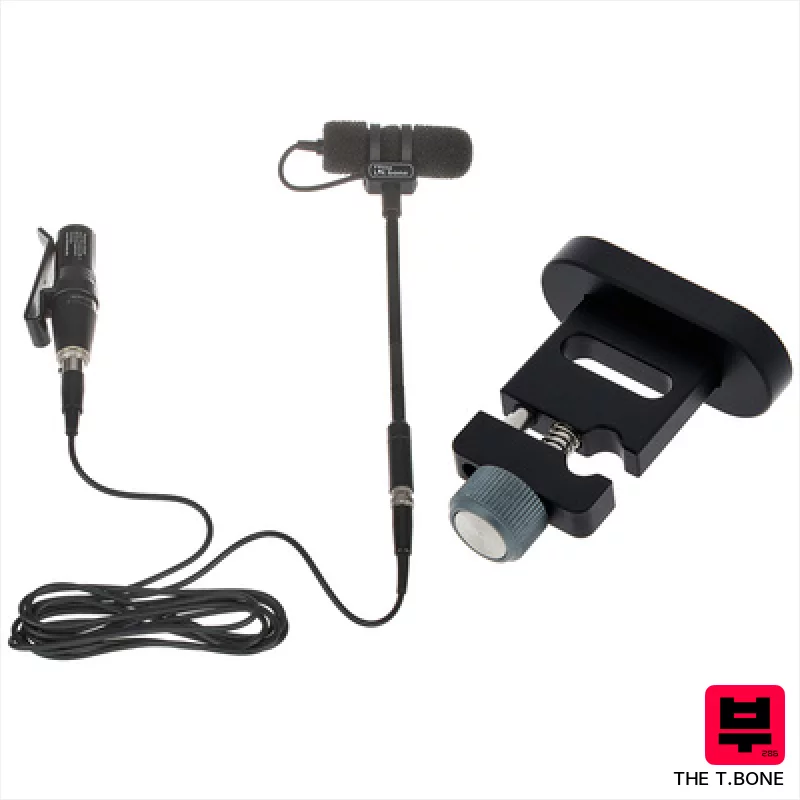
the t.bone Lucan System Piano Bundle
- • Surprisingly robust construction for the price point
- • Cardioid pattern isolates piano well in untreated rooms
- • Included phantom power adapter adds convenience for beginners
- • Detachable cable and mini XLR offer future wireless expansion
- • Gooseneck flexibility can be a bit flimsy under heavier mics
- • Sensitivity is relatively low, requiring preamp gain
- • Frequency response lacks some high-end sparkle for modern recordings
How to Choose the Best Piano Microphones
Frequency Response
Pianos have a HUGE frequency range. You need a mic that accurately captures the low-end rumble without getting muddy, and the high-end sparkle without sounding harsh. A flat response is great, but often a slight tailoring can really bring out the piano's character.
Polar Pattern Options
Cardioid is a staple for rejecting stage bleed, but a pair of omni mics can capture a more natural, room-inclusive sound. Having multiple patterns gives you flexibility for different recording environments.
Transient Response
That 'attack' of the hammers hitting the strings is critical. A mic with a slow transient response will sound dull and lifeless, blurring the articulation. You want something that's quick and responsive.
Self-Noise
Piano recordings are often quiet, so a noisy mic will be a problem. Low self-noise is essential for capturing those subtle nuances, especially when recording softer passages.
Handling & Durability
Let's be honest, mics get knocked around. A robust build and a decent shock mount are a must, especially if you're using these for gigging or tracking in a less-than-ideal setup.
Buying Guide
Don't chase the most expensive mic - a $500 mic doesn't magically make a bad piano sound amazing. Focus on mics known for their piano response, and consider your budget carefully. Cheap mics often cut corners on self-noise or transient response, which is a disaster for piano. Stereo pairs are almost always better than a single mic, and investing in decent mic stands and cables is just as important as the mics themselves.
Our Methodology
We're not going by spec sheets here. We've spent countless hours A/B'ing these mics in real-world recording scenarios - everything from bedroom projects to full-blown studio sessions. We're listening for that clarity, that responsiveness to dynamics, and how well each mic handles the piano's frequency range, from the deep lows to the shimmering highs. It's about what sounds good, not just what the numbers say.

