
Best MIDI Tools Under $50 2026
Okay, so you're knee-deep in MIDI, trying to expand your sonic palette without draining your bank account. Believe me, I've been there. Finding genuinely useful MIDI tools under $50 is a challenge, but not impossible. This isn't about flashy features; it's about getting the most bang-for-your-buck for practical MIDI needs, whether you're sequencing drums in your bedroom or triggering samples on stage.
Last updated: September 28, 2026
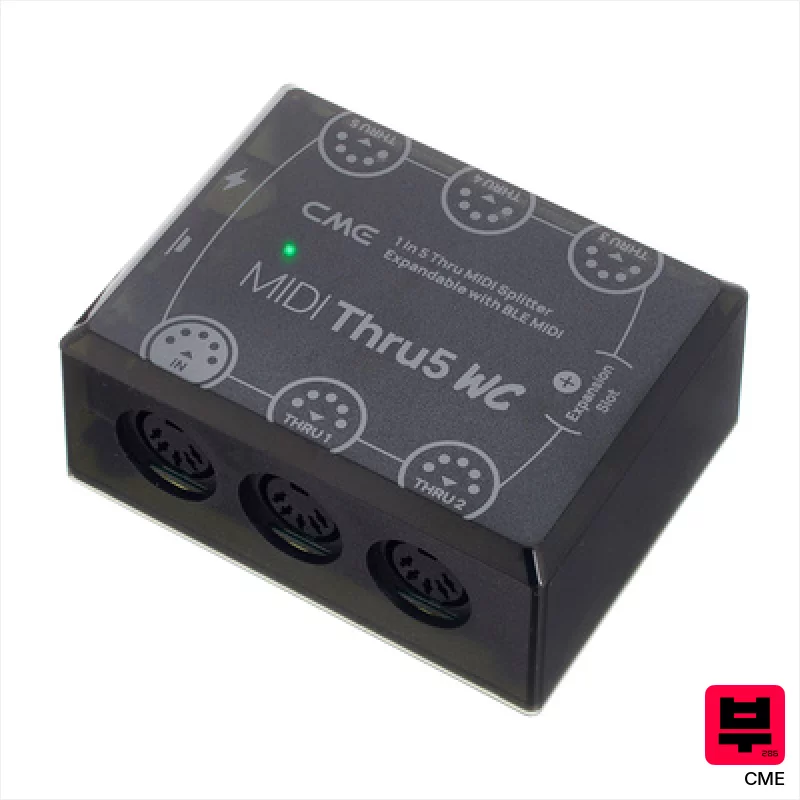
CME MIDI Thru5 WC
- • Compact size ideal for crowded studio setups.
- • Solid construction; feels durable despite its small size.
- • WIDI Core compatibility expands functionality considerably.
- • Simple, reliable MIDI distribution without latency issues.
- • Limited to one MIDI input; restricts complex routing.
- • Bluetooth functionality requires separate, additional purchase.
- • Basic design lacks aesthetic flair; purely functional.

CME WIDI Core
- • Seamless Bluetooth MIDI connectivity with impressively low latency.
- • Excellent integration with existing CME WC series devices.
- • Compact form factor allows for easy incorporation into DIY projects.
- • Supports MPE and SysEx, expanding creative MIDI possibilities.
- • Limited functionality beyond basic Bluetooth MIDI bridging.
- • Reliance on CME's ecosystem might restrict compatibility with some older gear.
- • Small PCB antenna may suffer from signal degradation in environments with interference.
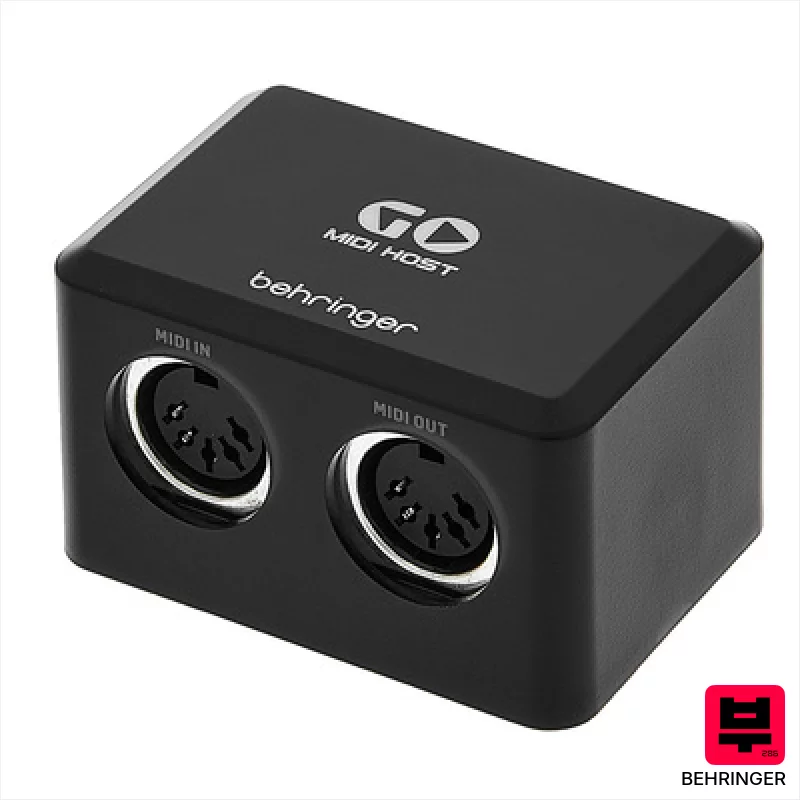
Behringer Go Midi Host
- • Ultra-compact design minimizes desk clutter and portability.
- • USB-C connectivity offers faster data transfer and modern compatibility.
- • Plug-and-play functionality eliminates driver headaches for immediate use.
- • Rock-solid build quality for a budget-friendly MIDI interface.
- • Single MIDI port limits complex setups requiring multiple devices.
- • USB-C power only; lacks a broader power option flexibility.
- • Limited status LED provides minimal diagnostic information.

CME WIDI 25DIN5
- • Provides essential connectivity for WIDI series controllers
- • Robust DIN connectors ensure reliable signal transfer
- • Compact and lightweight design minimizes cable clutter
- • 2.5mm jack is a standard size for many devices
- • Limited to simple MIDI message transmission only
- • Cable length is short, restricting placement options
- • DIN to 2.5mm is a niche connector, limiting broader use

CME WIDI 25TRS25
- • Essential for WIDI series connectivity
- • Robust 2.5mm jack construction ensures reliable signal
- • Compact design minimizes cable clutter
- • Lightweight for easy portability and setup
- • Limited to 2.5mm jack compatibility - restrictive
- • Very basic accessory, no advanced features
- • Fragile cables if mishandled or stressed

CME WIDI 25TRS35
- • Essential for WIDI series connectivity, robust TRS jack construction
- • Compact and lightweight for easy portability during gigs
- • Transmits full MIDI data, including crucial clock signals
- • Affordable replacement or spare cable for peace of mind
- • Very short cable length limits placement flexibility
- • Fragile 2.5mm connector prone to bending with rough use
- • Limited to basic MIDI data transmission; no audio signal
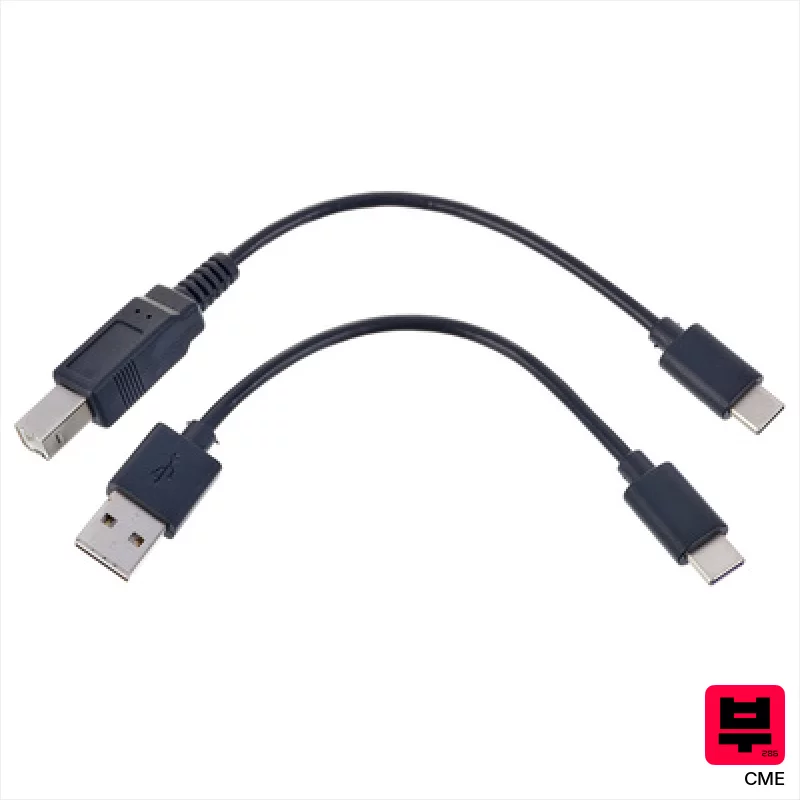
CME WIDI USB-B OTG Cable Pack I
- • Includes both USB-A and USB-C connectivity for broad device support
- • Durable braided cable construction offers increased flexibility and longevity
- • Compact and lightweight, minimizing clutter and portability issues
- • Provides a reliable connection for MIDI data transfer with the WIDI Uhost
- • Cable length is relatively short, limiting placement options
- • USB 2.0 standard limits bandwidth for complex MIDI setups
- • Plastic connectors, while functional, may not withstand extreme wear and tear

CME WIDI USB micro-B OTG Pack II
- • Compact accessory case offers excellent portability for WIDI devices.
- • Includes both USB-C to Micro-B and USB-A to USB-C cables for versatility.
- • Lightweight design minimizes added bulk during travel or setup.
- • Provides essential connectivity for WIDI Uhost devices, expanding functionality.
- • The included cables are basic, lacking robust strain relief or premium connectors.
- • Case material is likely a simple molded plastic, offering minimal protection from serious impacts.
- • Limited to WIDI devices; not a general-purpose cable kit.
MIDI Tools by the numbers
Measured across all 8 models in this category, so «wide», «short» or «expensive» mean something you can check.
How to Choose the Best MIDI Tools
Latency
Low latency is critical, especially for live performance. Even a few milliseconds of delay can throw off your timing and feel, making it feel sluggish and unresponsive.
Build Quality
At this price point, expect plastic housings and potentially less-robust connectors. We're looking for something that can survive a gig bag and a few bumps, not something that'll crumble under pressure.
Compatibility
Does it play nice with your existing setup? Windows, Mac, iOS? USB-MIDI, DIN Sync? Make sure it speaks the language your gear uses to avoid frustration.
Driver Stability
Cheap MIDI interfaces are notorious for flaky drivers. We're looking for tools that consistently connect and transmit data without crashing your DAW or requiring constant restarts.
Control Options
Beyond simple note triggering, are there any assignable controls, velocity sensitivity adjustments, or other features that enhance creative flexibility? Even small tweaks can make a big difference.
Buying Guide
Let's be real - you're making a compromise here. Don't expect pristine audio quality or a ton of advanced features. The biggest trade-off will be build quality and potential driver quirks. Prioritize latency and compatibility over extra knobs or buttons; a reliable connection is more valuable than a fancy layout. Read reviews carefully and check for reports of driver issues with your specific operating system.
How This List Is Built
We don't play these instruments — we're a catalog, not a review desk, and we'd rather say so than pretend otherwise. This page covers 8 midi tools from the Thomann catalogue, which is the largest single source of specification data in this category: 8 in detail, the rest listed with their specifications.
Position is computed, not curated. We parse the manufacturer's own description into actual values — nut width, scale, fret count, fingerboard radius, size, alloy — and rank on them: how many specifications a model has published, how many of them are measurable numbers, and how precisely it meets this page's criterion. A product image adds a little. Price is not a ranking signal: it tells you nothing about whether a neck fits your hand. The same inputs always produce the same order, so nothing here is shuffled to look fresh.
What this list is good for: narrowing a category down to a shortlist by spec and budget. What it isn't: a substitute for hearing an instrument. Before you buy, read hands-on reviews and, where you can, play it. Full methodology.

