
Best Microphones for Snare Drum for Studio Recording 2026
Okay, so you're finally ready to dial in that snare sound in the studio - awesome. A mic is the first, and often most crucial, step. Forget about 'good' - you need a mic that captures the specific character of your snare, whether it's a dry, woody crack or a fat, ringing pop. We're going to break down some mics that consistently deliver, and why they work.
Last updated: July 1, 2026 • Next update: July 8, 2026
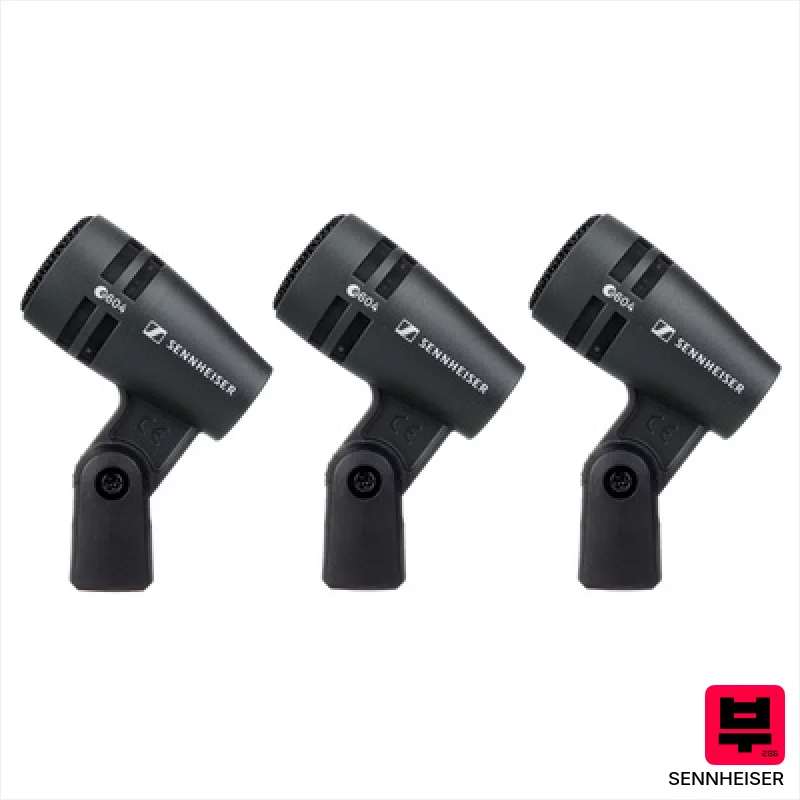
Sennheiser E604 3Pack
- • Excellent transient response for crisp snare articulation
- • Robust zinc die-cast body withstands heavy gigging
- • Cardioid pattern minimizes bleed from other drums
- • Compact size allows for versatile mic placement
- • Lacks the low-end warmth of some premium snare mics
- • Can be prone to proximity effect with close miking
- • Limited frequency response compared to condenser alternatives
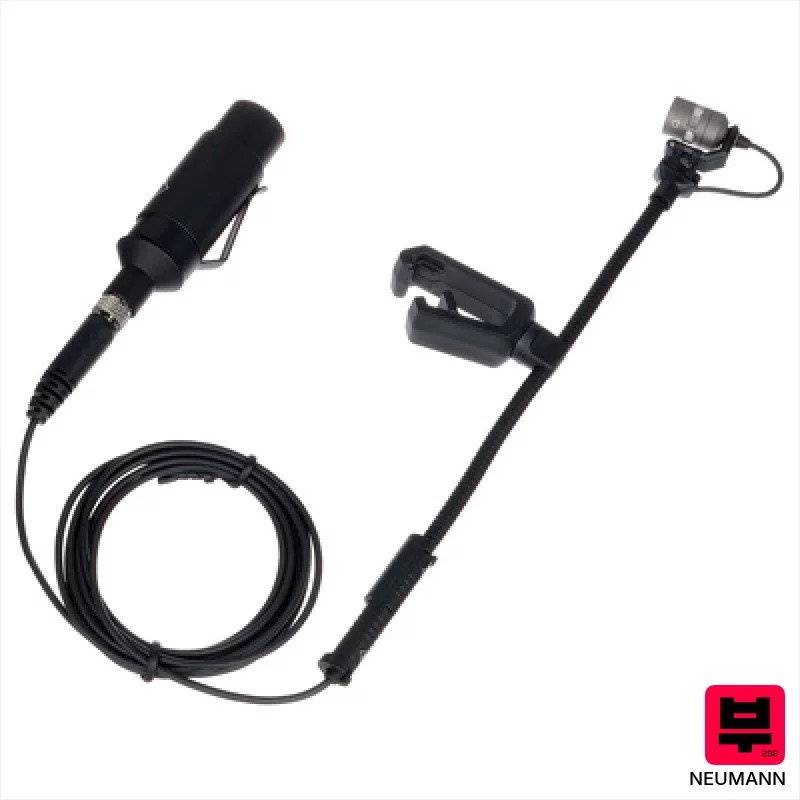
Neumann MCM 114 Set Drums
- • KK 14 capsule delivers Neumann's signature clarity and detail for snare.
- • SH 150 gooseneck provides precise mic placement flexibility.
- • MC 7 mounting clip ensures secure and stable attachment to snare rims.
- • Compact design minimizes visual clutter and stage footprint.
- • Limited to snare drum use; lacks versatility for other instruments.
- • Mini-jack connection requires an adapter for standard XLR setups.
- • Premium-priced for a single-purpose snare microphone system.
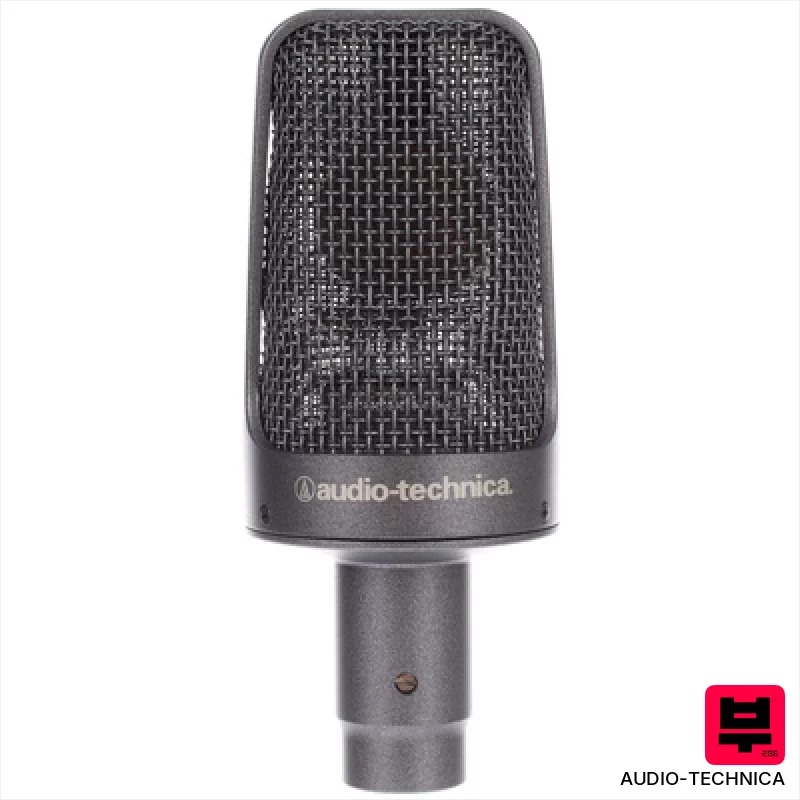
Audio-Technica AE 3000
- • Excellent transient response captures snappy snare articulation
- • Cardioid pattern effectively isolates snare from bleed
- • Robust metal body feels durable for stage use
- • High SPL handling avoids distortion with aggressive playing
- • Somewhat sensitive to mic placement for optimal tone
- • Cardioid only limits flexibility for creative miking techniques
- • Lower sensitivity might require a preamp with more gain
- • Can sound a little clinical without careful EQ
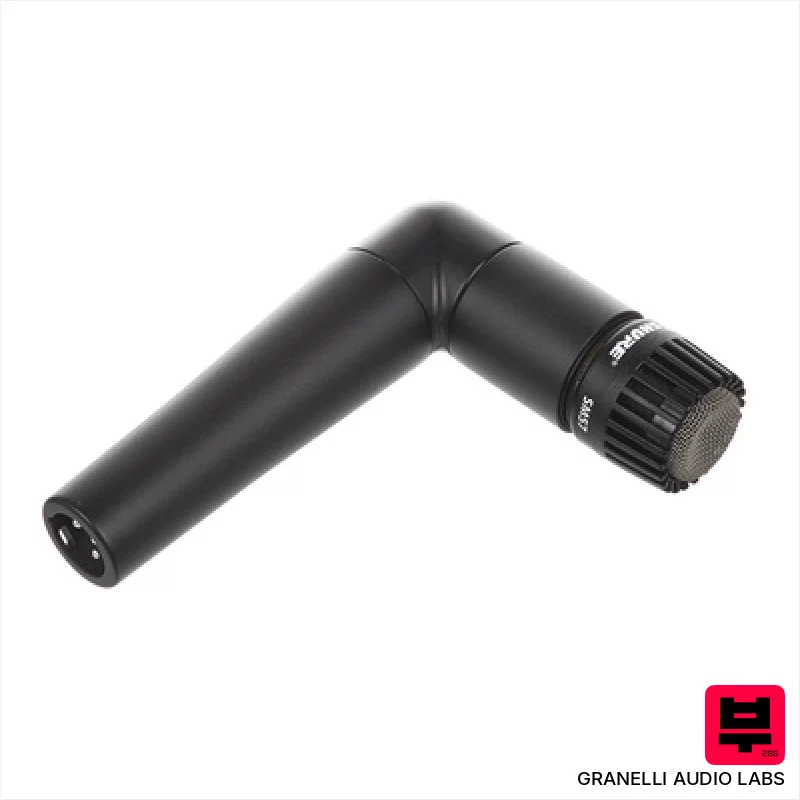
Granelli Audio Labs G5790
- • Angled housing solves common drum kit positioning issues.
- • Retains the SM57's aggressive, punchy snare character.
- • Robust build quality, feels like a genuine Shure modification.
- • Includes essential accessories: clip, bag, and thread adapter.
- • The 90-degree angle limits versatility beyond snare duty.
- • Sensitivity is low, requiring a preamp with decent gain.
- • The SM57's inherent high-frequency limitations persist.
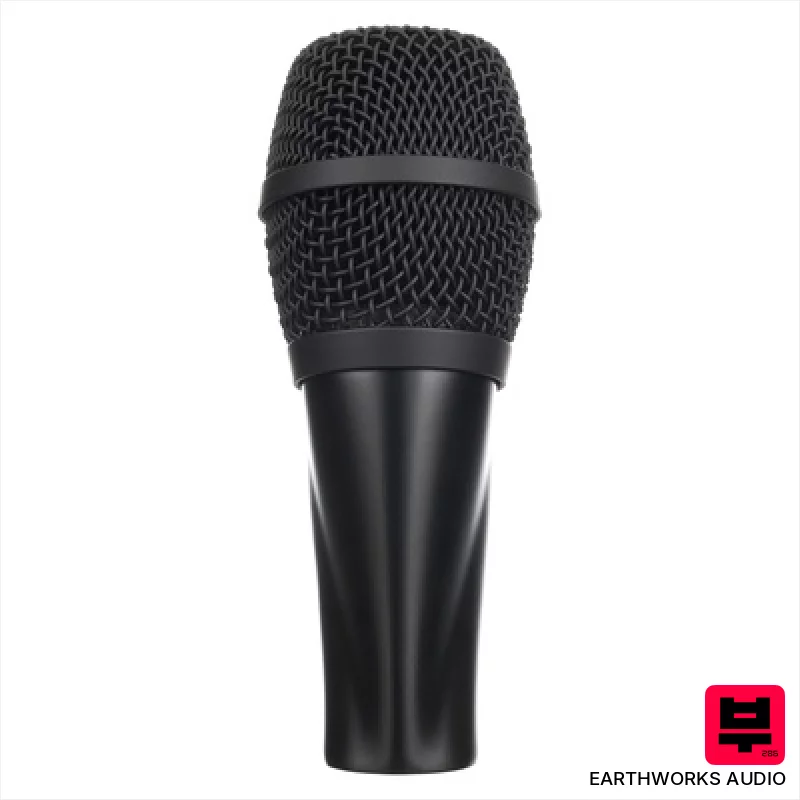
Earthworks Audio DM17
- • Exceptional transient response captures snare/tom detail superbly.
- • Cardioid pattern effectively isolates the drum sound from bleed.
- • RM3 rim mount provides secure and versatile positioning options.
- • Durable, compact build allows for easy transport and placement.
- • Limited polar pattern options restrict placement flexibility.
- • Sensitivity necessitates careful gain staging to avoid noise floor.
- • High SPL handling might be overkill for quieter acoustic kits.
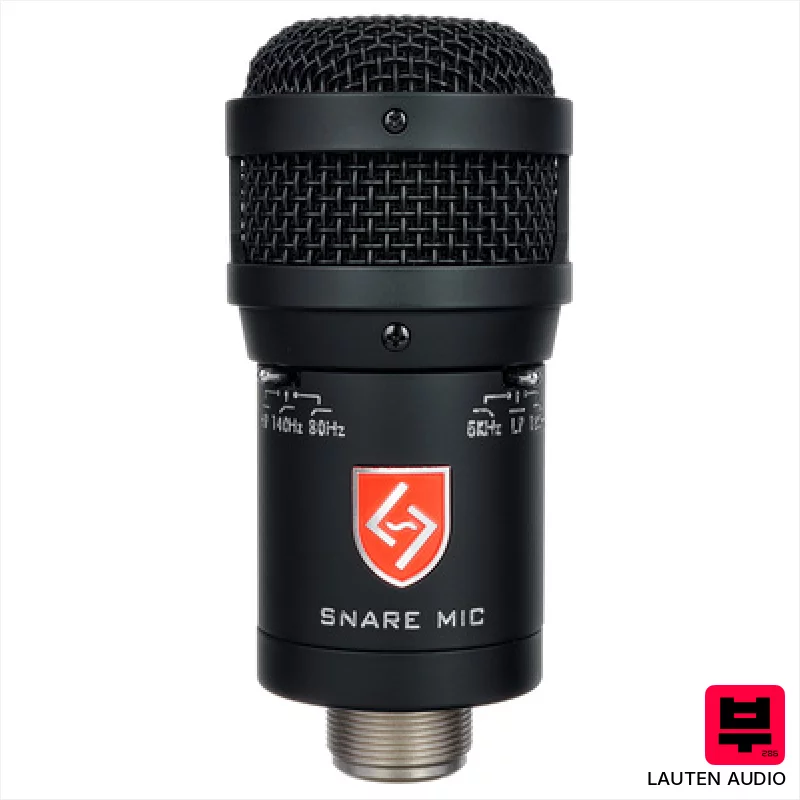
Lauten Audio Snare Mic
- • Excellent transient response captures snare detail beautifully.
- • FET design delivers a punchy, aggressive sound ideal for rock.
- • Switchable HPF and LPF offer tailored tonal shaping options.
- • Solid build quality with a robust metal body and included accessories.
- • Can be a bit hot; may require gain reduction in some setups.
- • Cardioid pattern limits placement flexibility for unconventional sounds.
- • Weight can make it a little unwieldy on a snare drum stand.
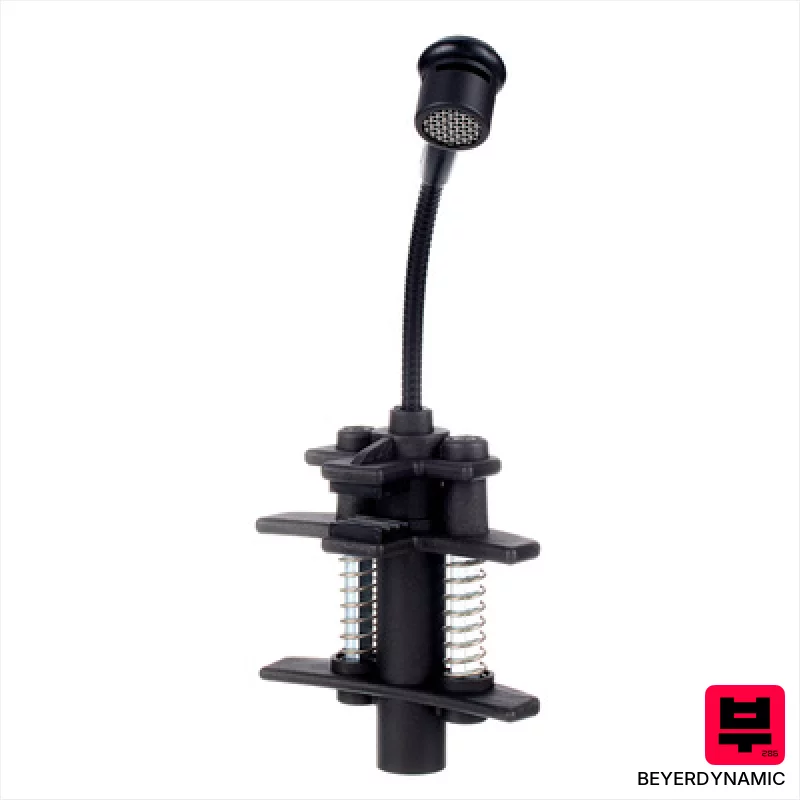
beyerdynamic TG D57
- • Excellent transient response captures snappy snare attacks
- • Robust build quality, feels solid and reliable on the stand
- • Cardioid pattern effectively isolates snare from overhead mics
- • Gooseneck mount offers precise positioning flexibility
- • Limited versatility; truly excels only on snare and toms
- • Can be a bit bright sounding without EQ adjustments
- • Gooseneck can be prone to vibration at higher SPLs
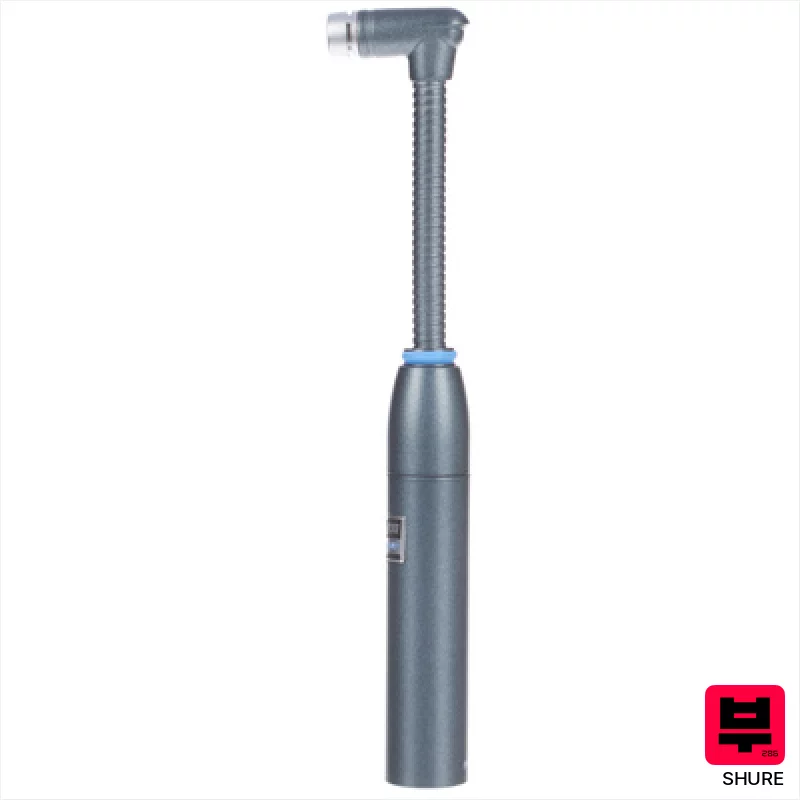
Shure Beta 98 Amp/C
- • Compact size allows for unobtrusive snare drum placement.
- • Cardioid pattern effectively isolates the snare sound.
- • Warm, natural tone captures the snare's full body and character.
- • Robust construction ensures durability for gigging and studio use.
- • Limited versatility; primarily designed for snare drum applications.
- • Requires phantom power, potentially needing an external power supply.
- • Small capsule can be more susceptible to handling noise.

Telefunken M80 SH Standard
- • Robust zinc die-cast body provides excellent durability on stage.
- • Supercardioid pattern effectively rejects bleed from other drums.
- • Dynamic capsule handles high SPLs without distortion, crucial for snare.
- • Included accessories – clips, holders, cable – offer immediate usability.
- • Supercardioid pattern can be tricky to position consistently.
- • Lacks the nuance of a condenser for extremely detailed snare recordings.
- • Heavier than many snare mics, potentially impacting stand stability.
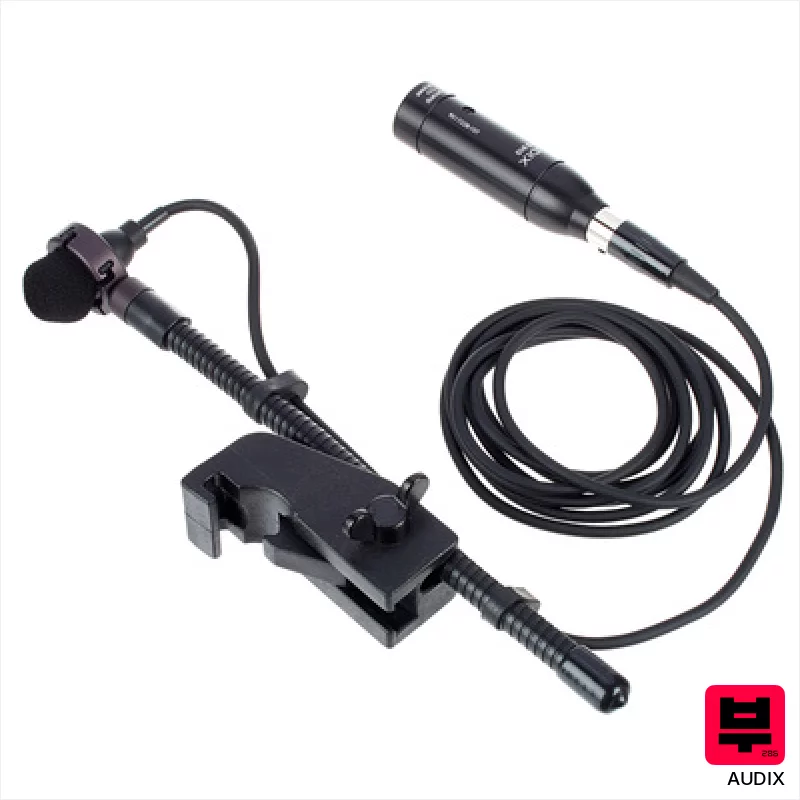
Audix Micro-D
- • Hypercardioid pattern isolates snare with impressive accuracy
- • Mini-XLR simplifies cable routing and reduces stage clutter
- • Robust D-Vice rim clamp provides secure and stable mounting
- • Extended frequency response captures detail beyond typical snare mics
- • Weight can be a factor on delicate snare drum rims
- • Hypercardioid pattern demands precise mic placement for optimal results
- • Limited versatility outside of snare and brass applications
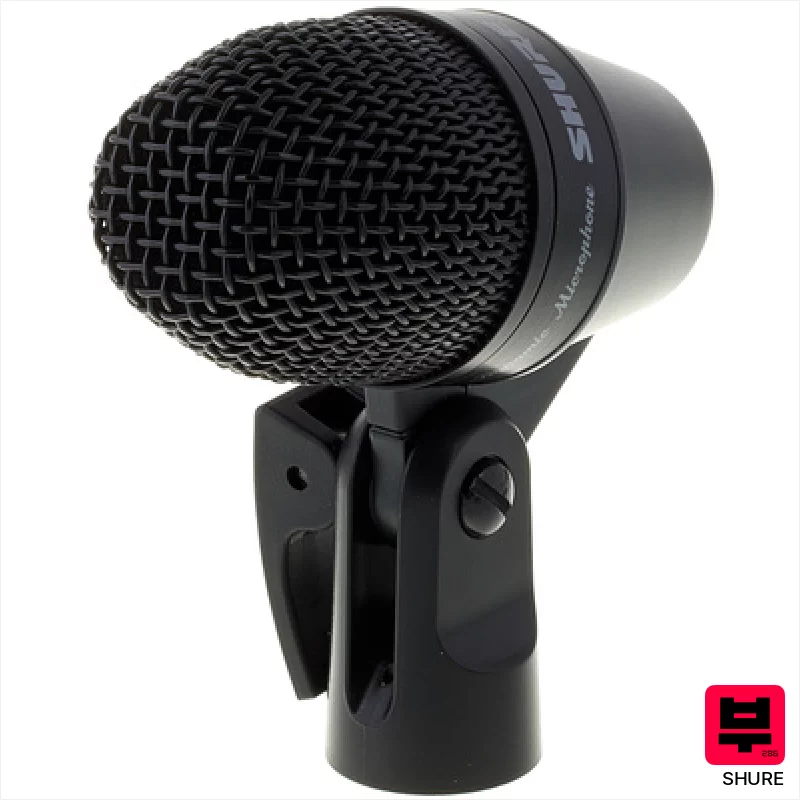
Shure PGA56
- • Rugged metal housing provides excellent durability on stage.
- • Cardioid pattern effectively isolates snare, minimizing bleed.
- • Surprisingly detailed transient response for its price class.
- • Included drum clip and cable offer immediate usability.
- • Lacks the low-frequency extension of higher-end snare mics.
- • Can be prone to proximity effect, requiring careful placement.
- • The basic sound profile may lack character for more nuanced recordings.
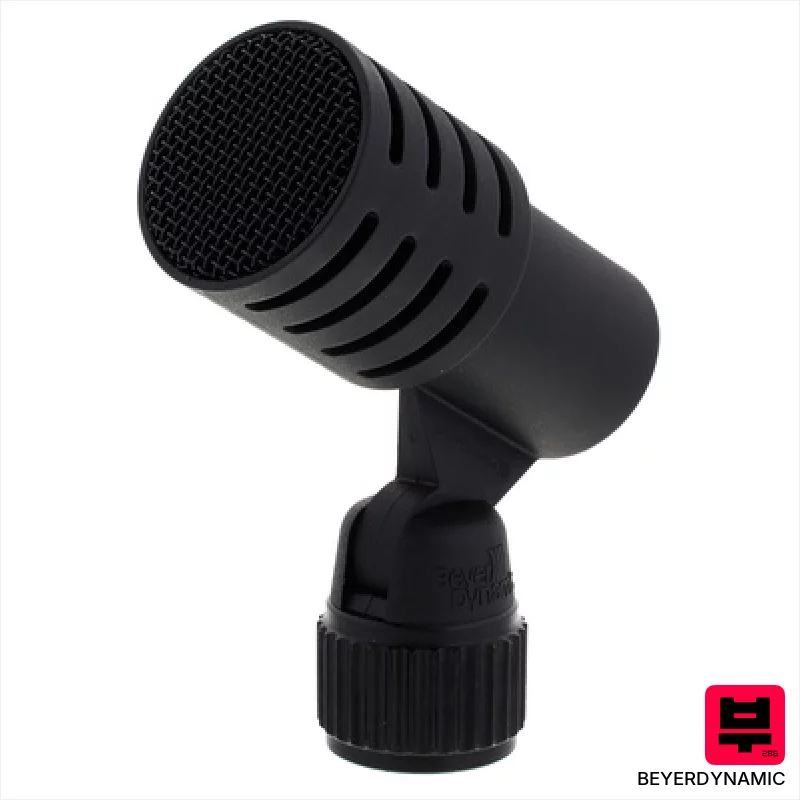
beyerdynamic TG D35
- • Excellent transient response for crisp snare attack
- • Robust zinc die-cast body ensures durability on stage
- • Supercardioid pattern minimizes bleed from other drums
- • Integrated MKV 87 holder simplifies mounting to snare rims
- • 600-ohm impedance requires a preamp with ample clean gain
- • Supercardioid pattern can be tricky to position consistently
- • Lacks the low-end warmth of some dedicated snare mics
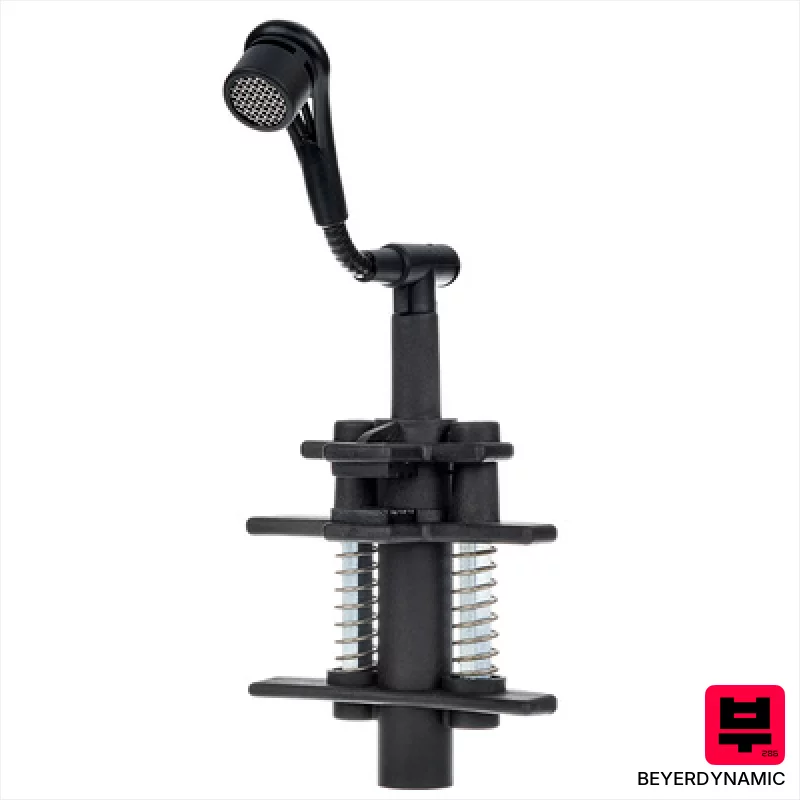
beyerdynamic TG D58
- • Excellent transient response for crisp snare attack
- • Robust MKV 87 mounting system ensures secure placement
- • Cardioid pattern effectively isolates snare sound
- • Compact size and lightweight design minimize drum kit interference
- • Limited versatility beyond snare and tom applications
- • Higher impedance requires a good preamp for optimal performance
- • Gooseneck length may be too short for some drum setups
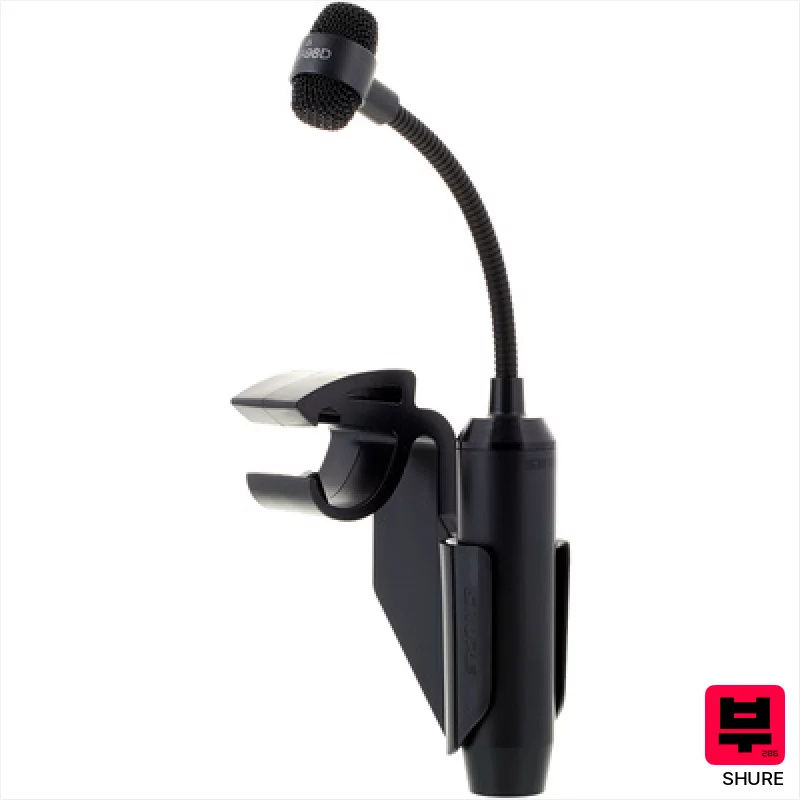
Shure PGA98D
- • Excellent transient response captures snare detail accurately
- • Cardioid pattern minimizes bleed from other drums
- • Rugged build quality suitable for demanding live/studio use
- • Lightweight and compact for easy mounting and positioning
- • Requires phantom power, limiting compatibility with some interfaces
- • Somewhat sensitive to handling noise compared to dynamic mics
- • Limited frequency response compared to higher-end condensers
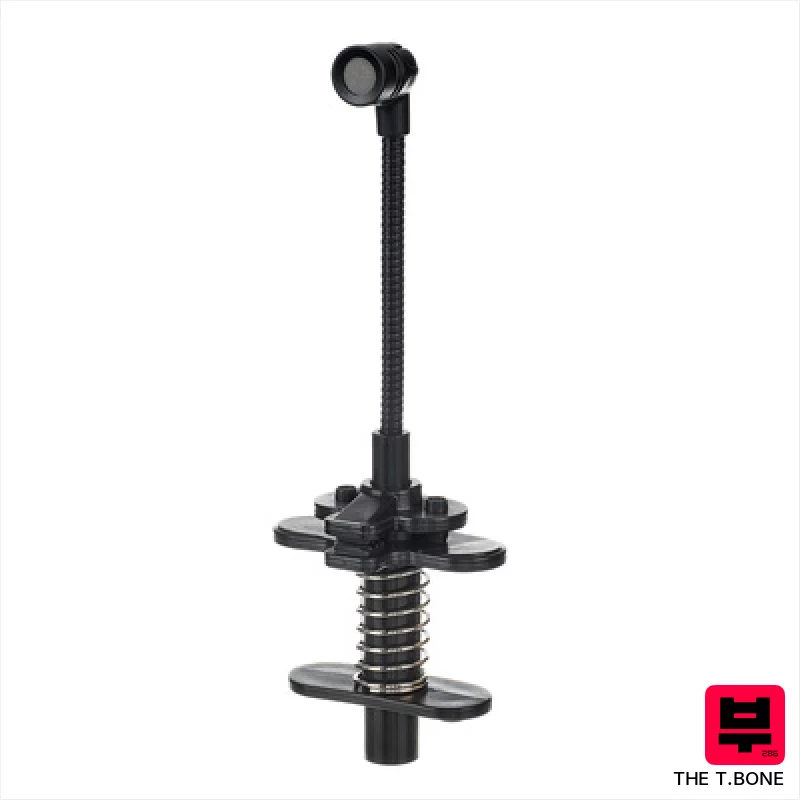
the t.bone CC 57
- • Robust spring clamp provides secure, stable drum mounting.
- • Cardioid pattern effectively isolates snare sound from overheads.
- • Decent transient response captures snappy snare articulation.
- • Affordable entry point for budget-conscious drummers and home studios.
- • Plastic clamp feels somewhat flimsy and may loosen over time.
- • Limited frequency response lacks the nuance for critical recording.
- • Sensitivity is low, requiring significant preamp gain and potential noise.
How to Choose the Best Microphones for Snare Drum
Transient Response
Snare drum is all about those initial hits - the crack, the sizzle. A mic with a fast transient response captures that detail accurately, avoiding a muddy or smeared sound. We're listening for that snap, not a slow, dull thud.
Frequency Response (Midrange Focus)
That 'crack' lives primarily in the midrange. A mic that's scooped in the lows and highs but has a pronounced, defined midrange presence will cut through the mix without sounding harsh. It's about capturing that articulate 'thwack'.
Sensitivity & Noise Floor
Studio recording demands low noise. A mic with high sensitivity can pick up subtle nuances, but a noisy mic will just add unwanted hiss. We're looking for a clean signal, especially when layering or processing.
Polar Pattern Versatility
While cardioid is common, having multiple polar patterns (like figure-8 or omni) opens up creative possibilities - double-miking, room mic techniques, capturing different sonic textures. More options let you shape the snare's place in the overall drum kit sound.
Handling Noise & Proximity Effect
Let's be real, mics move during tracking. A mic that rattles or exhibits excessive proximity effect (that boomy low-end when you get close) is a pain to deal with. We're looking for mics that feel solid and react predictably.
Buying Guide
Don't chase the hype. A $2000 mic isn't automatically going to make your snare sound like a hit record. Often, a well-chosen $300-$500 mic, paired with a good preamp and some careful technique, will get you 90% of the way there. Watch out for mics that promise 'everything' - those are usually a jack-of-all-trades, master of none. Spend your money on what's missing from your snare's sound, not just on a shiny name.
Our Methodology
We're not pulling numbers off a spec sheet here. We've spent countless hours A/B testing these mics against each other, in various studios, and with different snare drum setups - different shells, heads, tuning styles. The goal is to give you a real-world assessment of how these mics translate to a finished recording, not just what they might do on paper.

