
Best Microphones for Snare Drum for Live Sound 2026
Alright, so you're chasing that snare crack - that tight, impactful sound that cuts through the chaos of a live band. Getting it right isn't just about a good snare drum; it's about the mic. Forget the bedroom recording dream for a minute; live sound demands different qualities than a studio mic. This is about mics that handle stage volume, feedback, and translate well in a PA, not just sound 'pretty' in isolation.
Last updated: July 22, 2026 • Next update: July 29, 2026
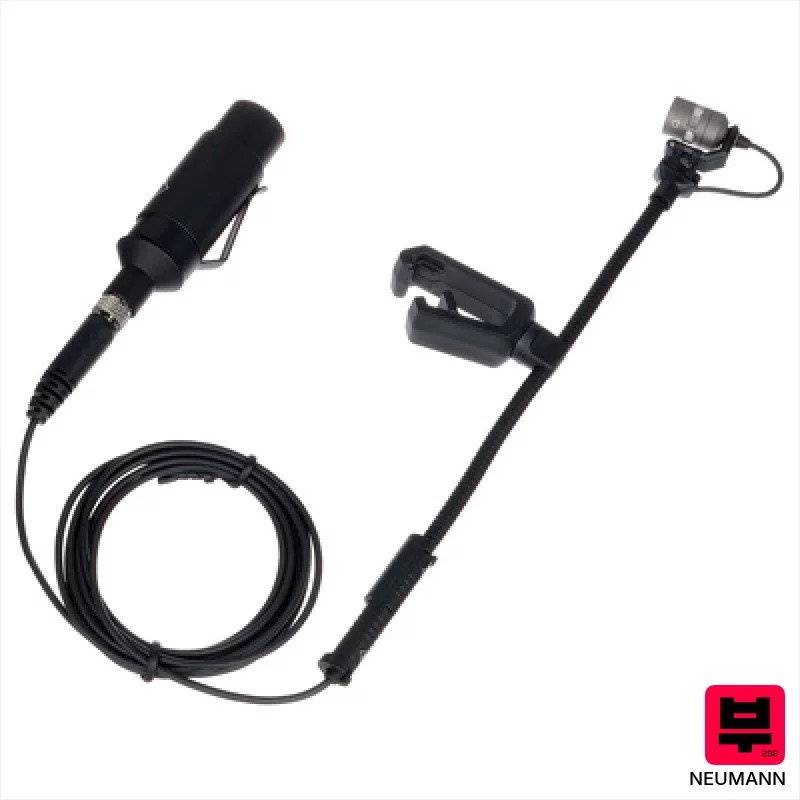
Neumann MCM 114 Set Drums
- • KK 14 capsule delivers Neumann's signature clarity and detail for snare.
- • SH 150 gooseneck provides precise mic placement flexibility.
- • MC 7 mounting clip ensures secure and stable attachment to snare rims.
- • Compact design minimizes visual clutter and stage footprint.
- • Limited to snare drum use; lacks versatility for other instruments.
- • Mini-jack connection requires an adapter for standard XLR setups.
- • Premium-priced for a single-purpose snare microphone system.
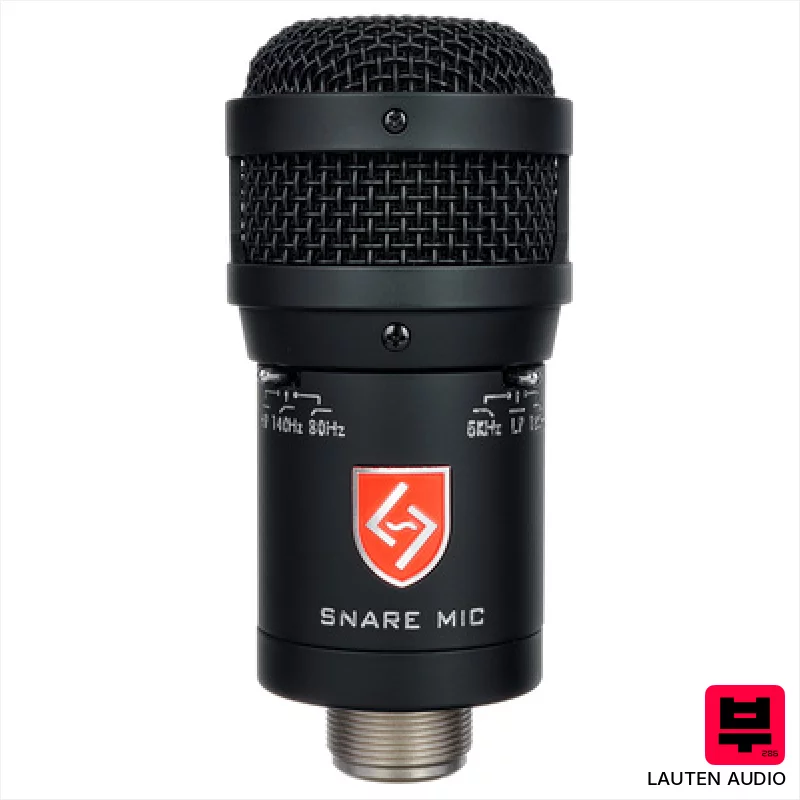
Lauten Audio Snare Mic
- • Excellent transient response captures snare detail beautifully.
- • FET design delivers a punchy, aggressive sound ideal for rock.
- • Switchable HPF and LPF offer tailored tonal shaping options.
- • Solid build quality with a robust metal body and included accessories.
- • Can be a bit hot; may require gain reduction in some setups.
- • Cardioid pattern limits placement flexibility for unconventional sounds.
- • Weight can make it a little unwieldy on a snare drum stand.
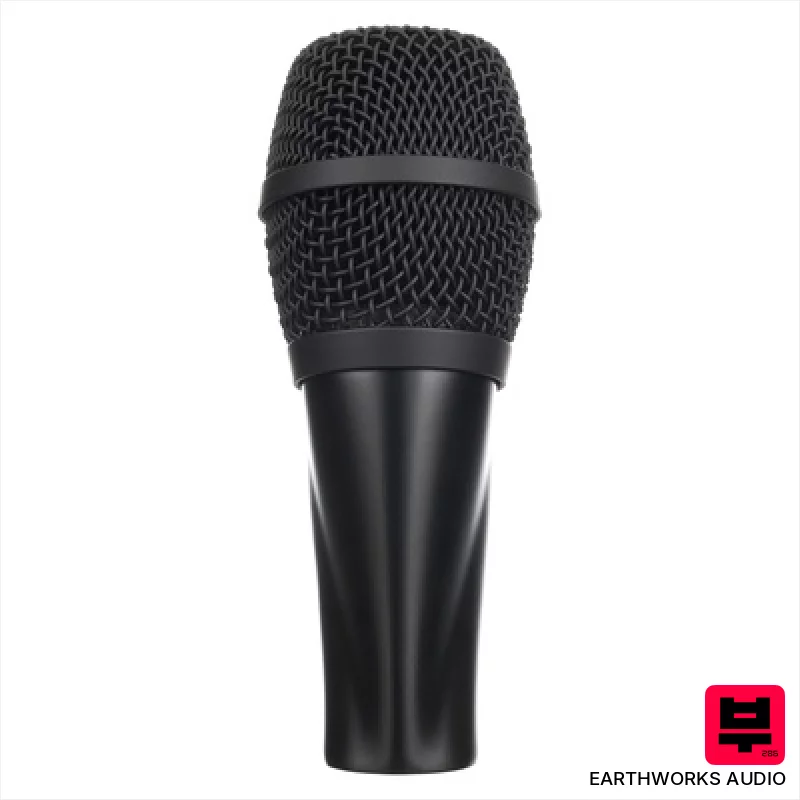
Earthworks Audio DM17
- • Exceptional transient response captures snare/tom detail superbly.
- • Cardioid pattern effectively isolates the drum sound from bleed.
- • RM3 rim mount provides secure and versatile positioning options.
- • Durable, compact build allows for easy transport and placement.
- • Limited polar pattern options restrict placement flexibility.
- • Sensitivity necessitates careful gain staging to avoid noise floor.
- • High SPL handling might be overkill for quieter acoustic kits.
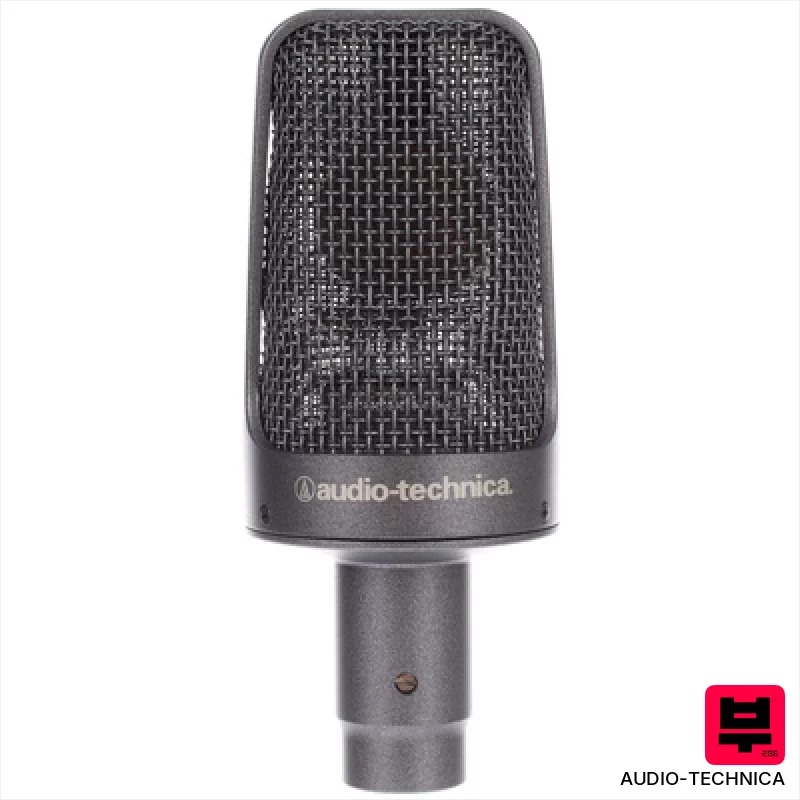
Audio-Technica AE 3000
- • Excellent transient response captures snappy snare articulation
- • Cardioid pattern effectively isolates snare from bleed
- • Robust metal body feels durable for stage use
- • High SPL handling avoids distortion with aggressive playing
- • Somewhat sensitive to mic placement for optimal tone
- • Cardioid only limits flexibility for creative miking techniques
- • Lower sensitivity might require a preamp with more gain
- • Can sound a little clinical without careful EQ
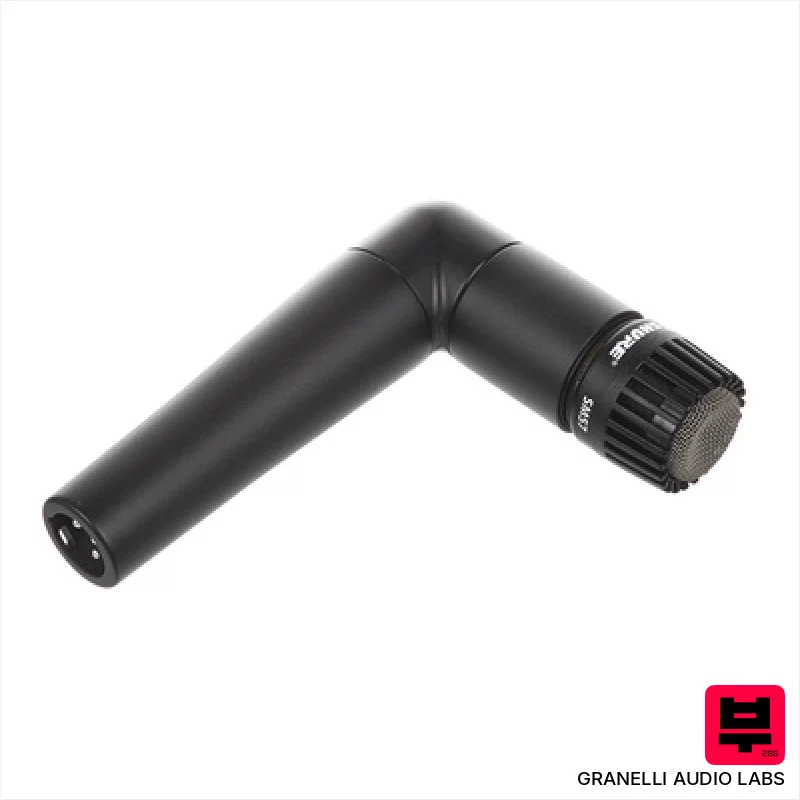
Granelli Audio Labs G5790
- • Angled housing solves common drum kit positioning issues.
- • Retains the SM57's aggressive, punchy snare character.
- • Robust build quality, feels like a genuine Shure modification.
- • Includes essential accessories: clip, bag, and thread adapter.
- • The 90-degree angle limits versatility beyond snare duty.
- • Sensitivity is low, requiring a preamp with decent gain.
- • The SM57's inherent high-frequency limitations persist.
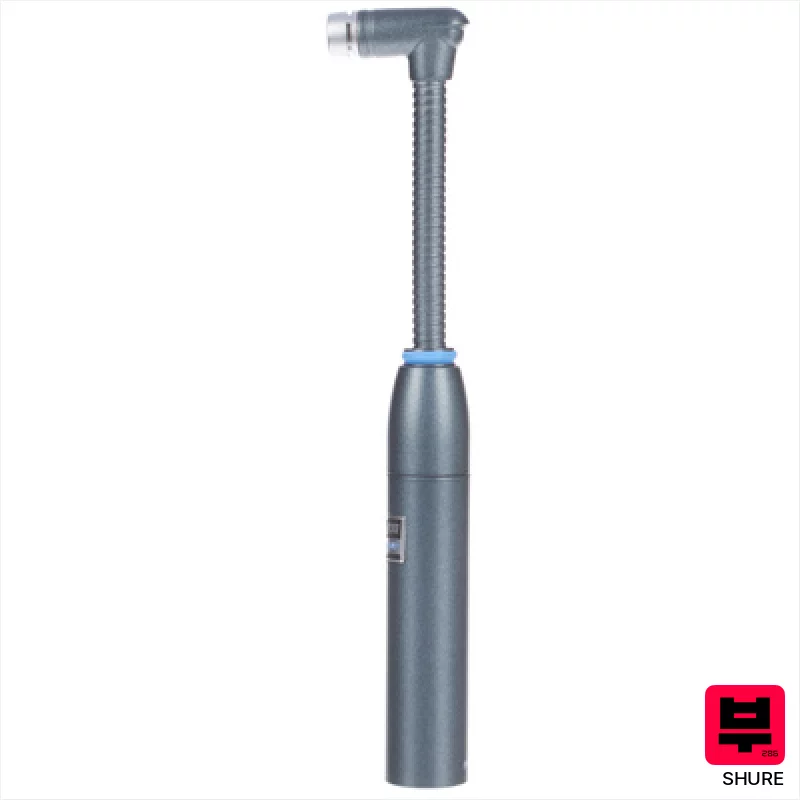
Shure Beta 98 Amp/C
- • Compact size allows for unobtrusive snare drum placement.
- • Cardioid pattern effectively isolates the snare sound.
- • Warm, natural tone captures the snare's full body and character.
- • Robust construction ensures durability for gigging and studio use.
- • Limited versatility; primarily designed for snare drum applications.
- • Requires phantom power, potentially needing an external power supply.
- • Small capsule can be more susceptible to handling noise.
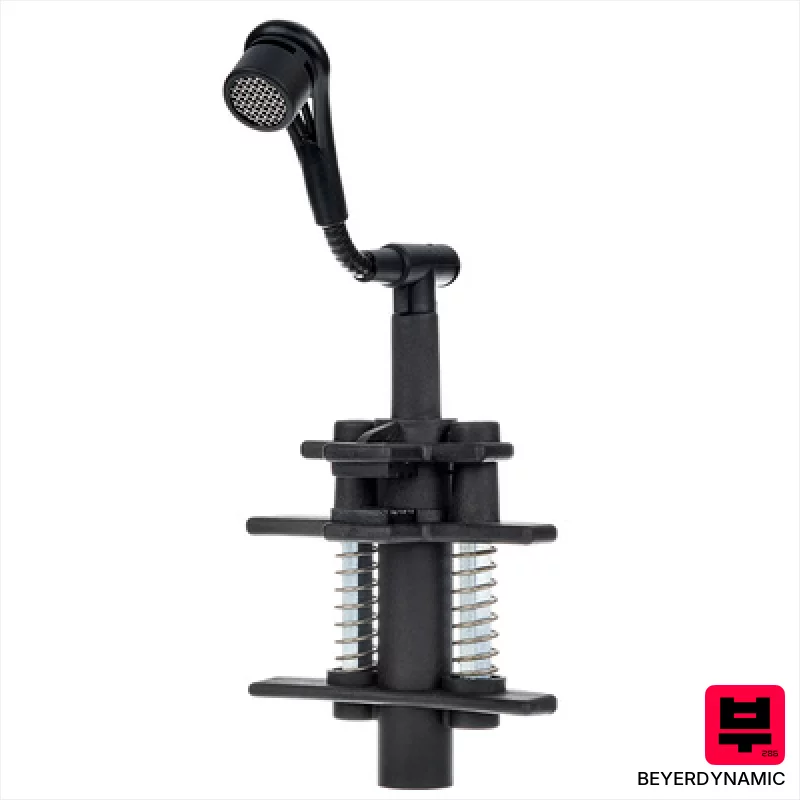
beyerdynamic TG D58
- • Excellent transient response for crisp snare attack
- • Robust MKV 87 mounting system ensures secure placement
- • Cardioid pattern effectively isolates snare sound
- • Compact size and lightweight design minimize drum kit interference
- • Limited versatility beyond snare and tom applications
- • Higher impedance requires a good preamp for optimal performance
- • Gooseneck length may be too short for some drum setups

Telefunken M80 SH Standard
- • Robust zinc die-cast body provides excellent durability on stage.
- • Supercardioid pattern effectively rejects bleed from other drums.
- • Dynamic capsule handles high SPLs without distortion, crucial for snare.
- • Included accessories – clips, holders, cable – offer immediate usability.
- • Supercardioid pattern can be tricky to position consistently.
- • Lacks the nuance of a condenser for extremely detailed snare recordings.
- • Heavier than many snare mics, potentially impacting stand stability.
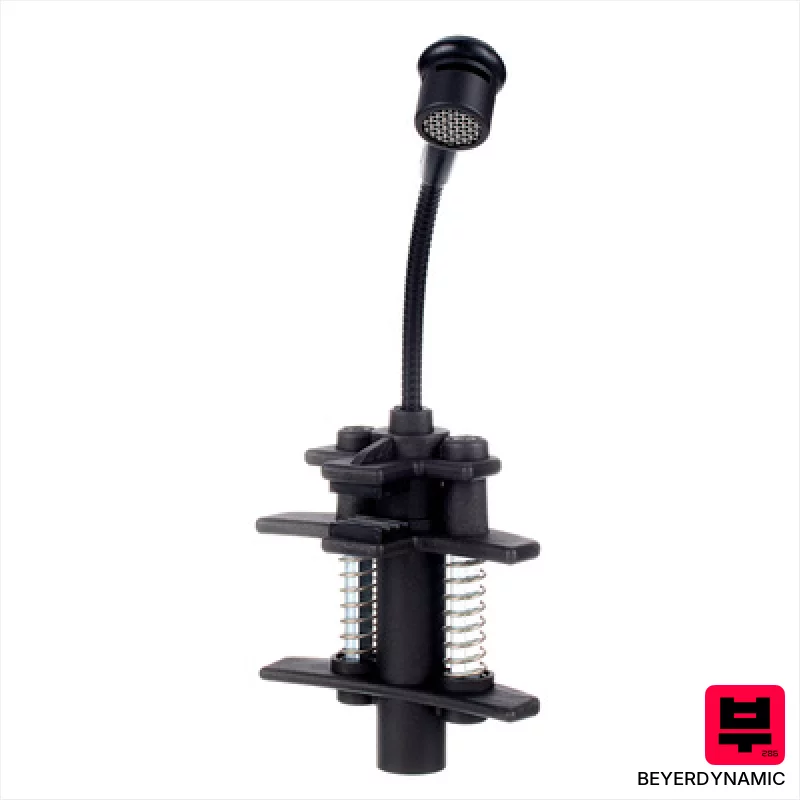
beyerdynamic TG D57
- • Excellent transient response captures snappy snare attacks
- • Robust build quality, feels solid and reliable on the stand
- • Cardioid pattern effectively isolates snare from overhead mics
- • Gooseneck mount offers precise positioning flexibility
- • Limited versatility; truly excels only on snare and toms
- • Can be a bit bright sounding without EQ adjustments
- • Gooseneck can be prone to vibration at higher SPLs
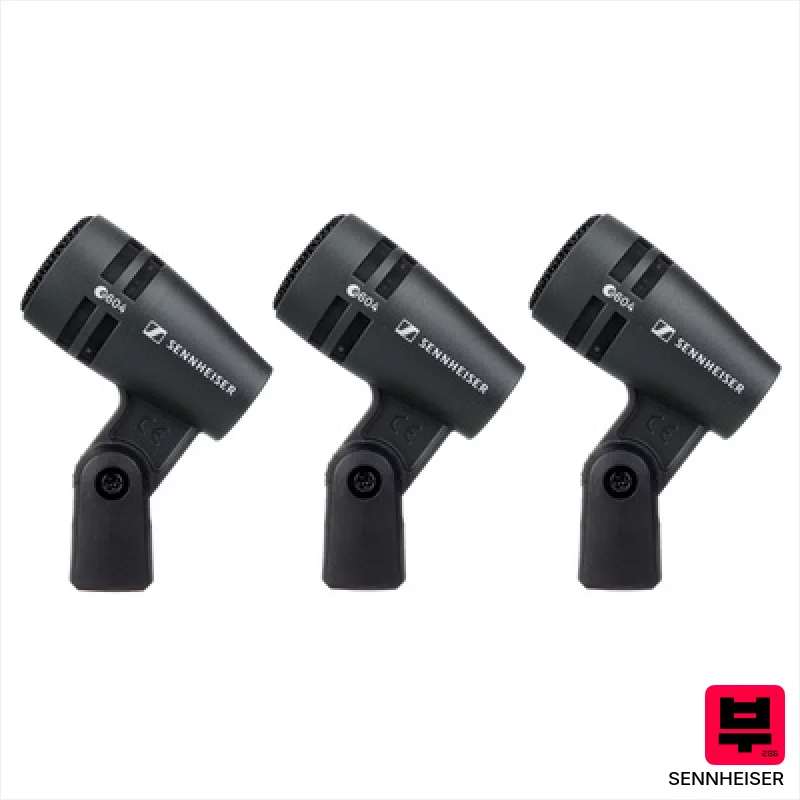
Sennheiser E604 3Pack
- • Excellent transient response for crisp snare articulation
- • Robust zinc die-cast body withstands heavy gigging
- • Cardioid pattern minimizes bleed from other drums
- • Compact size allows for versatile mic placement
- • Lacks the low-end warmth of some premium snare mics
- • Can be prone to proximity effect with close miking
- • Limited frequency response compared to condenser alternatives
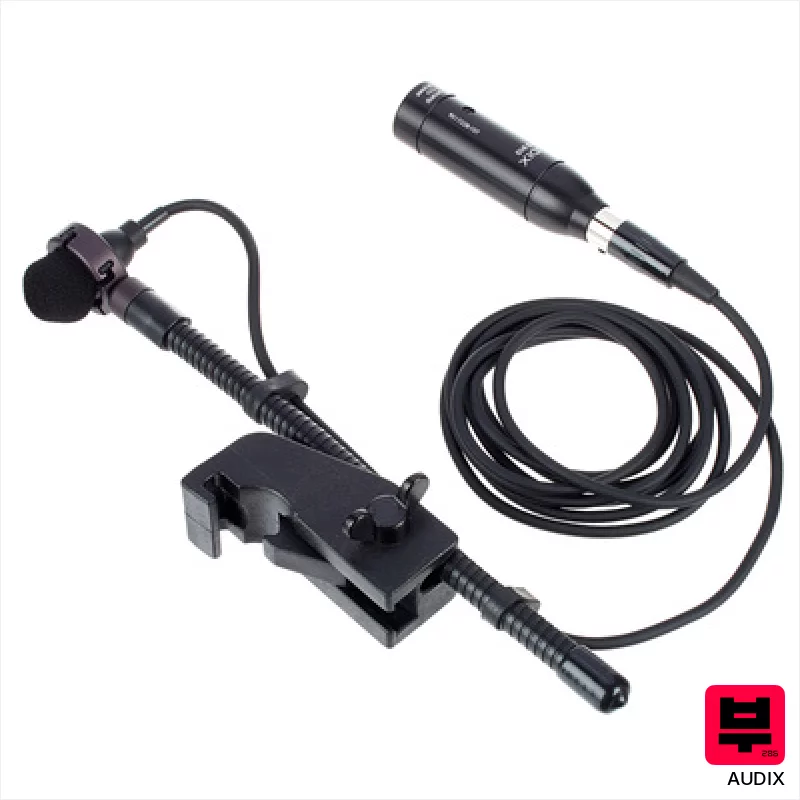
Audix Micro-D
- • Hypercardioid pattern isolates snare with impressive accuracy
- • Mini-XLR simplifies cable routing and reduces stage clutter
- • Robust D-Vice rim clamp provides secure and stable mounting
- • Extended frequency response captures detail beyond typical snare mics
- • Weight can be a factor on delicate snare drum rims
- • Hypercardioid pattern demands precise mic placement for optimal results
- • Limited versatility outside of snare and brass applications
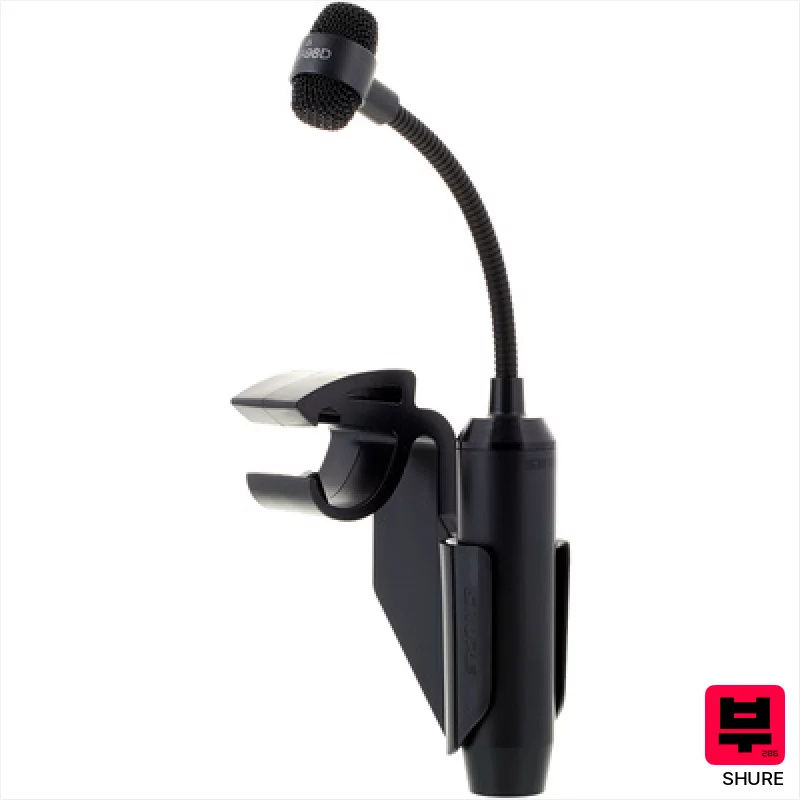
Shure PGA98D
- • Excellent transient response captures snare detail accurately
- • Cardioid pattern minimizes bleed from other drums
- • Rugged build quality suitable for demanding live/studio use
- • Lightweight and compact for easy mounting and positioning
- • Requires phantom power, limiting compatibility with some interfaces
- • Somewhat sensitive to handling noise compared to dynamic mics
- • Limited frequency response compared to higher-end condensers
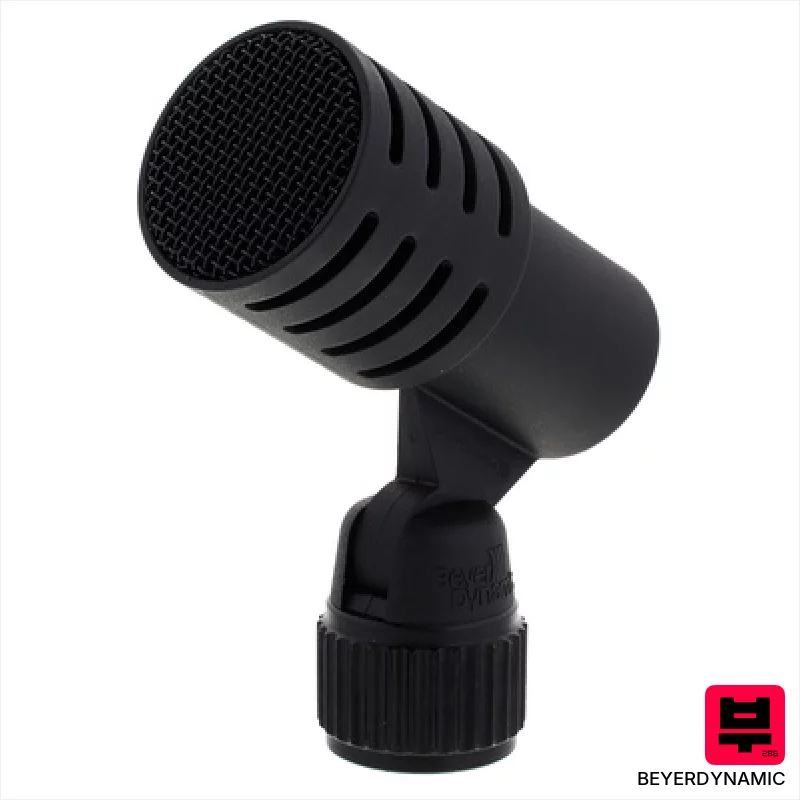
beyerdynamic TG D35
- • Excellent transient response for crisp snare attack
- • Robust zinc die-cast body ensures durability on stage
- • Supercardioid pattern minimizes bleed from other drums
- • Integrated MKV 87 holder simplifies mounting to snare rims
- • 600-ohm impedance requires a preamp with ample clean gain
- • Supercardioid pattern can be tricky to position consistently
- • Lacks the low-end warmth of some dedicated snare mics
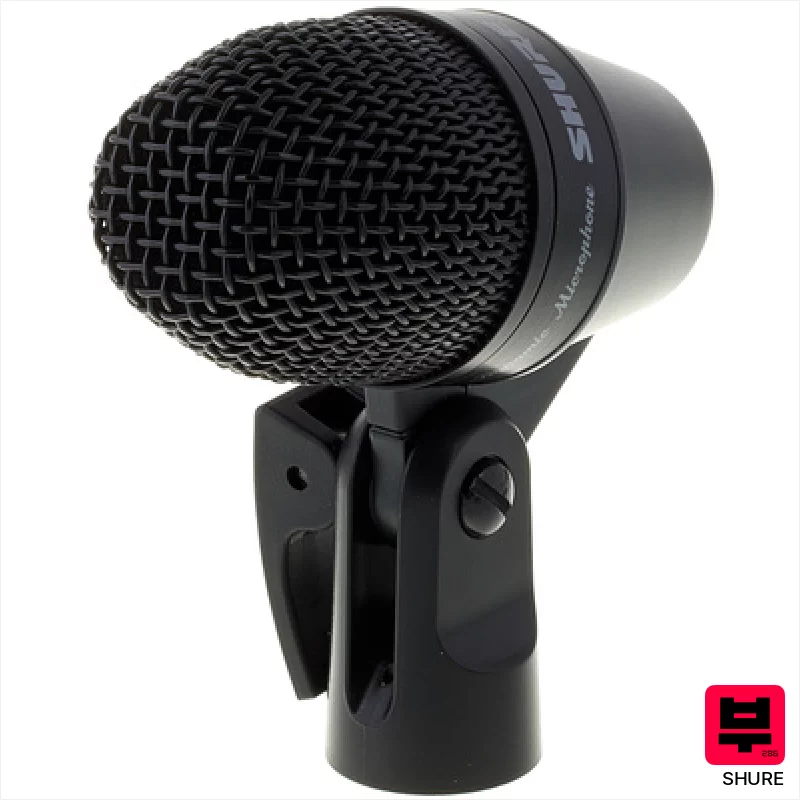
Shure PGA56
- • Rugged metal housing provides excellent durability on stage.
- • Cardioid pattern effectively isolates snare, minimizing bleed.
- • Surprisingly detailed transient response for its price class.
- • Included drum clip and cable offer immediate usability.
- • Lacks the low-frequency extension of higher-end snare mics.
- • Can be prone to proximity effect, requiring careful placement.
- • The basic sound profile may lack character for more nuanced recordings.
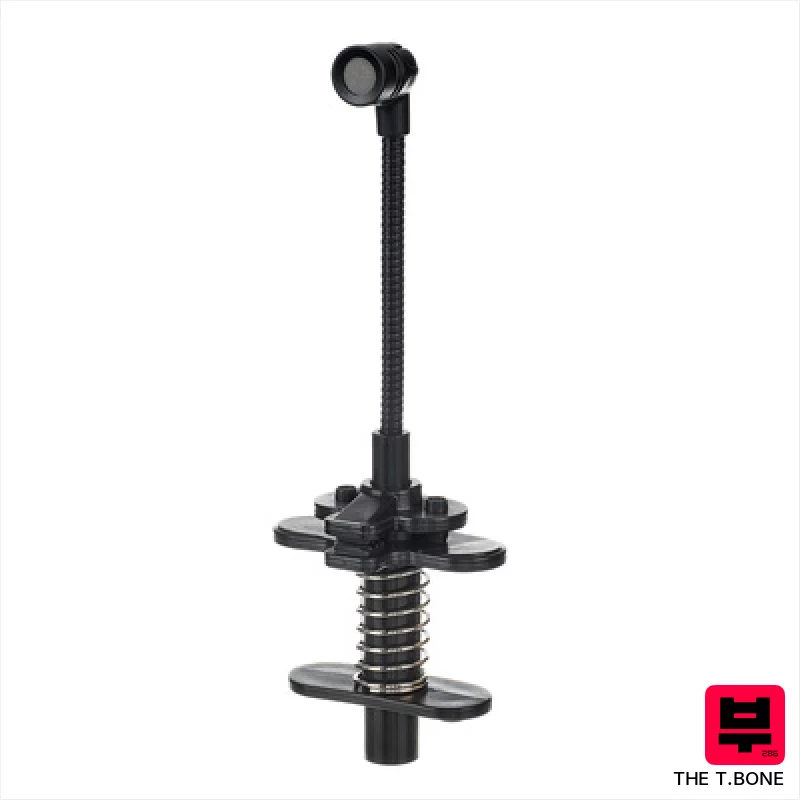
the t.bone CC 57
- • Robust spring clamp provides secure, stable drum mounting.
- • Cardioid pattern effectively isolates snare sound from overheads.
- • Decent transient response captures snappy snare articulation.
- • Affordable entry point for budget-conscious drummers and home studios.
- • Plastic clamp feels somewhat flimsy and may loosen over time.
- • Limited frequency response lacks the nuance for critical recording.
- • Sensitivity is low, requiring significant preamp gain and potential noise.
How to Choose the Best Microphones for Snare Drum
Transient Response
Live drums are dynamic. A mic needs to capture those sharp attacks - the 'crack' - without sounding muddy or losing detail. Sloppy transient response just turns into a blurry mess in a loud mix.
Handling Noise
Stage volume means gain. A quiet mic is critical; otherwise, you're just amplifying the hiss and rumble from your preamp, and that's a recipe for feedback.
Polar Pattern
Cardioid is king for live snare. It rejects stage bleed from other drums and vocals, giving you more isolation and a cleaner snare sound. Figure-8 or omni just aren't practical unless you're intentionally going for a vintage, roomy vibe.
Proximity Effect
A little proximity effect (bass boost when close) can add some punch, but too much can quickly turn your snare into a boomy, undefined mess. Finding that sweet spot is key.
Durability
Roadie life isn't kind. Mics need to survive being dropped, bumped, and generally abused. Cheap mics often cut corners on build quality, and you'll regret it when it fails mid-gig.
Buying Guide
Don't chase the 'perfect' mic; chase the mic that solves your specific problem. A super-expensive mic won't magically fix a poorly tuned drum. Budget $150-$300 for a solid live snare mic - that's where you start getting decent build quality and respectable performance. Be wary of mics under $100; they'll likely have noticeable handling noise or a harsh top end that'll make your ears bleed.
Our Methodology
We're not looking at spec sheets here. We've spent countless hours on stage, A/B'ing mics in real band situations - rock, blues, funk, you name it. It's about how a mic feels when you're wrestling with a loud stage, and how it sounds when the sound guy is trying to wrangle a muddy mix. We're judging on performance, not marketing hype.

