
Best Microphones for Harmonicas Under $800 2026
So, you're looking to mic your harp? Good move - a decent mic can make or break your tone, especially if you're trying to cut through a loud band or get a decent recording. Forget those cheap, plastic novelty mics; we're focusing on mics that'll give you real character without cleaning out your bank account. This list is all about bang-for-your-buck - mics under $800 that'll actually make your harp sound good live and in the studio.
Last updated: April 11, 2026
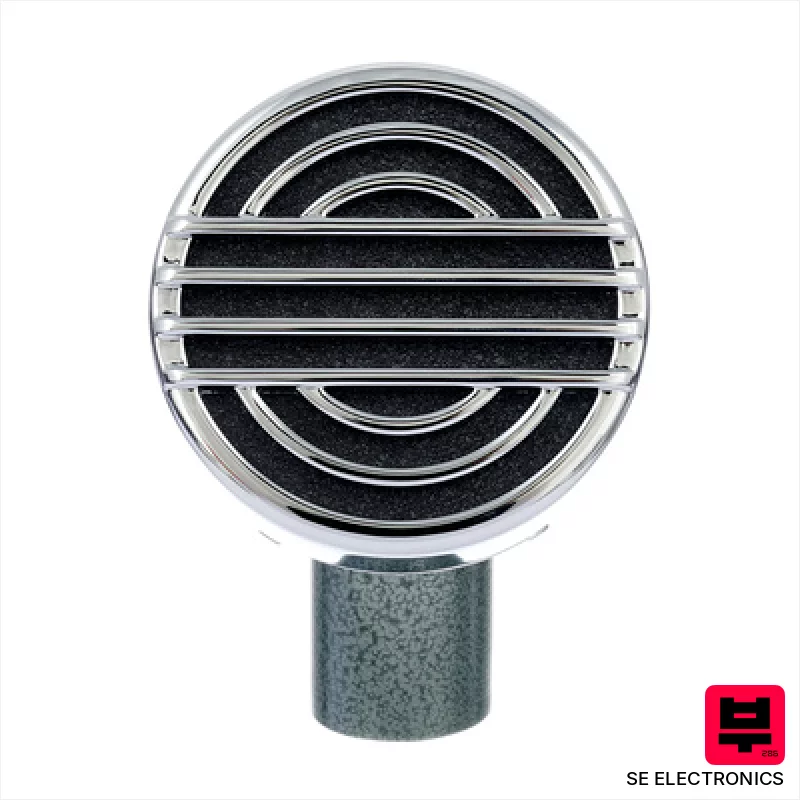
SE Electronics Harp Blaster HB52
- • Vintage-inspired voicing delivers warm, articulate harmonica tones.
- • The Bourns potentiometer offers precise volume control, a really nice touch.
- • Robust metal housing and lacquer finish ensure excellent durability for stage use.
- • Omnidirectional pickup captures a natural, room-influenced sound.
- • Omnidirectional pattern can pick up unwanted background noise easily.
- • 45 kOhm output impedance might need a preamp for some setups.
- • Limited frequency response compared to more premium condenser mics.
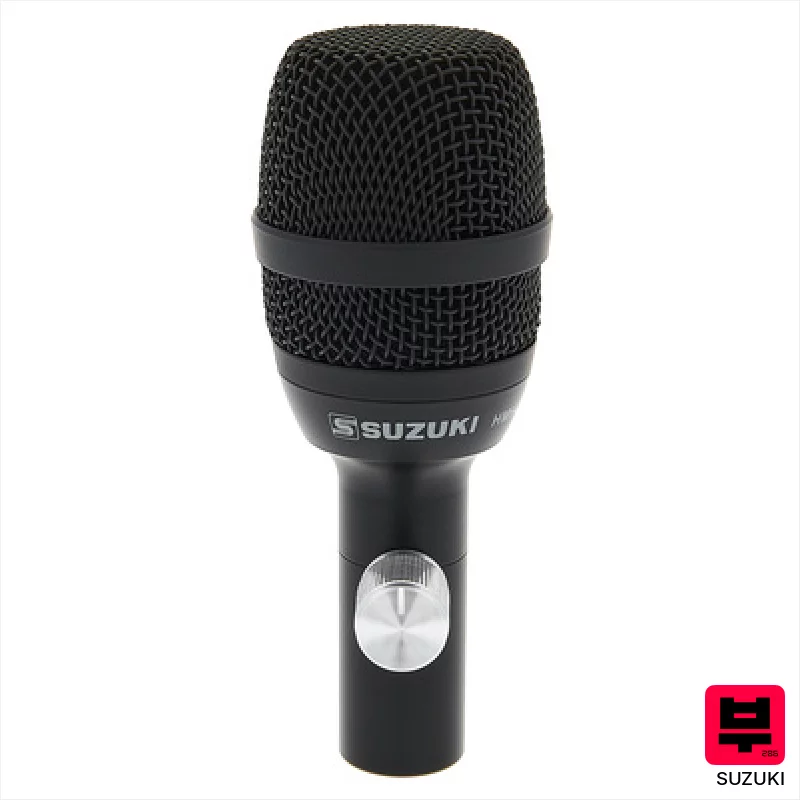
Suzuki HMH-200 Harmonica Microphone
- • Robust dynamic capsule handles stage volume without feedback issues
- • Well-balanced frequency response captures harmonica nuances effectively
- • Integrated volume control offers convenient on-stage adjustments
- • Solid build quality feels dependable for gigging musicians
- • XLR only limits direct connection to consumer audio gear
- • Somewhat heavy, potentially fatiguing during extended performances
- • Frequency response, while good, lacks extreme high-end sparkle

Shure 520 DX
- • Contoured body provides comfortable, secure harmonica grip.
- • Classic 'Blues Harp' tone, known for its warmth and grit.
- • Robust construction; feels solid and durable for stage use.
- • Integrated volume control offers immediate gain staging flexibility.
- • Omnidirectional pickup captures unwanted stage noise easily.
- • Limited frequency response restricts versatility beyond harmonica/vocals.
- • Heavy cable makes for awkward handling on stage.
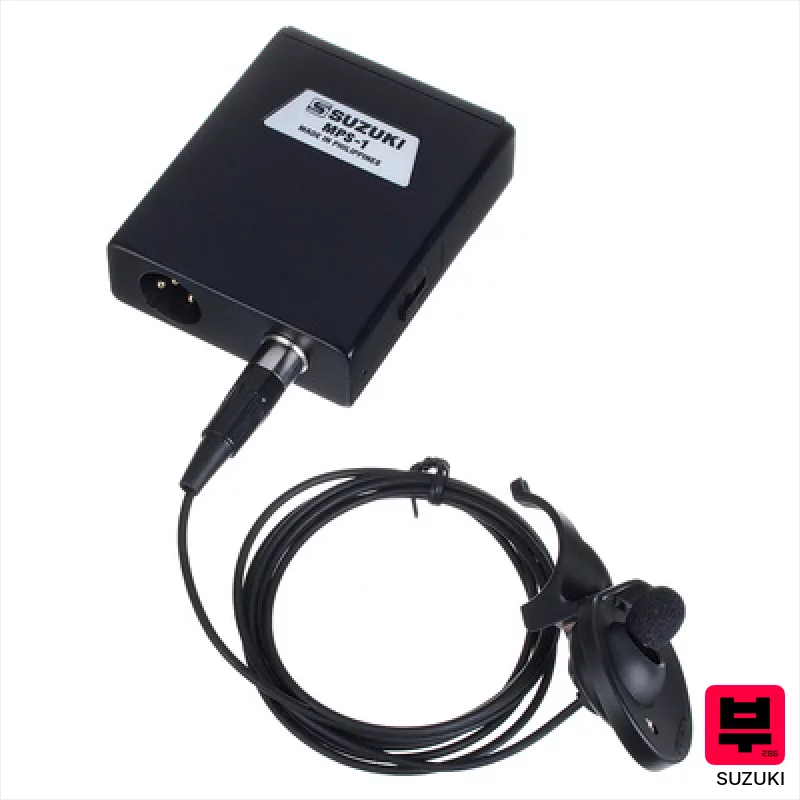
Suzuki HMH-100 Harmonica Microphone
- • Excellent sensitivity captures nuanced harmonica techniques and subtle breaths.
- • Back-electret condenser delivers a clear, detailed sound with good transient response.
- • Flexible power options (battery or phantom) enhance portability and stage usability.
- • Compact size and lightweight microphone minimizes handling noise and fatigue during performance.
- • XLR output necessitates an adapter for standard amplifier connections, adding cost.
- • Limited polar pattern offers less directional control compared to multi-pattern mics.
- • Power supply unit can feel a bit bulky and slightly awkward on a mic stand.
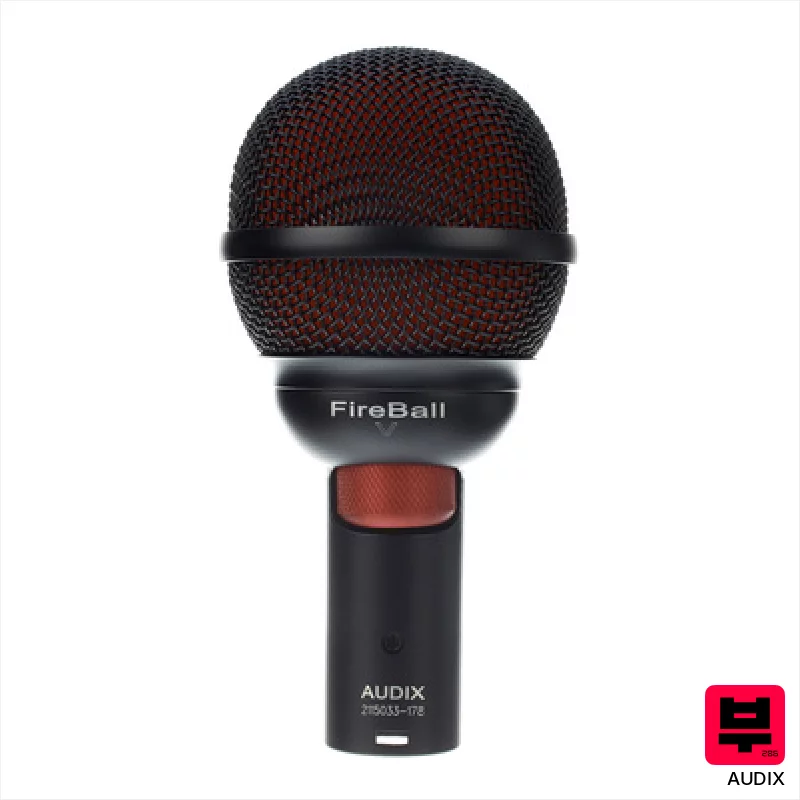
Audix Fireball-V
- • Compact form factor excels in tight performance spaces.
- • Robust construction feels durable for gigging.
- • Cardioid pattern minimizes stage bleed effectively.
- • Volume control provides quick, on-the-fly adjustments.
- • Frequency response lacks extended high-end detail for nuanced recordings.
- • Dynamic nature limits sensitivity for quieter playing styles.
- • Limited versatility – primarily designed for harmonica and vocal close-miking.
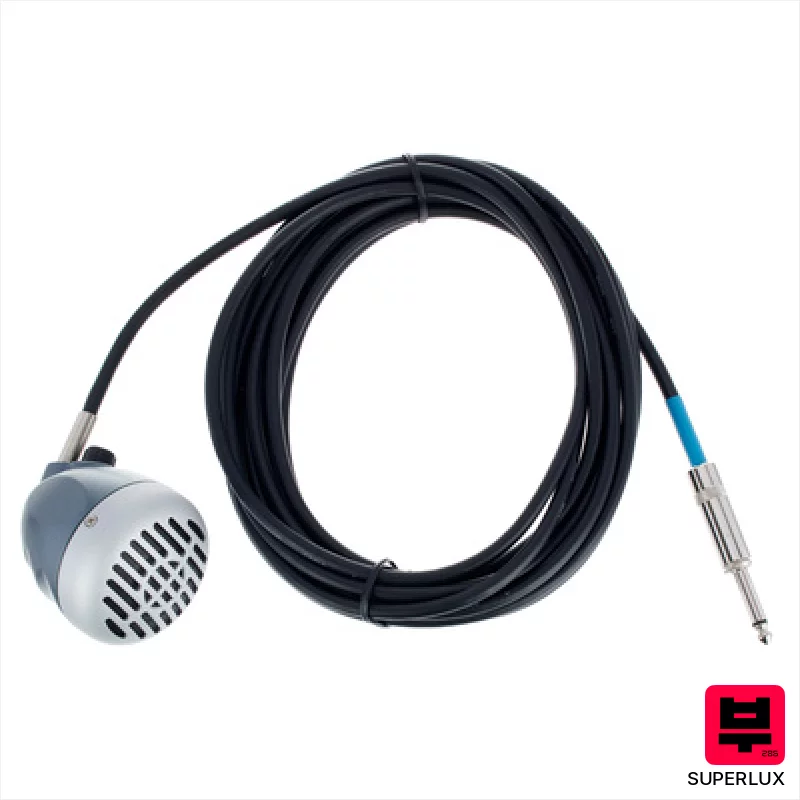
Superlux D112C
- • Robust build; feels surprisingly solid for the price.
- • Omnidirectional pickup captures natural harp/harmonica ambience.
- • Decent low-mid presence; cuts through a band mix.
- • Long cable included; ready to use out of the box.
- • Frequency response lacks high-end sparkle; can sound muddy.
- • Heavy; hand fatigue possible during extended use.
- • Limited versatility; best suited for close-mic'd harp/harmonica.
Microphones for Harmonicas by the numbers
Measured across all 6 models in this category, so «wide», «short» or «expensive» mean something you can check.
How to Choose the Best Microphones for Harmonicas
Frequency Response
Harmonicas live in a very specific frequency range (roughly 150Hz - 3kHz), so a mic that captures that sweet spot with clarity and avoids excessive muddiness or harshness is key. You want to hear the nuances of your bending and the attack of each note.
Polar Pattern
Cardioid is almost always the best bet for harmonica. It rejects sounds from the rear, minimizing bleed from other instruments and feedback on stage. Figure-8 can be cool for stereo imaging in a studio, but it's less forgiving live.
Sensitivity & Dynamic Range
A sensitive mic will pick up the subtle details of your playing, while a wide dynamic range means it can handle both quiet passages and loud, overblown notes without distortion. Low sensitivity means you'll need more preamp gain, which can introduce noise.
Transient Response
Harmonicas are all about attack and decay. A mic with a fast transient response will accurately capture those quick, percussive elements, giving your tone more snap and articulation. Slow response equals a muddy, indistinct sound.
Off-Axis Response
How does the mic sound when you're not directly in front of it? A mic that retains a relatively even tone even when angled slightly is much more forgiving on stage, where mic placement isn't always perfect.
Buying Guide
At this price point, you're trading off something - usually build quality or a truly exceptional frequency response. Don't expect boutique-level detail; these are workhorse mics. Look for mics with a decent reputation for handling harmonica's dynamic range; a mic that struggles with a snare drum won't handle a harp much better. Consider the mic's handling noise - some mics pick up a lot of vibration, especially when you're holding them close.
How This List Is Built
We don't play these instruments — we're a catalog, not a review desk, and we'd rather say so than pretend otherwise. This page covers 6 microphones for harmonicas from the Thomann catalogue, which is the largest single source of specification data in this category: 6 in detail, the rest listed with their specifications.
Position is computed, not curated. We parse the manufacturer's own description into actual values — nut width, scale, fret count, fingerboard radius, size, alloy — and rank on them: how many specifications a model has published, how many of them are measurable numbers, and how precisely it meets this page's criterion. A product image adds a little. Price is not a ranking signal: it tells you nothing about whether a neck fits your hand. The same inputs always produce the same order, so nothing here is shuffled to look fresh.
What this list is good for: narrowing a category down to a shortlist by spec and budget. What it isn't: a substitute for hearing an instrument. Before you buy, read hands-on reviews and, where you can, play it. Full methodology.

