
Best Microphones for Harmonicas for Beginner 2026
So, you're finally mic'ing your harp? Smart move. It's a whole different ballgame than just blowing into it - you gotta capture that breathy, raw vibe, and that's where the right microphone makes all the difference. Let's cut through the noise and find something that'll let you focus on bending those notes, not fighting your gear.
Last updated: April 11, 2026
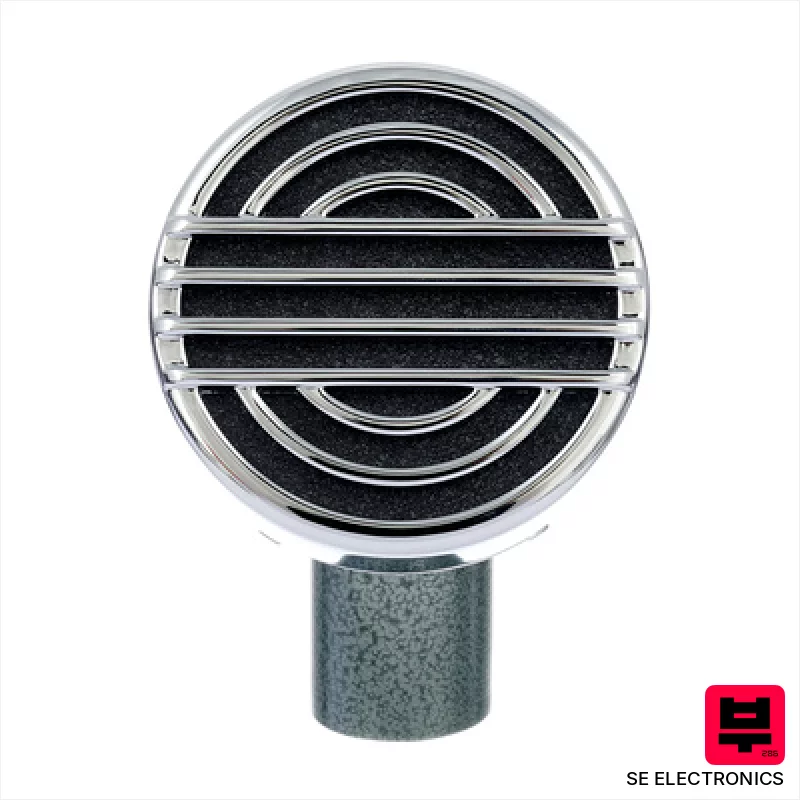
SE Electronics Harp Blaster HB52
- • Vintage-inspired voicing delivers warm, articulate harmonica tones.
- • The Bourns potentiometer offers precise volume control, a really nice touch.
- • Robust metal housing and lacquer finish ensure excellent durability for stage use.
- • Omnidirectional pickup captures a natural, room-influenced sound.
- • Omnidirectional pattern can pick up unwanted background noise easily.
- • 45 kOhm output impedance might need a preamp for some setups.
- • Limited frequency response compared to more premium condenser mics.
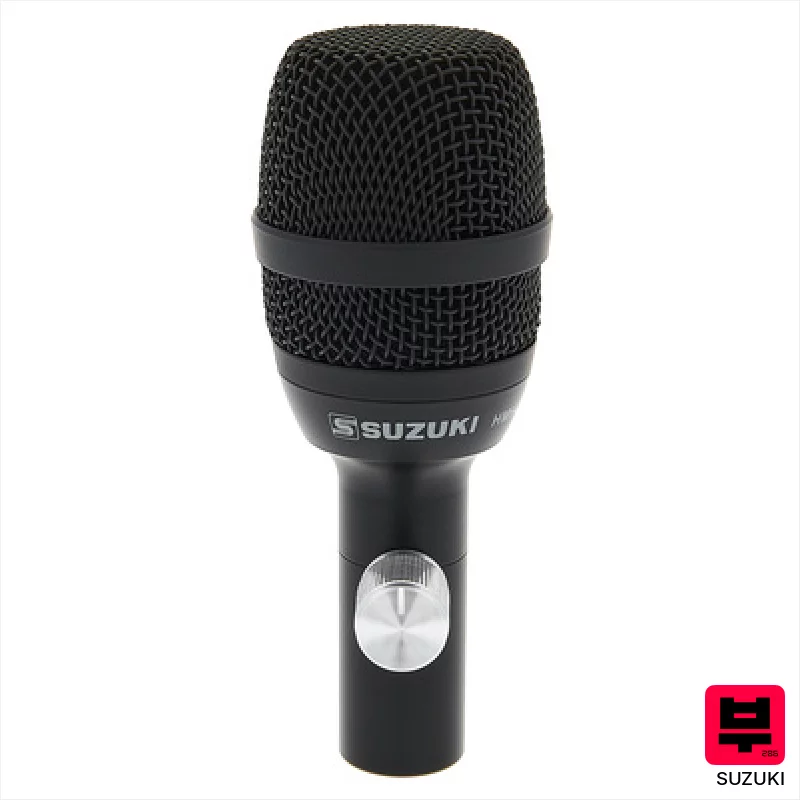
Suzuki HMH-200 Harmonica Microphone
- • Robust dynamic capsule handles stage volume without feedback issues
- • Well-balanced frequency response captures harmonica nuances effectively
- • Integrated volume control offers convenient on-stage adjustments
- • Solid build quality feels dependable for gigging musicians
- • XLR only limits direct connection to consumer audio gear
- • Somewhat heavy, potentially fatiguing during extended performances
- • Frequency response, while good, lacks extreme high-end sparkle

Shure 520 DX
- • Contoured body provides comfortable, secure harmonica grip.
- • Classic 'Blues Harp' tone, known for its warmth and grit.
- • Robust construction; feels solid and durable for stage use.
- • Integrated volume control offers immediate gain staging flexibility.
- • Omnidirectional pickup captures unwanted stage noise easily.
- • Limited frequency response restricts versatility beyond harmonica/vocals.
- • Heavy cable makes for awkward handling on stage.
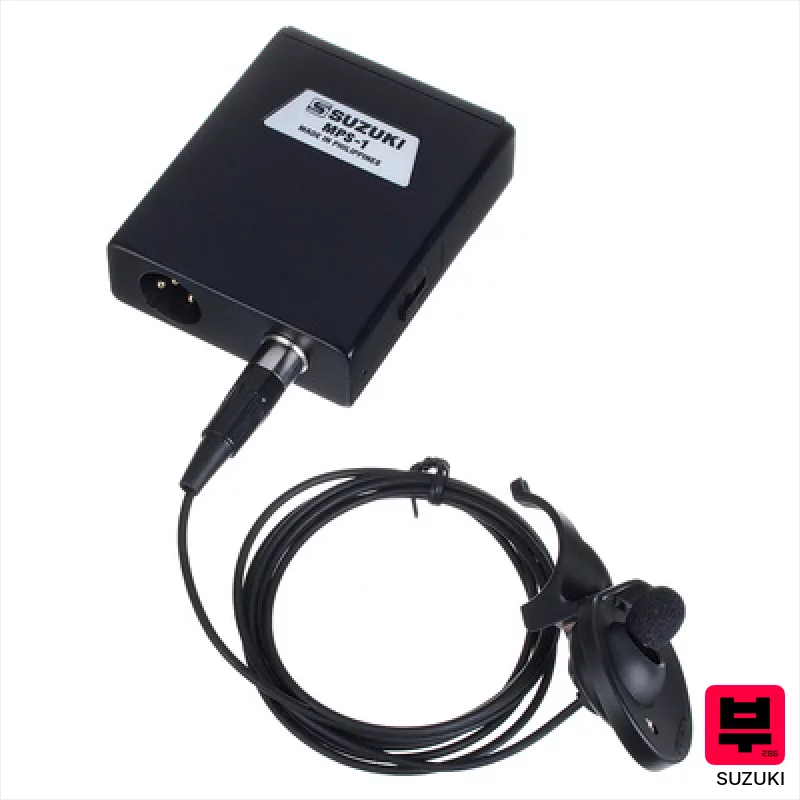
Suzuki HMH-100 Harmonica Microphone
- • Excellent sensitivity captures nuanced harmonica techniques and subtle breaths.
- • Back-electret condenser delivers a clear, detailed sound with good transient response.
- • Flexible power options (battery or phantom) enhance portability and stage usability.
- • Compact size and lightweight microphone minimizes handling noise and fatigue during performance.
- • XLR output necessitates an adapter for standard amplifier connections, adding cost.
- • Limited polar pattern offers less directional control compared to multi-pattern mics.
- • Power supply unit can feel a bit bulky and slightly awkward on a mic stand.
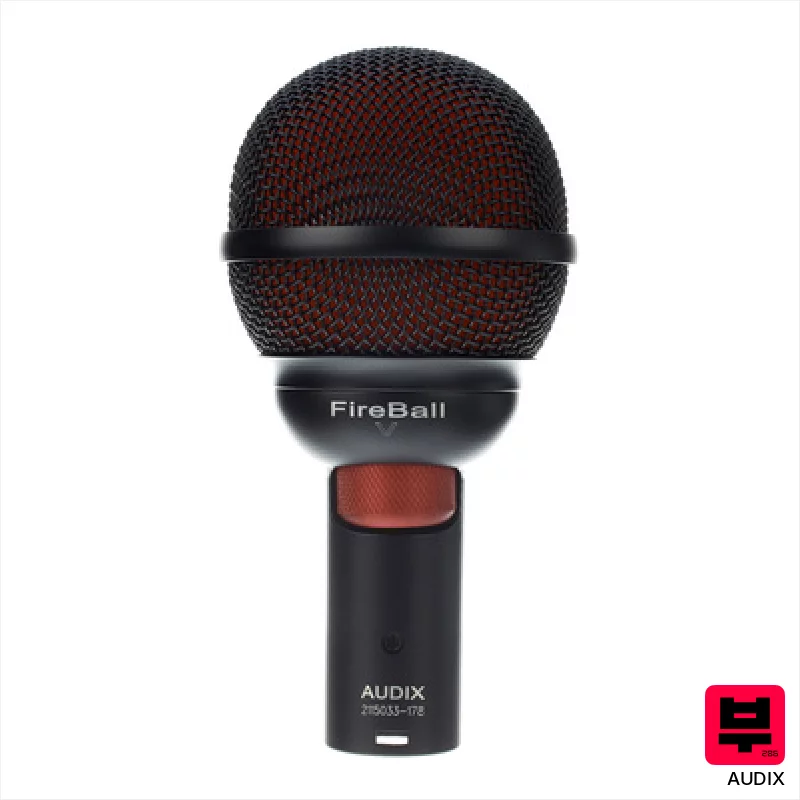
Audix Fireball-V
- • Compact form factor excels in tight performance spaces.
- • Robust construction feels durable for gigging.
- • Cardioid pattern minimizes stage bleed effectively.
- • Volume control provides quick, on-the-fly adjustments.
- • Frequency response lacks extended high-end detail for nuanced recordings.
- • Dynamic nature limits sensitivity for quieter playing styles.
- • Limited versatility – primarily designed for harmonica and vocal close-miking.
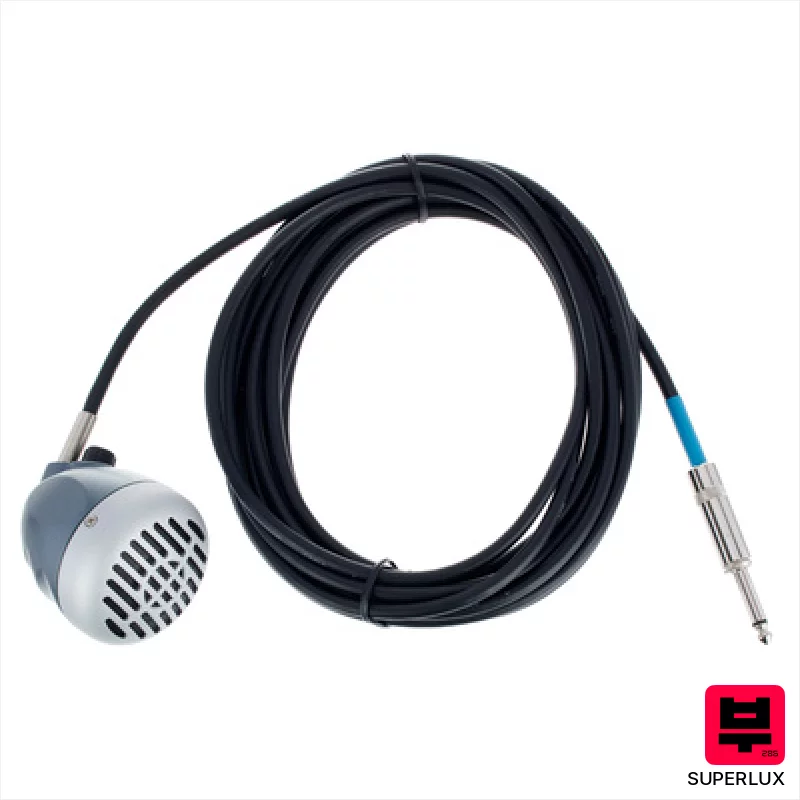
Superlux D112C
- • Robust build; feels surprisingly solid for the price.
- • Omnidirectional pickup captures natural harp/harmonica ambience.
- • Decent low-mid presence; cuts through a band mix.
- • Long cable included; ready to use out of the box.
- • Frequency response lacks high-end sparkle; can sound muddy.
- • Heavy; hand fatigue possible during extended use.
- • Limited versatility; best suited for close-mic'd harp/harmonica.
Microphones for Harmonicas by the numbers
Measured across all 6 models in this category, so «wide», «short» or «expensive» mean something you can check.
How to Choose the Best Microphones for Harmonicas
Polar Pattern
For beginners, a cardioid pattern is your friend. It'll reject a lot of unwanted room noise and stage bleed, which is crucial when you're still figuring out your mic technique. Figure-8 patterns are cool later, but can be a headache early on.
Frequency Response
You want a mic that captures the full range of the harmonica - the low-end thump of a draw bend, the breathy highs, the grit of a overdriven amp. Avoid mics with heavily sculpted frequency responses; they'll color your tone more than enhance it.
Sensitivity
A mic with good sensitivity will pick up your playing even at lower volumes, which is great for practicing and quieter gigs. However, too sensitive a mic can also pick up more background noise and feedback - something to be mindful of.
Durability
Let's be real, gear gets knocked around. A robust build will survive the inevitable bumps and bruises of gigging, especially if you're just starting out and might not have a dedicated mic stand tech.
Price
Harmonicas aren't the most expensive instruments, so you don't need to drop a fortune on a mic. There's diminishing returns quickly - a $100 mic will get you 80% of the way there, and the extra $200 for a boutique mic might be better spent on lessons or a better amp.
Buying Guide
Don't chase the 'perfect' mic right away. Focus on something reliable that captures a natural, uncolored sound. Cheap mics often have a harsh top end or a muddy low end - neither of which does your harmonica any favors. Look for mics with a reputation for being forgiving and easy to use, even if they don't have all the fancy features.
How This List Is Built
We don't play these instruments — we're a catalog, not a review desk, and we'd rather say so than pretend otherwise. This page covers 6 microphones for harmonicas from the Thomann catalogue, which is the largest single source of specification data in this category: 6 in detail, the rest listed with their specifications.
Position is computed, not curated. We parse the manufacturer's own description into actual values — nut width, scale, fret count, fingerboard radius, size, alloy — and rank on them: how many specifications a model has published, how many of them are measurable numbers, and how precisely it meets this page's criterion. A product image adds a little. Price is not a ranking signal: it tells you nothing about whether a neck fits your hand. The same inputs always produce the same order, so nothing here is shuffled to look fresh.
What this list is good for: narrowing a category down to a shortlist by spec and budget. What it isn't: a substitute for hearing an instrument. Before you buy, read hands-on reviews and, where you can, play it. Full methodology.

