
Best Microphones for Harmonicas Under $1,000 2026
Alright, so you wanna mic your harp? Good choice - a decent mic can seriously elevate your sound, especially if you're tired of sounding thin and reedy. We're focusing on mics under $1000 - that's a sweet spot where you can get a lot of quality without breaking the bank. Forget about chasing studio-grade perfection; we're talking about mics that'll cut through a band, record well, and won't make you cringe when you listen back.
Last updated: April 11, 2026
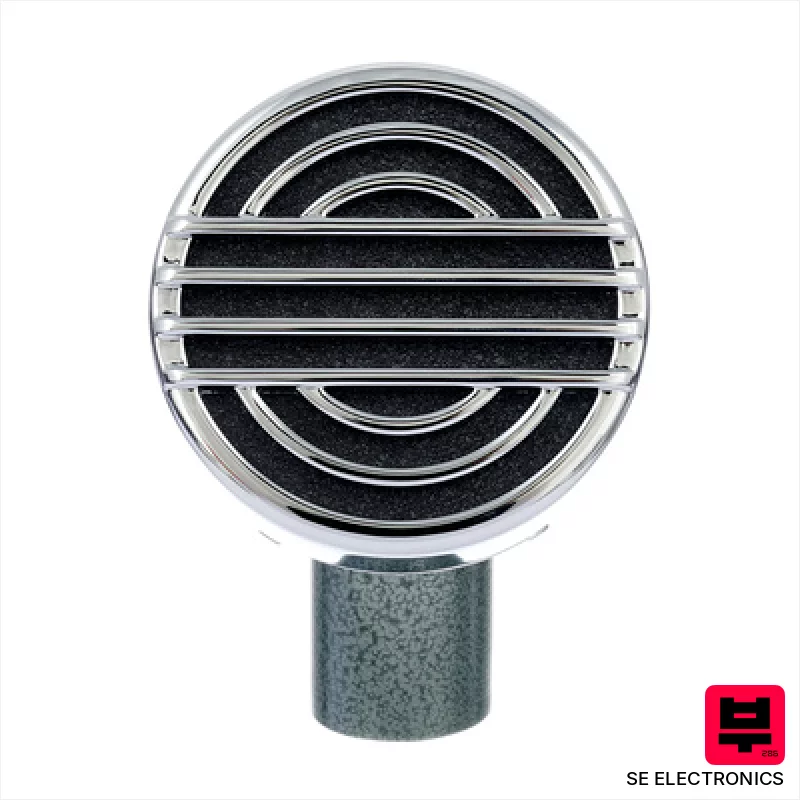
SE Electronics Harp Blaster HB52
- • Vintage-inspired voicing delivers warm, articulate harmonica tones.
- • The Bourns potentiometer offers precise volume control, a really nice touch.
- • Robust metal housing and lacquer finish ensure excellent durability for stage use.
- • Omnidirectional pickup captures a natural, room-influenced sound.
- • Omnidirectional pattern can pick up unwanted background noise easily.
- • 45 kOhm output impedance might need a preamp for some setups.
- • Limited frequency response compared to more premium condenser mics.
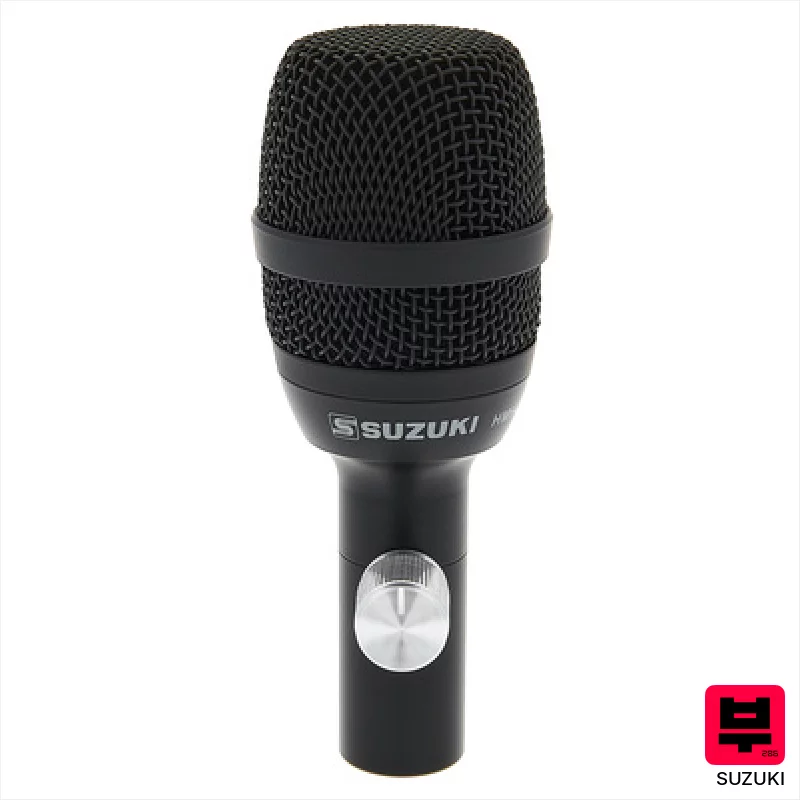
Suzuki HMH-200 Harmonica Microphone
- • Robust dynamic capsule handles stage volume without feedback issues
- • Well-balanced frequency response captures harmonica nuances effectively
- • Integrated volume control offers convenient on-stage adjustments
- • Solid build quality feels dependable for gigging musicians
- • XLR only limits direct connection to consumer audio gear
- • Somewhat heavy, potentially fatiguing during extended performances
- • Frequency response, while good, lacks extreme high-end sparkle

Shure 520 DX
- • Contoured body provides comfortable, secure harmonica grip.
- • Classic 'Blues Harp' tone, known for its warmth and grit.
- • Robust construction; feels solid and durable for stage use.
- • Integrated volume control offers immediate gain staging flexibility.
- • Omnidirectional pickup captures unwanted stage noise easily.
- • Limited frequency response restricts versatility beyond harmonica/vocals.
- • Heavy cable makes for awkward handling on stage.
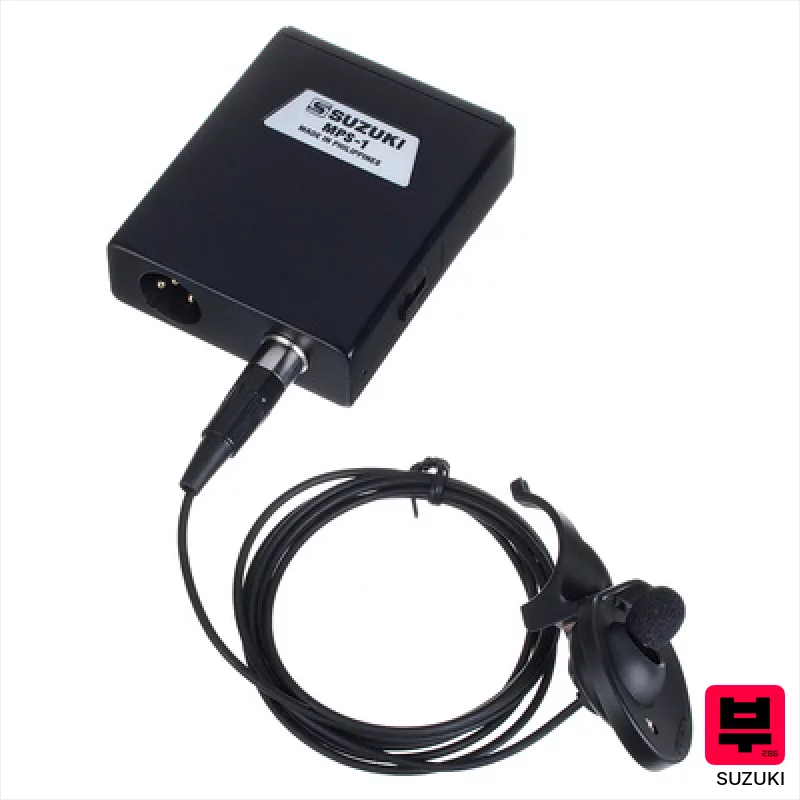
Suzuki HMH-100 Harmonica Microphone
- • Excellent sensitivity captures nuanced harmonica techniques and subtle breaths.
- • Back-electret condenser delivers a clear, detailed sound with good transient response.
- • Flexible power options (battery or phantom) enhance portability and stage usability.
- • Compact size and lightweight microphone minimizes handling noise and fatigue during performance.
- • XLR output necessitates an adapter for standard amplifier connections, adding cost.
- • Limited polar pattern offers less directional control compared to multi-pattern mics.
- • Power supply unit can feel a bit bulky and slightly awkward on a mic stand.
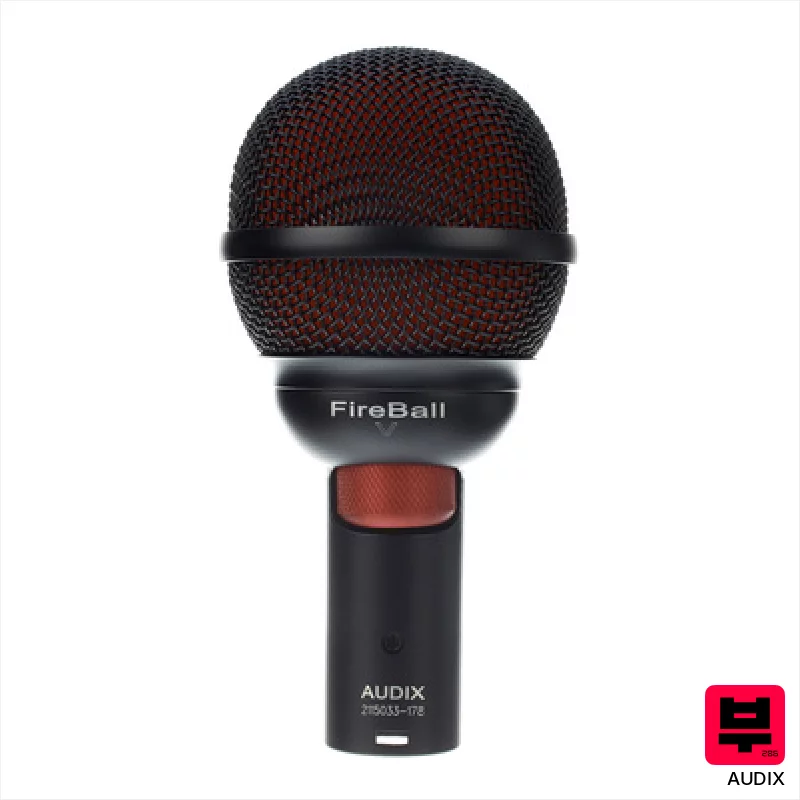
Audix Fireball-V
- • Compact form factor excels in tight performance spaces.
- • Robust construction feels durable for gigging.
- • Cardioid pattern minimizes stage bleed effectively.
- • Volume control provides quick, on-the-fly adjustments.
- • Frequency response lacks extended high-end detail for nuanced recordings.
- • Dynamic nature limits sensitivity for quieter playing styles.
- • Limited versatility – primarily designed for harmonica and vocal close-miking.
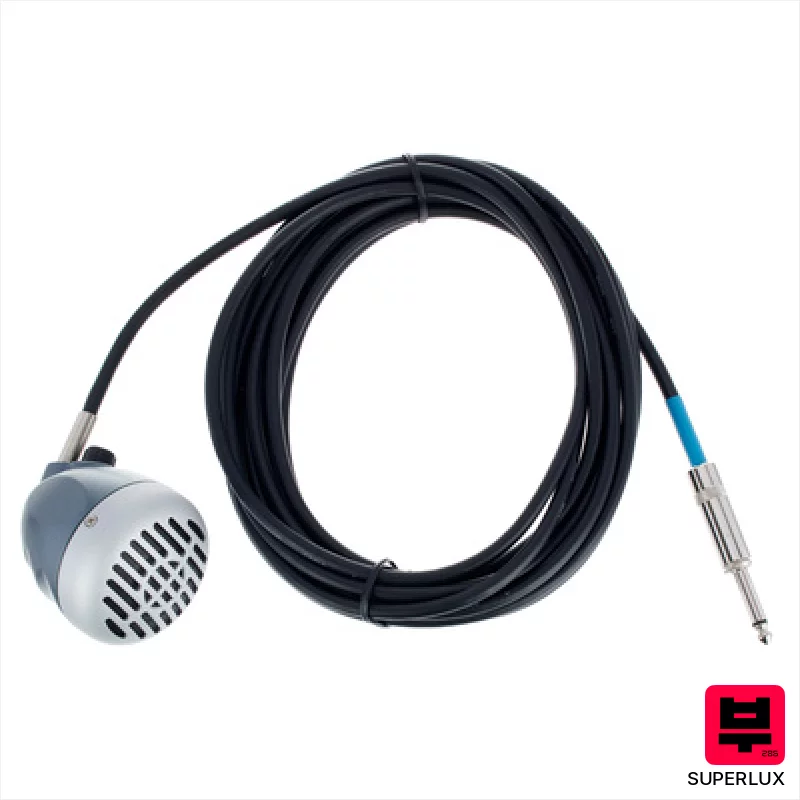
Superlux D112C
- • Robust build; feels surprisingly solid for the price.
- • Omnidirectional pickup captures natural harp/harmonica ambience.
- • Decent low-mid presence; cuts through a band mix.
- • Long cable included; ready to use out of the box.
- • Frequency response lacks high-end sparkle; can sound muddy.
- • Heavy; hand fatigue possible during extended use.
- • Limited versatility; best suited for close-mic'd harp/harmonica.
Microphones for Harmonicas by the numbers
Measured across all 6 models in this category, so «wide», «short» or «expensive» mean something you can check.
How to Choose the Best Microphones for Harmonicas
Frequency Response
Harmonicas live in a pretty specific frequency range (mostly mid-range, with some fundamental bass). A mic with a tailored response that emphasizes those frequencies without getting harsh is key. Avoid anything too scooped or overly bright - you want a focused, articulate sound.
Polar Pattern
Cardioid is your friend. It'll reject a lot of the room noise and focus on the harmonica itself, which is crucial for both live gigs and recording. Figure-8 can be cool for stereo imaging, but it's trickier to manage.
Sensitivity & Handling Noise
A mic that's too sensitive will pick up every breath and stage rumble. Low self-noise is essential, especially when you're trying to capture subtle dynamics. We're looking for something that's responsive but not too reactive.
Transient Response
Harmonicas are all about attack and decay. A mic with a quick transient response captures those nuances - the "chick" of a quick bend, the sustain of a long note. A slow response will make everything sound muddy and indistinct.
Build Quality & Durability
Let's be real, harmonica mics take a beating. You're gonna be bumping into things, sweating on them, and generally putting them through the wringer. A robust build is essential for gigging reliability.
Buying Guide
At this price point, you're making trade-offs. Don't expect the pristine low-end thump of a $2000 Neumann. What you can expect is a mic that delivers a characterful sound, good sensitivity, and decent build quality. Spend a little extra on something with a solid reputation - those Chinese capsules can be a gamble. And seriously, a decent shock mount is worth it to tame those handling noises.
How This List Is Built
We don't play these instruments — we're a catalog, not a review desk, and we'd rather say so than pretend otherwise. This page ranks 6 microphones for harmonicas from the Thomann catalogue, which is the largest single source of specification data in this category.
Position is computed, not curated. Four signals, in order of weight: how completely the manufacturer documents the instrument (number of published specifications), where it sits in the price range, how specific the model designation is — which filters out generic accessories — and whether a product image exists. The same inputs always produce the same order, so nothing here is shuffled to look fresh.
What this list is good for: narrowing a category down to a shortlist by spec and budget. What it isn't: a substitute for hearing an instrument. Before you buy, read hands-on reviews and, where you can, play it. Full methodology.

