
Best Microphones for Flutes Under $5,000 2026
So, you're looking to mic your flute? Whether it's for tracking a solo, capturing a rehearsal's vibe, or getting a decent live sound, nailing the right mic is crucial. Forget those generic vocal mics - flutes demand a sensitive, detailed response to really shine. Let's find you something that'll capture that airy sweetness without blowing your budget over $5000.
Last updated: April 11, 2026

Audix ADX 10 FLP
- • Excellent transient response captures flute nuances beautifully
- • Belt pack provides unparalleled freedom and stage mobility
- • Well-designed clip minimizes handling noise and feedback
- • Cardioid pattern effectively rejects stage bleed and room noise
- • Mini-XLR connector limits cable options and can be fragile
- • Battery dependence requires frequent changes or phantom power
- • Sound might be slightly bright for darker flute timbres

DPA 4099 Core Rock Touring Kit 4M
- • Unmatched clarity and transient response for live wind instrument capture.
- • Robust, road-worthy Peli case provides excellent protection during touring.
- • Microdot connectors offer a secure, reliable connection with minimal cable clutter.
- • Versatile clip selection accommodates a wide range of instruments and mounting needs.
- • Premium-priced, making it a significant investment for smaller setups.
- • Microphones are inherently sensitive, requiring careful gain staging and monitoring.
- • The miniature cables, while tidy, can be fragile if mishandled.
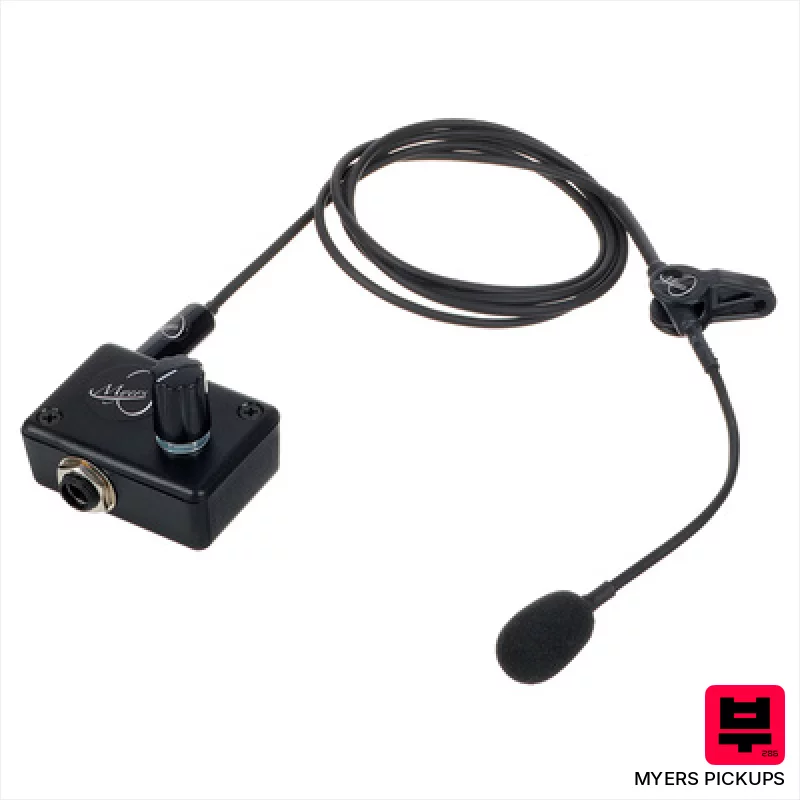
Myers Pickups The Master Flute
- • Flexible goosenecks provide precise mic placement for nuanced flute tones
- • Active preamp delivers clean, amplified signal with minimal noise
- • Multiple mounting options (clips, strap, clamp) offer versatility
- • Included windshields reduce breath noise and stage feedback effectively
- • Lithium battery necessitates periodic replacement, adding ongoing cost
- • Compact preamp housing might be fiddly for some users
- • Limited frequency response compared to studio-grade condenser mics
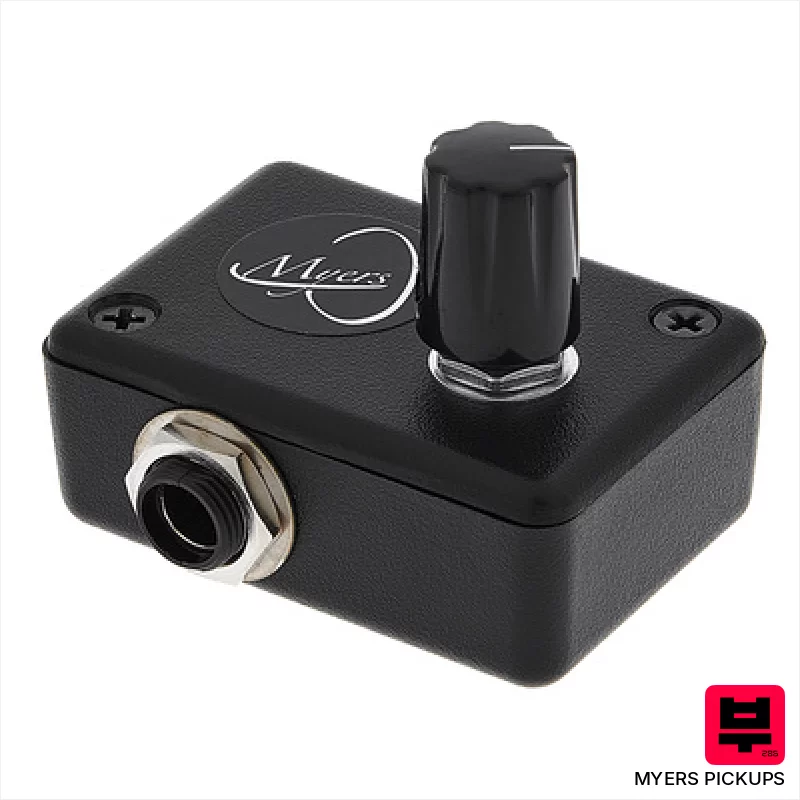
Myers Pickups Master Preamp Module
- • Provides clean, low-noise amplification for Myers flute mics
- • Compact size allows for discreet mounting on goosenecks
- • Lithium battery offers reliable, long-lasting power
- • Boosts signal strength, reducing feedback susceptibility
- • Limited to Myers Master Series microphones and goosenecks
- • Battery replacement adds to ongoing operational costs
- • Small size might make handling slightly awkward for some users
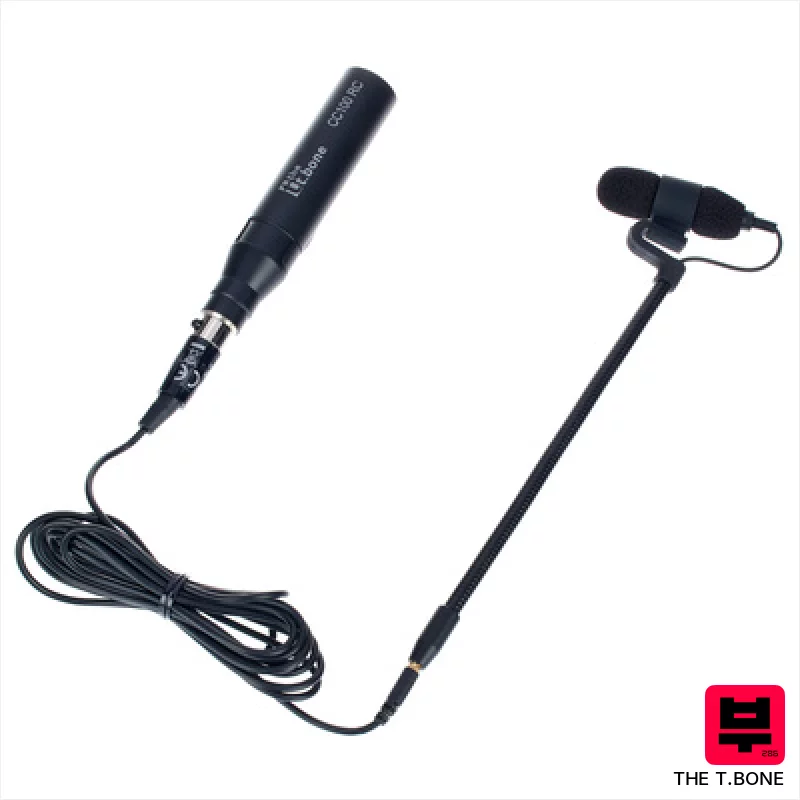
the t.bone Ovid System CC 100 RC
- • Cardioid pattern minimizes room noise for focused flute recordings
- • Mini-XLR connector expands compatibility with wireless systems
- • Flexible gooseneck allows precise instrument placement
- • Foam windshield reduces breath pops and wind noise effectively
- • Plastic construction feels somewhat fragile for frequent gigging
- • Limited frequency response might lack subtle high-end detail
- • Requires phantom power, adding to setup complexity

the t.bone Ovid System CC 100 RC Shure
- • Compact design minimizes obstruction during performance
- • Cardioid pattern effectively rejects stage noise and feedback
- • 4-Pin mini XLR enables seamless integration with Shure wireless systems
- • Foam windshield reduces breath plosives and wind noise
- • Build quality feels somewhat plasticky, not as robust as higher-end options
- • Gooseneck flexibility may loosen over time with frequent adjustments
- • Limited frequency response compared to dedicated studio condenser microphones

the t.bone Ovid System CC 100 RC EW
- • Sennheiser EW connector offers seamless integration for wireless flutists.
- • Cardioid pattern minimizes room noise, crucial for stage performance.
- • Flexible gooseneck precisely positions the mic for optimal capture.
- • Foam windscreen reduces breath pops and plosives effectively.
- • Build quality feels somewhat plasticky for repeated, demanding use.
- • Limited to Sennheiser EW systems without additional cables.
- • Frequency response, while broad, lacks detail for critical recording.
Microphones for Flutes by the numbers
Measured across all 7 models in this category, so «wide», «short» or «expensive» mean something you can check.
How to Choose the Best Microphones for Flutes
Polar Pattern
Cardioid is almost always your best bet for flute. It rejects bleed from the sides and rear, letting you isolate that delicate tone. Figure-8 can be useful for stereo pairs but needs careful placement.
Frequency Response
You want something that captures the full range of the flute, from the low register's warmth to the high register's shimmer. Avoid mics with a pronounced mid-scoop - that'll make it sound thin and lifeless.
Sensitivity & Self-Noise
Flutes are quiet! You need a mic with good sensitivity to pick up those nuances and low self-noise so you're not adding hiss to your signal. Anything above 15dB-A self-noise is a red flag.
Transient Response
A fast transient response is essential for capturing the flute's articulation - the attack and decay of each note. A muddy transient will smear the notes together, making it sound indistinct.
Off-Axis Response
How does the mic sound when it's not perfectly head-on? A gradual roll-off is preferable to a sudden drop-off, which can sound unnatural when you're experimenting with mic placement.
Buying Guide
At this budget, you can get seriously good microphones. The trade-off is often build quality - some mics will feel a little plasticky, but that doesn't necessarily mean they sound bad. Don't get hung up on fancy capsules; often, a well-designed diaphragm and solid preamp implementation will trump a hyped-up marketing claim. And seriously, invest in a decent shock mount - those flute vibrations can ruin a good take.
How This List Is Built
We don't play these instruments — we're a catalog, not a review desk, and we'd rather say so than pretend otherwise. This page covers 7 microphones for flutes from the Thomann catalogue, which is the largest single source of specification data in this category: 7 in detail, the rest listed with their specifications.
Position is computed, not curated. We parse the manufacturer's own description into actual values — nut width, scale, fret count, fingerboard radius, size, alloy — and rank on them: how many specifications a model has published, how many of them are measurable numbers, and how precisely it meets this page's criterion. A product image adds a little. Price is not a ranking signal: it tells you nothing about whether a neck fits your hand. The same inputs always produce the same order, so nothing here is shuffled to look fresh.
What this list is good for: narrowing a category down to a shortlist by spec and budget. What it isn't: a substitute for hearing an instrument. Before you buy, read hands-on reviews and, where you can, play it. Full methodology.

