
Best Microphones for Flutes Under $2,000 2026
Okay, so you're a flutist looking to upgrade your mic game without blowing your gig money? That's smart. Getting a decent flute mic doesn't need to be a massive investment, but it does need to capture the nuance of the instrument - that airy breathiness, the subtle shifts in tone, and the clarity of the upper register. This guide focuses on mics under $2000 that'll actually deliver, not just sound pretty on paper.
Last updated: April 11, 2026

Audix ADX 10 FLP
- • Excellent transient response captures flute nuances beautifully
- • Belt pack provides unparalleled freedom and stage mobility
- • Well-designed clip minimizes handling noise and feedback
- • Cardioid pattern effectively rejects stage bleed and room noise
- • Mini-XLR connector limits cable options and can be fragile
- • Battery dependence requires frequent changes or phantom power
- • Sound might be slightly bright for darker flute timbres
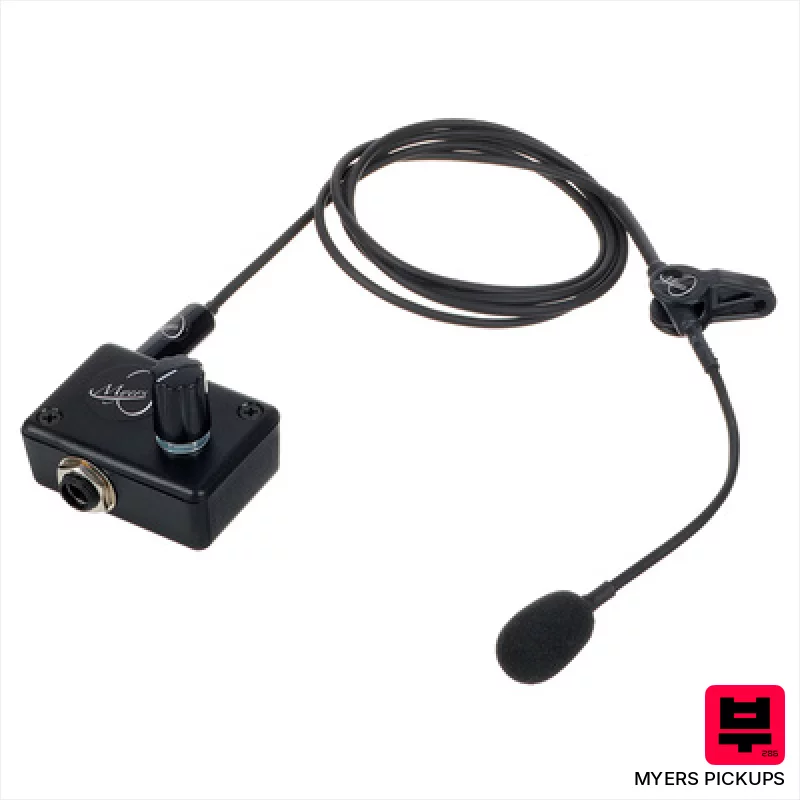
Myers Pickups The Master Flute
- • Flexible goosenecks provide precise mic placement for nuanced flute tones
- • Active preamp delivers clean, amplified signal with minimal noise
- • Multiple mounting options (clips, strap, clamp) offer versatility
- • Included windshields reduce breath noise and stage feedback effectively
- • Lithium battery necessitates periodic replacement, adding ongoing cost
- • Compact preamp housing might be fiddly for some users
- • Limited frequency response compared to studio-grade condenser mics
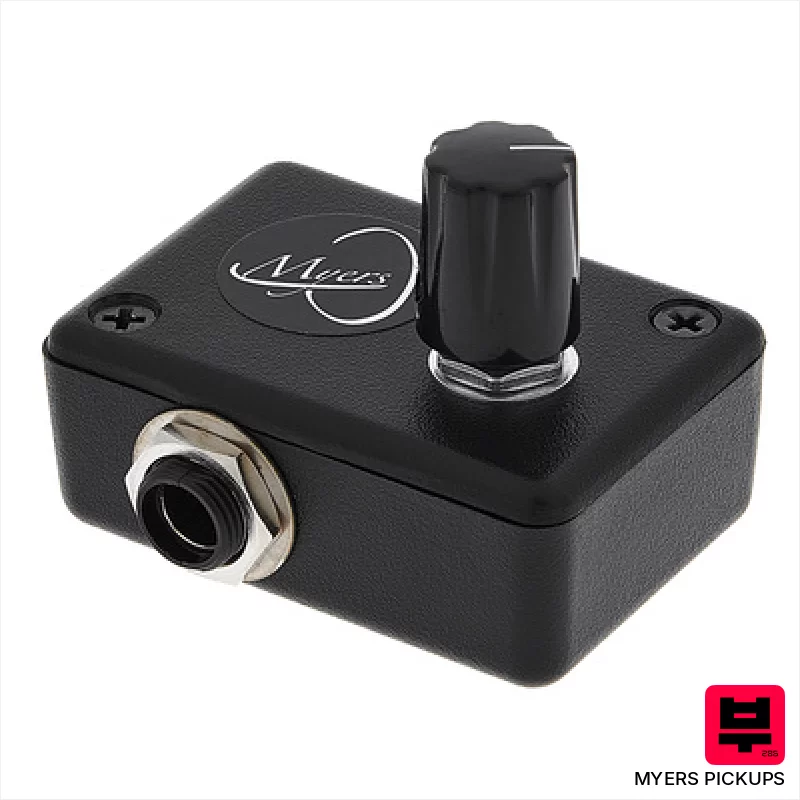
Myers Pickups Master Preamp Module
- • Provides clean, low-noise amplification for Myers flute mics
- • Compact size allows for discreet mounting on goosenecks
- • Lithium battery offers reliable, long-lasting power
- • Boosts signal strength, reducing feedback susceptibility
- • Limited to Myers Master Series microphones and goosenecks
- • Battery replacement adds to ongoing operational costs
- • Small size might make handling slightly awkward for some users
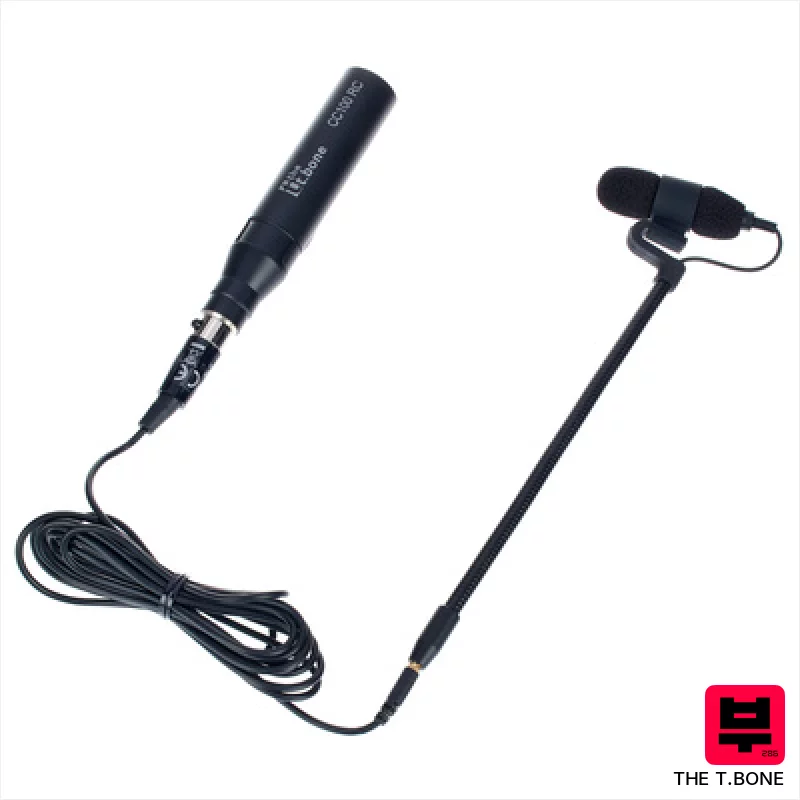
the t.bone Ovid System CC 100 RC
- • Cardioid pattern minimizes room noise for focused flute recordings
- • Mini-XLR connector expands compatibility with wireless systems
- • Flexible gooseneck allows precise instrument placement
- • Foam windshield reduces breath pops and wind noise effectively
- • Plastic construction feels somewhat fragile for frequent gigging
- • Limited frequency response might lack subtle high-end detail
- • Requires phantom power, adding to setup complexity

the t.bone Ovid System CC 100 RC Shure
- • Compact design minimizes obstruction during performance
- • Cardioid pattern effectively rejects stage noise and feedback
- • 4-Pin mini XLR enables seamless integration with Shure wireless systems
- • Foam windshield reduces breath plosives and wind noise
- • Build quality feels somewhat plasticky, not as robust as higher-end options
- • Gooseneck flexibility may loosen over time with frequent adjustments
- • Limited frequency response compared to dedicated studio condenser microphones

the t.bone Ovid System CC 100 RC EW
- • Sennheiser EW connector offers seamless integration for wireless flutists.
- • Cardioid pattern minimizes room noise, crucial for stage performance.
- • Flexible gooseneck precisely positions the mic for optimal capture.
- • Foam windscreen reduces breath pops and plosives effectively.
- • Build quality feels somewhat plasticky for repeated, demanding use.
- • Limited to Sennheiser EW systems without additional cables.
- • Frequency response, while broad, lacks detail for critical recording.
Microphones for Flutes by the numbers
Measured across all 6 models in this category, so «wide», «short» or «expensive» mean something you can check.
How to Choose the Best Microphones for Flutes
Frequency Response
Flutes live in a fairly narrow frequency range (roughly 220Hz - 2kHz, with important harmonics extending higher). A mic that's overly hyped in the low-mids can get muddy quickly, while a scooped midrange will lose that characteristic flute 'color.' We're looking for a balanced response that captures the full spectrum without excessive emphasis.
Transient Response
This is HUGE for flutes. You need a mic that can track those fast attacks and subtle decays - otherwise, it'll sound sluggish and indistinct. Slow transient response makes it hard to cut through a mix, especially with drums and guitars.
Polar Pattern Options
Cardioid is the workhorse, but having options like omni (for a more natural room sound) or figure-8 (for isolation and stereo miking) can be invaluable. Consider your primary recording or gigging environment.
Off-Axis Response
How does the mic sound when you're not directly in front of it? A sudden movement on stage or a slightly off-center placement during recording can ruin a take if the off-axis rejection is poor. We want a mic that maintains clarity and minimizes coloration even when not perfectly centered.
Self-Noise
Flutes are quiet instruments. A noisy mic will bury the delicate nuances of the sound. We're looking for mics with a low self-noise figure (under 15dB-A is a good starting point) so you can capture those subtle details without adding unwanted hiss.
Buying Guide
At this price point, you're making trade-offs. You won't get the absolute top-tier build quality or the widest range of polar patterns. Don't be swayed by marketing buzzwords - listen to sound samples and, if possible, try before you buy. Focus on transient response and a balanced frequency curve - those are the features that will actually translate to a better-sounding flute recording.
How This List Is Built
We don't play these instruments — we're a catalog, not a review desk, and we'd rather say so than pretend otherwise. This page covers 6 microphones for flutes from the Thomann catalogue, which is the largest single source of specification data in this category: 6 in detail, the rest listed with their specifications.
Position is computed, not curated. We parse the manufacturer's own description into actual values — nut width, scale, fret count, fingerboard radius, size, alloy — and rank on them: how many specifications a model has published, how many of them are measurable numbers, and how precisely it meets this page's criterion. A product image adds a little. Price is not a ranking signal: it tells you nothing about whether a neck fits your hand. The same inputs always produce the same order, so nothing here is shuffled to look fresh.
What this list is good for: narrowing a category down to a shortlist by spec and budget. What it isn't: a substitute for hearing an instrument. Before you buy, read hands-on reviews and, where you can, play it. Full methodology.

