
Best Master Keyboards (up to 88 Keys) for Studio Recording 2026
So, you're building a serious studio setup and need a master keyboard? It's more than just slapping 88 keys under your fingers; it's about feel, nuance, and how those MIDI messages translate into sonic inspiration. Forget the marketing fluff - we're talking about instruments that feel right and deliver a response that sparks creativity, whether you're laying down lush pads, gritty Rhodes, or slamming piano parts.
Last updated: July 22, 2026 • Next update: July 29, 2026
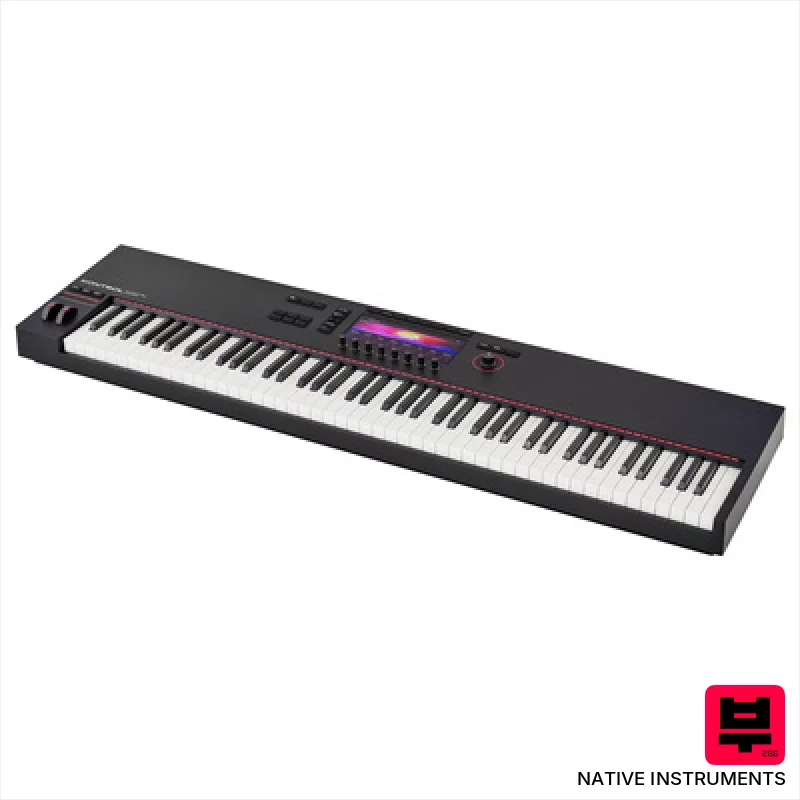
Native Instruments Kontrol S88 MK3
- • Excellent Fatar keybed delivers nuanced expression with polyphonic aftertouch.
- • High-resolution screen provides clear visual feedback and intuitive navigation.
- • Seamless Kontakt 7 integration simplifies complex instrument loading and control.
- • Comprehensive DAW integration streamlines workflow across major digital audio workstations.
- • Price point positions it as a premium investment for serious keyboardists.
- • Dependence on Native Instruments ecosystem limits flexibility with non-NI instruments.
- • 4D controller, while innovative, requires a learning curve to master effectively.
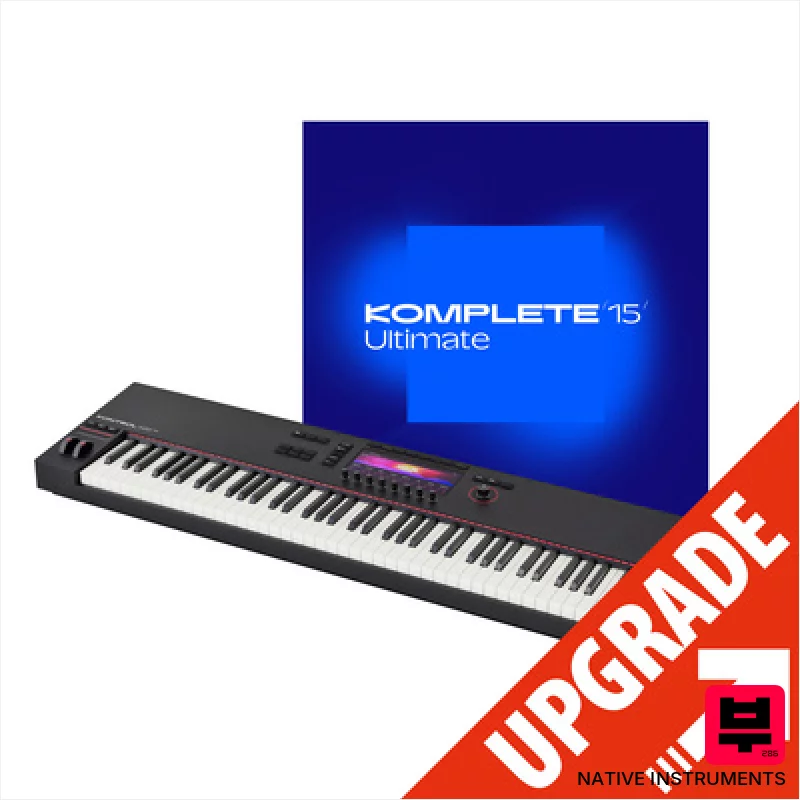
Native Instruments Kontrol S88 MK3 Kompl. 15 Ult.
- • Excellent Fatar keybed with responsive polyphonic aftertouch
- • Seamless integration with Native Instruments Komplete suite is superb
- • High-resolution screen simplifies preset browsing and editing
- • 4D controller offers intuitive manipulation of virtual instruments
- • Price point places it firmly in the premium-priced category
- • DAW integration, while broad, may require some initial setup
- • Limited physical controls beyond the core rotary encoders and 4D

M-Audio Hammer 88 Pro
- • Graded hammer action provides surprisingly realistic piano feel.
- • Assignable zones offer excellent flexibility for sound design.
- • Extensive DAW control features streamline workflow significantly.
- • RGB pads are responsive and well-suited for beat production.
- • Plastic construction feels somewhat budget-oriented, lacks premium heft.
- • Aftertouch implementation is basic; lacks nuanced expression.
- • OLED display is small, can be difficult to read in low light.

Arturia KeyLab 88 mk3 White
- • Robust aluminum chassis paired with warm wood accents feels exceptionally premium.
- • Fatar TP/110 action delivers a surprisingly realistic, nuanced piano feel.
- • Comprehensive DAW control and NKS support streamline workflow significantly.
- • The full-color screen provides clear visual feedback and customizable functionality.
- • The sheer size and weight make portability a genuine consideration for many users.
- • Limited modulation options beyond the standard wheels and faders can feel restrictive.
- • The included Komplete Select bundle, while valuable, isn't a full Komplete license.

Kawai VPC1 Stage Bundle
- • Exceptional RM3 Grand II action delivers nuanced, realistic piano feel.
- • Wooden keys with IvoryTouch surface provide authentic tactile response.
- • Comprehensive editor offers deep customization of touch and MIDI parameters.
- • Included F-30 triple pedal unit enhances pedal expression and realism.
- • Lacks built-in sounds; purely a MIDI controller, requiring external VSTs.
- • Significant weight makes transportation and setup a two-person job.
- • Limited physical controls; primarily reliant on software for adjustments.
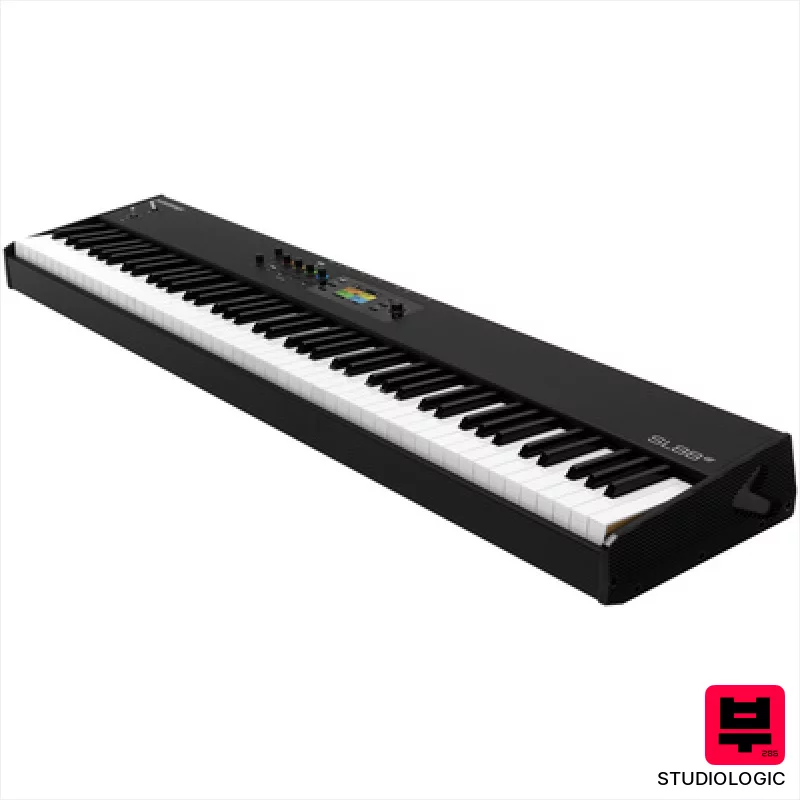
Studiologic SL88 GT mk2
- • TP/400 action provides realistic hammer feel and dynamic response.
- • Numa Player integration streamlines sample library workflow considerably.
- • Comprehensive MIDI 2.0 support future-proofs the controller's connectivity.
- • Solid build quality; the wood frame adds noticeable stability and heft.
- • The integrated audio interface, while convenient, is basic for serious recording.
- • Limited pad functionality – primarily for Numa Player navigation.
- • Size and weight make it less than ideal for smaller studios or frequent transport.

M-Audio Hammer 88
- • Solid 88-key weighted hammer action provides realistic piano feel
- • Included Skoove license offers a great value for beginners
- • Compact size and relatively lightweight for a full-size keyboard
- • Zone assignment features allow for creative layering and chord voicings
- • Plastic construction feels budget-oriented, lacks premium feel
- • Limited knob/fader control compared to higher-end master keyboards
- • USB power only option can be inconvenient for some setups
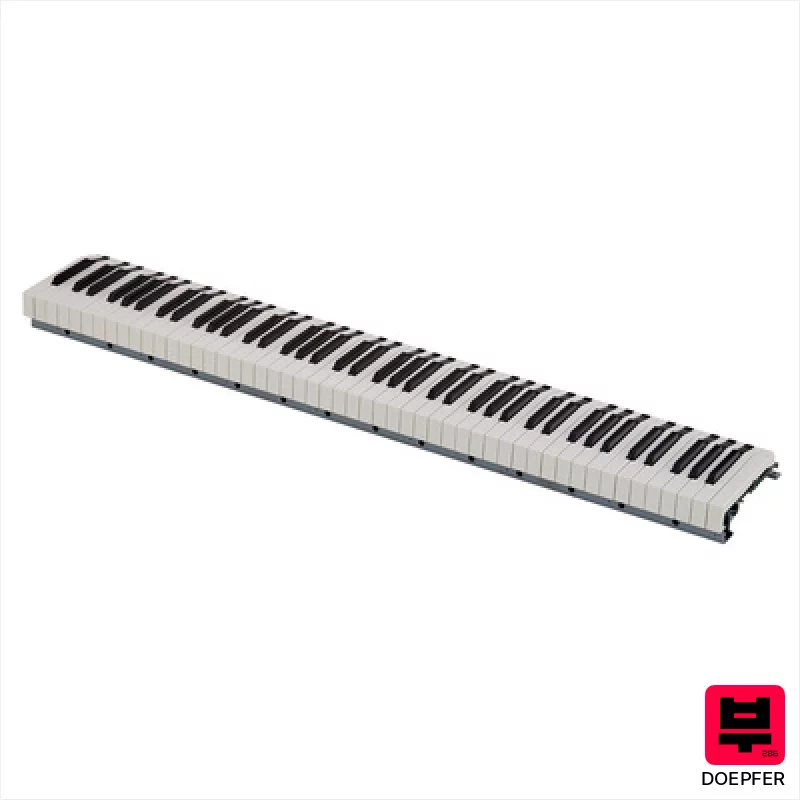
Doepfer PK88 GH without Case
- • Robust, industrial-grade build quality typical of Doepfer’s design.
- • The TP/40GH hammer action provides a surprisingly realistic piano feel.
- • USB MIDI connectivity offers seamless integration with DAWs and hardware.
- • Compact, barebones design minimizes footprint, ideal for modular setups.
- • Lacks a case, requiring separate purchase for protection and portability.
- • The barebones design means no onboard sounds or features beyond MIDI control.
- • TP/40GH action, while decent, isn't a premium Fatar or Renner.
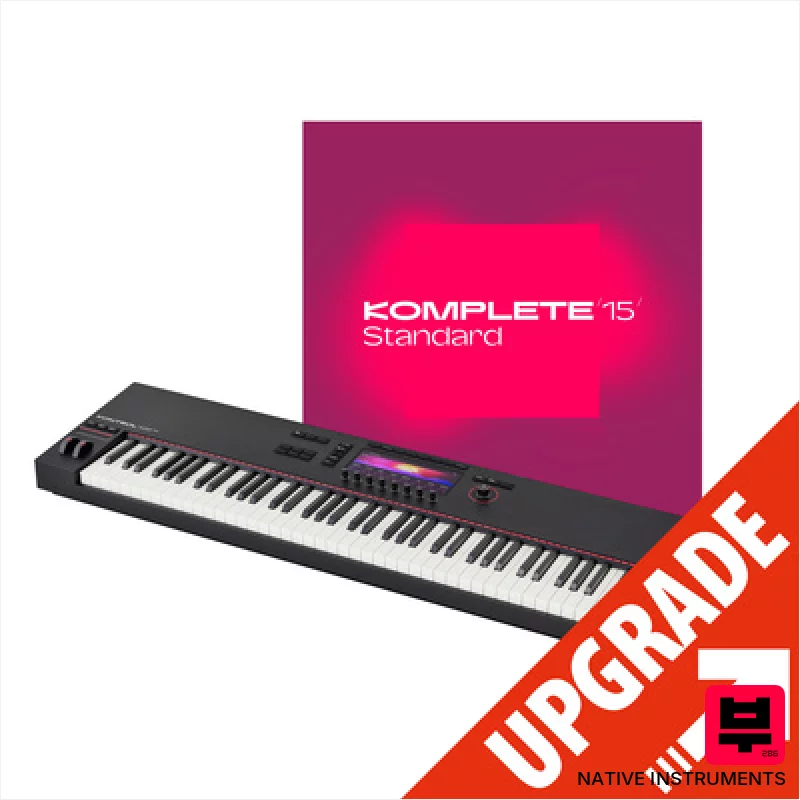
Native Instruments Kontrol S88 MK3 Komplete 15
- • Excellent Fatar keybed offers nuanced, expressive polyphonic aftertouch.
- • High-resolution screen vastly improves workflow and preset browsing.
- • Deep integration with Kontakt 7 streamlines sound design immensely.
- • Pre-configured mappings accelerate learning curve across a wide instrument range.
- • The considerable weight makes portability a significant challenge.
- • NI’s software ecosystem can feel overwhelming for newcomers.
- • Limited customizability beyond the pre-configured mappings.
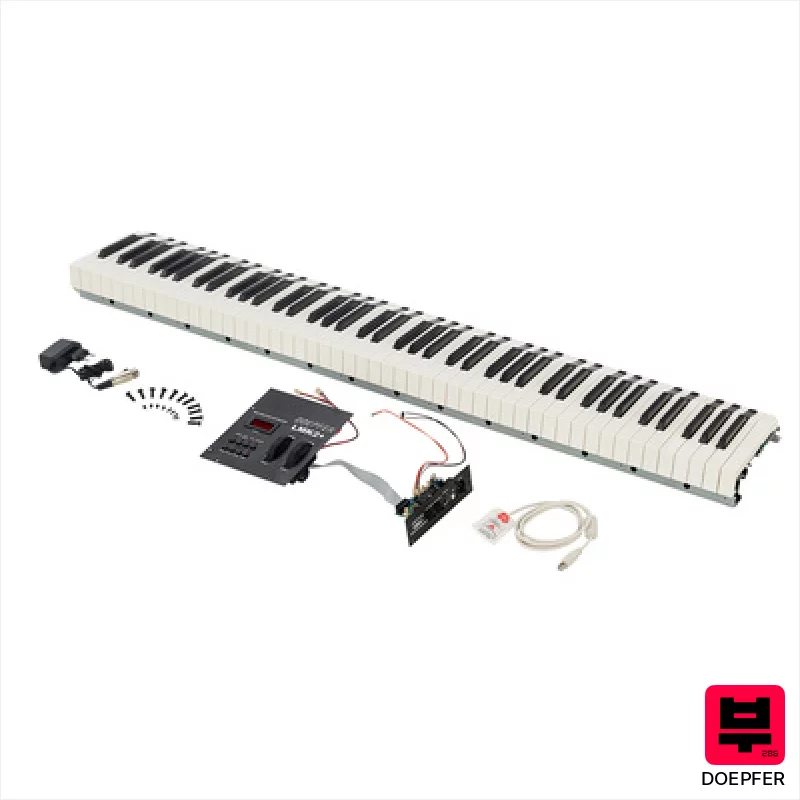
Doepfer LMK2+ 88 GH without Case
- • Excellent keybed with responsive, graded hammer action.
- • Flexible split zone functionality for complex setups.
- • Comprehensive MIDI implementation with USB and foot controller support.
- • Robust build quality typical of Doepfer’s precision engineering.
- • Lacks a case, requiring separate purchase for protection and transport.
- • The 'barebones' design isn't aesthetically pleasing for all users.
- • Limited knob/fader options for immediate tactile control.
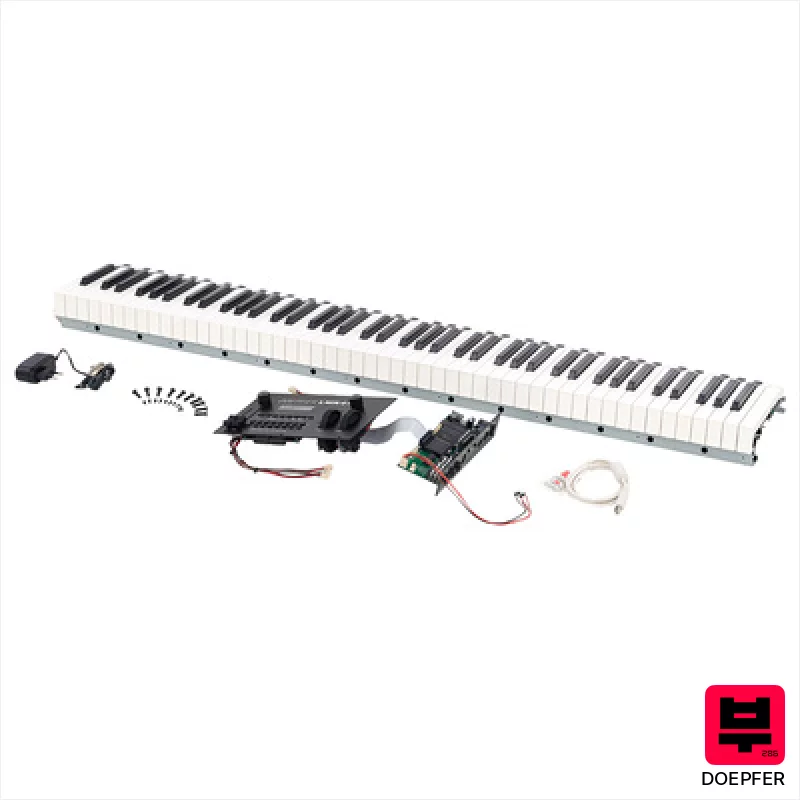
Doepfer LMK4+ 88 GH BL without Case
- • Solid hammer action offers excellent dynamic range and control
- • Comprehensive MIDI implementation caters to complex setups
- • Programmable faders and buttons provide extensive customization options
- • Compact, built-in design saves space in a studio environment
- • Lack of case requires separate purchase, increasing overall cost
- • Graduated hammer action may not suit all playing styles
- • Limited visual feedback on LCD screen can be challenging in low-light conditions
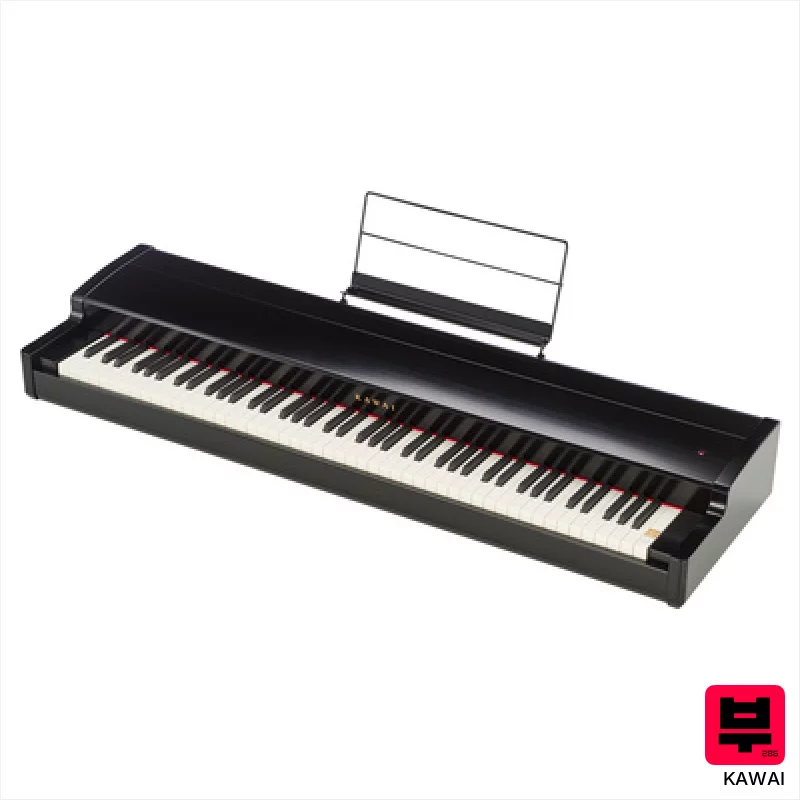
Kawai VPC1
- • RM3 Grand II action convincingly replicates acoustic piano feel
- • Wooden keys with IvoryTouch offer premium tactile realism
- • Comprehensive editor provides granular control over touch and MIDI
- • Included F-30 pedals provide authentic sustain and damper response
- • Limited onboard sounds; strictly a MIDI controller
- • Heavy and less portable than some competing models
- • Basic graphic interface feels dated compared to modern software
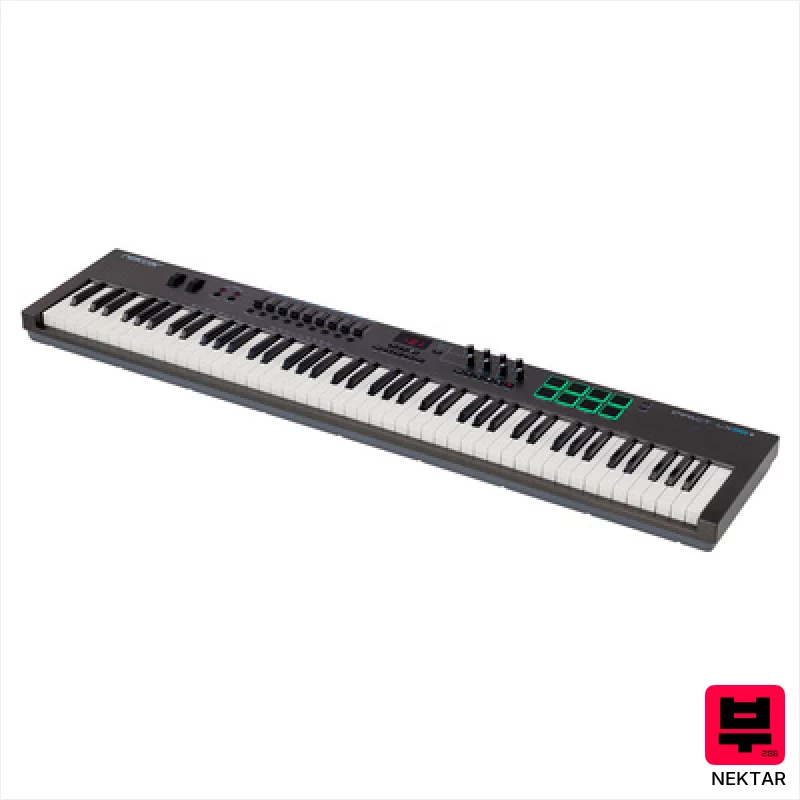
Nektar Impact LX88+
- • 88-key velocity sensitivity provides a realistic piano playing experience
- • Solid build quality with a surprisingly robust plastic chassis for the price
- • Comprehensive DAW integration streamlines workflow and reduces mouse reliance
- • Assignable buttons and faders offer deep customization for various software
- • Plastic key action lacks the nuance of a fully weighted keyboard
- • Limited pad sensitivity compared to higher-end MIDI controllers
- • The overall aesthetic feels somewhat utilitarian and lacks premium flair

Doepfer LMK4+ 88 GH black
- • Solid, weighty build with robust black front and back panels
- • TP/40GH action provides a surprisingly realistic, graded hammer feel
- • Comprehensive MIDI connectivity for deep integration with modular setups
- • Clear, bright LCD displays offer excellent visibility in various lighting conditions
- • The TP/40GH action, while good, isn't quite on par with high-end acoustic piano actions
- • Limited onboard sounds – purely a MIDI controller, requires external sound sources
- • The extensive menu system can take time to fully master and customize
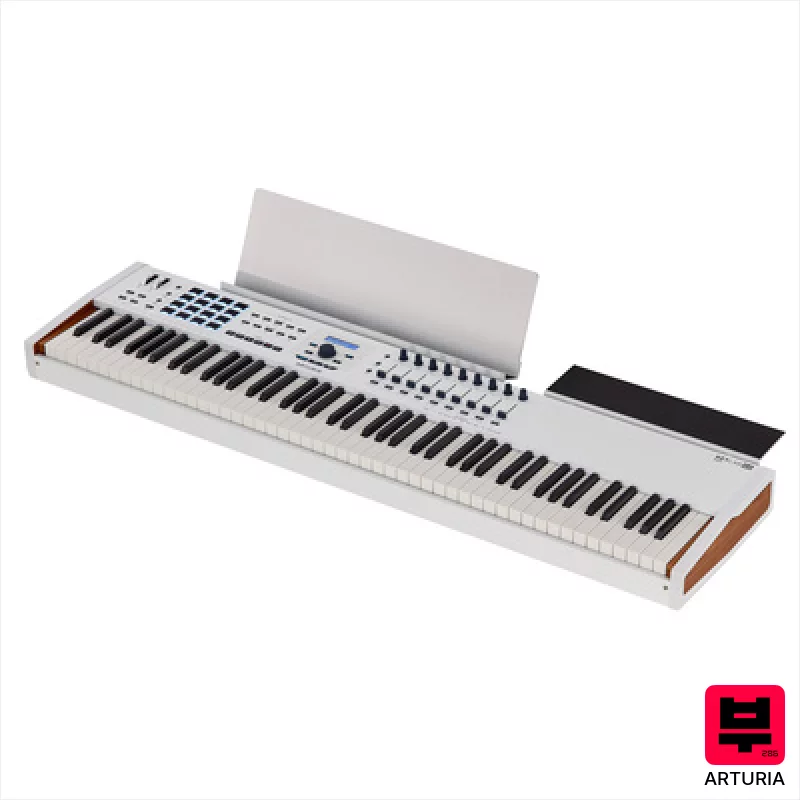
Arturia KeyLab 88 MkII
- • Solid Fatar TP100LR keybed provides excellent, realistic weighted piano feel.
- • Aluminum chassis and wood side panels create a premium, substantial build quality.
- • Comprehensive DAW integration with magnetic templates simplifies workflow immensely.
- • CV/Gate connectivity unlocks deep integration with modular synth setups.
- • The sheer size and weight make it less ideal for smaller spaces or travel.
- • While versatile, the included sounds are decent but not a substitute for high-end VSTs.
- • Aftertouch sensitivity, while present, isn't as expressive as some higher-end keybeds.
How to Choose the Best Master Keyboards (up to 88 Keys)
Key Action
This is paramount. A heavy, clunky action will kill your articulation; a too-light action feels unresponsive. We're looking for something with a good balance - enough resistance to provide control, but not so much that it fights you. Fatar keybeds are generally a safe bet, but voicing and calibration matter just as much.
Velocity Sensitivity & Curve
A great recording thrives on dynamic range. The keyboard needs to accurately reflect your playing - soft whispers and powerful slams should be distinct. A poorly implemented velocity curve will squash your dynamics, making everything sound flat and lifeless. Look for adjustable curves or aftertouch sensitivity.
Aftertouch
Ribbon controllers and aftertouch are huge for adding expressive textures. Subtle pitch bends, filter sweeps, or volume swells - these details elevate a MIDI performance from sterile to soulful. While not essential, it's a huge bonus for sound design and nuanced performances.
Connectivity & Routing
Studio recording demands flexibility. Multiple MIDI outputs for sending to different instruments, robust USB MIDI capabilities, and the ability to integrate with your DAW are non-negotiable. Consider if you need dedicated outputs for sustain, expression, and other continuous controllers.
Build Quality & Ergonomics
Let's be honest, these aren't cheap instruments. Solid construction, a comfortable angle, and well-placed controls are essential for long studio sessions. A wobbly keyboard or awkward layout will distract you and impact your performance.
Buying Guide
Don't get swayed by bells and whistles you won't use. A heavy, well-built action is worth more than a million knobs you'll never touch. Cheaper models often cut corners on keybed quality, resulting in a mushy feel and poor articulation - it'll bleed into your recordings. Spend your money on a board with a responsive action and good connectivity; those are the features that'll actually make a difference.
Our Methodology
We've spent countless hours behind these keys, both in our studio and replicating real-world recording scenarios. Our evaluations aren't based on spec sheets; we're A/B'ing against industry-standard pianos and synths, judging the key action, the velocity curve, and how each board handles subtle dynamics. It's about feeling the difference, hearing the difference, and knowing what truly translates to a killer recording.

