
Best Arturia Master Keyboards (up to 88 Keys) 2026
So, you're looking for an Arturia Master Keyboard, huh? Smart move. They've carved out a real niche for themselves, offering a blend of genuine feel, solid integration with their software ecosystem, and a distinctive sonic character that's become their calling card. Whether you're layering orchestral pads, slamming vintage synths, or just need a reliable controller for your DAW, Arturia's got options - but picking the right one can be tricky.
Last updated: April 11, 2026
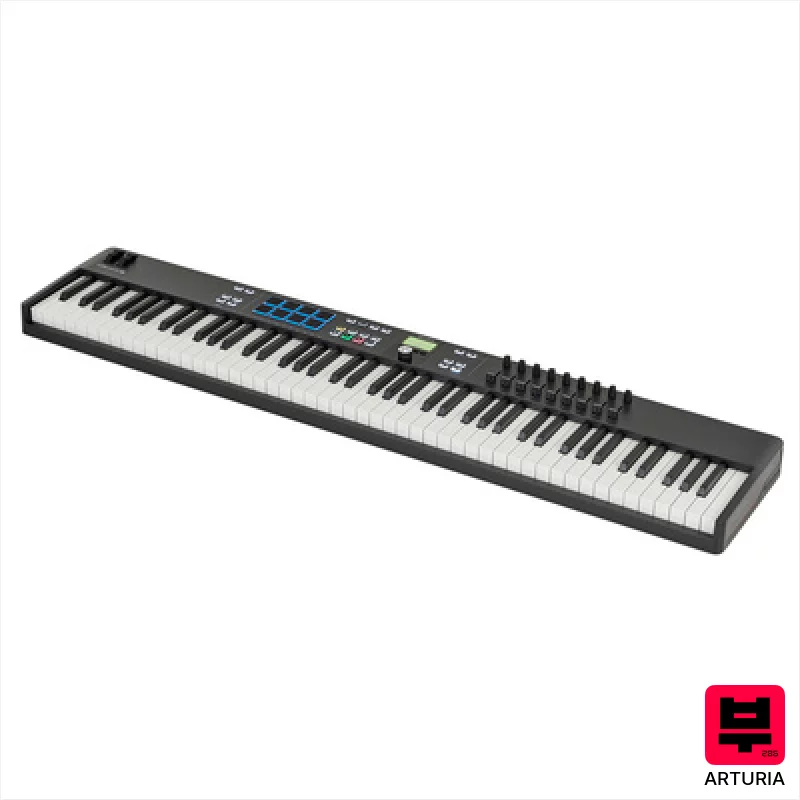
Arturia KeyLab Essential 88 mk3 Black
- • Solid 88-key action provides a surprisingly expressive playing experience.
- • Analog Lab integration streamlines workflow and offers immediate sonic inspiration.
- • Comprehensive transport controls offer DAW integration beyond simple note input.
- • The included Komplete Select bundle expands sound palette significantly.
- • The plastic chassis feels a little less premium than higher-end competitors.
- • 88-key size makes it less ideal for smaller studio spaces or travel.
- • Key action, while decent, lacks the nuanced feel of fully-weighted piano keys.
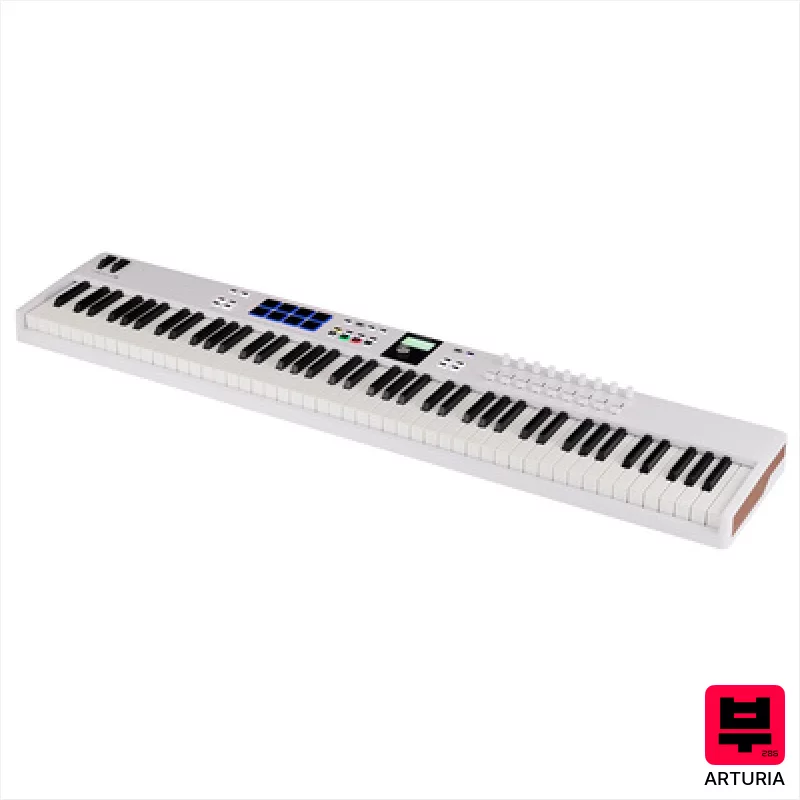
Arturia KeyLab Essential 88 mk3 White
- • Excellent 88-key action provides a surprisingly responsive and expressive playing experience.
- • Solid build quality with a matte white finish feels premium and durable.
- • Comprehensive DAW control with Mackie/HUI compatibility streamlines workflow.
- • Analog Lab integration offers a vast library of instantly usable sounds and presets.
- • The weight makes it less portable; definitely a studio-bound instrument.
- • Key action, while good, isn't a fully weighted, graded hammer action.
- • Limited customization options for the LCD display's information.

Arturia KeyLab 88 mk3 Black
- • Robust aluminum chassis with wood panels feels exceptionally solid and premium.
- • Fatar TP/110 keybed delivers a surprisingly realistic, nuanced hammer action.
- • Comprehensive DAW control and NKS support streamlines workflow significantly.
- • Bright, clear 3.5” screen offers excellent visual feedback for parameter adjustments.
- • Aftertouch, while present, is a bit subtle and may not satisfy all players.
- • The included Komplete Select bundle, while valuable, is a one-time offering.
- • Size and weight make it less ideal for smaller spaces or mobile setups.

Arturia KeyLab 88 mk3 White
- • Robust aluminum chassis paired with warm wood accents feels exceptionally premium.
- • Fatar TP/110 action delivers a surprisingly realistic, nuanced piano feel.
- • Comprehensive DAW control and NKS support streamline workflow significantly.
- • The full-color screen provides clear visual feedback and customizable functionality.
- • The sheer size and weight make portability a genuine consideration for many users.
- • Limited modulation options beyond the standard wheels and faders can feel restrictive.
- • The included Komplete Select bundle, while valuable, isn't a full Komplete license.
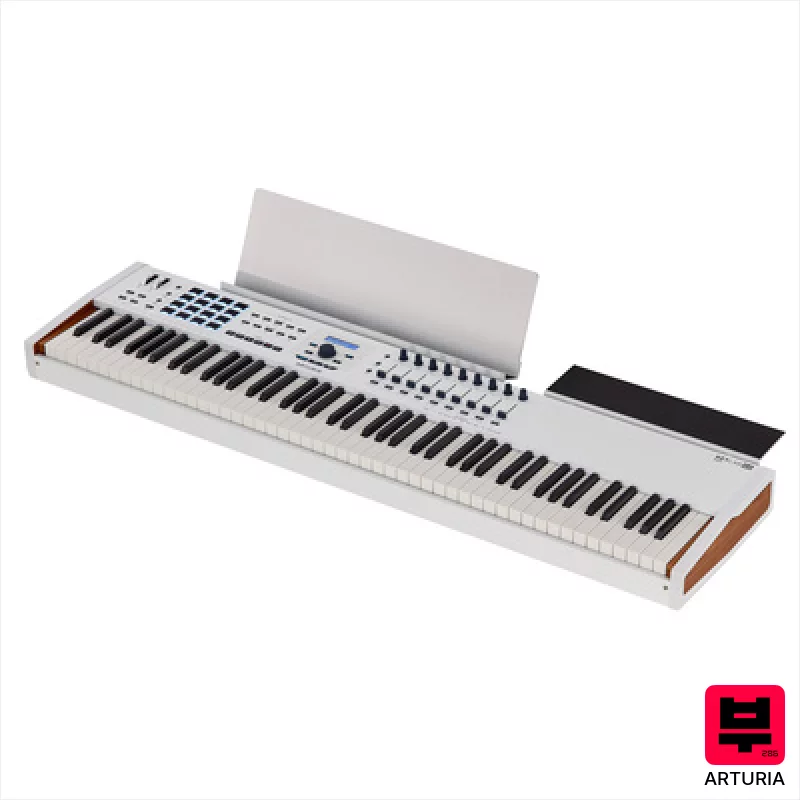
Arturia KeyLab 88 MkII
- • Solid Fatar TP100LR keybed provides excellent, realistic weighted piano feel.
- • Aluminum chassis and wood side panels create a premium, substantial build quality.
- • Comprehensive DAW integration with magnetic templates simplifies workflow immensely.
- • CV/Gate connectivity unlocks deep integration with modular synth setups.
- • The sheer size and weight make it less ideal for smaller spaces or travel.
- • While versatile, the included sounds are decent but not a substitute for high-end VSTs.
- • Aftertouch sensitivity, while present, isn't as expressive as some higher-end keybeds.
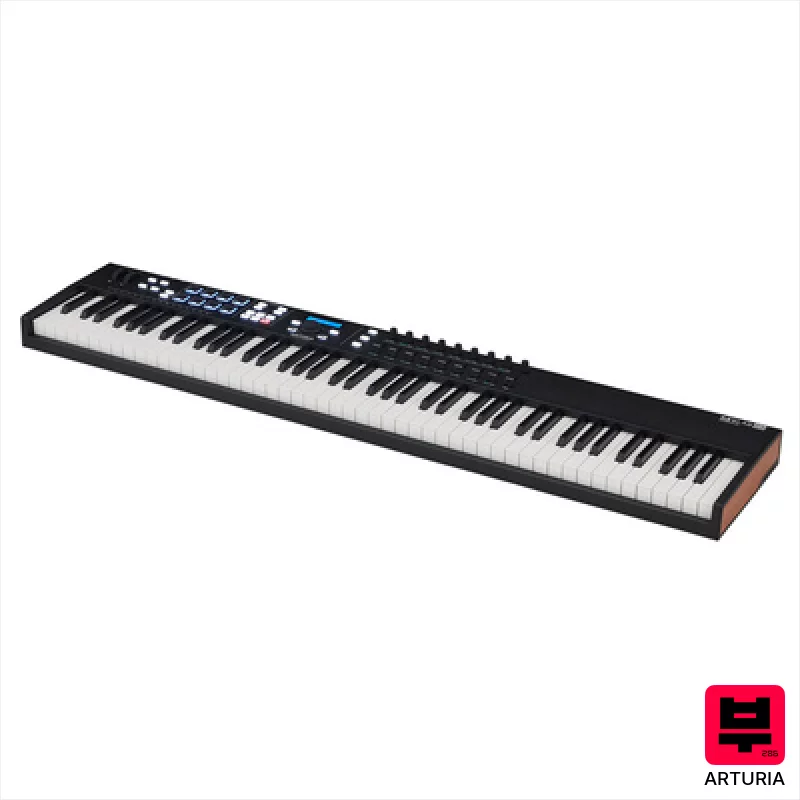
Arturia KeyLab Essential 88 BE
- • 88-key action provides a surprisingly realistic piano feel.
- • Velocity-sensitive pads offer expressive, tactile drum programming.
- • Solid build quality with a robust metal chassis inspires confidence.
- • Included Analog Lab software provides immediate, inspiring sounds.
- • Key action, while decent, lacks the nuance of higher-end weighted keys.
- • The black edition finish is prone to fingerprinting and smudging.
- • Limited DAW control surface customization beyond basic Mackie/HUI.
How to Choose the Best Master Keyboards (up to 88 Keys)
Keybed Feel
Arturia's keybeds aren't Fatar - they're proprietary. While some early models felt a little light, the current generation is surprisingly good, offering a decent amount of resistance and a satisfying 'thump' when you hit a note. It's not a Nord, but it's closer than you might think, especially with the heavier action options.
Software Integration
This is where Arturia really shines. The seamless integration with their Analog Lab, V Collection, and other software instruments is a huge time-saver. It's not just about MIDI mapping; it's about deep control and instant access to sounds - a real boon for live performance.
Tone Characteristics (Keybed Voicing)
Arturia's keybeds have a unique voicing - a subtle warmth and richness that some find preferable to the often brighter feel of Fatar. It's not a huge difference, but it impacts the overall feel and response, especially when using velocity and aftertouch.
Build Quality & Ergonomics
The build quality is generally solid, though the plastic casing on some models can feel a little less premium than the metal ones. The key layouts and controls are well-thought-out, though the sheer number of knobs and buttons can be overwhelming at first - something to consider for smaller spaces or less experienced players.
Size & Weight (Portability)
From the compact Stage Piano to the hefty 88-key behemoths, Arturia offers a range of sizes. Be realistic about how you'll be transporting it - those 88-key models are heavy, and not something you're casually tossing in the back of a hatchback.
Buying Guide
Don't chase the biggest key count unless you genuinely need it. The extra weight and footprint aren't worth it for casual use. Pay attention to the keybed action - the heavier models offer a more professional feel, but require more force. And seriously, explore the software integration - it's a major selling point and can unlock a ton of creative potential.
How This List Is Built
We don't play these instruments — we're a catalog, not a review desk, and we'd rather say so than pretend otherwise. This page ranks 6 master keyboards (up to 88 keys) from the Thomann catalogue, which is the largest single source of specification data in this category.
Position is computed, not curated. Four signals, in order of weight: how completely the manufacturer documents the instrument (number of published specifications), where it sits in the price range, how specific the model designation is — which filters out generic accessories — and whether a product image exists. The same inputs always produce the same order, so nothing here is shuffled to look fresh.
What this list is good for: narrowing a category down to a shortlist by spec and budget. What it isn't: a substitute for hearing an instrument. Before you buy, read hands-on reviews and, where you can, play it. Full methodology.

