AudioFu Chart · October 2026
Best Lefthanded Violins Under $500 2026
The top pick is Gewa Allegro Violin 4/4 LH ($280). Ranked by the AudioFu Index from 2 models, prices checked every night.
Last updated: October 18, 2026
Top 2
Full detail for the 2 highest AudioFu Index scores. Every other model is listed below.
-
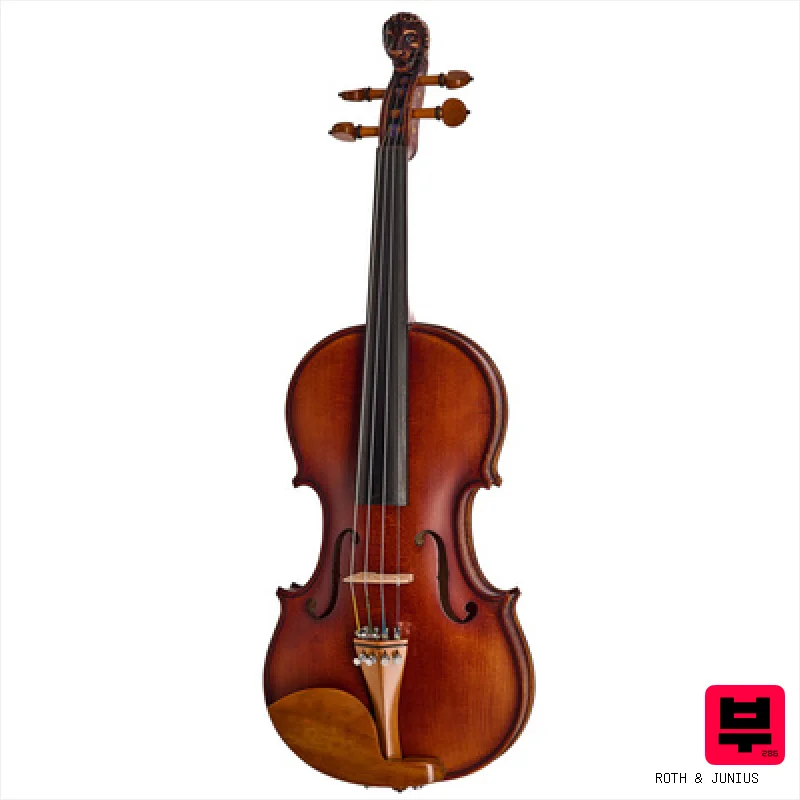
- Size4/4 size
The Gewa Allegro LH is a solid entry-level instrument for left-handed violin students. It provides a surprisingly good tone for the price point, with respectable materials like solid spruce and maple. It's an excellent choice for beginners or those needing a reliable, affordable practice violin.
Pros
- European spruce top delivers a surprisingly resonant and clear fundamental tone.
- Solid maple back and sides contribute to a warm, focused projection.
- Ebony fingerboard provides a smooth, consistent playing surface for left-handed players.
Cons
- Hand-applied varnish, while attractive, can be a bit thick and dampen the high frequencies.
- Pegs might require adjustment by a luthier to ensure perfect tuning stability.
64AudioFu
IndexStableno change since Aug 17Aug 17$280 now$280€249 at Thomann · in stockCheck price ↗ -
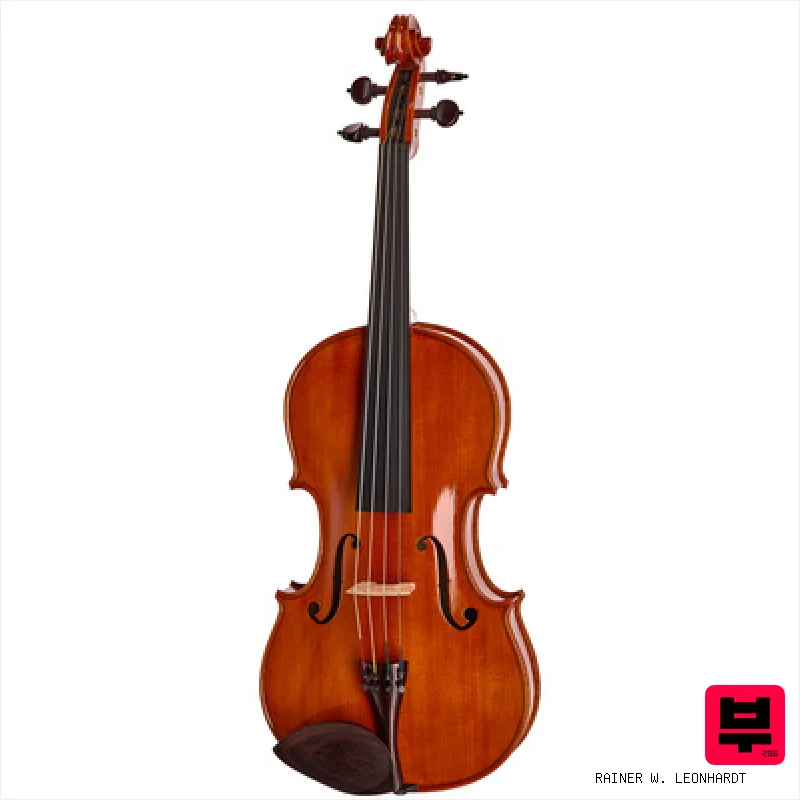
- Size4/4 size
The Gewa Ideale LH is a solid entry-level left-handed violin, offering a good foundation for beginners or students. The all-solid construction and quality European tonewoods contribute to a surprisingly mature sound for its class. It's an excellent choice for a student needing a reliable, affordable instrument without sacrificing too much in terms of tonal quality.
Pros
- Solid European tonewoods deliver a surprisingly resonant and warm tone.
- Ebony fittings provide excellent response and a smooth playing experience.
- Hand-varnished finish enhances the wood's natural beauty and acoustic properties.
Cons
- The medium flame maple can appear somewhat unremarkable aesthetically to discerning eyes.
- While decent, the Larsen Aurora strings are a starting point and may be upgraded for optimal sound.
64AudioFu
IndexStableno change since Aug 17Aug 17$325 now$325€289 at Thomann · in stockCheck price ↗
Lefthanded Violins by the numbers
Measured across all 10 models we track, not a sample.
Median $404 — half of all lefthanded violins here cost less.
most common · 10 models
How to choose the best lefthanded violins
Tonewood
In this price range, expect spruce tops and maple backs - that's standard. The quality of the wood varies wildly, and that's a huge factor in the overall tone. Look for even grain patterns - it's not a guarantee of great sound, but it's a sign the manufacturer at least tried.
Setup & Playability
A terrible setup can ruin even a good instrument. High action (string height) makes it hard to play, and a warped neck will make intonation a nightmare. Ideally, you'll want to take it to a luthier for a proper setup, but some come closer out of the box than others.
Bow Quality
Don't underestimate the bow! A cheap bow can choke the life out of a decent violin. Look for a bow with decent horsehair tension and a smooth response - it shouldn't feel sticky or require excessive rosin.
Construction & Hardware
Pay attention to the chin rest, pegs, and tailpiece. Cheap plastic components will feel flimsy and affect tuning stability. Solid ebony fittings are a plus, but rare at this price point.
Overall Articulation & Projection
Does the violin respond well to different bowing techniques? Can it cut through a band mix without sounding shrill? A good violin will have a dynamic range and a clear, focused tone, even at lower volumes.
Buying guide
Finding a decent left-handed violin under $500 is a challenge, let's be honest. Most of what's out there feels like a gamble, and you don't want to spend your hard-earned cash on something that'll sound thin and lifeless or, worse, be a pain to play. I've seen a lot of fiddles come and go over the years, so here's a breakdown of what to realistically expect and a few options that offer the most bang for your buck.
Realistically, at this price, you're making trade-offs. Expect a brighter, less complex tone than you'd get with a higher-end instrument. The neck profile might not be ideal, and you'll almost certainly want a luthier to tweak the action.
Don't chase "warmth" - you're more likely to get a muddy sound. Focus on clarity and responsiveness, and be prepared to put in some work to make it your own.
How the AudioFu Index works
Five measured signals and nothing else — no stars from strangers, no “tested by experts” we didn’t do. The weights are fixed and public. We don’t play these instruments; we measure the market around them.
This chart covers 10 lefthanded violins from the Thomann catalogue. Before you buy, read hands-on reviews and, where you can, play it. Full methodology.
AudioFu earns a commission when you buy through our Thomann links. It never changes the order — the index does.
- Demand40%
How many of this exact model are for sale on Reverb right now — what musicians actually buy and resell.
- Lineup20%
How many finishes Thomann stocks — makers expand the models that sell.
- Price15%
Where the price has moved since we started tracking in August.
- Specs15%
How completely the maker documents it.
- Maker10%
How deep the brand’s range is in this category.
Questions
Are these violins suitable for beginners?
Absolutely, but a lesson or two with a good teacher is vital. Bad habits are hard to break, and a decent setup will make learning much easier and more enjoyable.
Can I record these violins?
You can, but mic placement and EQ will be crucial. Don't expect a studio-quality sound straight out of the box. A little compression and some careful tweaking can help, but the limitations of the instrument will be apparent.
What does 'setup' involve?
It's a luthier's job: adjusting the bridge position, lowering the action, ensuring proper intonation, and sometimes even addressing minor neck issues. It's a worthwhile investment.
What's the difference between a 'student' violin and a 'beginner' violin?
Often, very little. 'Student' usually implies a slightly higher build quality and potentially better materials, but it's mostly marketing. Play before you buy.
What about electric violins in this price range?
Electric violins at this price point are often a compromise. They might have a brighter, less resonant acoustic tone and a less-than-stellar pickup voicing. If you need amplification, consider a decent acoustic violin and a separate pickup system.