
Best Lefthanded Violins for Beginner 2026
So, you're left-handed and want to dive into the violin world? Awesome! Finding a decent, playable instrument can be a pain, especially when you're starting out. It's not just about flipping a right-handed violin - the setup, the feel, everything needs to be right to avoid frustration and build good habits. We've spent a lot of time looking at options, and this guide is about finding something that'll actually help you learn, not hold you back.
Last updated: September 29, 2026
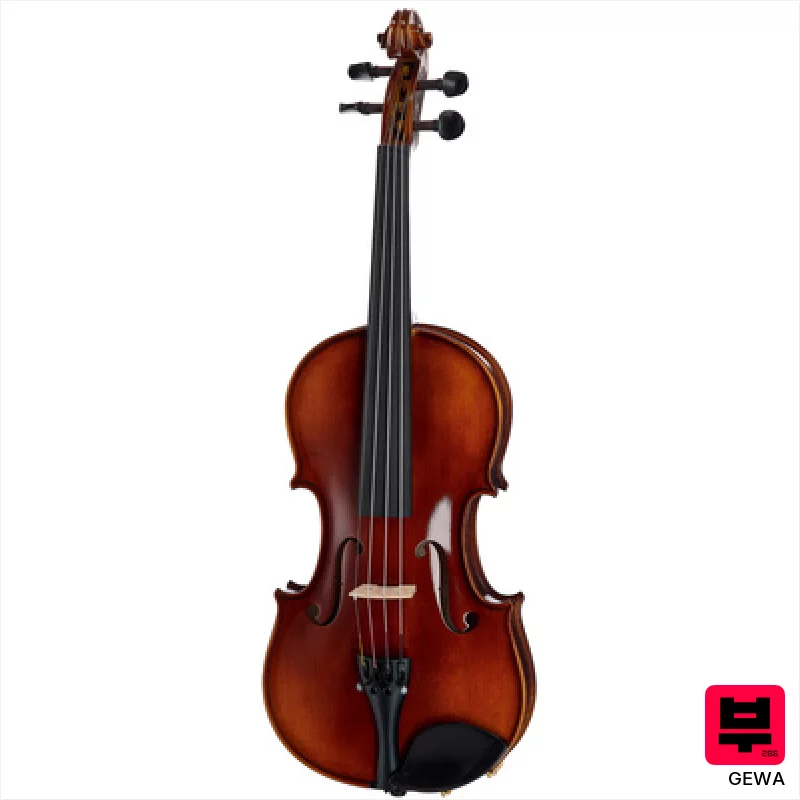
Gewa Allegro Violin 4/4 LH
- • European spruce top delivers a surprisingly resonant and clear fundamental tone.
- • Solid maple back and sides contribute to a warm, focused projection.
- • Ebony fingerboard provides a smooth, consistent playing surface for left-handed players.
- • Aubert bridge and Larsen Aurora strings offer a good starting point for a balanced sound.
- • Hand-applied varnish, while attractive, can be a bit thick and dampen the high frequencies.
- • Pegs might require adjustment by a luthier to ensure perfect tuning stability.
- • The Wittner tailpiece, while functional, isn't the most refined aesthetic choice.
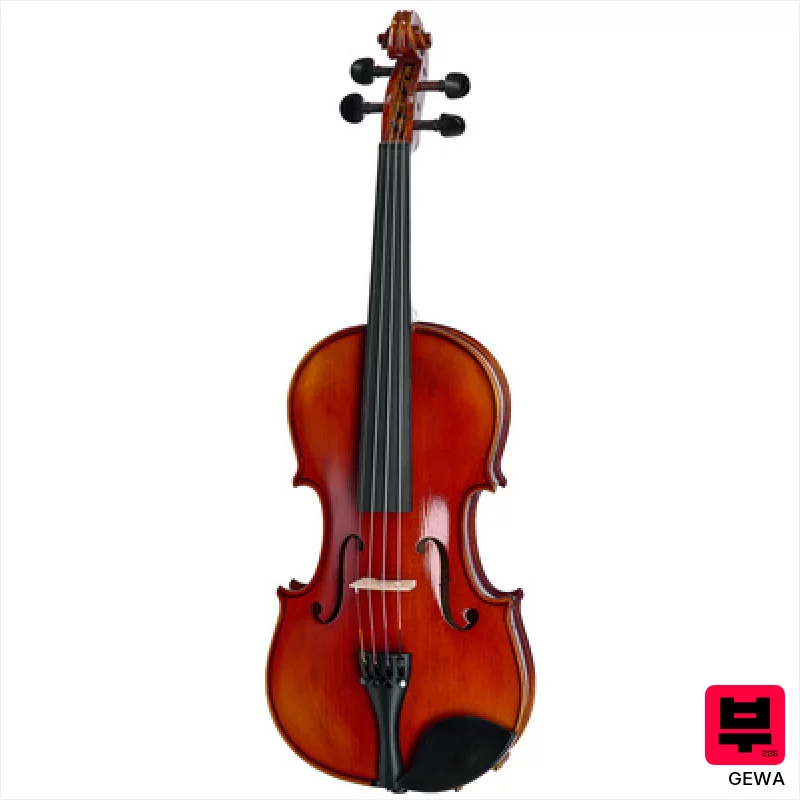
Gewa Ideale Violin 4/4 LH
- • Solid European tonewoods deliver a surprisingly resonant and warm tone.
- • Ebony fittings provide excellent response and a smooth playing experience.
- • Hand-varnished finish enhances the wood's natural beauty and acoustic properties.
- • Aubert bridge contributes to improved projection and sustain compared to standard options.
- • The medium flame maple can appear somewhat unremarkable aesthetically to discerning eyes.
- • While decent, the Larsen Aurora strings are a starting point and may be upgraded for optimal sound.
- • The Wittner fine tuners, while functional, are a basic inclusion at this price point.
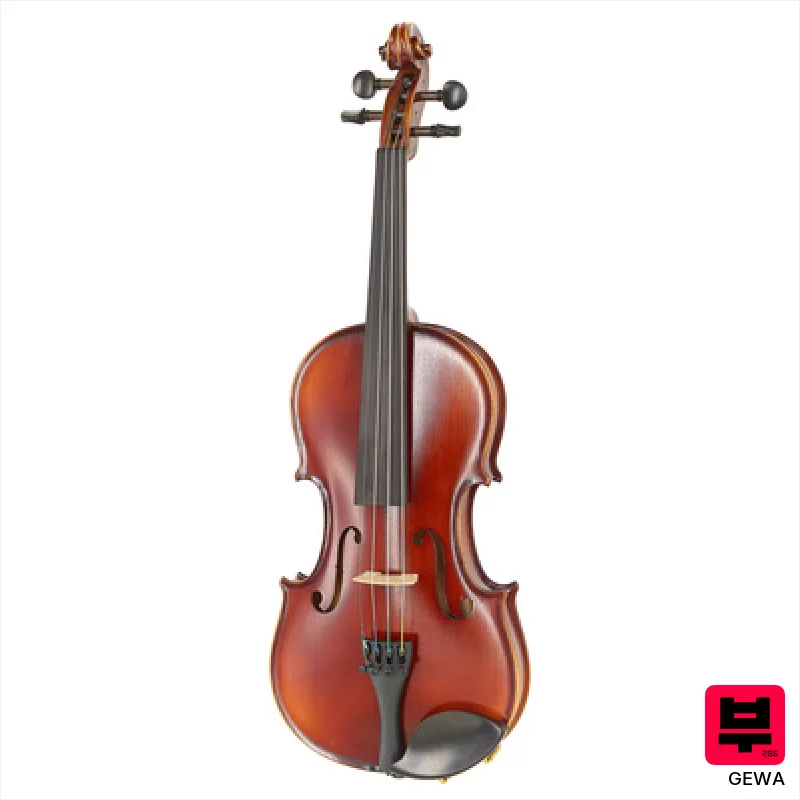
Gewa Allegro Violin 4/4 SC LH MB
- • Solid European spruce top delivers a surprisingly warm, resonant tone.
- • Ebony fittings (fingerboard, pegs, chinrest) offer a refined playing experience.
- • Hand-varnished finish enhances tonal projection and aesthetic appeal.
- • Massaranduba bow provides a decent starting point for bowing technique.
- • The Massaranduba bow, while included, will likely need upgrading for serious playing.
- • The inlaid purfling, while visually nice, is a purely cosmetic addition.
- • The 'medium flaming' on the back isn't as striking as higher-grade instruments.
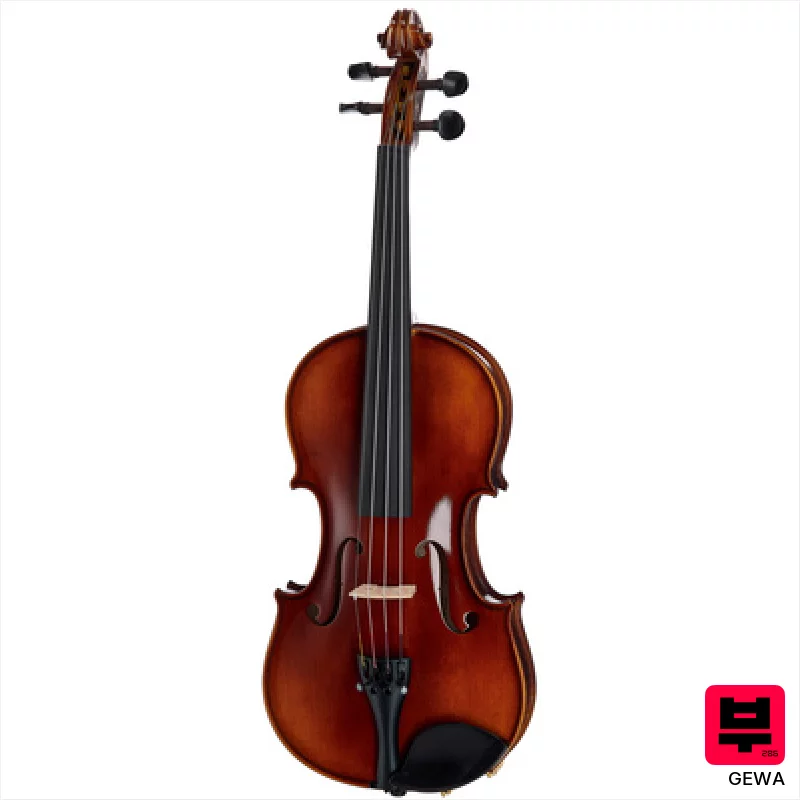
Gewa Allegro Violin 4/4 SC LH CB
- • Solid European tonewoods deliver a surprisingly warm, resonant tone.
- • Ebony fittings enhance playability and contribute to a refined aesthetic.
- • Hand-varnished finish provides a pleasing look and allows the wood to breathe.
- • Includes quality accessories like Larsen Aurora strings and a carbon bow.
- • The carbon fiber bow, while functional, lacks the responsiveness of a pernambuco bow.
- • The brown-amber varnish, while attractive, might appear a bit thick for some tastes.
- • While well-made for the price, the overall construction lacks the refinement of higher-end instruments.
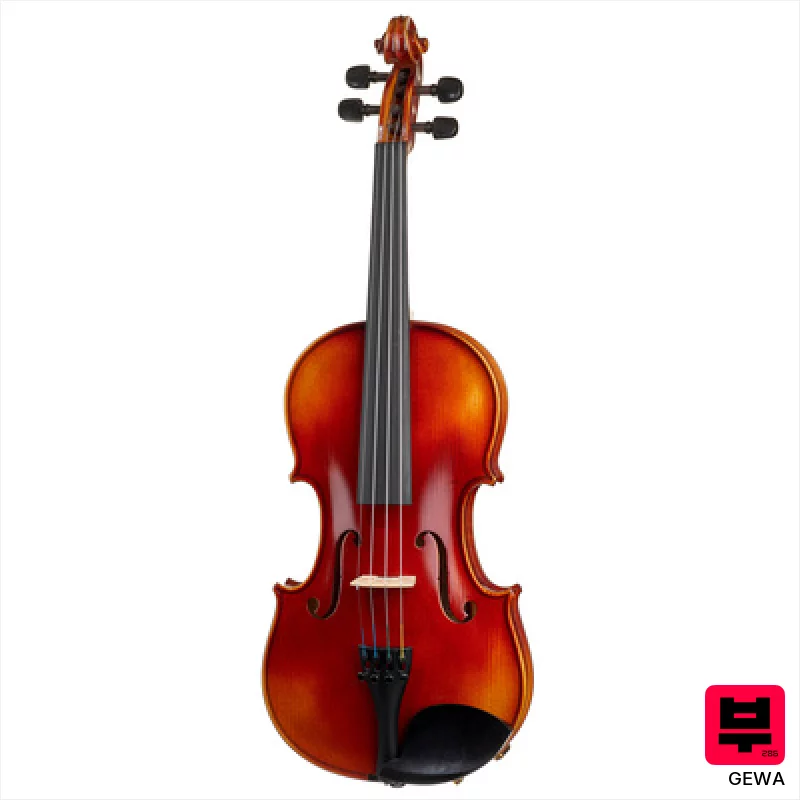
Gewa Ideale Violin 4/4 SC LH MB
- • Solid European tonewoods provide a surprisingly resonant and warm tone.
- • Hand-varnished finish contributes to a mature, responsive acoustic character.
- • Aubert bridge enhances projection and clarity across the register.
- • Massaranduba bow offers a decent starting point for tone development.
- • Massaranduba bow will likely need replacement for serious playing.
- • Ebony fittings, while standard, are a bit basic for advanced players.
- • The case, while functional, feels a little lightweight and less protective.
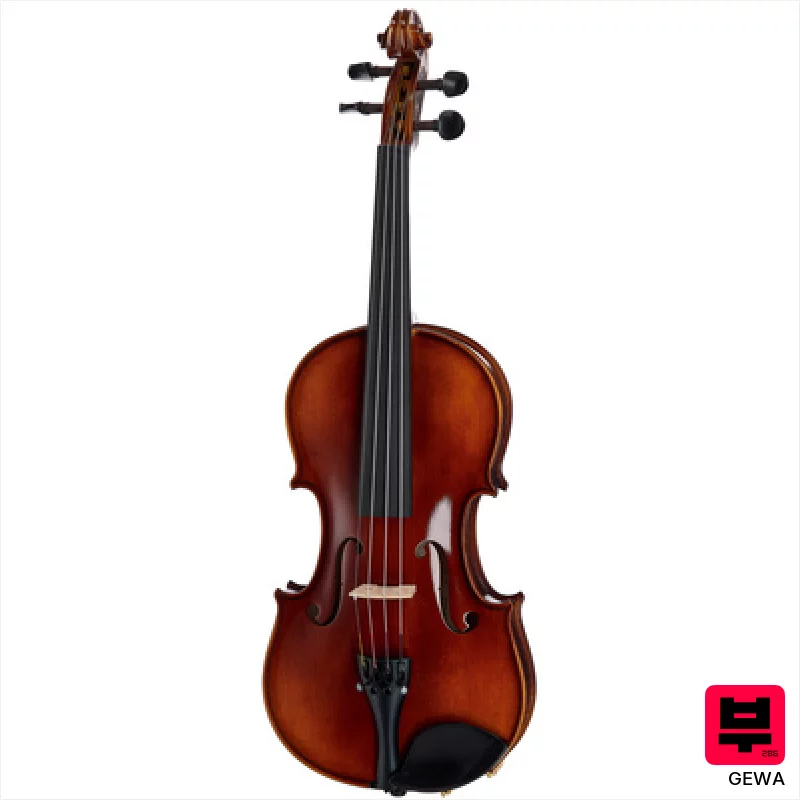
Gewa Allegro Violin 4/4 OC LH MB
- • Solid European spruce top delivers a surprisingly resonant and warm tone.
- • Hand-varnished finish enhances the wood's natural acoustic properties.
- • Aubert bridge provides decent projection and responsiveness for a student instrument.
- • Massaranduba bow offers a surprisingly good feel and responsiveness for its price point.
- • The ebony fingerboard, while genuine, may exhibit some minor imperfections common at this price.
- • The included case, while functional, is relatively basic and lacks premium protection.
- • The Larsen Aurora strings are a good start, but upgrading will significantly improve the sound.
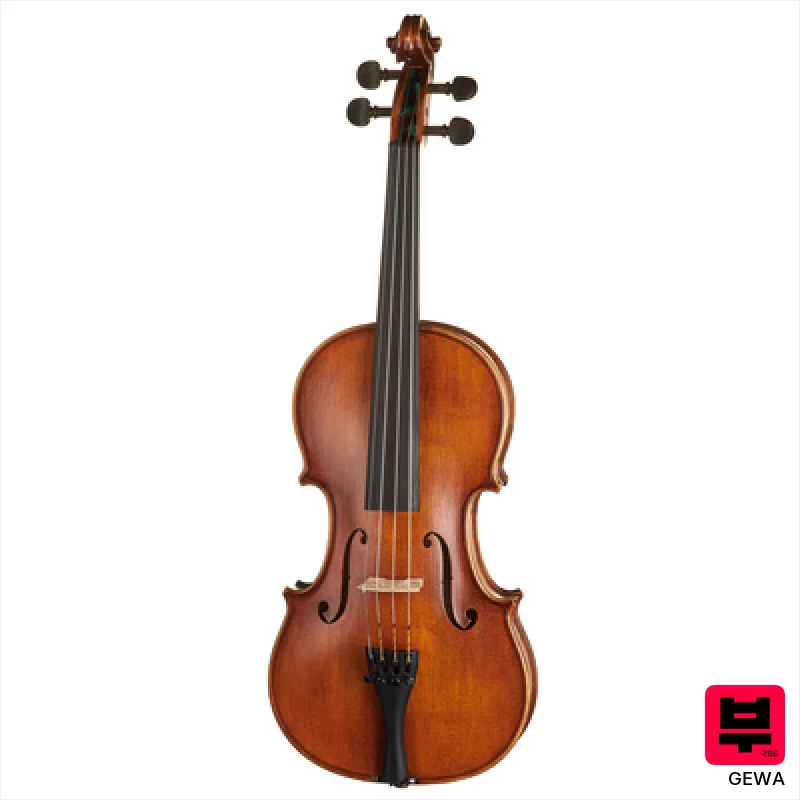
Gewa Germania 11L Berlin Violin 4/4
- • Selected spruce top delivers a warm, responsive, and mature tonal character.
- • European sycamore maple back/sides contribute to excellent projection and clarity.
- • Ebony fingerboard provides a smooth playing experience and excellent note definition.
- • Larsen Il Cannone strings offer a vibrant, focused sound with good sustain.
- • The hand-applied varnish, while thin, can be sensitive to improper care and cleaning.
- • Gewas, while reliable, don’t quite reach the prestige of Stradivari or Guarneri instruments.
- • Left-handed instruments often have slightly reduced resale value compared to right-handed models.
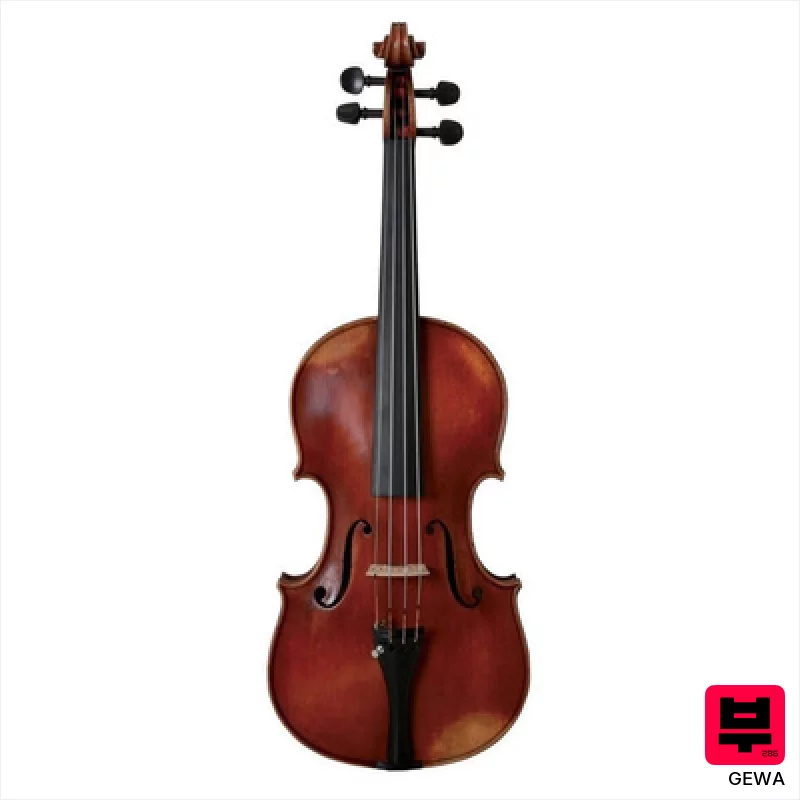
Gewa Germania 11L Rom Violin 4/4
- • Excellent spruce top yields a surprisingly warm, resonant tone.
- • Thin, spirit-based varnish promotes fast response and clarity.
- • European sycamore maple back/sides offer excellent projection and sustain.
- • Wittner tailpiece with fine tuners allows for precise intonation adjustments.
- • The spirit varnish, while responsive, might be delicate for very young or rough players.
- • Gewas are generally a good value, but the bow included is a basic model.
- • Left-handed models sometimes have slight cosmetic differences compared to right-handed versions.
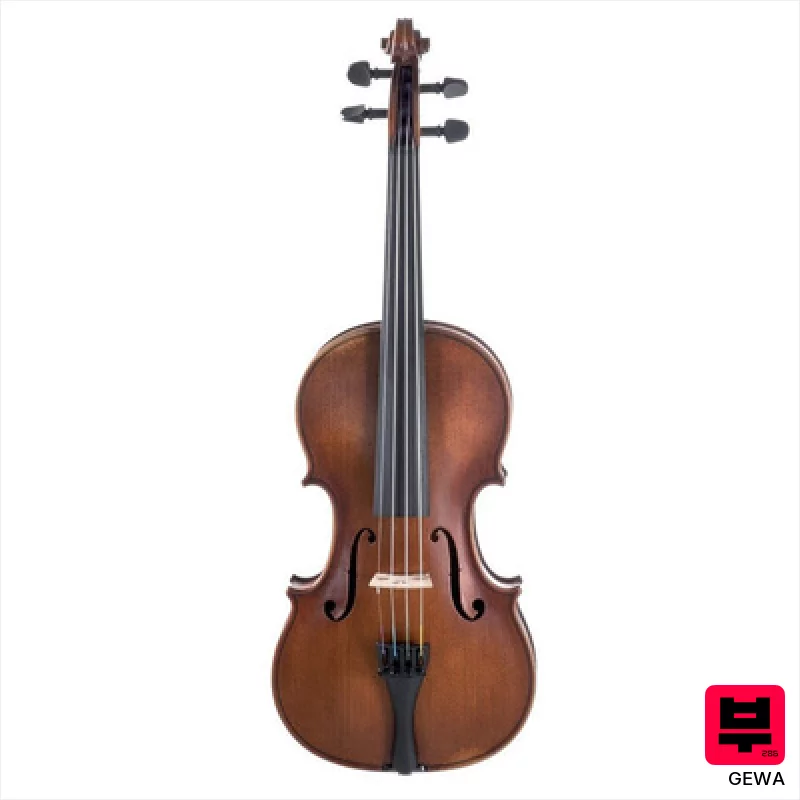
Gewa Germania 11L Prag Violin 4/4
- • Spruce top yields a warm, resonant tone with surprising projection.
- • European sycamore maple back/sides offer excellent tonal balance and sustain.
- • Ebony fittings provide a smooth, responsive playing experience and enhance aesthetics.
- • Larsen Il Cannone strings deliver a focused, powerful sound immediately.
- • The thinner varnish, while good for response, may require more careful handling to prevent damage.
- • Being a German-made instrument, the neck profile might feel slightly different for players accustomed to other styles.
- • The case, while functional, is a fairly basic model and lacks premium features.
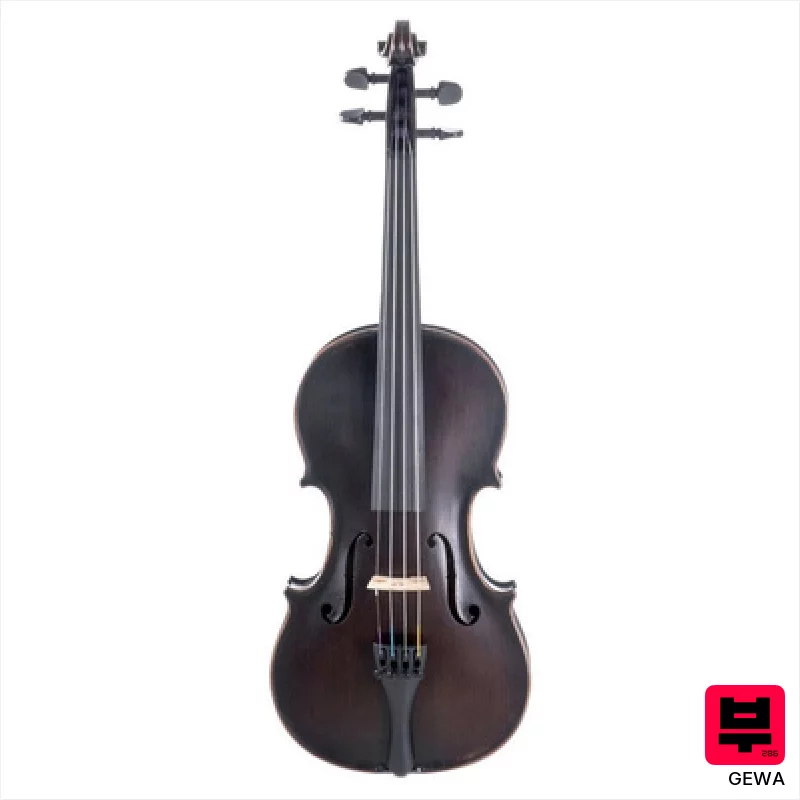
Gewa Germania 11L Paris Violin 4/4
- • Excellent spruce top delivers a bright, focused tone.
- • European sycamore maple back provides warmth and projection.
- • Thin, hand-applied varnish enhances resonance and responsiveness.
- • Wittner tailpiece with tuners allows for precise intonation.
- • Ebony fingerboard, while standard, might benefit from a professional leveling for optimal playability.
- • The spirit varnish, though resonant, can be susceptible to scratches with heavy use.
- • Being a German-made instrument, humidity sensitivity might require careful maintenance.
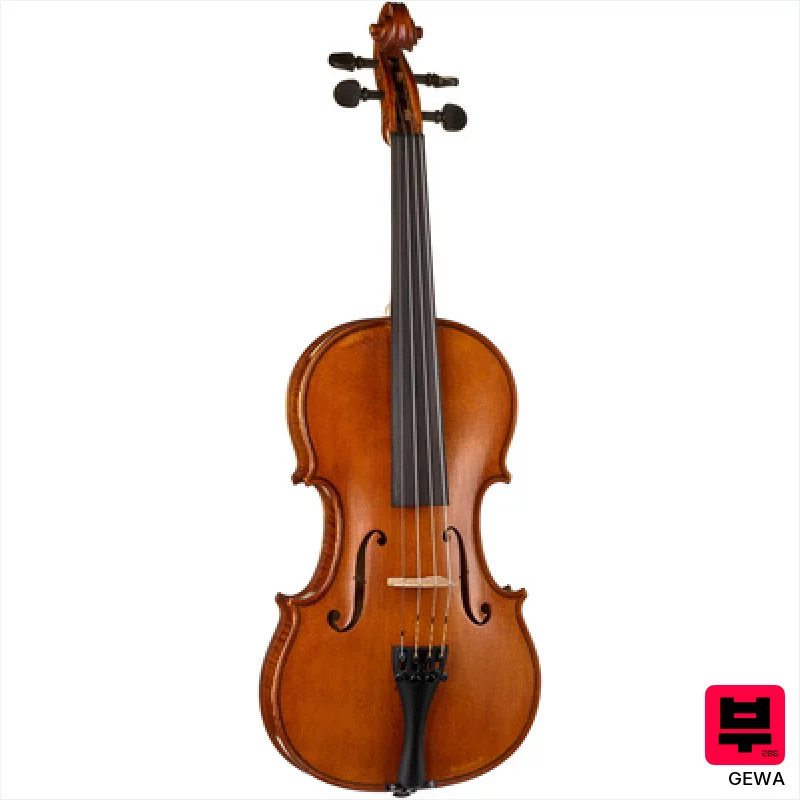
Gewa Germania 11L Berlin An. Violin
- • Excellent spruce top yields a warm, responsive, and projecting tone.
- • Thin, open-pored varnish allows for excellent resonance and vibration.
- • Ebony fittings offer durability and a smooth, refined feel under the fingers.
- • Wittner fine tuners enable precise intonation adjustments for demanding players.
- • The 'antique' imitation finish might not appeal to players preferring a pristine look.
- • Sycamore maple back, while good, isn't the absolute top-tier tonewood available.
- • The included bow is functional, but a serious player will likely upgrade it.

Gewa Germania 11L Prag Ant. Violin
- • Selected spruce top delivers a surprisingly resonant and focused tone.
- • Thin, open-pored varnish promotes excellent vibration and responsiveness.
- • European sycamore maple back and sides contribute to warmth and projection.
- • Wittner fine tuners allow for precise intonation adjustments, crucial for left-handed players.
- • The 'antique' imitation finish might not appeal to players seeking a pristine look.
- • While good, the included bow is likely an entry-level model, upgradeable later.
- • The varnish, while thin, may require careful maintenance to prevent stickiness.
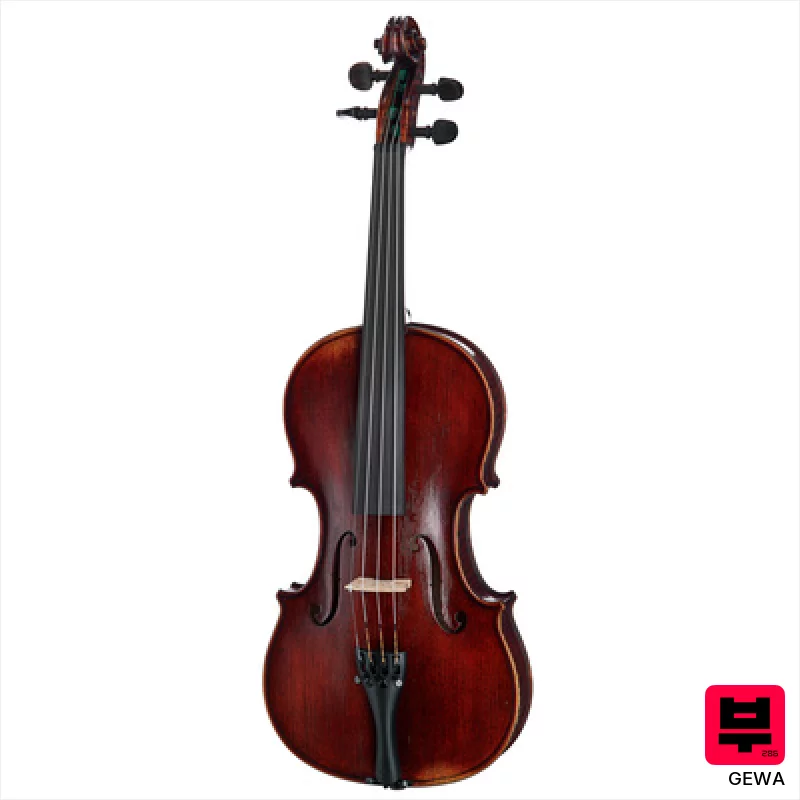
Gewa Germania 11L Rom Ant. Violin
- • Excellent spruce top yields a surprisingly warm, resonant tone.
- • Thin, spirit-based varnish promotes responsiveness and projection.
- • European sycamore maple back/sides offer tonal complexity and strength.
- • Ebony fittings provide durability and a refined aesthetic.
- • The 'antique' imitation might not appeal to purists seeking authentic vintage instruments.
- • Larsen Il Cannone strings, while good, may be a point of immediate replacement for some players.
- • Gewas are generally well-made, but quality control can occasionally vary between instruments.

Gewa Ideale Violin 4/4 OC LH CB
- • Solid European tonewoods offer a surprisingly resonant and warm tone.
- • Hand-applied varnish contributes to a mature, pleasing aesthetic.
- • Aubert bridge and Larsen Aurora strings deliver a noticeable upgrade in sound quality.
- • Left-handed specific design ensures proper ergonomics and comfortable playing.
- • Carbon fiber bow, while functional, lacks the responsiveness of a traditional wood bow.
- • Spirit varnish, while attractive, can be slightly less durable than oil-based finishes.
- • The case, while functional, is fairly basic and lacks premium features.
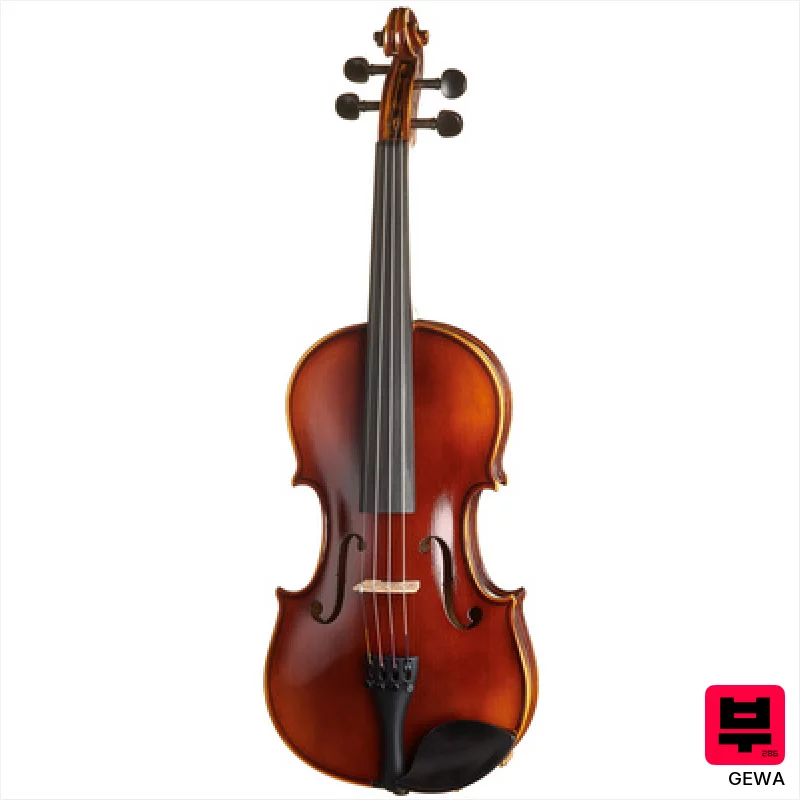
Gewa Allegro Violin 4/4 OC LH CB
- • Solid European spruce top delivers a surprisingly resonant, clear tone.
- • Ebony fittings (fingerboard, pegs, chinrest) offer excellent response and durability.
- • The included carbon fiber bow provides a consistent, reliable playing experience.
- • The case, with backpack straps and reflectors, is genuinely practical for student use.
- • The brown-amber varnish, while attractive, can feel a bit thick and potentially dampen high frequencies.
- • The Aubert bridge is serviceable, but a higher-grade bridge would noticeably improve projection.
- • While playable, the included Larsen Aurora strings are a good starting point but will likely be upgraded soon.
Every lefthanded violins that matches
17 models match this page. The 15 above are covered in detail; the rest are listed here with their published specifications.
| # | Model | Specifications | Price |
|---|---|---|---|
| 16 | Gewa Ideale Violin 4/4 OC LH MB | Size 4/4 size | $443 |
| 17 | Gewa Ideale Violin 4/4 SC LH CB | Size 4/4 size | $431 |
Lefthanded Violins by the numbers
Measured across all 17 models in this category, so «wide», «short» or «expensive» mean something you can check.
How to Choose the Best Lefthanded Violins
Playability
A comfortable neck profile is absolutely crucial. A sharp or overly thick neck will make learning scales and vibrato a nightmare. We're looking for something with a relatively even action across the fingerboard - not too high, not buzzing - to minimize finger fatigue.
Setup
This is huge. Many beginner violins ship with a terrible setup - high action, uneven string spacing, and a bridge that's not properly angled. A good setup makes a world of difference in playability and tone, even on a budget instrument.
Tone Quality
Don't expect a Stradivarius, but you should expect something that doesn't sound like a strangled cat. Look for a balanced tone - not overly bright or thin, with a bit of warmth and sustain. That 'ice-picky' high-end is a sign of cheap materials and poor construction.
Materials & Construction
Solid wood is preferable to plywood, even on a beginner instrument. While it's a bigger investment, solid wood resonates better and will age more gracefully. The quality of the varnish also affects tone; a thick, gummy varnish will dampen the sound.
Size & Weight
Getting the right size violin is critical, especially for younger players. Too big, and it'll be unwieldy and uncomfortable. Too small, and intonation will be a struggle. A lighter instrument is generally easier to hold and control, which is a bonus for beginners.
Buying Guide
As a lefty, you're already facing a smaller selection, so don't rush. Many 'left-handed' violins are just right-handed instruments flipped - that's a red flag. A proper left-handed violin will have the f-holes mirrored, and the bridge angled correctly. Expect to pay a little more for that. Don't chase 'beautiful' looks; focus on playability. A poorly set-up, pretty violin will be more frustrating than a functional, less flashy one.
How This List Is Built
We don't play these instruments — we're a catalog, not a review desk, and we'd rather say so than pretend otherwise. This page covers 17 lefthanded violins from the Thomann catalogue, which is the largest single source of specification data in this category: 15 in detail, the rest listed with their specifications.
Position is computed, not curated. We parse the manufacturer's own description into actual values — nut width, scale, fret count, fingerboard radius, size, alloy — and rank on them: how many specifications a model has published, how many of them are measurable numbers, and how precisely it meets this page's criterion. A product image adds a little. Price is not a ranking signal: it tells you nothing about whether a neck fits your hand. The same inputs always produce the same order, so nothing here is shuffled to look fresh.
What this list is good for: narrowing a category down to a shortlist by spec and budget. What it isn't: a substitute for hearing an instrument. Before you buy, read hands-on reviews and, where you can, play it. Full methodology.

