AudioFu Chart · October 2026
Best Lefthanded Violins for Intermediate 2026
The top pick is Gewa Ideale Violin 4/4 SC LH MB ($404). Gewa Germania 11L Berlin Violin 4/4 leads the high end. Ranked by the AudioFu Index from 9 models, prices checked every night.
Last updated: October 18, 2026
Top 9
Full detail for the 9 highest AudioFu Index scores. Every other model is listed below.
-
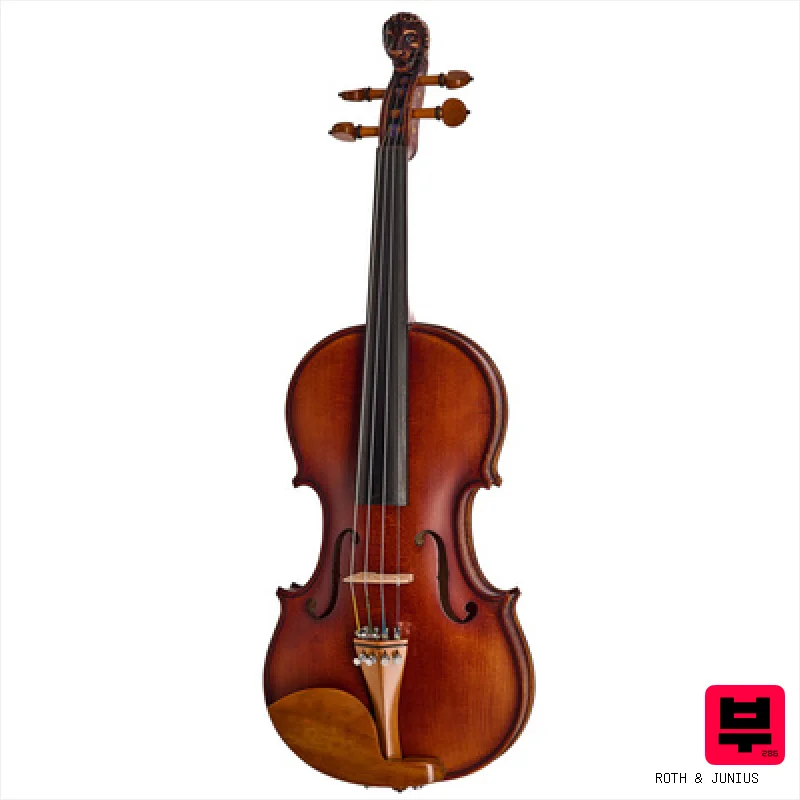
- Size4/4 size
The Gewa Ideale is a solid, budget-friendly option for left-handed students and intermediate players. It offers a good foundation with its solid wood construction and decent varnish, allowing for a pleasing, mature tone. While it won't compete with high-end instruments, it's a well-rounded package offering good value for the price.
Pros
- Solid European tonewoods provide a surprisingly resonant and warm tone.
- Hand-varnished finish contributes to a mature, responsive acoustic character.
- Aubert bridge enhances projection and clarity across the register.
Cons
- Massaranduba bow will likely need replacement for serious playing.
- Ebony fittings, while standard, are a bit basic for advanced players.
64AudioFu
IndexStableno change since Aug 17Aug 17$404 now$404€359 at Thomann · in stockCheck price ↗ -
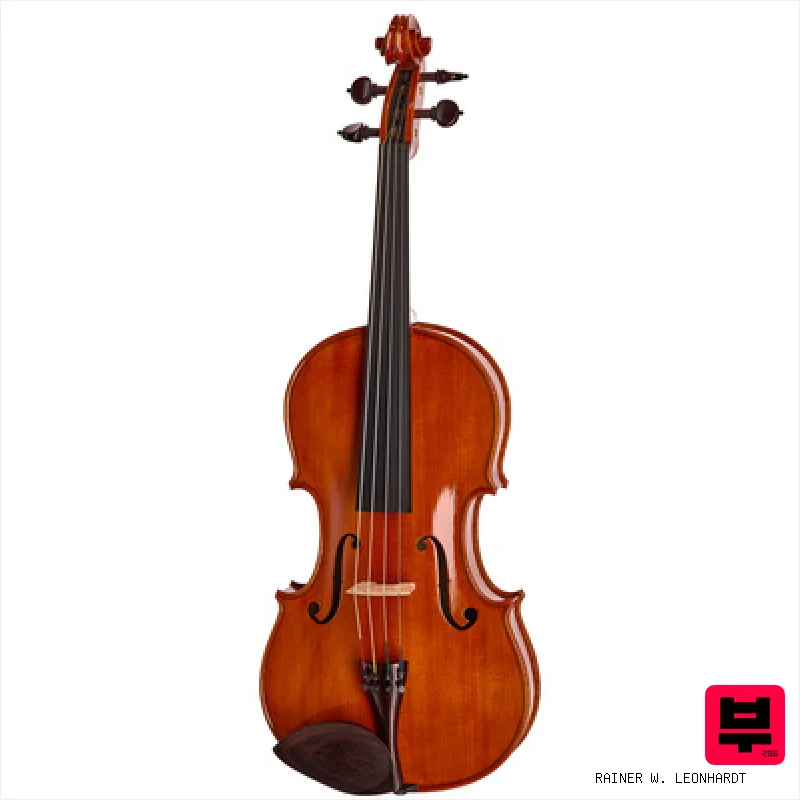
- Size4/4 size
This Gewa Allegro is a solid, affordable option for a left-handed beginner or student. The all-solid wood construction provides a better tonal foundation than many instruments in this price range, and the included bow and case make it a complete package. It’s a great way to get started without a huge investment.
Pros
- Solid European spruce top delivers a surprisingly resonant and warm tone.
- Hand-varnished finish enhances the wood's natural acoustic properties.
- Aubert bridge provides decent projection and responsiveness for a student instrument.
Cons
- The ebony fingerboard, while genuine, may exhibit some minor imperfections common at this price.
- The included case, while functional, is relatively basic and lacks premium protection.
64AudioFu
IndexStableno change since Aug 17Aug 17$404 now$404€359 at Thomann · in stockCheck price ↗ -
- Size4/4 size
The Gewa Germania 11L Rom Ant. is a solid, approachable instrument for the serious student or advancing amateur. Its aged look is purely cosmetic, but the sound is genuinely pleasing – a good balance of warmth and clarity. It's a well-built, dependable violin that delivers a surprising amount of character for its class.
Pros
- Excellent spruce top yields a surprisingly warm, resonant tone.
- Thin, spirit-based varnish promotes responsiveness and projection.
- European sycamore maple back/sides offer tonal complexity and strength.
Cons
- The 'antique' imitation might not appeal to purists seeking authentic vintage instruments.
- Larsen Il Cannone strings, while good, may be a point of immediate replacement for some players.
52AudioFu
IndexStableno change since Aug 17Aug 17$1,002 now$1,002€890 at Thomann · in stockCheck price ↗ -
- Size4/4 size
The Gewa Germania 11L Berlin is a solid choice for serious left-handed students or advancing players looking for a refined sound without the premium price tag. The careful wood selection and thin varnish contribute to a surprisingly mature tone, and the Larsen strings really elevate the overall playing experience. It’s a beautifully made instrument that offers excellent value for the money.
Pros
- Selected spruce top delivers a warm, responsive, and mature tonal character.
- European sycamore maple back/sides contribute to excellent projection and clarity.
- Ebony fingerboard provides a smooth playing experience and excellent note definition.
Cons
- The hand-applied varnish, while thin, can be sensitive to improper care and cleaning.
- Gewas, while reliable, don’t quite reach the prestige of Stradivari or Guarneri instruments.
52AudioFu
IndexStableno change since Aug 17Aug 17$1,068 now$1,068€949 at Thomann · in stockCheck price ↗ -
- Size4/4 size
The Gewa Germania 11L Rom is a surprisingly capable left-handed violin, especially considering the price point. The sound is warm and focused, and the thin varnish really allows the wood to breathe. This is a fantastic option for serious student or advancing left-handed players seeking a reliable, well-made instrument.
Pros
- Excellent spruce top yields a surprisingly warm, resonant tone.
- Thin, spirit-based varnish promotes fast response and clarity.
- European sycamore maple back/sides offer excellent projection and sustain.
Cons
- The spirit varnish, while responsive, might be delicate for very young or rough players.
- Gewas are generally a good value, but the bow included is a basic model.
52AudioFu
IndexStableno change since Aug 17Aug 17$1,068 now$1,068€949 at Thomann · in stockCheck price ↗ -
- Size4/4 size
The Gewa Germania 11L Prag is a surprisingly capable left-handed violin offering a solid foundation for serious students or intermediate players. The hand-varnished spruce top delivers a lovely, mature tone right out of the box, and the Larsen strings really elevate the sound. It's a great value for a German-made instrument.
Pros
- Spruce top yields a warm, resonant tone with surprising projection.
- European sycamore maple back/sides offer excellent tonal balance and sustain.
- Ebony fittings provide a smooth, responsive playing experience and enhance aesthetics.
Cons
- The thinner varnish, while good for response, may require more careful handling to prevent damage.
- Being a German-made instrument, the neck profile might feel slightly different for players accustomed to other styles.
52AudioFu
IndexStableno change since Aug 17Aug 17$1,068 now$1,068€949 at Thomann · in stockCheck price ↗ -
- Size4/4 size
The Gewa Germania 11L Paris is a surprisingly refined left-handed violin. The careful wood selection and thin varnish really allow the instrument to breathe, producing a clear, resonant tone suitable for intermediate to advanced players who want a quality instrument without the premium-priced label. It's a solid choice for students or hobbyists seeking a dependable and expressive violin.
Pros
- Excellent spruce top delivers a bright, focused tone.
- European sycamore maple back provides warmth and projection.
- Thin, hand-applied varnish enhances resonance and responsiveness.
Cons
- Ebony fingerboard, while standard, might benefit from a professional leveling for optimal playability.
- The spirit varnish, though resonant, can be susceptible to scratches with heavy use.
52AudioFu
IndexStableno change since Aug 17Aug 17$1,068 now$1,068€949 at Thomann · in stockCheck price ↗ -
- Size4/4 size
The Gewa Germania 11L Berlin An. is a solid choice for a developing left-handed violinist. The build quality is commendable for the price point, and the sound is surprisingly mature thanks to the thin varnish. It's an excellent instrument for students and advancing players looking for a dependable and tonally pleasing violin.
Pros
- Excellent spruce top yields a warm, responsive, and projecting tone.
- Thin, open-pored varnish allows for excellent resonance and vibration.
- Ebony fittings offer durability and a smooth, refined feel under the fingers.
Cons
- The 'antique' imitation finish might not appeal to players preferring a pristine look.
- Sycamore maple back, while good, isn't the absolute top-tier tonewood available.
52AudioFu
IndexStableno change since Aug 17Aug 17$1,068 now$1,068€949 at Thomann · in stockCheck price ↗ -
- Size4/4 size
This Gewa Germania 11L Prag is a solid choice for a left-handed student or intermediate player looking for a traditionally voiced instrument. The build quality is respectable for its class, offering a surprisingly mature tone and good playability, especially with the fine tuners. It's a dependable option that'll serve a developing violinist well.
Pros
- Selected spruce top delivers a surprisingly resonant and focused tone.
- Thin, open-pored varnish promotes excellent vibration and responsiveness.
- European sycamore maple back and sides contribute to warmth and projection.
Cons
- The 'antique' imitation finish might not appeal to players seeking a pristine look.
- While good, the included bow is likely an entry-level model, upgradeable later.
52AudioFu
IndexStableno change since Aug 17Aug 17$1,068 now$1,068€949 at Thomann · in stockCheck price ↗
Lefthanded Violins by the numbers
Measured across all 17 models we track, not a sample.
Median $448 — half of all lefthanded violins here cost less.
most common · 17 models
How to choose the best lefthanded violins
Playability (Action & Neck Profile)
The action needs to be consistent and low enough to play comfortably without being fret buzz city. A comfortable, even neck profile will improve your speed and accuracy, especially as you start tackling more complex passages - a chunky, overly thick neck will be a real hindrance.
Sound Projection & Tone
At the intermediate level, you need more than just 'pleasant' tone. You want a violin that projects well enough to cut through a string section or a band rehearsal. Listen for a clear, focused tone with some warmth in the lower registers and a bit of sparkle on top - avoid anything muddy or overly nasal.
Wood Quality & Construction
This directly impacts the violin's resonance and responsiveness. Look for instruments built with seasoned spruce and maple; cheaper instruments often use lower-grade wood that dampens the sound. Solid wood construction is a must for any serious intermediate player.
Setup & Adjustability
A good setup is crucial. The bridge height, soundpost placement, and string choice all significantly affect the violin's playability and tone. Ideally, the instrument should be adjustable so a luthier can fine-tune it to your preferences.
Bow Response & Balance
The violin and bow are a team. A responsive bow that balances well on the string is essential for extracting a full range of dynamics and articulation. A heavy, poorly balanced bow will make it difficult to control your bowing and create a consistent sound.
Buying guide
So, you're a lefty violinist stepping up your game? Finding a decent left-handed violin isn't as straightforward as it seems - the market's smaller, and quality can vary wildly. Forget those beginner outfits; you need something that'll actually respond to your evolving technique, give you some dynamic range, and not sound like a strangled cat when you try to get a little expressive. Let's break down what to look for in a left-handed violin that'll actually help you progress.
Don't chase the 'cheap' route - you'll end up replacing it sooner than you think. Pay attention to the setup; a poorly set-up expensive violin will play worse than a well-set-up mid-range one. Factor in the cost of a professional setup - it's almost always worth it.
And seriously, try before you buy if possible; what sounds good online might feel terrible in your hands.
How the AudioFu Index works
Five measured signals and nothing else — no stars from strangers, no “tested by experts” we didn’t do. The weights are fixed and public. We don’t play these instruments; we measure the market around them.
This chart covers 17 lefthanded violins from the Thomann catalogue. Before you buy, read hands-on reviews and, where you can, play it. Full methodology.
AudioFu earns a commission when you buy through our Thomann links. It never changes the order — the index does.
- Demand40%
How many of this exact model are for sale on Reverb right now — what musicians actually buy and resell.
- Lineup20%
How many finishes Thomann stocks — makers expand the models that sell.
- Price15%
Where the price has moved since we started tracking in August.
- Specs15%
How completely the maker documents it.
- Maker10%
How deep the brand’s range is in this category.
Questions
Are left-handed violins just mirrored right-handed ones?
Not always. Many cheaper left-handed violins are simply right-handed instruments flipped, which can lead to ergonomic issues and a compromised setup. A properly made left-handed violin is built specifically for left-handed players.
What string gauge should I use?
Experiment! Medium tension strings are a good starting point, but you might prefer lighter or heavier strings depending on your playing style and the violin's response. It's about finding what gives you the best combination of tone and playability.
How important is the bridge?
Extremely important. The bridge transfers the string's vibrations to the body of the violin. A poorly fitted or low-quality bridge will significantly impact the tone and projection. Make sure it's properly shaped and positioned.
Can I improve a cheap violin?
You can make some improvements with a good setup and better strings, but there's only so much you can do. The fundamental limitations of the wood and construction will always hold it back. Sometimes, saving for a better instrument is the smarter move.
What's the difference between a 'solid' and 'laminated' violin?
Solid wood instruments are made from a single piece of wood for the top, back, and sides, resulting in better resonance and tone. Laminated instruments are made from layers of wood glued together - they're cheaper, but sound significantly worse and lack projection.