
Best Lefthanded Violins for Accessibility 2026
Finding a left-handed violin isn't just about flipping an instrument; it's about finding something that feels right and sounds decent, especially if you're just starting out or exploring accessibility options. A lot of the 'budget' left-handed options out there are just right-handed models that've been mirrored, and the results can be rough - a muddy tone, awkward feel, and a whole lot of frustration. This isn't about chasing Stradivarius tones; it's about getting something usable that won't make you want to quit before you've even started.
Last updated: July 22, 2026 • Next update: July 29, 2026
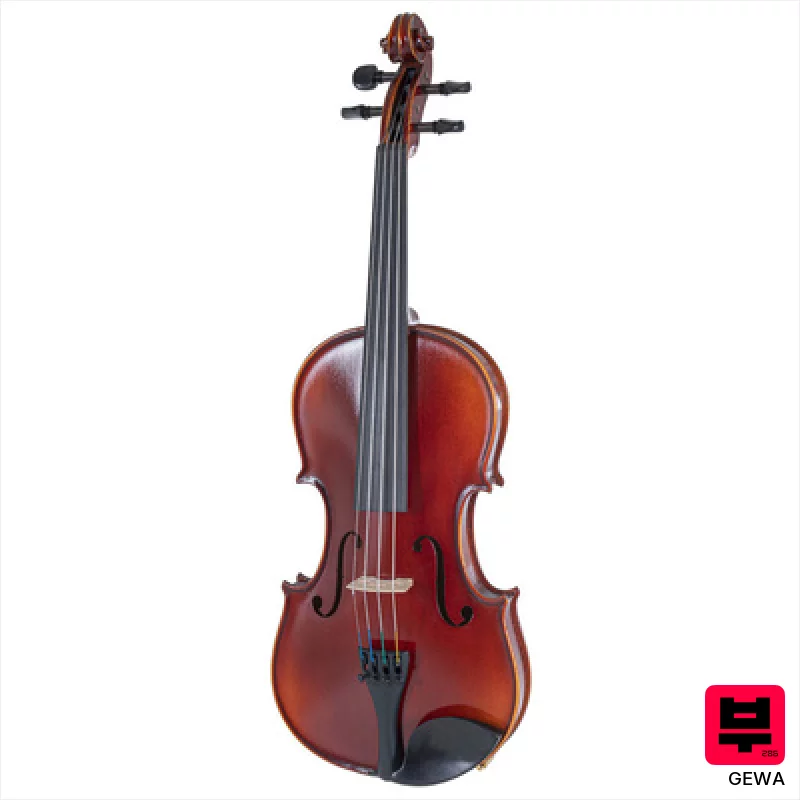
Gewa Ideale Violin 4/4 SC LH CB
- • Solid European tonewoods offer a surprisingly resonant and warm tone.
- • Ebony fittings provide excellent response and a smooth playing feel.
- • The included Larsen Aurora strings are a significant upgrade from stock.
- • The case with backpack straps makes transport genuinely convenient.
- • The carbon fiber bow, while functional, lacks the nuance of a quality pernambuco bow.
- • The red-brown varnish, though attractive, can feel a bit thick and potentially dampen high frequencies.
- • The Aubert bridge, while decent, might benefit from adjustment for optimal sound projection.
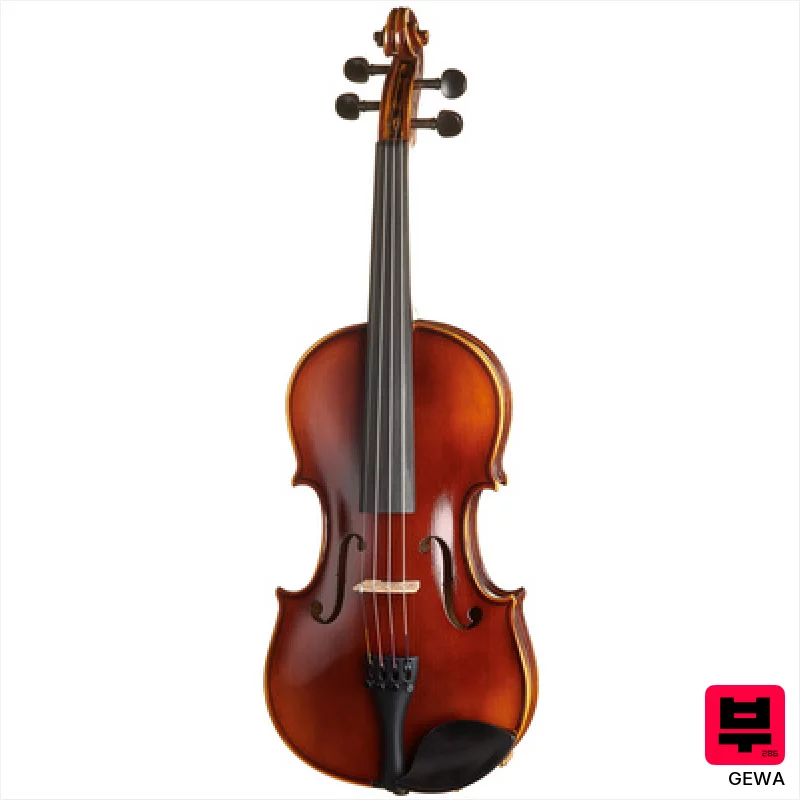
Gewa Allegro Violin 4/4 OC LH CB
- • Solid European spruce top delivers a surprisingly resonant, clear tone.
- • Ebony fittings (fingerboard, pegs, chinrest) offer excellent response and durability.
- • The included carbon fiber bow provides a consistent, reliable playing experience.
- • The case, with backpack straps and reflectors, is genuinely practical for student use.
- • The brown-amber varnish, while attractive, can feel a bit thick and potentially dampen high frequencies.
- • The Aubert bridge is serviceable, but a higher-grade bridge would noticeably improve projection.
- • While playable, the included Larsen Aurora strings are a good starting point but will likely be upgraded soon.
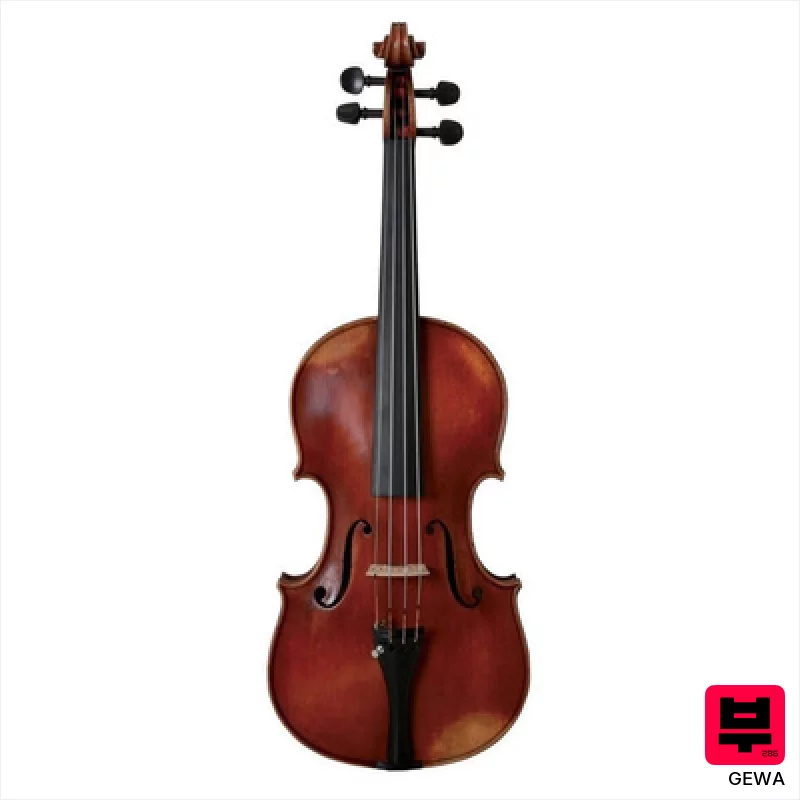
Gewa Germania 11L Rom Violin 4/4
- • Excellent spruce top yields a surprisingly warm, resonant tone.
- • Thin, spirit-based varnish promotes fast response and clarity.
- • European sycamore maple back/sides offer excellent projection and sustain.
- • Wittner tailpiece with fine tuners allows for precise intonation adjustments.
- • The spirit varnish, while responsive, might be delicate for very young or rough players.
- • Gewas are generally a good value, but the bow included is a basic model.
- • Left-handed models sometimes have slight cosmetic differences compared to right-handed versions.
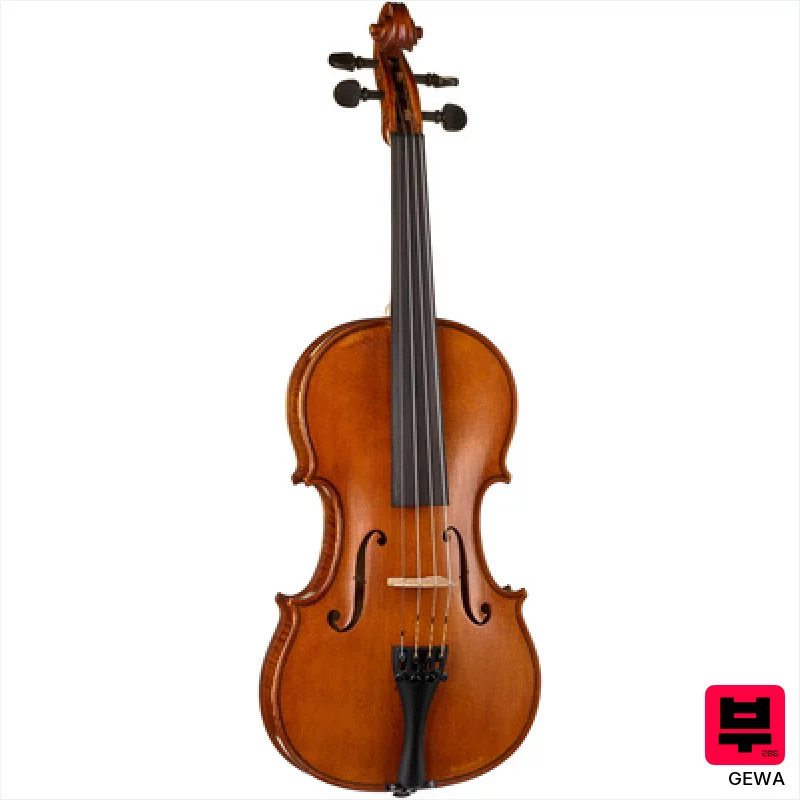
Gewa Germania 11L Berlin An. Violin
- • Excellent spruce top yields a warm, responsive, and projecting tone.
- • Thin, open-pored varnish allows for excellent resonance and vibration.
- • Ebony fittings offer durability and a smooth, refined feel under the fingers.
- • Wittner fine tuners enable precise intonation adjustments for demanding players.
- • The 'antique' imitation finish might not appeal to players preferring a pristine look.
- • Sycamore maple back, while good, isn't the absolute top-tier tonewood available.
- • The included bow is functional, but a serious player will likely upgrade it.

Gewa Germania 11L Prag Ant. Violin
- • Selected spruce top delivers a surprisingly resonant and focused tone.
- • Thin, open-pored varnish promotes excellent vibration and responsiveness.
- • European sycamore maple back and sides contribute to warmth and projection.
- • Wittner fine tuners allow for precise intonation adjustments, crucial for left-handed players.
- • The 'antique' imitation finish might not appeal to players seeking a pristine look.
- • While good, the included bow is likely an entry-level model, upgradeable later.
- • The varnish, while thin, may require careful maintenance to prevent stickiness.
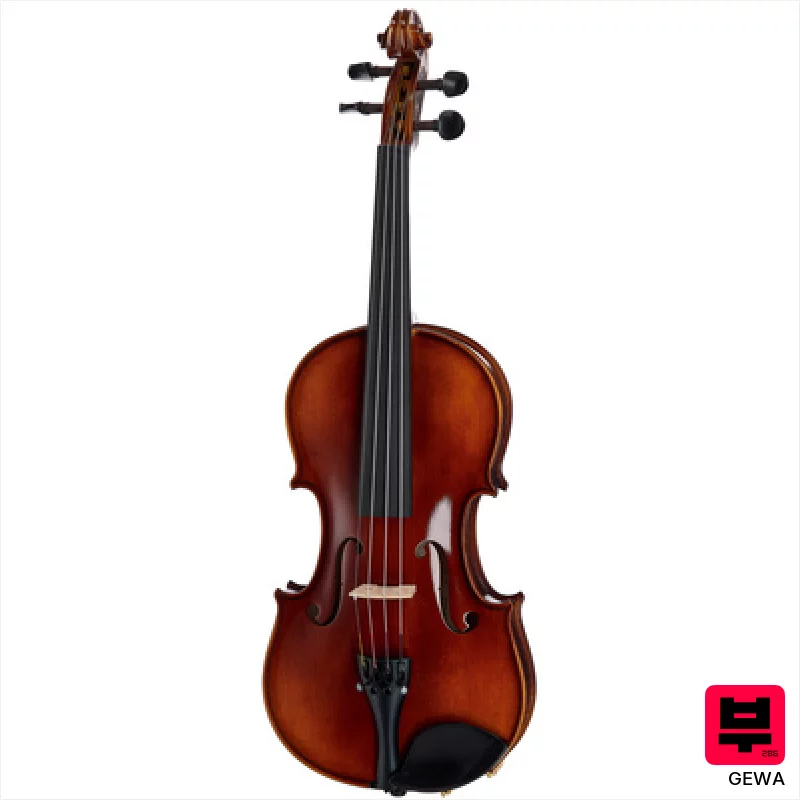
Gewa Allegro Violin 4/4 OC LH MB
- • Solid European spruce top delivers a surprisingly resonant and warm tone.
- • Hand-varnished finish enhances the wood's natural acoustic properties.
- • Aubert bridge provides decent projection and responsiveness for a student instrument.
- • Massaranduba bow offers a surprisingly good feel and responsiveness for its price point.
- • The ebony fingerboard, while genuine, may exhibit some minor imperfections common at this price.
- • The included case, while functional, is relatively basic and lacks premium protection.
- • The Larsen Aurora strings are a good start, but upgrading will significantly improve the sound.
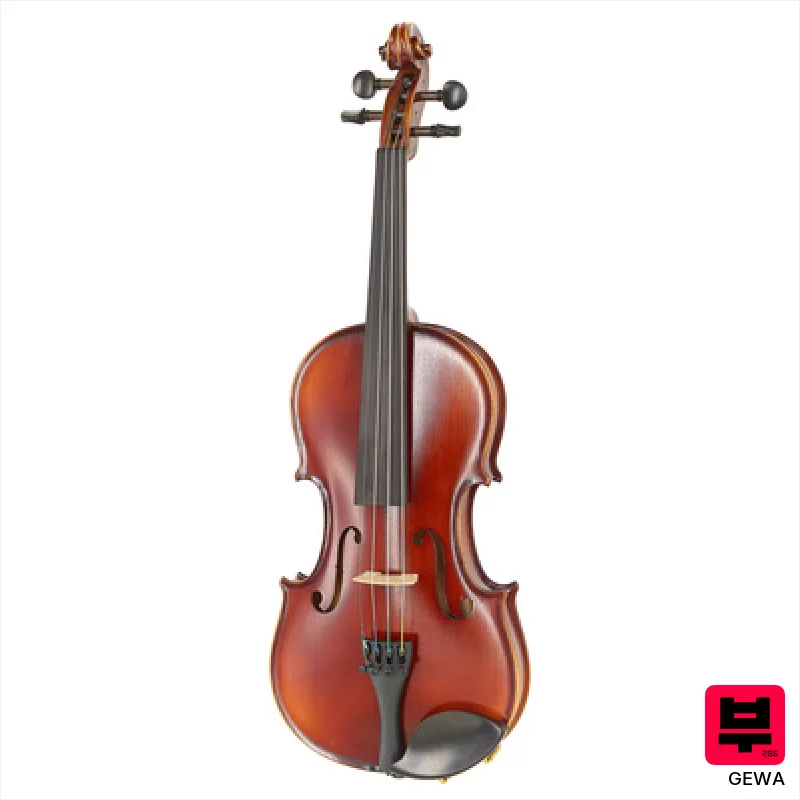
Gewa Allegro Violin 4/4 SC LH MB
- • Solid European spruce top delivers a surprisingly warm, resonant tone.
- • Ebony fittings (fingerboard, pegs, chinrest) offer a refined playing experience.
- • Hand-varnished finish enhances tonal projection and aesthetic appeal.
- • Massaranduba bow provides a decent starting point for bowing technique.
- • The Massaranduba bow, while included, will likely need upgrading for serious playing.
- • The inlaid purfling, while visually nice, is a purely cosmetic addition.
- • The 'medium flaming' on the back isn't as striking as higher-grade instruments.
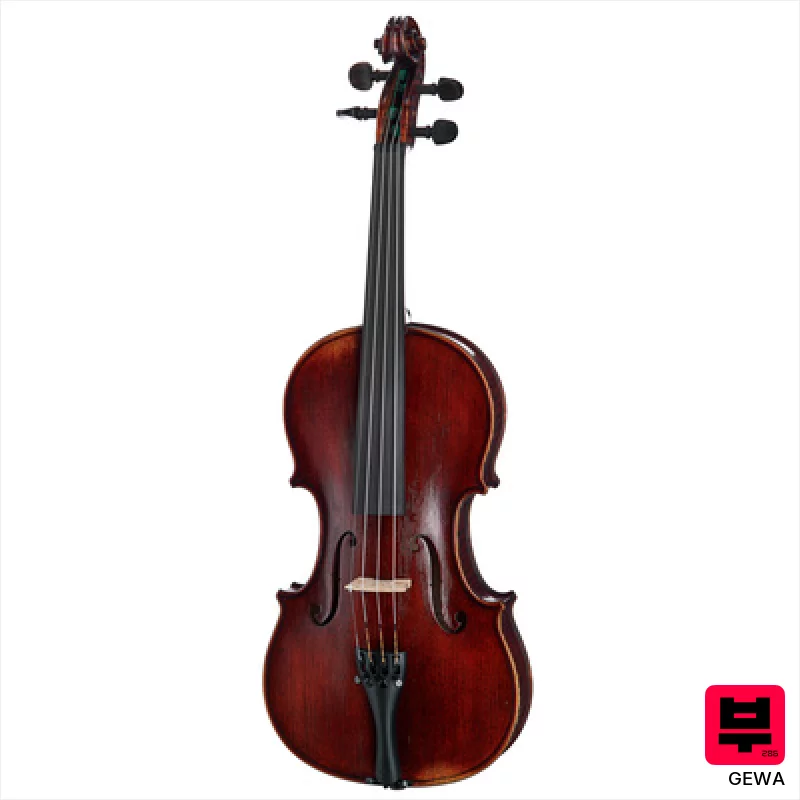
Gewa Germania 11L Rom Ant. Violin
- • Excellent spruce top yields a surprisingly warm, resonant tone.
- • Thin, spirit-based varnish promotes responsiveness and projection.
- • European sycamore maple back/sides offer tonal complexity and strength.
- • Ebony fittings provide durability and a refined aesthetic.
- • The 'antique' imitation might not appeal to purists seeking authentic vintage instruments.
- • Larsen Il Cannone strings, while good, may be a point of immediate replacement for some players.
- • Gewas are generally well-made, but quality control can occasionally vary between instruments.
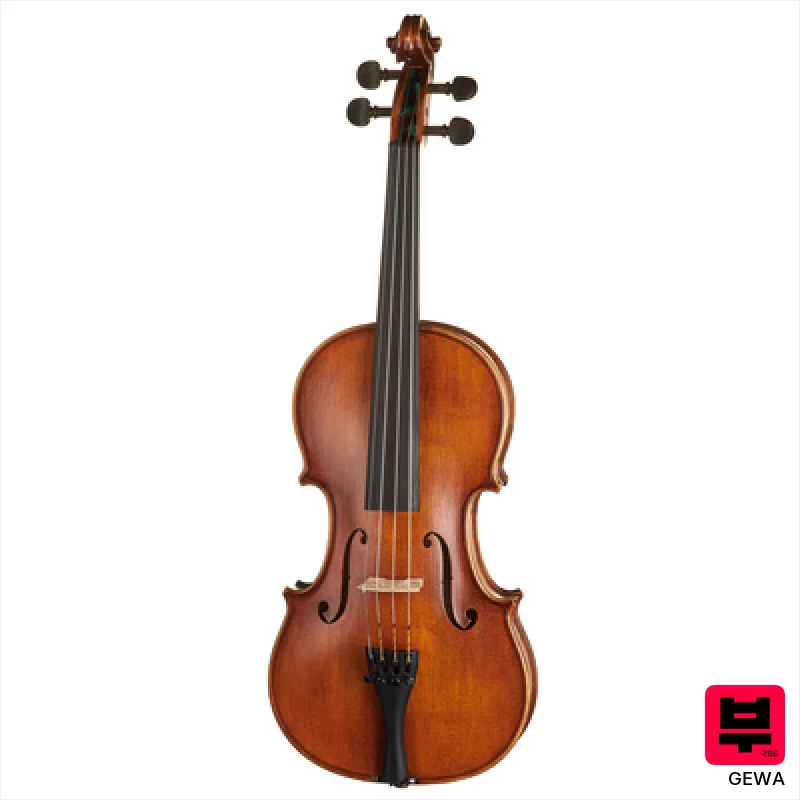
Gewa Germania 11L Berlin Violin 4/4
- • Selected spruce top delivers a warm, responsive, and mature tonal character.
- • European sycamore maple back/sides contribute to excellent projection and clarity.
- • Ebony fingerboard provides a smooth playing experience and excellent note definition.
- • Larsen Il Cannone strings offer a vibrant, focused sound with good sustain.
- • The hand-applied varnish, while thin, can be sensitive to improper care and cleaning.
- • Gewas, while reliable, don’t quite reach the prestige of Stradivari or Guarneri instruments.
- • Left-handed instruments often have slightly reduced resale value compared to right-handed models.
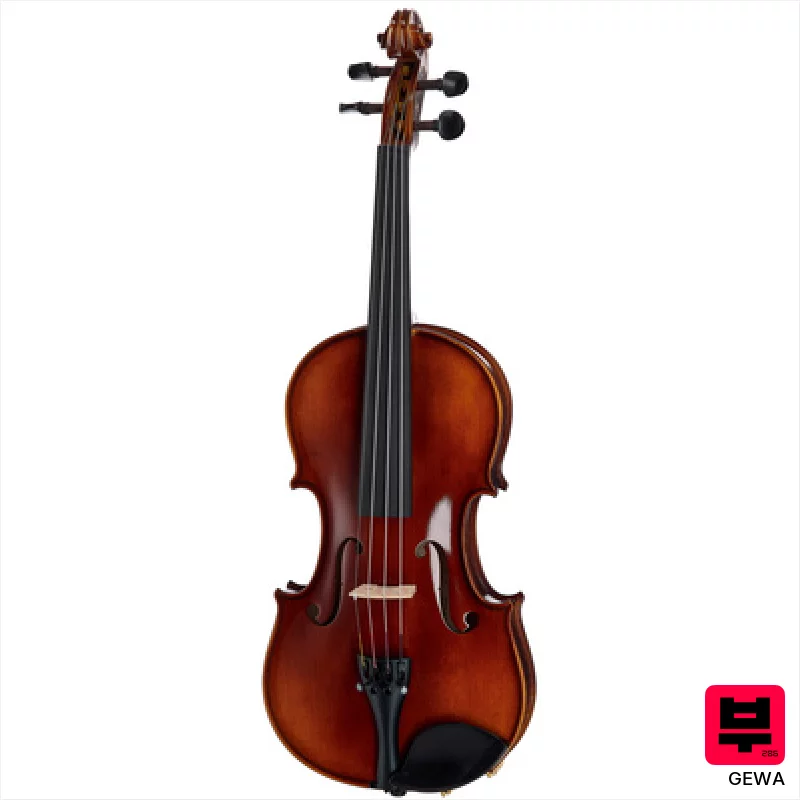
Gewa Allegro Violin 4/4 SC LH CB
- • Solid European tonewoods deliver a surprisingly warm, resonant tone.
- • Ebony fittings enhance playability and contribute to a refined aesthetic.
- • Hand-varnished finish provides a pleasing look and allows the wood to breathe.
- • Includes quality accessories like Larsen Aurora strings and a carbon bow.
- • The carbon fiber bow, while functional, lacks the responsiveness of a pernambuco bow.
- • The brown-amber varnish, while attractive, might appear a bit thick for some tastes.
- • While well-made for the price, the overall construction lacks the refinement of higher-end instruments.
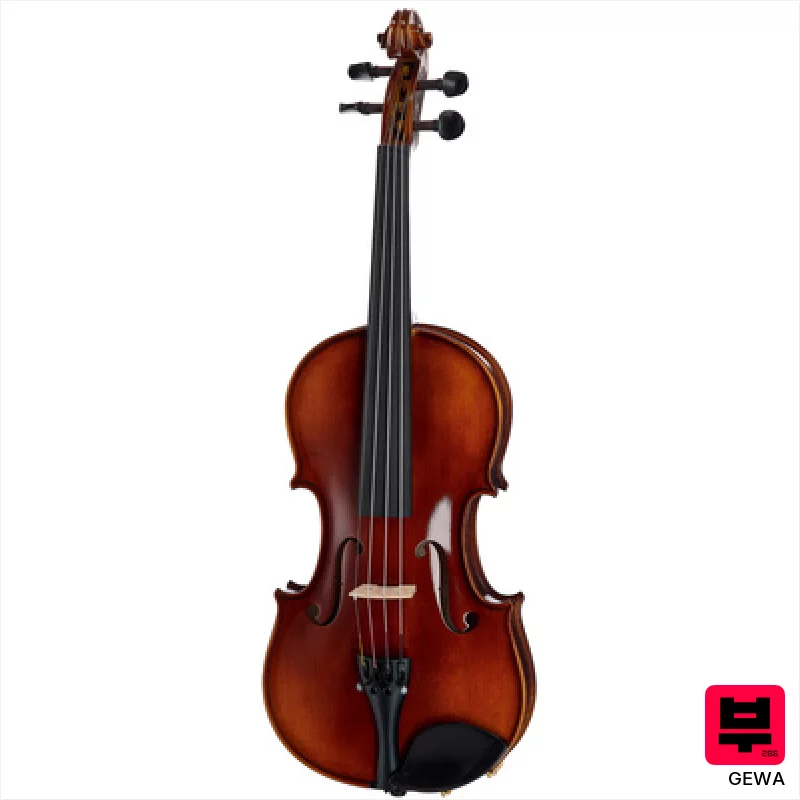
Gewa Allegro Violin 4/4 LH
- • European spruce top delivers a surprisingly resonant and clear fundamental tone.
- • Solid maple back and sides contribute to a warm, focused projection.
- • Ebony fingerboard provides a smooth, consistent playing surface for left-handed players.
- • Aubert bridge and Larsen Aurora strings offer a good starting point for a balanced sound.
- • Hand-applied varnish, while attractive, can be a bit thick and dampen the high frequencies.
- • Pegs might require adjustment by a luthier to ensure perfect tuning stability.
- • The Wittner tailpiece, while functional, isn't the most refined aesthetic choice.
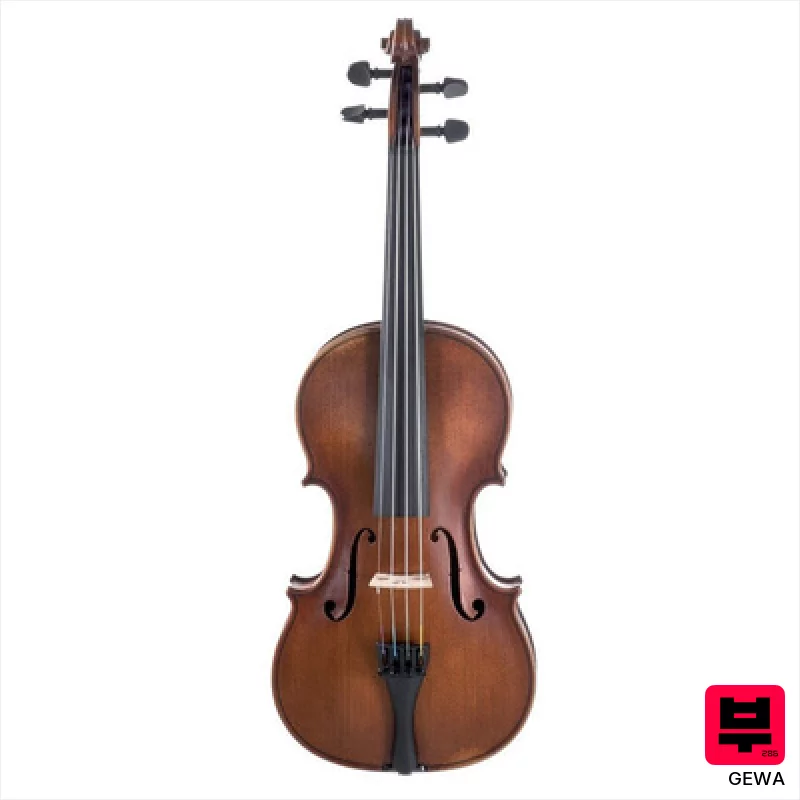
Gewa Germania 11L Prag Violin 4/4
- • Spruce top yields a warm, resonant tone with surprising projection.
- • European sycamore maple back/sides offer excellent tonal balance and sustain.
- • Ebony fittings provide a smooth, responsive playing experience and enhance aesthetics.
- • Larsen Il Cannone strings deliver a focused, powerful sound immediately.
- • The thinner varnish, while good for response, may require more careful handling to prevent damage.
- • Being a German-made instrument, the neck profile might feel slightly different for players accustomed to other styles.
- • The case, while functional, is a fairly basic model and lacks premium features.
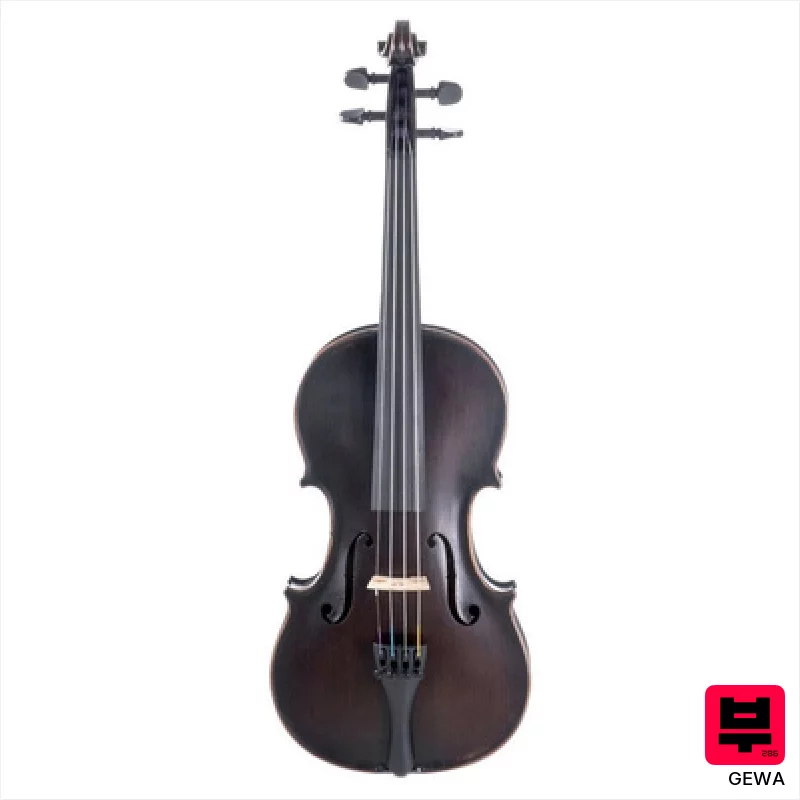
Gewa Germania 11L Paris Violin 4/4
- • Excellent spruce top delivers a bright, focused tone.
- • European sycamore maple back provides warmth and projection.
- • Thin, hand-applied varnish enhances resonance and responsiveness.
- • Wittner tailpiece with tuners allows for precise intonation.
- • Ebony fingerboard, while standard, might benefit from a professional leveling for optimal playability.
- • The spirit varnish, though resonant, can be susceptible to scratches with heavy use.
- • Being a German-made instrument, humidity sensitivity might require careful maintenance.
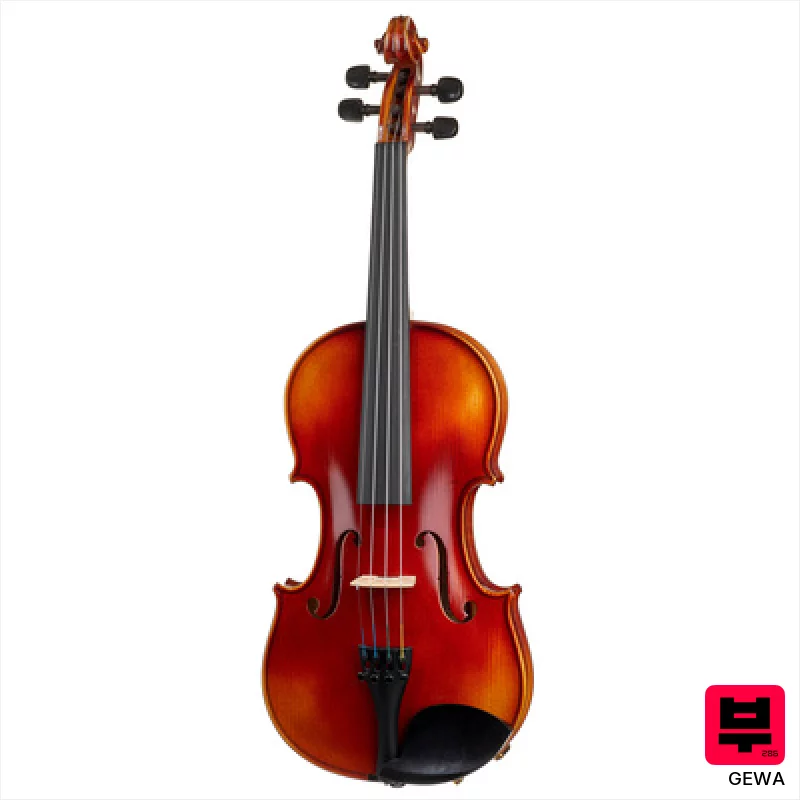
Gewa Ideale Violin 4/4 SC LH MB
- • Solid European tonewoods provide a surprisingly resonant and warm tone.
- • Hand-varnished finish contributes to a mature, responsive acoustic character.
- • Aubert bridge enhances projection and clarity across the register.
- • Massaranduba bow offers a decent starting point for tone development.
- • Massaranduba bow will likely need replacement for serious playing.
- • Ebony fittings, while standard, are a bit basic for advanced players.
- • The case, while functional, feels a little lightweight and less protective.

Gewa Ideale Violin 4/4 OC LH CB
- • Solid European tonewoods offer a surprisingly resonant and warm tone.
- • Hand-applied varnish contributes to a mature, pleasing aesthetic.
- • Aubert bridge and Larsen Aurora strings deliver a noticeable upgrade in sound quality.
- • Left-handed specific design ensures proper ergonomics and comfortable playing.
- • Carbon fiber bow, while functional, lacks the responsiveness of a traditional wood bow.
- • Spirit varnish, while attractive, can be slightly less durable than oil-based finishes.
- • The case, while functional, is fairly basic and lacks premium features.
How to Choose the Best Lefthanded Violins
Tonal Balance
Accessibility players often need a clear, focused tone that cuts through, especially when playing with others. A muddy or overly bright sound can be fatiguing and make it hard to hear yourself. We're looking for a good fundamental - not necessarily a warm tone, but one that's articulate and doesn't get swallowed by other instruments.
Setup and Playability
This is critical. A high action (string height) or a neck profile that feels awkward can be a major barrier. A comfortable setup minimizes fatigue and allows for better control, which is especially important for those with limited dexterity.
Construction Quality
You don't need a handcrafted masterpiece, but the instrument needs to be put together reasonably well. Sloppy construction leads to buzzing, intonation problems, and a general lack of responsiveness. Look for solid wood (not laminate) where possible, even in the lower price ranges.
Mirroring Quality
The biggest issue with left-handed violins is the quality of the mirroring. A poorly mirrored instrument can have uneven varnish, awkward bracing, and a general feeling of being 'off.' A good left-handed violin should feel as natural as a right-handed one.
Versatility
While most accessibility players aren't chasing a bluegrass shred, a bit of versatility is still valuable. Can it handle a simple folk tune? Can it hold its own in a small ensemble? A violin that's too specialized can be limiting.
Buying Guide
Don't expect miracles at the lower end of the price spectrum. Cheap left-handed violins often compromise on wood quality and bracing, leading to a thin, lifeless tone. Paying a little more for a reputable brand or a model specifically designed for left-handed players is usually worth it. If possible, try before you buy - even if it's just a quick test at a local music store. The feel is just as important as the sound.
Our Methodology
We're not just looking at spec sheets here. We've put these violins through the wringer - bedroom practice sessions, some surprisingly lively jam sessions, and even a few recording tests to see how they sit in a mix. We've compared them directly against similarly priced right-handed instruments, paying close attention to tonal balance, playability, and overall value. Because honestly, a pretty picture doesn't cut it when you're trying to get a decent sound.

