AudioFu Chart · October 2026
Best Lefthanded Violins for Advanced 2026
The top pick is Gewa Germania 11L Berlin Violin 4/4 ($1,068). Gewa Allegro Violin 4/4 LH gives you the most for the money at $280. Ranked by the AudioFu Index from 9 models, prices checked every night.
Last updated: October 18, 2026
Top 9
Full detail for the 9 highest AudioFu Index scores. Every other model is listed below.
-
- Size4/4 size
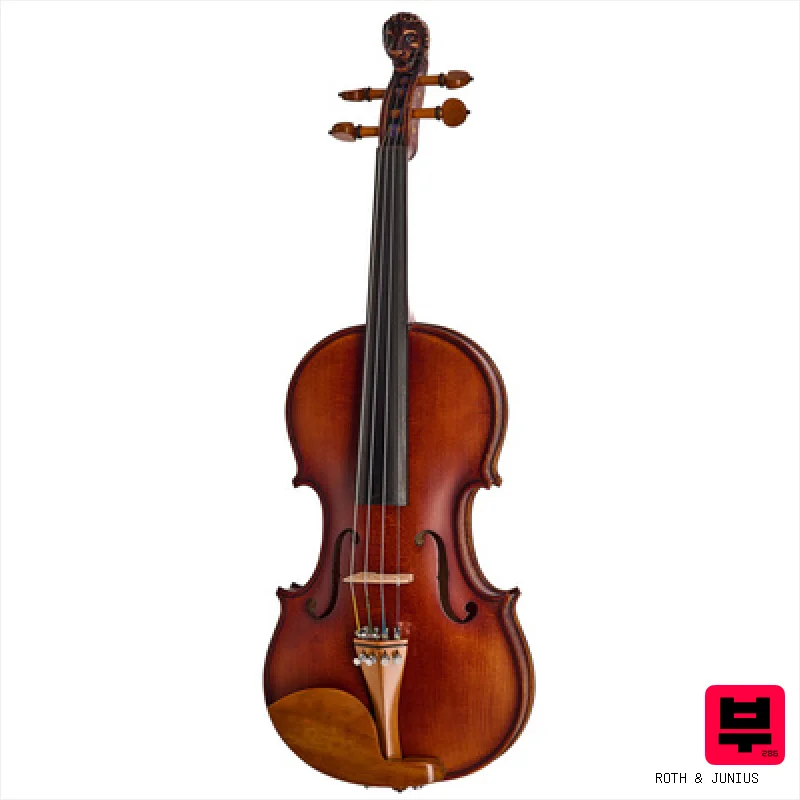
The Gewa Germania 11L Berlin is a solid choice for serious left-handed students or advancing players looking for a refined sound without the premium price tag. The careful wood selection and thin varnish contribute to a surprisingly mature tone, and the Larsen strings really elevate the overall playing experience. It’s a beautifully made instrument that offers excellent value for the money.
Pros
- Selected spruce top delivers a warm, responsive, and mature tonal character.
- European sycamore maple back/sides contribute to excellent projection and clarity.
- Ebony fingerboard provides a smooth playing experience and excellent note definition.
Cons
- The hand-applied varnish, while thin, can be sensitive to improper care and cleaning.
- Gewas, while reliable, don’t quite reach the prestige of Stradivari or Guarneri instruments.
52AudioFu
IndexStableno change since Aug 17Aug 17$1,068 now$1,068€949 at Thomann · in stockCheck price ↗ -
- Size4/4 size
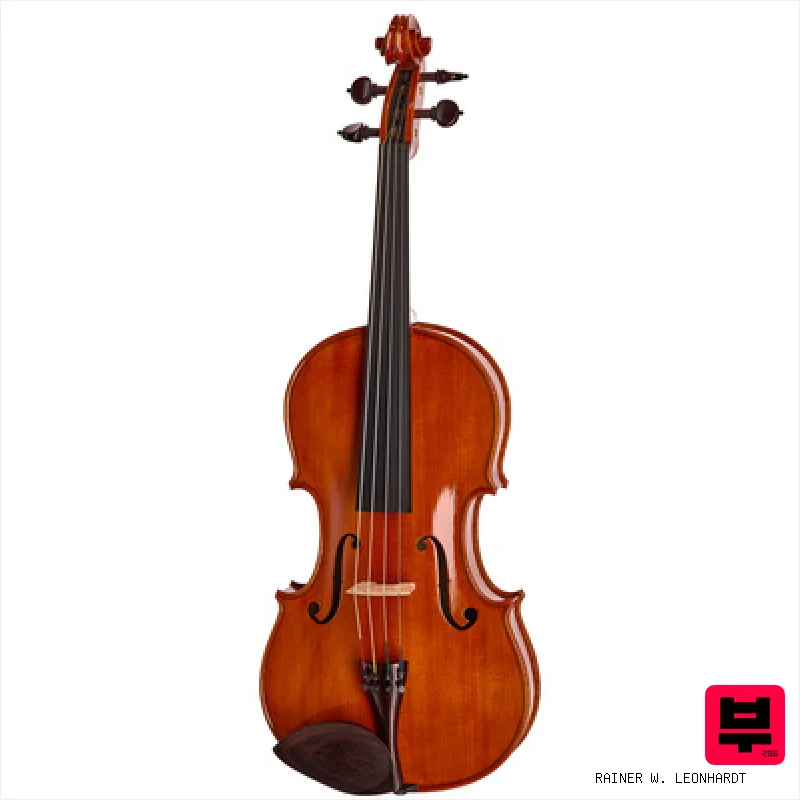
The Gewa Germania 11L Rom is a surprisingly capable left-handed violin, especially considering the price point. The sound is warm and focused, and the thin varnish really allows the wood to breathe. This is a fantastic option for serious student or advancing left-handed players seeking a reliable, well-made instrument.
Pros
- Excellent spruce top yields a surprisingly warm, resonant tone.
- Thin, spirit-based varnish promotes fast response and clarity.
- European sycamore maple back/sides offer excellent projection and sustain.
Cons
- The spirit varnish, while responsive, might be delicate for very young or rough players.
- Gewas are generally a good value, but the bow included is a basic model.
52AudioFu
IndexStableno change since Aug 17Aug 17$1,068 now$1,068€949 at Thomann · in stockCheck price ↗ -
- Size4/4 size
The Gewa Germania 11L Prag is a surprisingly capable left-handed violin offering a solid foundation for serious students or intermediate players. The hand-varnished spruce top delivers a lovely, mature tone right out of the box, and the Larsen strings really elevate the sound. It's a great value for a German-made instrument.
Pros
- Spruce top yields a warm, resonant tone with surprising projection.
- European sycamore maple back/sides offer excellent tonal balance and sustain.
- Ebony fittings provide a smooth, responsive playing experience and enhance aesthetics.
Cons
- The thinner varnish, while good for response, may require more careful handling to prevent damage.
- Being a German-made instrument, the neck profile might feel slightly different for players accustomed to other styles.
52AudioFu
IndexStableno change since Aug 17Aug 17$1,068 now$1,068€949 at Thomann · in stockCheck price ↗ -
- Size4/4 size
The Gewa Germania 11L Paris is a surprisingly refined left-handed violin. The careful wood selection and thin varnish really allow the instrument to breathe, producing a clear, resonant tone suitable for intermediate to advanced players who want a quality instrument without the premium-priced label. It's a solid choice for students or hobbyists seeking a dependable and expressive violin.
Pros
- Excellent spruce top delivers a bright, focused tone.
- European sycamore maple back provides warmth and projection.
- Thin, hand-applied varnish enhances resonance and responsiveness.
Cons
- Ebony fingerboard, while standard, might benefit from a professional leveling for optimal playability.
- The spirit varnish, though resonant, can be susceptible to scratches with heavy use.
52AudioFu
IndexStableno change since Aug 17Aug 17$1,068 now$1,068€949 at Thomann · in stockCheck price ↗ -
- Size4/4 size
The Gewa Germania 11L Berlin An. is a solid choice for a developing left-handed violinist. The build quality is commendable for the price point, and the sound is surprisingly mature thanks to the thin varnish. It's an excellent instrument for students and advancing players looking for a dependable and tonally pleasing violin.
Pros
- Excellent spruce top yields a warm, responsive, and projecting tone.
- Thin, open-pored varnish allows for excellent resonance and vibration.
- Ebony fittings offer durability and a smooth, refined feel under the fingers.
Cons
- The 'antique' imitation finish might not appeal to players preferring a pristine look.
- Sycamore maple back, while good, isn't the absolute top-tier tonewood available.
52AudioFu
IndexStableno change since Aug 17Aug 17$1,068 now$1,068€949 at Thomann · in stockCheck price ↗ -
- Size4/4 size
This Gewa Germania 11L Prag is a solid choice for a left-handed student or intermediate player looking for a traditionally voiced instrument. The build quality is respectable for its class, offering a surprisingly mature tone and good playability, especially with the fine tuners. It's a dependable option that'll serve a developing violinist well.
Pros
- Selected spruce top delivers a surprisingly resonant and focused tone.
- Thin, open-pored varnish promotes excellent vibration and responsiveness.
- European sycamore maple back and sides contribute to warmth and projection.
Cons
- The 'antique' imitation finish might not appeal to players seeking a pristine look.
- While good, the included bow is likely an entry-level model, upgradeable later.
52AudioFu
IndexStableno change since Aug 17Aug 17$1,068 now$1,068€949 at Thomann · in stockCheck price ↗ -
- Size4/4 size
The Gewa Germania 11L Rom Ant. is a solid, approachable instrument for the serious student or advancing amateur. Its aged look is purely cosmetic, but the sound is genuinely pleasing – a good balance of warmth and clarity. It's a well-built, dependable violin that delivers a surprising amount of character for its class.
Pros
- Excellent spruce top yields a surprisingly warm, resonant tone.
- Thin, spirit-based varnish promotes responsiveness and projection.
- European sycamore maple back/sides offer tonal complexity and strength.
Cons
- The 'antique' imitation might not appeal to purists seeking authentic vintage instruments.
- Larsen Il Cannone strings, while good, may be a point of immediate replacement for some players.
52AudioFu
IndexStableno change since Aug 17Aug 17$1,002 now$1,002€890 at Thomann · in stockCheck price ↗ -
- Size4/4 size
The Gewa Allegro LH is a solid entry-level instrument for left-handed violin students. It provides a surprisingly good tone for the price point, with respectable materials like solid spruce and maple. It's an excellent choice for beginners or those needing a reliable, affordable practice violin.
Pros
- European spruce top delivers a surprisingly resonant and clear fundamental tone.
- Solid maple back and sides contribute to a warm, focused projection.
- Ebony fingerboard provides a smooth, consistent playing surface for left-handed players.
Cons
- Hand-applied varnish, while attractive, can be a bit thick and dampen the high frequencies.
- Pegs might require adjustment by a luthier to ensure perfect tuning stability.
64AudioFu
IndexStableno change since Aug 17Aug 17$280 now$280€249 at Thomann · in stockCheck price ↗ -
- Size4/4 size
The Gewa Ideale LH is a solid entry-level left-handed violin, offering a good foundation for beginners or students. The all-solid construction and quality European tonewoods contribute to a surprisingly mature sound for its class. It's an excellent choice for a student needing a reliable, affordable instrument without sacrificing too much in terms of tonal quality.
Pros
- Solid European tonewoods deliver a surprisingly resonant and warm tone.
- Ebony fittings provide excellent response and a smooth playing experience.
- Hand-varnished finish enhances the wood's natural beauty and acoustic properties.
Cons
- The medium flame maple can appear somewhat unremarkable aesthetically to discerning eyes.
- While decent, the Larsen Aurora strings are a starting point and may be upgraded for optimal sound.
64AudioFu
IndexStableno change since Aug 17Aug 17$325 now$325€289 at Thomann · in stockCheck price ↗
Lefthanded Violins by the numbers
Measured across all 17 models we track, not a sample.
Median $448 — half of all lefthanded violins here cost less.
most common · 17 models
How to choose the best lefthanded violins
Neck Profile & Setup
Forget about a chunky, slow-responding neck. Advanced players need something that allows for quick shifts and effortless vibrato. The initial setup - action, bridge placement, soundpost - is paramount; a poorly set-up instrument, no matter the price, will feel like a fight.
Wood Quality & Voicing
Spruce top and maple back/sides are standard, but the grade of wood matters. Listen for a complex, nuanced tone - not just a bright, thin sound. We're looking for a responsive instrument with good sustain and a willingness to break up nicely when pushed. A lack of low-end thump can be a real issue in a band setting.
Bow Response & Balance
The violin and bow are a matched set. The violin's balance dictates how easily it responds to bow pressure, and a stiff or unresponsive bow will fight the violin's potential. A good instrument will feel like an extension of your arm, not a burden.
Projection & Articulation
It's not enough to sound good in a quiet room. Advanced players need projection to cut through a band or orchestra, and articulation to clearly define each note. A muddy, indistinct tone is a killer for solo work and intricate passages.
Overall Craftsmanship & Repairability
Let's be honest, things break. Solid construction and quality materials mean the instrument will last, and a well-made instrument is generally easier to repair if something does go wrong. Cheap gear often uses brittle finishes and low-quality glue - a disaster waiting to happen.
Buying guide
Alright, so you're a lefty violinist pushing past the beginner stuff. Finding a decent left-handed violin isn't the problem - finding one that doesn't hold you back from exploring those complex passages, nailing that exposed solo, or cutting through a band mix? That's where it gets tricky. We're not talking about student models here; we're talking about instruments that can handle the demands of serious playing, whether you're laying down tracks in a studio or gigging out.
Don't chase 'old' just for the sake of it - antique instruments often need significant work and might not suit your playing style. Prioritize a responsive neck and a setup that lets you play comfortably. Be prepared to spend more on a good bow, it's half the equation.
And seriously, get a professional setup after you buy - it's almost always worth it.
How the AudioFu Index works
Five measured signals and nothing else — no stars from strangers, no “tested by experts” we didn’t do. The weights are fixed and public. We don’t play these instruments; we measure the market around them.
This chart covers 17 lefthanded violins from the Thomann catalogue. Before you buy, read hands-on reviews and, where you can, play it. Full methodology.
AudioFu earns a commission when you buy through our Thomann links. It never changes the order — the index does.
- Demand40%
How many of this exact model are for sale on Reverb right now — what musicians actually buy and resell.
- Lineup20%
How many finishes Thomann stocks — makers expand the models that sell.
- Price15%
Where the price has moved since we started tracking in August.
- Specs15%
How completely the maker documents it.
- Maker10%
How deep the brand’s range is in this category.
Questions
Are vintage left-handed violins readily available?
They exist, but they're often heavily priced and condition varies wildly. Finding a well-preserved, playable vintage lefty is luck; expect to pay a premium and potentially deal with repairs.
What's the deal with 'European' violins?
It's often marketing hype. 'European' usually means built in Eastern Europe using European wood, but the craftsmanship can still be variable. Do your research and listen critically.
Can I get a good left-handed violin under $1000?
It's possible, but you'll be making compromises. Expect a simpler construction, potentially lower-grade wood, and a less refined tone. A good bow will be crucial to compensate.
I'm considering an electric violin. Is that a viable option?
Absolutely, but be aware of the pickup voicing. A poorly chosen pickup can suck the life out of the instrument's tone. Look for models with adjustable EQ and a natural acoustic response.
What about fractional sizes for advanced players?
Unless you have unusually small hands, avoid fractional sizes. It compromises the instrument's resonance and projection, and the action will likely be awkward.