
Best Intercom Headphone/Microphone Combinations Under $5,000 2026
Okay, so you need an intercom system but your budget isn't chasing after touring stadium rigs. That's a smart move - solid communication is vital, whether you're wrangling a 10-piece band in a sweaty club, tracking vocals in a DIY studio, or even just keeping your rehearsal space from devolving into chaos. Let's cut through the noise and find some reliable, quality intercom setups under $5000 that won't leave you wanting, and won't break the bank. This isn't about the flashiest tech; it's about getting the job done right.
Last updated: April 11, 2026
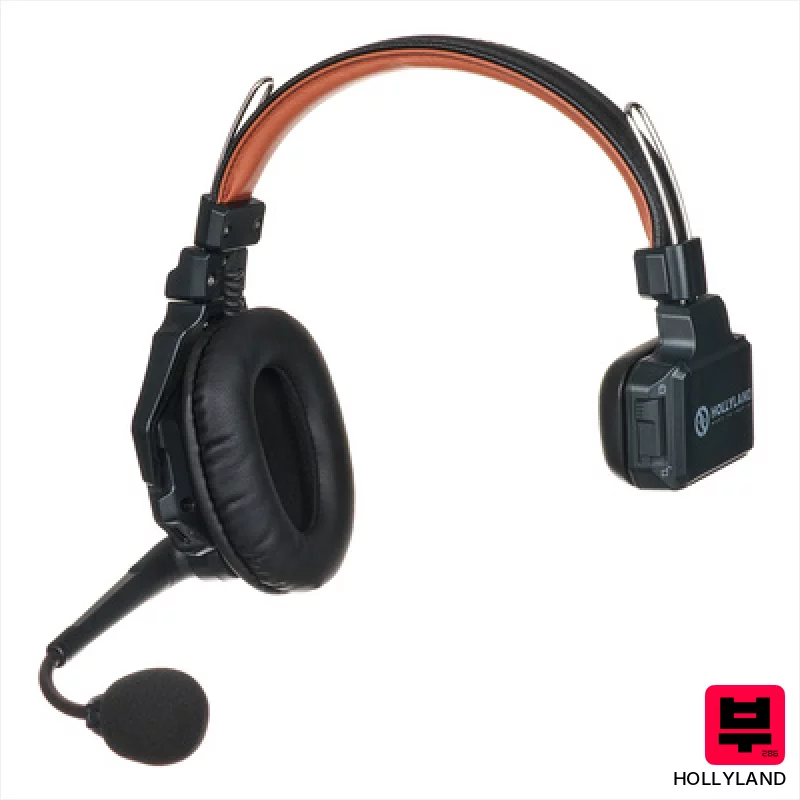
Hollyland Solidcom C1 Pro Master Headset
- • Excellent range exceeding most competitors' DECT implementations.
- • Dual-mic ENC effectively minimizes background rumble and stage noise.
- • Comfortable clamping force for extended wear during long performances.
- • Clear, natural vocal reproduction; avoids overly processed or tinny sound.
- • The 170g weight can become fatiguing during prolonged use.
- • Limited compatibility; designed solely for the Solidcom C1 series.
- • Lack of adjustable EQ or tone shaping options is a notable omission.
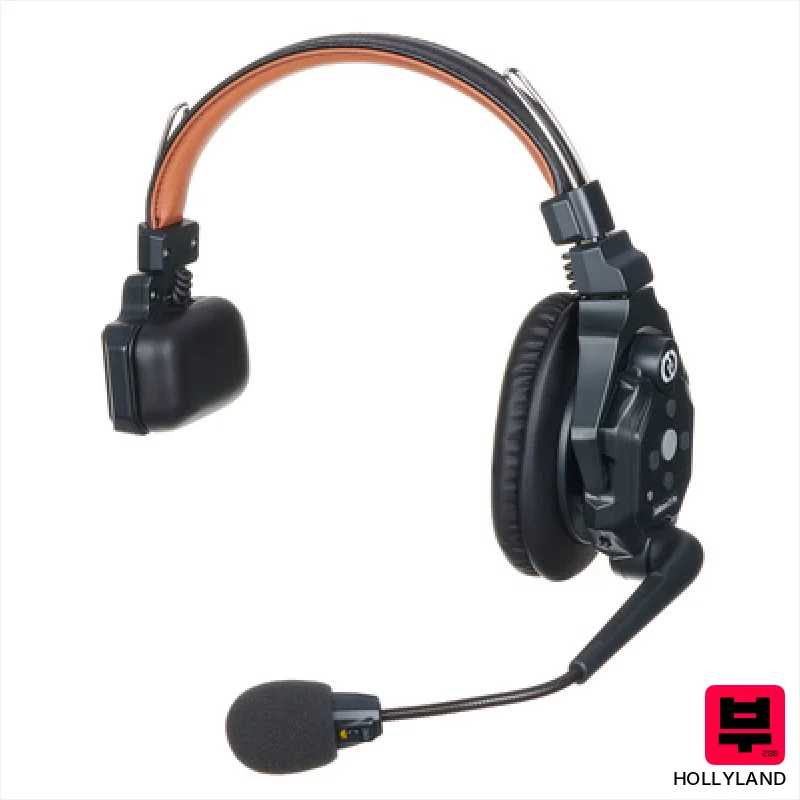
Hollyland Solidcom C1 Pro Remote Headset
- • Excellent range, easily exceeding claimed 350m in open environments.
- • Dual-mic ENC effectively minimizes background noise in bustling locations.
- • Comfortable ear cup design allows for extended wear during long shoots.
- • Solid build quality; feels robust and durable for on-set use.
- • 170g weight can become fatiguing during prolonged use, especially for smaller heads.
- • Limited frequency response (150-7000Hz) lacks high-end sparkle for critical monitoring.
- • DECT 6.0 band can be susceptible to interference in densely populated areas.
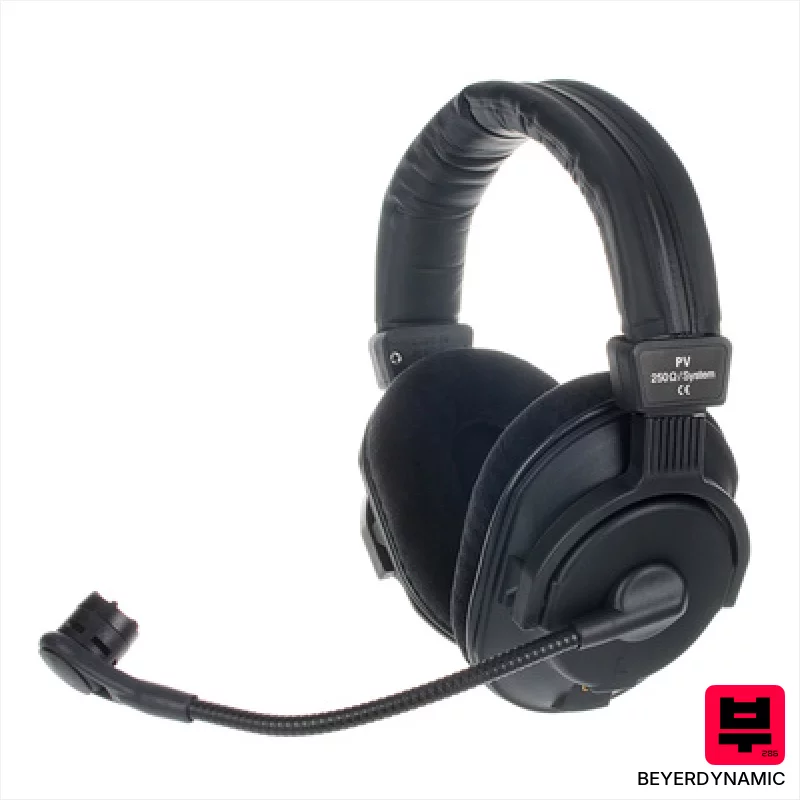
beyerdynamic DT-297-PV/250 MkII
- • Robust gooseneck offers precise mic positioning for clear communication
- • Closed-back design provides excellent isolation, minimizing bleed
- • Cardioid mic pattern effectively rejects background noise
- • 250 Ohm headphones deliver detailed audio with ample headroom
- • Requires phantom power, limiting compatibility with some devices
- • Cable not included; adds to the overall expense and setup complexity
- • The weight (240g) can become fatiguing during extended use
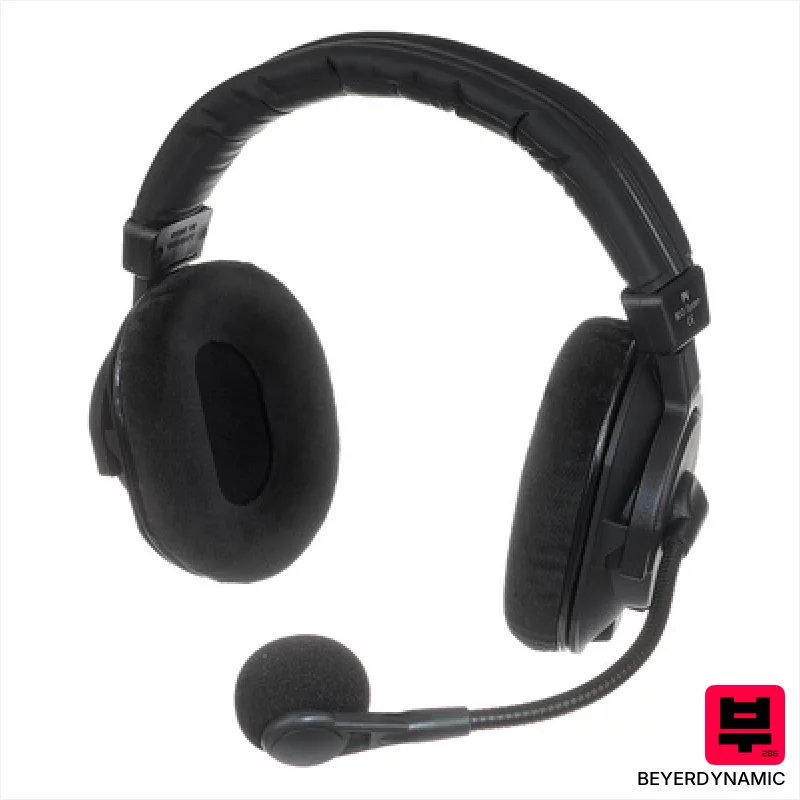
beyerdynamic DT-297-PV/80 MKII
- • Robust build quality; metal headband and durable plastic housing
- • Clear, intelligible microphone with excellent off-axis rejection
- • Comfortable circumaural design for extended wear during long sessions
- • Dynamic headphone drivers offer good isolation and accurate monitoring
- • Requires phantom power, limiting compatibility with some devices
- • No included cable adds to the overall cost and setup complexity
- • 80 Ohm impedance can be challenging to drive without a dedicated amp
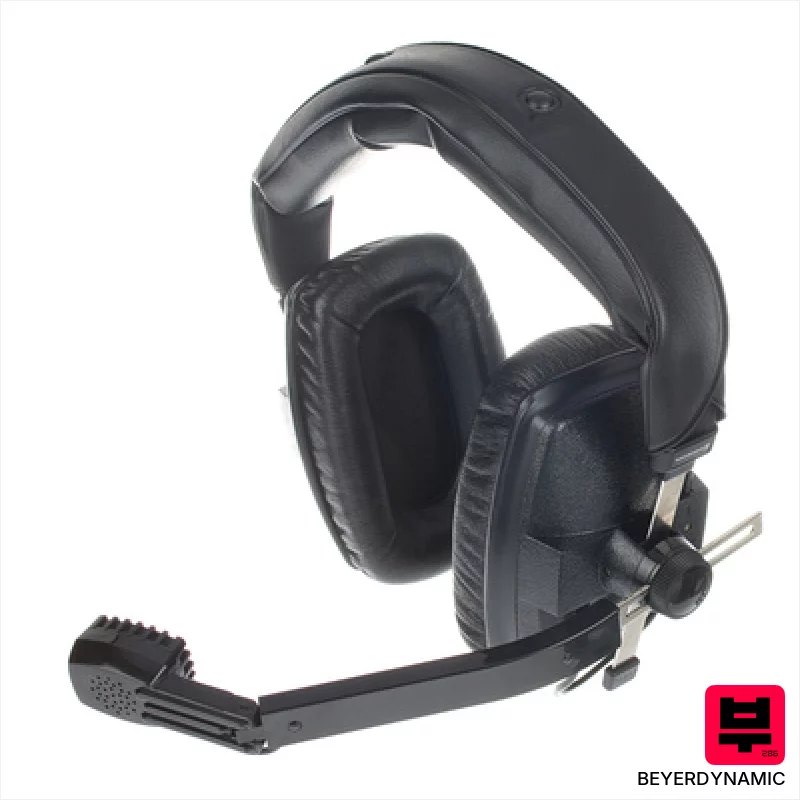
beyerdynamic DT-109/M200/H400-B
- • Robust construction ideal for demanding broadcast environments
- • Hypercardioid mic isolates voice, minimizing background noise
- • 400 Ohm headphones offer excellent detail and clarity
- • Closed-back design provides effective isolation for monitoring
- • Significant weight (390g) can cause fatigue during extended use
- • Lack of included cable necessitates a separate, compatible purchase
- • 40-12,000Hz mic frequency response limits high-end vocal capture

beyerdynamic DT-109/M200/H50-B
- • Robust construction ideal for demanding broadcast environments
- • Hypercardioid mic excels at isolating voice, minimizing background noise
- • Closed-back design provides excellent isolation from external sounds
- • Dynamic drivers deliver clear, intelligible speech reproduction
- • Heavier design may cause fatigue during extended use
- • Lack of included cable adds to overall acquisition cost
- • Limited frequency response compared to audiophile-grade headphones
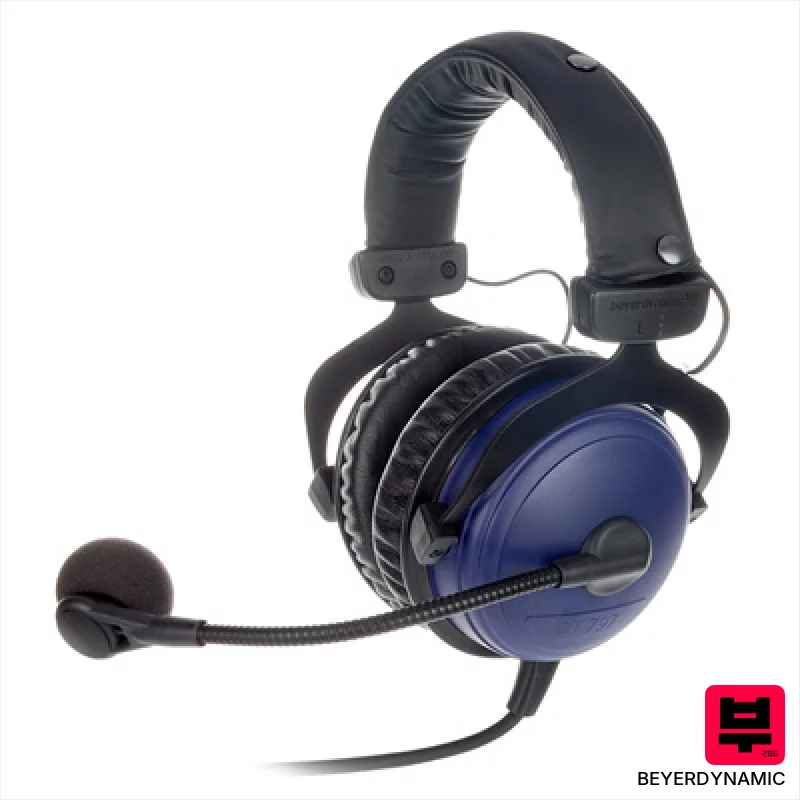
beyerdynamic DT-797 PV
- • Robust metal headband ensures long-term durability and comfort
- • Closed-back design effectively isolates ambient noise, critical for monitoring
- • Cardioid condenser mic captures clear vocals with focused directionality
- • Gooseneck boom offers precise mic positioning and reduces handling noise
- • 250 Ohm impedance requires a decent headphone amplifier for optimal performance
- • The weight (395g) can become fatiguing during extended use
- • Limited versatility outside of intercom and broadcast applications
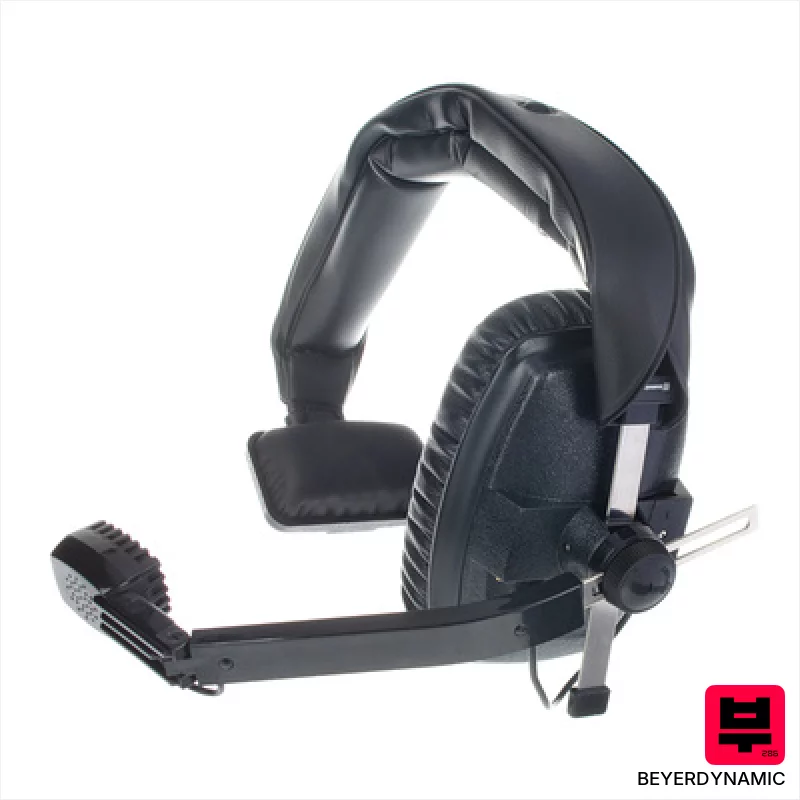
beyerdynamic DT-108/M200/H400-B
- • Robust Beyerdynamic build quality; feels exceptionally durable.
- • Hypercardioid mic excels at isolation in noisy environments.
- • 400 Ohm headphones offer excellent detail retrieval with proper amplification.
- • Dynamic drivers provide clear, articulate communication, minimizing distortion.
- • 400 Ohm impedance demands a powerful headphone amplifier.
- • Closed-back design can feel isolating during extended use.
- • Microphone’s hypercardioid pattern is sensitive to handling noise.
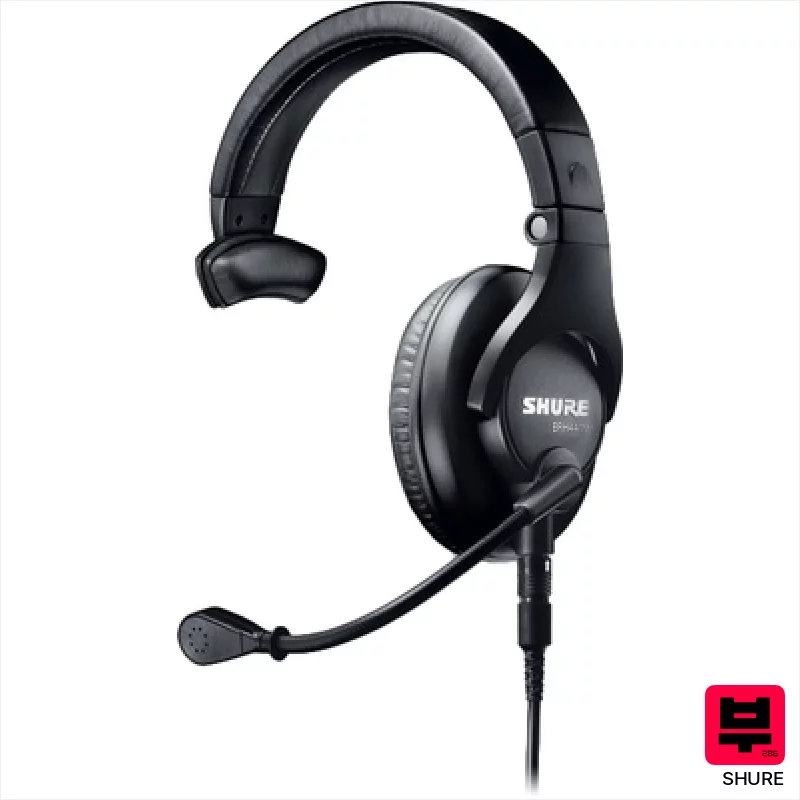
Shure BRH 441M-LC
- • Excellent passive noise isolation due to circumaural, closed-back design
- • Dynamic mic provides clear, intelligible voice reproduction in noisy environments
- • Automatic mic mute is a surprisingly useful and reliable feature
- • Robust build quality; feels durable for demanding professional use
- • Weight (343g) can cause fatigue during extended wear sessions
- • Single-cable design adds complexity for routing and potential failure points
- • Frequency response leans towards clarity, lacking warmth for some vocal styles
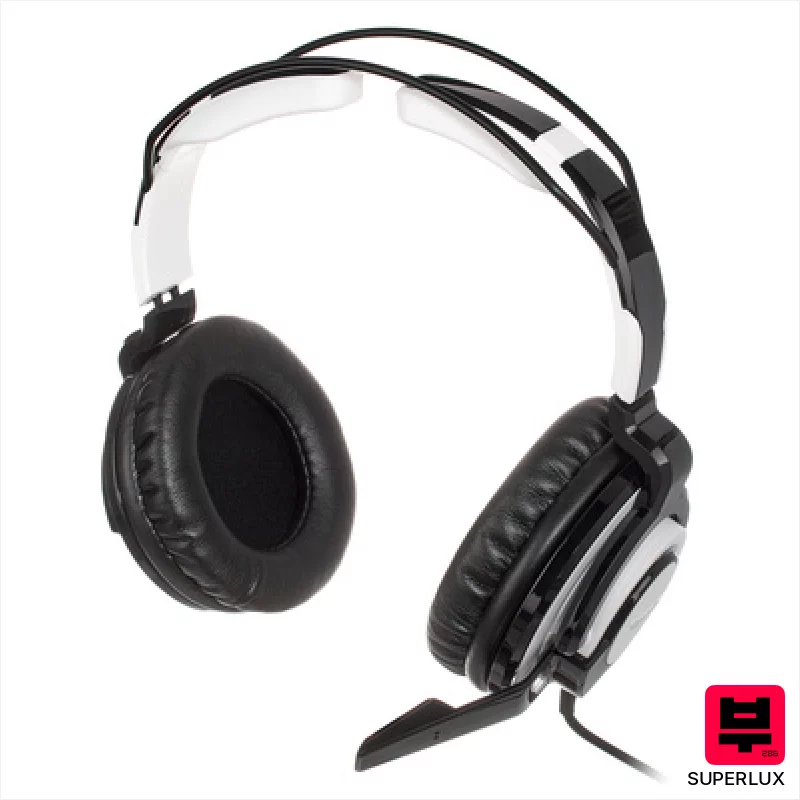
Superlux HMC-631 White
- • Neodymium magnets deliver surprisingly robust bass response.
- • Cardioid mic rejects background noise effectively for clear comms.
- • Circumaural design offers decent passive noise isolation for the price.
- • Lightweight and comfortable for extended wear, especially for monitoring.
- • Build quality feels noticeably cheap, mostly plastic construction.
- • Frequency response leans slightly recessed, lacking sparkle in highs.
- • 3.5mm connectors are a potential point of failure with heavy use.

Superlux HMD685
- • Surprisingly robust headband for a headset in this price range.
- • Dynamic mic delivers clear speech, minimizing background noise.
- • Closed-back design provides decent isolation for stage monitoring.
- • Simple, intuitive mic mute function is genuinely useful onstage.
- • Sound reproduction leans towards a slightly boxy, less detailed presentation.
- • Cable length is limiting for larger stages or more freedom.
- • Build quality, while adequate, feels plasticky and not exceptionally durable.

Superlux HMD685A
- • Dynamic driver provides surprisingly clear vocal reproduction
- • Robust construction feels durable for stage or broadcast use
- • Cardioid mic pattern minimizes background noise effectively
- • Simple mic-flip mute is convenient for quick communication
- • 400 Ohm impedance requires a powerful amplifier for optimal volume
- • Closed-back design can feel isolating during extended use
- • Limited frequency response compared to higher-end studio headphones

Albrecht HS 02 A
- • Lightweight construction minimizes fatigue during extended use.
- • Gooseneck mic provides excellent positioning for clear voice transmission.
- • Versatile mounting options (ear, neckband) suit varied environments.
- • Simple VOX/PTT operation streamlines communication workflows.
- • Plastic construction feels budget-oriented; durability a potential concern.
- • Sound quality is functional, not audiophile-grade, for critical listening.
- • Limited compatibility beyond Albrecht/Midland radios restricts broader use.
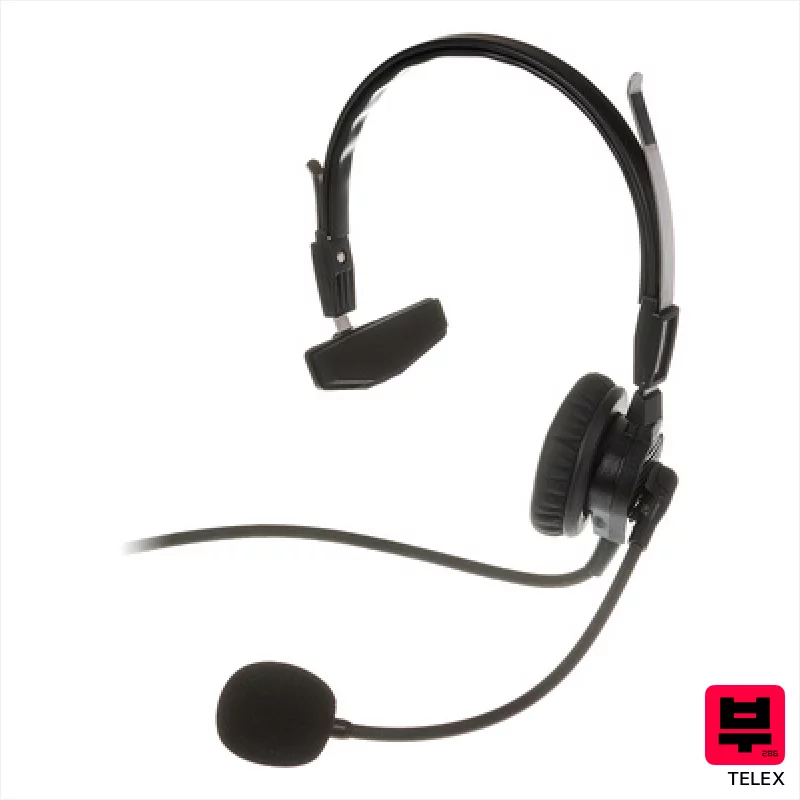
Telex PH-88 Headset
- • Lightweight design minimizes fatigue during long shifts.
- • Dynamic mic handles loud environments without distortion.
- • 4-pin XLR provides robust, professional connectivity.
- • Clear audio reproduction is well-suited for critical communication.
- • Single-ear design limits situational awareness.
- • 300 Ohm impedance requires a powerful amplifier.
- • Limited versatility; designed primarily for intercom systems.
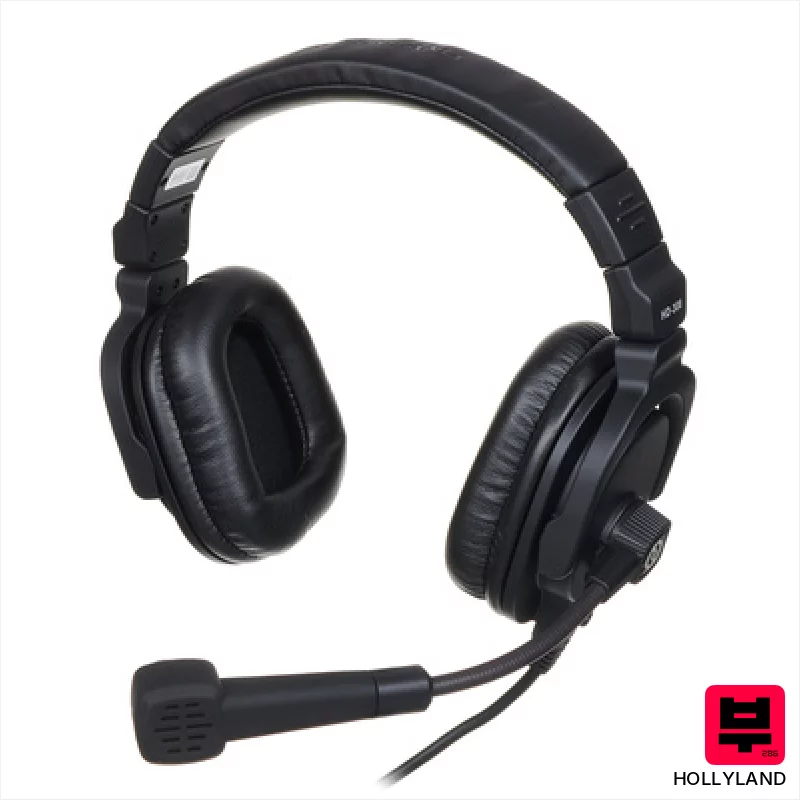
Hollyland M1 Dynamic Double-Side Headset
- • Robust dynamic drivers deliver clear, intelligible speech reproduction
- • Double-sided design provides excellent situational awareness for monitoring
- • Solid construction feels durable, suggesting long-term reliability
- • 8-pin Lemo connection offers a secure and industry-standard interface
- • 310g weight can be fatiguing during extended use, especially for smaller heads
- • Limited compatibility; primarily designed for Hollyland Solidcom M1 systems
- • Sound isolation isn't exceptional; ambient noise can still bleed in
How to Choose the Best Intercom Headphone/Microphone Combinations
Clarity & Noise Rejection
This isn't just about volume; it's about intelligibility. Can you hear the drummer over the guitar amp? Good noise rejection means less fatigue and fewer misunderstandings, especially in loud environments.
Wireless Range & Reliability
A dropped signal mid-take or during a crucial band cue is a nightmare. We're looking for consistent range and minimal dropouts, even when navigating a crowded stage or studio.
Comfort & Ergonomics
Headsets can be brutal after a few hours. We're assessing headset weight, padding, and microphone placement - because nobody wants to spend a gig fighting their gear.
Channel Count & Flexibility
More channels mean more people can communicate. Consider how many users you need now and how that might grow in the future. Flexibility in configurations is also key - can you easily create subgroups?
Audio Quality (Headphone & Mic)
It's not just about hearing clearly; it's about the tone of the voice you're hearing. A muddy or distorted headphone signal is distracting, and a mic that doesn't pick up nuances will make communication feel flat.
Buying Guide
At this price point, you're generally looking at wireless systems, and that means trade-offs. Don't expect the pristine clarity of a top-tier broadcast intercom - you'll likely encounter some compression and a slight color to the sound. Prioritize reliability and noise rejection over absolute audio fidelity; a clear, understandable signal is more important than a perfectly flat frequency response. Carefully consider the number of channels you truly need, as that often drives up the price significantly.
How This List Is Built
We don't play these instruments — we're a catalog, not a review desk, and we'd rather say so than pretend otherwise. This page ranks 15 intercom headphone/microphone combinations from the Thomann catalogue, which is the largest single source of specification data in this category.
Position is computed, not curated. Four signals, in order of weight: how completely the manufacturer documents the instrument (number of published specifications), where it sits in the price range, how specific the model designation is — which filters out generic accessories — and whether a product image exists. The same inputs always produce the same order, so nothing here is shuffled to look fresh.
What this list is good for: narrowing a category down to a shortlist by spec and budget. What it isn't: a substitute for hearing an instrument. Before you buy, read hands-on reviews and, where you can, play it. Full methodology.

