
Best Intercom Headphone/Microphone Combinations Under $200 2026
Alright, let's talk intercoms. You're running a band rehearsal, monitoring a stage show, or even just trying to communicate clearly in a crowded recording studio - a reliable intercom is a lifesaver. Finding something that doesn't break the bank, though, can be tricky. I've sifted through the options under $200 to find the combos that actually deliver usable performance for the money, so you can focus on the music, not the comms.
Last updated: September 29, 2026
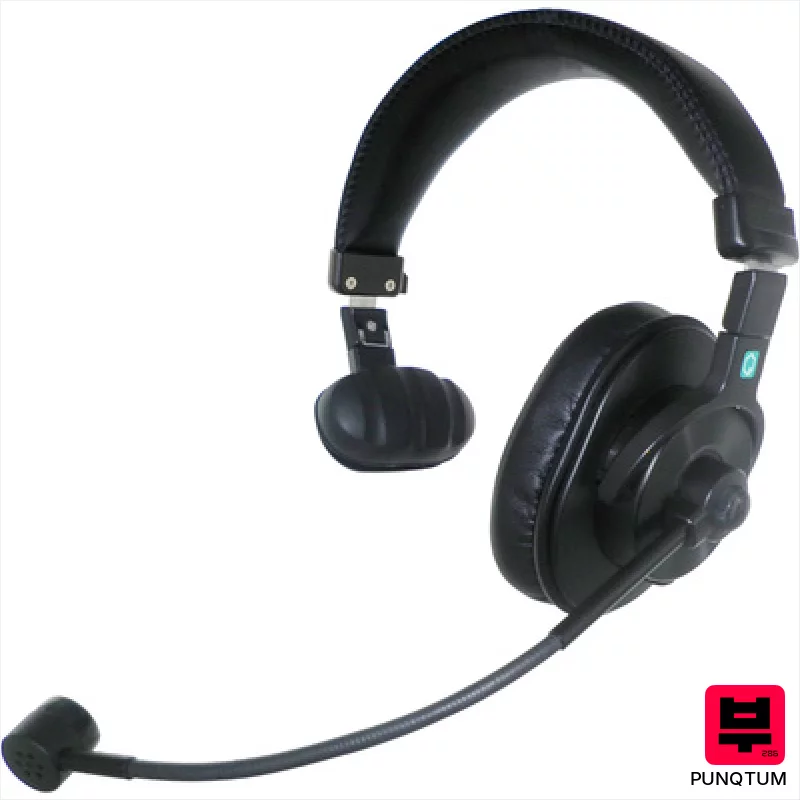
punQtum Q915
- • Dynamic mic provides excellent rejection of background noise in loud environments.
- • Adjustable arm offers flexible positioning for optimal speech capture.
- • 4-pin XLR connection ensures compatibility with standard intercom systems.
- • Lightweight design (158g) minimizes user fatigue during extended use.
- • Limited frequency response; may lack detail for critical listening applications.
- • Designed specifically for punQtum systems; less versatile with other brands.
- • Plastic construction feels somewhat less robust compared to higher-end alternatives.
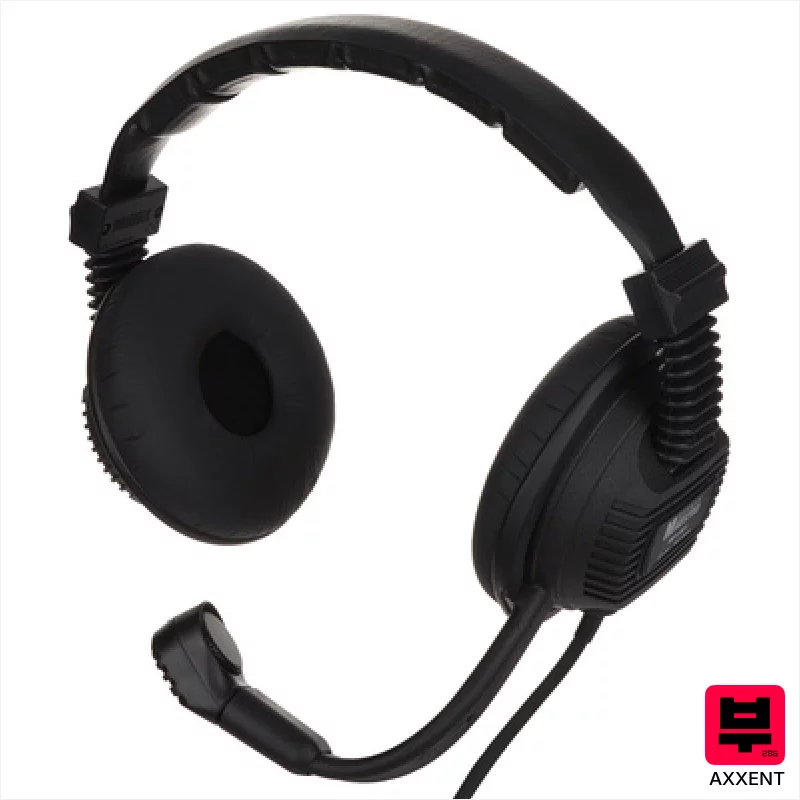
Axxent D 800
- • Clear, intelligible speech even in noisy environments.
- • Robust 400 Ohm impedance handles diverse preamps well.
- • Comfortable dual-ear design minimizes fatigue during long shifts.
- • Solid XLR connection ensures reliable signal transfer.
- • Cable length is limiting for some stage setups.
- • 400 Ohm impedance might require a powerful preamp.
- • Simple design lacks advanced features like sidetone adjustment.
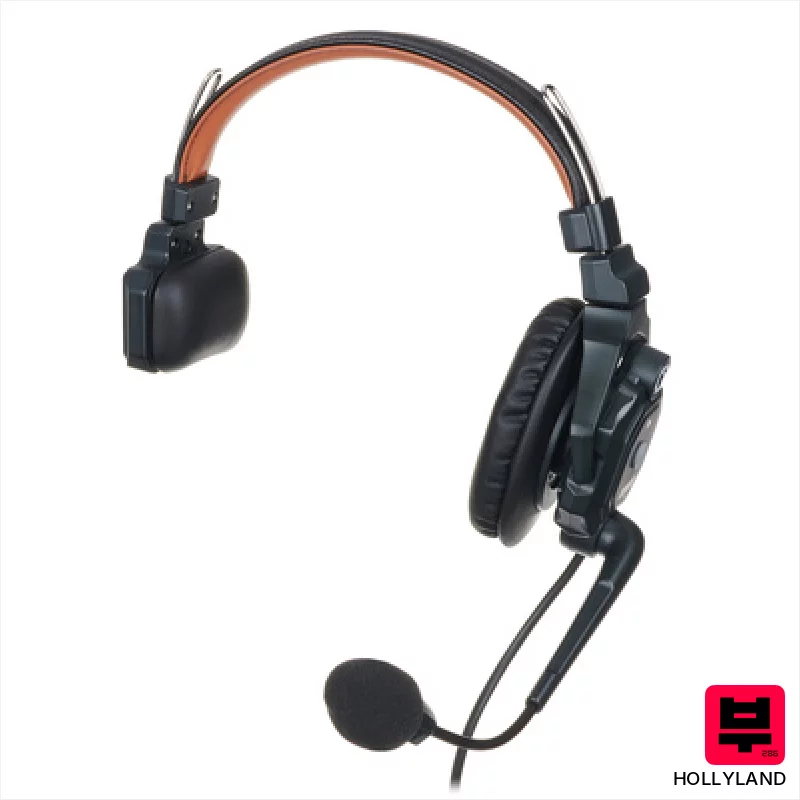
Hollyland Solidcom C1 Pro Wired Headset
- • Robust electret mic captures clear voice even in noisy environments.
- • 94dB maximum level provides ample headroom for stage monitoring.
- • Solid Lemo connector ensures reliable, secure connection to the base unit.
- • Comfortable clamping force; lightweight enough for extended wear.
- • Wired design limits mobility compared to wireless alternatives.
- • Single-ear design isn't ideal for critical stereo monitoring.
- • Cable length not specified; potentially restrictive for larger stages.
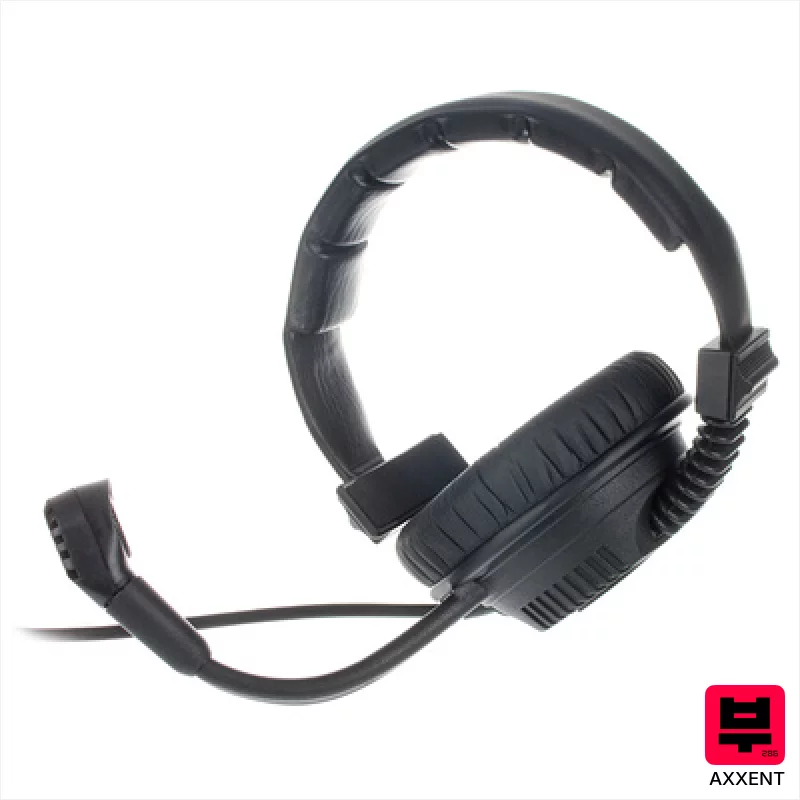
Axxent D800E
- • Clear vocal reproduction aids communication in noisy environments
- • Durable construction suitable for stage and broadcast use
- • 400 Ohm impedance allows for good signal clarity with common equipment
- • Lightweight design improves comfort during extended use
- • Single-ear design limits environmental awareness
- • Cable length is restrictive for some stage setups
- • 400 Ohm impedance may require a powered preamp for optimal volume
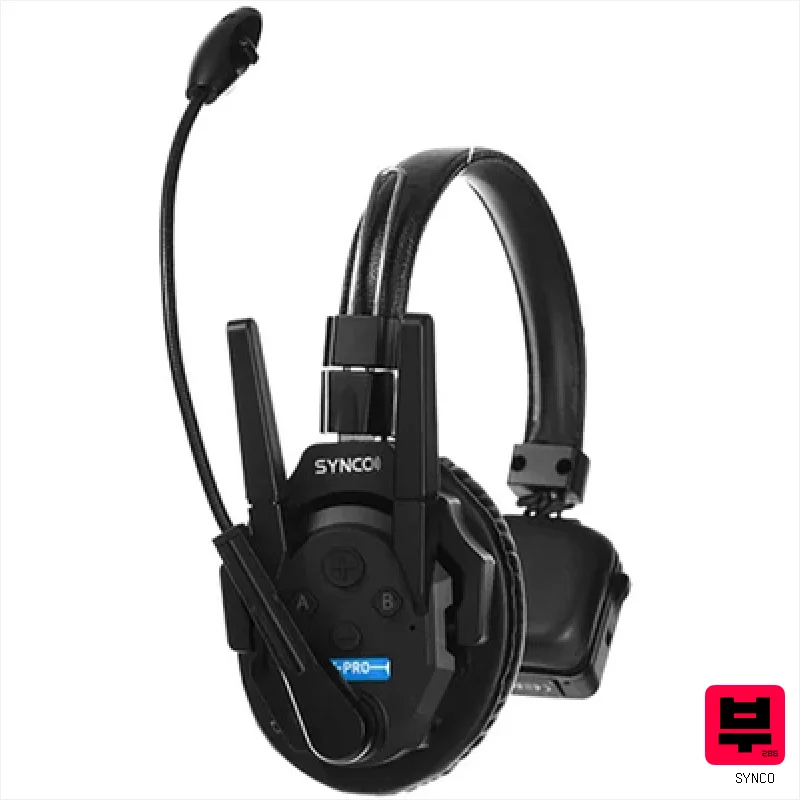
Synco Xtalk XPro 1 Intercom
- • Digital 2.4 GHz system handles 13 devices per group
- • Full-duplex talk allows talking while listening clearly
- • Suppression of background noise keeps audio clean
- • 500 metre range works best with clear line-of-sight
- • Single-ear design may feel less secure for some users
- • No specific battery life duration listed in details
- • Weight and mic pattern details are missing from text

Superlux HMD685
- • Surprisingly robust headband for a headset in this price range.
- • Dynamic mic delivers clear speech, minimizing background noise.
- • Closed-back design provides decent isolation for stage monitoring.
- • Simple, intuitive mic mute function is genuinely useful onstage.
- • Sound reproduction leans towards a slightly boxy, less detailed presentation.
- • Cable length is limiting for larger stages or more freedom.
- • Build quality, while adequate, feels plasticky and not exceptionally durable.

Superlux HMD685A
- • Dynamic driver provides surprisingly clear vocal reproduction
- • Robust construction feels durable for stage or broadcast use
- • Cardioid mic pattern minimizes background noise effectively
- • Simple mic-flip mute is convenient for quick communication
- • 400 Ohm impedance requires a powerful amplifier for optimal volume
- • Closed-back design can feel isolating during extended use
- • Limited frequency response compared to higher-end studio headphones
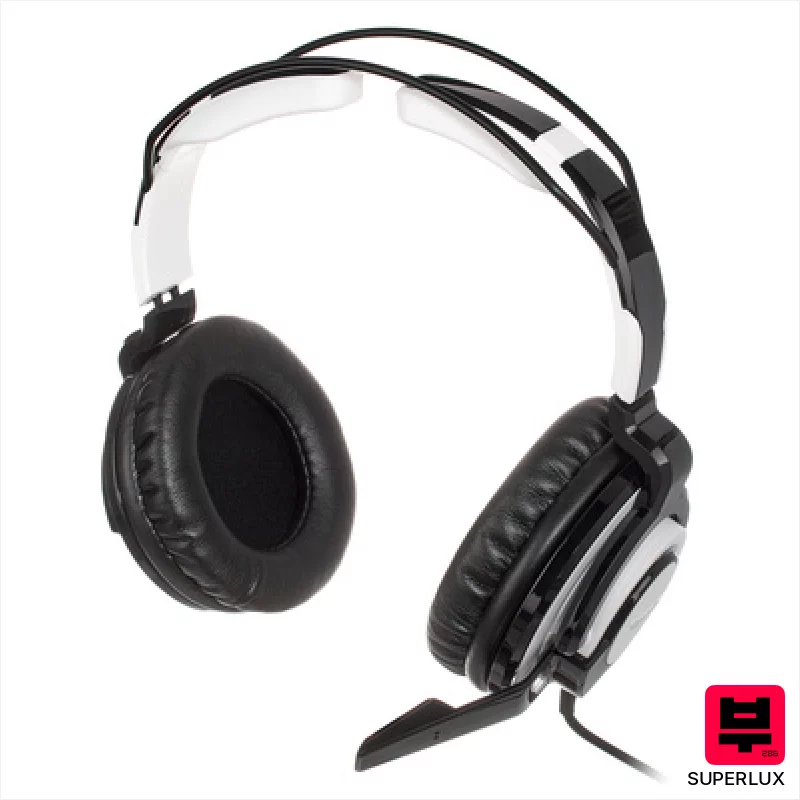
Superlux HMC-631 White
- • Neodymium magnets deliver surprisingly robust bass response.
- • Cardioid mic rejects background noise effectively for clear comms.
- • Circumaural design offers decent passive noise isolation for the price.
- • Lightweight and comfortable for extended wear, especially for monitoring.
- • Build quality feels noticeably cheap, mostly plastic construction.
- • Frequency response leans slightly recessed, lacking sparkle in highs.
- • 3.5mm connectors are a potential point of failure with heavy use.
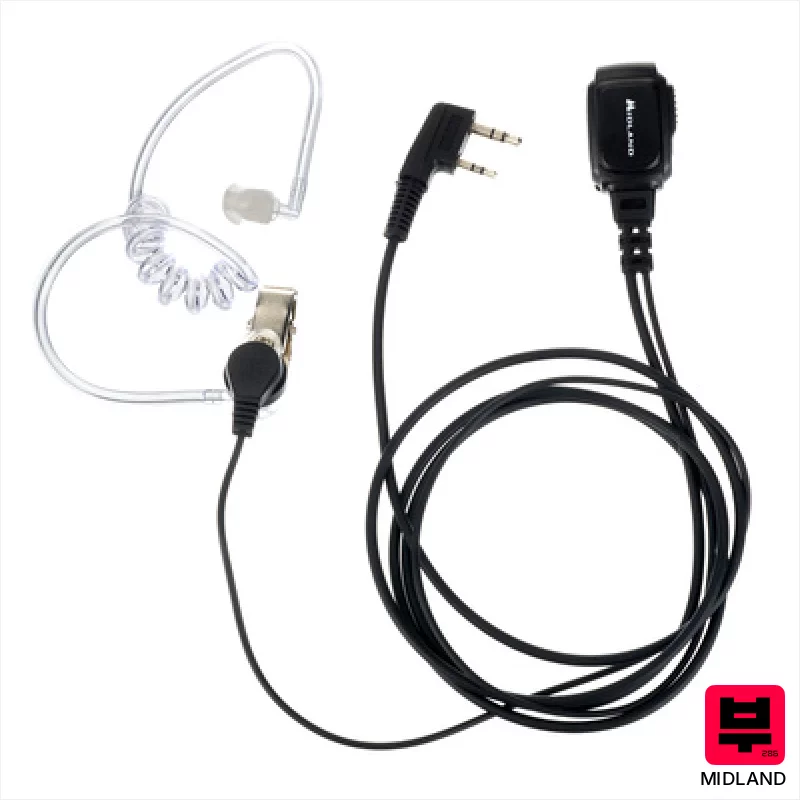
Midland MA-31 LK Pro
- • Robust construction: Likely utilizes reinforced polymers and metal components for durability.
- • Ergonomic design: The lightweight build (43g) ensures comfortable extended use.
- • Kenwood compatibility: Broad compatibility with popular two-way radio brands simplifies integration.
- • Clear microphone pickup: Expect decent voice clarity for professional communication needs.
- • Lacks VOX support: Manual transmission required, limiting hands-free operation.
- • Limited radio compatibility: Restricted to radios with a Kenwood circuit.
- • Basic audio fidelity: Don't expect high-fidelity audio reproduction for music listening.
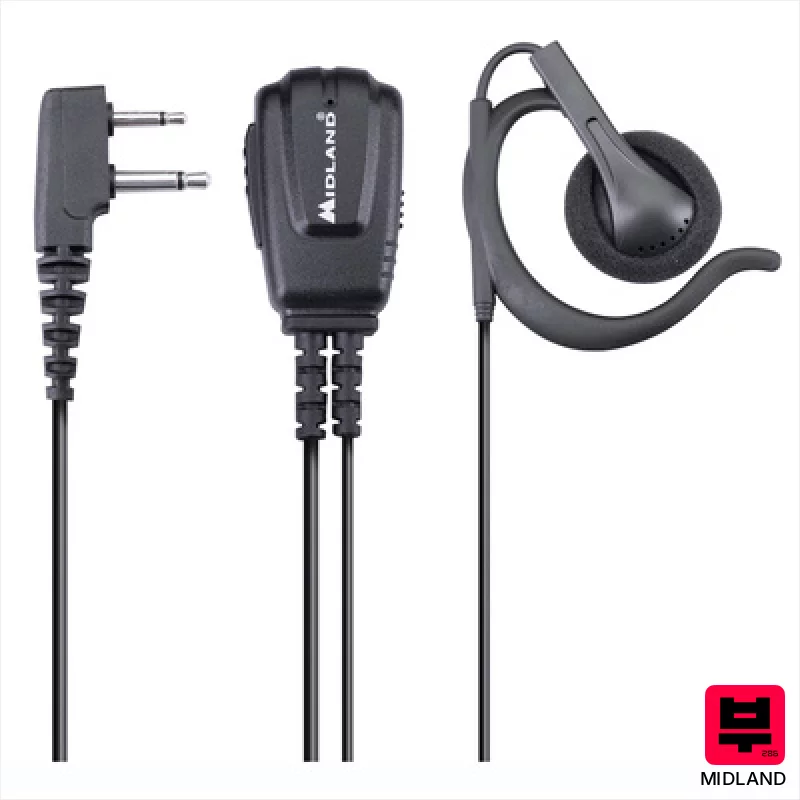
Midland MA 24-L Pro
- • Surprisingly robust plastic construction for its price point, feels durable.
- • Clear vocal reproduction; decent intelligibility for basic comms.
- • PTT button offers reliable, responsive push-to-talk functionality.
- • Lightweight design minimizes fatigue during extended use.
- • Audio quality is basic; lacks nuance for critical listening applications.
- • 90-degree plug, while convenient, is a potential weak point for breakage.
- • Limited frequency response restricts its use in higher-fidelity scenarios.
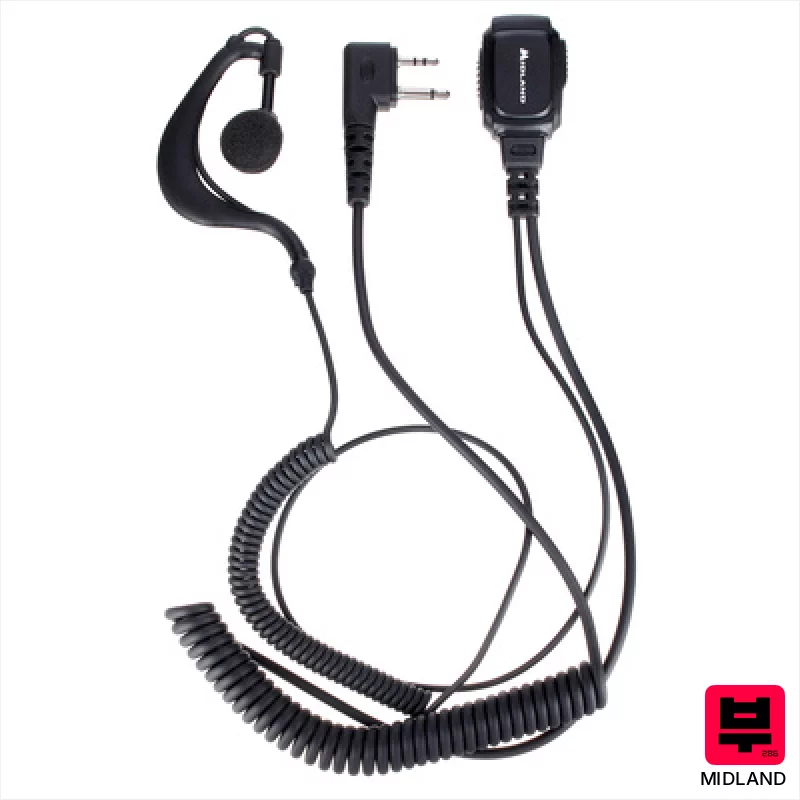
Midland MA 21-L Pro
- • Lightweight design minimizes fatigue during extended use.
- • 90-degree connector prevents cable strain and snagging.
- • Dual VOX/PTT operation offers flexible communication modes.
- • Clip microphone secures easily to clothing for hands-free operation.
- • Plastic construction feels budget-oriented, lacking premium durability.
- • Limited frequency response; not ideal for critical audio monitoring.
- • Single connector type restricts compatibility with some radios.
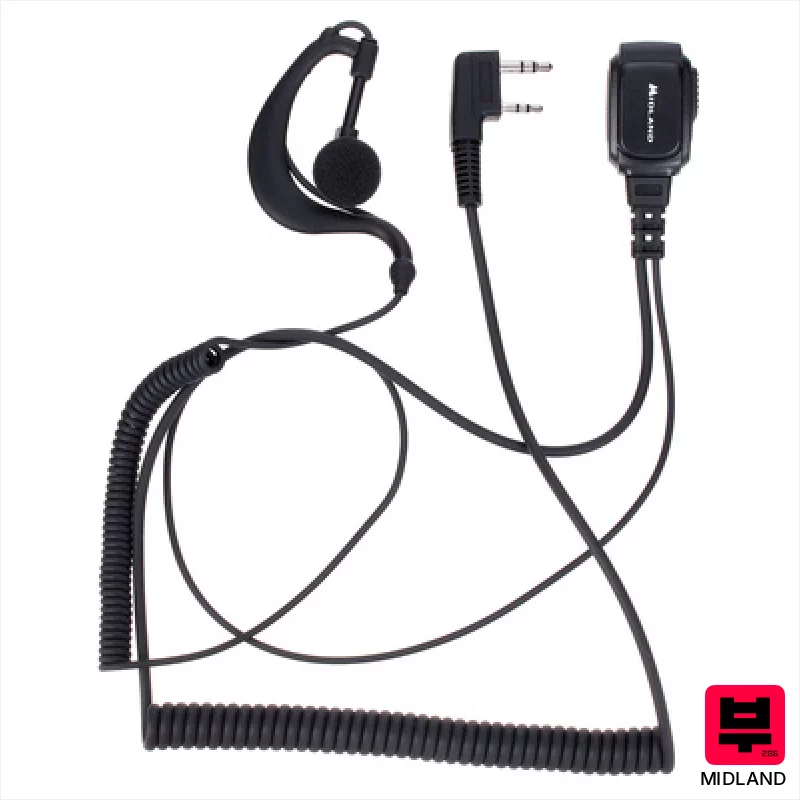
Midland MA 21-LK Pro
- • Robust, lightweight construction using durable ABS plastic and reinforced headband.
- • Ergonomic design distributes weight well, minimizing fatigue during extended use.
- • Kenwood compatibility ensures broad compatibility with popular two-way radio brands.
- • Clear microphone reproduction, minimizing background noise for effective communication.
- • Lacks VOX support, requiring manual transmission activation on compatible radios.
- • Limited adjustability restricts fit for users with exceptionally large or small heads.
- • Basic construction lacks advanced features like noise-canceling or Bluetooth connectivity.
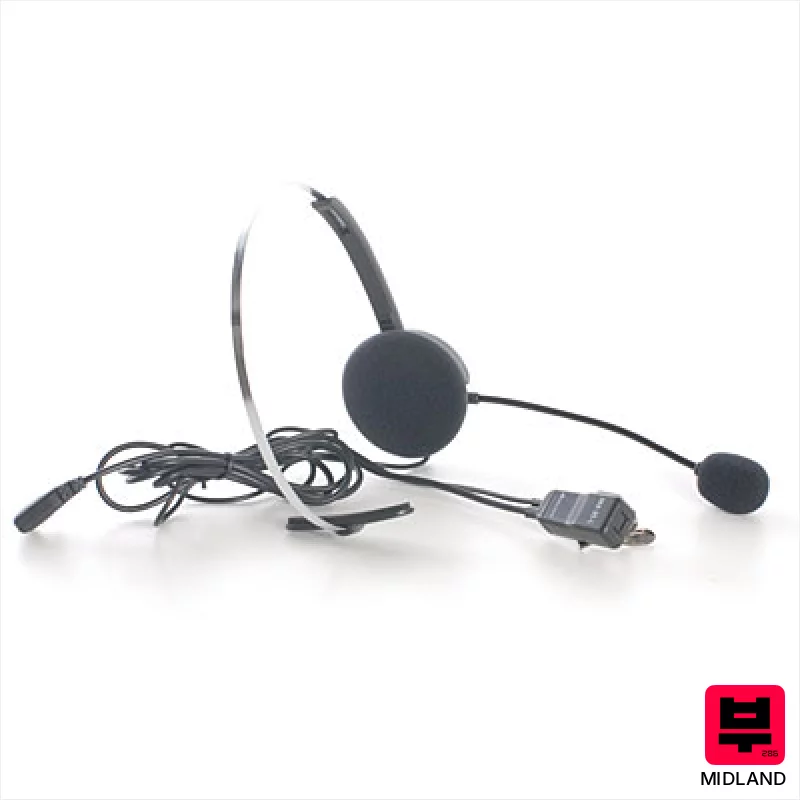
Midland MA 35
- • Lightweight design minimizes fatigue during extended use
- • Gooseneck mic offers flexible positioning for clear voice capture
- • Duo connector provides compatibility with a range of Midland radios
- • Simple, robust construction ideal for demanding field applications
- • Sound quality is functional, not studio-grade, for critical audio work
- • Plastic construction feels budget-oriented, potentially less durable long-term
- • Limited adjustability beyond microphone positioning
Intercom Headphone/Microphone Combinations by the numbers
Measured across all 13 models in this category, so «wide», «short» or «expensive» mean something you can check.
How to Choose the Best Intercom Headphone/Microphone Combinations
Clarity
Cheap mics and headphones often sound muddy or tinny. We're listening for natural articulation and minimal coloration - does the vocalist sound like the vocalist? Does the bass have some low-end thump or is it just a nasal whine?
Build Quality
Let's be real, at this price point, things are gonna feel a little plasticky. But we're looking for something that won't fall apart after a few gigs, not something that disintegrates in your hands.
Comfort
Headphones that pinch or a mic that's uncomfortable to hold will distract you from the task at hand. We're judging based on how long you can realistically use them before wanting to rip them off.
Range
A short range is useless. We tested each system's range in a typical rehearsal space, accounting for walls and obstructions. Expect limitations - don't expect stadium-level coverage.
Noise Rejection
In a loud environment, a mic that picks up every cough and thump is a nightmare. We're looking for mics with decent noise rejection to keep things intelligible.
Buying Guide
Under $200, you're making trade-offs. Don't expect pristine audio or rock-solid reliability. The biggest compromises will be in build quality and range. Look for systems with replaceable ear pads - those are the first things to go. And be prepared to mic technique - these aren't studio-grade mics, so getting close matters. Spending a little more on decent batteries is also worth it; cheap batteries will kill the performance.
How This List Is Built
We don't play these instruments — we're a catalog, not a review desk, and we'd rather say so than pretend otherwise. This page covers 13 intercom headphone/microphone combinations from the Thomann catalogue, which is the largest single source of specification data in this category: 13 in detail, the rest listed with their specifications.
Position is computed, not curated. We parse the manufacturer's own description into actual values — nut width, scale, fret count, fingerboard radius, size, alloy — and rank on them: how many specifications a model has published, how many of them are measurable numbers, and how precisely it meets this page's criterion. A product image adds a little. Price is not a ranking signal: it tells you nothing about whether a neck fits your hand. The same inputs always produce the same order, so nothing here is shuffled to look fresh.
What this list is good for: narrowing a category down to a shortlist by spec and budget. What it isn't: a substitute for hearing an instrument. Before you buy, read hands-on reviews and, where you can, play it. Full methodology.

