
Best Intercom Headphone/Microphone Combinations Under $300 2026
So, you need an intercom setup but your budget looks like a pawn shop guitar? Been there. Coordinating with your drummer during a loud rehearsal or whispering cues to the vocalist onstage can be a nightmare without something to hear each other. We're focusing on solid, working solutions under $300 - no studio-grade luxury, but definitely enough to keep your band from imploding.
Last updated: September 30, 2026
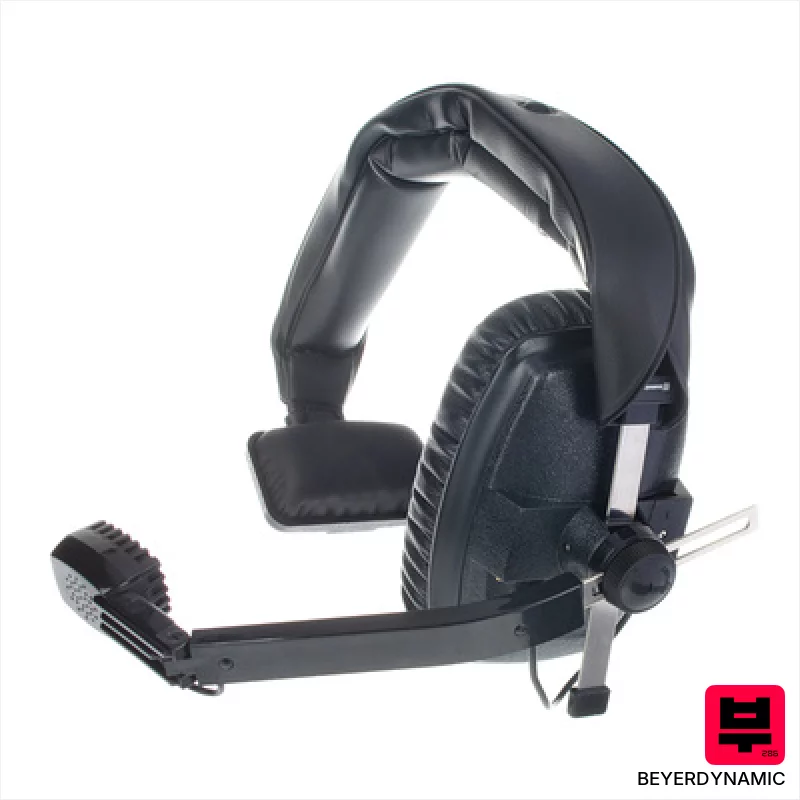
beyerdynamic DT-108/M200/H400-B
- • Robust Beyerdynamic build quality; feels exceptionally durable.
- • Hypercardioid mic excels at isolation in noisy environments.
- • 400 Ohm headphones offer excellent detail retrieval with proper amplification.
- • Dynamic drivers provide clear, articulate communication, minimizing distortion.
- • 400 Ohm impedance demands a powerful headphone amplifier.
- • Closed-back design can feel isolating during extended use.
- • Microphone’s hypercardioid pattern is sensitive to handling noise.
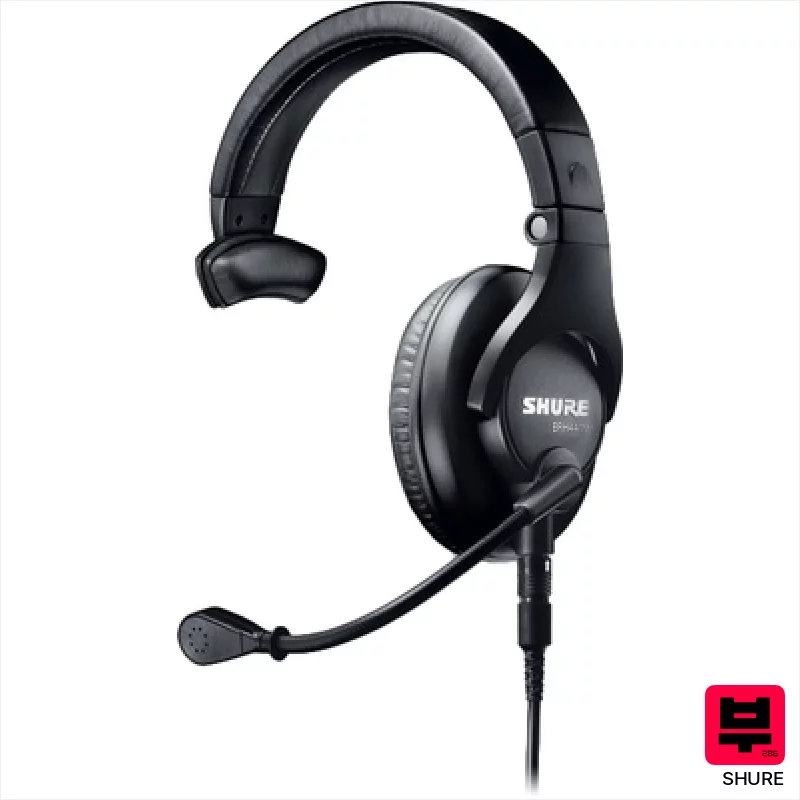
Shure BRH 441M-LC
- • Excellent passive noise isolation due to circumaural, closed-back design
- • Dynamic mic provides clear, intelligible voice reproduction in noisy environments
- • Automatic mic mute is a surprisingly useful and reliable feature
- • Robust build quality; feels durable for demanding professional use
- • Weight (343g) can cause fatigue during extended wear sessions
- • Single-cable design adds complexity for routing and potential failure points
- • Frequency response leans towards clarity, lacking warmth for some vocal styles
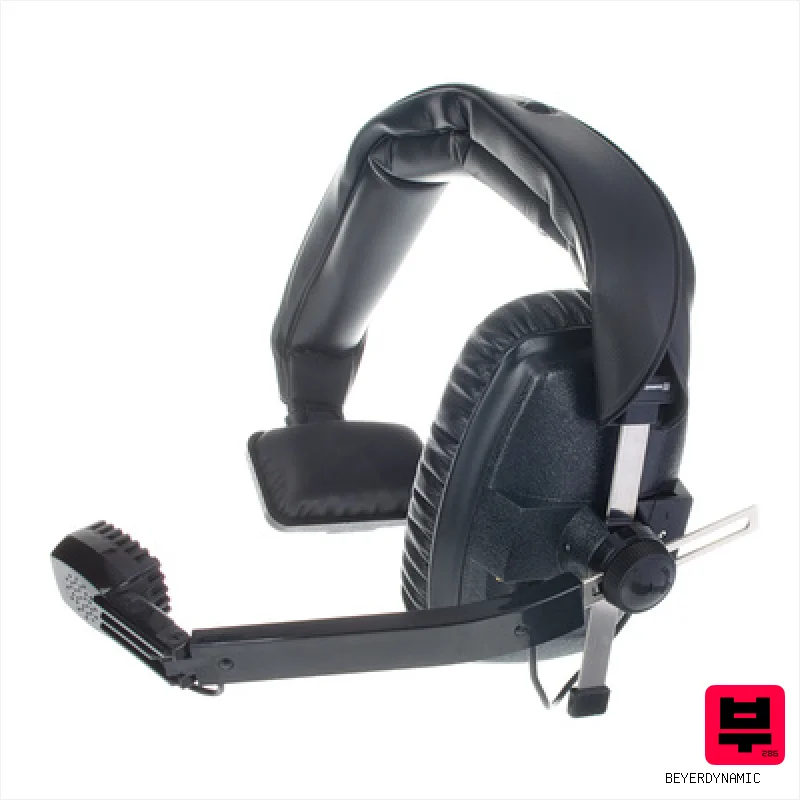
beyerdynamic DT-108/M200/H50-B
- • Dynamic closed design blocks outside noise well
- • Hypercardioid mic picks up sound from the front only
- • Wide frequency range handles most live band sounds
- • Lightweight at 283 grams for long wear
- • Cable sold separately adds extra cost
- • Low impedance mic needs matching gear
- • Circumaural cups may feel bulky on some heads
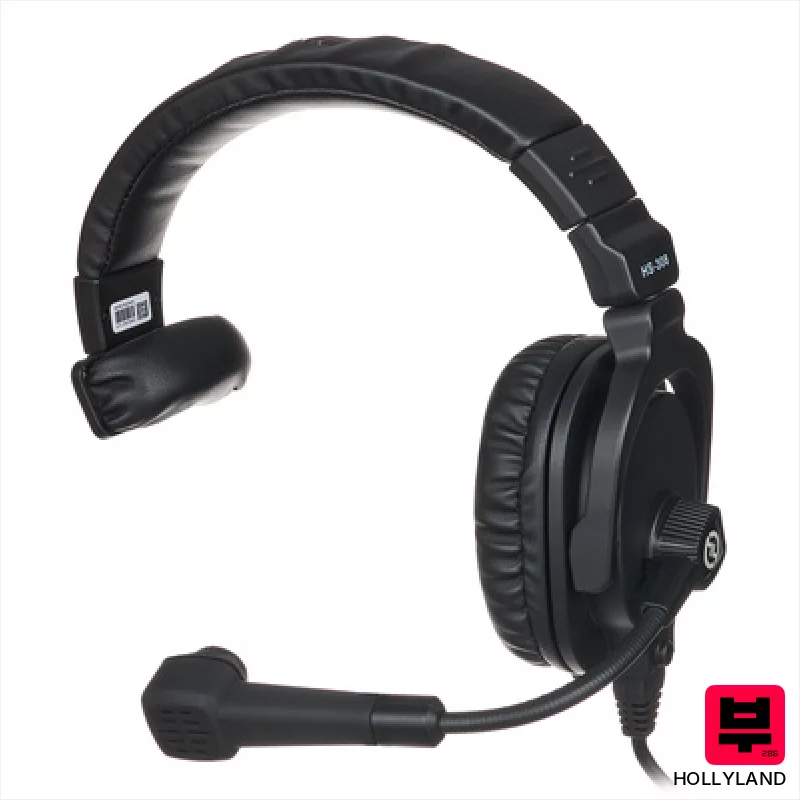
Hollyland M1 Dynamic Single-Ear Headset
- • Robust build quality with reinforced headband and ear cup hinges.
- • Dynamic mic capsule delivers clear, intelligible speech, minimizing sibilance.
- • Effective ambient noise suppression handles moderately loud environments well.
- • Comfortable clamping force for secure fit during extended use – a real improvement over some competitors.
- • 310g weight becomes noticeable during prolonged wear; not ideal for smaller heads.
- • 8-pin Lemo connection limits compatibility outside the Solidcom ecosystem.
- • Sound reproduction lacks a broader frequency response; primarily for speech, not music.
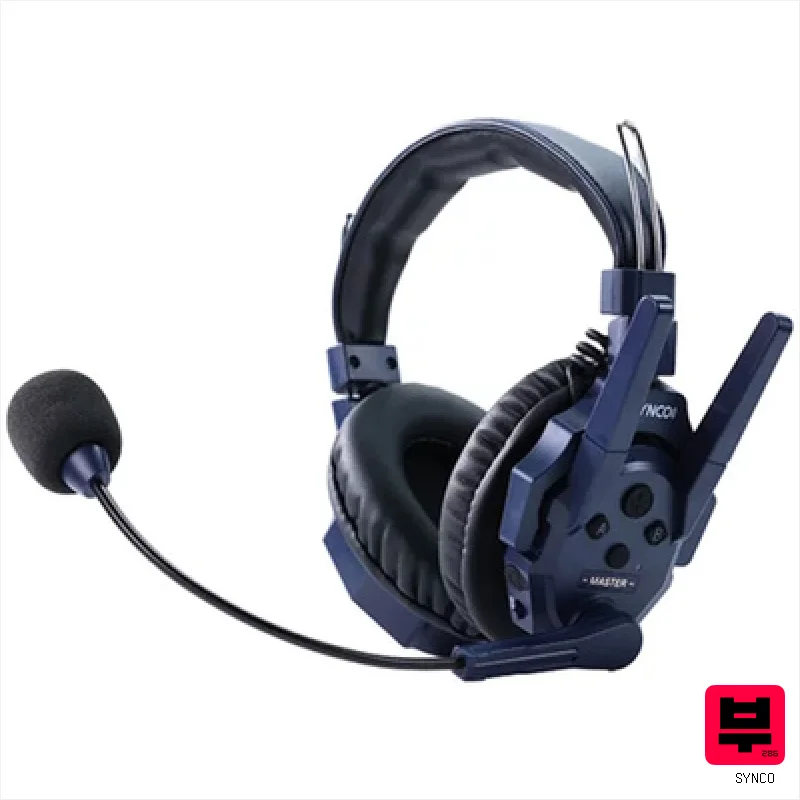
Synco Xtalk Master XM1D Intercom
- • Digital 2.4 GHz ensures clear audio up to 500 meters
- • AI noise cancellation removes background interference effectively
- • Full-duplex talk lets you speak and listen simultaneously
- • Smart grouping allows quick switching between two teams
- • No cable length data provided for flexible setup
- • Weight specifications are missing from the description
- • Frequency response details are incomplete in the text
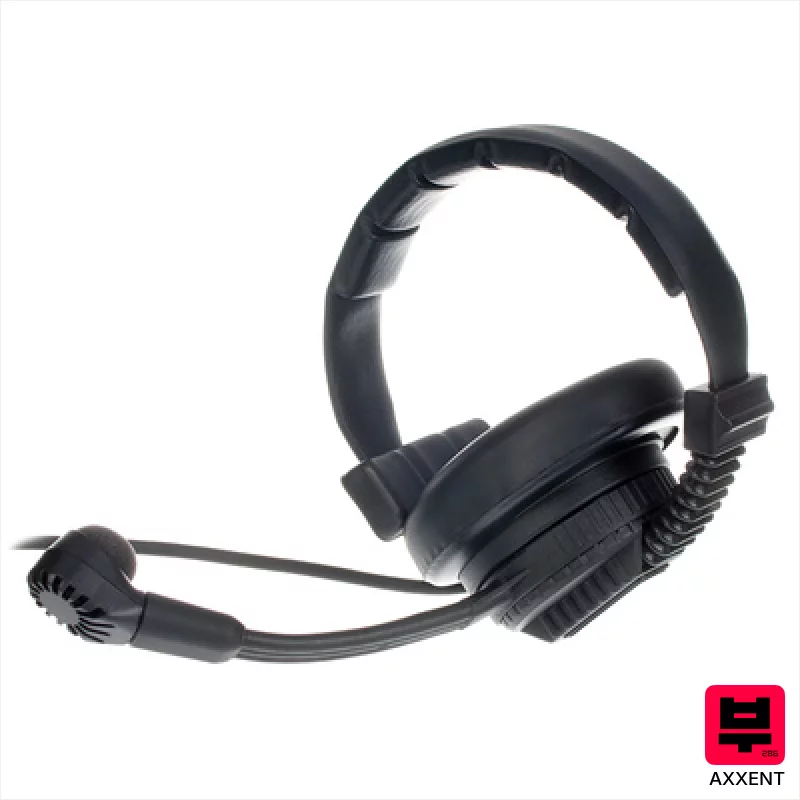
Axxent D900 E
- • Excellent frequency response for clear intercom communication
- • Robust gooseneck design resists accidental damage
- • Automatic mic-mute is a genuinely useful time-saver
- • 400 Ohm system provides ample headroom for clean audio
- • 400 Ohm impedance requires a powerful amplifier or interface
- • One-ear design limits awareness of surroundings
- • Build materials feel a bit plasticky for the price point
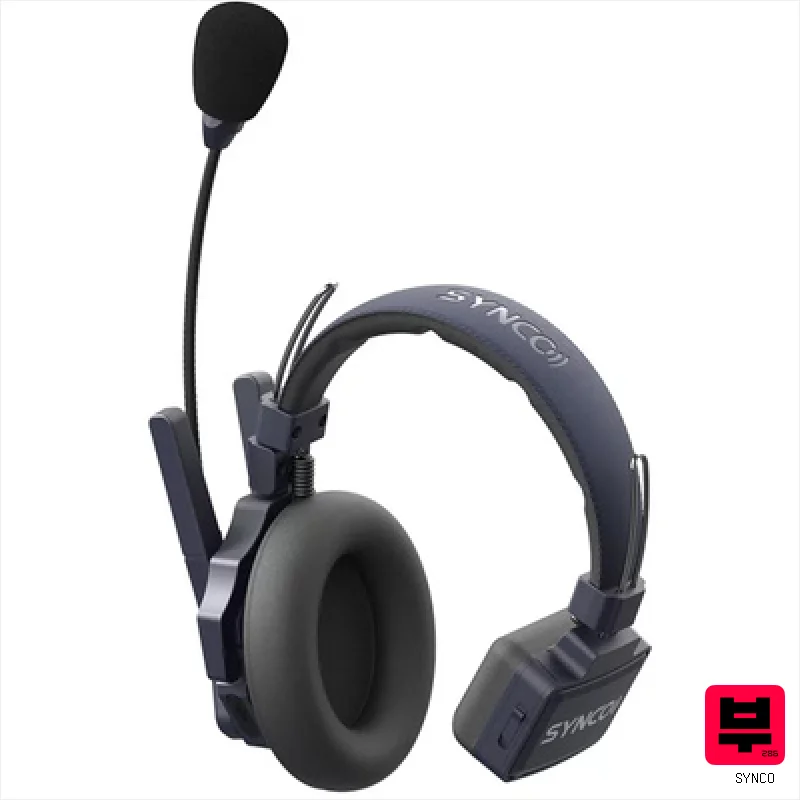
Synco Xtalk Master XM1 Intercom
- • Up to 8 devices talk at once without getting lost.
- • AI noise cancellation cuts through loud stage sounds.
- • Smart grouping switches between two teams instantly.
- • Direct audio from cameras for perfect sync.
- • Only one ear works, so you lose balance.
- • Range requires clear line of sight to work well.
- • No cable length listed for flexible setup options.
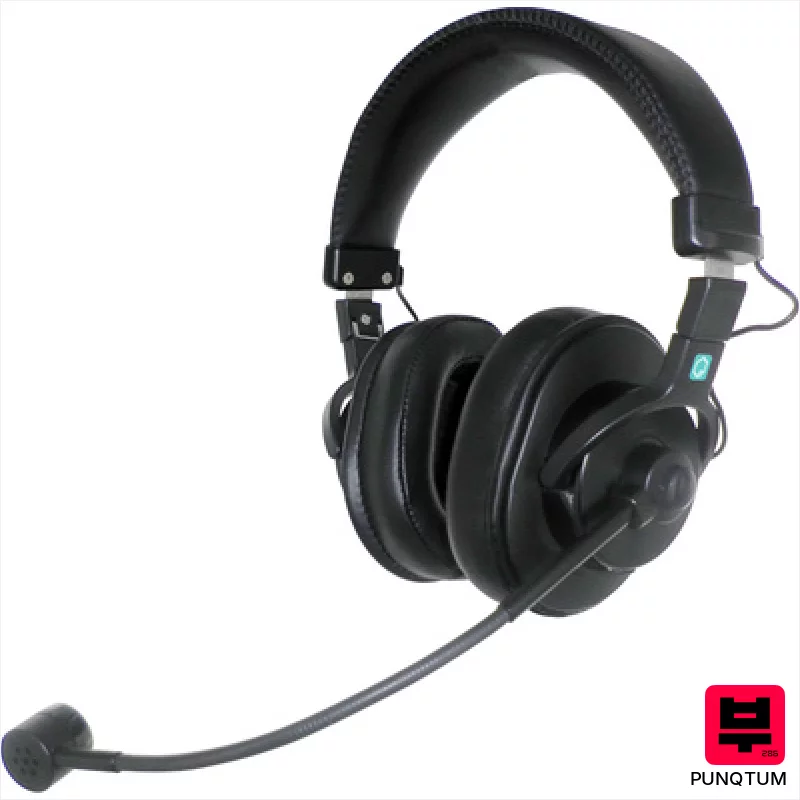
punQtum Q925
- • Dynamic mic capsule delivers clear speech, minimizing background noise effectively.
- • Adjustable arm offers precise mic positioning for optimal vocal capture.
- • Robust 4-pin XLR connection ensures reliable signal transfer and compatibility.
- • Lightweight design (184g) reduces fatigue during extended use.
- • Limited versatility outside of its intended punQtum Q110 beltpack system.
- • Dynamic mic may lack sensitivity for quieter, more nuanced vocal performances.
- • Cable length isn't specified, potentially requiring extensions in some setups.
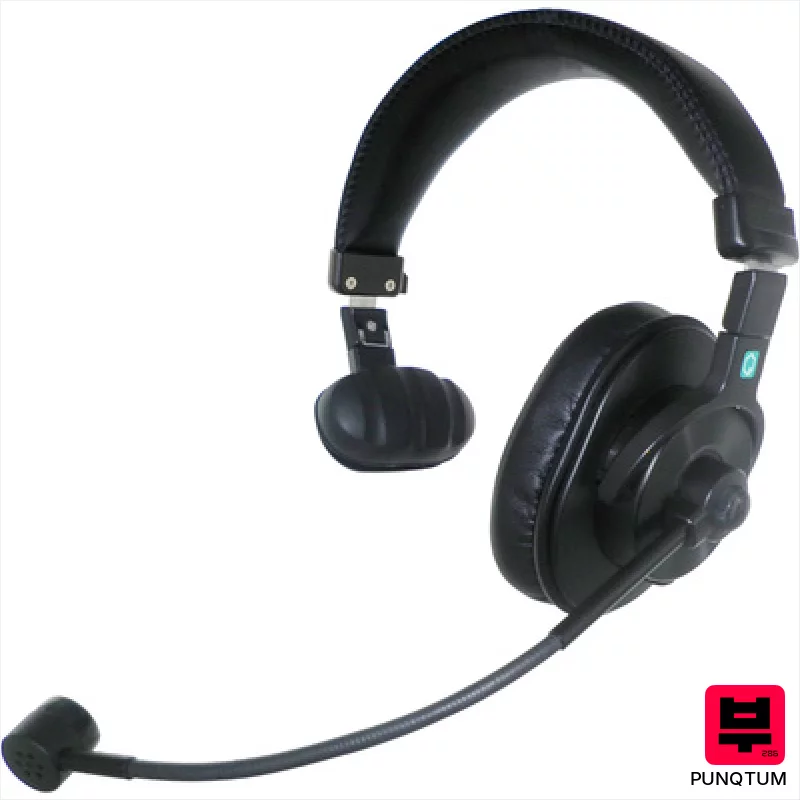
punQtum Q915
- • Dynamic mic provides excellent rejection of background noise in loud environments.
- • Adjustable arm offers flexible positioning for optimal speech capture.
- • 4-pin XLR connection ensures compatibility with standard intercom systems.
- • Lightweight design (158g) minimizes user fatigue during extended use.
- • Limited frequency response; may lack detail for critical listening applications.
- • Designed specifically for punQtum systems; less versatile with other brands.
- • Plastic construction feels somewhat less robust compared to higher-end alternatives.
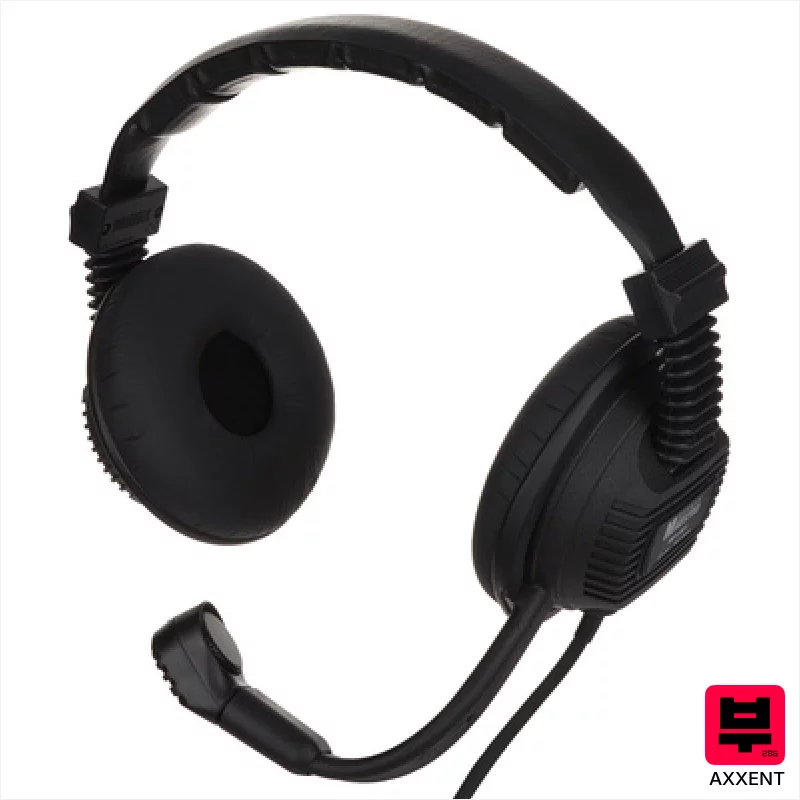
Axxent D 800
- • Clear, intelligible speech even in noisy environments.
- • Robust 400 Ohm impedance handles diverse preamps well.
- • Comfortable dual-ear design minimizes fatigue during long shifts.
- • Solid XLR connection ensures reliable signal transfer.
- • Cable length is limiting for some stage setups.
- • 400 Ohm impedance might require a powerful preamp.
- • Simple design lacks advanced features like sidetone adjustment.
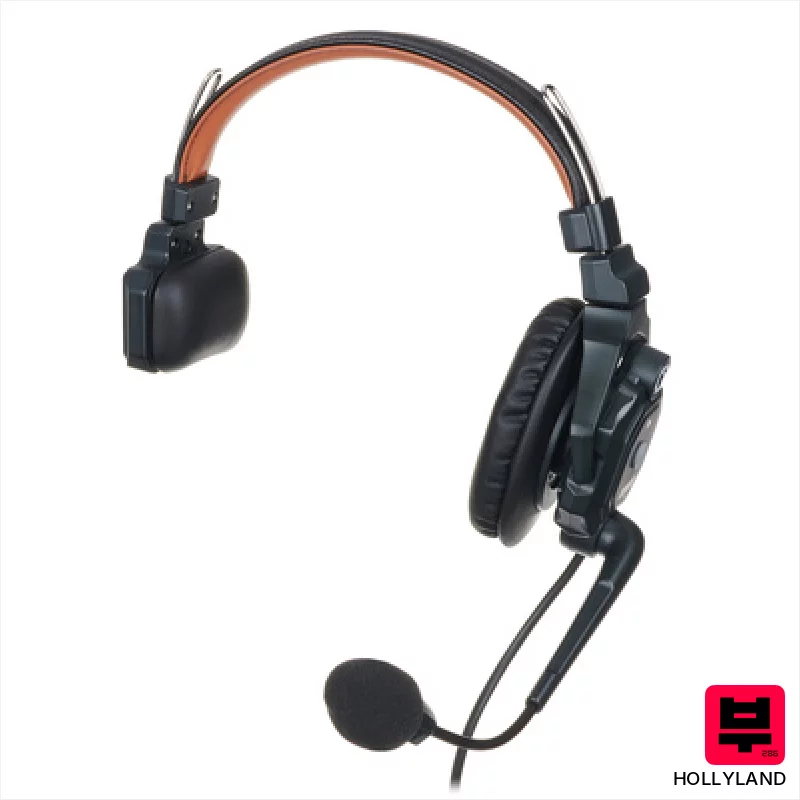
Hollyland Solidcom C1 Pro Wired Headset
- • Robust electret mic captures clear voice even in noisy environments.
- • 94dB maximum level provides ample headroom for stage monitoring.
- • Solid Lemo connector ensures reliable, secure connection to the base unit.
- • Comfortable clamping force; lightweight enough for extended wear.
- • Wired design limits mobility compared to wireless alternatives.
- • Single-ear design isn't ideal for critical stereo monitoring.
- • Cable length not specified; potentially restrictive for larger stages.
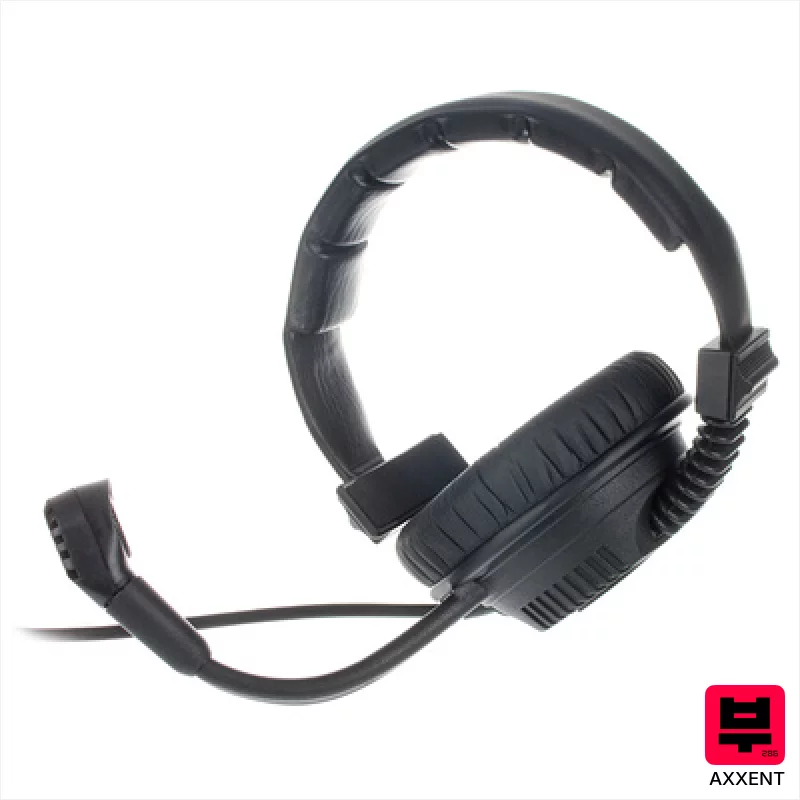
Axxent D800E
- • Clear vocal reproduction aids communication in noisy environments
- • Durable construction suitable for stage and broadcast use
- • 400 Ohm impedance allows for good signal clarity with common equipment
- • Lightweight design improves comfort during extended use
- • Single-ear design limits environmental awareness
- • Cable length is restrictive for some stage setups
- • 400 Ohm impedance may require a powered preamp for optimal volume
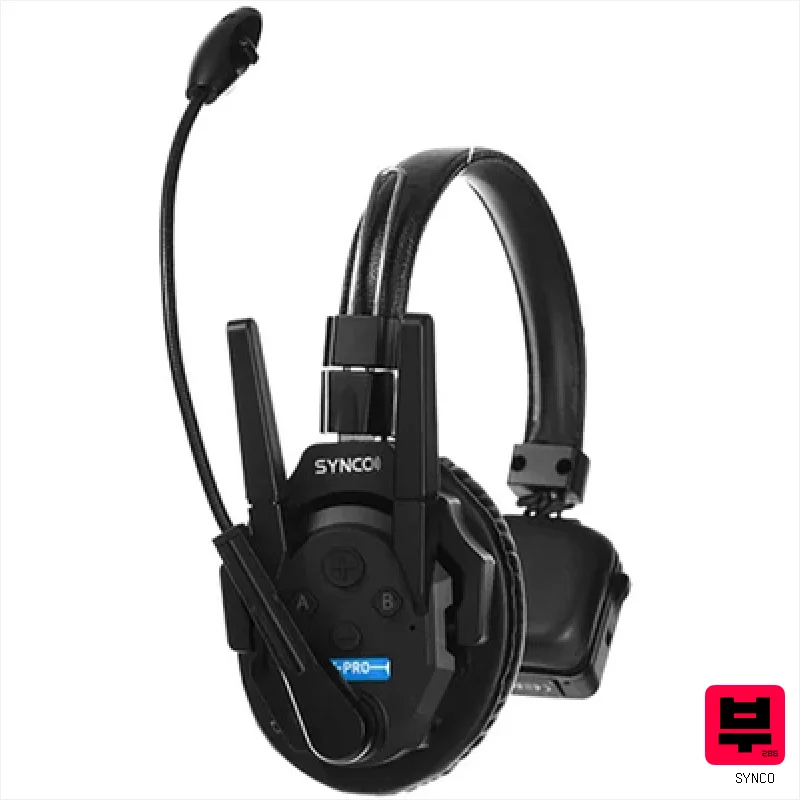
Synco Xtalk XPro 1 Intercom
- • Digital 2.4 GHz system handles 13 devices per group
- • Full-duplex talk allows talking while listening clearly
- • Suppression of background noise keeps audio clean
- • 500 metre range works best with clear line-of-sight
- • Single-ear design may feel less secure for some users
- • No specific battery life duration listed in details
- • Weight and mic pattern details are missing from text

Superlux HMD685
- • Surprisingly robust headband for a headset in this price range.
- • Dynamic mic delivers clear speech, minimizing background noise.
- • Closed-back design provides decent isolation for stage monitoring.
- • Simple, intuitive mic mute function is genuinely useful onstage.
- • Sound reproduction leans towards a slightly boxy, less detailed presentation.
- • Cable length is limiting for larger stages or more freedom.
- • Build quality, while adequate, feels plasticky and not exceptionally durable.

Superlux HMD685A
- • Dynamic driver provides surprisingly clear vocal reproduction
- • Robust construction feels durable for stage or broadcast use
- • Cardioid mic pattern minimizes background noise effectively
- • Simple mic-flip mute is convenient for quick communication
- • 400 Ohm impedance requires a powerful amplifier for optimal volume
- • Closed-back design can feel isolating during extended use
- • Limited frequency response compared to higher-end studio headphones
Every intercom headphone/microphone combinations that matches
21 models match this page. The 15 above are covered in detail; the rest are listed here with their published specifications.
| # | Model | Specifications | Price |
|---|---|---|---|
| 16 | Superlux HMC-631 White | not published | $51 |
| 17 | Midland MA-31 LK Pro | not published | $28 |
| 18 | Midland MA 24-L Pro | not published | $28 |
| 19 | Midland MA 21-L Pro | not published | $27 |
| 20 | Midland MA 21-LK Pro | not published | $27 |
| 21 | Midland MA 35 | not published | $26 |
Intercom Headphone/Microphone Combinations by the numbers
Measured across all 21 models in this category, so «wide», «short» or «expensive» mean something you can check.
How to Choose the Best Intercom Headphone/Microphone Combinations
Clarity
It's not just about hearing; it's about understanding. Muddled audio is useless. We're looking for crisp vocals and minimal background noise - crucial when you're giving quick directions.
Comfort
Wearing these things for hours takes a toll. Headband padding, earpiece design, and microphone weight all contribute to long-term comfort. A tight, uncomfortable fit will distract you from the gig.
Durability
Gigs aren't gentle. We want something that can take a few bumps and bruises without falling apart - no flimsy plastic or easily-snapped parts.
Channel Separation
Essential for multiple people communicating. Overlapping audio is a recipe for confusion. Clean channel separation lets everyone hear the intended voice.
Battery Life/Power
A dead intercom mid-song is a disaster. We're checking runtime and ease of powering - whether it's AA batteries or a wall wart.
Buying Guide
Realistically, under $300, you're making trade-offs. Don't expect pristine audio quality like you'd get with a broadcast-grade system. You'll likely be sacrificing some low-end thump or high-frequency sparkle. Focus on clarity and comfort; those are the non-negotiables. If you need more channels, you'll be paying more - that's where the cost jumps significantly.
How This List Is Built
We don't play these instruments — we're a catalog, not a review desk, and we'd rather say so than pretend otherwise. This page covers 21 intercom headphone/microphone combinations from the Thomann catalogue, which is the largest single source of specification data in this category: 15 in detail, the rest listed with their specifications.
Position is computed, not curated. We parse the manufacturer's own description into actual values — nut width, scale, fret count, fingerboard radius, size, alloy — and rank on them: how many specifications a model has published, how many of them are measurable numbers, and how precisely it meets this page's criterion. A product image adds a little. Price is not a ranking signal: it tells you nothing about whether a neck fits your hand. The same inputs always produce the same order, so nothing here is shuffled to look fresh.
What this list is good for: narrowing a category down to a shortlist by spec and budget. What it isn't: a substitute for hearing an instrument. Before you buy, read hands-on reviews and, where you can, play it. Full methodology.

