
Best Intercom Headphone/Microphone Combinations for Theater 2026
Alright, so you're running comms for a theater production? Forget the generic warehouse intercom setups - those things sound like you're talking through a tin can. Getting clear, intelligible communication between stage management, the sound crew, and the director is critical for a smooth show, and that starts with the right headset combo. We're gonna break down what to look for, and some specific setups that actually work in the chaos of a live performance.
Last updated: July 15, 2026 • Next update: July 22, 2026
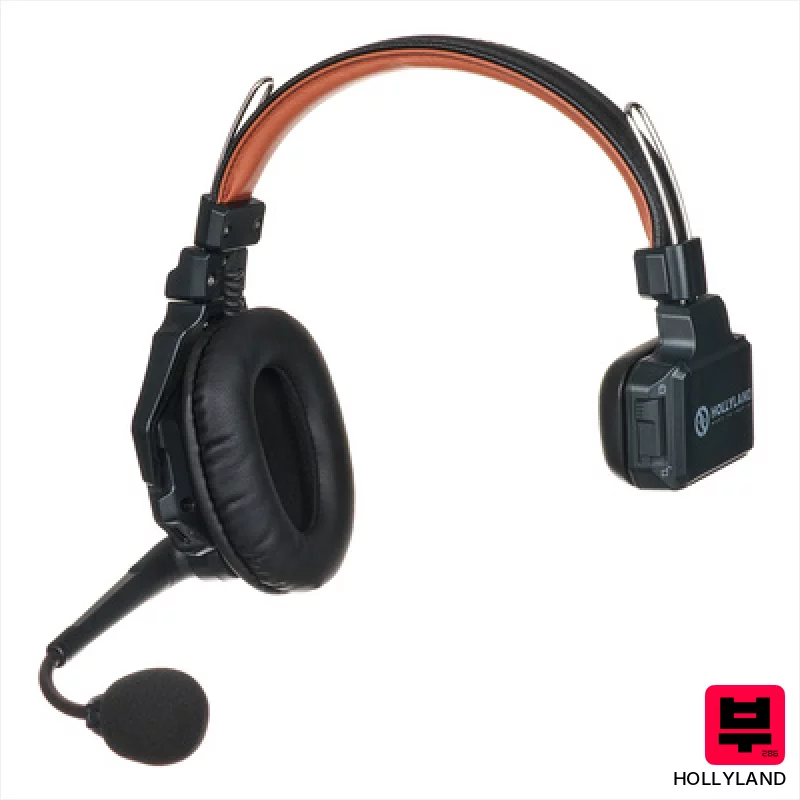
Hollyland Solidcom C1 Pro Master Headset
- • Excellent range exceeding most competitors' DECT implementations.
- • Dual-mic ENC effectively minimizes background rumble and stage noise.
- • Comfortable clamping force for extended wear during long performances.
- • Clear, natural vocal reproduction; avoids overly processed or tinny sound.
- • The 170g weight can become fatiguing during prolonged use.
- • Limited compatibility; designed solely for the Solidcom C1 series.
- • Lack of adjustable EQ or tone shaping options is a notable omission.

beyerdynamic DT-109/M200/H50-B
- • Robust construction ideal for demanding broadcast environments
- • Hypercardioid mic excels at isolating voice, minimizing background noise
- • Closed-back design provides excellent isolation from external sounds
- • Dynamic drivers deliver clear, intelligible speech reproduction
- • Heavier design may cause fatigue during extended use
- • Lack of included cable adds to overall acquisition cost
- • Limited frequency response compared to audiophile-grade headphones
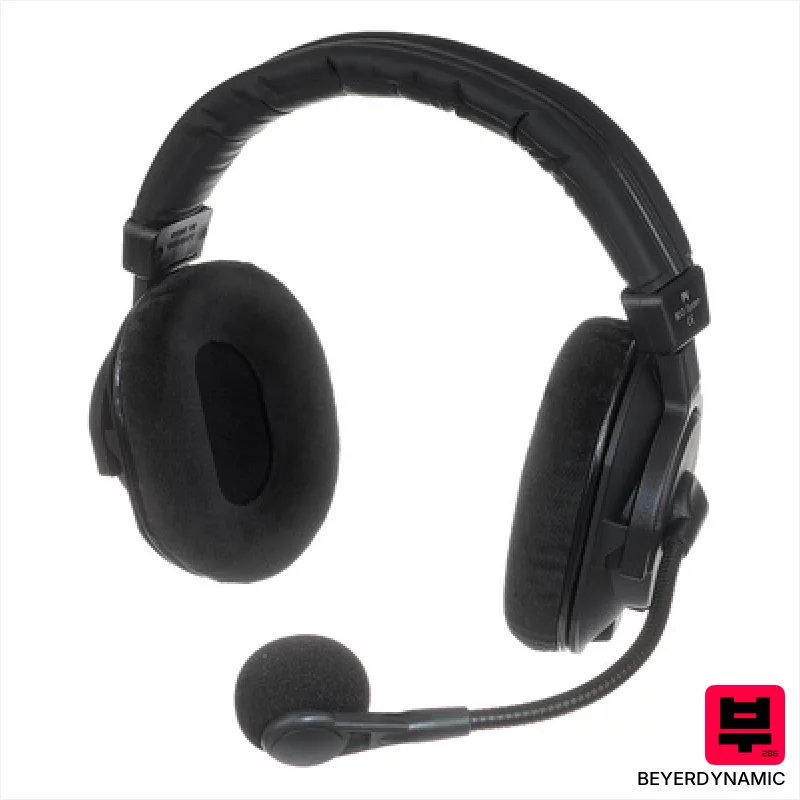
beyerdynamic DT-297-PV/80 MKII
- • Robust build quality; metal headband and durable plastic housing
- • Clear, intelligible microphone with excellent off-axis rejection
- • Comfortable circumaural design for extended wear during long sessions
- • Dynamic headphone drivers offer good isolation and accurate monitoring
- • Requires phantom power, limiting compatibility with some devices
- • No included cable adds to the overall cost and setup complexity
- • 80 Ohm impedance can be challenging to drive without a dedicated amp
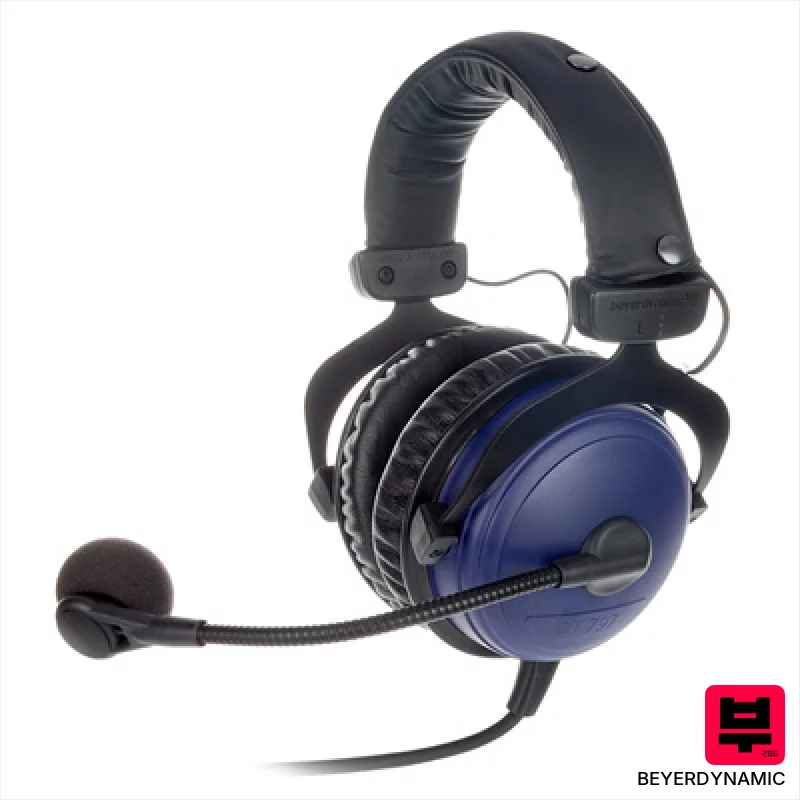
beyerdynamic DT-797 PV
- • Robust metal headband ensures long-term durability and comfort
- • Closed-back design effectively isolates ambient noise, critical for monitoring
- • Cardioid condenser mic captures clear vocals with focused directionality
- • Gooseneck boom offers precise mic positioning and reduces handling noise
- • 250 Ohm impedance requires a decent headphone amplifier for optimal performance
- • The weight (395g) can become fatiguing during extended use
- • Limited versatility outside of intercom and broadcast applications
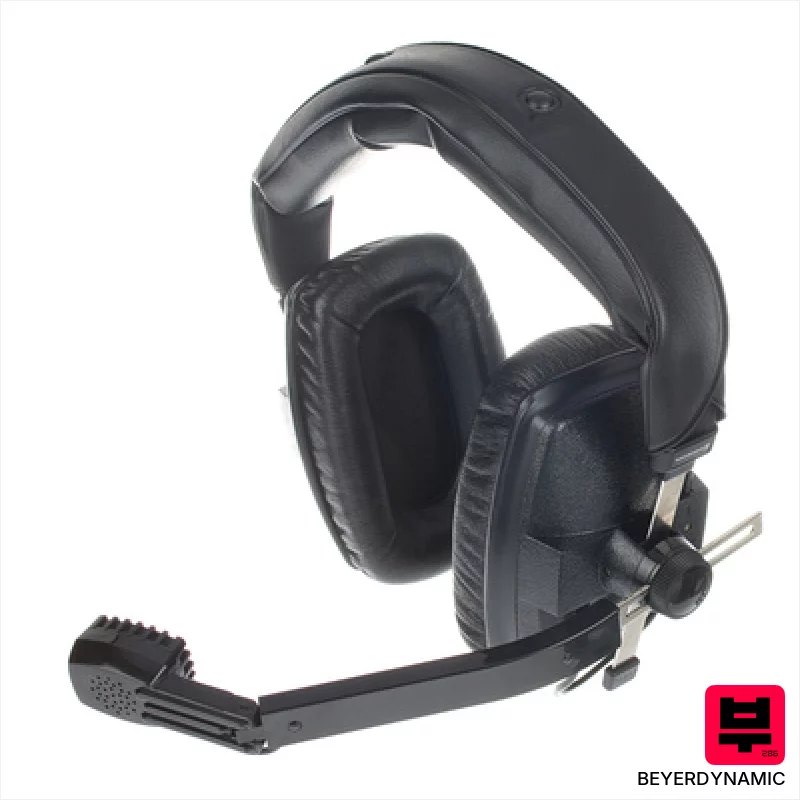
beyerdynamic DT-109/M200/H400-B
- • Robust construction ideal for demanding broadcast environments
- • Hypercardioid mic isolates voice, minimizing background noise
- • 400 Ohm headphones offer excellent detail and clarity
- • Closed-back design provides effective isolation for monitoring
- • Significant weight (390g) can cause fatigue during extended use
- • Lack of included cable necessitates a separate, compatible purchase
- • 40-12,000Hz mic frequency response limits high-end vocal capture
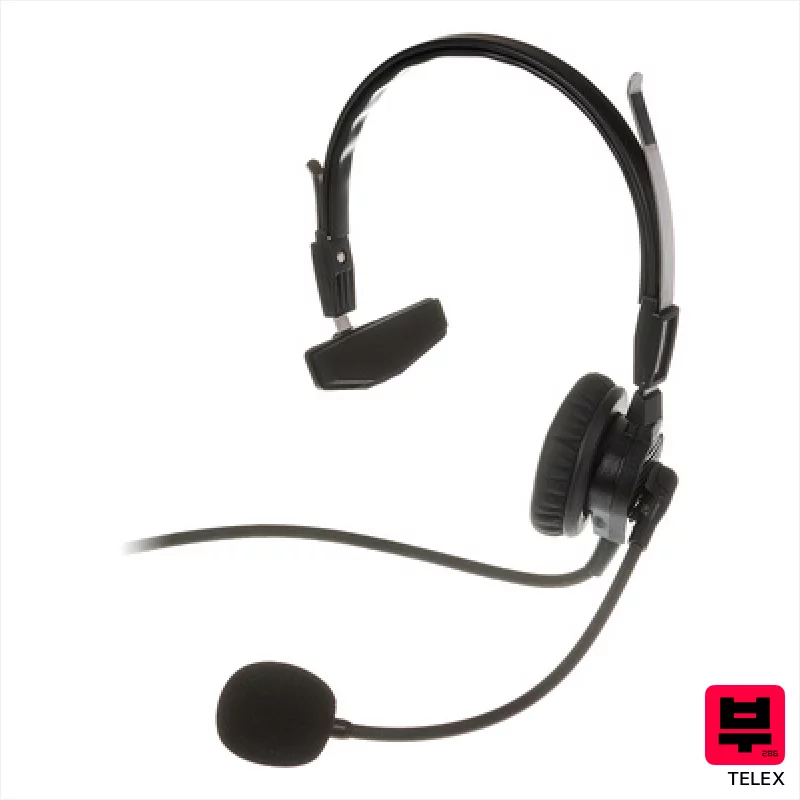
Telex PH-88 Headset
- • Lightweight design minimizes fatigue during long shifts.
- • Dynamic mic handles loud environments without distortion.
- • 4-pin XLR provides robust, professional connectivity.
- • Clear audio reproduction is well-suited for critical communication.
- • Single-ear design limits situational awareness.
- • 300 Ohm impedance requires a powerful amplifier.
- • Limited versatility; designed primarily for intercom systems.
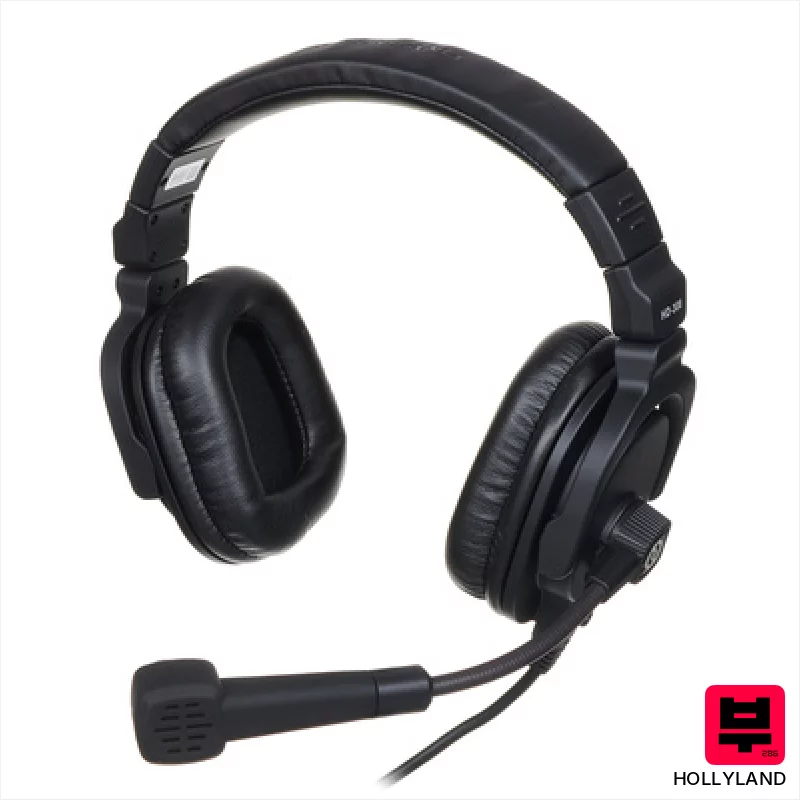
Hollyland M1 Dynamic Double-Side Headset
- • Robust dynamic drivers deliver clear, intelligible speech reproduction
- • Double-sided design provides excellent situational awareness for monitoring
- • Solid construction feels durable, suggesting long-term reliability
- • 8-pin Lemo connection offers a secure and industry-standard interface
- • 310g weight can be fatiguing during extended use, especially for smaller heads
- • Limited compatibility; primarily designed for Hollyland Solidcom M1 systems
- • Sound isolation isn't exceptional; ambient noise can still bleed in
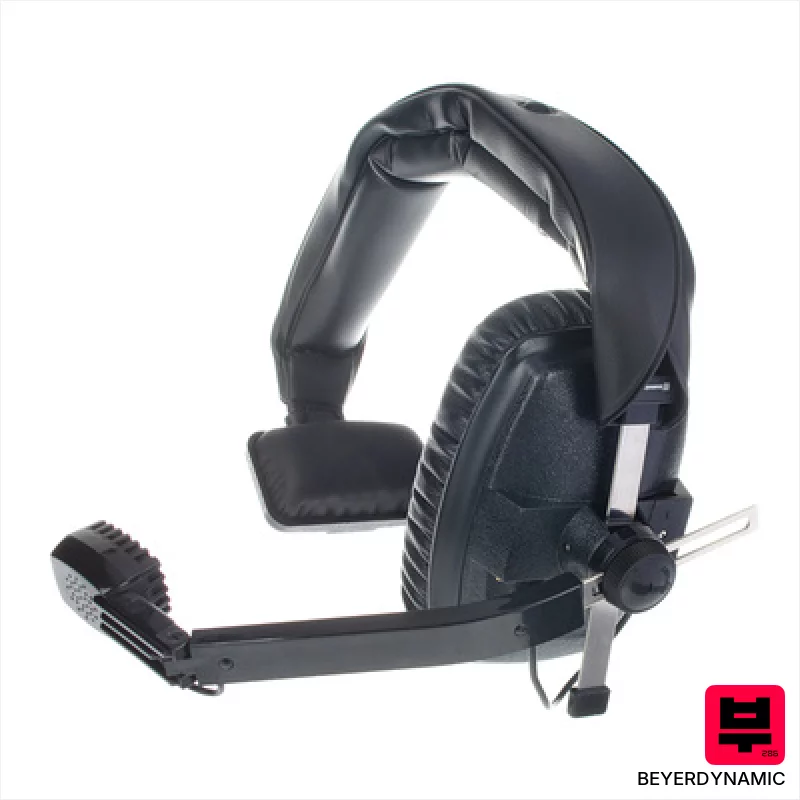
beyerdynamic DT-108/M200/H400-B
- • Robust Beyerdynamic build quality; feels exceptionally durable.
- • Hypercardioid mic excels at isolation in noisy environments.
- • 400 Ohm headphones offer excellent detail retrieval with proper amplification.
- • Dynamic drivers provide clear, articulate communication, minimizing distortion.
- • 400 Ohm impedance demands a powerful headphone amplifier.
- • Closed-back design can feel isolating during extended use.
- • Microphone’s hypercardioid pattern is sensitive to handling noise.
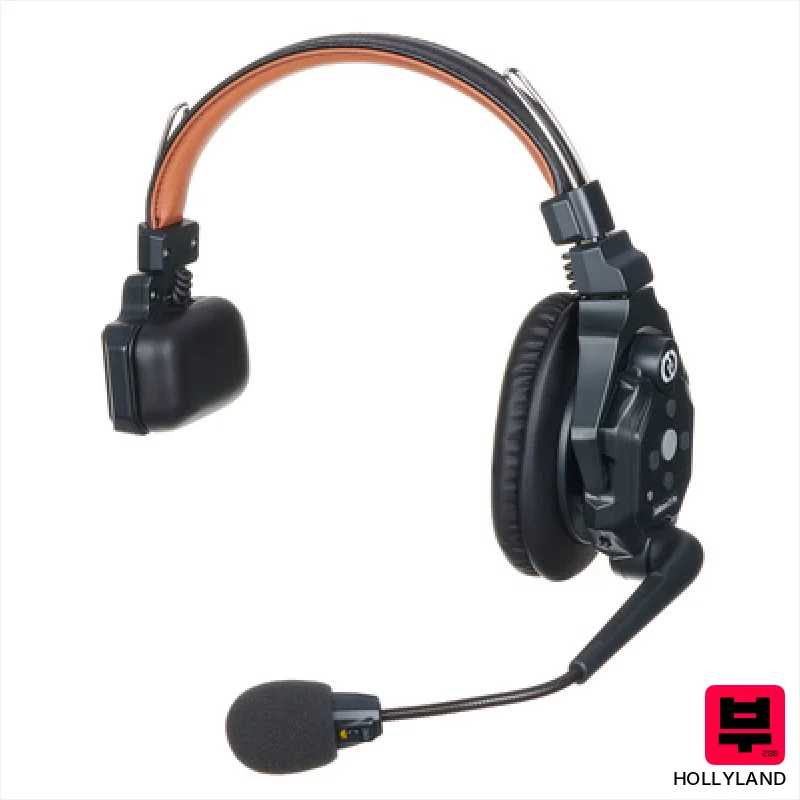
Hollyland Solidcom C1 Pro Remote Headset
- • Excellent range, easily exceeding claimed 350m in open environments.
- • Dual-mic ENC effectively minimizes background noise in bustling locations.
- • Comfortable ear cup design allows for extended wear during long shoots.
- • Solid build quality; feels robust and durable for on-set use.
- • 170g weight can become fatiguing during prolonged use, especially for smaller heads.
- • Limited frequency response (150-7000Hz) lacks high-end sparkle for critical monitoring.
- • DECT 6.0 band can be susceptible to interference in densely populated areas.
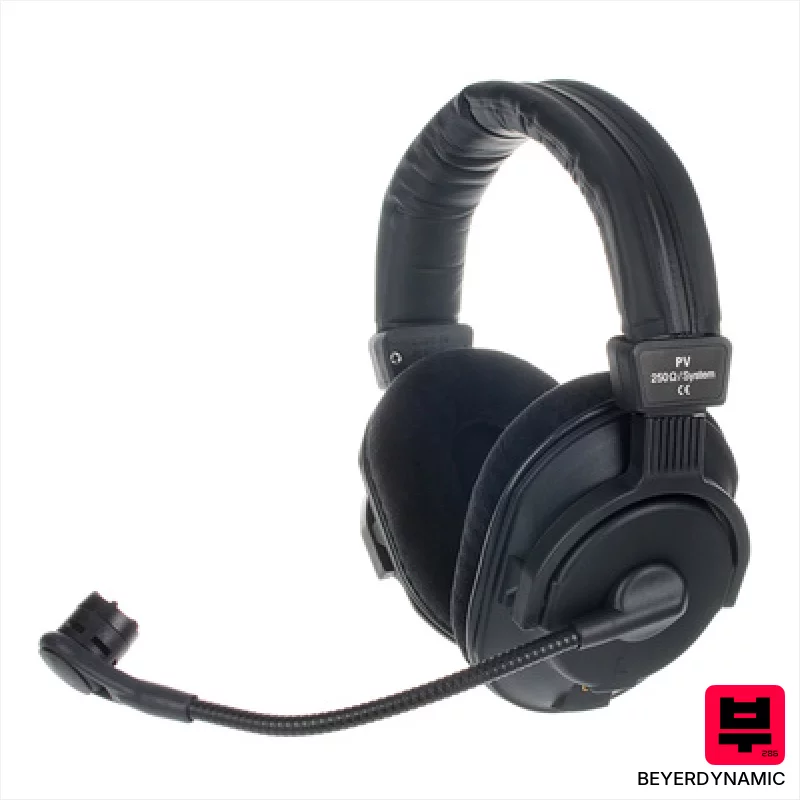
beyerdynamic DT-297-PV/250 MkII
- • Robust gooseneck offers precise mic positioning for clear communication
- • Closed-back design provides excellent isolation, minimizing bleed
- • Cardioid mic pattern effectively rejects background noise
- • 250 Ohm headphones deliver detailed audio with ample headroom
- • Requires phantom power, limiting compatibility with some devices
- • Cable not included; adds to the overall expense and setup complexity
- • The weight (240g) can become fatiguing during extended use
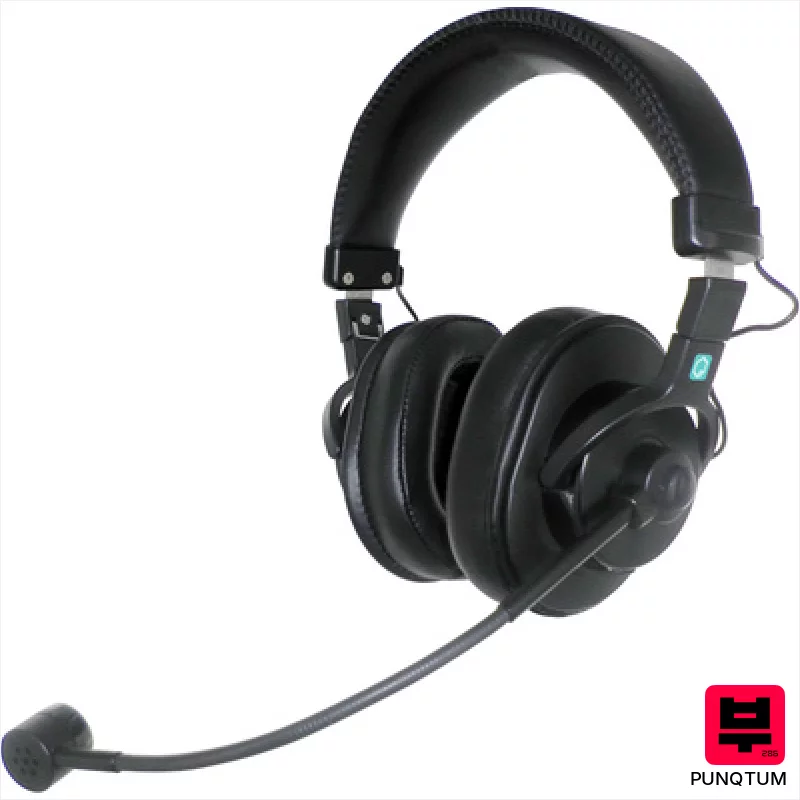
punQtum Q925
- • Dynamic mic capsule delivers clear speech, minimizing background noise effectively.
- • Adjustable arm offers precise mic positioning for optimal vocal capture.
- • Robust 4-pin XLR connection ensures reliable signal transfer and compatibility.
- • Lightweight design (184g) reduces fatigue during extended use.
- • Limited versatility outside of its intended punQtum Q110 beltpack system.
- • Dynamic mic may lack sensitivity for quieter, more nuanced vocal performances.
- • Cable length isn't specified, potentially requiring extensions in some setups.
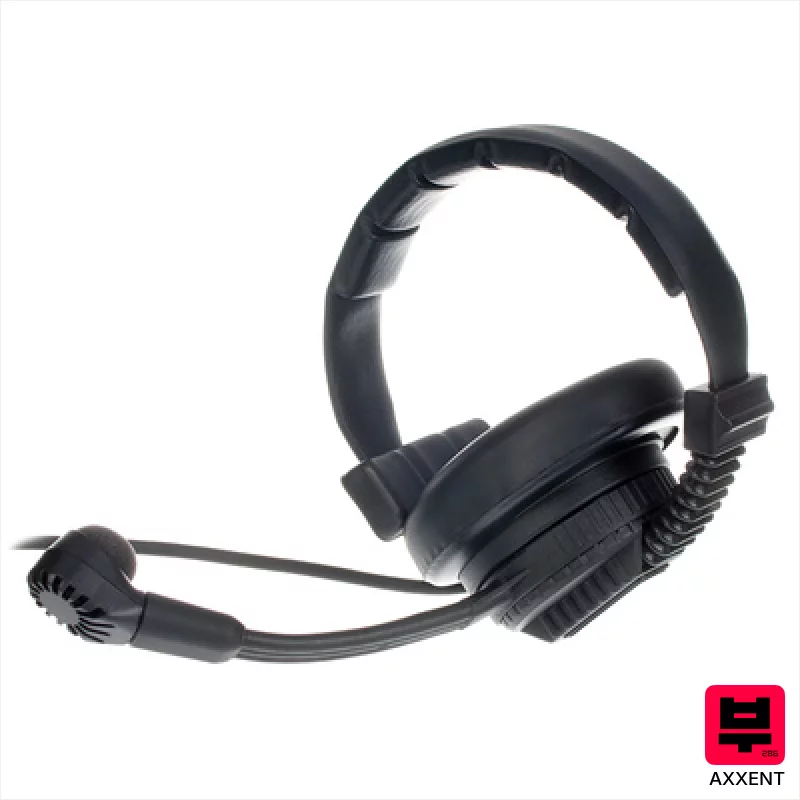
Axxent D900 E
- • Excellent frequency response for clear intercom communication
- • Robust gooseneck design resists accidental damage
- • Automatic mic-mute is a genuinely useful time-saver
- • 400 Ohm system provides ample headroom for clean audio
- • 400 Ohm impedance requires a powerful amplifier or interface
- • One-ear design limits awareness of surroundings
- • Build materials feel a bit plasticky for the price point
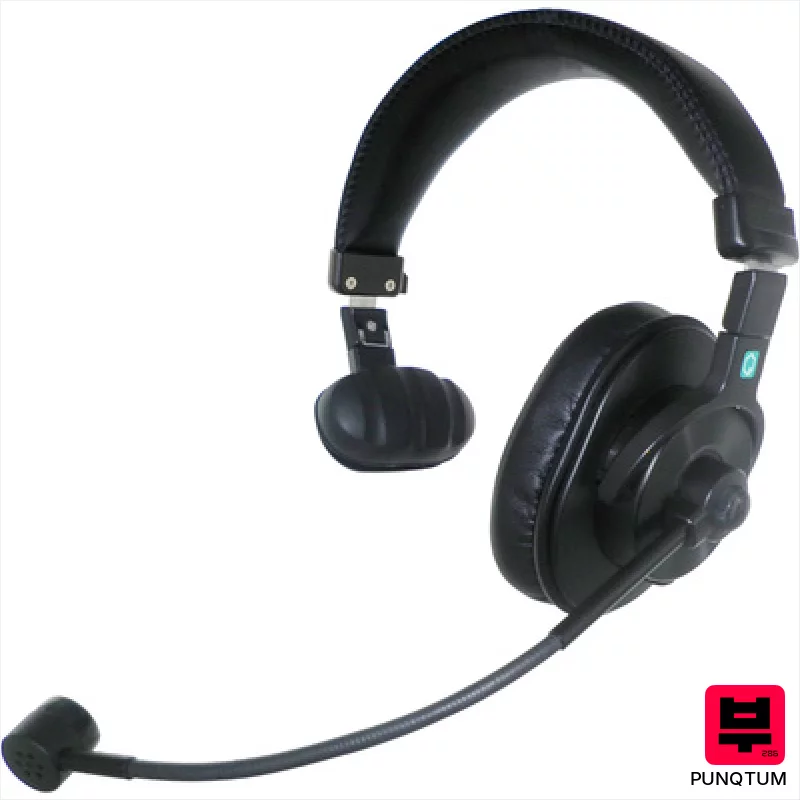
punQtum Q915
- • Dynamic mic provides excellent rejection of background noise in loud environments.
- • Adjustable arm offers flexible positioning for optimal speech capture.
- • 4-pin XLR connection ensures compatibility with standard intercom systems.
- • Lightweight design (158g) minimizes user fatigue during extended use.
- • Limited frequency response; may lack detail for critical listening applications.
- • Designed specifically for punQtum systems; less versatile with other brands.
- • Plastic construction feels somewhat less robust compared to higher-end alternatives.
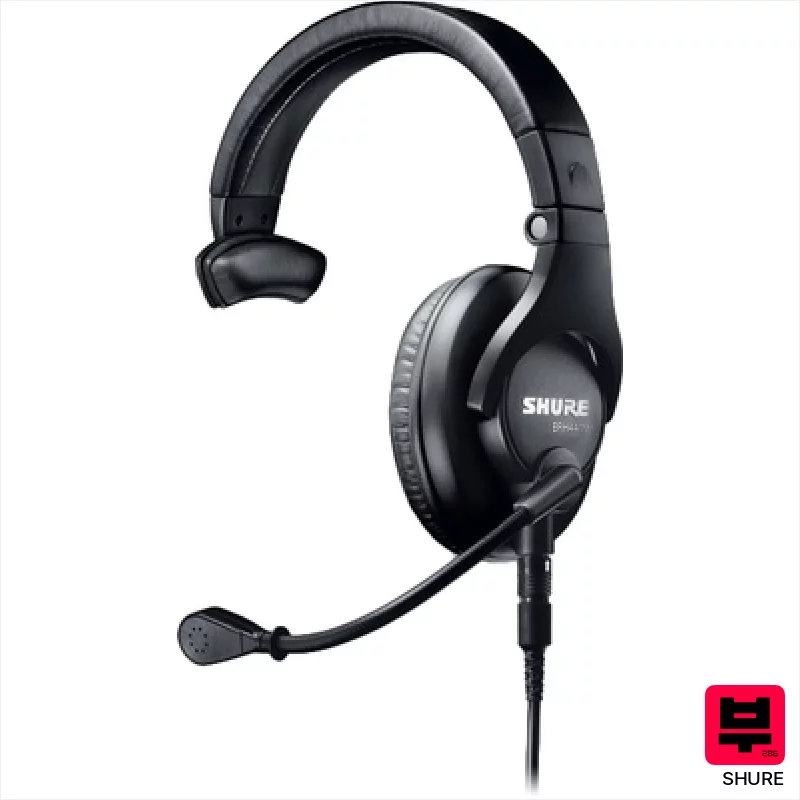
Shure BRH 441M-LC
- • Excellent passive noise isolation due to circumaural, closed-back design
- • Dynamic mic provides clear, intelligible voice reproduction in noisy environments
- • Automatic mic mute is a surprisingly useful and reliable feature
- • Robust build quality; feels durable for demanding professional use
- • Weight (343g) can cause fatigue during extended wear sessions
- • Single-cable design adds complexity for routing and potential failure points
- • Frequency response leans towards clarity, lacking warmth for some vocal styles

Superlux HMD685
- • Surprisingly robust headband for a headset in this price range.
- • Dynamic mic delivers clear speech, minimizing background noise.
- • Closed-back design provides decent isolation for stage monitoring.
- • Simple, intuitive mic mute function is genuinely useful onstage.
- • Sound reproduction leans towards a slightly boxy, less detailed presentation.
- • Cable length is limiting for larger stages or more freedom.
- • Build quality, while adequate, feels plasticky and not exceptionally durable.
How to Choose the Best Intercom Headphone/Microphone Combinations
Clarity & Articulation
Theater isn't about a polished studio vocal; it's about being understood over the din of actors, cues, and stage effects. You need a mic that captures your voice with decent articulation, and a headphone that doesn't muddy the frequencies. That 'ice-picky' harshness in the highs is a killer, and a low-end that just rumbles into a muddy mess is useless.
Comfort & Durability
Seriously, a headset that's uncomfortable after an hour is a liability. Theater gigs can be 3+ hours, plus load-in/load-out. Look for something with decent padding, a stable fit, and robust construction; cheap plastic will snap, and sweaty ear pads will fall apart.
Noise Rejection
A stage is a noisy environment. You want a microphone with decent noise rejection to minimize bleed from other actors, stage noise, and audience chatter. Cardioid patterns are your friend here; omnidirectional mics are a recipe for frustration.
Frequency Response & Tonal Balance
A flat frequency response isn't always what you want. Sometimes a slight bump in the mids can help your voice cut through. It's about finding a balance that's clear and intelligible without sounding unnatural or colored. Avoid anything with a heavily hyped low end; it'll just add more rumble.
Headphone Isolation
You need to hear the intercom clearly, but you don't want to be completely deaf to the stage. A good level of isolation keeps stage noise out while still allowing you to be aware of what's going on around you. It's a tricky balance, and often a trade-off between isolation and awareness.
Buying Guide
Don't be fooled by cheap headsets; you'll pay for it in frustration and wasted time. A decent set of headsets with reliable microphones will cost a bit, but it's an investment in a smooth production. Watch out for headsets with flimsy construction or microphones that sound muffled - those are usually corners cut to hit a lower price point. Paying more usually gets you better materials, better microphone capsules, and a more comfortable fit, which is worth it when you're running a show.
Our Methodology
We're not just looking at spec sheets here. We've spent countless hours in rehearsal rooms and on stage, A/B testing different headsets with various microphones and mixing consoles. Our evaluations are based on real-world clarity, comfort during long performances, and how well they cut through the noise of a busy stage - things you won't find in a manufacturer's brochure.

