
Best Intercom Headphone/Microphone Combinations for Event Coordination 2026
Alright, so you're wrangling a festival, coordinating a corporate event, or running a theatrical production - you need clear, reliable comms. Forget the cheesy, tinny headsets you see stagehands using; those are a recipe for frustration and miscommunication. We're talking about intercom systems that let you hear each other clearly, without sounding like you're talking through a cardboard tube. Let's break down some headphone/mic combos that'll actually make your life easier.
Last updated: July 15, 2026 • Next update: July 22, 2026
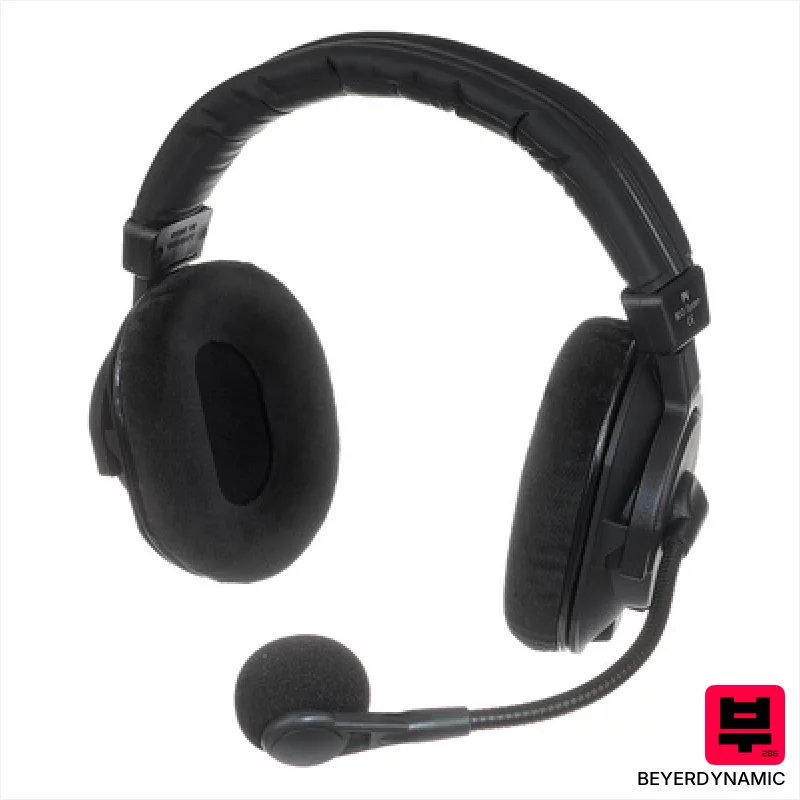
beyerdynamic DT-297-PV/80 MKII
- • Robust build quality; metal headband and durable plastic housing
- • Clear, intelligible microphone with excellent off-axis rejection
- • Comfortable circumaural design for extended wear during long sessions
- • Dynamic headphone drivers offer good isolation and accurate monitoring
- • Requires phantom power, limiting compatibility with some devices
- • No included cable adds to the overall cost and setup complexity
- • 80 Ohm impedance can be challenging to drive without a dedicated amp
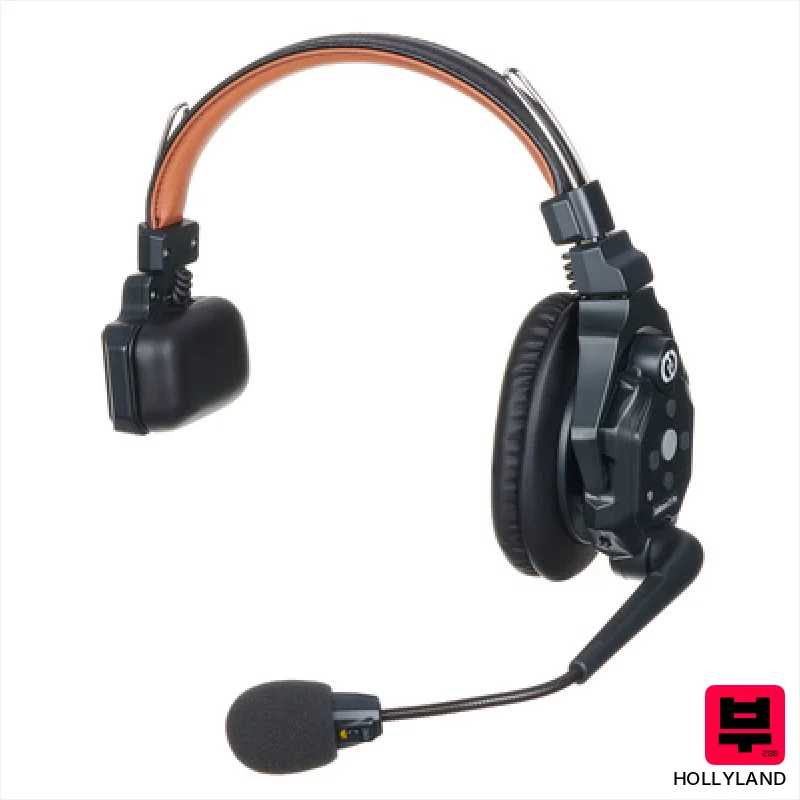
Hollyland Solidcom C1 Pro Remote Headset
- • Excellent range, easily exceeding claimed 350m in open environments.
- • Dual-mic ENC effectively minimizes background noise in bustling locations.
- • Comfortable ear cup design allows for extended wear during long shoots.
- • Solid build quality; feels robust and durable for on-set use.
- • 170g weight can become fatiguing during prolonged use, especially for smaller heads.
- • Limited frequency response (150-7000Hz) lacks high-end sparkle for critical monitoring.
- • DECT 6.0 band can be susceptible to interference in densely populated areas.
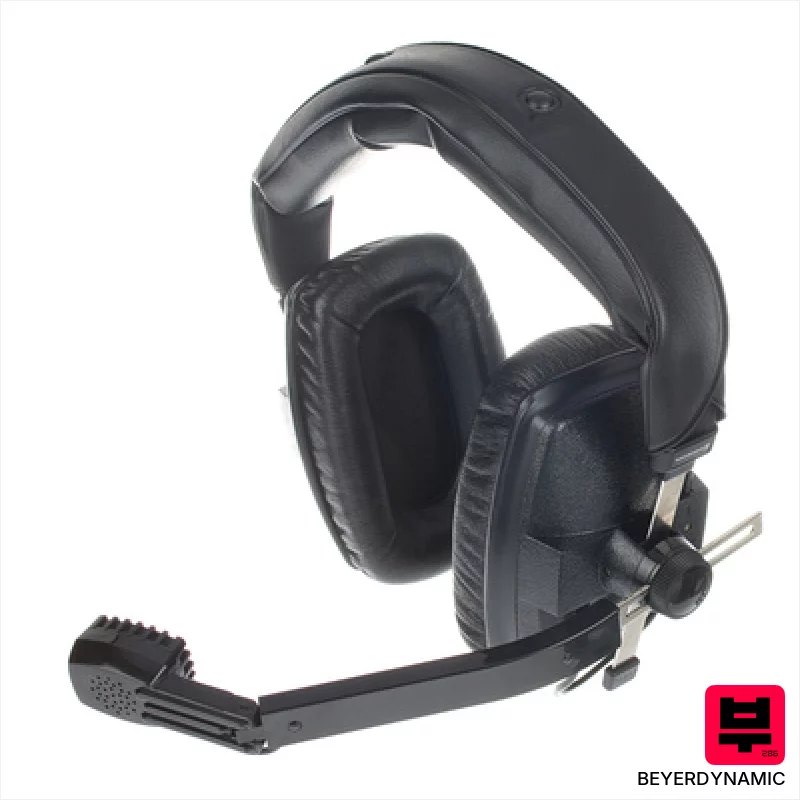
beyerdynamic DT-109/M200/H400-B
- • Robust construction ideal for demanding broadcast environments
- • Hypercardioid mic isolates voice, minimizing background noise
- • 400 Ohm headphones offer excellent detail and clarity
- • Closed-back design provides effective isolation for monitoring
- • Significant weight (390g) can cause fatigue during extended use
- • Lack of included cable necessitates a separate, compatible purchase
- • 40-12,000Hz mic frequency response limits high-end vocal capture
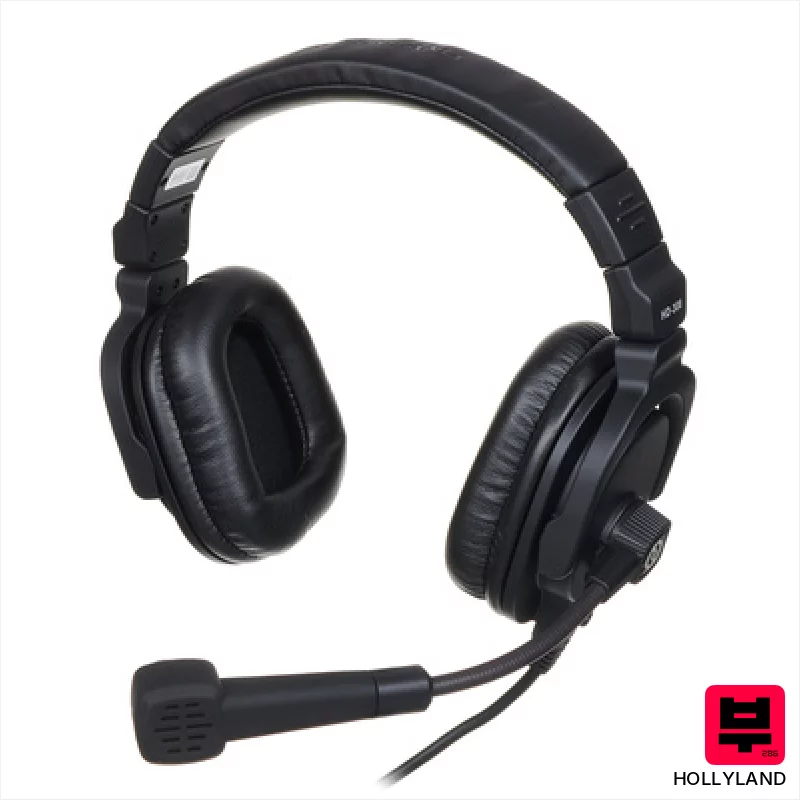
Hollyland M1 Dynamic Double-Side Headset
- • Robust dynamic drivers deliver clear, intelligible speech reproduction
- • Double-sided design provides excellent situational awareness for monitoring
- • Solid construction feels durable, suggesting long-term reliability
- • 8-pin Lemo connection offers a secure and industry-standard interface
- • 310g weight can be fatiguing during extended use, especially for smaller heads
- • Limited compatibility; primarily designed for Hollyland Solidcom M1 systems
- • Sound isolation isn't exceptional; ambient noise can still bleed in
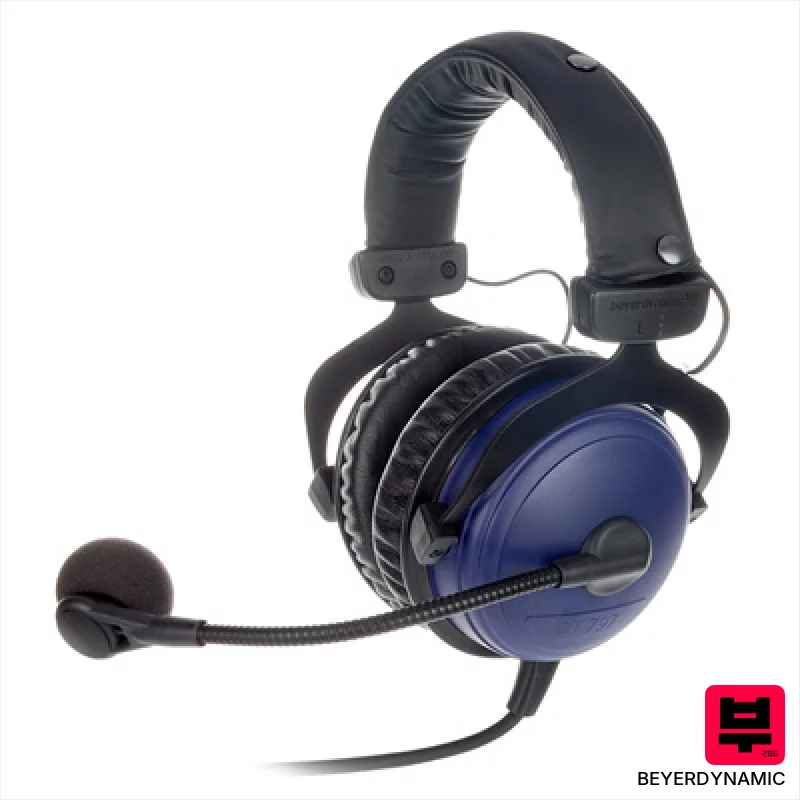
beyerdynamic DT-797 PV
- • Robust metal headband ensures long-term durability and comfort
- • Closed-back design effectively isolates ambient noise, critical for monitoring
- • Cardioid condenser mic captures clear vocals with focused directionality
- • Gooseneck boom offers precise mic positioning and reduces handling noise
- • 250 Ohm impedance requires a decent headphone amplifier for optimal performance
- • The weight (395g) can become fatiguing during extended use
- • Limited versatility outside of intercom and broadcast applications
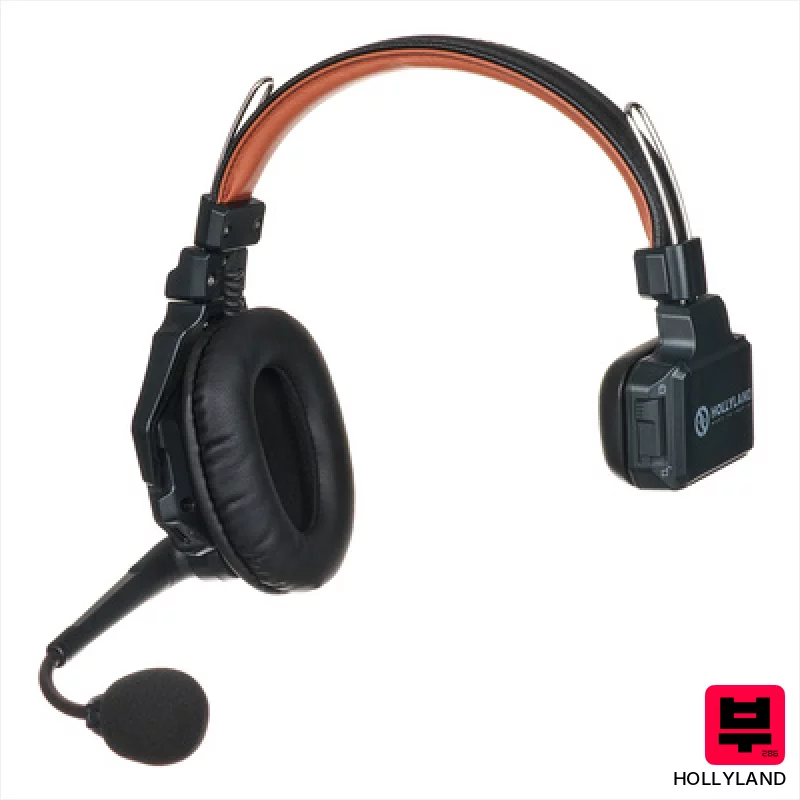
Hollyland Solidcom C1 Pro Master Headset
- • Excellent range exceeding most competitors' DECT implementations.
- • Dual-mic ENC effectively minimizes background rumble and stage noise.
- • Comfortable clamping force for extended wear during long performances.
- • Clear, natural vocal reproduction; avoids overly processed or tinny sound.
- • The 170g weight can become fatiguing during prolonged use.
- • Limited compatibility; designed solely for the Solidcom C1 series.
- • Lack of adjustable EQ or tone shaping options is a notable omission.
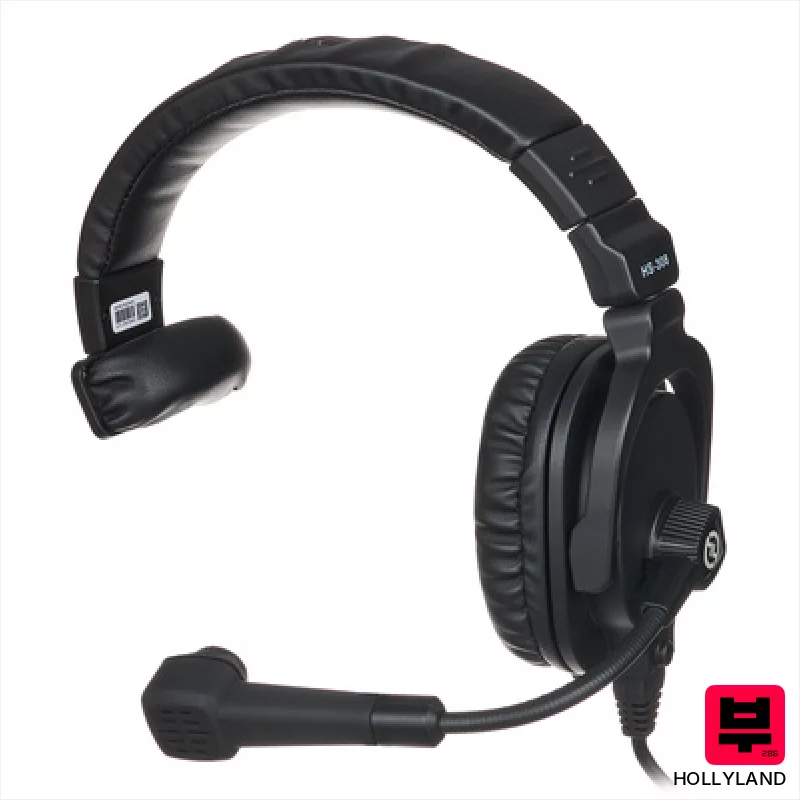
Hollyland M1 Dynamic Single-Ear Headset
- • Robust build quality with reinforced headband and ear cup hinges.
- • Dynamic mic capsule delivers clear, intelligible speech, minimizing sibilance.
- • Effective ambient noise suppression handles moderately loud environments well.
- • Comfortable clamping force for secure fit during extended use – a real improvement over some competitors.
- • 310g weight becomes noticeable during prolonged wear; not ideal for smaller heads.
- • 8-pin Lemo connection limits compatibility outside the Solidcom ecosystem.
- • Sound reproduction lacks a broader frequency response; primarily for speech, not music.
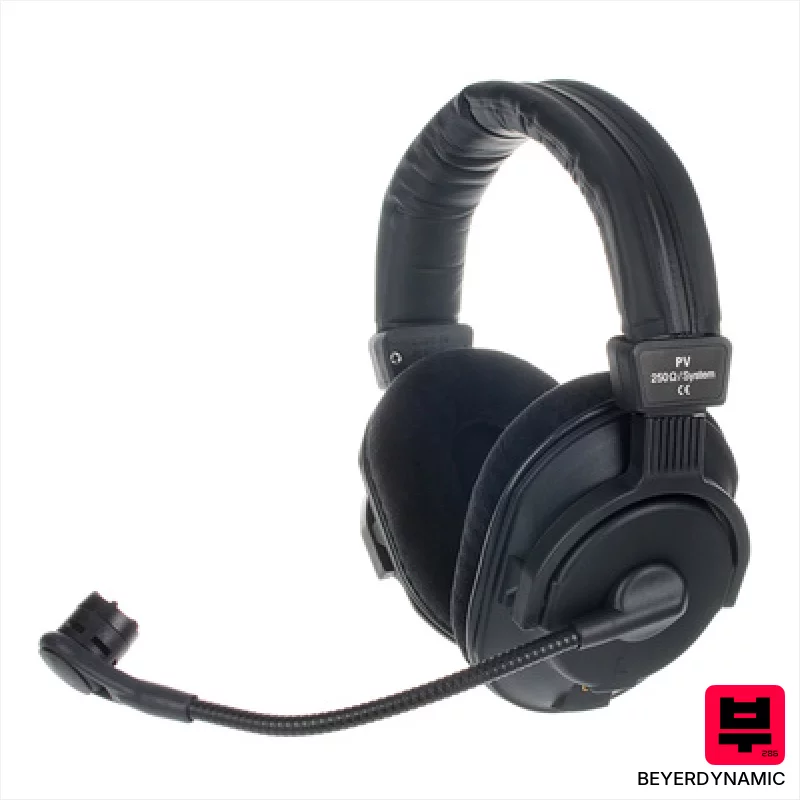
beyerdynamic DT-297-PV/250 MkII
- • Robust gooseneck offers precise mic positioning for clear communication
- • Closed-back design provides excellent isolation, minimizing bleed
- • Cardioid mic pattern effectively rejects background noise
- • 250 Ohm headphones deliver detailed audio with ample headroom
- • Requires phantom power, limiting compatibility with some devices
- • Cable not included; adds to the overall expense and setup complexity
- • The weight (240g) can become fatiguing during extended use
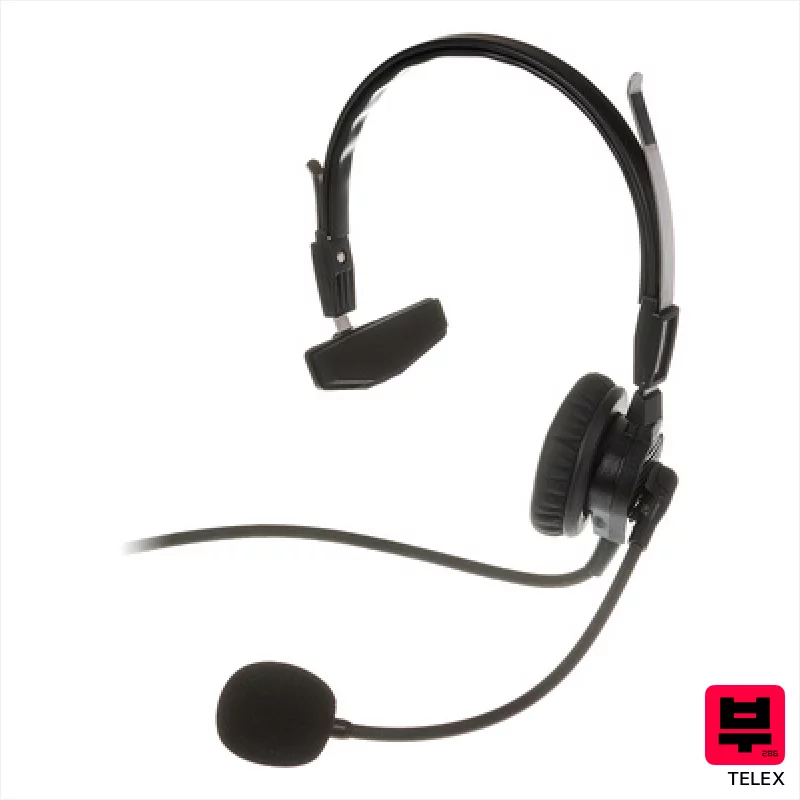
Telex PH-88 Headset
- • Lightweight design minimizes fatigue during long shifts.
- • Dynamic mic handles loud environments without distortion.
- • 4-pin XLR provides robust, professional connectivity.
- • Clear audio reproduction is well-suited for critical communication.
- • Single-ear design limits situational awareness.
- • 300 Ohm impedance requires a powerful amplifier.
- • Limited versatility; designed primarily for intercom systems.
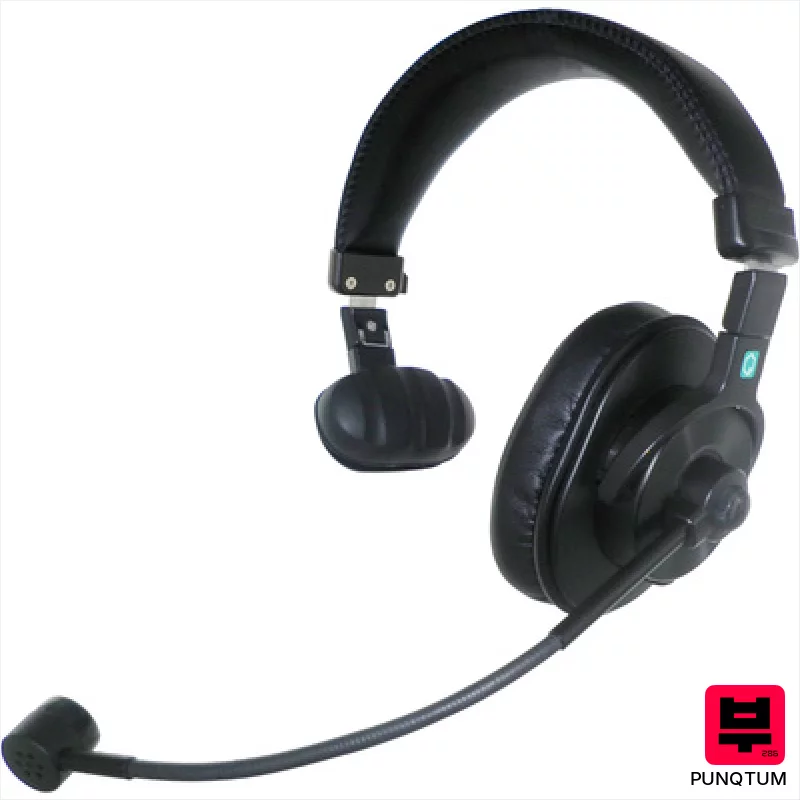
punQtum Q915
- • Dynamic mic provides excellent rejection of background noise in loud environments.
- • Adjustable arm offers flexible positioning for optimal speech capture.
- • 4-pin XLR connection ensures compatibility with standard intercom systems.
- • Lightweight design (158g) minimizes user fatigue during extended use.
- • Limited frequency response; may lack detail for critical listening applications.
- • Designed specifically for punQtum systems; less versatile with other brands.
- • Plastic construction feels somewhat less robust compared to higher-end alternatives.

beyerdynamic DT-109/M200/H50-B
- • Robust construction ideal for demanding broadcast environments
- • Hypercardioid mic excels at isolating voice, minimizing background noise
- • Closed-back design provides excellent isolation from external sounds
- • Dynamic drivers deliver clear, intelligible speech reproduction
- • Heavier design may cause fatigue during extended use
- • Lack of included cable adds to overall acquisition cost
- • Limited frequency response compared to audiophile-grade headphones
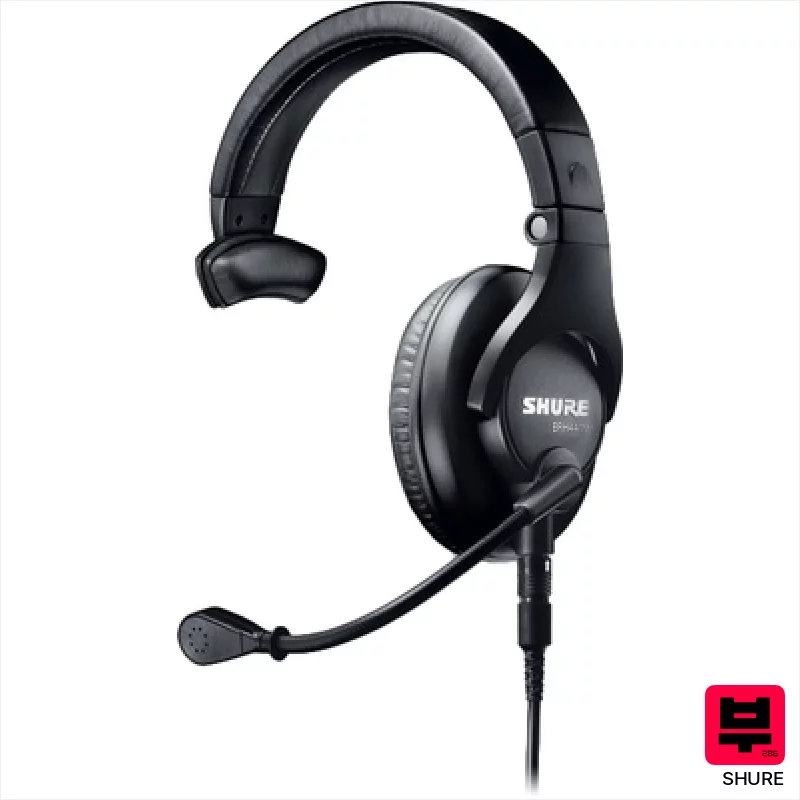
Shure BRH 441M-LC
- • Excellent passive noise isolation due to circumaural, closed-back design
- • Dynamic mic provides clear, intelligible voice reproduction in noisy environments
- • Automatic mic mute is a surprisingly useful and reliable feature
- • Robust build quality; feels durable for demanding professional use
- • Weight (343g) can cause fatigue during extended wear sessions
- • Single-cable design adds complexity for routing and potential failure points
- • Frequency response leans towards clarity, lacking warmth for some vocal styles
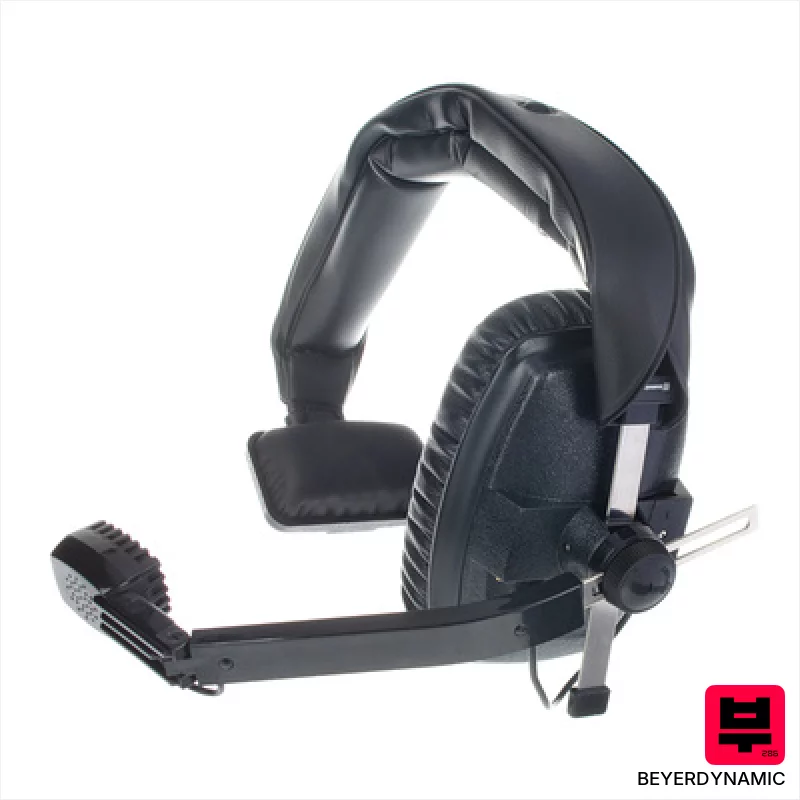
beyerdynamic DT-108/M200/H400-B
- • Robust Beyerdynamic build quality; feels exceptionally durable.
- • Hypercardioid mic excels at isolation in noisy environments.
- • 400 Ohm headphones offer excellent detail retrieval with proper amplification.
- • Dynamic drivers provide clear, articulate communication, minimizing distortion.
- • 400 Ohm impedance demands a powerful headphone amplifier.
- • Closed-back design can feel isolating during extended use.
- • Microphone’s hypercardioid pattern is sensitive to handling noise.
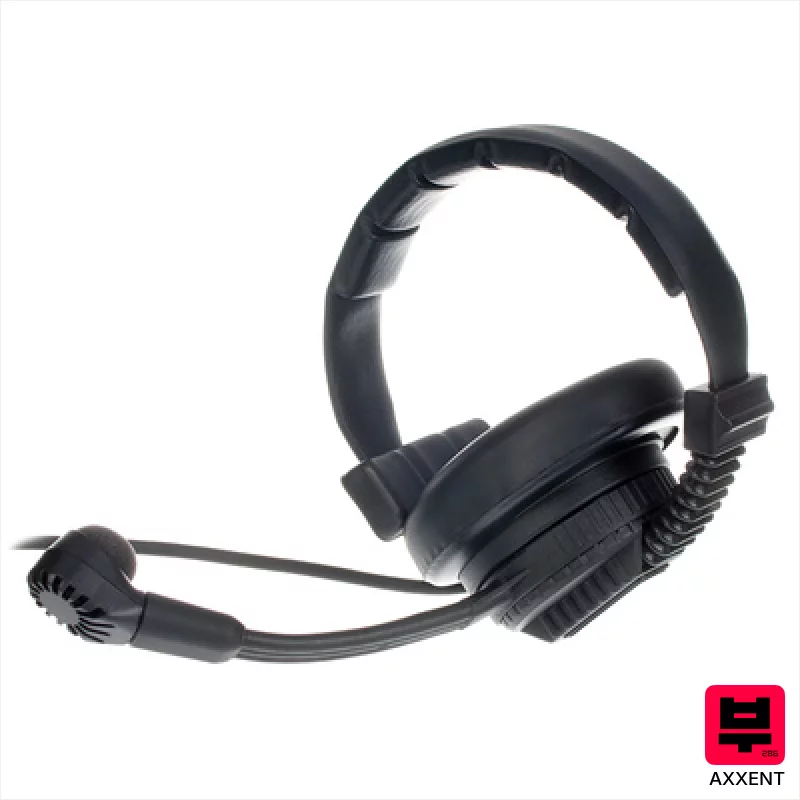
Axxent D900 E
- • Excellent frequency response for clear intercom communication
- • Robust gooseneck design resists accidental damage
- • Automatic mic-mute is a genuinely useful time-saver
- • 400 Ohm system provides ample headroom for clean audio
- • 400 Ohm impedance requires a powerful amplifier or interface
- • One-ear design limits awareness of surroundings
- • Build materials feel a bit plasticky for the price point
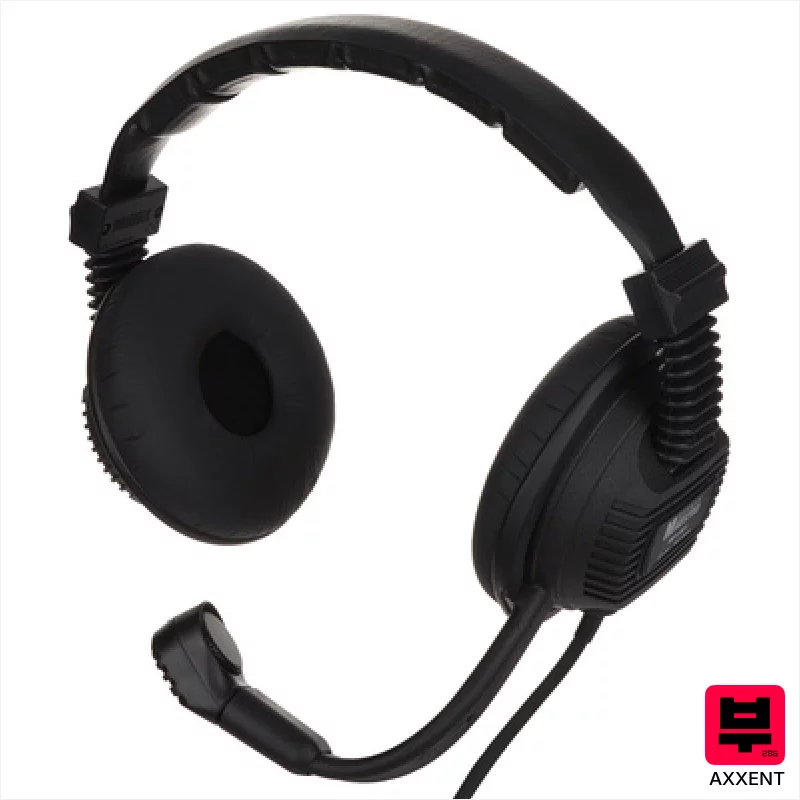
Axxent D 800
- • Clear, intelligible speech even in noisy environments.
- • Robust 400 Ohm impedance handles diverse preamps well.
- • Comfortable dual-ear design minimizes fatigue during long shifts.
- • Solid XLR connection ensures reliable signal transfer.
- • Cable length is limiting for some stage setups.
- • 400 Ohm impedance might require a powerful preamp.
- • Simple design lacks advanced features like sidetone adjustment.
How to Choose the Best Intercom Headphone/Microphone Combinations
Clarity & Frequency Response
Event coordination isn't about a warm, vintage tone; it's about understanding every syllable. We're looking for a flat-ish response that doesn't overly emphasize bass (which just muddies things) or have a harsh, ice-picky high-end. You need to hear the nuances in voices, not just get a distorted shout.
Noise Cancellation
A festival stage can be a wall of sound. Good noise cancellation is critical to isolate the intercom traffic from the PA, crowd noise, and general chaos. Anything less than decent noise cancellation means constant fatigue and missed instructions.
Durability & Comfort
You're likely wearing this for hours on end. Cheap plastic construction and uncomfortable earpads are a fast track to misery. Look for robust materials and a design that doesn't squeeze your head like a vise - a comfortable fit is essential for focus.
Channel Separation & Stability
Dropped signals and bleed-through between channels are a communication killer. A reliable system maintains clean separation, even with multiple users talking simultaneously. This is especially important for large events with multiple teams.
Microphone Articulation
A mic that doesn't pick up your voice cleanly, or one that's overly sensitive to plosives (those popping 'p' and 'b' sounds) will be a constant annoyance. You need a mic that accurately reproduces your voice without sounding muffled or sibilant.
Buying Guide
Don't chase the cheapest option; you'll pay for it in headaches. Entry-level systems often cut corners on microphone quality and noise cancellation, leading to a frustrating experience. Spending a bit more on a system with good channel separation and comfortable earpads is a worthwhile investment. Consider wireless options for freedom of movement, but be mindful of battery life and potential interference - a wired system is often more reliable.
Our Methodology
We didn't just look at spec sheets here. We spent time putting these systems through the wringer - simulating event coordination scenarios, A/B comparing audio quality, and assessing how they hold up in noisy environments. We're judging these based on how they sound and feel in real-world situations, not just numbers on a page. A system that looks great on paper can be a nightmare in a crowded venue.

