
Best Guitar Effect Power Supplies Under $300 2026
So, you've got a pedalboard overflowing with sonic goodness, but your power supply sounds like a dying robot? It's a common problem. Spending a fortune on power isn't always the answer, though. We've rounded up the best guitar effect power supplies you can snag for under $300 that'll keep your pedals humming without draining your bank account.
Last updated: October 8, 2026
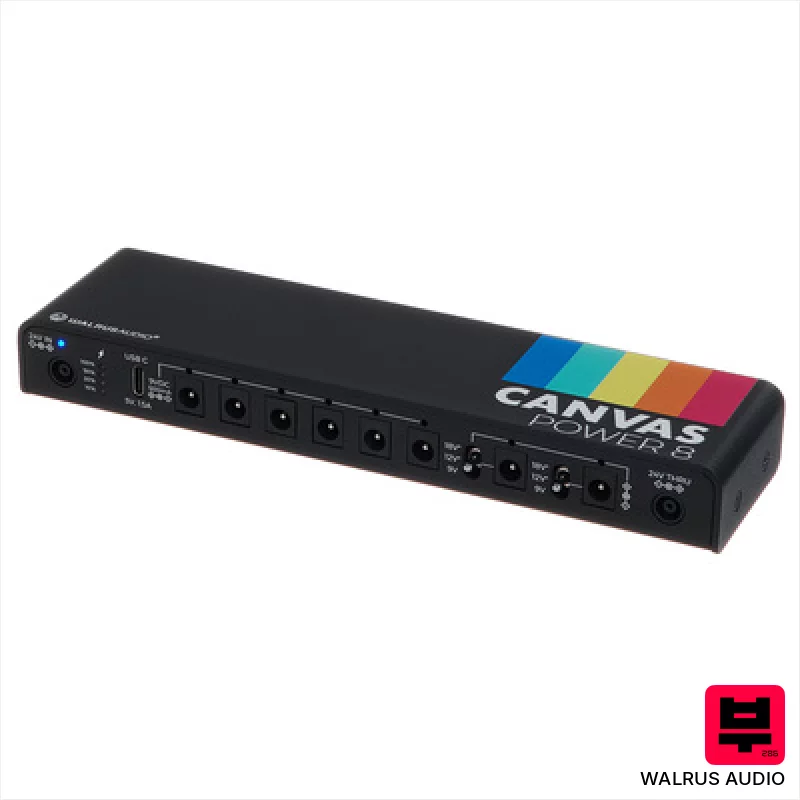
Walrus Audio Canvas Power 8
- • Excellent noise isolation eliminates pedal hum and interference.
- • Variable voltage outputs handle a wide range of pedal power requirements.
- • Compact design fits easily under most pedalboards, even smaller ones.
- • USB-C port is genuinely useful for charging small devices on the road.
- • Premium-priced, a significant investment for a power supply.
- • The included cables, while space-saving, might be a bit short for some setups.
- • Canvas Power Link expansion can add complexity for simpler pedalboard needs.
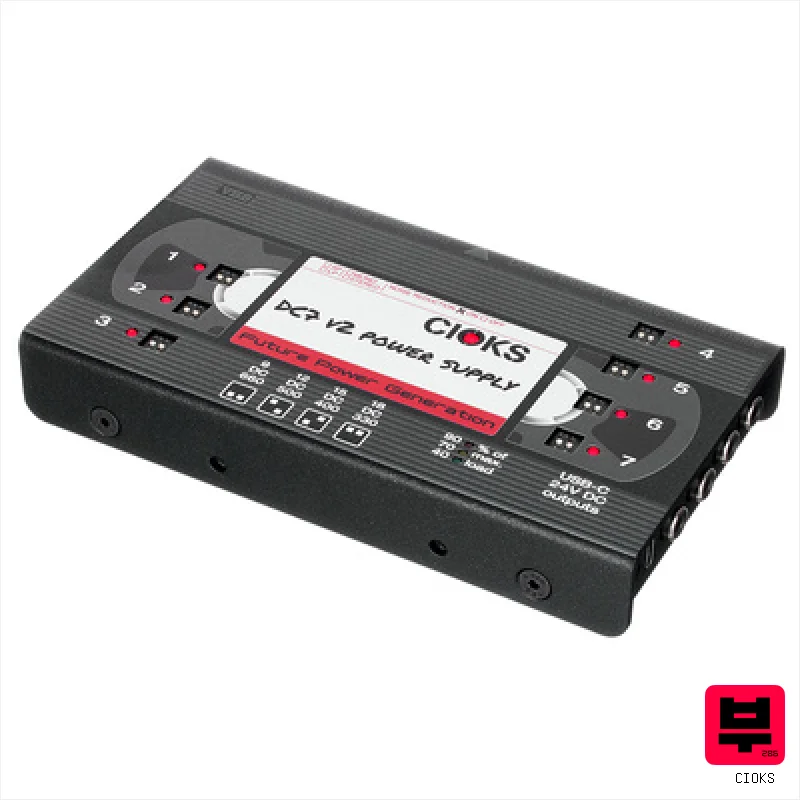
Cioks DC7 v2 VHS Tape Edition
- • Compact 1-inch design fits tight pedalboard spaces perfectly.
- • USB-C port delivers 3A power for demanding modern gear.
- • Seven isolated outputs prevent noisy interference between pedals.
- • True power meter shows exactly how much load is being used.
- • Limited edition status means it may be hard to find.
- • No explicit power rating listed for the USB-C output.
- • VHS tape aesthetic is purely cosmetic with no functional use.
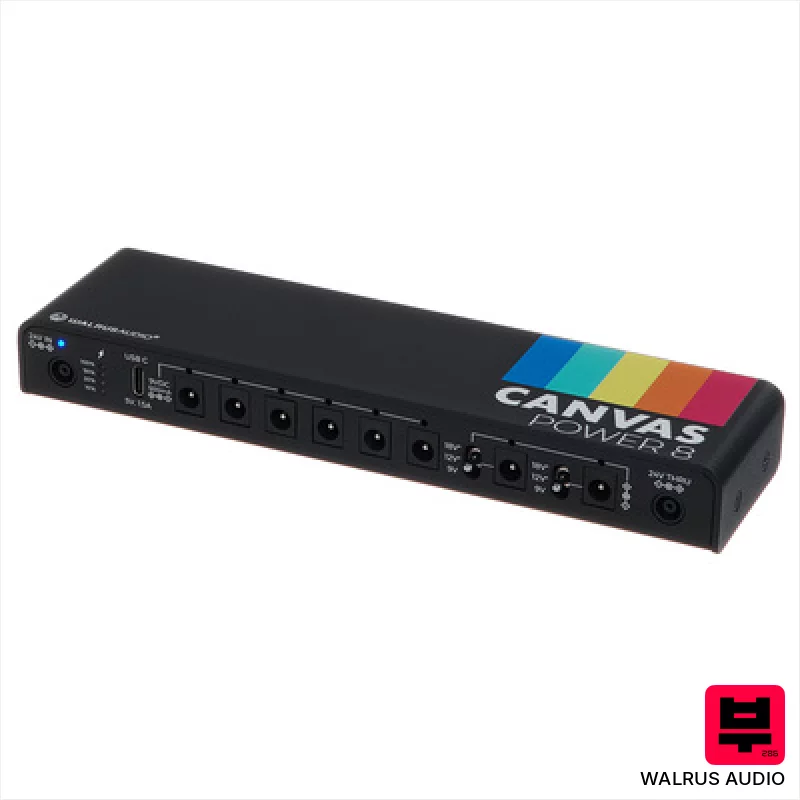
Walrus Audio Canvas Power 8 Link
- • Excellent noise isolation eliminates pedal hum, even with vintage germanium circuits.
- • Link output allows for seamless expansion, accommodating even massive pedalboards.
- • Slim profile and mounting bracket ensure a clean, space-saving board layout.
- • Variable voltage output offers flexibility for power-hungry or unusual pedals.
- • Price point places it in the premium-priced power supply category.
- • Limited current per output might struggle with some high-draw boutique pedals.
- • Right-angled power cable on the pedal side can be restrictive in tight spaces.
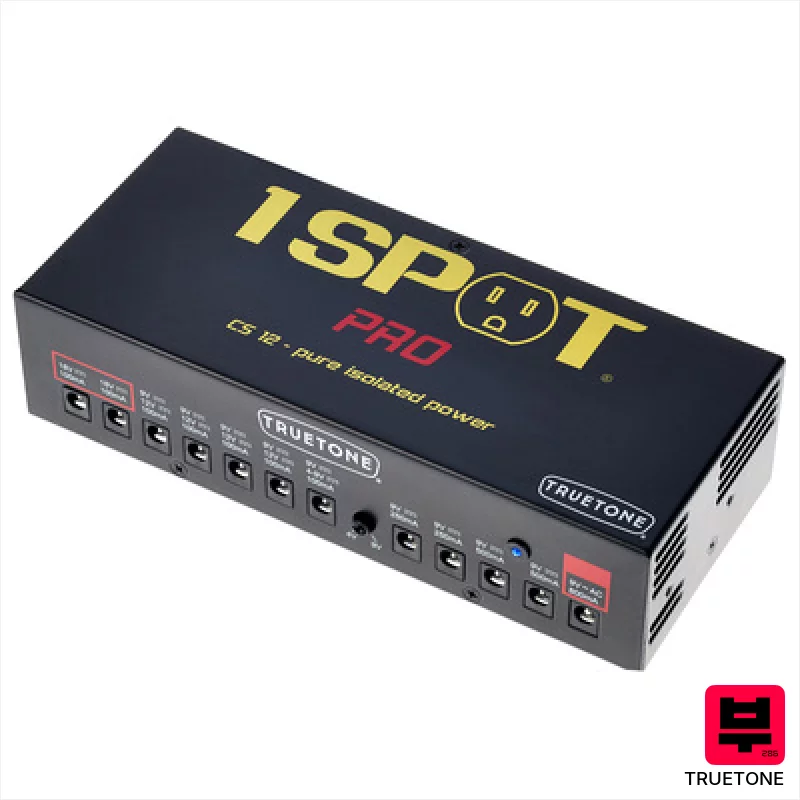
Truetone 1 Spot Pro CS12
- • Galvanic isolation eliminates ground loops, crucial for noise-sensitive rigs.
- • High current outputs (500mA) handle power-hungry boutique pedals with ease.
- • Compact size and included mounting hardware integrate seamlessly with Pedaltrain boards.
- • Universal input voltage simplifies international touring and eliminates adapter hassles.
- • Premium-priced compared to basic multi-output power supplies.
- • Limited AC output (9V AC, 800mA) restricts compatibility with certain vintage gear.
- • Size, while compact, still takes up significant pedalboard real estate.
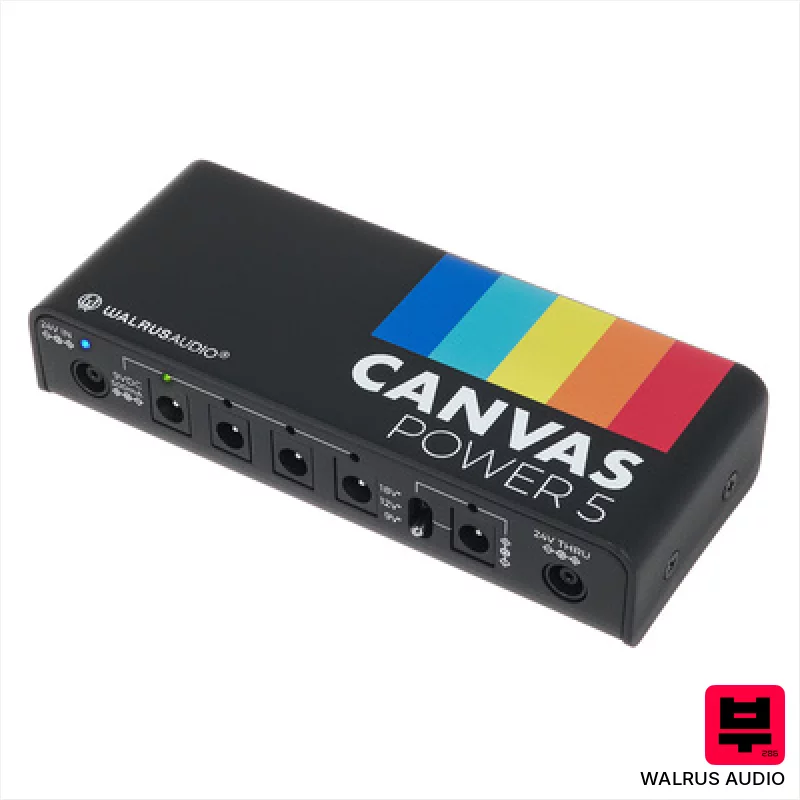
Walrus Audio Canvas Power 5
- • Excellent noise isolation prevents unwanted hum and buzz in your signal.
- • Variable voltage output allows experimentation with unique pedal voicings.
- • Compact size fits neatly under most pedalboards, saving valuable space.
- • Robust build quality inspires confidence in long-term reliability.
- • Price point places it in the premium-priced category for power supplies.
- • Limited number of outputs may not suffice for extremely large pedalboards.
- • 24V output for linking requires additional modules, adding to overall cost.
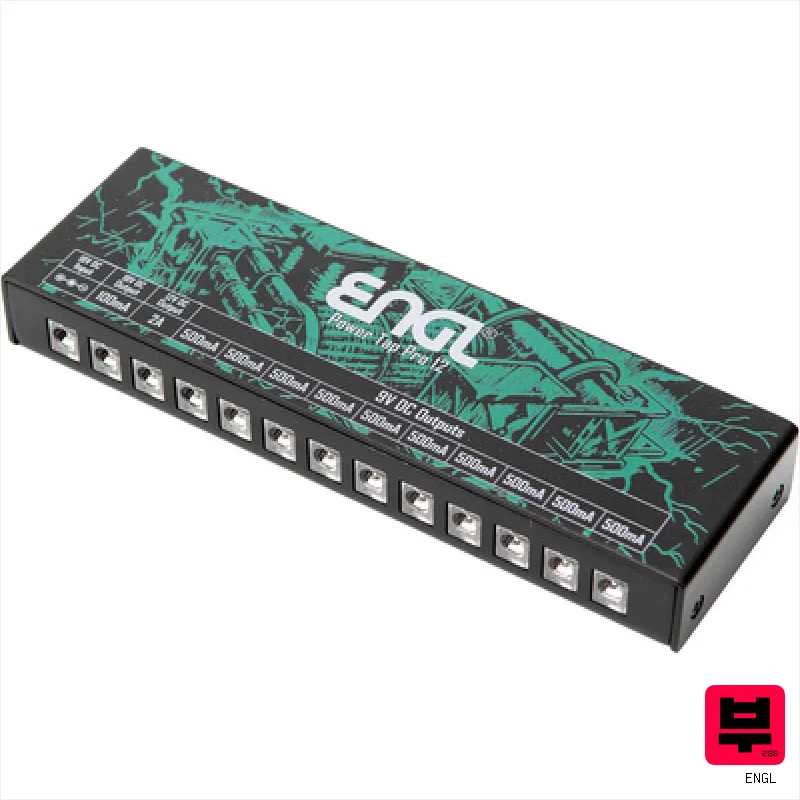
Engl Power Tap Pro 12
- • Prevents ground loops with fully isolated outputs
- • Delivers high 12V power for digital modeling gear
- • Includes dedicated LED indicators for each outlet
- • Protects equipment against short circuits and overloads
- • Lacks built-in power regulation for individual pedals
- • Compact size may feel cramped for large rigs
- • No display screen to show power status at a glance
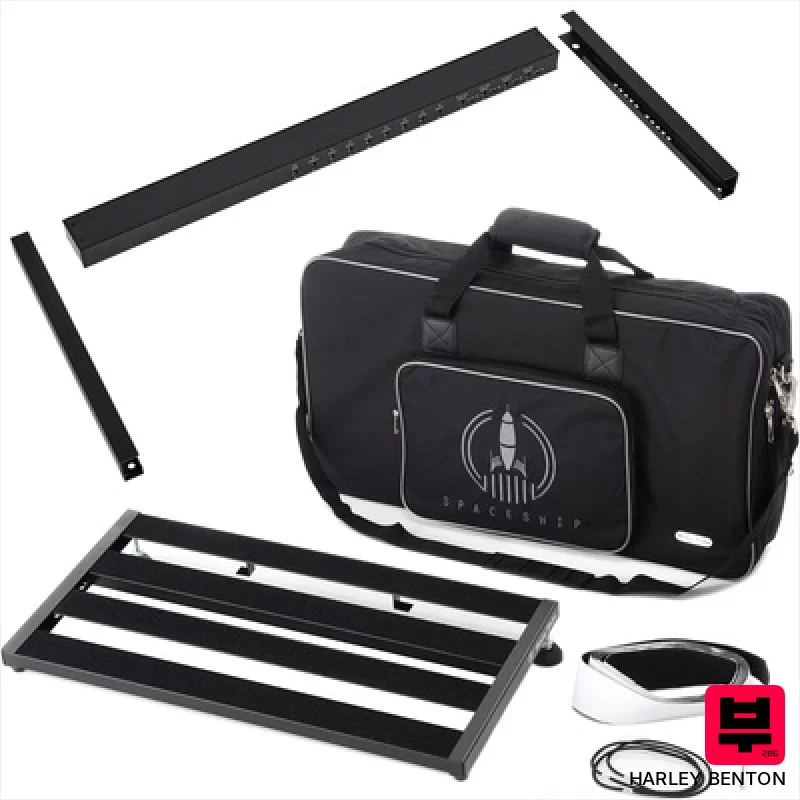
Harley Benton SpaceShip 60 Bundle
- • Eleven isolated outputs significantly reduce noise and hum on pedalboards.
- • High-capacity battery offers portability for gigs and practice sessions.
- • Robust construction and quality components suggest lasting reliability.
- • Provides ample power for modern digital effects and high-current pedals.
- • Operating time at full load is relatively short (approx. 1.1 hours).
- • Charging time (3.4 hours) might feel lengthy for some users.
- • Physical size and weight could be restrictive for smaller pedalboard setups.

Mooer Macro Power S12
- • Dual toroidal transformers deliver exceptionally clean, noise-free power.
- • Galvanic isolation eliminates ground loop hum, a common pedalboard problem.
- • Adjustable voltage output provides flexibility for a wider range of pedals.
- • Compact size (88mm depth) makes it surprisingly pedalboard-friendly.
- • The weight (1.82 kg) can be a factor for smaller, portable setups.
- • Limited current per output on some channels might restrict high-power pedal usage.
- • Price point positions it as a premium investment for serious pedal users.
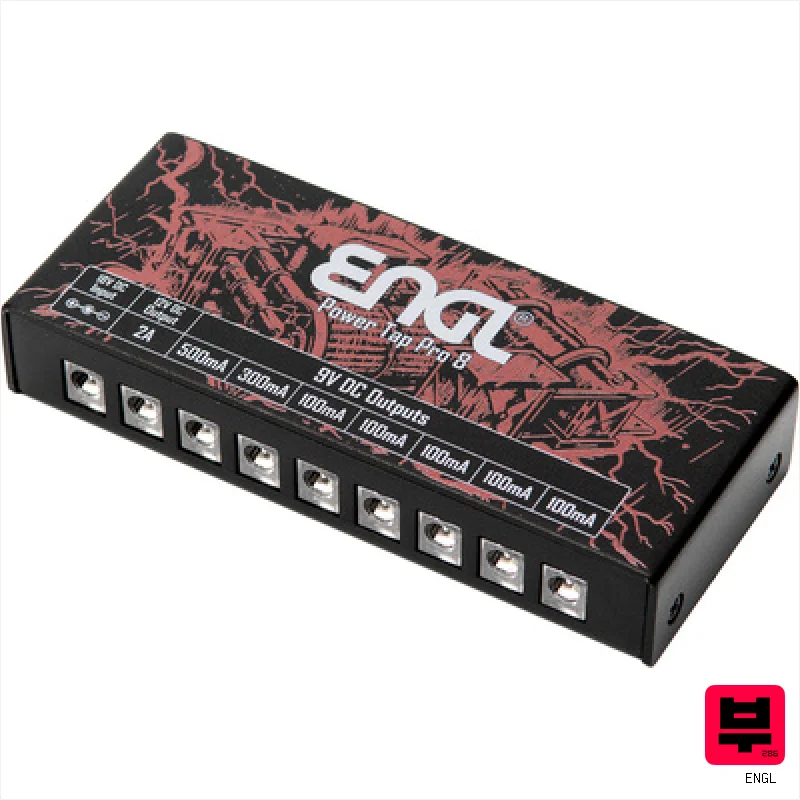
Engl Power Tap Pro 8
- • Fully isolated outputs stop ground loops cleanly
- • High-current output powers modelling processors well
- • Compact housing fits easily in small cabinets
- • Dedicated LEDs show when pedals are connected
- • Only one high-current outlet available
- • No power switch on the unit itself
- • Limited total output capacity for many pedals

Carl Martin Pro Power V2
- • Excellent isolation eliminates noise and hum, a crucial benefit.
- • Multiple voltage/current options handle a wide range of pedals.
- • Included cables offer immediate usability and convenience.
- • Solid build quality and robust metal enclosure inspire confidence.
- • The size and weight (1.5 kg) make it less portable.
- • Limited to 8 outputs might be restrictive for large pedalboards.
- • Voltage doubling cables add complexity for some users.
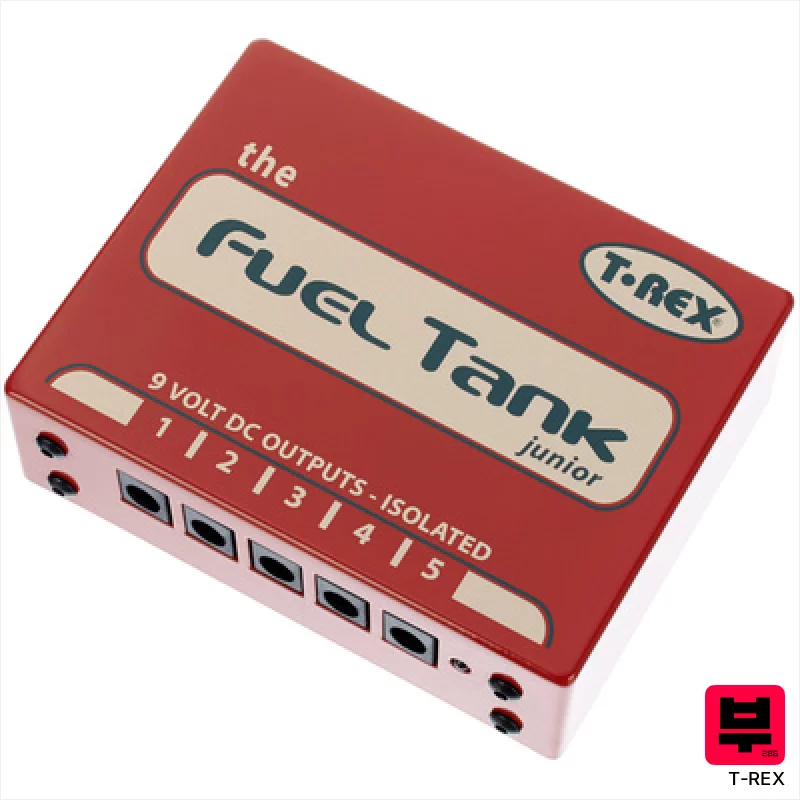
T-Rex Fuel Tank Junior
- • Excellent power isolation eliminates noise and hum effectively
- • Compact size makes it ideal for pedalboard travel and tight spaces
- • T-Rex's robust build quality ensures long-term reliability
- • Sufficient current for most standard 9V effects pedals
- • Limited to five 9V outputs – not ideal for large pedalboards
- • Cables are a bit short for some pedalboard setups
- • Price is premium-priced compared to basic power supplies
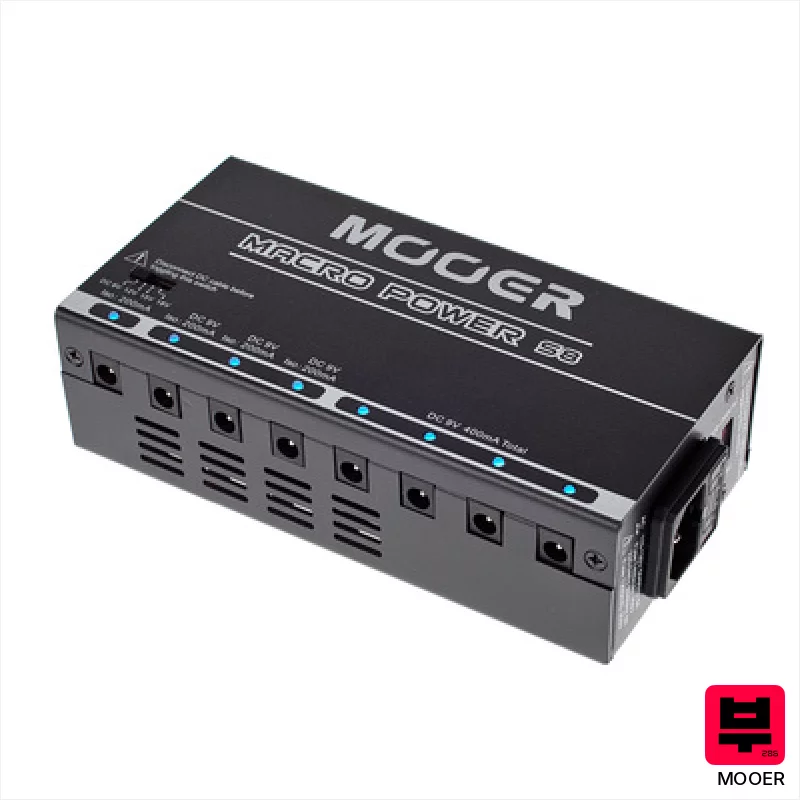
Mooer Macro Power
- • Eight outputs provide ample space for pedalboards of all sizes
- • Adjustable voltage caters to a wider range of vintage and modern pedals
- • Parallel 9V outputs handle high-draw pedals without voltage sag
- • Compact size minimizes footprint on crowded pedalboards and in gig bags
- • Plastic enclosure feels less robust than metal-encased alternatives
- • Limited current on adjustable voltage output restricts some high-power needs
- • Lack of isolated outputs on all channels can introduce ground loops
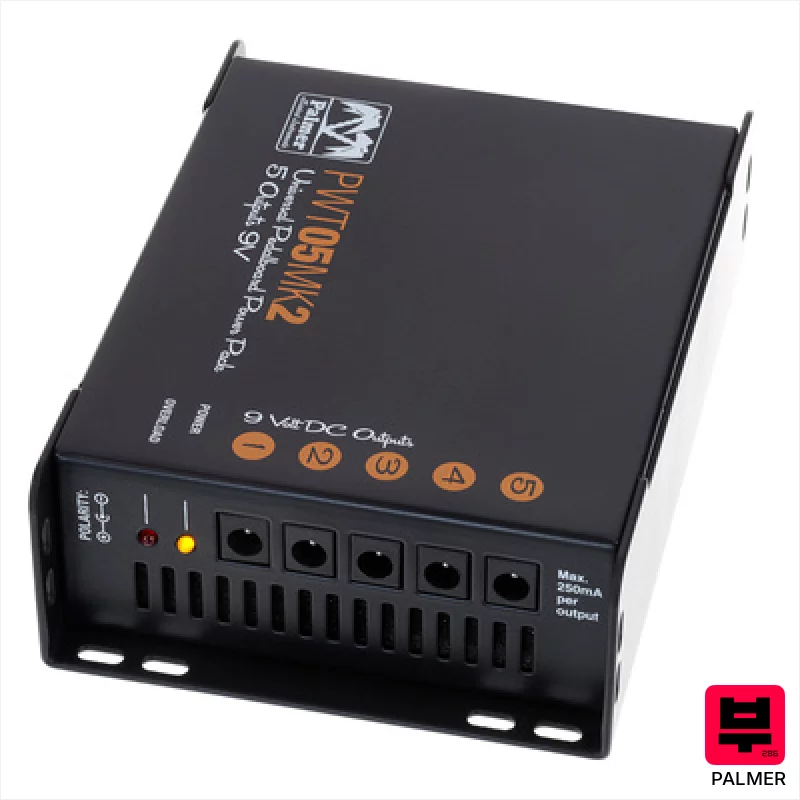
Palmer PWT 05 MK2
- • Rock-solid build quality; feels like it’ll last decades.
- • Individually isolated outputs eliminate noise and ground loops.
- • Compact size makes it surprisingly pedalboard-friendly.
- • Includes a complete cable set – a nice convenience.
- • 1.5kg is hefty; not ideal for gigging without a proper power solution.
- • Limited to 9V DC; won't power higher voltage effects.
- • Five outputs might be overkill for some users – consider your needs.
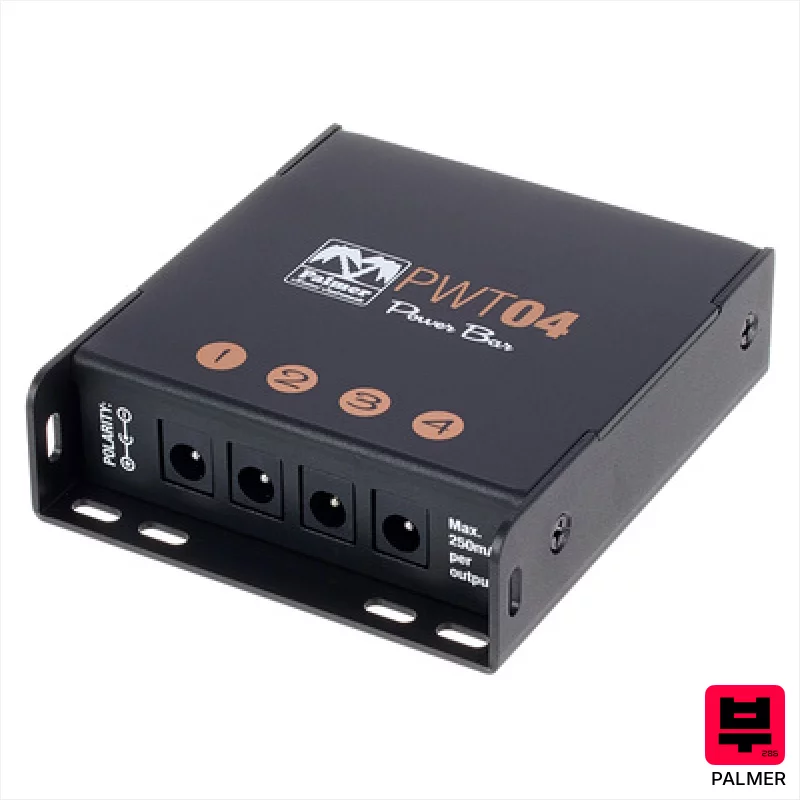
Palmer PWT 04
- • Compact size saves precious pedalboard real estate.
- • Individually isolated outputs eliminate noise and interaction.
- • Palmer's build quality ensures reliable, long-term operation.
- • Includes cables and adapters, a convenient starter package.
- • Limited to 9V DC, lacks versatility for higher voltage pedals.
- • Small size can make cable management slightly tricky.
- • Lower amperage per output restricts powering high-draw pedals.
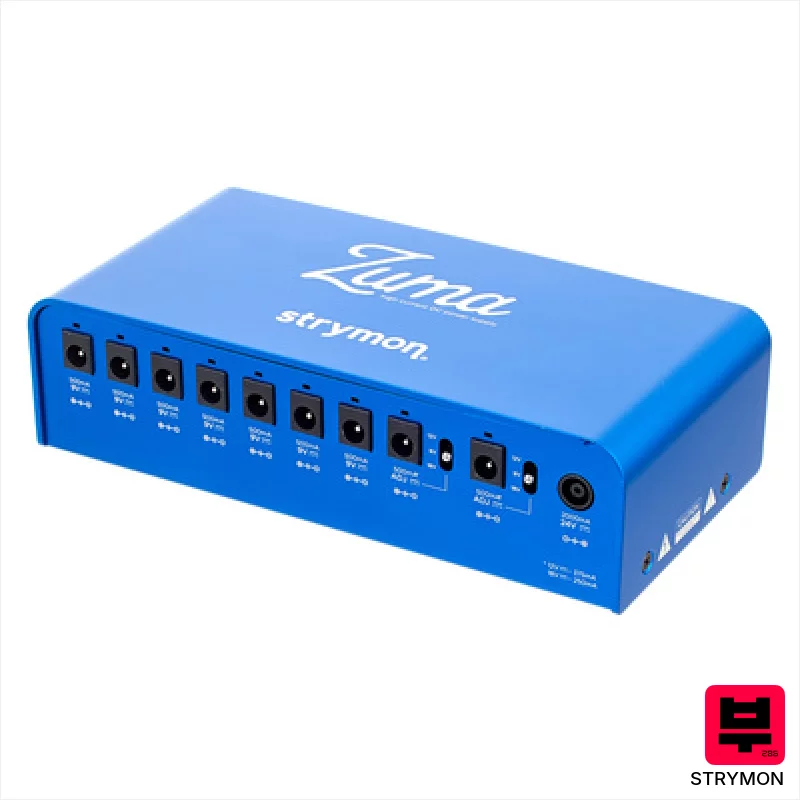
Strymon Zuma
- • Robust build quality with a heavy-duty metal chassis
- • Fully isolated outputs eliminate noise and interaction between pedals
- • Flexible voltage options cover a wide range of Strymon and compatible pedals
- • Includes nine quality cables, saving immediate setup hassle
- • Premium-priced, a significant investment for a power supply
- • Size and weight (nearly 1.5 lbs) make it less portable
- • Ojai expansion unit is required for additional output capacity
Every guitar effect power supplies that matches
191 models match this page. The 15 above are covered in detail; the rest are listed here with their published specifications.
Guitar Effect Power Supplies by the numbers
Measured across all 191 models in this category, so «wide», «short» or «expensive» mean something you can check.
How to Choose the Best Guitar Effect Power Supplies
Isolated Outputs
Crucial for minimizing noise and hum. Shared power rails can create a muddy, undefined low-end-especially with fuzz and distortion pedals. Isolation keeps things clean and allows your drive pedals to really articulate.
Current per Output
Make sure it matches your pedals' needs. A vintage Tube Screamer needs less juice than a modern, high-gain overdrive. Undersupply can lead to erratic behavior and weird noises; oversupply is generally safe but a waste of power.
Noise Floor
A quiet power supply is a good power supply. Even a tiny bit of noise gets amplified through your effects chain. We're listening for that subtle hiss or buzz that can ruin a clean tone or mask your pick attack.
Form Factor & Cable Length
Consider your pedalboard layout. Short cables are fine for a small board, but longer cables are a must for larger setups. A compact form factor helps save space, too.
Regulation
Consistent voltage is key for stable pedal operation. A power supply that fluctuates voltage under load can cause tone inconsistencies and potentially damage your pedals over time.
Buying Guide
In this price range, you're making trade-offs. Don't expect fully isolated outputs on every single channel of a super-compact unit - that's usually a $400+ feature. Look for a good balance of isolated vs. shared outputs and prioritize enough current per pedal. A solid, reliable power supply is more important than flashy features; it's the silent workhorse of your rig.
How This List Is Built
We don't play these instruments — we're a catalog, not a review desk, and we'd rather say so than pretend otherwise. This page covers 191 guitar effect power supplies from the Thomann catalogue, which is the largest single source of specification data in this category: 15 in detail, the rest listed with their specifications.
Position is computed, not curated. We parse the manufacturer's own description into actual values — nut width, scale, fret count, fingerboard radius, size, alloy — and rank on them: how many specifications a model has published, how many of them are measurable numbers, and how precisely it meets this page's criterion. A product image adds a little. Price is not a ranking signal: it tells you nothing about whether a neck fits your hand. The same inputs always produce the same order, so nothing here is shuffled to look fresh.
What this list is good for: narrowing a category down to a shortlist by spec and budget. What it isn't: a substitute for hearing an instrument. Before you buy, read hands-on reviews and, where you can, play it. Full methodology.

