
Best Guitar Effect Power Supplies Under $100 2026
Alright, so you're building a pedalboard and staring down the power supply question. Let's be honest, those Stryens and Cioks are dreamy, but they'll eat a chunk of your budget faster than a fuzz pedal can melt your face. This list is for the rest of us - players who want reliable, quiet power without breaking the bank. We're focusing on units under $100 that'll actually let your pedals breathe without introducing noise or voltage sag, because a bad power supply is worse than no power supply at all.
Last updated: October 7, 2026
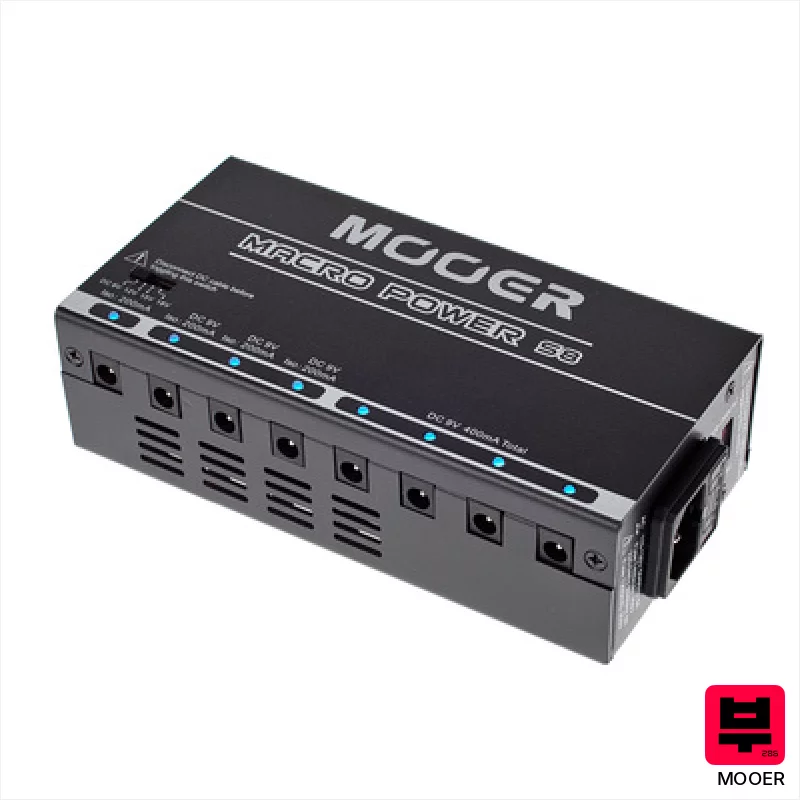
Mooer Macro Power
- • Eight outputs provide ample space for pedalboards of all sizes
- • Adjustable voltage caters to a wider range of vintage and modern pedals
- • Parallel 9V outputs handle high-draw pedals without voltage sag
- • Compact size minimizes footprint on crowded pedalboards and in gig bags
- • Plastic enclosure feels less robust than metal-encased alternatives
- • Limited current on adjustable voltage output restricts some high-power needs
- • Lack of isolated outputs on all channels can introduce ground loops
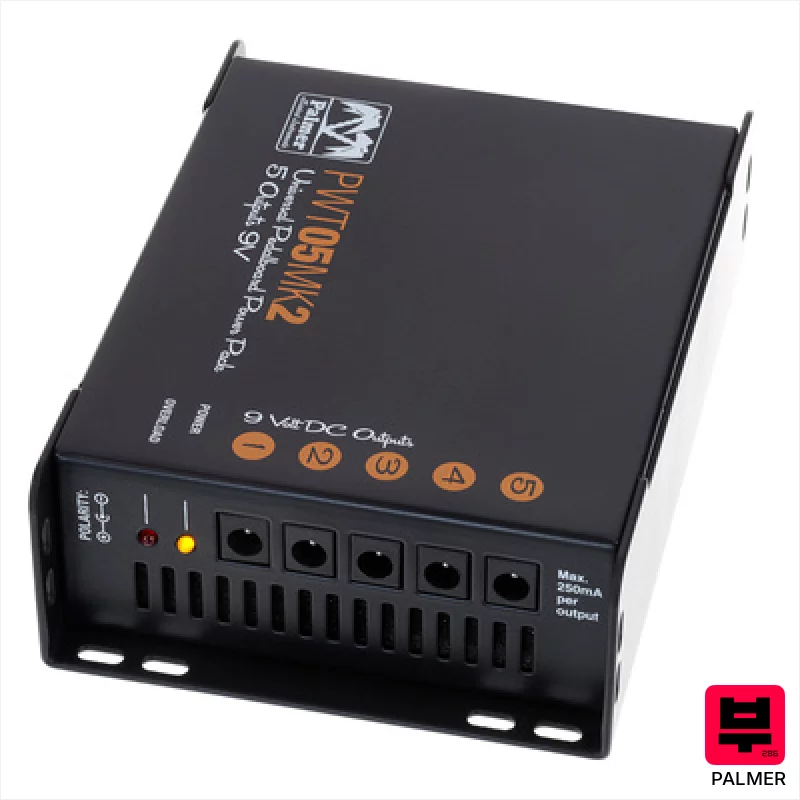
Palmer PWT 05 MK2
- • Rock-solid build quality; feels like it’ll last decades.
- • Individually isolated outputs eliminate noise and ground loops.
- • Compact size makes it surprisingly pedalboard-friendly.
- • Includes a complete cable set – a nice convenience.
- • 1.5kg is hefty; not ideal for gigging without a proper power solution.
- • Limited to 9V DC; won't power higher voltage effects.
- • Five outputs might be overkill for some users – consider your needs.
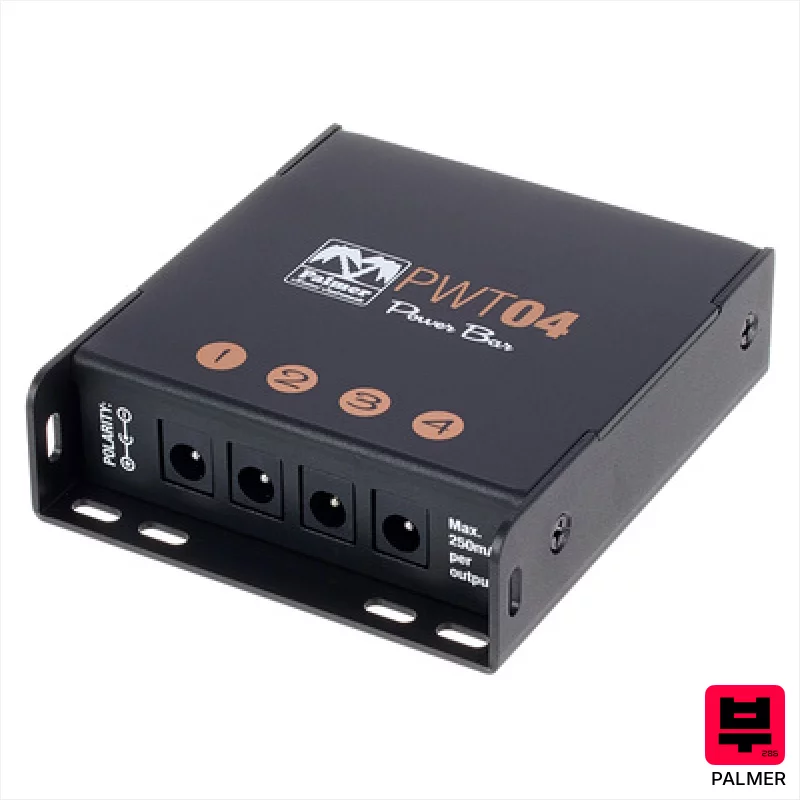
Palmer PWT 04
- • Compact size saves precious pedalboard real estate.
- • Individually isolated outputs eliminate noise and interaction.
- • Palmer's build quality ensures reliable, long-term operation.
- • Includes cables and adapters, a convenient starter package.
- • Limited to 9V DC, lacks versatility for higher voltage pedals.
- • Small size can make cable management slightly tricky.
- • Lower amperage per output restricts powering high-draw pedals.

Cioks Crux
- • Compact 1-inch profile saves valuable pedalboard real estate.
- • Provides robust power for demanding pedals like Neural DSP and HX.
- • Cioks' solid build quality ensures long-term reliability and safety.
- • Flex cables offer excellent flexibility for tidy pedalboard cable management.
- • Requires a Cioks DC7 power supply for operation – adds to overall cost.
- • Limited to 9V and 12V outputs; not universal for all pedals.
- • Relatively heavy for its size; could impact pedalboard balance.

Engl Power Tap
- • Solid Engl build quality inspires confidence and longevity.
- • Multiple voltage options cater to a wide range of pedals.
- • Isolated outputs prevent noise and interaction between pedals.
- • Includes useful adapters for various pedal power input jacks.
- • 600g is noticeably heavy; not ideal for pedalboard travel.
- • Total power limit of 18W requires careful load management.
- • Limited output current on some voltages restricts high-power pedals.
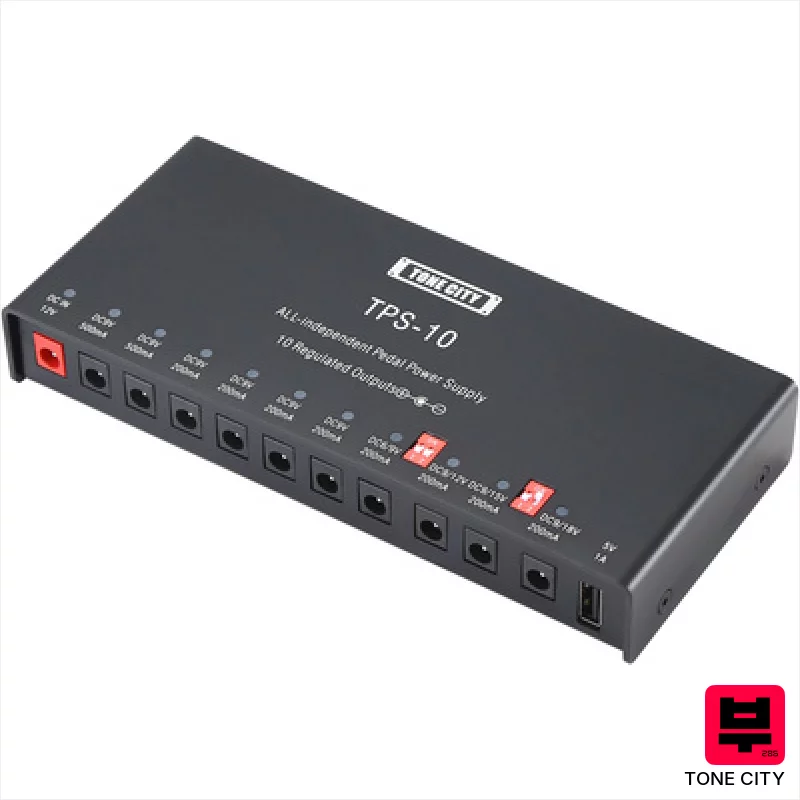
Tone City TPS-10 - Multi Power Supply
- • Multiple voltage options cover a wide range of pedal needs.
- • UHS IC compensates for voltage fluctuations, ensuring stable power.
- • Compact and lightweight design is great for gigging musicians.
- • Double short-circuit protection offers peace of mind and safety.
- • Build quality feels a little plasticky, not as robust as premium options.
- • 200mA output on some voltages might limit power for hungry pedals.
- • No isolated outputs; potential for ground loops in complex setups.
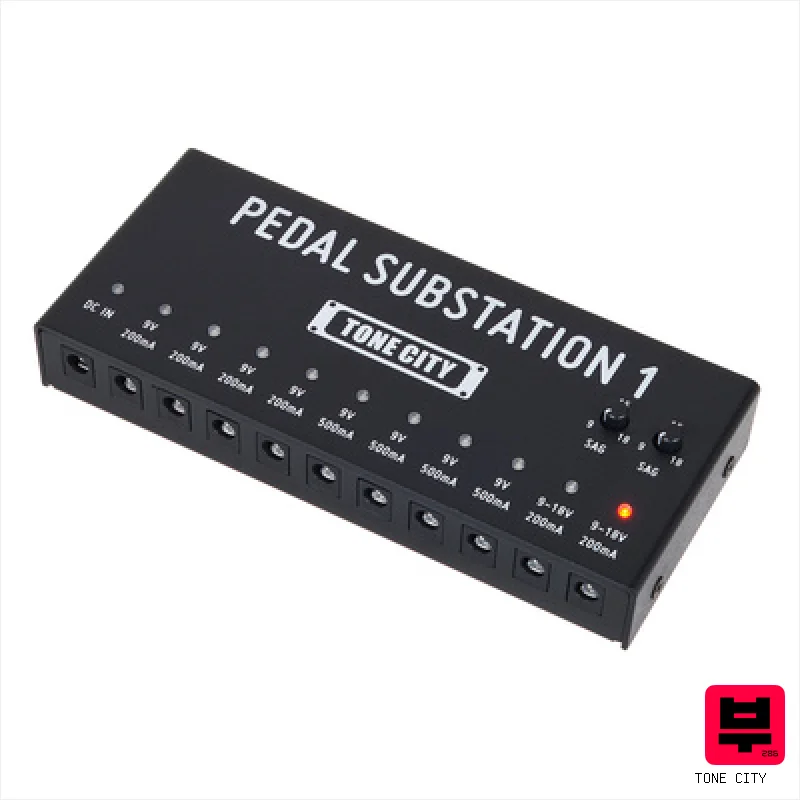
Tone City Substation Multi-Power Supply
- • Four 9V outputs with 200mA load each for standard pedals
- • Two 9-18V outputs with 200mA load each for tube pedals
- • Advanced filter technology keeps noise levels very low
- • Individual status LEDs show short-circuit issues immediately
- • Heavy 904g weight might be cumbersome for some players
- • Only one 24V input power brick included in the box
- • Ten separate power cables are required for multiple pedals

Mooer Micro Power
- • Compact size minimizes pedalboard footprint, crucial for tight setups
- • Independent outputs prevent noise and interaction between pedals
- • Solid plastic enclosure feels surprisingly durable for the price point
- • Includes all necessary cables and Velcro for immediate setup convenience
- • Limited voltage options restrict compatibility with some niche pedals
- • 300mA per output might be tight for power-hungry boutique effects
- • Plastic construction, while durable, lacks the premium feel of metal alternatives
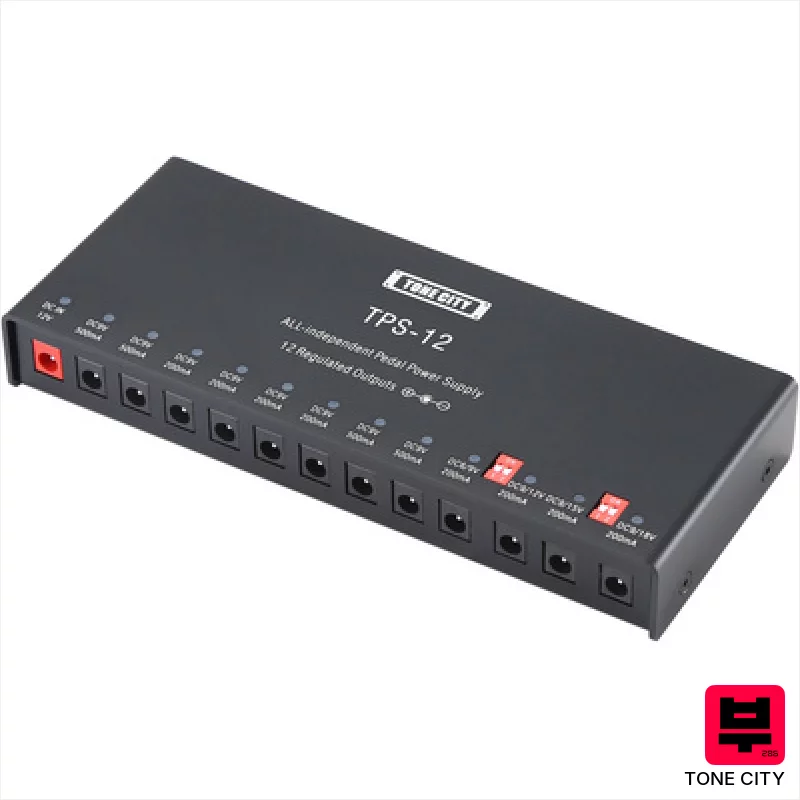
Tone City TPS-12 - Multi Power Supply
- • Multiple voltage options cover a wide range of pedal needs.
- • Dual-stage filtering noticeably reduces noise and hum.
- • Compact design makes it easily portable for gigging musicians.
- • Solid build quality for a budget-friendly power supply.
- • 200mA output on some voltages may limit power for high-draw pedals.
- • Plastic enclosure feels less premium than metal alternatives.
- • Limited total current capacity requires careful pedal selection.
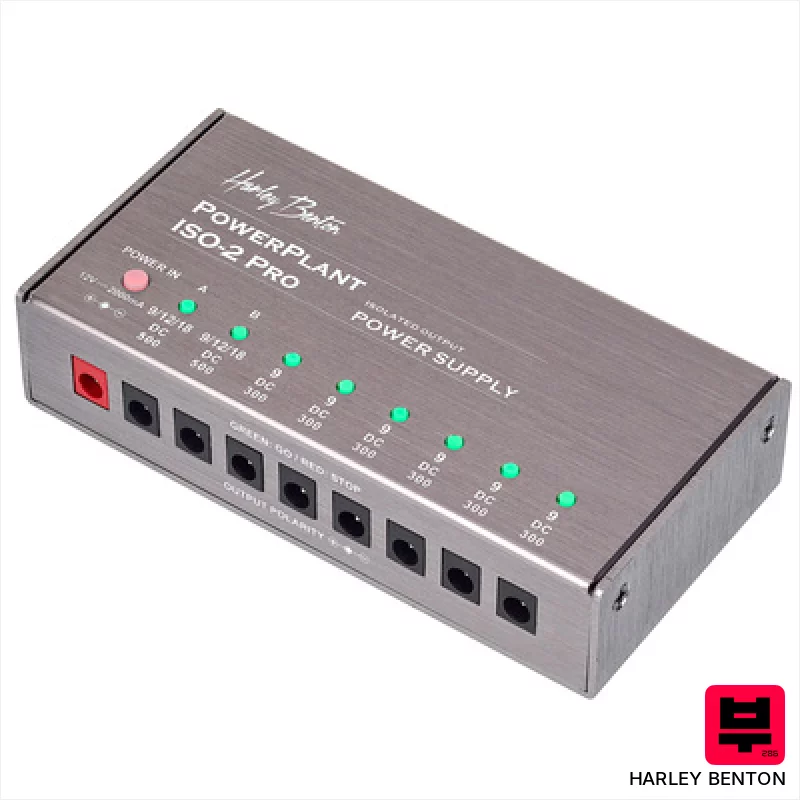
Harley Benton PowerPlant ISO-2 Pro
- • 8 isolated outputs minimize noise and hum effectively
- • High amperage handles modern digital effects without issue
- • Compact size makes pedalboard organization much easier
- • Included cables and voltage doubler offer immediate usability
- • Total power output (18W) limits usage with many high-draw pedals
- • Plastic enclosure feels somewhat flimsy compared to metal alternatives
- • Limited 9V output current (300mA) restricts some vintage pedal options

Harley Benton PowerPlant ISO-3AC SAG Modular
- • SAG voltage option genuinely sweetens fuzz and distortion tones.
- • Four isolated outputs effectively eliminate noise and ground loops.
- • Modular design allows for future expansion and customization.
- • Universal input voltage makes it globally usable and convenient.
- • Plastic enclosure feels somewhat budget-oriented; a metal chassis would be preferable.
- • 500mA current limit per output might be restrictive for some high-draw digital pedals.
- • Modular connector can feel a little flimsy compared to robust power connectors.
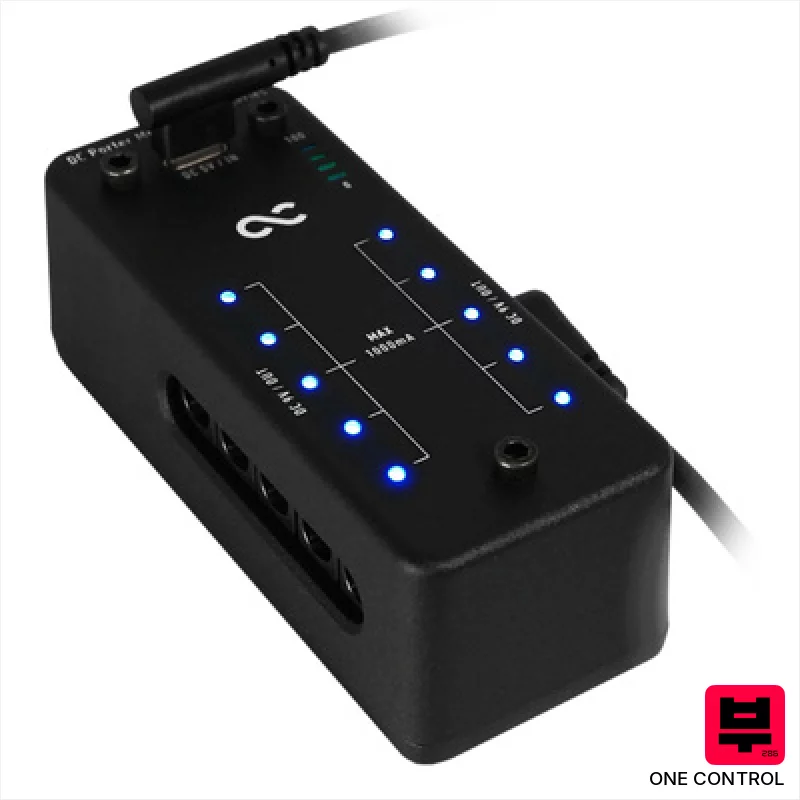
One Control DC Porter MkII - Power Supply
- • Robust metal housing provides excellent protection during gigging.
- • USB-C power input offers modern convenience and flexibility.
- • Ten 9V outputs handle a wide range of pedalboard setups.
- • LED indicators clearly show current draw on each output.
- • Limited to 9V DC; no options for 12V or 18V pedals.
- • Relatively compact size can feel cramped with many large pedals.
- • Weight, while manageable, is noticeable compared to lighter alternatives.

Rockboard Power Block Multi Power Supply
- • Compact size minimizes pedalboard footprint, ideal for tight setups.
- • Rockboard's robust build ensures reliable performance over time.
- • Multiple 9V and 18V outputs cater to a wide range of pedals.
- • LED indicators quickly identify short circuits, preventing damage.
- • Limited current per 9V output might restrict high-draw pedal usage.
- • Plastic enclosure feels less premium than metal alternatives.
- • Cable length (50cm) may be insufficient for some pedalboard layouts.

Line6 DC3H Power Supply
- • Reliable power delivery for Line6 gear, minimizing noise and dropouts
- • Compact design saves pedalboard space compared to larger alternatives
- • Universal input voltage simplifies international travel and use
- • Durable construction suggests longevity and resilience to frequent use
- • Limited to powering Line6 devices; not a universal power solution
- • 5.5/2.5mm barrel connector isn’t universally compatible with all pedals
- • Lacks individual output current limiting for enhanced pedal protection

Harley Benton PowerPlant Tuner
- • Built-in power supply saves space and eliminates extra clutter
- • Chromatic tuning range handles guitars, basses, and alternate tunings easily
- • Isolated outputs prevent noise and interaction between pedals
- • Abundant DC cables offer flexibility for various pedal power needs
- • Harley Benton build quality, while decent, isn't quite on par with premium brands
- • LC display can be a bit dim in brightly lit environments
- • Limited voltage options; only 9V available, which restricts pedal compatibility
Every guitar effect power supplies that matches
113 models match this page. The 15 above are covered in detail; the rest are listed here with their published specifications.
Guitar Effect Power Supplies by the numbers
Measured across all 113 models in this category, so «wide», «short» or «expensive» mean something you can check.
How to Choose the Best Guitar Effect Power Supplies
Current per Output
This is critical. Don't cheap out and get a unit where your fuzz pedal is constantly starved. Look for at least 300mA per output for standard pedals, and 500mA+ for high-current stuff like Studio Deluxes or certain distortions. Starving a pedal changes its voicing and introduces noise.
Noise & Ripple
A cheap transformer can sound like a swarm of bees. We're listening for hum, buzz, and any noticeable ripple on the DC voltage. A clean signal is a good signal - don't sacrifice that for a few extra outputs.
Isolation
Pedalboard chaos is real. You want a power supply that isolates each output to prevent noise from one pedal bleeding into another. This is especially important if you're running digital or MIDI-controlled pedals.
Physical Size & Mounting
Let's be practical - can you actually fit this thing on your board? Some of these budget options are brick-like and lack mounting holes, which can be a pain. Consider space constraints and how you'll secure it.
Power Connector Types
Most likely you'll need 2.1mm center-negative DC jacks. Some cheaper units might only offer a few, so double-check you have the right connectors or adapters for your entire pedal chain. Adapters add clutter and potential points of failure.
Buying Guide
At this price point, you're making trade-offs. You won't get the premium features of a high-end unit - like isolated outputs for every channel - but you can get reliable power. Expect some bulkier designs and potentially fewer outputs than you'd like. Prioritize current per output over sheer number of jacks; a few powerful outputs are better than a bunch of weak ones. Read reviews carefully - user experiences are your best indicator of real-world performance.
How This List Is Built
We don't play these instruments — we're a catalog, not a review desk, and we'd rather say so than pretend otherwise. This page covers 113 guitar effect power supplies from the Thomann catalogue, which is the largest single source of specification data in this category: 15 in detail, the rest listed with their specifications.
Position is computed, not curated. We parse the manufacturer's own description into actual values — nut width, scale, fret count, fingerboard radius, size, alloy — and rank on them: how many specifications a model has published, how many of them are measurable numbers, and how precisely it meets this page's criterion. A product image adds a little. Price is not a ranking signal: it tells you nothing about whether a neck fits your hand. The same inputs always produce the same order, so nothing here is shuffled to look fresh.
What this list is good for: narrowing a category down to a shortlist by spec and budget. What it isn't: a substitute for hearing an instrument. Before you buy, read hands-on reviews and, where you can, play it. Full methodology.

